



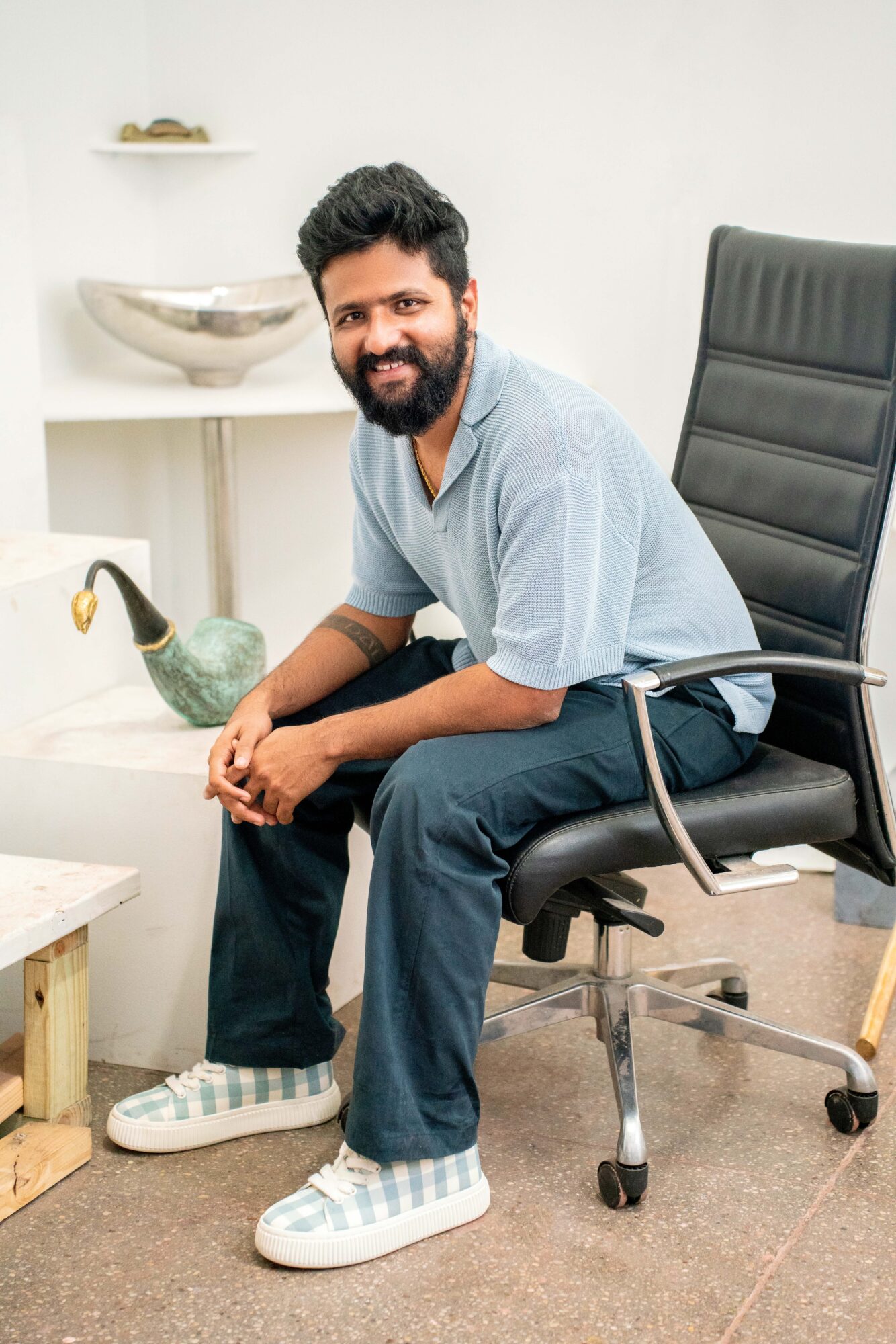
Today we’d like to introduce you to Abhishek Tuiwala.
Abhishek , we appreciate you taking the time to share your story with us today. Where does your story begin?
My journey as an artist has been shaped by movement, observation, and a gradual commitment to listening closely to both material and experience. I did not arrive at my practice through a single defining moment but through a series of questions that kept returning over time. Questions about identity, belonging, and how personal history quietly informs the way we move through the world.
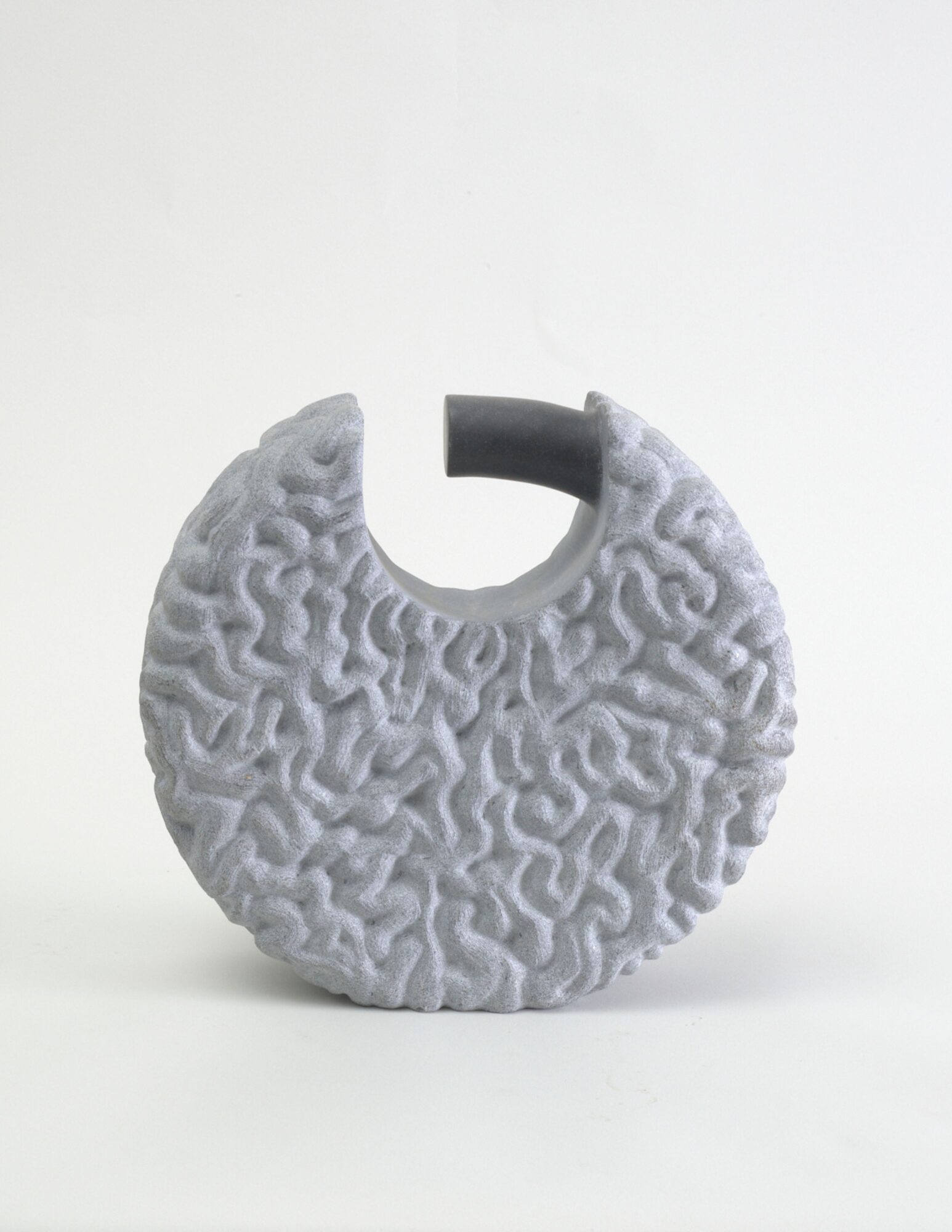
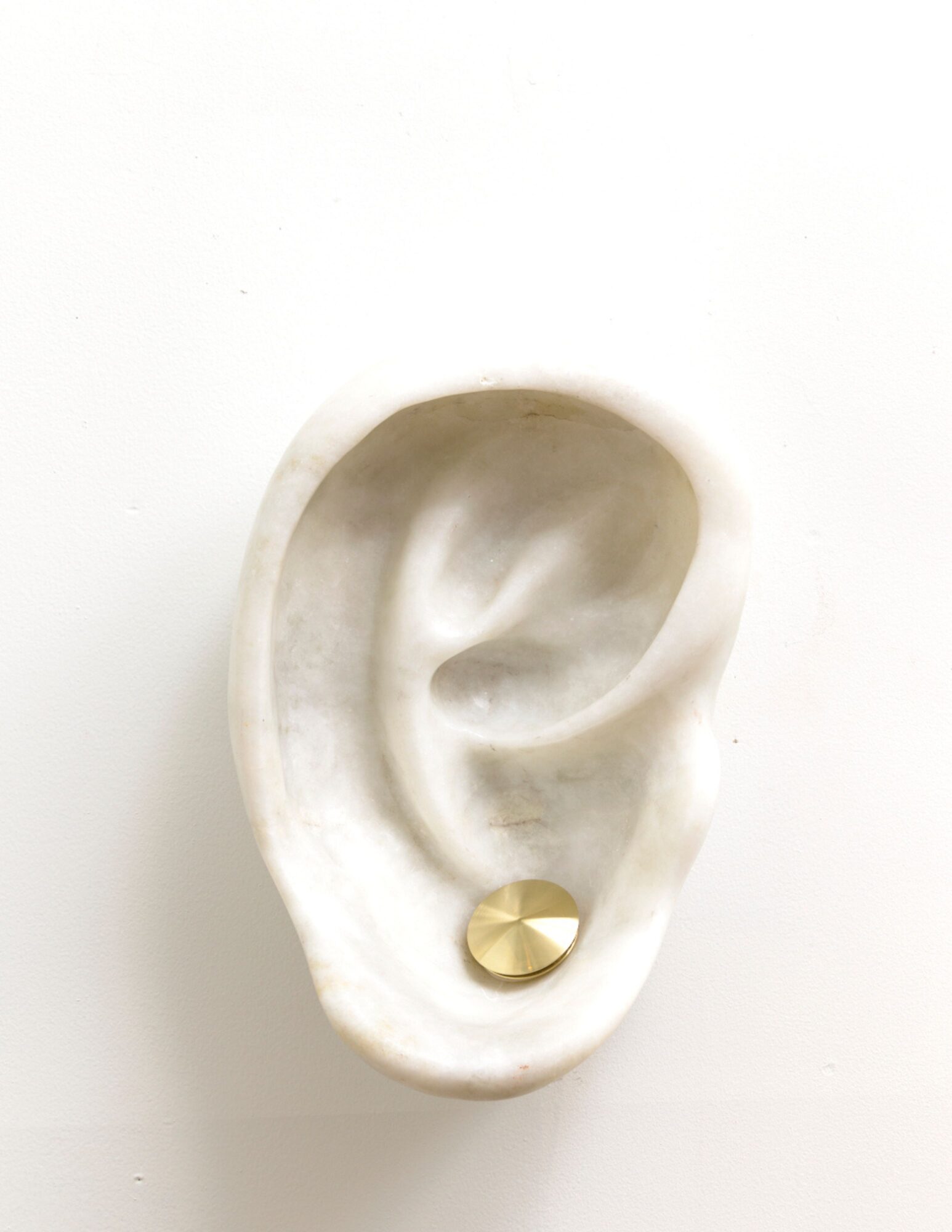
I grew up navigating multiple cultural influences, and that early experience of translation stayed with me. I became interested in how everyday objects, gestures, and systems carry meaning, often unnoticed. Over time, art became a way for me to slow down and examine those layers more carefully. Sculpture, in particular, offered a language that felt honest to me because it involves time, resistance, and physical presence. Working with materials such as wood, metal, and stone allowed me to think through my hands and to let process guide understanding.
As my practice developed, I learned the value of patience and solitude. Progress was not linear, and much of my growth happened quietly through sustained studio work, reflection, and experimentation. I spent years refining my relationship with materials and concepts, allowing the work to evolve rather than forcing it into predetermined outcomes.
Being based in New Jersey has played an important role in where I am today. The proximity to diverse communities, cities, and creative spaces has given me both grounding and perspective. It has allowed me to engage with a wide range of voices while maintaining the space and stillness my work requires. Over time, this balance has helped me build a practice that feels both personal and connected to broader cultural conversations.
Today, I continue to focus on developing sculptural work that invites reflection and asks viewers to reconsider familiar ideas around identity, perception, and presence. Where I am now feels less like an arrival and more like a continuation of a long and ongoing inquiry. Each piece builds on what came before, and I remain committed to letting the work unfold with honesty, care, and attention.
Would you say it’s been a smooth road, and if not what are some of the biggest challenges you’ve faced along the way?
It has definitely not been a smooth road. My journey has been shaped as much by uncertainty and resistance as by clarity or momentum. One of the biggest struggles has been learning to trust a slower path in a world that often rewards speed, visibility, and quick validation. As someone drawn to sculpture and process driven work, progress has often been internal long before it became visible to others.
There were long periods of doubt where I questioned whether the time and energy I was investing would ever fully translate into something sustainable or understood. Navigating identity and cultural complexity also came with its own challenges. Trying to articulate experiences that do not always fit neatly into existing categories sometimes left me feeling in between spaces, both personally and professionally.
Financial uncertainty and limited access to resources were also real obstacles at different stages. Like many artists, I had to find ways to balance practical responsibilities with the need for uninterrupted time to think, experiment, and make work. That tension required constant adjustment and discipline.
What helped me move through these struggles was learning to sit with discomfort rather than trying to escape it. I began to see uncertainty as part of the process rather than a sign of failure. Over time, persistence, reflection, and a commitment to honesty in the work allowed things to gradually align. The road has been uneven, but those challenges have shaped the depth and integrity of my practice in ways I would not trade.
Can you tell our readers more about what you do and what you think sets you apart from others?
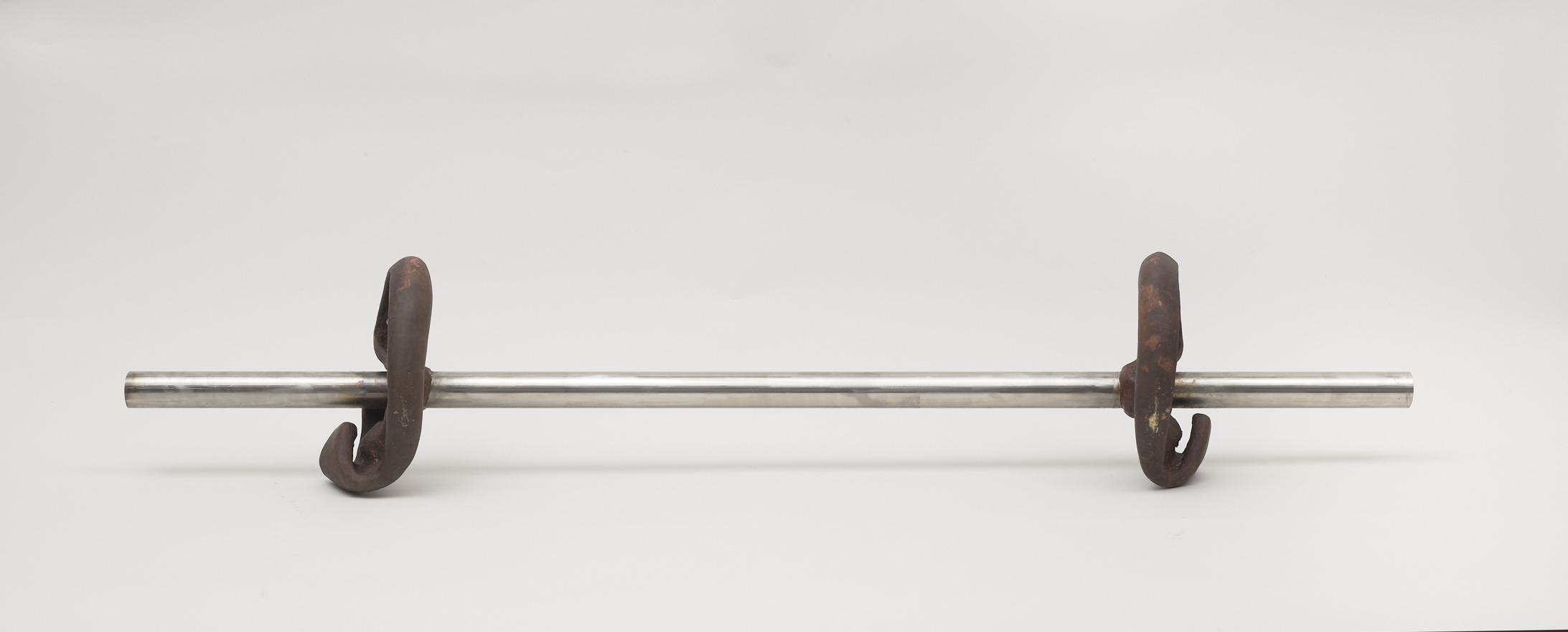
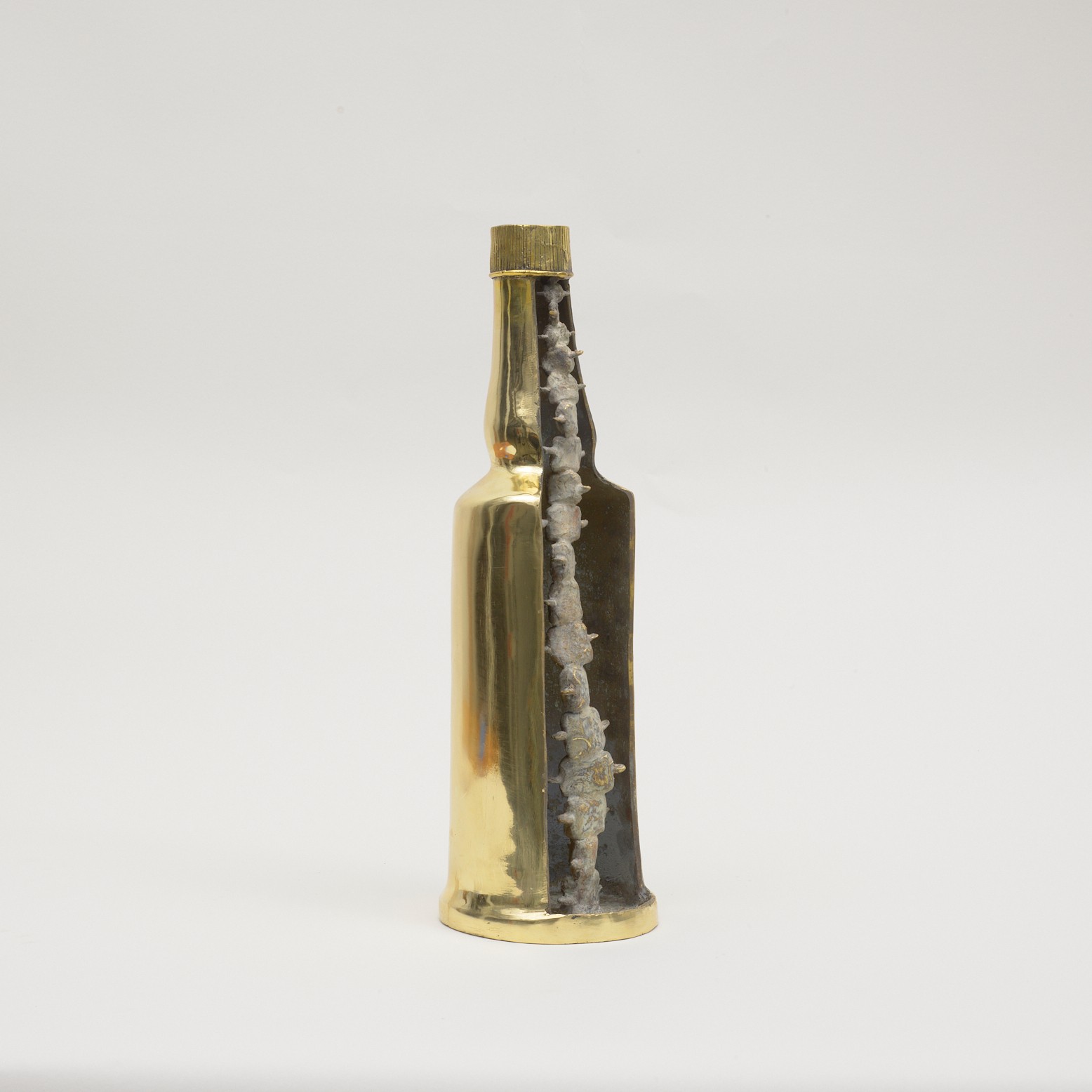
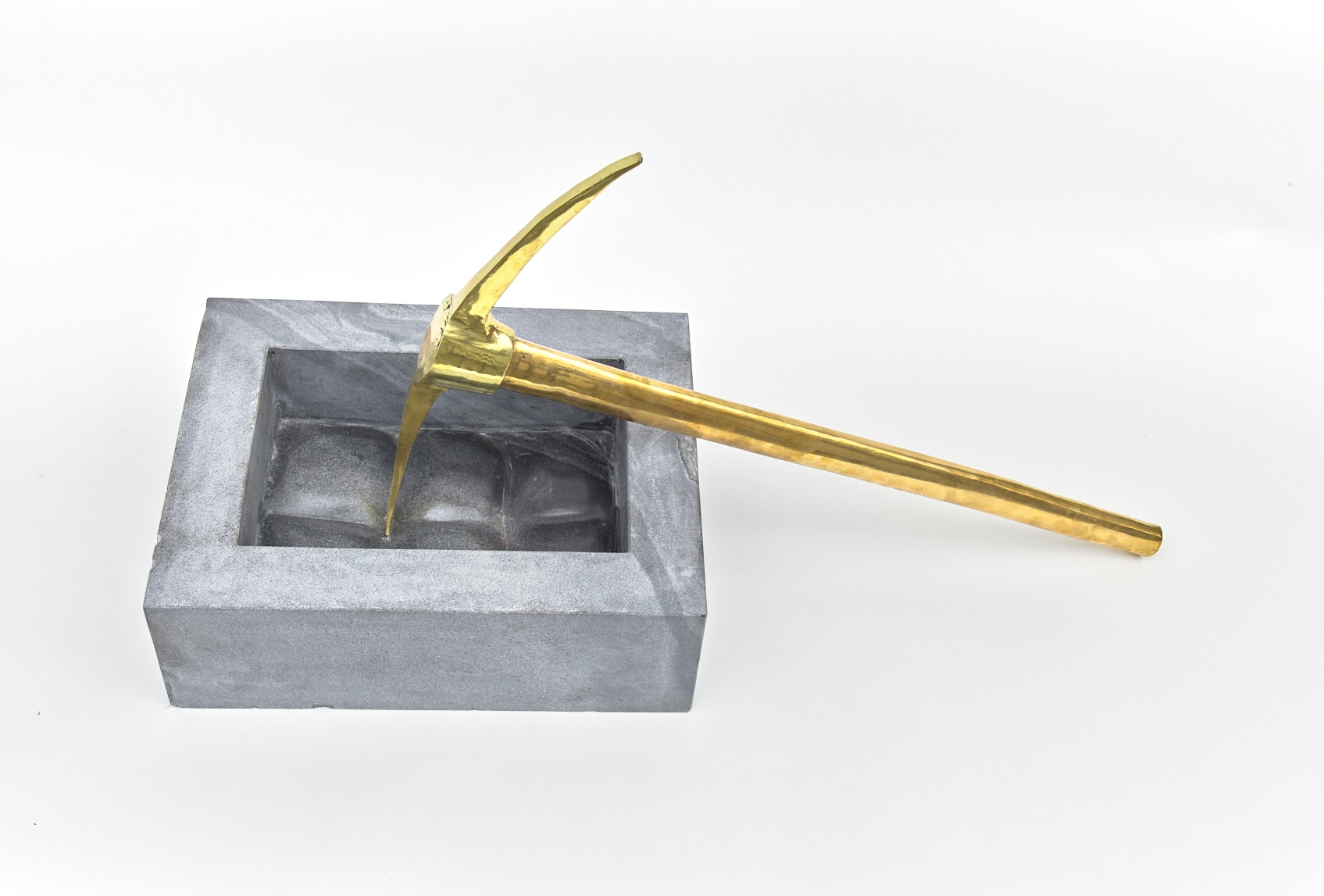
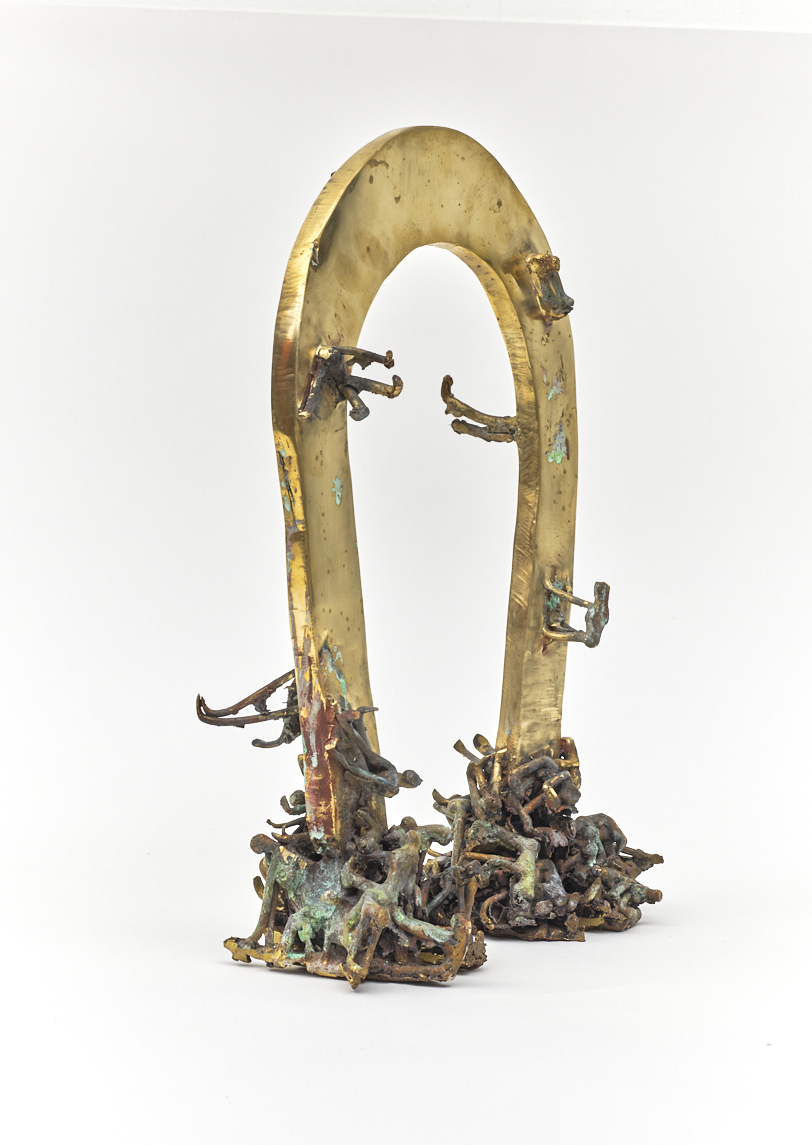
My work is rooted in sculpture and multidisciplinary practice, with a focus on material, process, and meaning. I primarily work with wood, metal, stone, and mixed media, using physical labor and repetition as a way to think through ideas of identity, cultural translation, and perception. Much of what I make draws from everyday forms and gestures, transforming them into objects that invite viewers to slow down and look more closely.
I am known for a process driven approach that values patience and restraint. Rather than aiming for spectacle, my work often sits quietly and asks for time. I am interested in the space between familiarity and discomfort, and I try to create work that feels accessible at first glance but reveals deeper layers the longer someone stays with it. The work is intentionally open ended, allowing viewers to bring their own experiences into the encounter.
What I am most proud of is the integrity of my practice. I have remained committed to working slowly and honestly, even when it would have been easier to follow trends or external expectations. Over time, this commitment has allowed the work to develop its own language and consistency. I take pride in building each piece through careful attention to material, balance, and concept, and in allowing the work to evolve naturally rather than forcing outcomes.
What sets me apart is the way my personal history, cultural background, and inner practices shape the work without becoming overly literal. I am less interested in making statements and more interested in creating space for reflection and questioning. By combining physical making with contemplation, I aim to create work that resonates quietly and stays with people beyond the initial encounter.
Is there any advice you’d like to share with our readers who might just be starting out?
One piece of advice I would offer to anyone just starting out is to give yourself permission to move slowly. In the beginning, it is easy to feel pressure to have a clear identity, a polished voice, or quick results. What I wish I had understood earlier is that clarity comes through doing, not through planning or comparison. The time you spend experimenting, failing, and sitting with uncertainty is not wasted. It is foundational.
I also wish I had known how important it is to build a relationship with yourself alongside building your skills. Learning techniques, tools, and professional strategies matters, but learning how you think, what motivates you, and how you respond to challenges matters just as much. Creating space for reflection early on can help you make more intentional choices and avoid chasing paths that do not align with who you are.
Another important lesson is to seek depth rather than validation. Attention, recognition, and opportunities can come and go, but the integrity of your work is what sustains you over time. Focus on developing a practice you can return to even when no one is watching. Consistency, patience, and honesty will carry you much further than comparison or external approval.
Most importantly, trust that your voice has value, even before it feels fully formed. You do not need to arrive before you begin. Growth happens through commitment, curiosity, and showing up again and again.
Contact Info:
- Website: https://www.abhishektuiwala.com
- Instagram: https://www.instagram.com/abhishek.tuiwala/