




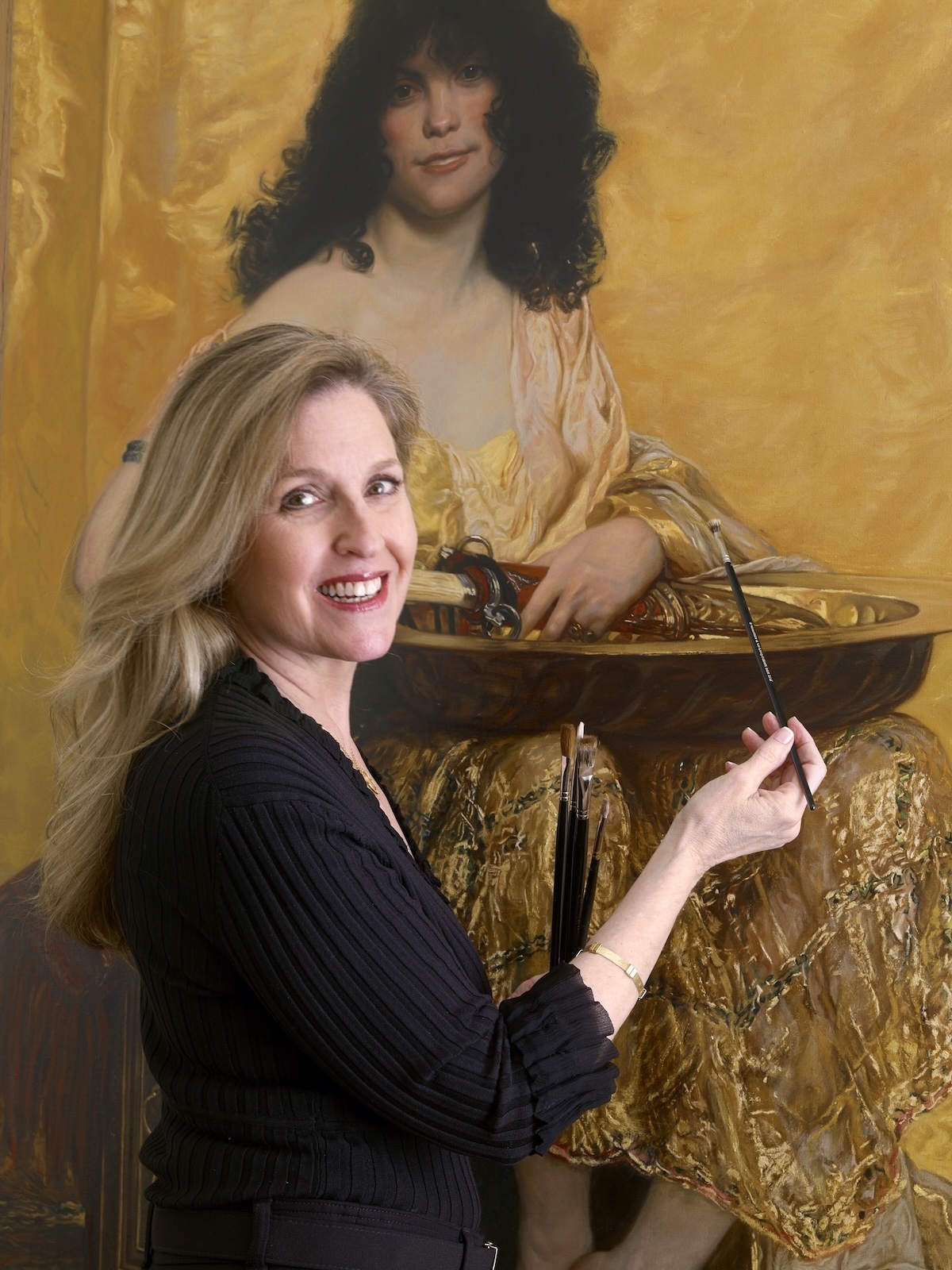
Today we’d like to introduce you to Nanette Fluhr.
Hi Nanette, please kick things off for us with an introduction to yourself and your story.
I didn’t arrive at portraiture in a straight line. I returned to it. As a child, I was drawn to anything creative. Drawing, painting, making things. Faces held my attention. I wanted to capture not only what people looked like but who they were. I studied Communications and Art at Rutgers while taking continuing education classes at the School of Visual Arts in New York in the evenings and on weekends. After graduating, I built a career as Executive Director of a medical society, never stopping those SVA classes. Although I loved what I did, the pull toward art never left.
During that time, I had the opportunity to paint the cover of an internationally published book. Working on it, I realized how much I still had to learn. I wanted to master the craft and to have the skills to say exactly what I intended on canvas. At twenty-five, I left the career I had built and enrolled full time at SVA. I wanted to give myself the best chance, not simply have the potential to be a great artist. I wanted to be one.
At SVA I met John Frederick Murray, who introduced me to the discipline of the Old Masters and later became my mentor at his private atelier. Seeing my affinity for that tradition, he encouraged me to go directly to the source. I became a registered copyist at the Metropolitan Museum of Art and spent years studying Rembrandt, Rubens, Velázquez, Van Dyck, Lawrence, and Vigée Le Brun. I worked to replicate not only what they painted but how they achieved it, using today’s closest equivalents to their materials and methods to understand from the inside how those effects were built. Those paintings changed how I see. I stopped looking at surfaces and began reading structure, presence, and character.
Élisabeth Louise Vigée Le Brun continues to inspire me. She navigated a world built against her, lost her earnings to a reckless husband, fled a revolution, and still built one of the most celebrated portrait careers in history. That resilience resonates deeply.
In the early 1990s, I entered Portrait of My Grandfather into my first art competition and won the Award of Excellence. Painting him drew together everything I had been learning at the Met and deepened my understanding of presence and character, a lesson that still informs how I work today. I also entered the portrait into The Artists Magazine competition, where it placed in the top ten in the country out of more than 2,200 entries. Around that same time, I received my first portrait commission, and a collector who had watched me paint daily at the Metropolitan Museum of Art purchased one of my master copies. More than thirty years later, I still feel the weight and privilege of being trusted to depict someone’s legacy.
We all face challenges, but looking back would you describe it as a relatively smooth road?
Classical realism wasn’t simply unfashionable when I was coming up. In some circles, it was dismissed entirely. The art world often wanted conceptual justification more than it looked at the work itself. I had to trust my instincts before I had the training to support them.
Finding John Murray and discovering a lineage of knowledge passed from generation to generation felt like finding the keys to the kingdom. It also made me aware of how few women’s names were preserved in that lineage.
There were quieter challenges as well. I stepped back from my career to raise my family, and when I returned, I was ready to rebuild. Things moved quickly from there. People noticed, opportunities followed, and my career took on a momentum I hadn’t anticipated. I had stepped away when doors were opening, trusting there was a time for everything. Coming back and finding new doors, perhaps even wider ones, reinforced something I have always believed. Stay committed to the work and the right opportunities find you.
Each obstacle refined my voice and deepened my commitment to work that feels timeless and human.
Can you tell our readers more about what you do and what you think sets you apart from others?
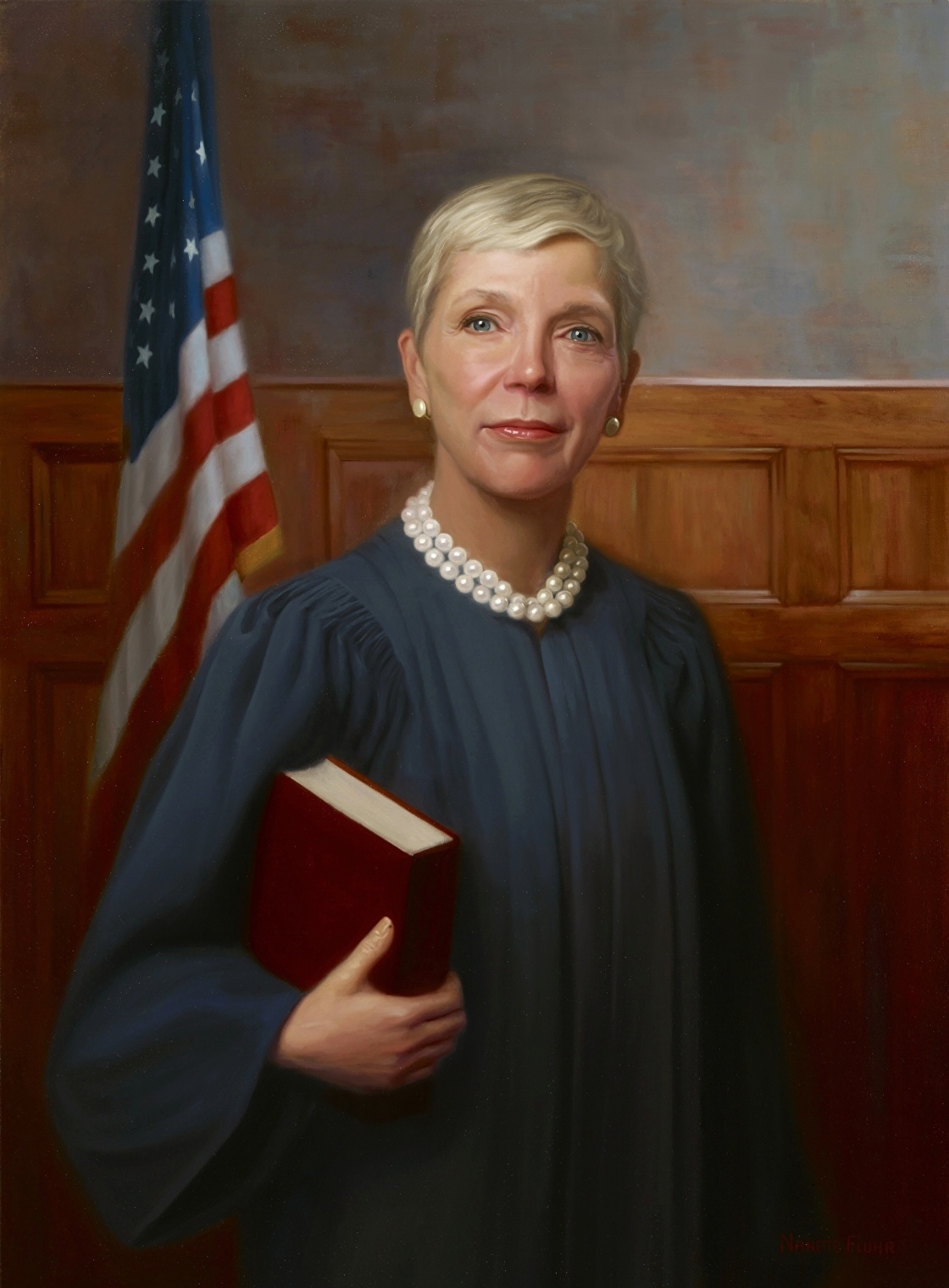
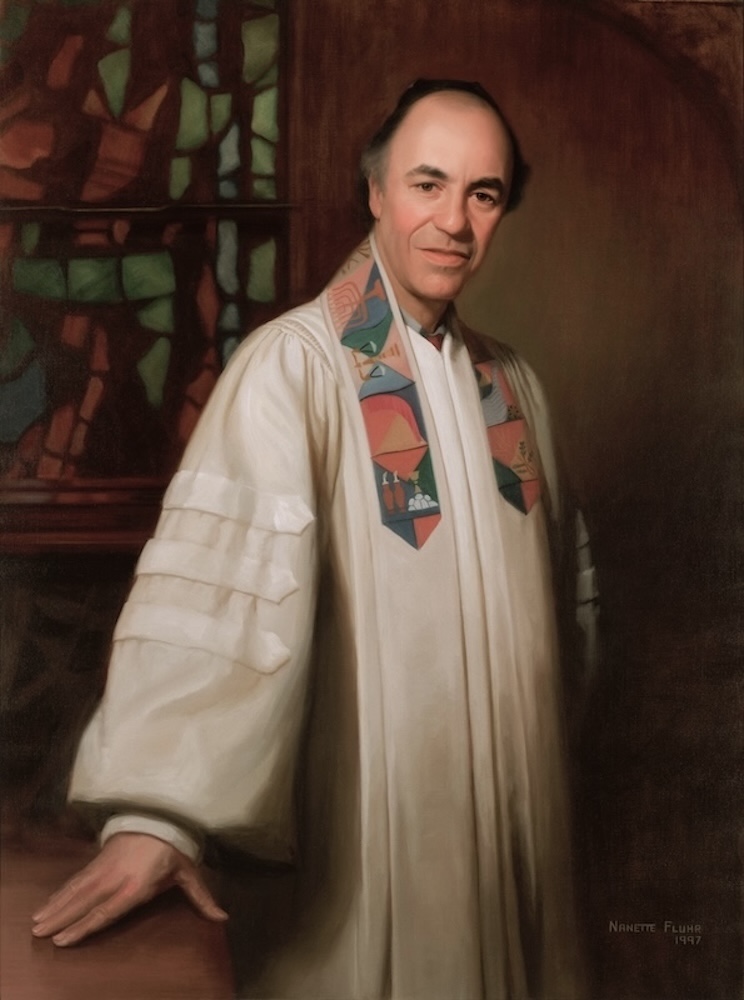
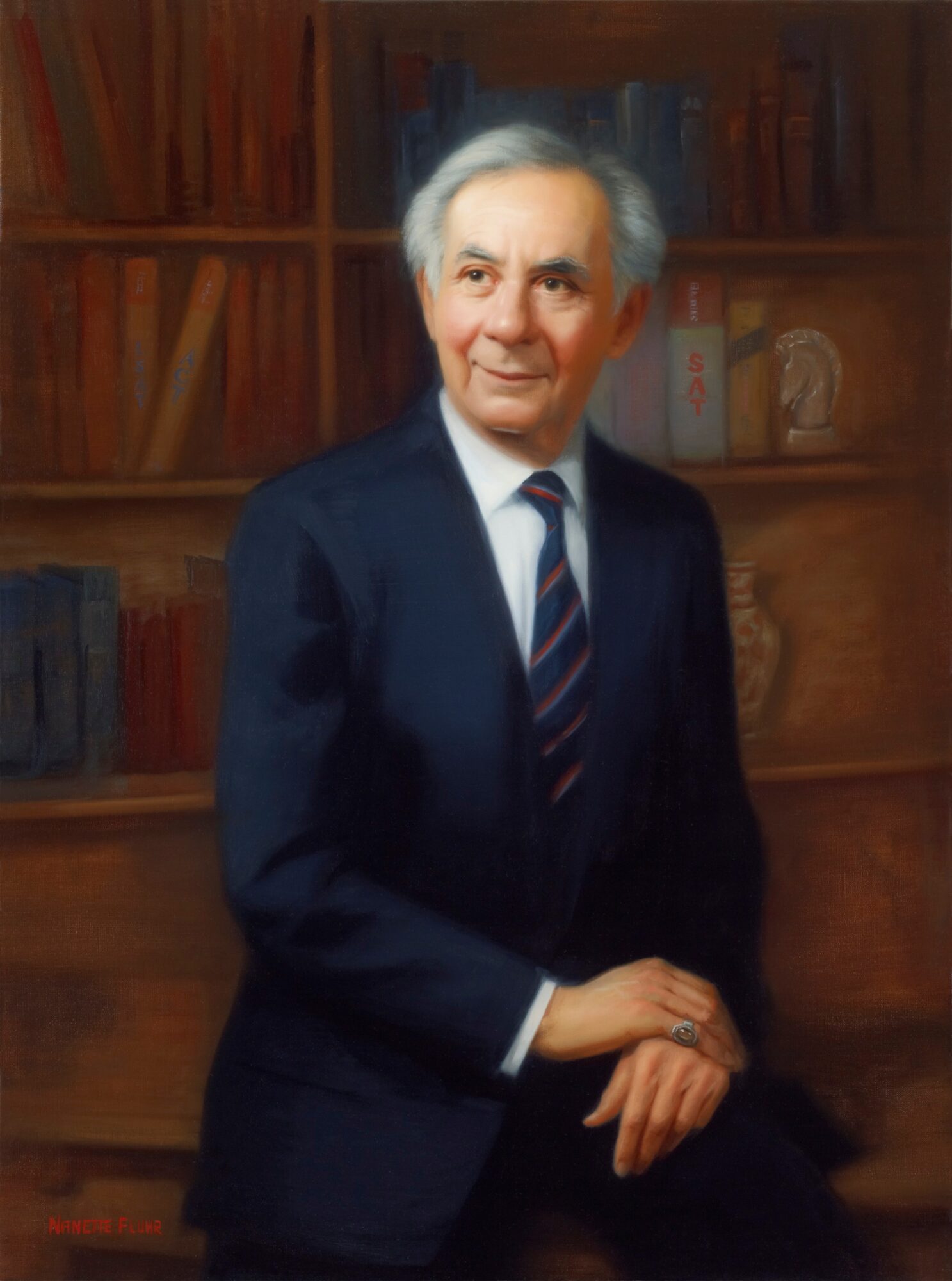
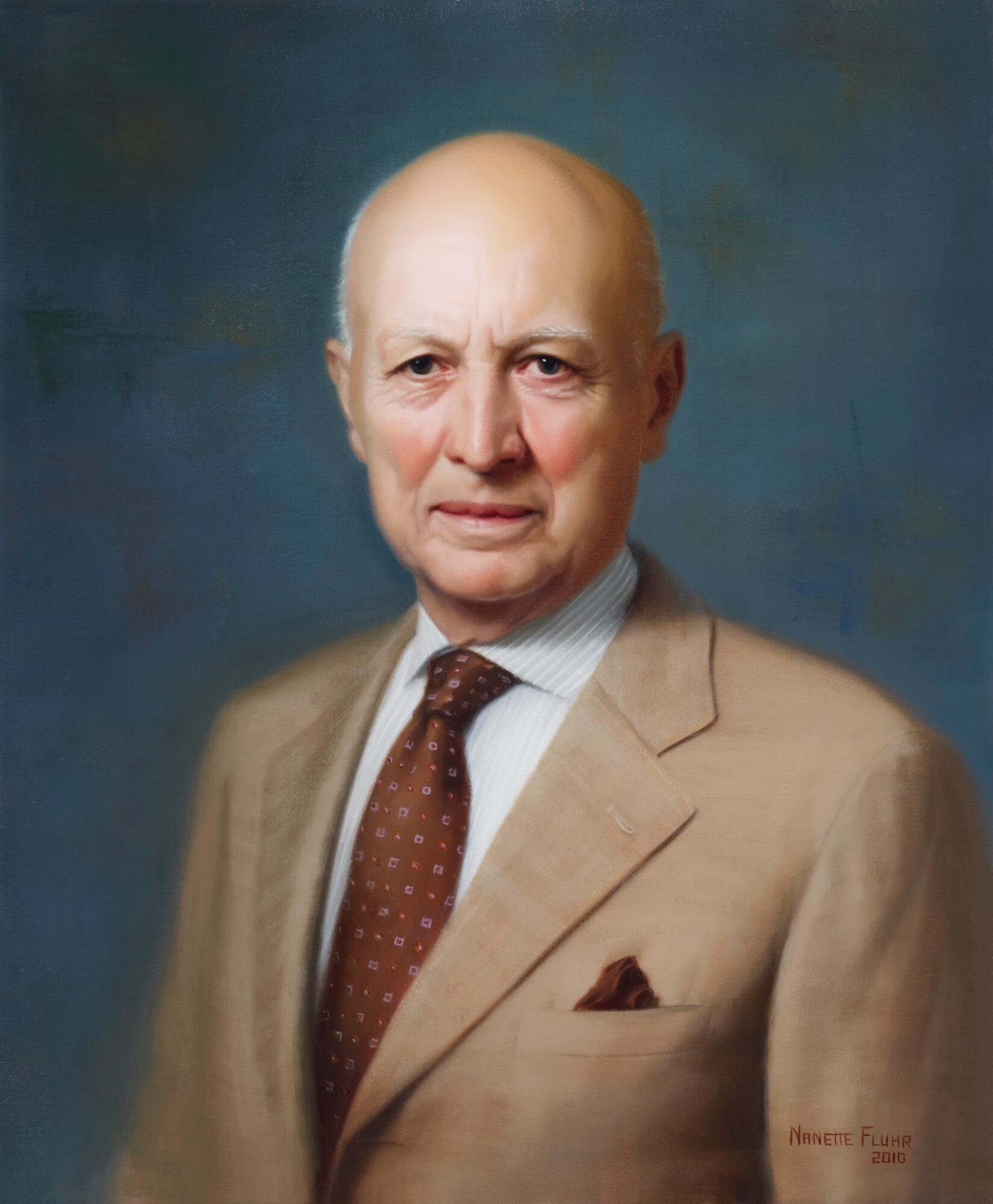
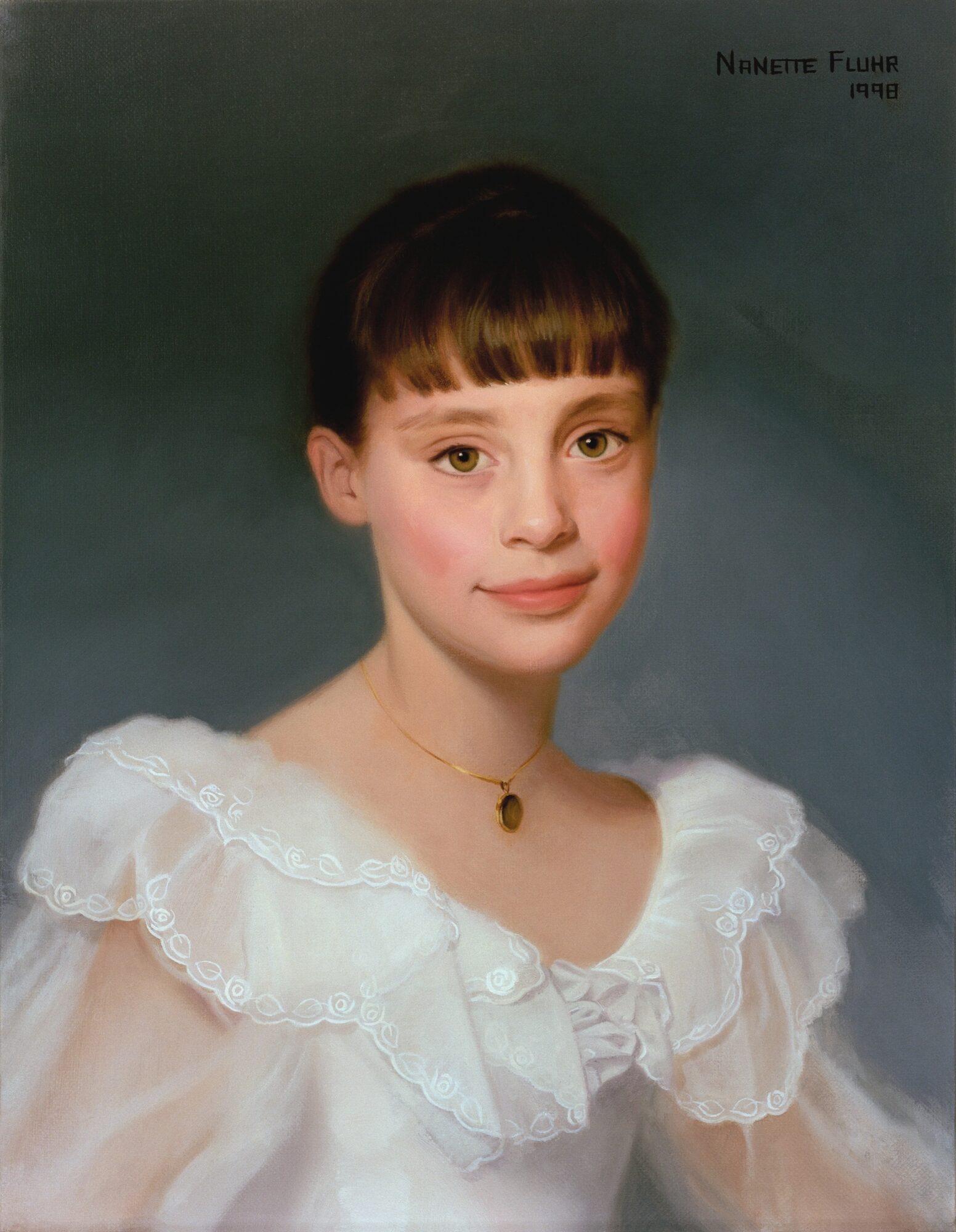
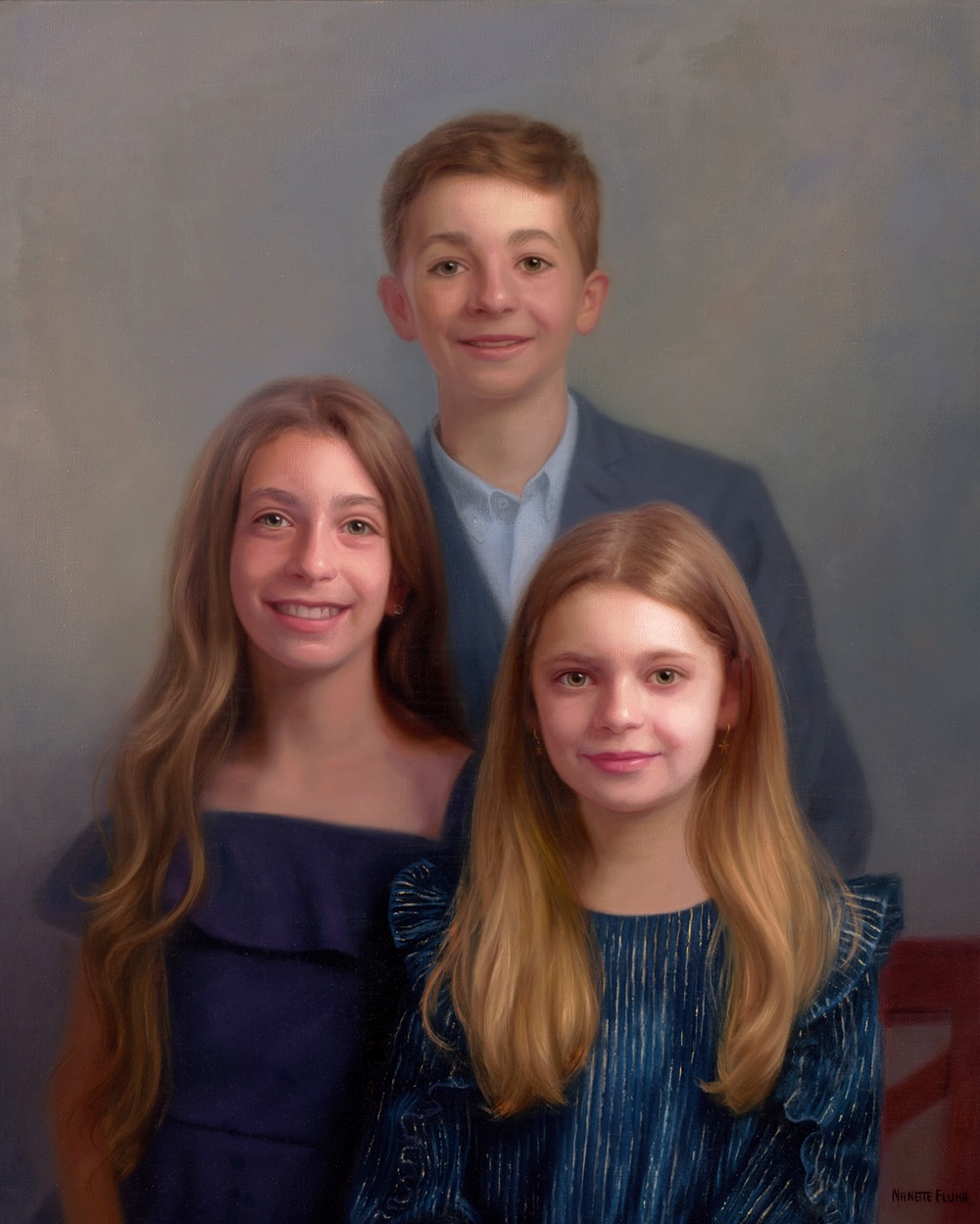
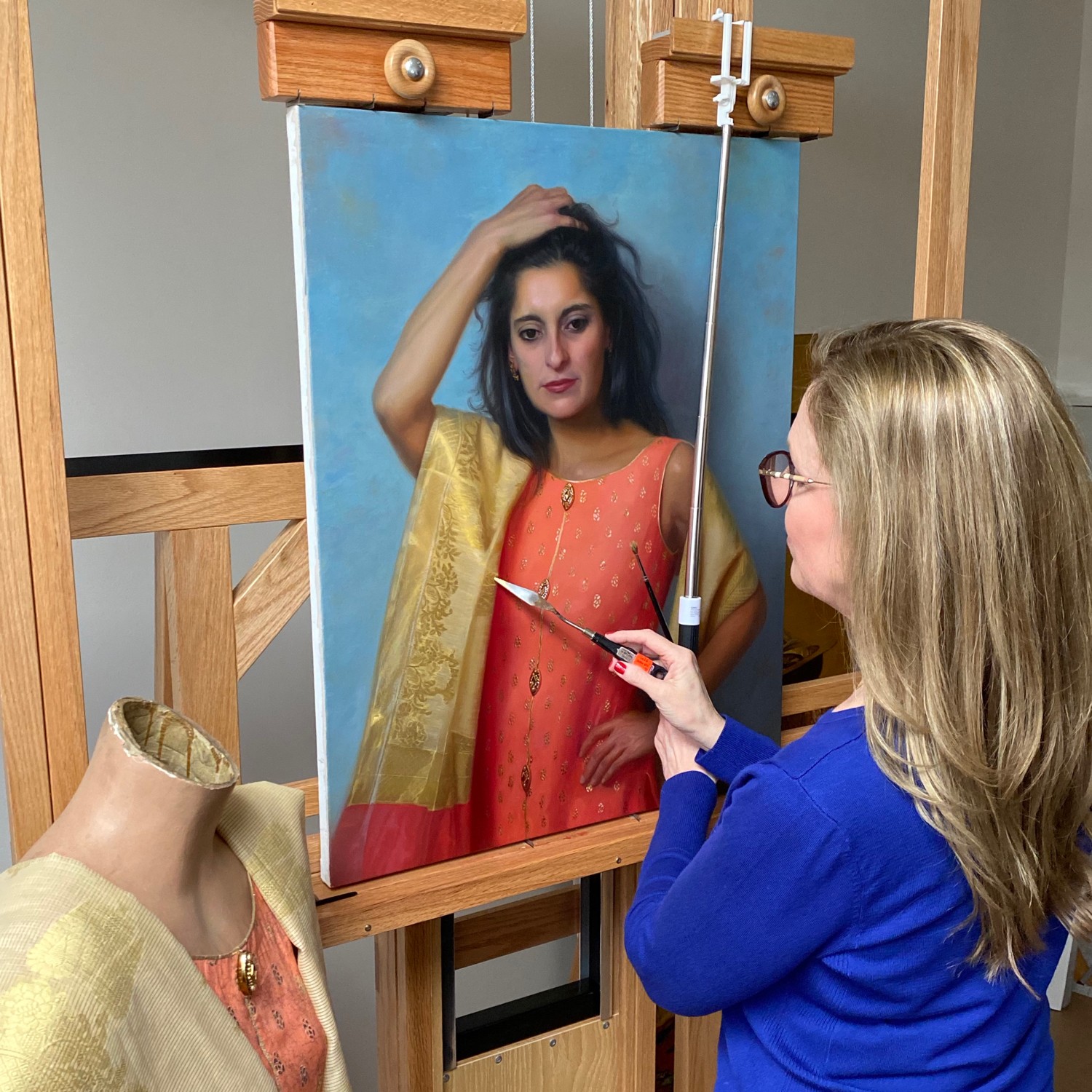
I’m a contemporary realist painter specializing in museum-quality portraiture. Families, leaders, and institutions commission my portraits to preserve legacy, honor achievement, and keep someone’s presence alive for generations. My work combines classical technique with sensitivity to color, composition, and presence. I aim to capture not only likeness, but also the structure and inner life that define a person. For me, portraiture is not a solo act. It is a collaboration in which someone entrusts you with the responsibility of telling their story.
Standing in front of a Rembrandt changes you. You stop looking at a painting and start feeling it. As a registered copyist at the Metropolitan Museum of Art, I spent years replicating Old Master paintings stroke by stroke, absorbing how painters like Rembrandt captured humanity and invited the viewer in. I learned how light can reveal character, not simply illuminate form. That way of seeing informs every portrait I paint. I do not aim only for likeness. I aim for truth.
My work has been exhibited in major museums across the United States, Europe, and China, including the European Museum of Modern Art in Barcelona, the Butler Institute of American Art, the Wausau Museum of Contemporary Art, the Reading Public Museum, the New Salem Museum and Academy of Fine Art, and six national museums across China during the Contemporary American Realism exhibition tour. My portraits hang in private and public collections across the United States, Latin America, and Asia, including courthouses and other institutions throughout the country. Additional highlights include having my work displayed on the Beijing World Art Museum’s Jumbotron, selling a painting through Sotheby’s at the New York Academy of Art’s Take Home a Nude auction, and inclusion in the Lunar Codex, a time capsule archived on the lunar surface through NASA’s Artemis program. I am among the first women artists in history to have work preserved beyond Earth. One of my earliest memories is watching Neil Armstrong walk on the Moon. I never imagined my work would one day rest there.
I also lead workshops and offer private mentoring for artists who want to strengthen their skills through classical principles. I teach the Reilly Method as passed down through my mentor John Frederick Murray, a direct student of Frank J. Reilly, the legendary teacher at the Art Students League of New York. Artists leave with a stronger foundation in drawing, values, edges, and the observational habits that define serious realist work.
Are there any apps, books, podcasts, blogs or other resources you think our readers should check out?
I’m drawn to resources that deepen my understanding of art, creativity, and the human experience. A few that continue to shape my thinking:
Art Books:
• The Art Spirit, Robert Henri
• The Practice and Science of Drawing, Harold Speed
• Oil Painting Techniques and Materials, Harold Speed
• Constructive Anatomy, George Bridgman
• Pictorial Composition, Henry Rankin Poore
• The Artist’s Way, Julia Cameron
• The War of Art, Steven Pressfield
Personal Books:
• The Four Agreements, Don Miguel Ruiz
• The Untethered Soul, Michael A. Singer
• The Alchemist, Paulo Coelho
• Man’s Search for Meaning, Viktor Frankl
• The Power of Now, Eckhart Tolle
• Meditations, Marcus Aurelius
One podcast I especially enjoy is Wiser Than Me with Julia Louis-Dreyfus. I value its focus on longevity, curiosity, and the wisdom of women who have sustained meaningful creative lives. It speaks directly to where I am now.
Meditation is central to my studio rhythm. Guided sessions on Insight Timer help me clear my mind and approach the canvas with focus and presence. Music is also part of how I work. When I paint, I move between devotional music and Baroque adagios, Bach especially, finding that it keeps me calm and grounded. I often return to Carole King as well, whose Tapestry was the first album I ever owned. Proof that some things never leave you.
Pricing:
- Portrait commissions begin at $7,500 for vignette head studies. Head and shoulders portraits begin at $10,000, and three-quarter length portraits range from $18,000 to $25,000, with pricing varying based on size, complexity, and number of subjects.
- Institutional commissions for universities, courthouses, hospitals, religious institutions, and corporations typically range from $18,000 to $35,000. Multi-figure portraits are priced individually during consultation.
- Every commission includes an initial consultation and photography session or photo review. Preliminary sketches and color studies are part of my working process. The final portrait is created in oil on archival Belgian linen, delivered with progress updates, and accompanied by a certificate of authenticity.
- I discuss final investment during a complimentary consultation and look forward to creating a timeless work of art that will be treasured for generations.
- I offer workshops and private mentoring for artists seeking to strengthen their skills through classical principles. Inquiries welcome.
Contact Info:
- Website: https://www.nanettefluhr.com
- Instagram: https://www.instagram.com/nanette_fluhr/
- Facebook: https://www.facebook.com/nanettefluhrfineartportraits/
- LinkedIn: https://www.linkedin.com/in/nanette-fluhr-4328648a/
- Twitter: https://x.com/nanettefluhr
- Youtube: https://www.youtube.com/channel/UC0i8alc7M_hByel2IaqdLSg
- Other: https://www.artsy.net/artist/nanette-fluhr