




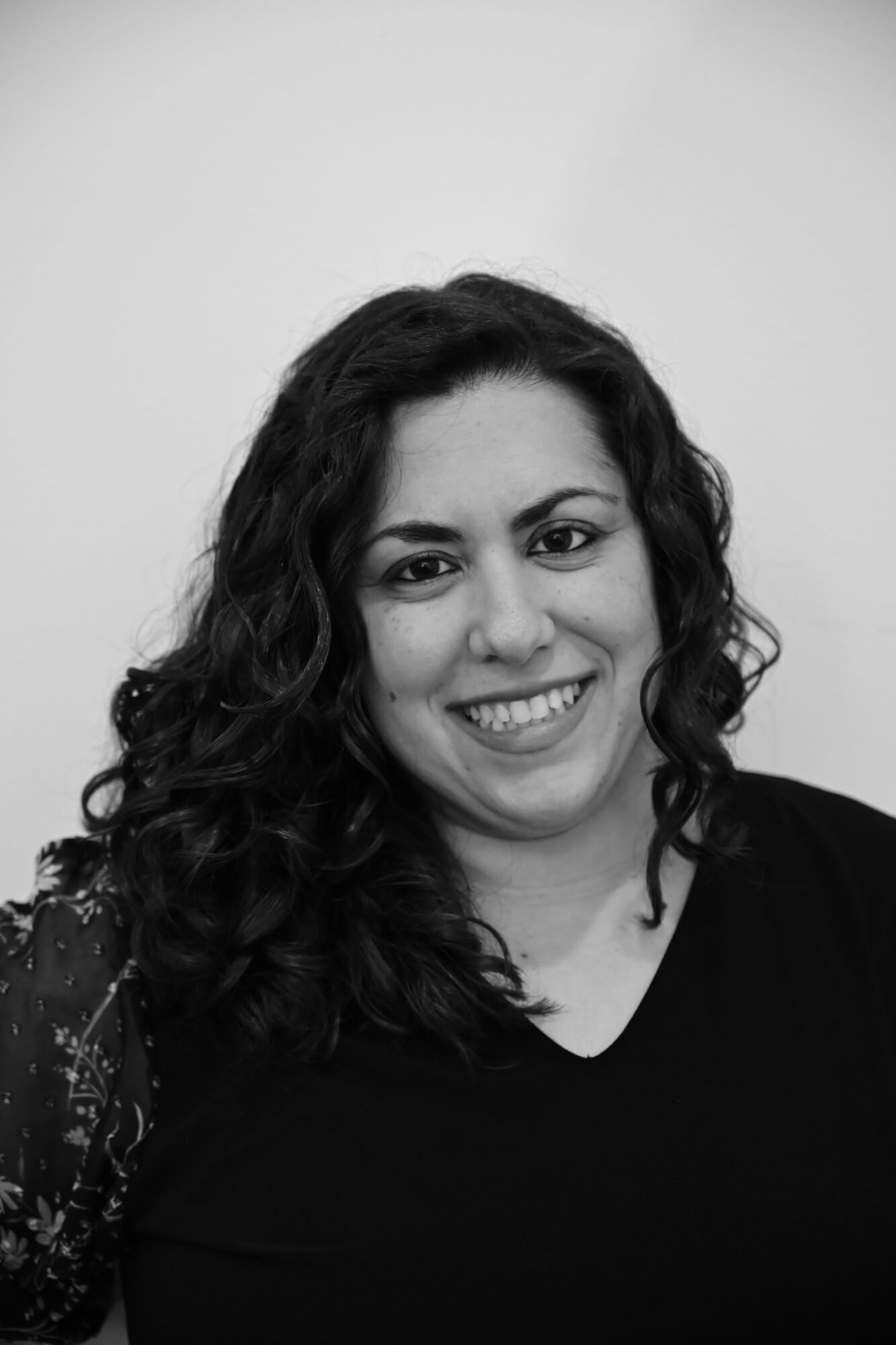
Today we’d like to introduce you to Cristina Fittipaldi.
Hi Cristina, can you start by introducing yourself? We’d love to learn more about how you got to where you are today?
I began my academic journey at Raritan Valley Community College, but my connection to art started much earlier—at 16, during a family trip to Italy. Wandering through centuries-old streets, stepping into churches alive with frescoes, and encountering masterpieces up close was transformative. Art wasn’t something distant or confined to textbooks—it was alive, expressive, and embedded in everyday life. That experience reshaped how I saw the world and sparked a lifelong passion for visual storytelling.
Fluent in Italian, Spanish, and English, I’ve always been drawn to the way art, like language, can bridge cultures and bring people together. That belief has guided both my education and my career.
I continued my studies at Kean University, where I earned a Bachelor’s degree in Art History and a Master of Public Administration (MPA) with a focus on nonprofit management. During my time there, I served as Gallery Program Manager, Registrar, and Exhibition Preparator, overseeing exhibitions while managing and documenting the university’s art collection with care and precision. I developed innovative, interactive programming that invited students to experience exhibitions in new ways—encouraging curiosity, dialogue, and meaningful personal connections to the work.
Beyond campus, I spearheaded community arts initiatives designed to create inclusive, welcoming spaces where residents could actively participate in the creative process. These experiences reinforced what I had discovered years earlier in Italy: that art has the power to connect, to inspire reflection, and to build community. Watching people pause, engage, and find meaning in the work was a constant reminder that art’s true value lies in its ability to bring people together.
Those formative experiences laid the groundwork for my career in nonprofit arts leadership, leading me to my current role as Executive Director of Frontline Arts. Today, I am proud to lead programs that support artists, engage diverse communities, and use art as a catalyst for connection, education, and social impact—continuing the mission that first inspired me all those years ago.
We all face challenges, but looking back would you describe it as a relatively smooth road?
My journey hasn’t been completely smooth, but it’s been incredibly rewarding. Coming from an immigrant family, I was the first in my family to attend college and later earn a master’s degree. I also put myself through school, balancing financial responsibility with my academic and professional goals; a process that required determination, sacrifice, and a deep sense of purpose. I had to pave my own way and figure out much of the path as I went.
Early on, transitioning from student and gallery manager to leading programs and managing operations was a significant challenge. I also grappled with how to make art accessible and engaging for diverse audiences who might not see themselves reflected in traditional spaces.
Working at Frontline Arts, a nonprofit, hasn’t always been easy either, but those challenges have been some of my greatest teachers. They pushed me to be resourceful, resilient, and intentional about creating an environment and programming that truly connect people to art. For me, success isn’t just about professional milestones—it’s about impact. Seeing the connections we build within the community and the ways people engage with art in meaningful, personal ways is what makes it all worthwhile.
Thanks – so what else should our readers know about Frontline Arts?
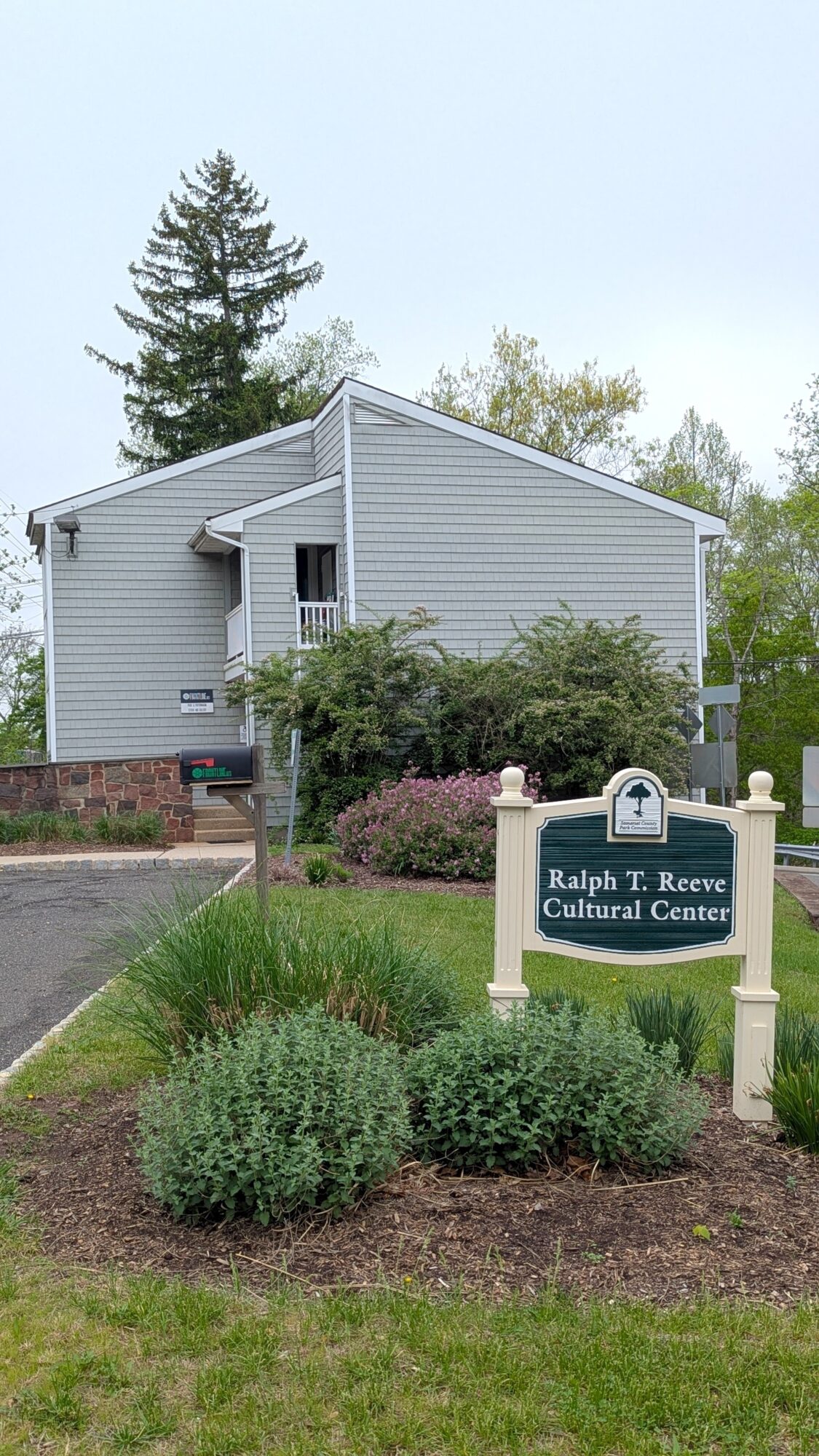
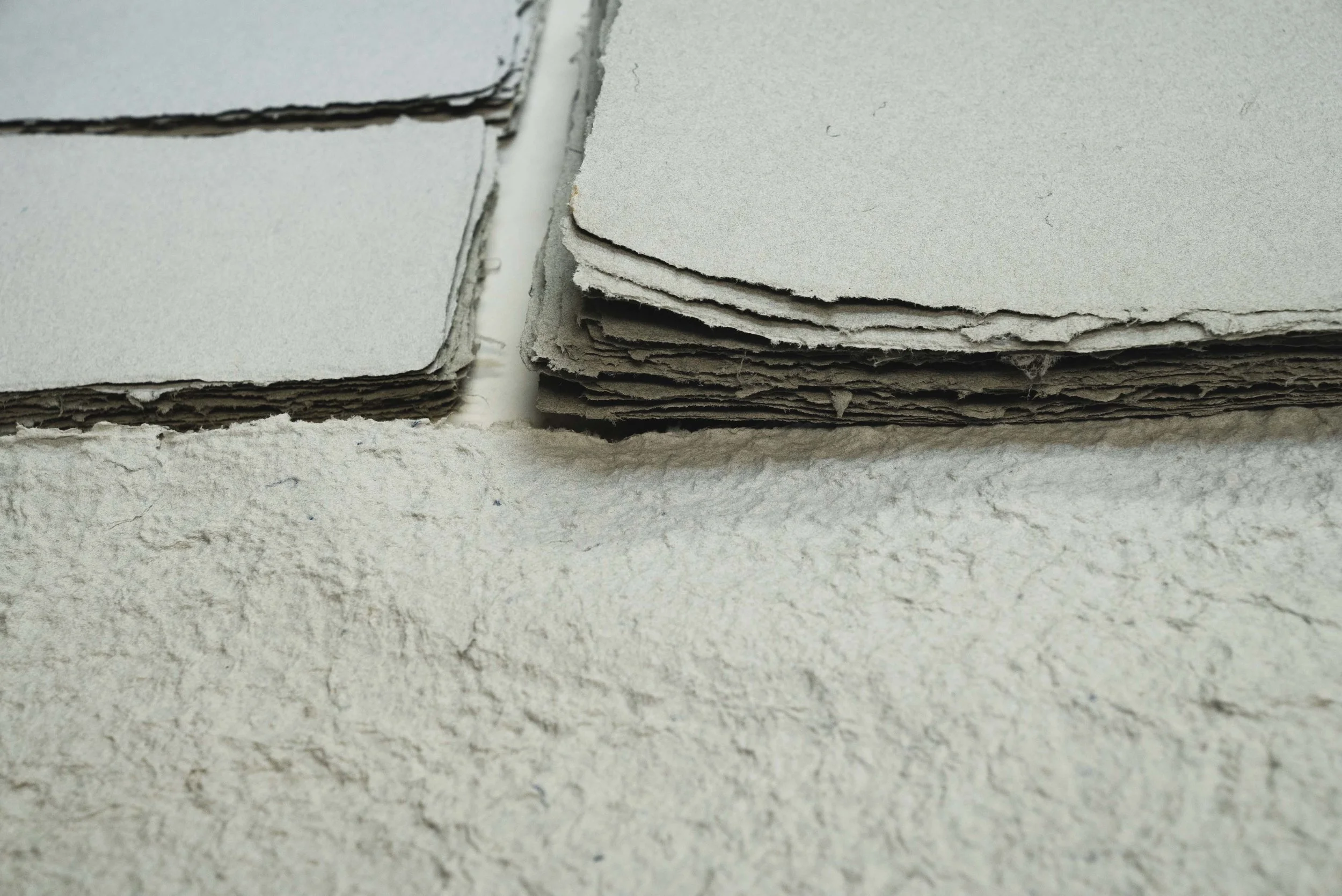
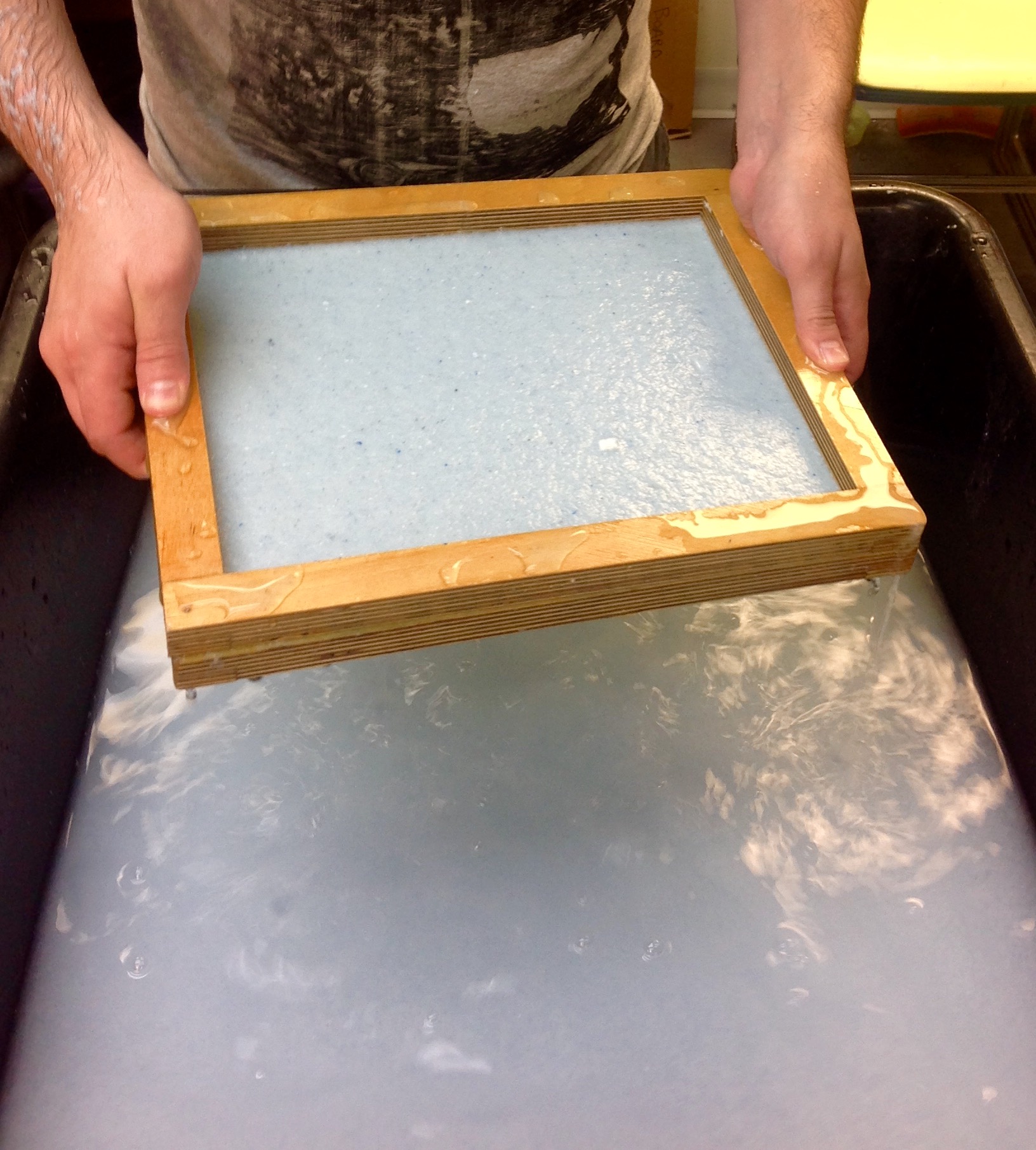
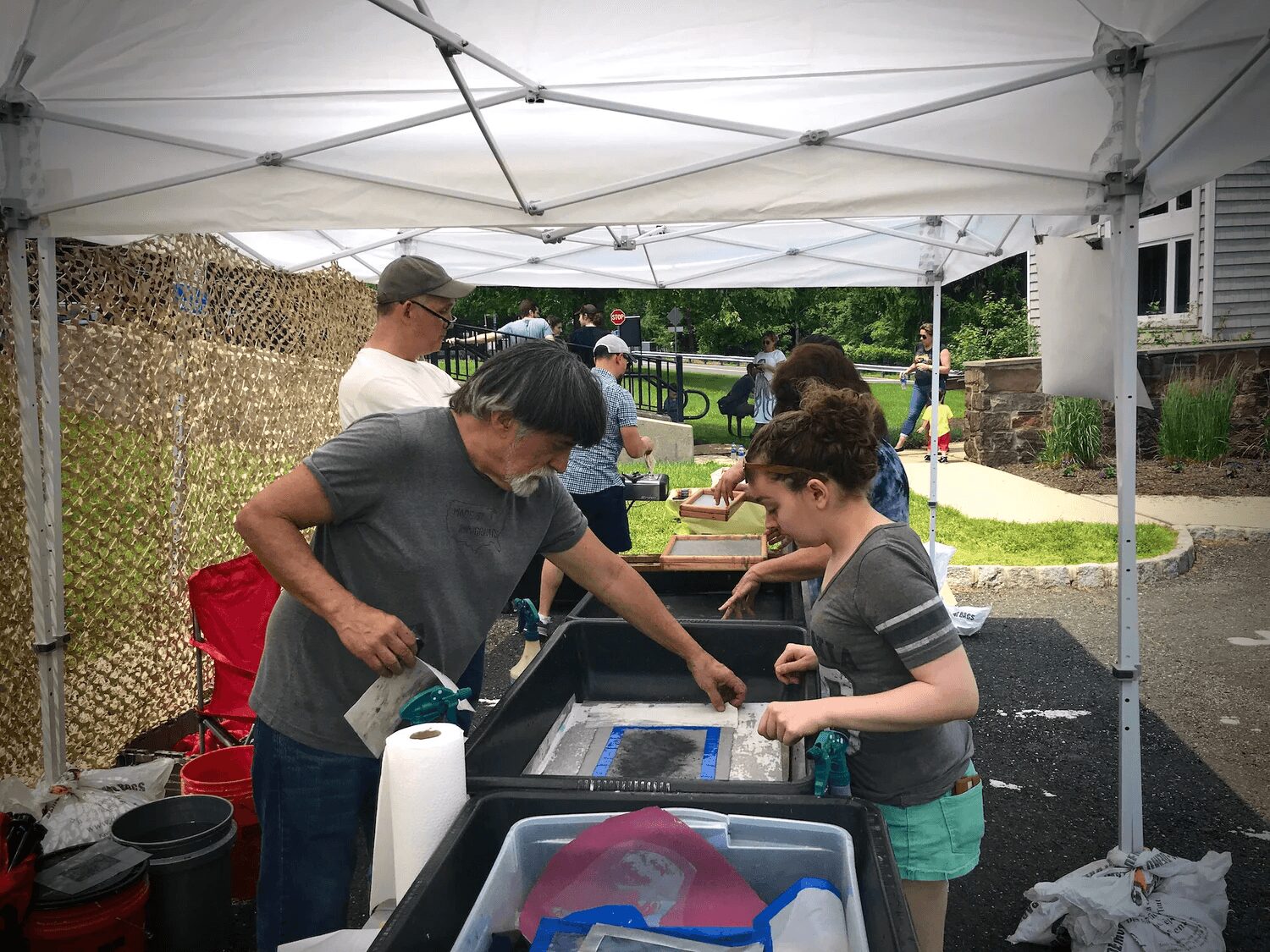
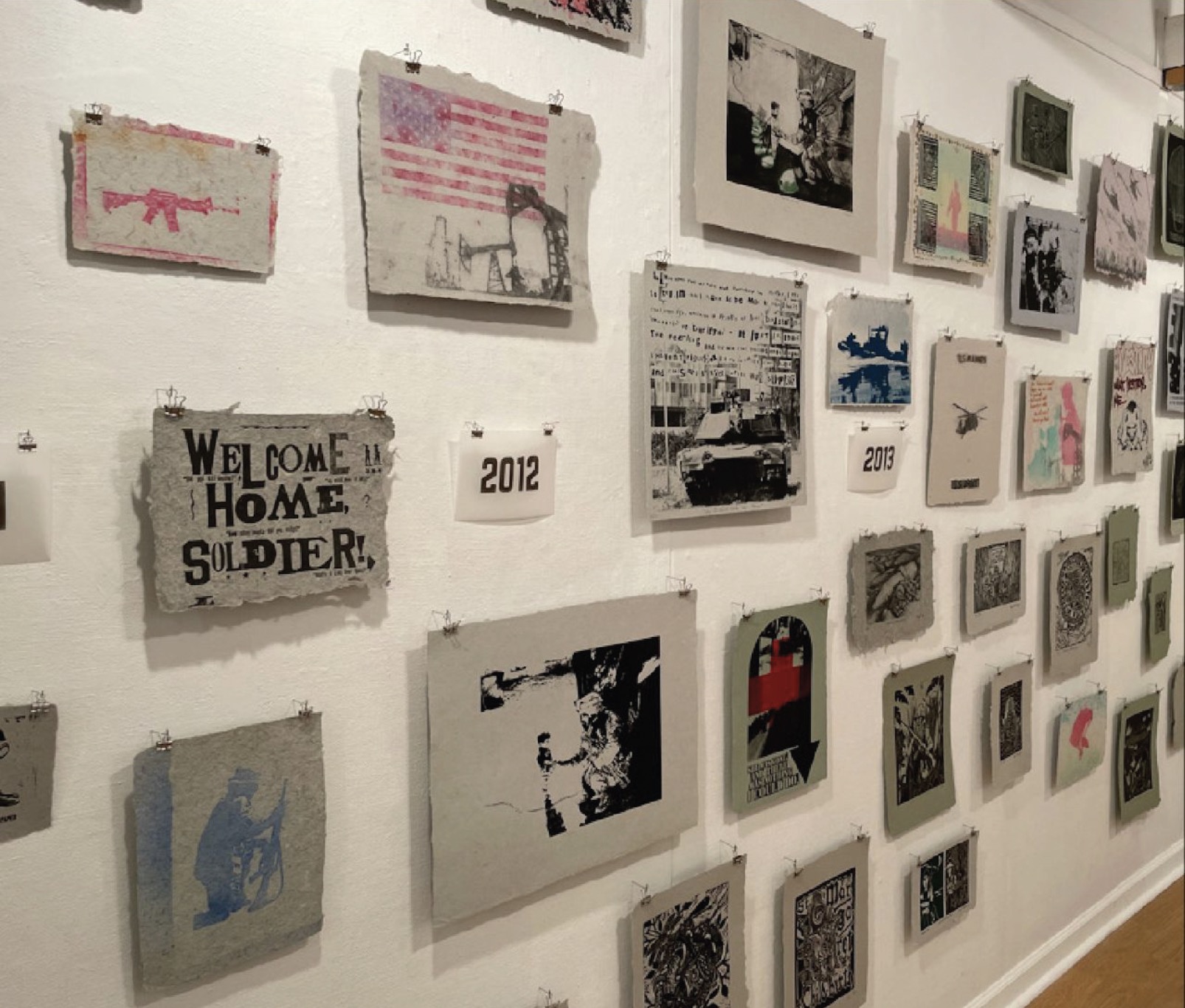
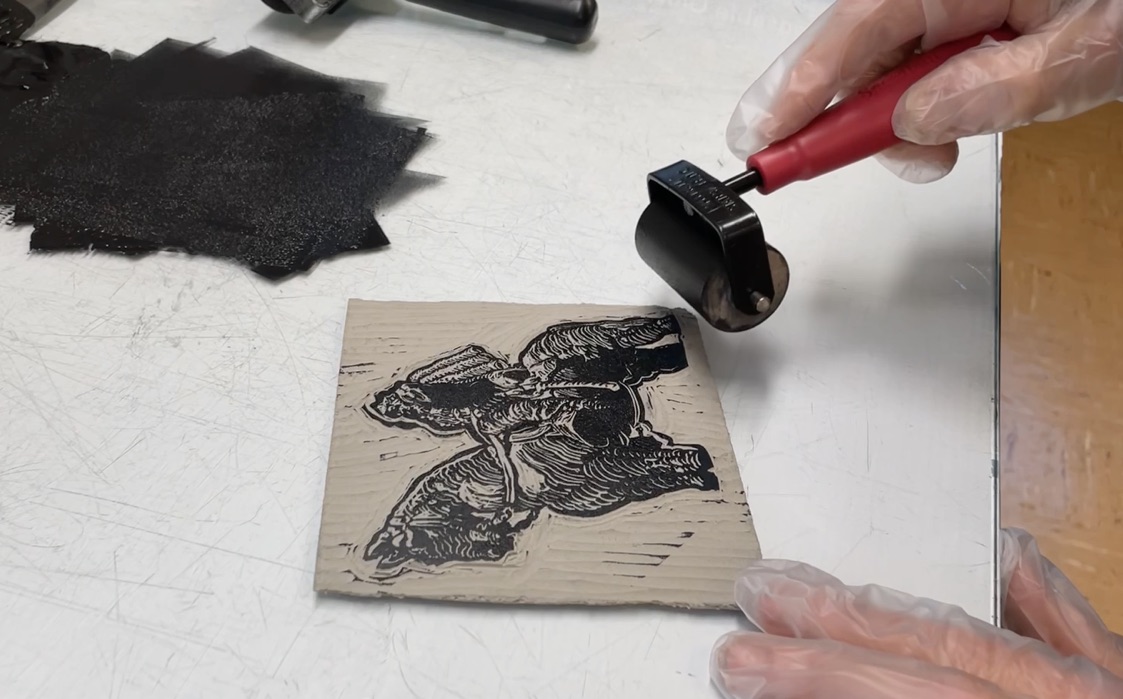
Frontline Arts is a New Jersey-based nonprofit dedicated to making art accessible, engaging, and transformative for both artists and communities. We specialize in printmaking, papermaking, and socially engaged arts programs, offering classes, workshops, exhibitions, and community-based activities that encourage creativity, dialogue, and connection.
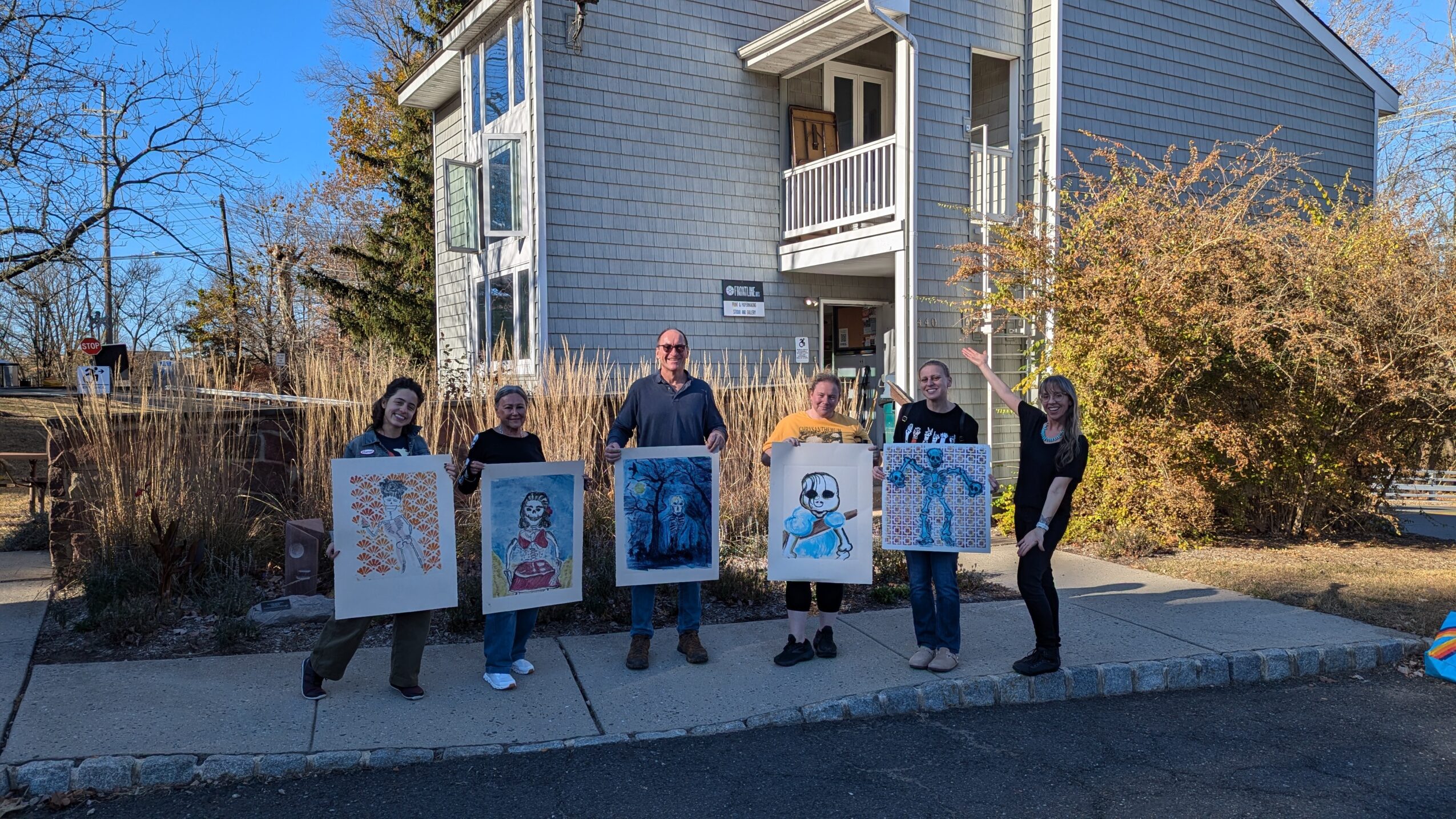
What sets Frontline Arts apart is our focus on community-centered programming using storytelling of personal experiences as the catalyst. We don’t just create art—we create opportunities for people to interact with it, learn from it, and see themselves reflected in it. From students exploring a new medium for the first time to community members participating in collaborative art projects or practicing their technical craft, we design our programs to spark curiosity, build confidence, and foster meaningful relationships.
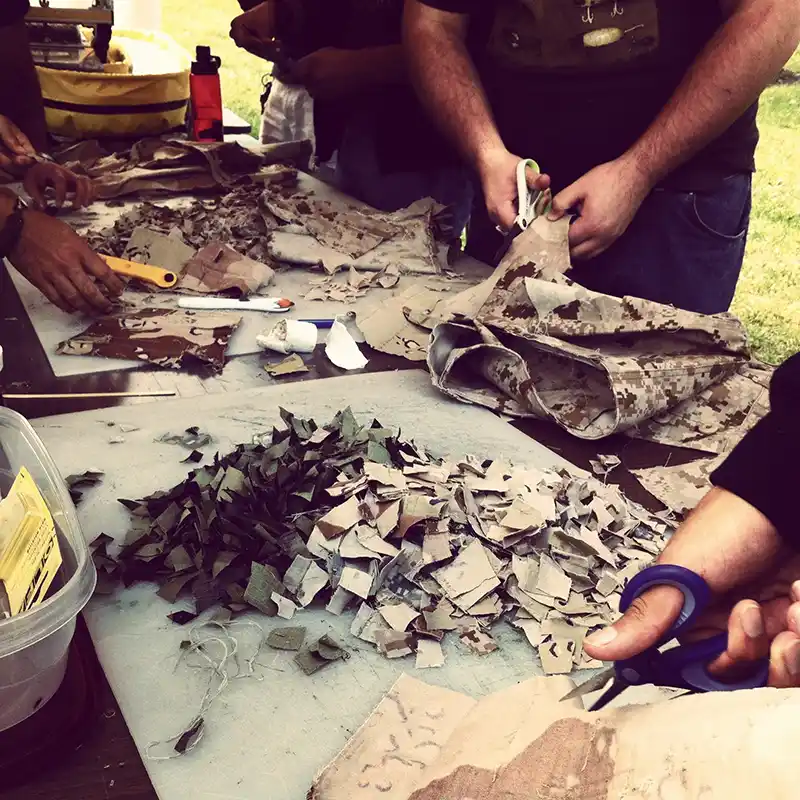
Furthermore, our community extends beyond our home base in New Jersey, as we collaborate with and serve individuals, including artists, veterans, and arts enthusiasts, as well as schools, organizations, and government programs, across the country through our traveling and virtual workshops.
We’re most proud of the impact our programs have: the way they bring people together, empower artists, and inspire creativity in unexpected places. Whether it’s through exhibiting together, discussing each other’s processes, or simply sharing studio time, Frontline Arts aims to enable art-making as a shared experience that resonates beyond the studio or gallery.
We want everyone to know that Frontline Arts isn’t just a space for creating art—it’s a place for connection, growth, and inspiration. Our offerings are diverse, inclusive, and designed to meet people where they are, whether they’re professional artists, students, or first-time art enthusiasts.
Networking and finding a mentor can have such a positive impact on one’s life and career. Any advice?
Finding a mentor and building your network takes intention and openness. For me, it started with putting myself in spaces where I could meet people doing the work I admired—gallery openings, community arts events, and professional conferences. I also wasn’t afraid to reach out directly to people whose careers I respected, whether to ask a question, request advice, or just have a conversation.
The key is to approach networking as building relationships, not just collecting contacts. Show genuine interest in other people’s work, share your own passion, and look for ways to collaborate or support each other. Over time, these connections often lead to mentorship opportunities naturally.
What has worked well for me is combining formal mentorship opportunities with informal, everyday networking—learning from both structured guidance and real-world conversations. Being proactive, curious, and authentic has made all the difference in building the relationships that have shaped my career.
Contact Info:
- Website: https://www.frontlinearts.org/
- Instagram: https://www.instagram.com/frontlineartsstudio/
- Facebook: https://www.facebook.com/frontlineartsstudio/