




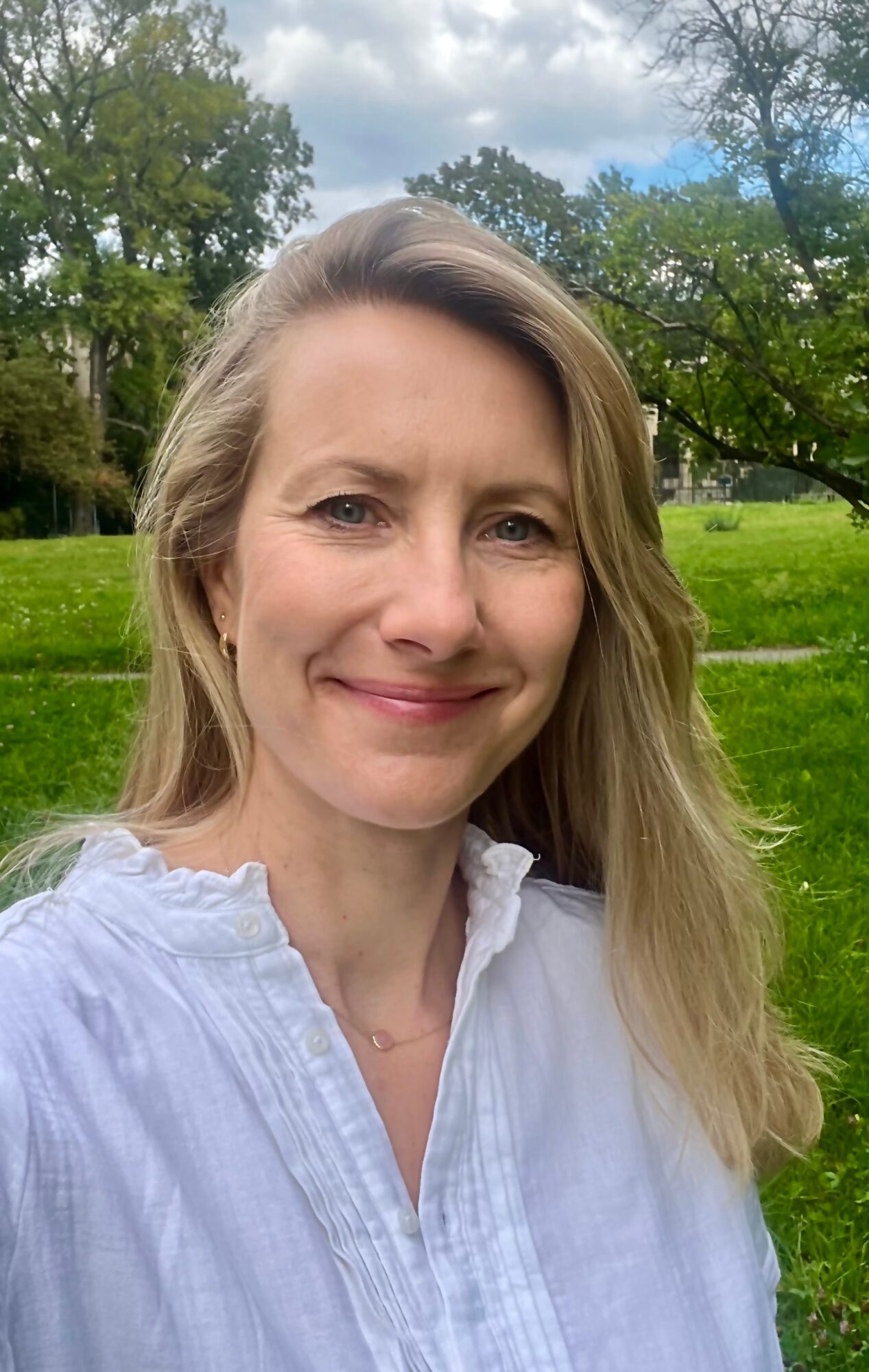
Today we’d like to introduce you to Joanna Suchcicka.
Hi Joanna , so excited to have you with us today. What can you tell us about your story?
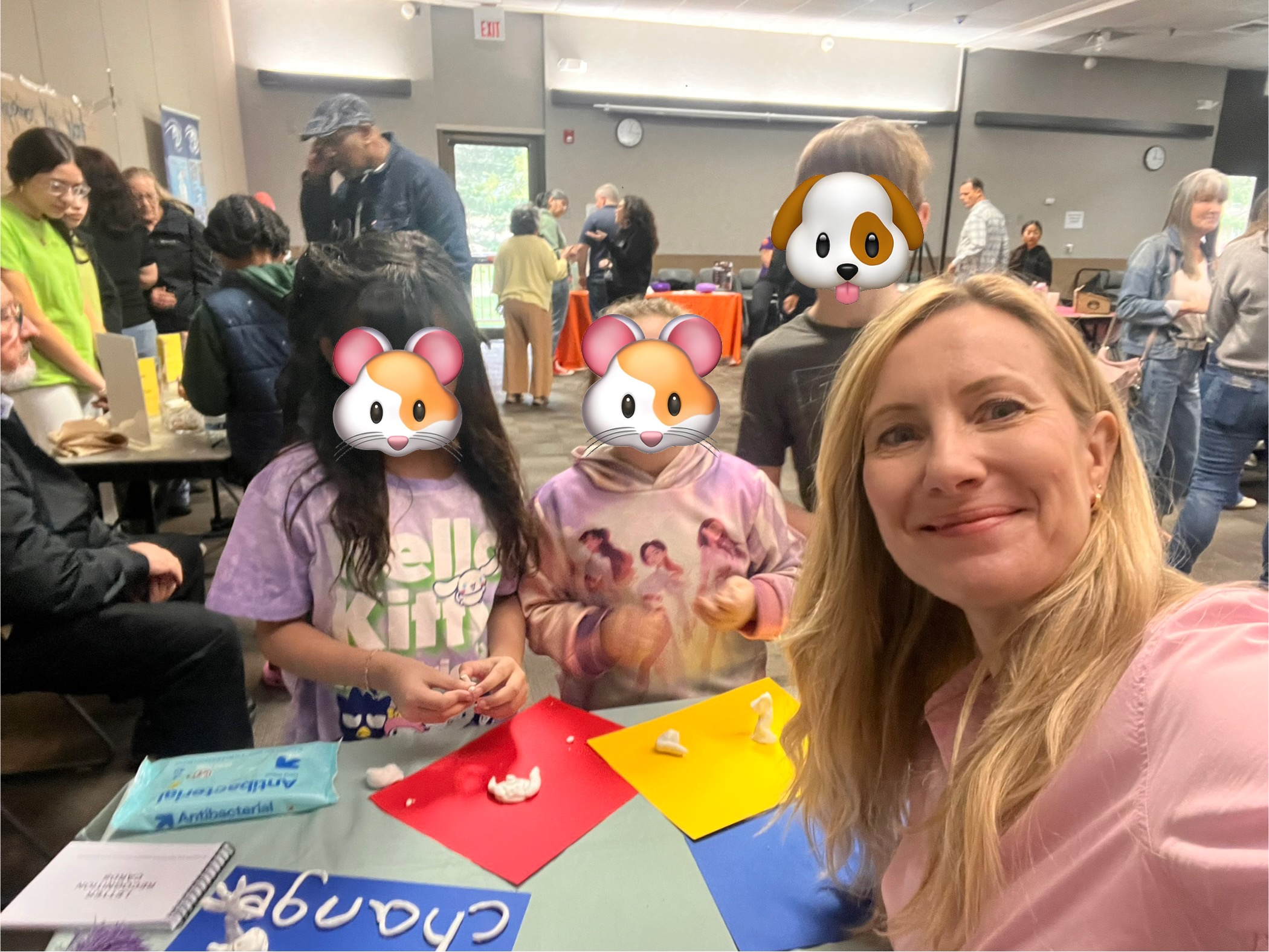
Dyslexia Wellness grew out of my passion for helping people feel good about themselves, feel empowered, and succeed in life—with children and teens being especially close to my heart.
My professional career began in healthcare, where for over 20 years I worked as a physical therapist. Over time, my interests grew beyond physical health to include mental health and education. Having a younger brother who is dyslexic and has ADHD also had a strong influence on me. Learning from his experiences helped me understand how important the right support can be for people with learning differences, while also opening my eyes to the strengths and unique gifts that can come with neurodiversity.
I also became aware of how learning difficulties can affect a child’s experience of school, sometimes leading to anxiety, frustration for the whole family, and lower self-esteem. Having struggled with my own self-esteem when I was younger, I know how deeply those experiences can stay with us. Combined with my brother’s experience, this fueled my passion for helping neurodivergent learners develop a positive sense of themselves and recognize their strengths and full potential.
When I discovered the Davis Method through a friend who had recently become a licensed Davis Facilitator, I was immediately drawn to its strength-based and holistic approach. I loved that it focused on literacy and academic success while honoring the natural way that many neurodivergent individuals process information and learn. I saw an exciting opportunity to connect my experiences and passions in a way that could truly help others.
This journey ultimately led me to create Dyslexia Wellness—a place where I can bring together my healthcare background, my passion for mental health and education, and my belief that one of the greatest gifts we can give someone is to honor who they are and help them discover and nurture their unique gifts.
We all face challenges, but looking back would you describe it as a relatively smooth road?
No, it definitely hasn’t been a smooth road. One of the biggest challenges has been raising awareness of the Davis approach and helping people understand that there are different ways to support learning differences beyond traditional phonics-based interventions.
The Davis approach looks beyond conventional reading interventions by recognizing that people can process information and learn in different ways. An important part of my work is helping people understand that dyslexia is not a deficit, but a different way of thinking and learning. The visual-spatial strengths often associated with dyslexia and ADHD can be valuable tools for learning when they are understood and supported. For me, the challenge is reaching a wider audience and helping more people discover that there are alternative approaches that can make a meaningful difference.
Alright, so let’s switch gears a bit and talk business. What should we know?
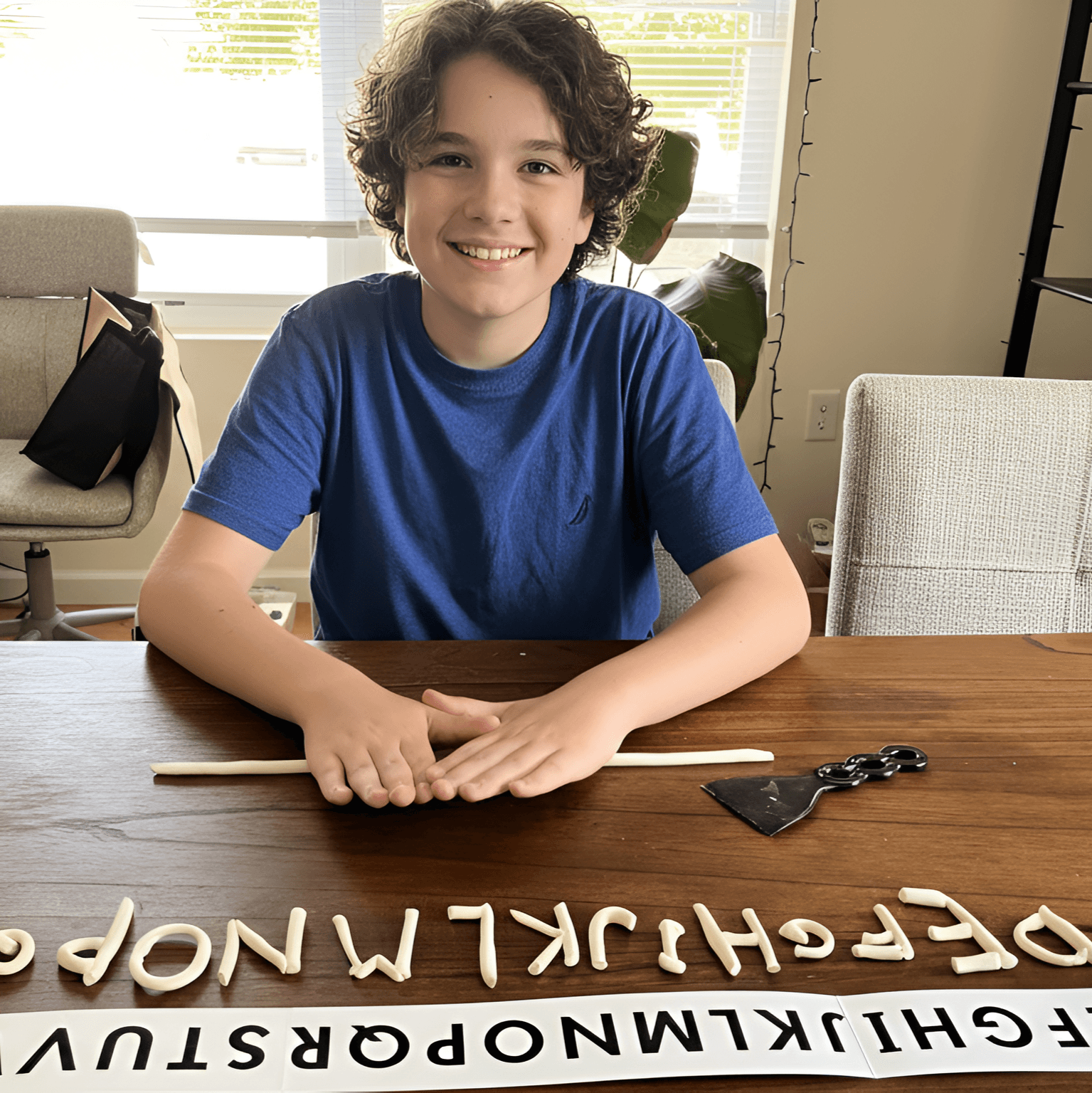
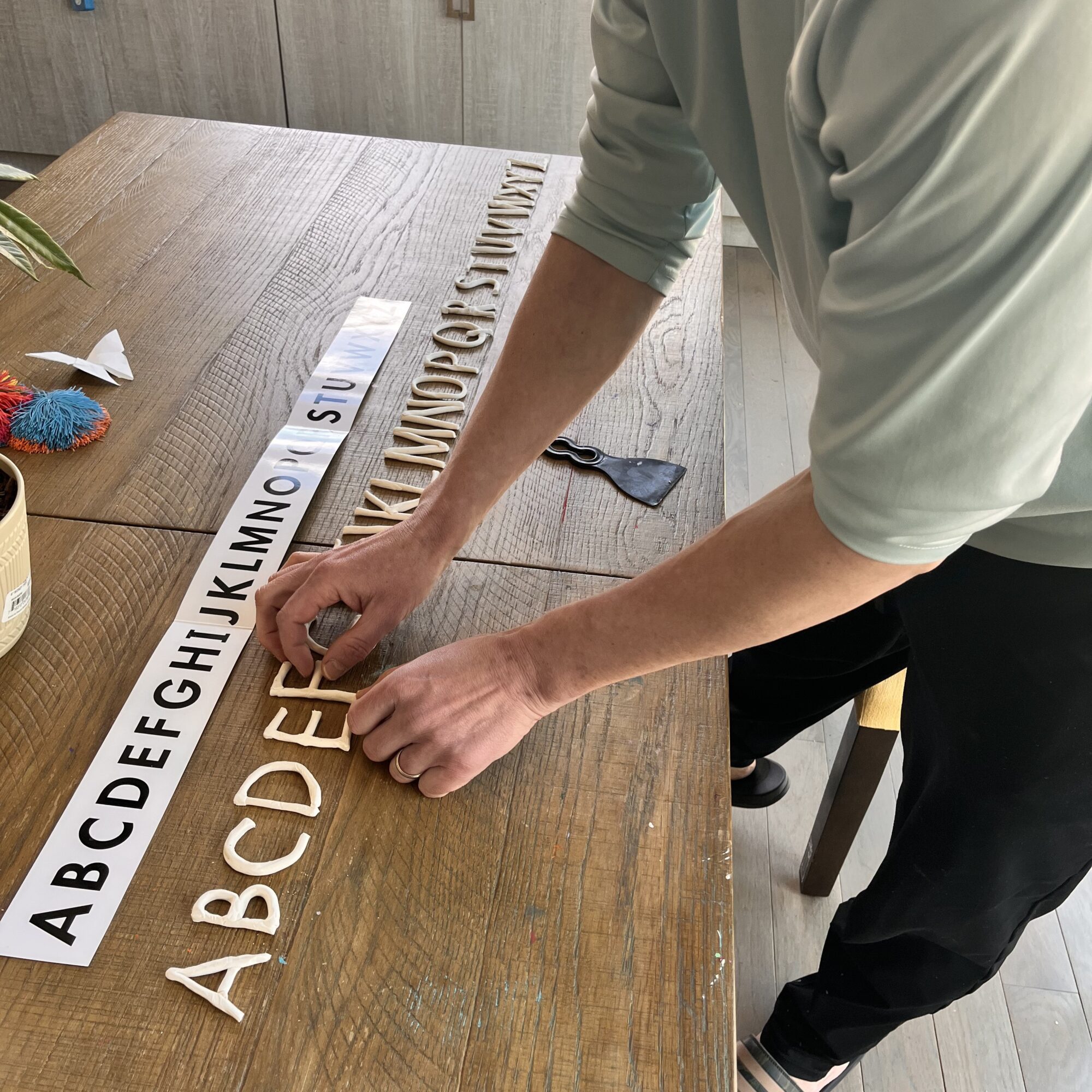
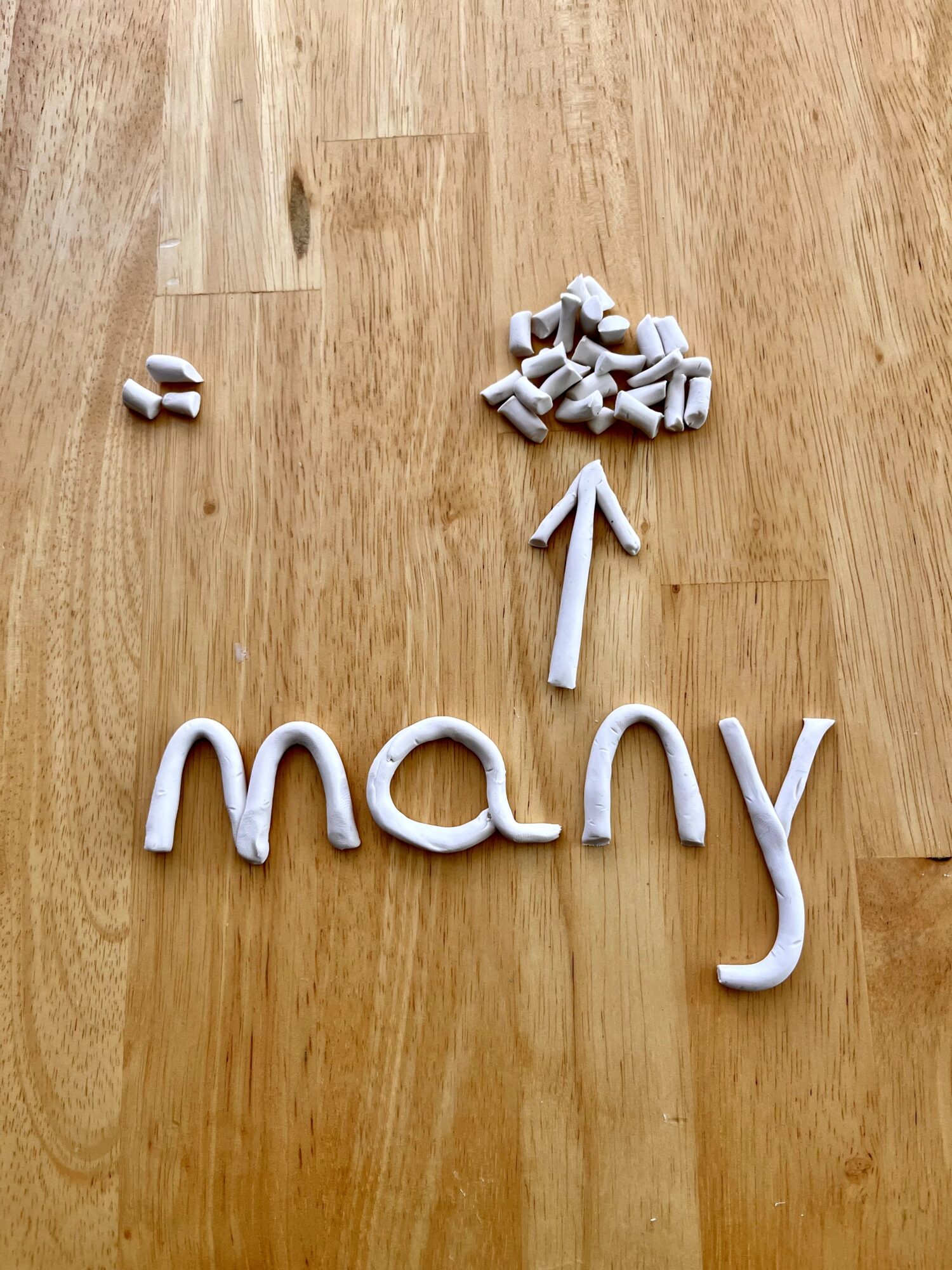
I work with children, teens, and adults who have difficulties with reading, writing, math, and attention due to learning differences such as dyslexia, dyscalculia, dysgraphia, and ADHD. I offer individualized programs using the Davis Method to support these challenges.
What I love most about my work is showing my clients how they can use the way they naturally think to make learning easier. When reading or math begin to make more sense, I often see a shift in how people see themselves as well. They begin to feel more capable, confident, and hopeful about what they can accomplish. It is incredibly rewarding to witness a client have a light-bulb moment after months or years of struggling and realize that they have skills and abilities that are unique and valuable.
What I’m most proud of about Dyslexia Wellness is that it is built around a fundamentally different way of looking at learning differences. The Davis approach is individualized and strength-based, focusing not on deficits, but on helping people recognize and use their strengths. I want Dyslexia Wellness to be a place where people feel understood and empowered, and where children, in particular, are nurtured to develop a positive sense of themselves and their potential.
What sort of changes are you expecting over the next 5-10 years?
I’m really excited to see how education and awareness around dyslexia, neurodiversity, and learning differences continue to expand. I see a growing shift away from viewing dyslexia primarily through a deficit-based lens and toward recognizing it as a different way of thinking, with unique strengths, creativity, and abilities. I also see more advocacy and increasing support for students with learning differences within the education system, although there is still a lot that needs to be improved. I’m hopeful that over the next five to ten years, we’ll continue moving toward a more positive, strengths-based understanding of how different minds learn, and that individualized support will become readily available for all children.
Contact Info:
- Website: https://dyslexiawellness.com
- Instagram: https://www.instagram.com/dyslexia.wellness/
- Facebook: https://www.facebook.com/profile.php?id=61558869360892
- LinkedIn: https://www.linkedin.com/in/joanna-suchcicka-p-t-dpt-mba-davis®-facilitator-22906923/