




Today we’d like to introduce you to Katarina Grimaldi.
Hi Katarina, we’d love for you to start by introducing yourself.
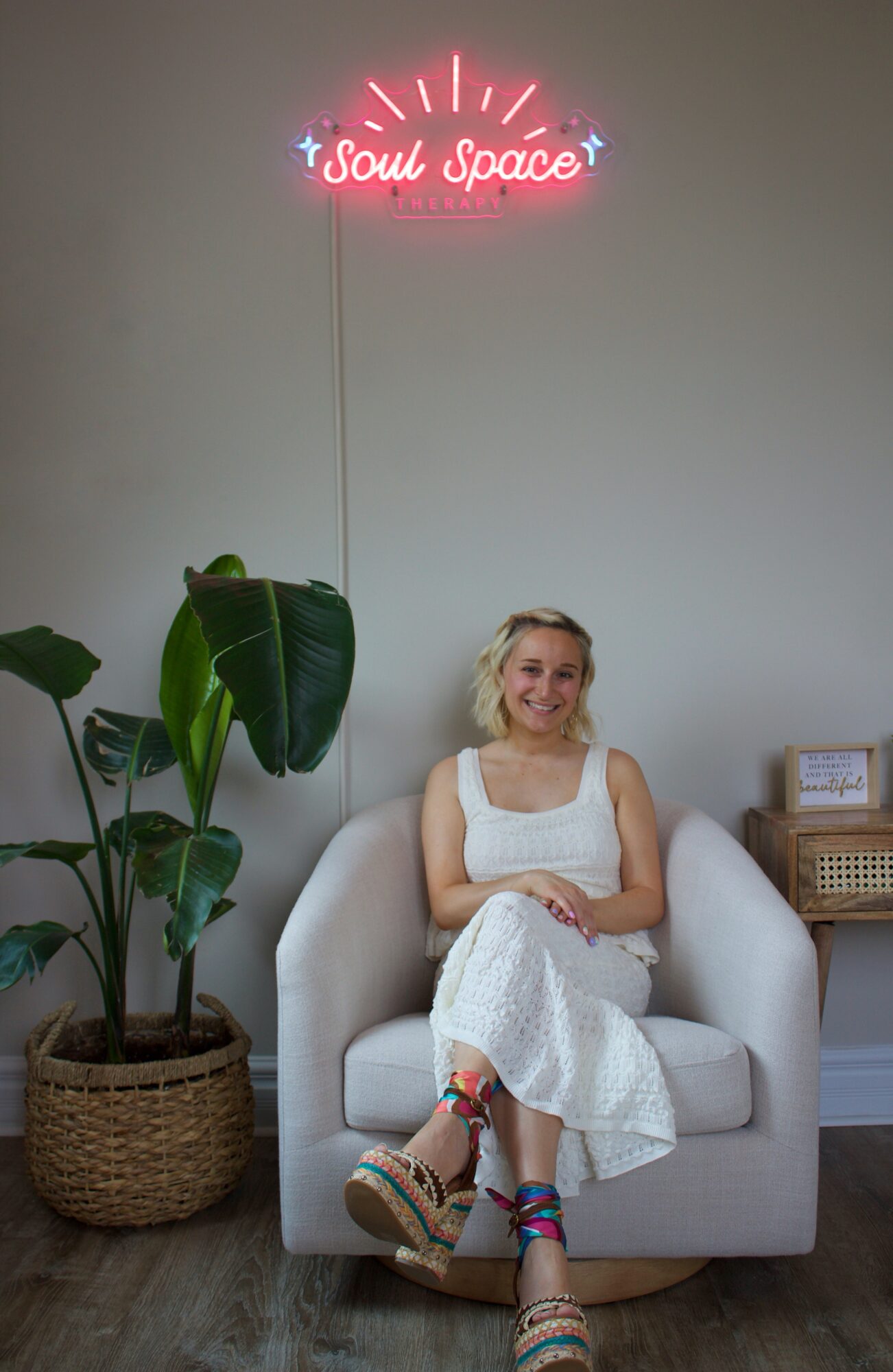
I’m a clinical social worker, who works as a psychotherapist in Matawan, New Jersey, while I recently celebrated my 1-year anniversary of my private therapy practice, Soul Space Therapy, at the end of April 2026. I’ve been immersed in the mental health field for over 10 years now, working in a variety of settings in Monmouth County, such as in-patient psychiatric at a local hospital, a town’s school district, non-profit organizations, in-home therapy agencies, and group private therapy practices, prior to transitioning to being the solo practitioner of my own practice. While I always seemed to gravitate toward helping professions when I was younger, based on how I grew up and from personal experiences, I didn’t have the epiphany immediately come to me that I wanted to eventually work as a therapist. When I began Brookdale Community College’s human services program, that was my scholarly introduction to the field of social work, as I feel that everything I experienced before beginning this program had prepared to solidify for me that this was a primary purpose of mine and that I deserved to have a seat at this table. While I was enrolled in Brookdale for a total of 6 years, in my final 2 years there, I completed their human services program to go on to receive my first college degree, prior to completing my bachelor’s and master’s degrees in social work at Monmouth University, where I also declared my focus in clinical practice.
Can you talk to us a bit about the challenges and lessons you’ve learned along the way. Looking back would you say it’s been easy or smooth in retrospect?
A personal challenge would’ve been imposter syndrome and self-comparison in relation to my own path and my own journey, as I’d sometimes feel like I was behind in my career and in my life, compared to others who were close to my age or were my age. Through my own personal work and my own therapy, I came to learn that honoring my timeline was one of the greatest gifts I could give to myself, and that it’s up to me to choose how I want to integrate the lessons I’ve learned along the way into each chapter of my life. I didn’t always have the most supportive supervisors in the different internship and job settings I had been in, which is why I think with imposter syndrome, I’d feel, at times, that I had to have this abundance of knowledge and experience in order to be an effective therapist for everyone. Once I crossed paths with the colleagues I now have in my corner, who’ve supported me and provided me guidance throughout this journey, I realized that I didn’t need to specialize in everything under the sun, and that who I am as a whole person is enough. I don’t have to do all of the things. At the end of the day, for those I’m able to support on their therapeutic journey, regardless of the trainings and modalities I utilize with them, our therapeutic relationship with each other is the driving vehicle to healing. I’m there to sit with them as they learn to sit with themselves, because all human beings want to be witnessed, held, and validated throughout the seasons of their life.
Great, so let’s talk business. Can you tell our readers more about what you do and what you think sets you apart from others?
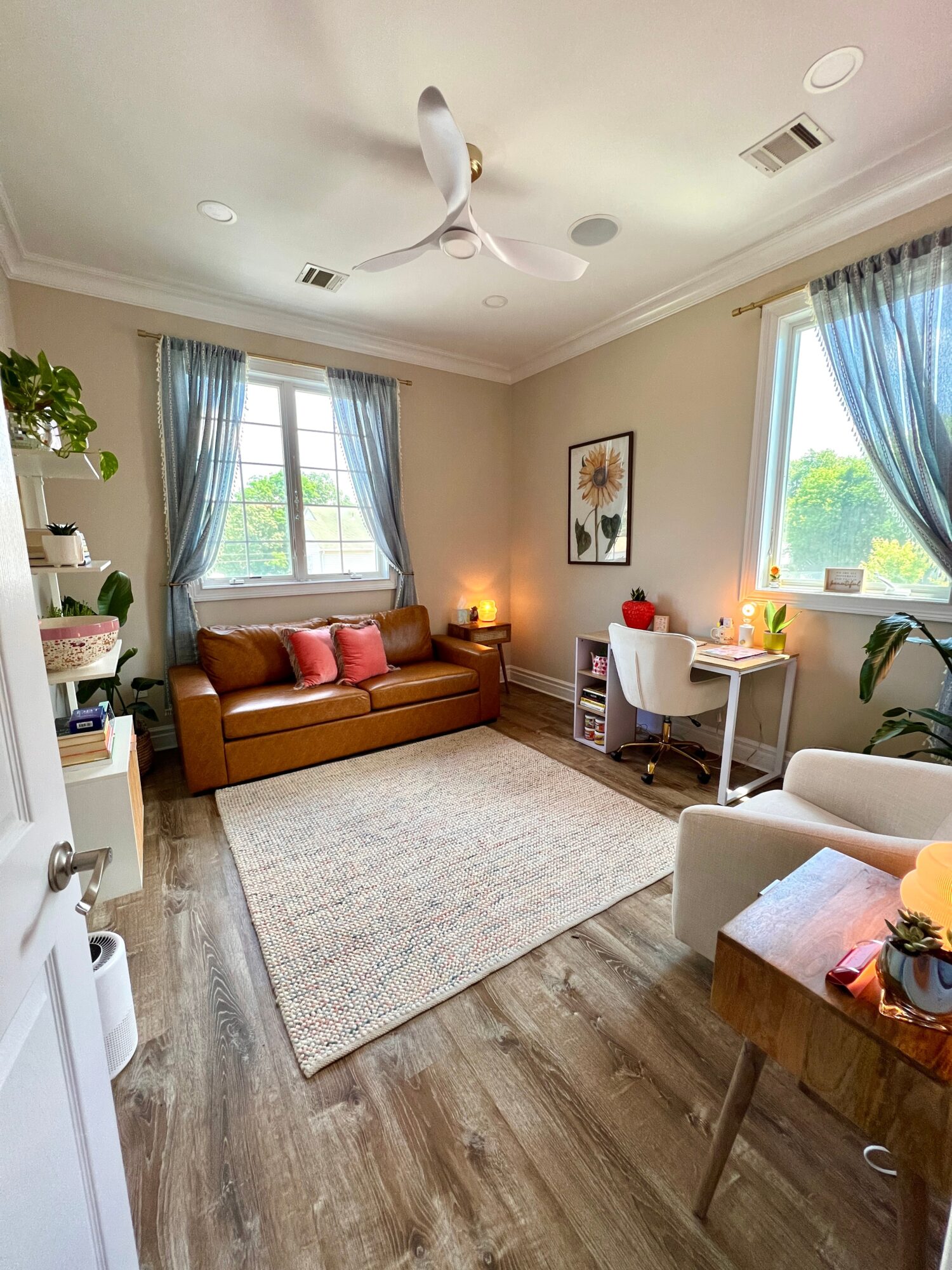
Because I’m a human being first, I personally practice as a relational therapist in my work with others, meaning that I model to my clients what a healthy, safe relationship looks and feels like. I offer individual in-person, virtual therapy, and walk-and-talk therapy sessions to adolescents and adults. Additionally, I practice from a trauma-informed and holistic lens, no matter who I’m working with, while taking into consideration that people need to experience safety first within themselves, within their relationships, within their environments, and within the larger systems. That’s everyone’s birthright. Especially in the world and the time we live in today, as an example, we’re constantly seeing an influx of information about wellness and healing, and I’m here to remind others, as well as myself, that we’re not a project to constantly work on. There’s nothing wrong with wanting to enhance and improve yourself and your life, though sometimes, it’s about offering yourself grace for the version of yourself right now in this moment. Healing isn’t linear, which I feel also means that no one is ever going to get to a place where they’ve perfected healing, and they’re not supposed to, so allow that to take some of the pressure off of yourself. The point to this work isn’t to never get triggered, to always be regulated, or to feel permanently happy, but to create flexibility and capacity to offer compassion to your emotions and to your experiences, as healing will move differently when you stop shaming the ways you learned to survive.
Can you tell us more about what you were like growing up?
Growing up, from what I remember, I’d sometimes feel socially anxious when meeting someone for the first time or when trying something new, and a great deal of eventually molding my own personal sense of confidence came from those experiences in terms of learning that the only person I need to wake up every day to please is myself. I don’t have to obtain anyone else’s approval, as that doesn’t equate to my sense of self-worth. If anything, it can be about realizing that maybe if I knew better in whatever sense, I could’ve done better, but even with that, I can have appreciation still for those past versions of myself and how they brought me closer to being more attuned to myself today. Additionally, being raised with a younger autistic sibling also opened my eyes, heart, and mind up to a great deal that not everyone else around that age will realize or be mindful of, unless they had that experience, while it aided me in being a more compassionate and considerate human being in general. Nearing my end of middle school and throughout my time in high school is when I began facing mental health struggles for the first time, and reflecting back on it now, that’s why I place such emphasis on tending to the inner child within myself and within my clients. I’d love for them to experience the chance to learn how to speak more kindly to themselves than maybe how they did when they were younger and to show up for themselves now as a safe, trusted adult that maybe they didn’t have access to in the past.
Contact Info:
- Website: https://www.soulspacetherapynj.com