




Today we’d like to introduce you to Maggie Doyne.
Hi Maggie, thanks for joining us today. We’d love for you to start by introducing yourself.
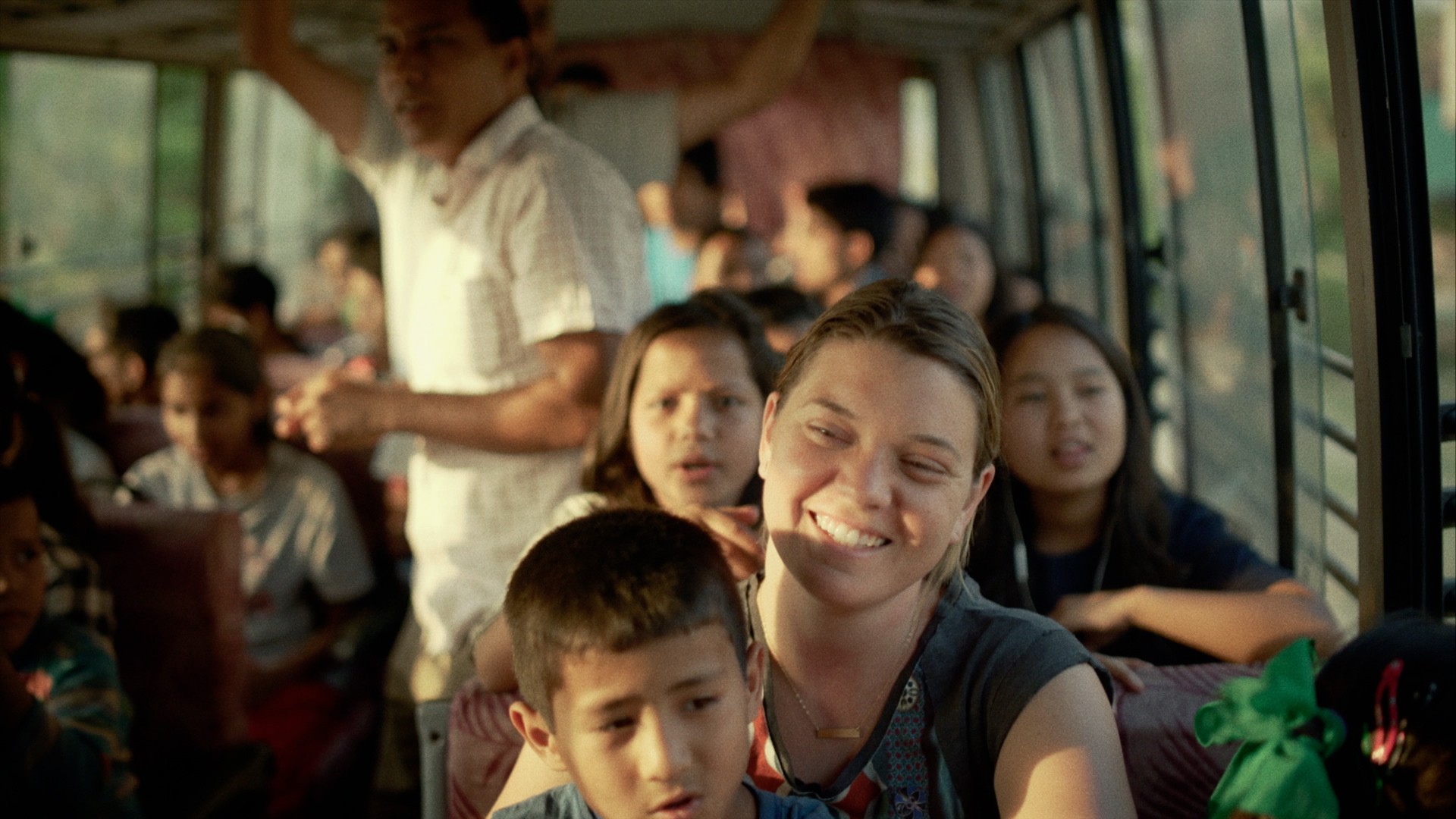
In a way, I found/chose my calling very young. But I didn’t have a grand plan. When I was eighteen, I took off with my backpack on a gap year and ended up in Southeast Asia. In Surkhet, Nepal, I met a little girl named Hima, who was breaking rocks to sell for her daily food. She looked up at me, grinned, and said, “Namaste, didi!”—big sister. And in that moment, the distance between us felt like it just disappeared. I thought, “She could be me. I could be her.” I knew I couldn’t change the whole world right away, but I could send one child to school and start there.
Helping Hima go to school took only a few dollars, and one small act turned into helping another child, and then another. Together with my co-founder, Tope Malla, and an incredible Nepali team, this first spark grew into the Kopila Valley programs and BlinkNow, our U.S. fundraising and support foundation based in Mendham.
I still live in Nepal, and for the last 19 years, we’ve been building–a Children’s Home, a school, a healthy lunch program, a women’s training center, and a future–for and with the community.
I’m sure it wasn’t obstacle-free, but would you say the journey has been fairly smooth so far?
If you look at our social media, it might look fun and easy, with children playing and smiling. But the road has not always been smooth. We are working and innovating in a region that has been known for its lack–though it has many wise and resilient people. The reality is that poverty runs deep, and we are still meeting children who have lost both parents, girls who have been forced into child marriage, and women who were not educated because they are female.
Together with community leaders, we’ve had to learn that the issues families face are connected, and we need holistic solutions. A child can’t learn if they are hungry, and parents who are struggling to find work cannot provide healthcare.
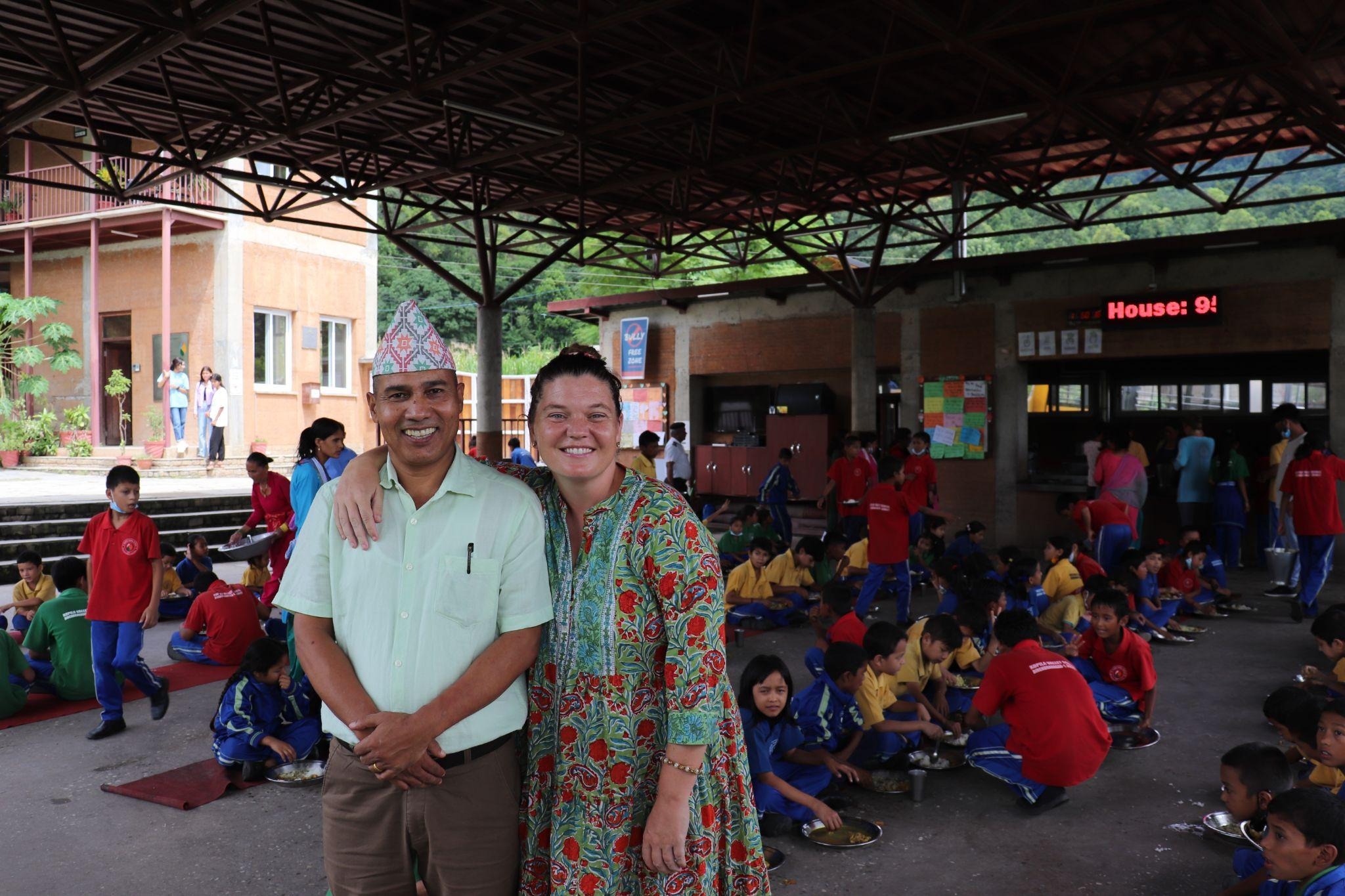
So we’ve worked to slow down and listen. We asked the community what they needed, and local Nepali staff direct our programs. That’s how we ended up with a health clinic, a school farm, and nutritious lunches. A women’s center where mothers could learn job skills and find friendship support. A safe home for teenage girls who need it. Together, we are facing the community’s challenges and adapting as we go.
Great, so let’s talk business. Can you tell our readers more about what you do and what you think sets you apart from others?
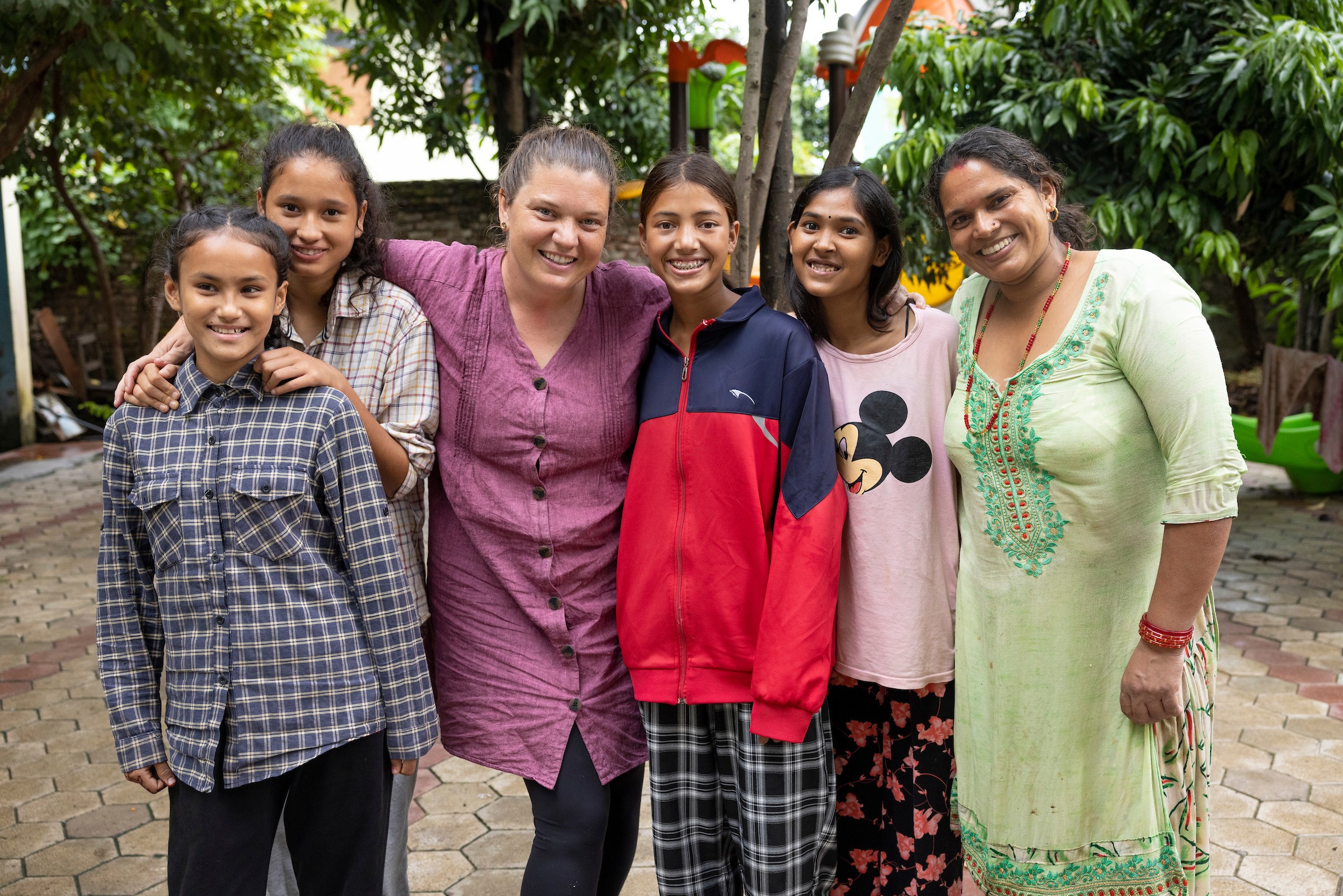
Our global foundation is BlinkNow, and it provides funding and administrative oversight. In Nepal, our work is centered around Kopila Valley Children’s Home and the “greenest school in Nepal,” Kopila Valley School. The Women’s Center provides training and confidence-building for moms and caregivers. Our Health and Wellness clinic serves students and the community, we include mental health services for students and staff, and our Sustainability Program keeps us in line with our environmental care values.
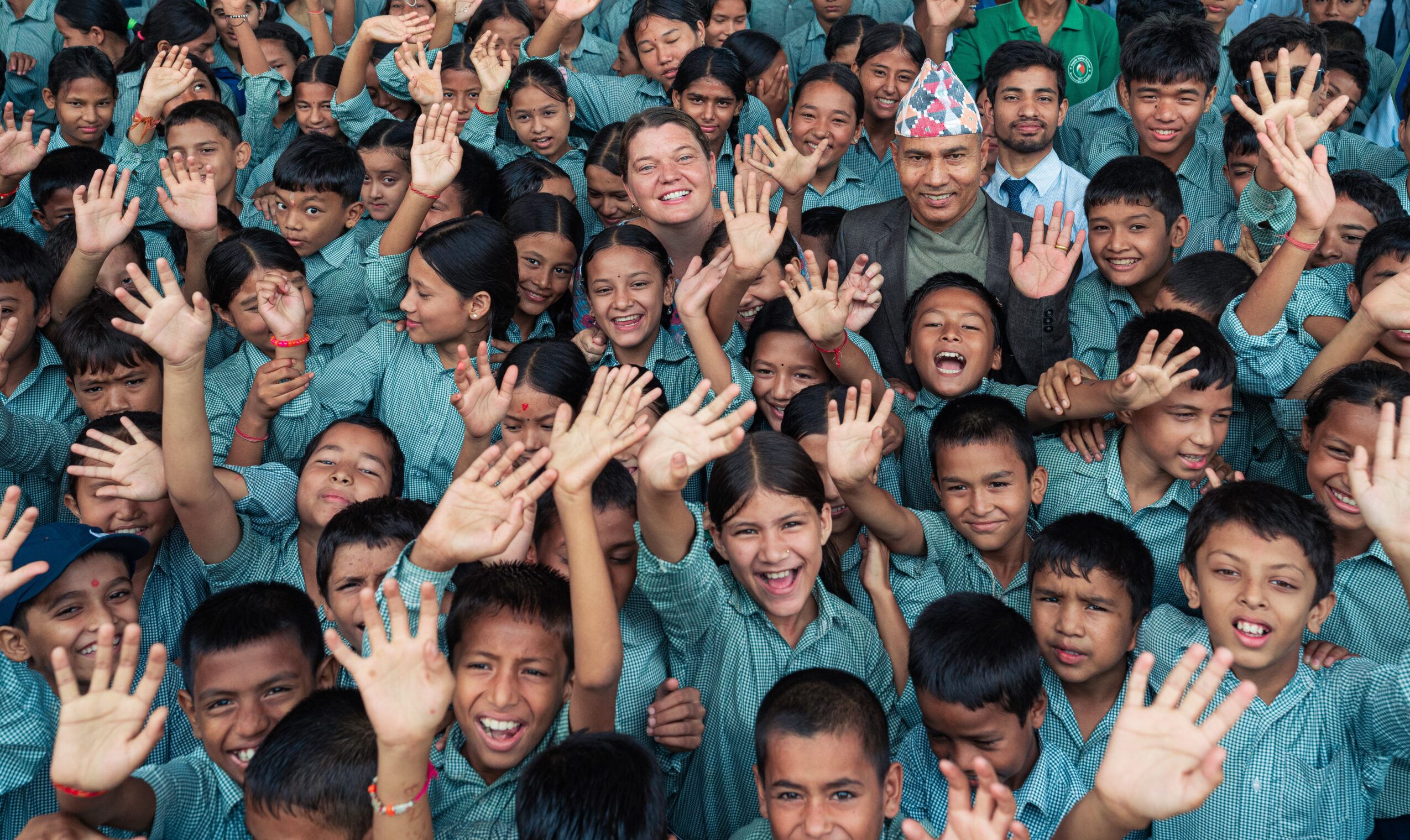
This may sound like a lot of things, but it’s all centered around children. Our specialty is child-centered development. I think what sets us apart is our community-led model that connects education, health, and sustainability.
We are now sharing our work with others to inspire action in more places around the world. We host an annual Summit for co-learning with other NGOs and schools. We are mentoring local government schools. This year, we are creating an open-source digital library so that anyone in the world can use what we have learned and adapt it to their community.
But if you ask me what I’m most proud of, it’s always the kids. Some of our very first students are graduating college, starting careers, and even getting married! It’s gone so fast. I look at them, and I see compassionate young adults who are helping their families end poverty and leading the way to a better world. This is a dream come true. My heart feels so full when I see the world they are building.
What quality or characteristic do you feel is most important to your success?
Honestly, I think I was successful because I started so young and knew, truly, nothing. I had to come in as a learner, and to rely on Tope and the people around me, with all their years of experience. I have an incredibly good staff team to work with and an expert Board of Directors who guide how we operate. And I can’t say enough about our global community of supporters and donors (including those in my beloved New Jersey!)
, who stand with us in caring for these children every day.
It’s also taken a lot of patience to get this far, nearly 20 years into development work. Real change comes with slow and steady work. It takes years of listening, learning, and walking alongside the community. You have to fall in love with the process and the people. I maintain a deep belief in the people of Surkhet. They know the problems and needs here, and they also have ideas and solutions. My role is to provide opportunities.
When you work from a place of love and trust, the ‘success’ part takes care of itself. It’s a long journey we are on, but when I look at the children thriving around me, every single year of listening and learning has been worth it.
Contact Info:
- Website: https://www.blinknow.org
- Instagram: https://www.instagram.com/blinknoworg
- Facebook: https://www.facebook.com/blinknoworg
- LinkedIn: https://www.linkedin.com/company/the-blinknow-foundation
- Youtube: https://www.youtube.com/blinknow