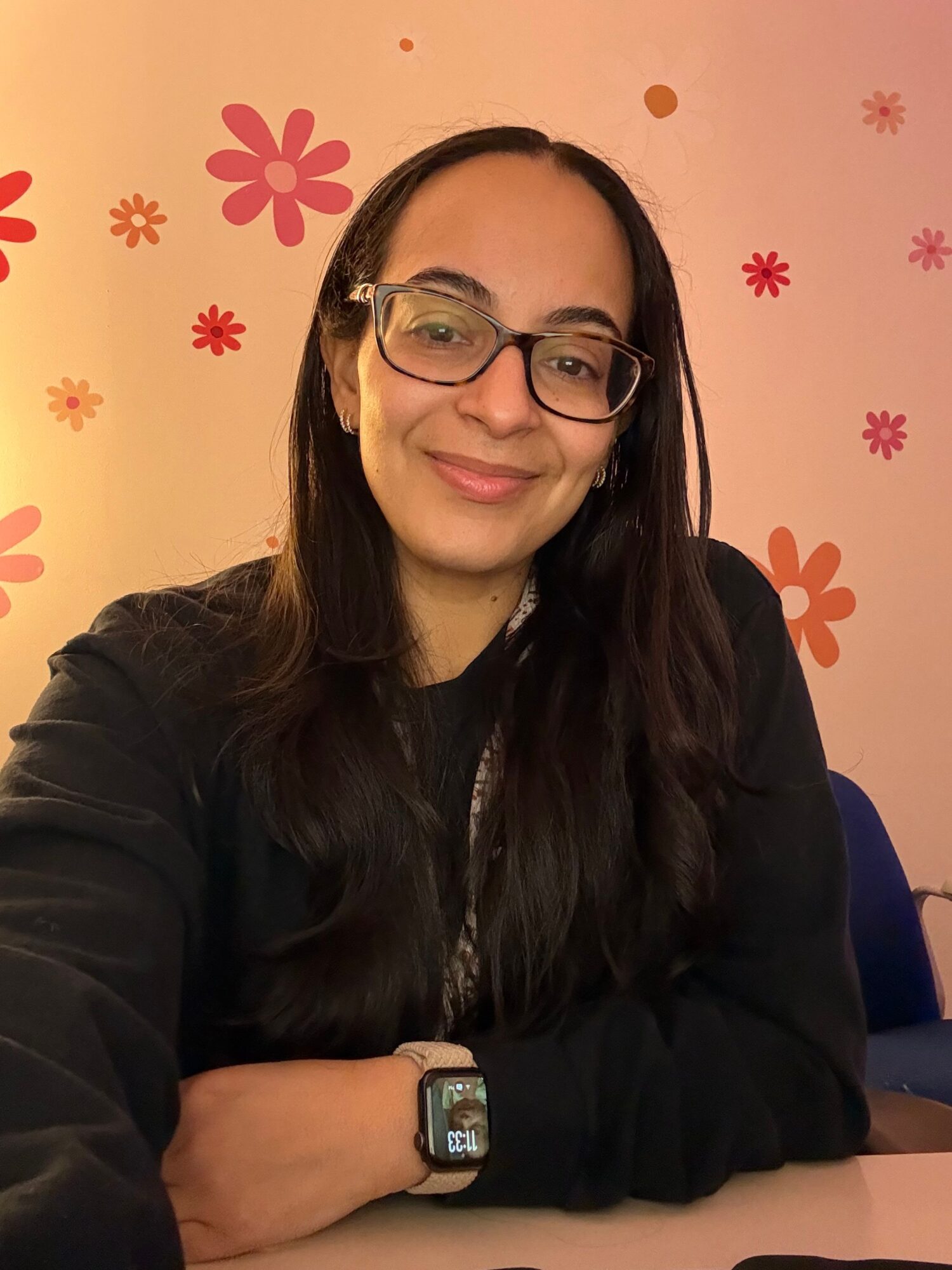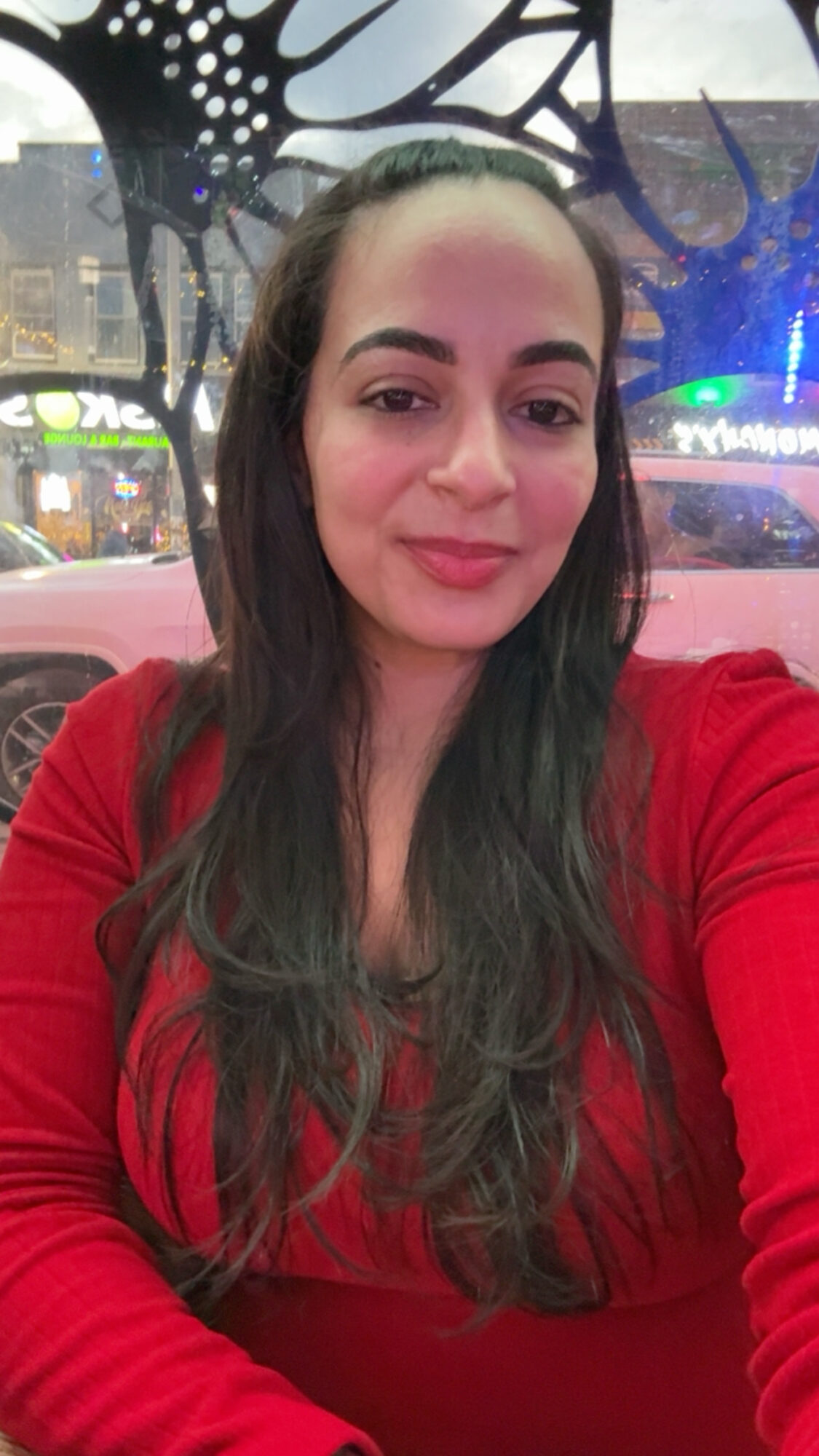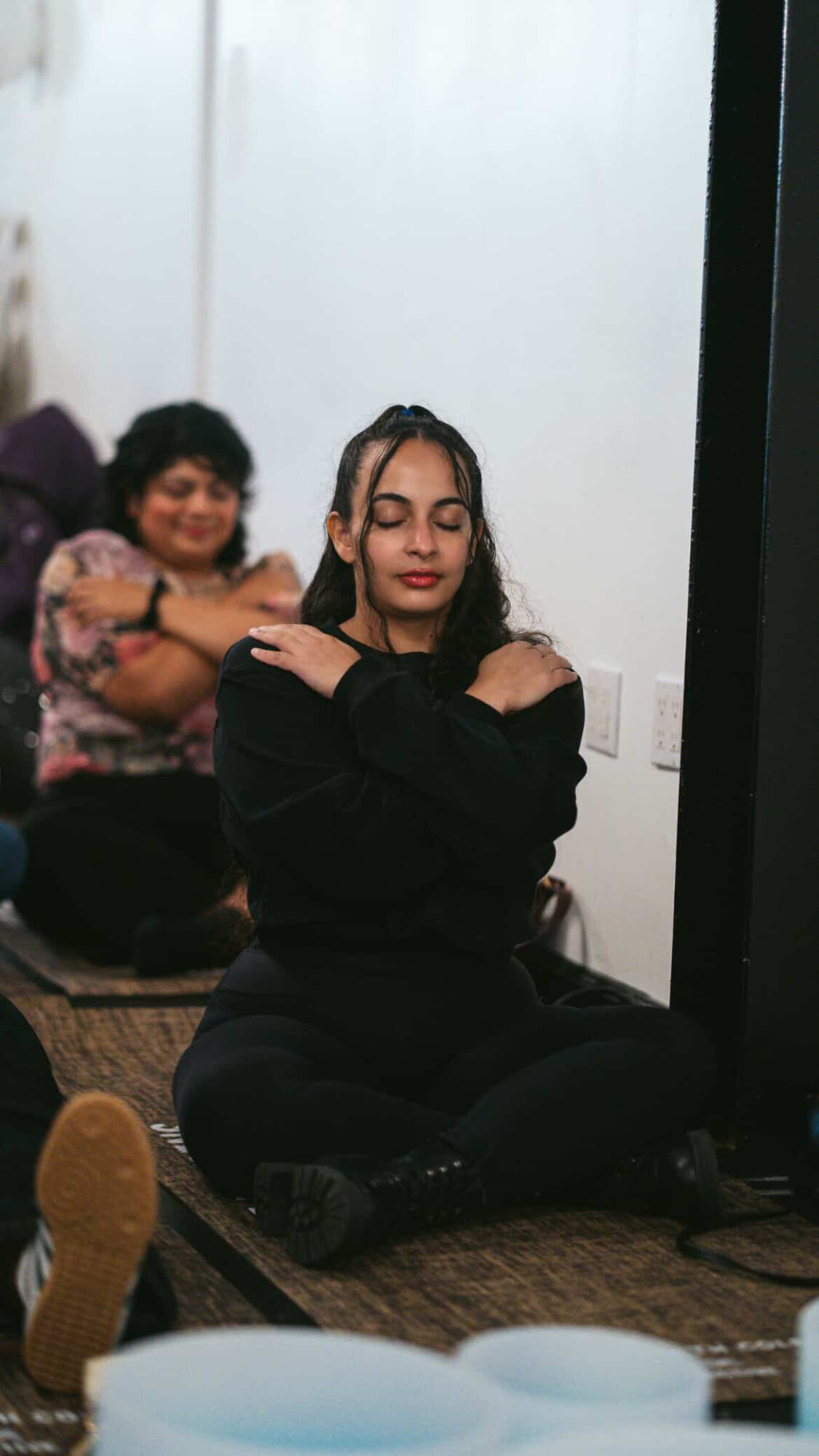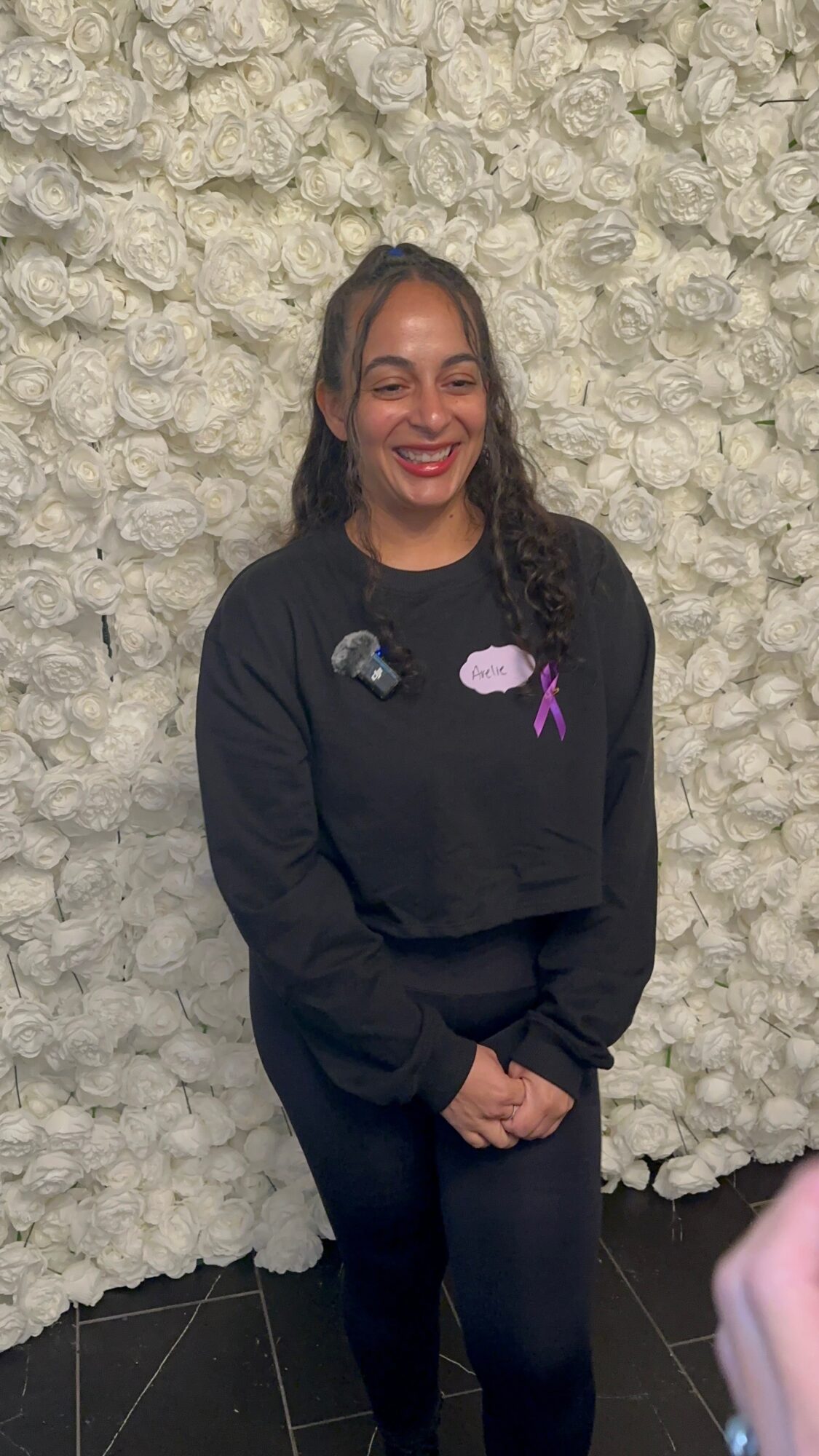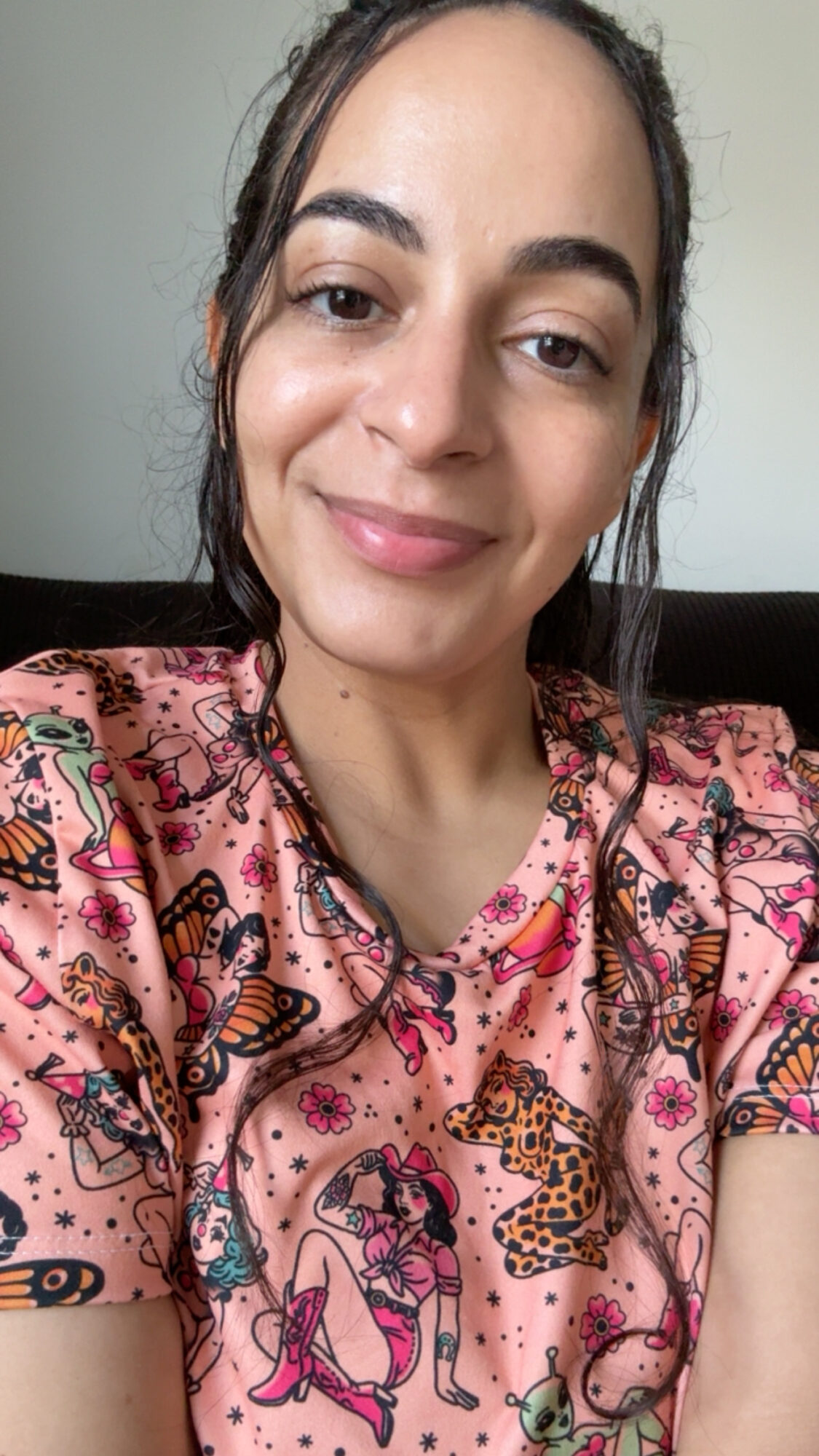





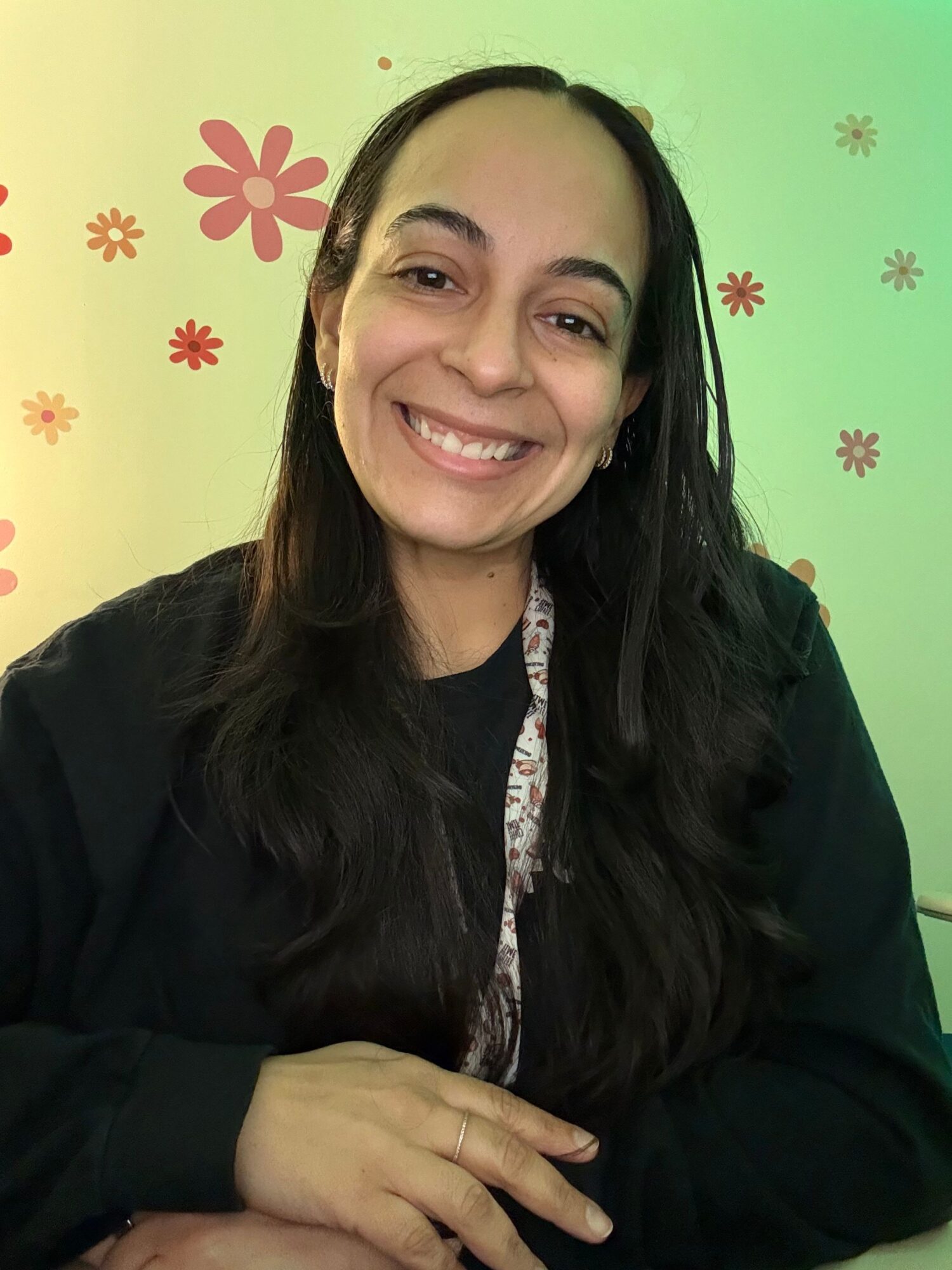
Today we’d like to introduce you to Arelie Estevez.
Alright, so thank you so much for sharing your story and insight with our readers. To kick things off, can you tell us a bit about how you got started?
My name is Arelie Estevez. I am a first generation college student as well as a first generation United States American citizen. My family is from the Dominican Republic. My dad immigrated here when he was in his 20s. I grew up primarily in a Spanish-speaking home with my entire family my grandparents, my aunt, my uncle‘s cousins, all of us lived in the same house. I was always a average student more of a dreamer kind of a lot of my report cards say that I was a procrastinator so submitting work at the last minute, but always doing well in academics I think throughout my life I’ve always straddled the two different cultures. I grew up in being American culture and Latino culture from Dominican Republic. I very much do identify as a by cultural person and I still see to this day how different both cultures are and how I don’t really fit into either perfectly fast forward to becoming who I am today I started college right out of high school. I didn’t think it was for me at the two years and then I took a break and then I ended up going back. I completed my bachelors in psychology I was working with kids with autism providing just outpatient kind of behavioral intervention services like ABA. After a few years doing that, I realized that there was more for me mostly because I was in a violent relationship, both verbally and physically with my ex at the time and we had attempted to go to therapy and we saw a therapist through the VA and she kind of took his side after that. I decided that I wanted to go to school and become a therapist because if there was women like me who had been to therapy and felt the way I felt, they deserve to have someone who understands their story and can advocate for them, so I went to an information session for a clinical mental health counseling, and felt truly inspired by the director of the program, Frances Melendez and I applied for her program. I ended up getting accepted into the program. It was very hard being an average student I felt mediocre compared to my counterparts not only was I an older student, but they just seemed like it was much more easier for them than it was for me, but by the second year of grad school, we had already been doing practicum already applying a lot of of the theories that we had learned the first year and that’s kind of where I started finding my rhythm and started to realize that hey I’m actually pretty good at this so I ended up completing the program. I did my internship at a high school for kids that are struggling with severe mental health issues marginalize use from my community. I was very excited to be there and help kids like me. I ended up getting hired at that program right out of school. I worked there for six years now I am at a partial hospitalization program in New Jersey. I’m serving as a lead therapist and I love this job. I can work not only with the patients, but I’m also supervising and training and developing future clinicians which is exciting. I find that my style has really become grounded and social justice and multicultural work. I’m deeply committed to the immigrant population, black and brown people Manha and making sure that our stories are heard and understand understood so yeah that’s kind of my story. I’m a mom. I have two girls a five year-old and a two-year-old and yeah, we’re just living day by day.
Can you talk to us a bit about the challenges and lessons you’ve learned along the way. Looking back would you say it’s been easy or smooth in retrospect?
There have been many struggles. My parents split up when I was eight years old. My mom ended up, marrying a very abusive man. I witnessed her on the brink of death. More than once my dad tried his best to be involved with us, but we were living primarily with my mom. We grew up on Medicaid low income, which is why it was helpful for us to kind of live with our entire families. We are immigrants so there’s always that racist or discrimination that we face as people of color back then I didn’t recognize it, but now I am super aware about some of the things that happened and witnessed, and how you know they have shaped who I am today and why I feel so strongly about diversity and social justice and multiculturalism living in poverty was difficult. I had to take many loans to be able to go to college so that is definitely a challenge and yeah, just the biggest struggle I think is growing up as a woman and a woman of color in America while also trying to uplift and be proud of my Latino heritage
As you know, we’re big fans of you and your work. For our readers who might not be as familiar what can you tell them about what you do?
I am a licensed mental health, professional therapist in New York in New Jersey. I provide therapeutic services to children, adolescence teenagers, adults, couples I have an expertise in a providing trauma focused care. I use family systems Therapy I tailor it to the unique needs of the patient I have a commitment to the BIPOC population immigrants marginalized communities. I provide culturally, responsive, and anti-racist practices. I’m also an approved clinical supervisor so I provide clinical supervision and counselor development through a multicultural lens so, integrating modalities and making sure that we are all culturally responsive. I have experience working in hospital settings, school settings, and private practice like I said with a diverse age groups and populations, Oh and before I forget, I am also an author I have written mental health articles for choosing therapy. I have a series of self-esteem journals that available on Amazon for purchase that I created using mental health tools like CBT. I also am a Latina content creator I create and share relevant accurate mental health information all over social media so that Instagram, TikTok, and Facebook. I am also getting into public speaking. I want to make mental health accessible and available to all communities specifically community which are bilingual immigrant populations.
How do you think about luck?
I don’t think any of this is luck. I think it’s hard work and getting through and over imposter syndrome and learning and reading and practicing and seeking supervision seeking consultation and Community I don’t think any of it is luck.
Contact Info:
- Website: https://latinxtherapy.com/therapists/arelie-estevez-lmhc-lpc/
- Instagram: https://www.instagram.com/aestevez_therapy?igsh=OXo0bDY1bXF4ejZm&utm_source=qr
- Facebook: https://www.facebook.com/share/18QRNafrgE/?mibextid=wwXIfr
- LinkedIn: https://www.linkedin.com/in/arelie-estevez-2332b081?utm_source=share&utm_campaign=share_via&utm_content=profile&utm_medium=ios_app
- Youtube: https://youtube.com/@aestevez_therapy?si=2QoY63KCp6c7Jhq1