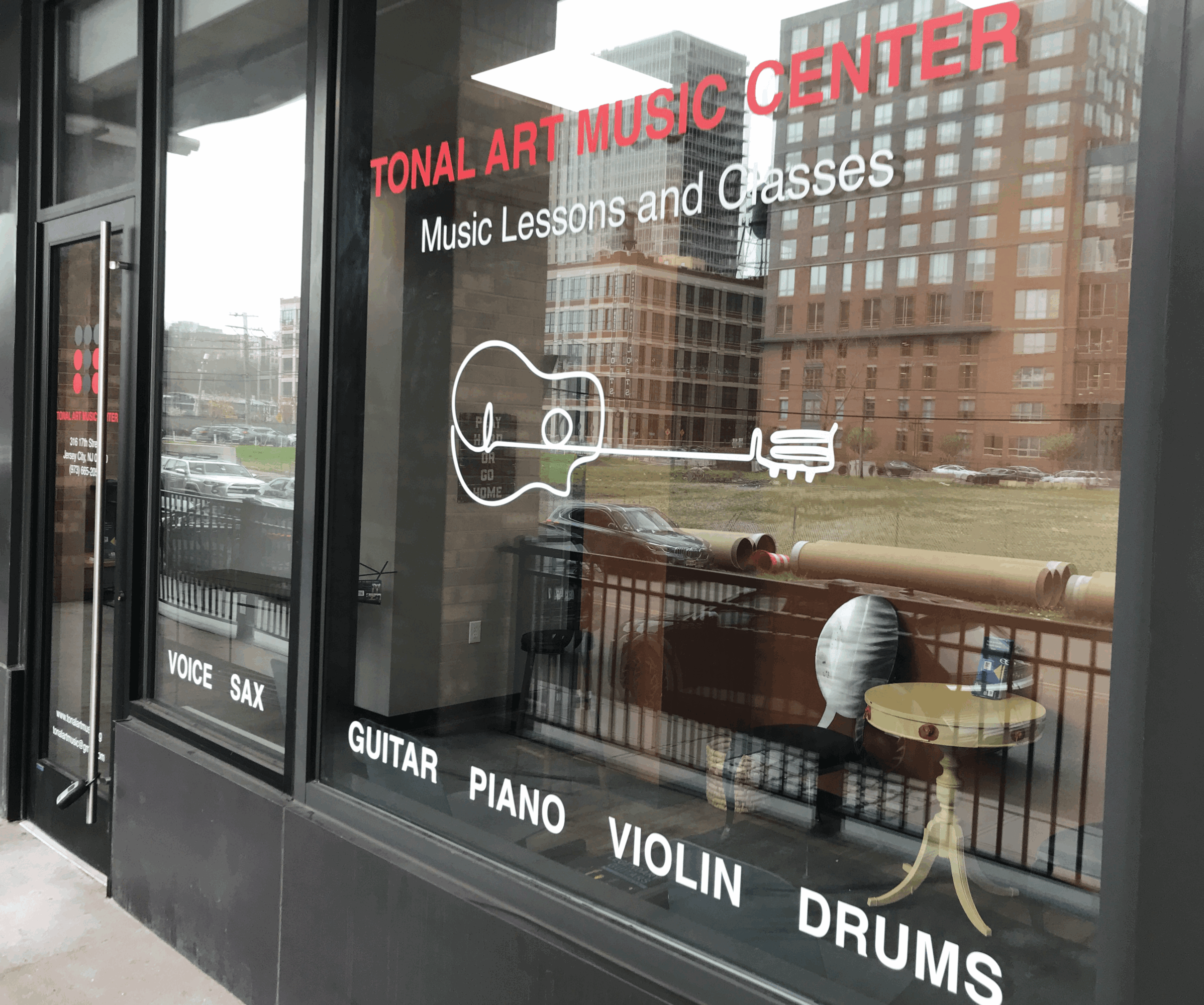





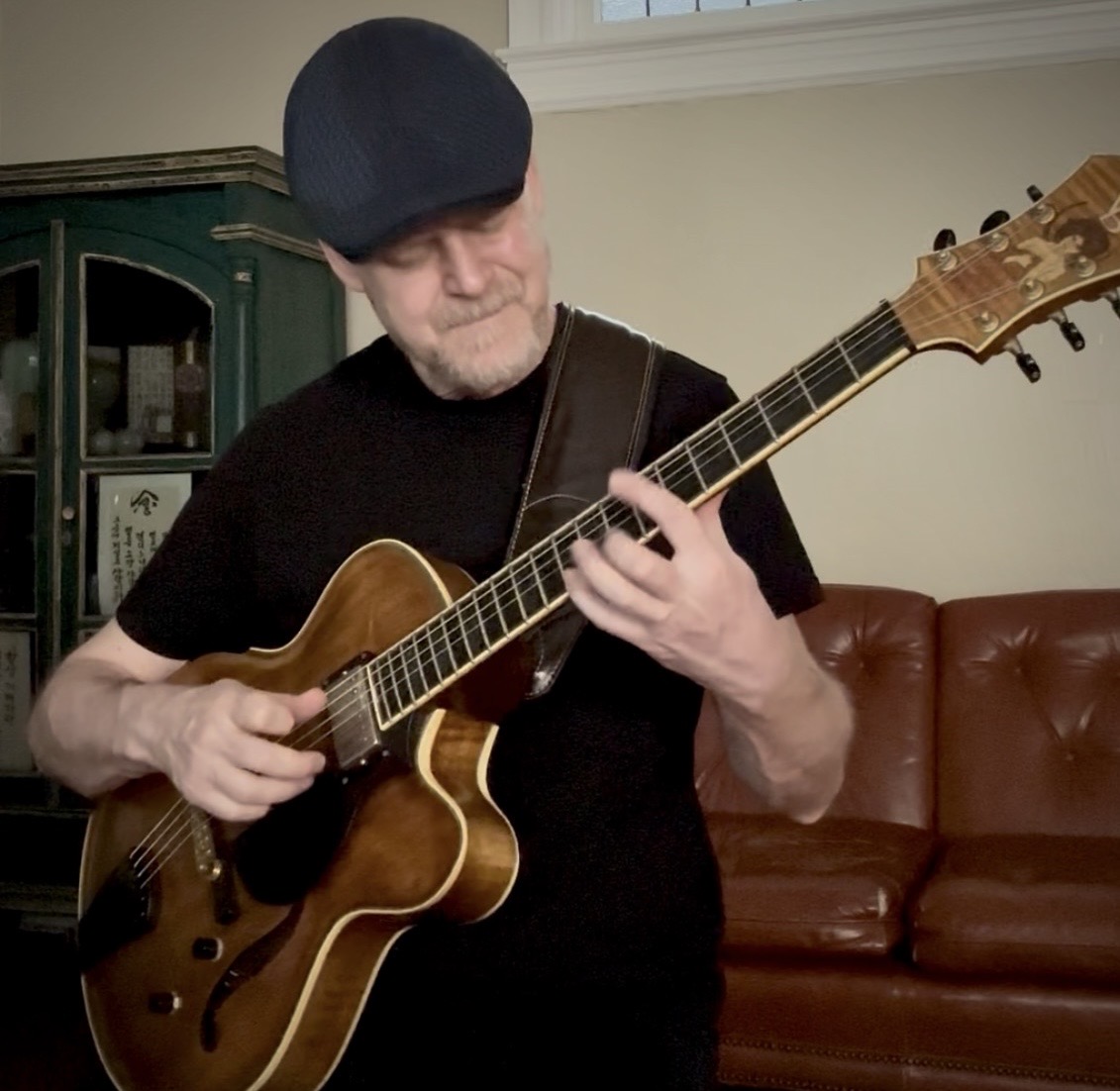
Today we’d like to introduce you to Matt.
Hi Matt, so excited to have you with us today. What can you tell us about your story?
My entire life, I’ve been fascinated by the guitar and in love with playing music. It was something I had to work very hard at to get better, yet it also always made sense to me. I remember being young and finding it difficult to get the information and guidance I needed. There was a real search involved in finding the right teacher, someone who understood what I was trying to do and could help me move forward.
I started teaching not long after I started performing. Even when I was in high school, I had some pretty serious students, so teaching and playing developed alongside each other from an early age.
My passion for jazz brought me to New York City as soon as I was old enough to make the move. For me, it has always made sense to live around New York. There is so much energy and creativity in the jazz scene, and really across all of the arts.
I lived around Harlem for about a decade while also traveling to different parts of the world and spending a lot of time in Seoul. Eventually, I wanted to settle somewhere and find a balance. I wanted to continue performing while also being more selective about the work I chose to do. At the same time, I had a real passion for sharing what I knew about music with other people.
Over the years, I taught at many different schools and programs. I saw what worked and what didn’t. Honestly, some of the worst places taught me the most because they showed me exactly what not to do. Those experiences gradually shaped my ideas about what a music school could be. I wanted to create a place with excellent teachers, thoughtfully designed rooms, a welcoming atmosphere, and an approach that treated every student as an individual.
Jersey City felt like a natural fit for me. It is a big city in itself with its own vibrant arts community, while still being only a few stops from New York at any time of the day or night.
Tonal Art Music Center began very simply, with composer and pianist Hyeseon Hong, and me teaching one day a week out of a church. There was one piano there, and I moved in another piano that I had kept at my apartment during graduate school. I recorded everything by hand in those black and white composition notebooks. Every student, lesson, and payment went into those books.
We slowly expanded until we had just enough students to rent our first dedicated space in Chambord Place, a former factory and artist building near the Hoboken and Jersey City border. There was an empty room next to a vintage store that had been painted entirely red by a failed internet startup. I built a wall, made a waiting room, and from there Tonal Art really began to grow.
We stayed there for several years. Then the pandemic hit, and we moved the entire school online. We made it through that period and, importantly to me, we were able to keep our teachers working. Eventually, another space became available on the other side of the building, and I excitedly renovated it for the school.
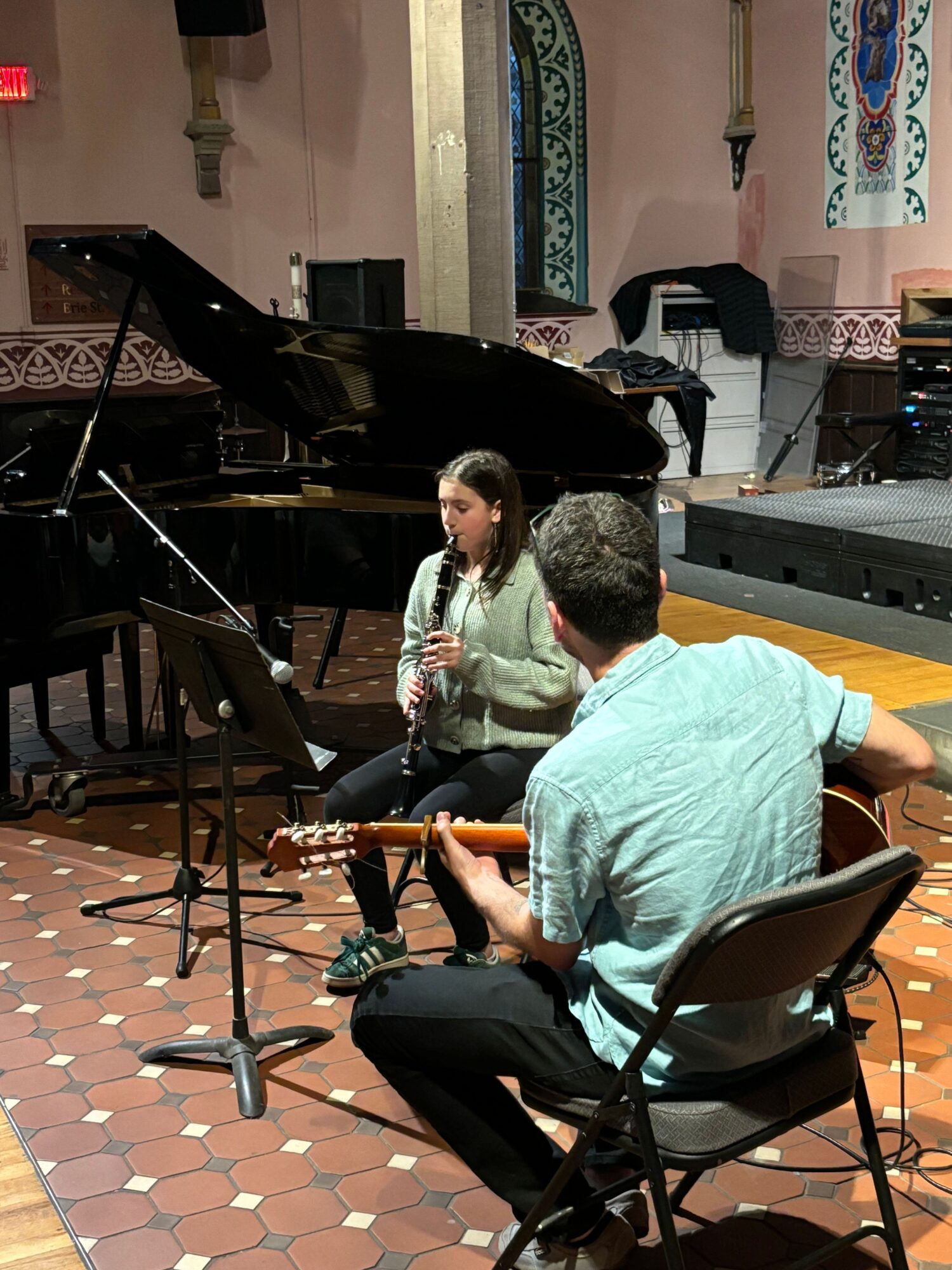
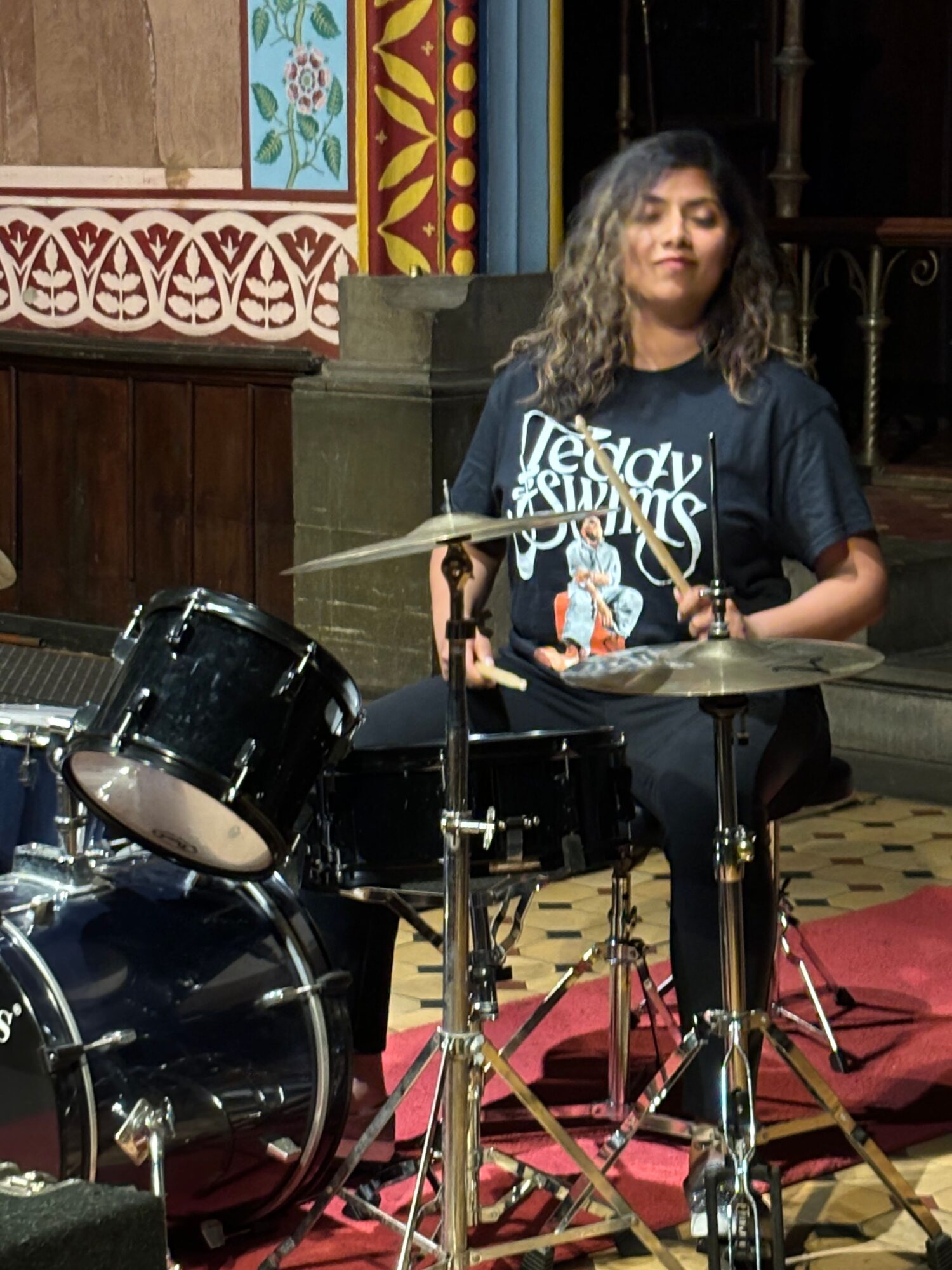
About a year later, tragedy struck again when the Jackson Street fire destroyed the building. We lost our space and much of what we had built. Once again, we found ourselves teaching out of a church. I moved the school to Grace Church Van Vorst while I planned what would become the current version of Tonal Art.
After everything we had experienced, I was determined to create a space designed specifically for the way we wanted to teach. I thought carefully about all the problems I had encountered in other locations and tried to correct them. I worked with a great architect, an excellent acoustical consulting firm, and the right contractor to bring that vision to life.
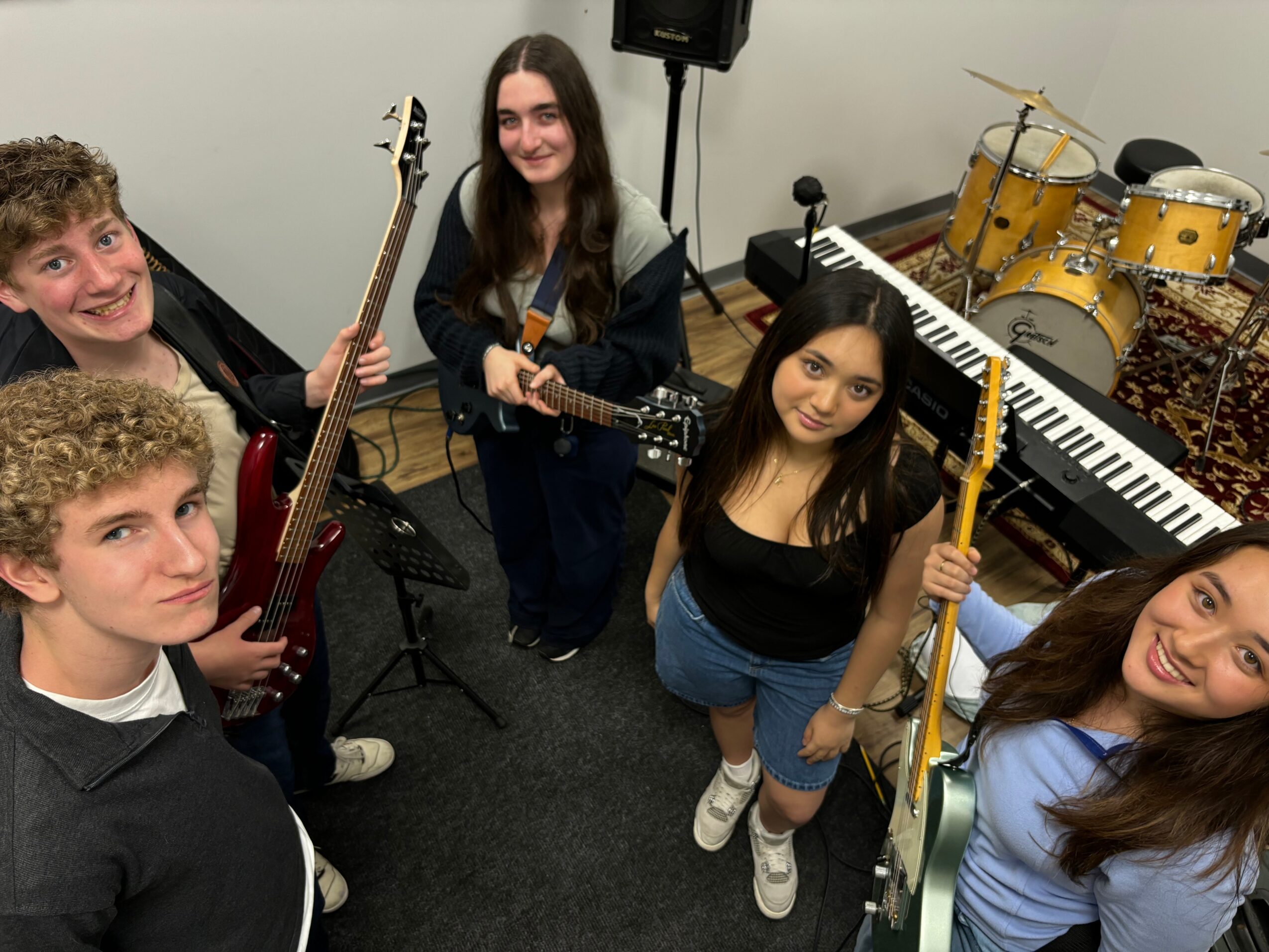
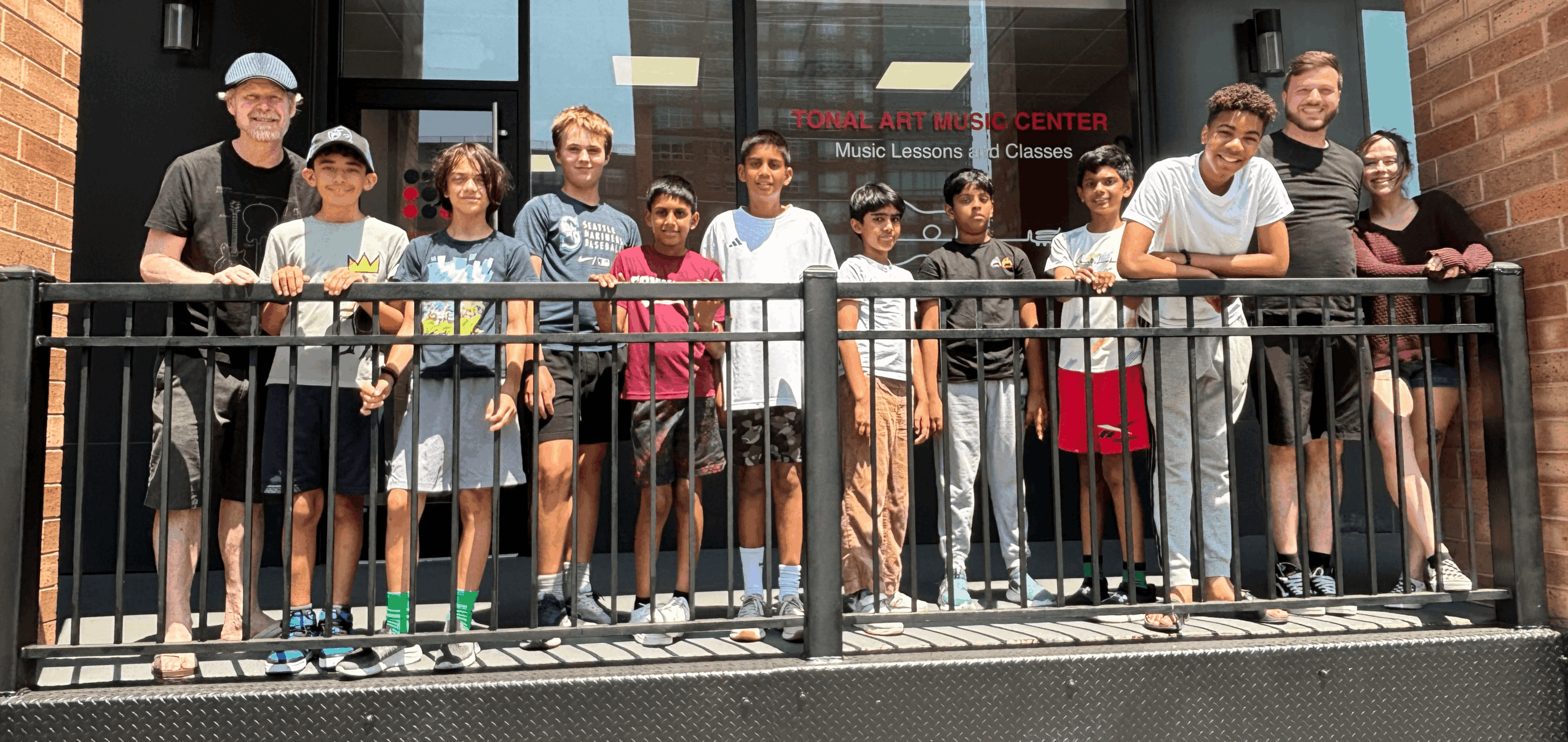
Today, Tonal Art has four private teaching studios and two larger ensemble rooms. All of the rooms are acoustically treated and quiet, so students and teachers can work without competing noise. We also have a comfortable waiting room for parents and siblings, and we strive to make the entire school feel welcoming and comfortable for everyone.
Having the right space has also allowed us to bring together an amazing group of teachers. Finding the right teacher can be challenging. I remember that from my own childhood, and I am incredibly proud of the team we have built.
We now have around a dozen professional teaching artists covering nearly every instrument, including piano, guitar, drums, saxophone, flute, trumpet, bass, violin, cello, and clarinet. They have outstanding educational backgrounds and extensive professional experience, but most importantly, they genuinely love to teach.
The school has grown tremendously from those first handwritten notebooks and two pianos in a church, but the purpose has remained the same. We want to help people find the musical guidance, encouragement, and community they need to grow.
Would you say it’s been a smooth road, and if not what are some of the biggest challenges you’ve faced along the way?
The struggles have fallen into a few different categories. One has always been finding the right balance between my professional life as a musician and the demands of running the school. Performing and creating music are still an important part of who I am, but building a school requires a completely different kind of attention. Finding a way to give both of those things the time and energy they deserve has been an ongoing process.
There have also been the very real economic challenges of keeping the school going through changes of location, a pandemic, and a fire. Each time we began to feel settled, something seemed to change and we had to adapt again. We had to find a way to keep the school afloat, continue serving our students, and keep our teachers working through some very uncertain periods.
Another challenge has been learning all of different aspects of building a business that you do not learn by playing jazz gigs or studying at a conservatory. Talking with people passionately about music has always come naturally to me. Building a community around that passion also feels very natural. Advertising what we do and communicating our message to a wider audience has been much more challenging.
Right now, I am continuing to learn about digital marketing and social media and how to connect the school with people who would genuinely benefit from what we offer. The goal is not simply to advertise. It is to communicate what makes the school meaningful in a way that feels honest.
I am also learning the importance of delegation. For a long time, I tried to handle nearly everything myself. As the school has grown, I have realized that spreading myself too thin does not help anyone. Part of building a stronger and more cohesive organization is finding people with expertise in the areas where I am less experienced and trusting them to do what they do well.
Through all of this, I have also discovered where some of my own strengths really are. One of my most valuable skills is finding good teachers and recognizing the people who will work well in our environment. Great musicians are not automatically great teachers. I look for people who have deep musical knowledge and professional experience, but who are also patient, dependable, generous, and genuinely interested in helping students grow. Building that team has been one of the most challenging parts of the process, but also one of the most rewarding.
Thanks – so what else should our readers know about your work and what you’re currently focused on?
I am a jazz guitarist and composer. I love performing with different musicians and traveling to do it. At this point, I have released five recordings as a leader. Most of them primarily feature my original compositions. My trio recording, With Eyes Closed, was a little different because it focused on music written by some of my favorite jazz composers and musicians. My most recent album, Present Echoes, was released on SteepleChase Records and features Rich Perry, Steve LaSpina, and Mark Ferber.
What I love about jazz is the balance between preparation and the unknown. I spend a great deal of time composing, practicing, and thinking about the music, but when you perform, you have to be completely present and willing to let the music go somewhere unexpected. Every musician brings a different personality and musical history to the bandstand, so the same music can feel completely different from one night to the next.
One of my favorite experiences is showing up in a new town, sometimes meeting musicians for the first time at the sound check, and then walking into a full house that evening. Suddenly, the energy starts moving through the band and connecting with the audience. Everyone is listening and responding to each other, and something comes together that could only happen with those particular people in that particular room. That is still incredibly exciting to me.
I think my own music reflects the many different experiences I have had and the musicians I have spent time listening to and playing with. I am always interested in finding a balance between strong compositions and enough freedom for the musicians to bring themselves into the music. I never want the writing to get in the way of the interaction.
What I am most proud of is that I have continued to develop my own voice while building the school and handling all of the responsibilities that come with it. It is not always easy to protect the time and energy needed to remain a serious musician, but performing and composing are still at the center of who I am. They also keep me connected to everything that made me want to teach and create Tonal Art in the first place.
Do you have any advice for those just starting out?
The world is so different now from when I was starting out. I had trouble finding the information I needed. Music students today almost have the opposite problem. There is so much information available that it can be difficult to know what is relevant, what is useful, and what actually applies to where you are in your development.
One of the most important things you can do is find a mentor. Look for someone who is a few steps ahead of you, or perhaps many steps ahead, and really listen to them. Learn from what they know, study what they do, and try to understand how they got there. Having the right guide can help you focus your energy instead of getting lost in all the possibilities.
As a musician, I also think you should always try to be the worst musician in the band. I say that with a laugh, but I really mean it. Put yourself in situations where the other musicians are better than you and where you have to stretch to keep up. It can be uncomfortable, but that is often where you learn the most.
I had many humbling experiences when I was coming up. Sometimes I walked away with my ego a little bruised, but I was a better musician every time. Eventually, you learn that being uncomfortable does not mean you do not belong. It often means you are growing.
I feel fortunate that I found something I was passionate about early in life. If you have found that thing too, hold on to it. Protect it and continue to follow it. If you have not found it yet, keep looking for whatever makes you want to create, work, and continue getting better.
One thing I have definitely grown to appreciate is the importance of consistency. Just show up every day and work on your craft. You will not always feel inspired, and you may not see the results immediately, but the growth will come over time.
Most of all, relax and try to enjoy the process. There is not much control we actually have over the circumstances around our lives. Do the work, give it everything you have, and then let it go.
Contact Info:
- Website: https://www.tonalartmusic.org/
- Instagram: https://www.instagram.com/tonalartmusic
- Other: https://www.mattpanayides.com/