





Today we’d like to introduce you to Kathy Falcone-Bernstein.
Hi Kathy, thanks for joining us today. We’d love for you to start by introducing yourself.
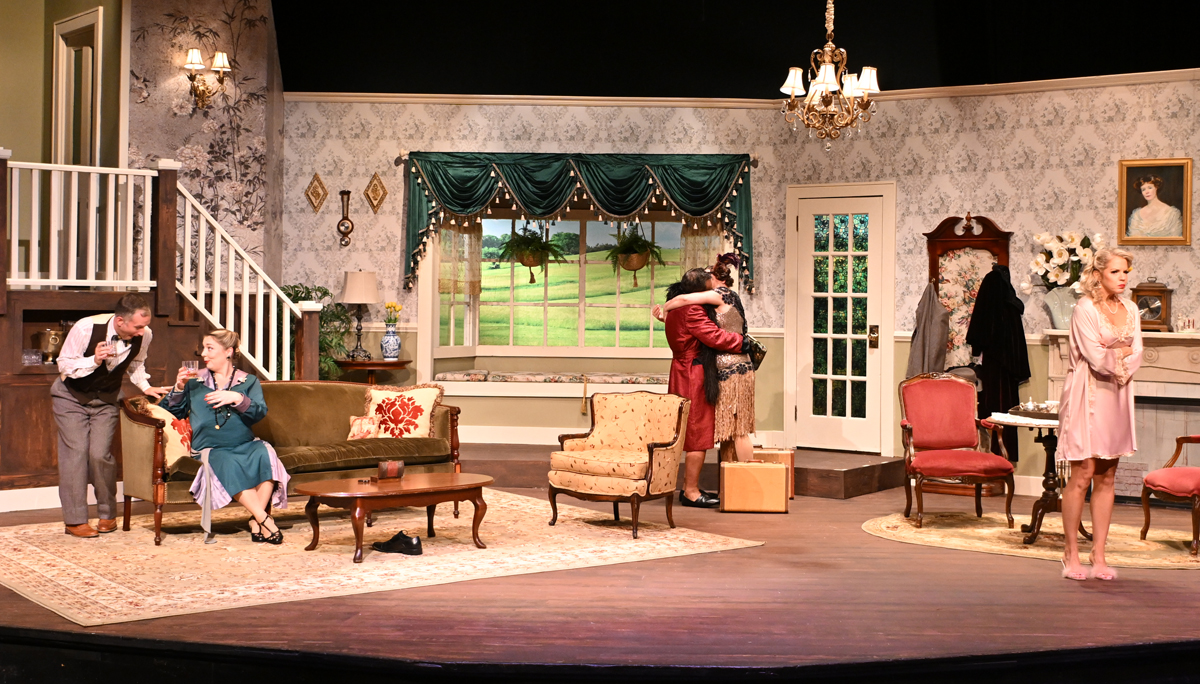
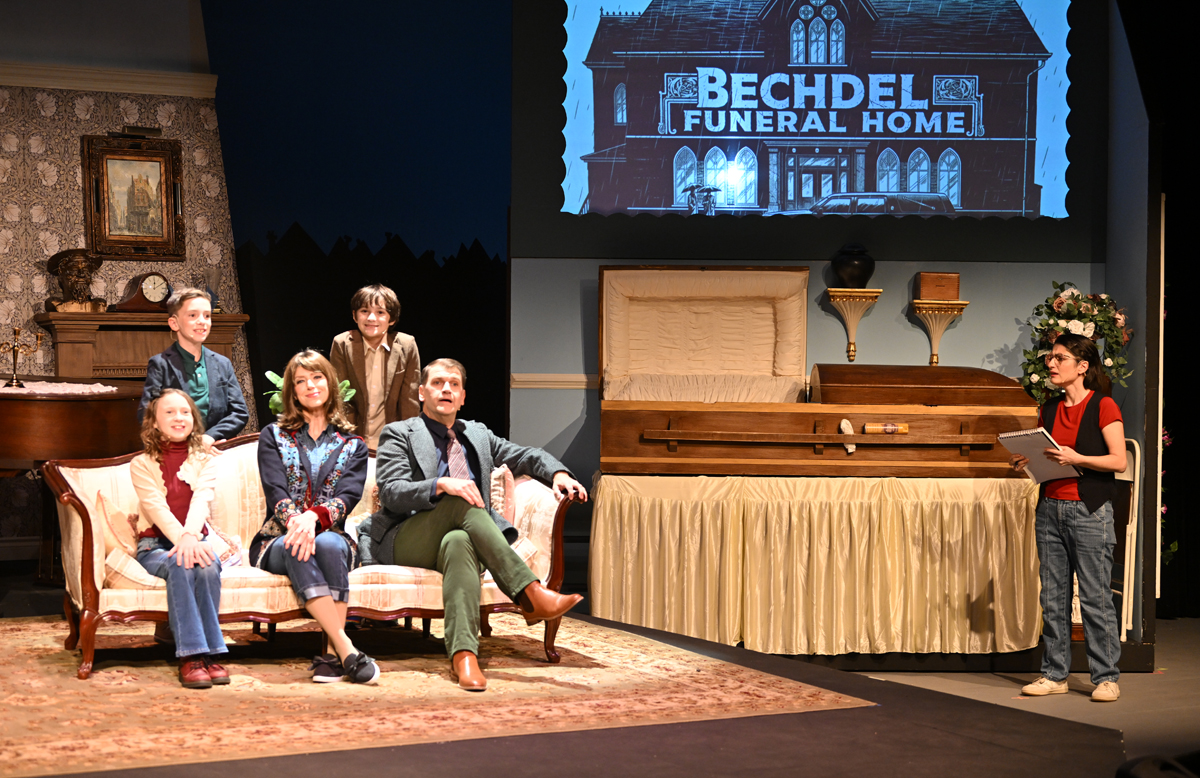
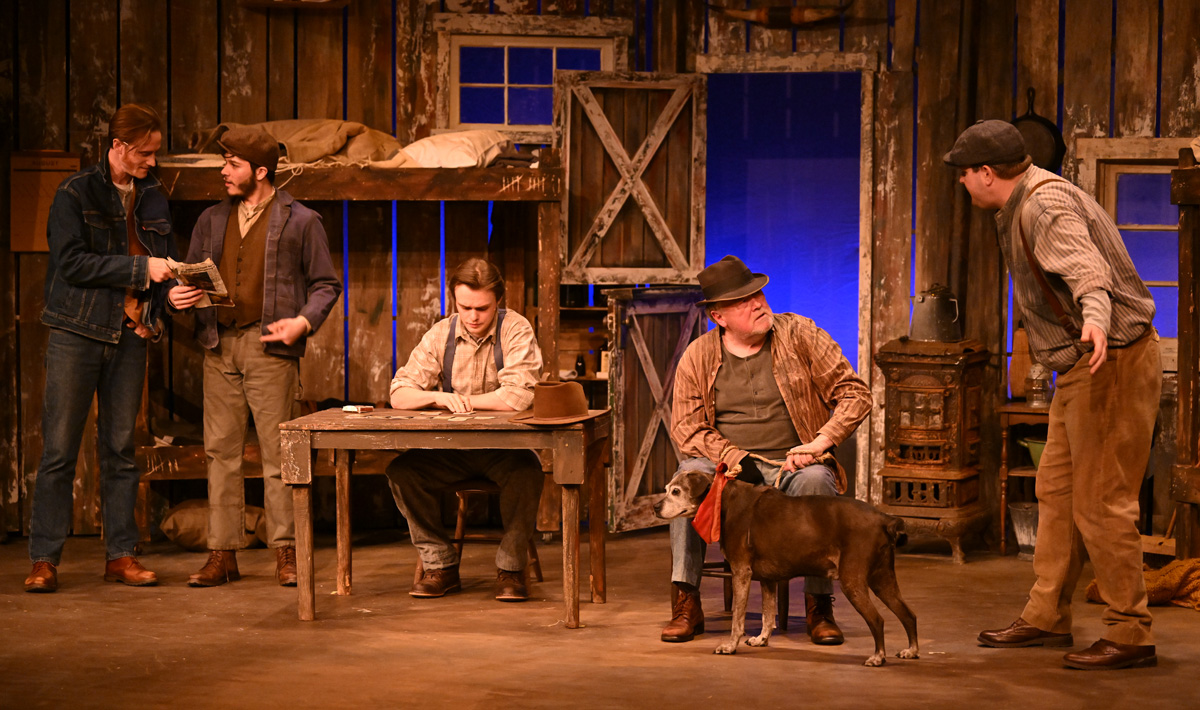
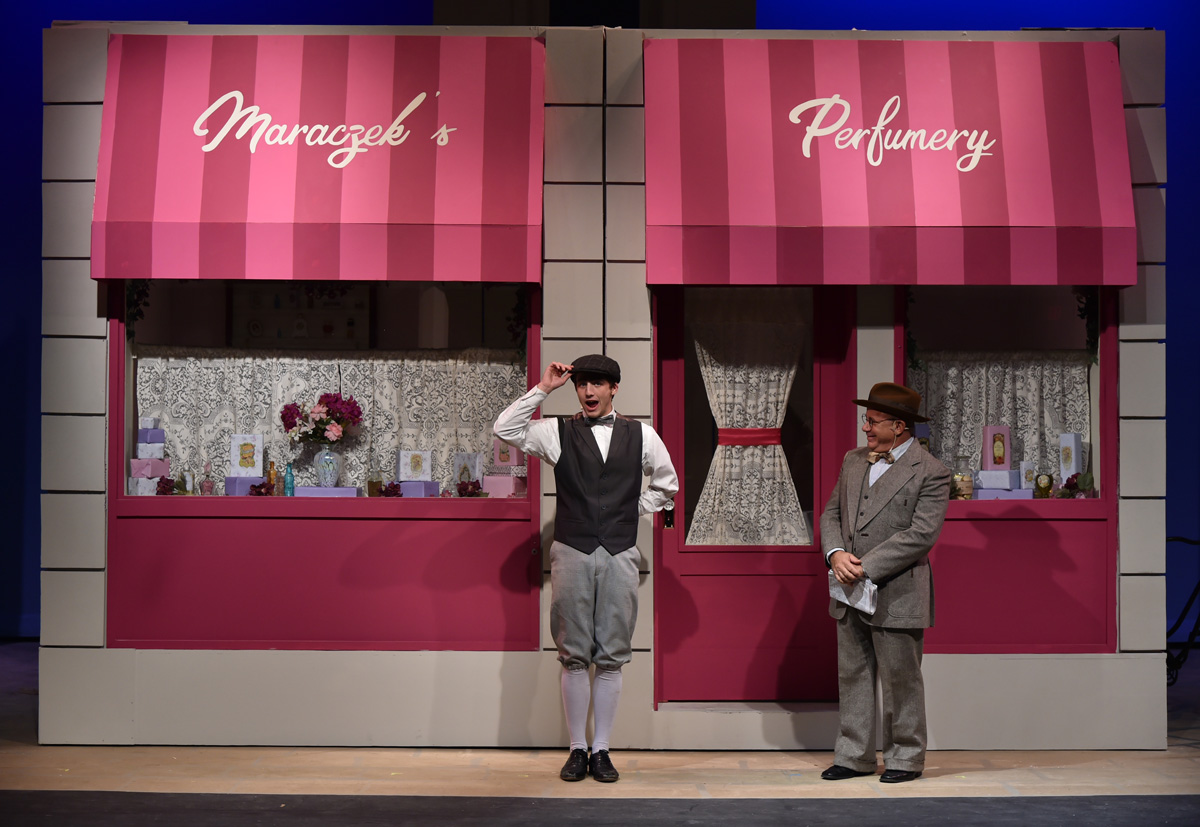
From a chicken coop to a blacksmith shop to a hilltop on Skyline Drive, Montville’s Barn Theatre has spent nearly a century proving that the show really does go on.
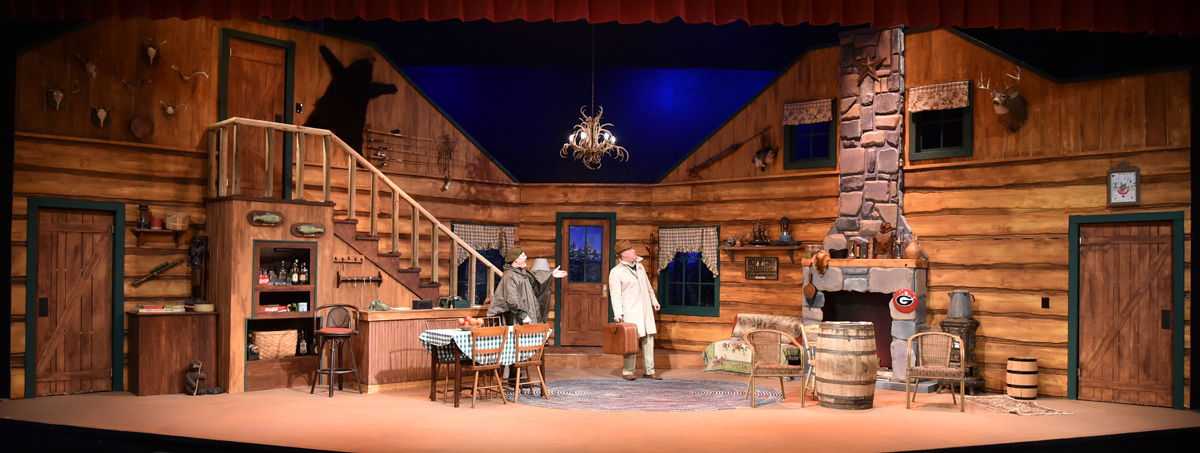
On a Friday night in Montville, cars wind up Skyline Drive toward a modest building at number 32. Inside, a volunteer is setting up hospitality, another is checking a light cue, and a third, who may have been doing this for 40 years, is calling places. The curtain is about to rise on one of New Jersey’s oldest continuously operating community theatres. The Barn Theatre is now in its 99th season. But to understand how it got here, you have to go back to a coop, a war, a blacksmith’s forge, and more than one eviction.
The story begins on September 28, 1928, when a new amateur troupe called the Mountain Lakes Dramatic Guild made its debut. The play was Owen Davis’s Ice-Bound, and the stage was the State Theatre in Boonton. After the debut The Guild’s early home was anything but grand. Audiences arrived in evening attire and settled onto backless benches inside a renovated outbuilding that had once served as a large estate’s chicken coop. Nobody seemed to mind. The plays were good, and the company was better. For bigger productions, the troupe packed up and took to the road, borrowing high school auditoriums and whatever other stages it could find. It was a rehearsal, of sorts, for a nomadic life the company would come to know well. Through it all, the members stuck together, many of them for twenty years or more.
When World War II arrived, the Guild did its part. Members traveled to Fort Dix to entertain soldiers and staged benefit performances for local organizations.
In 1953, the year the Guild celebrated its silver anniversary, a member happened to drive past a vacant, weathered red building in Parsippany. It had once been a blacksmith shop. The rent was $50 a month. The Guild took it, rolled up its sleeves, and turned the old forge into a working theatre. Officially it was the Little Theatre, but from the road it looked like a barn, and that is what everyone called it. The name stuck for good.
The tiny space punched well above its weight with productions like The Women, Picnic and Detective Story. The good times in Parsippany ended in 1960, when the land under the little barn was sold. Once again the company became a traveling troupe, a gypsy theatre with sets and costumes but no address. This time the members decided to stop renting and start owning. They bought land on Skyline Drive in Montville and began building a theatre of their own.
In April 1966, the new Barn opened with The Miracle Worker. Its co-director was Jean Hooper, one of the founders from 1928. In the cast was Ruth Hill, who had acted as a teenager in the original building and is believed to be the only member to have performed in every chapter of the Barn’s history. With the move came a new official name: The Barn Theatre Guild.
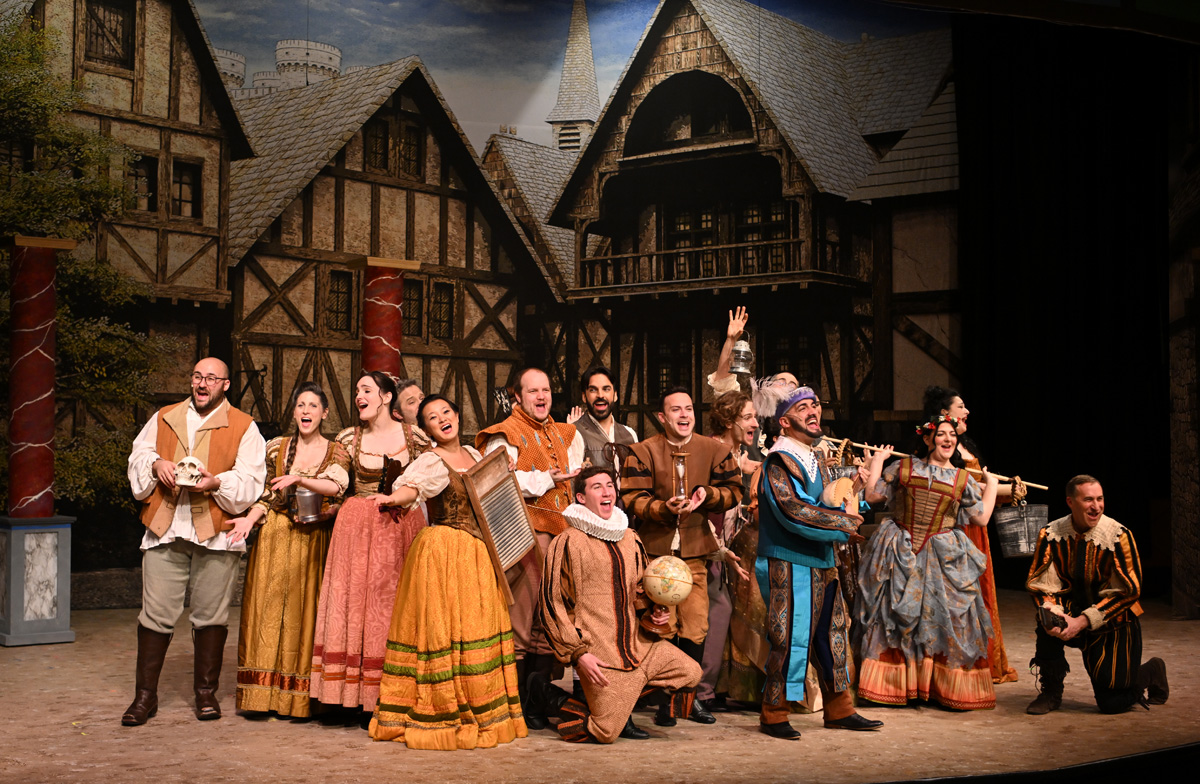
Sixty years later, the Barn is still a volunteer-run, nonprofit operation that mounts five mainstage productions each season. Its audience has grown from roughly 100 subscribers in the 1940s to more than a thousand. What keeps people coming back is the sense of family. Volunteers often stay for 20, 30 or even 40 years, acting one season, building sets the next, and serving on the board after that. It is not unusual to see two or three generations of the same family working on a single show.
Some alumni have gone on to bigger stages. Tony winners Laura Benanti and Jane Krakowski, Sopranos actor Vincent Curatola, and Tony nominee Constantine Maroulis all count the Barn as part of their story.
Now in its 99th season, the Barn is about to raise the curtain on Roald Dahl’s Matilda the Musical, with a cast of 29 that includes many children. If history is any guide, some of those young performers will be the ones building sets, running lights and ushering when the Barn celebrates its 100th season and beyond. Not bad for a company that started out in a chicken coop.
We all face challenges, but looking back would you describe it as a relatively smooth road?
Few community theatres have had to fight as hard simply to exist. For its first quarter century the Barn had no proper home, making do with a converted chicken coop, borrowed school auditoriums and whatever stage it could find, while a world war pulled its energy toward the troops. When it finally found a place of its own in Parsippany, the land was sold out from under it, and the company was back on the road with no address and no guarantee of a future. Rather than fold, the members took on the biggest risk of all: buying land and building a theatre from the ground up, all as an amateur, volunteer-run group.
Owning a building brought challenges of its own. Over the years the Barn has taken on major capital improvements, including new heating, air conditioning and siding, to keep its home comfortable and sound for audiences and casts alike. Then came COVID-19, which forced theatres everywhere to go dark. The Barn refused to disappear, turning to virtual and outdoor events to stay connected with its audience and raise the money needed to keep going. That stubborn refusal to go dark is the thread that runs through every one of the Barn’s 99 seasons.
Appreciate you sharing that. What else should we know about what you do?
What do you do?
I’m President of the Board of Directors at The Barn Theatre, where I’ve volunteered for the past 10 years. I also run our box office and produce shows. That means I help shape where the Barn is headed, I make sure audiences get through our doors, and I help bring productions to life from first idea to closing night. During the day, I’m a life science recruiter. Fifteen years of matching the right people to the right roles turns out to be good training for running a volunteer theatre.
What do you specialize in?
Bringing people together and keeping things moving. Whether it’s managing ticketing for a sold-out run, putting together a production team, or guiding the board through a big decision, I’m happiest when everyone has a role they care about and the pieces fit.
What are you known for?
Being hands-on. On any given day I could be in a board meeting, behind the box office window, or in the loft with a trash bag. I don’t ask anyone to do something I wouldn’t do myself.
What are you most proud of?
Watching our volunteers come together to reach a goal. That could be cleaning out the backstage area, the loft, or the dressing rooms. It could be launching a full-scale musical, or staging a small, emotional piece that leaves the audience quiet. Every time a group of people gives their time and talent to something bigger than themselves, it reminds me why the Barn has lasted 99 seasons.
What sets you apart?
I understand the Barn from every angle: the business side, the audience side, and the creative side. Having worn all three hats, I can see how a decision in one area ripples into the others, and that helps me keep the theatre strong for the next generation, including the kids in this season’s Matilda.
Any big plans?
We’re looking forward to celebrating our first 100 seasons, and we’re already planning for the next 100. The next generation is our top priority.
Many of us came to the Barn because our children were in a show, and we never left. We want to build that same path for the families of tomorrow. That could mean theatre classes, summer camps, junior productions, or something we haven’t thought of yet. Every option is on the table.
We’re also always looking to grow our volunteer team. That includes costumers, lighting designers, stage managers, set designers and builders. We have a beautiful, comfortable theatre and produce shows with high production values, and our musicals draw audiences of more than 2,000. If you have a passion for theatre, there’s a place for you here.
Your work shines at The Barn Theatre. We’re always looking to welcome passionate, talented new people into our family.
Contact Info:
- Website: https://www.barntheatre.org
- Instagram: https://www.instagram.com/stories/barntheatrenj/
- Facebook: https://www.facebook.com/Barn.Theatre