



Today we’d like to introduce you to Suzanne Luciano.
Hi Suzanne, so excited to have you with us today. What can you tell us about your story?
We live on a postage-stamp sized property with a low old-fashioned iron wire fence at the back property line. The fence, conveniently, had a gate that led to Louis Zelesky’s yard, [Lou]. I always said “the BEST part of our yard, was Lou’s yard” with more than an acre leading to another yard of more than an acre, we had a clear view of space and trees – it just wasn’t in our yard.
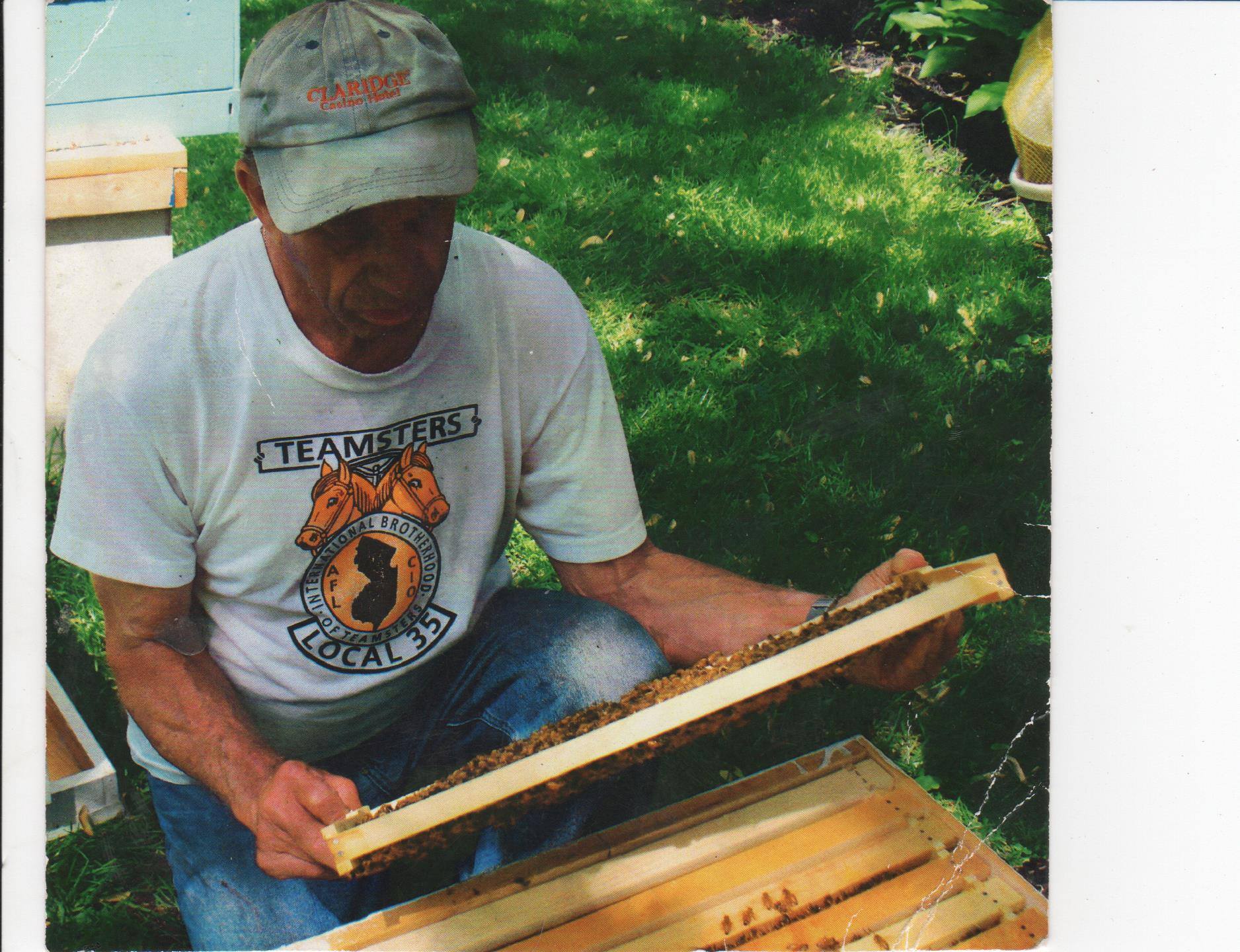
Lou’s was 80 years old and his wife of 56 years, Mary, took ill. When Mary passed away, we became Lou’s new best friends. Visiting one December Sunday evening, Michael [my husband] noticed an old newspaper article on the refrigerator showing Lou, with a headline, “The Beekeeper of Morrisville!” Turns out Lou had been keeping bees for more than 30 years and gave them up to the Penn State Extension just ahead of our moving in. Michael suggested we start keeping bees again and Lou couldn’t bee more thrilled. Lou knew bees by the book, but he didn’t necessarily practice what he would preach. In retrospect, having a retired, tenured mentor right through the back gate was the greatest gift a novice beekeeper could ask for.
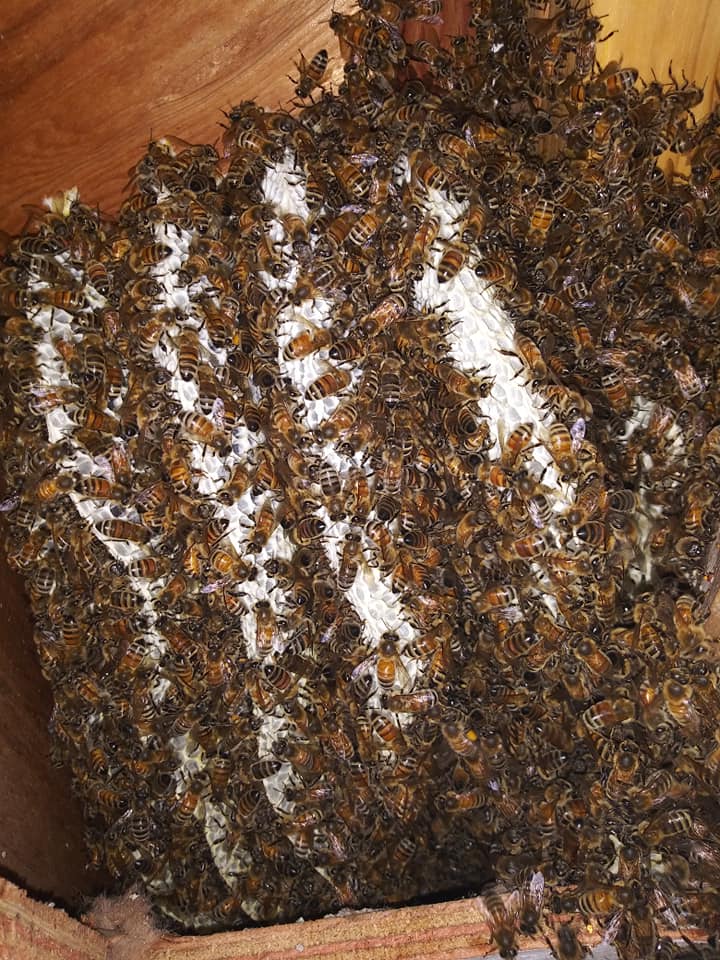
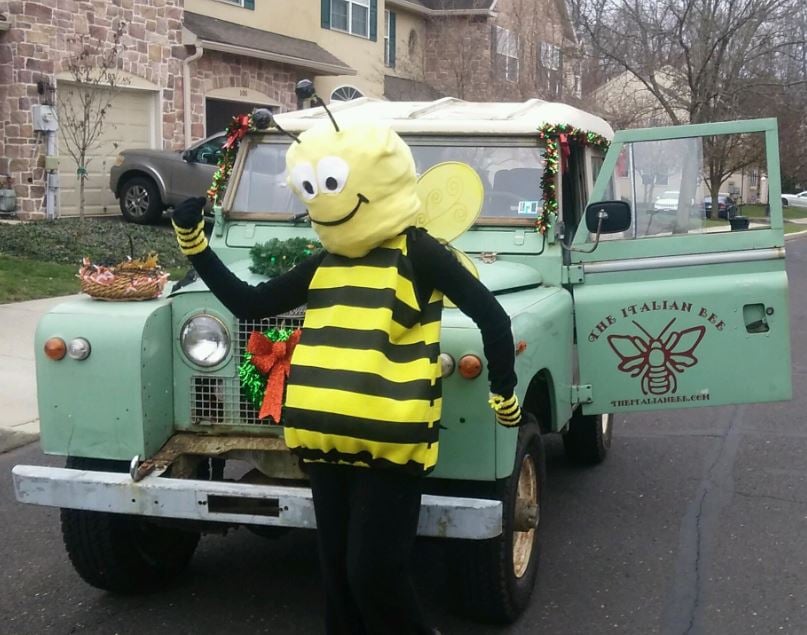
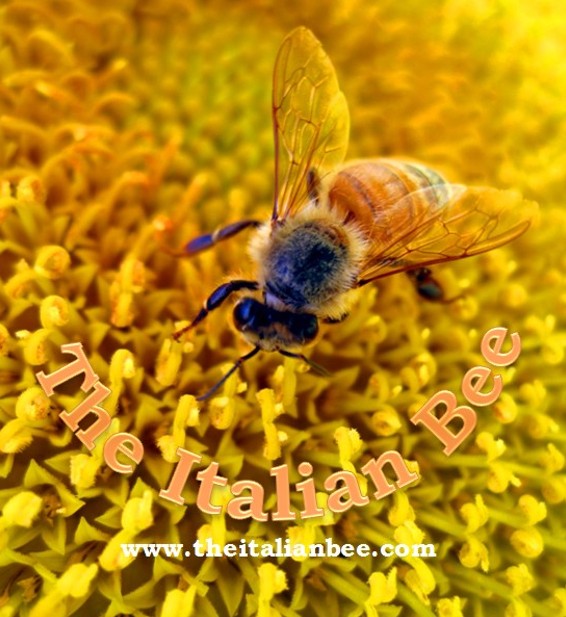
We started with a package of “Italian Bees” shipped up from Georgia. That package, plus Michael’s Italian heritage, prompted the business name of ‘The Italian Bee.’ Which in retrospect may not have been a good business decision as The Italian Bee is not a name that can be trademarked.
Our very 1st hive, that package of Italian Bee’s from Georgia, grew tremendously. The summer was hot and the bees were bearded out front. We also were having issues with skunks. We put a Have A Heart trap out, checking it at 10pm and rising at 5am to not leave anything in a trap too long. From 10pm to 5am, all our bees were now on the ground spinning in circles unable to fly. We sent samples to the State of PA for testing, and they came back with the exact chemical that killed our bees. A noenicitinoid manufactured by Bayer Agro Sciences headquartered in Germany. A chemical that is banned in Europe, but I can purchase in any number of products readily sold at Home Depot.
It was a frying pan to the fire introduction to keeping bees. Michael wanted to quit, but I argued I didn’t sign up to give up. That was 17 years ago.
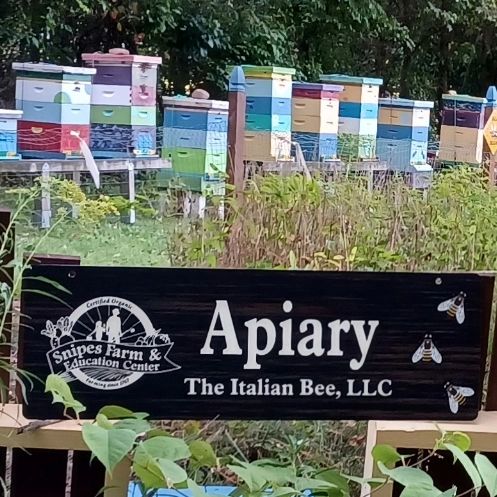
We live adjacent to Snipes Farm and for more than eight years I would drop off hints, and business cards and offers to assist with anything related to beekeeping and education. The Farm, 9th generation Quakers since the 1600’s, had a Quaker Beekeeper from England. Finally!! he decided to retire and we were invited to replace him.
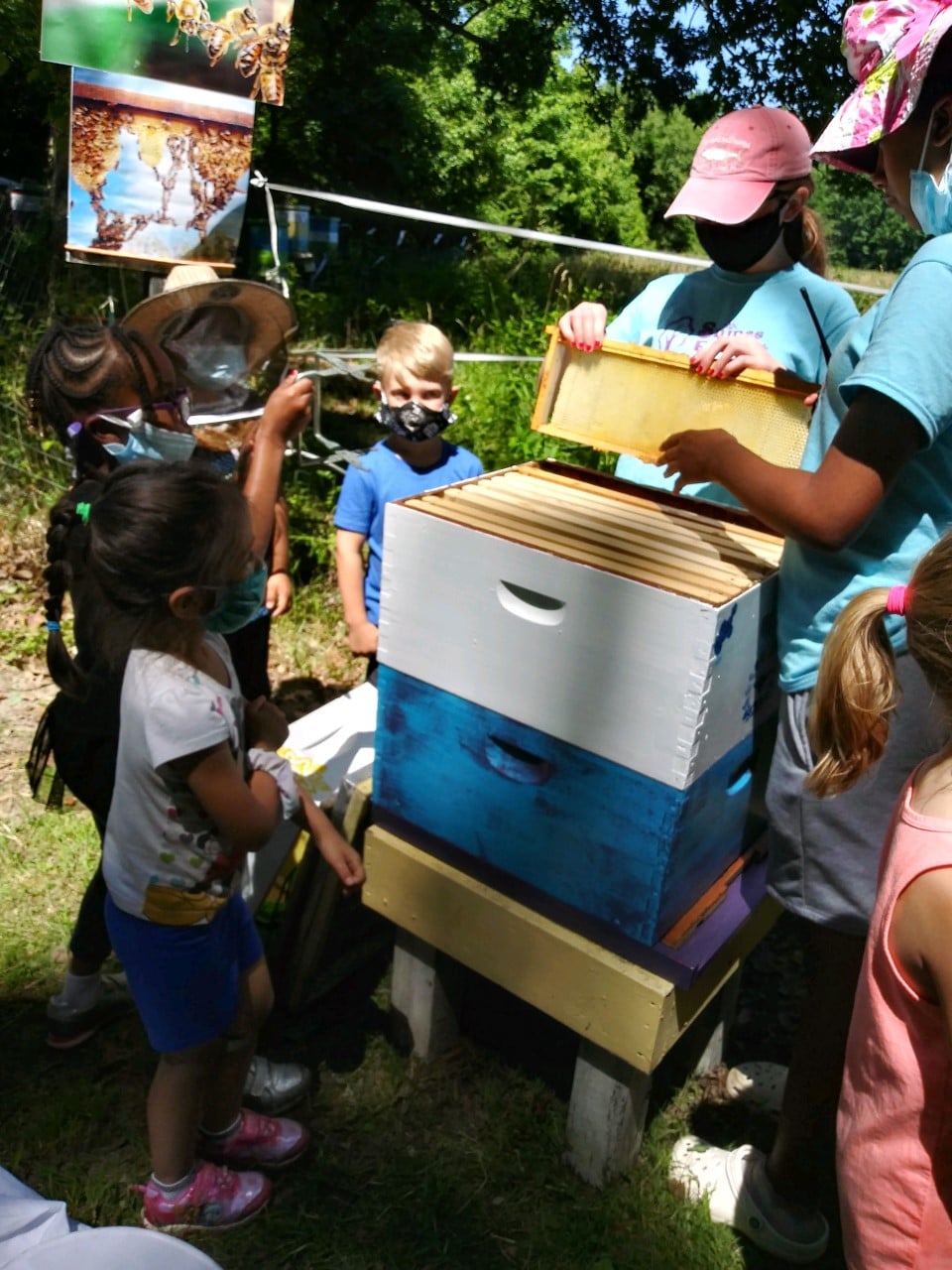
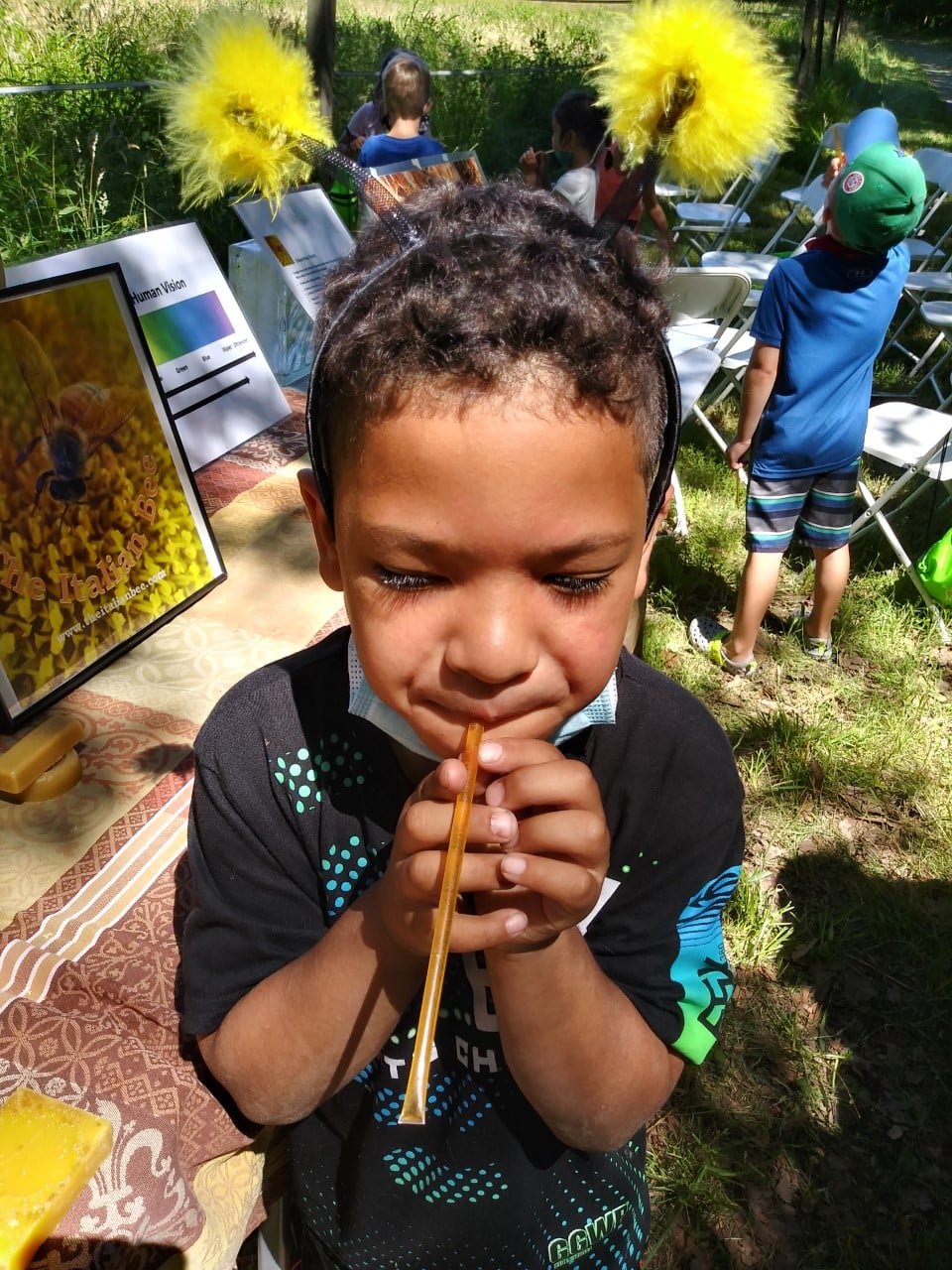
From a refrigerator newspaper article to a full-blown passion, I couldn’t imagine ‘not’ having bees. Our emphasis is education and community outreach. Honey bees are our MOST important pollinator. It truly takes a Village. Beekeeping, however can be a very expensive hobby if you let it. Our goal is that our bees pay for themselves. From Education programs, Community Presentations, Honey Bee Relocation Services, Vendor Shows, Honey and Bee Themed Wares, we endeavor to have the best genetics, healthiest colonies, and enough income generated by our girls that the balance financially
Would you say it’s been a smooth road, and if not what are some of the biggest challenges you’ve faced along the way?
Lol…I think I answered in the first comment.
Beekeeping is a misnomer. You can no more “Keep” bees, than they are happy, content, thriving, and want to stay.
Bee Stewardshp is more appropriate.
The challenges are real.
Gone are the days of thinking you can put a colony of honey bees in your yard and they will take care of themselves.
Being the best Bee Steward possible requires diligence and continual education.
Pests, Pathogens, Viruses, Pesticides, Poor Nutrition, Weather Patterns, are all very real challenges.
As you know, we’re big fans of you and your work. For our readers who might not be as familiar what can you tell them about what you do?
Beekeeping is becoming a fairly poplular hobby. I teach multiple beginning beekeeping classes but my emphasis is on the responsibility to this extraordinary critter we know as Apis Millefera.
Our focus is on education and public outreach. We belive we have superior genetics, which in large part is from a swarm that Louis caught many years ago. Honey Bees are a beacon and gauge of our environmental surround. It takes a Village to protect pollinators. From saying “No!’ to pesticides, to planting through the seasons for pollinators, as well as reevaluating the meaning of certain “INVASIVES’! Knot Weed is one of the best late season forage opportunities for pollinators. Re-evaluating what invasive truly means, as well as adjusting priorities. Our own [human] survival, literally depends on it.
Before we go, is there anything else you can share with us?
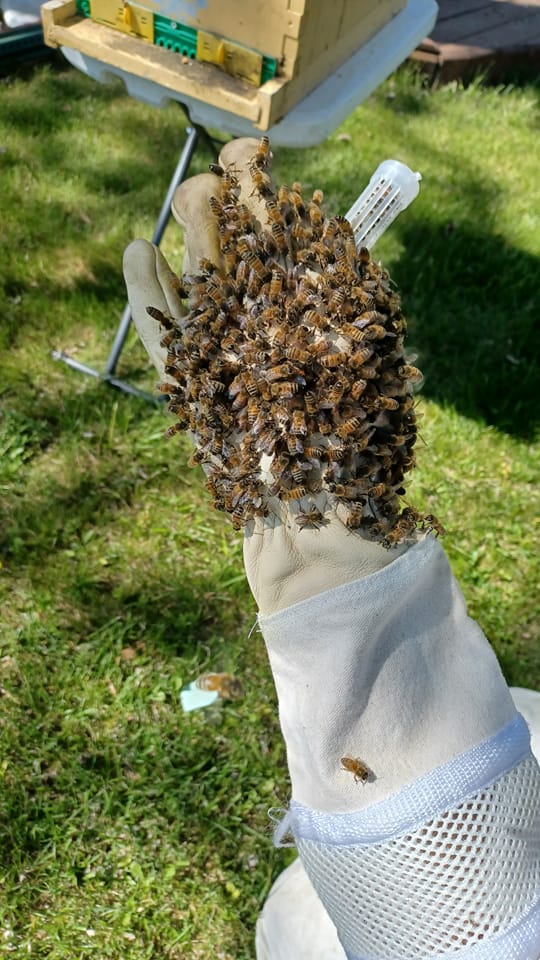
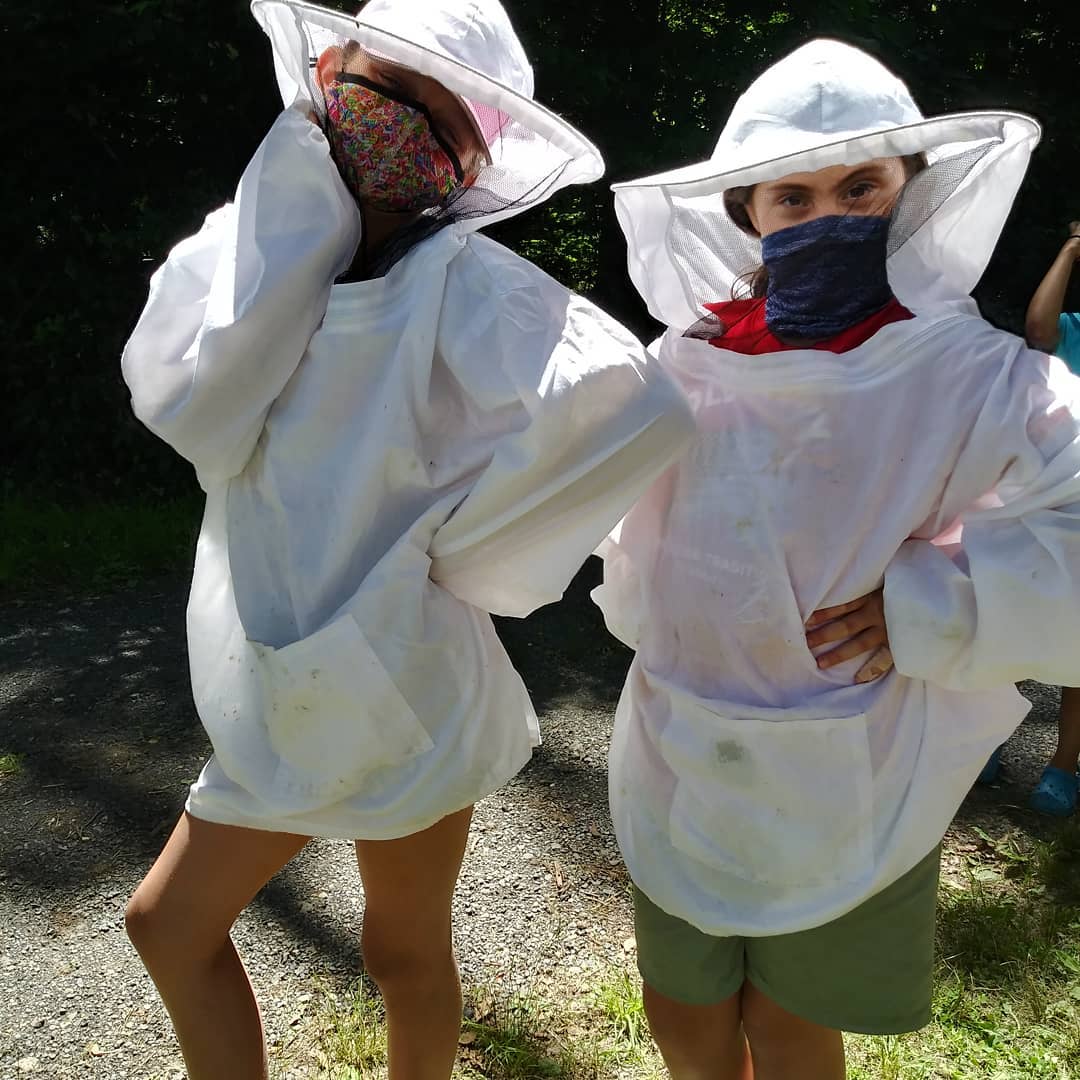
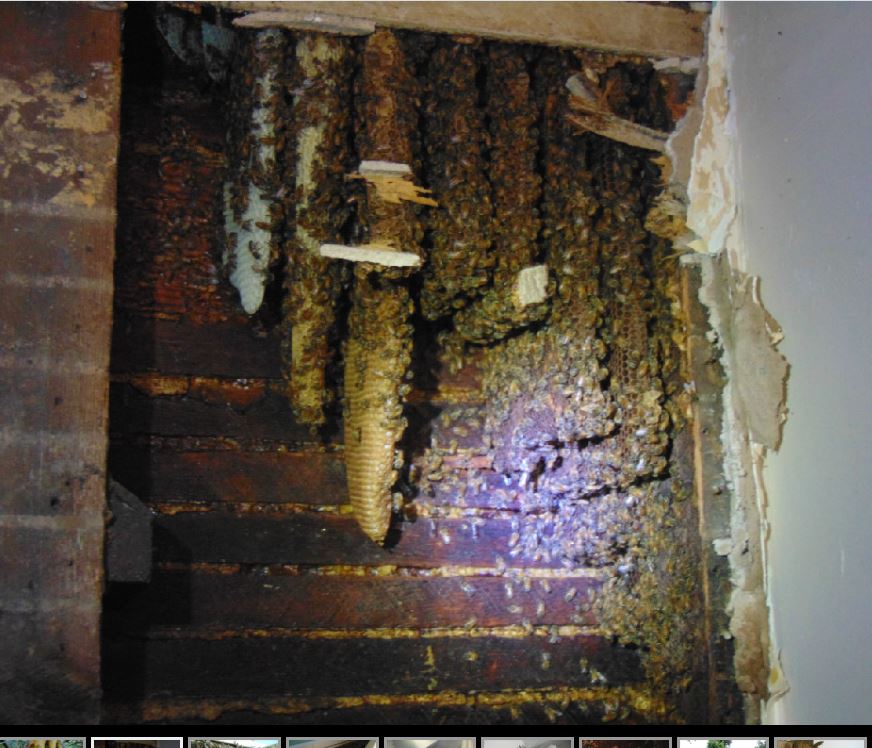
The Italian Bee are tenured bee stewards, EAS Certified Master Beekeepers [through the Eastern Apiculture Society], we provide educational programs and demonstrations, undertake honey relocation when you have swarms or honey bees have entered your structure. We are tenured in architecture and building, licensed and insured. We do gift baskets, both for sale and fund raising events. We love bees – You should too! <3
Contact Info:
- Website: http:www.theitalianbee.com
- Instagram: theitalianbee
- Facebook: theitalianbee
- Youtube: theitalianbee
- Soundcloud: Mr.LC