




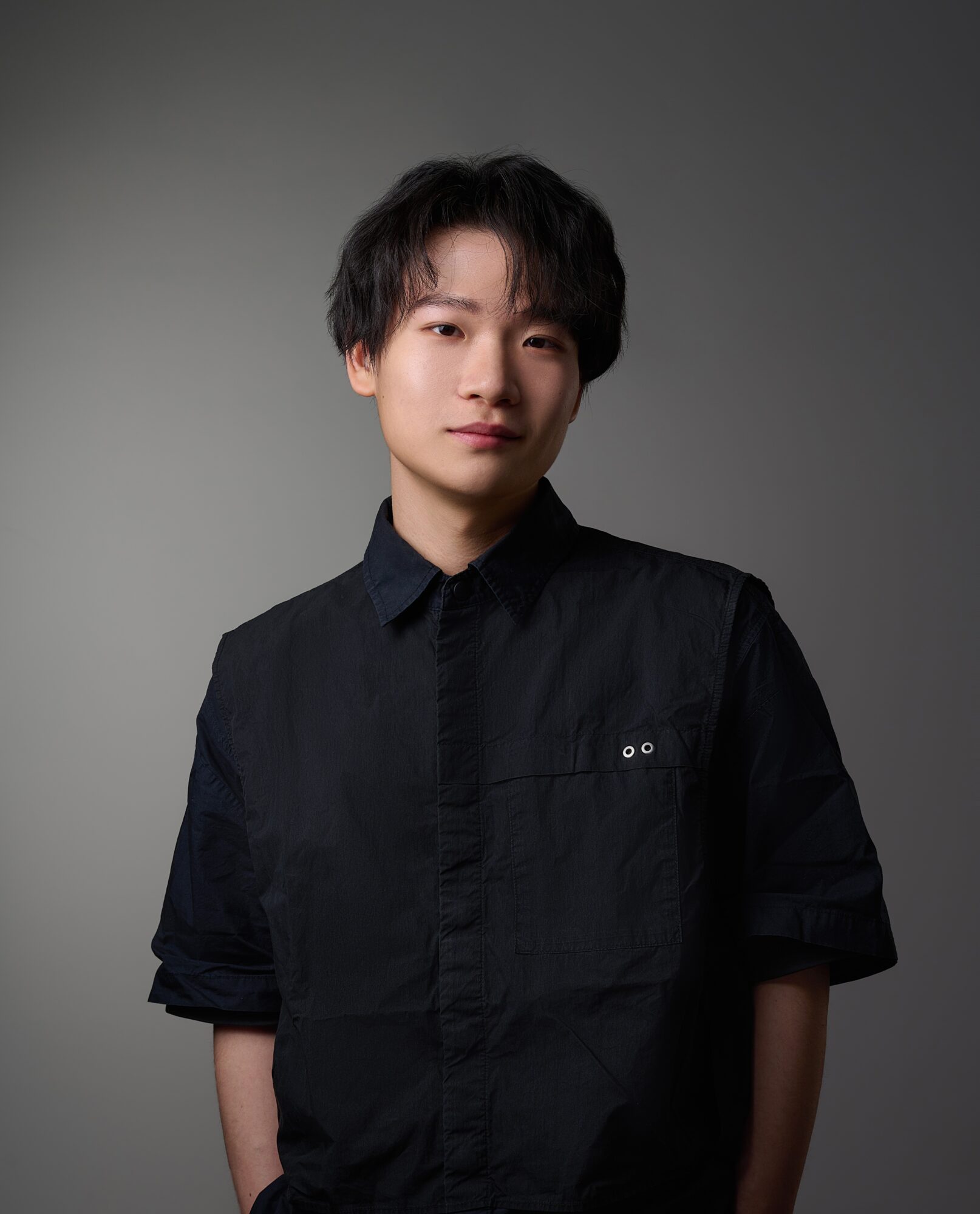
Today we’d like to introduce you to Weilin (Waylyn) Liu.
Hi Weilin (Waylyn), please kick things off for us with an introduction to yourself and your story.
When I was studying themed environment design and world-building as an undergraduate nine years ago, I first truly felt the power of spatial storytelling. It made me realize that space is not only a functional place, but also something to be experienced and felt. I gradually discovered a continuing and instinctive attraction to storytelling, whether it appears in visual narratives in movies, experiential narratives in architecture, or emotional narratives between people’s talking. Storytelling itself is like a conversation. It can be transmitted through any medium, and I chose space as my language, becoming a storyteller of space.
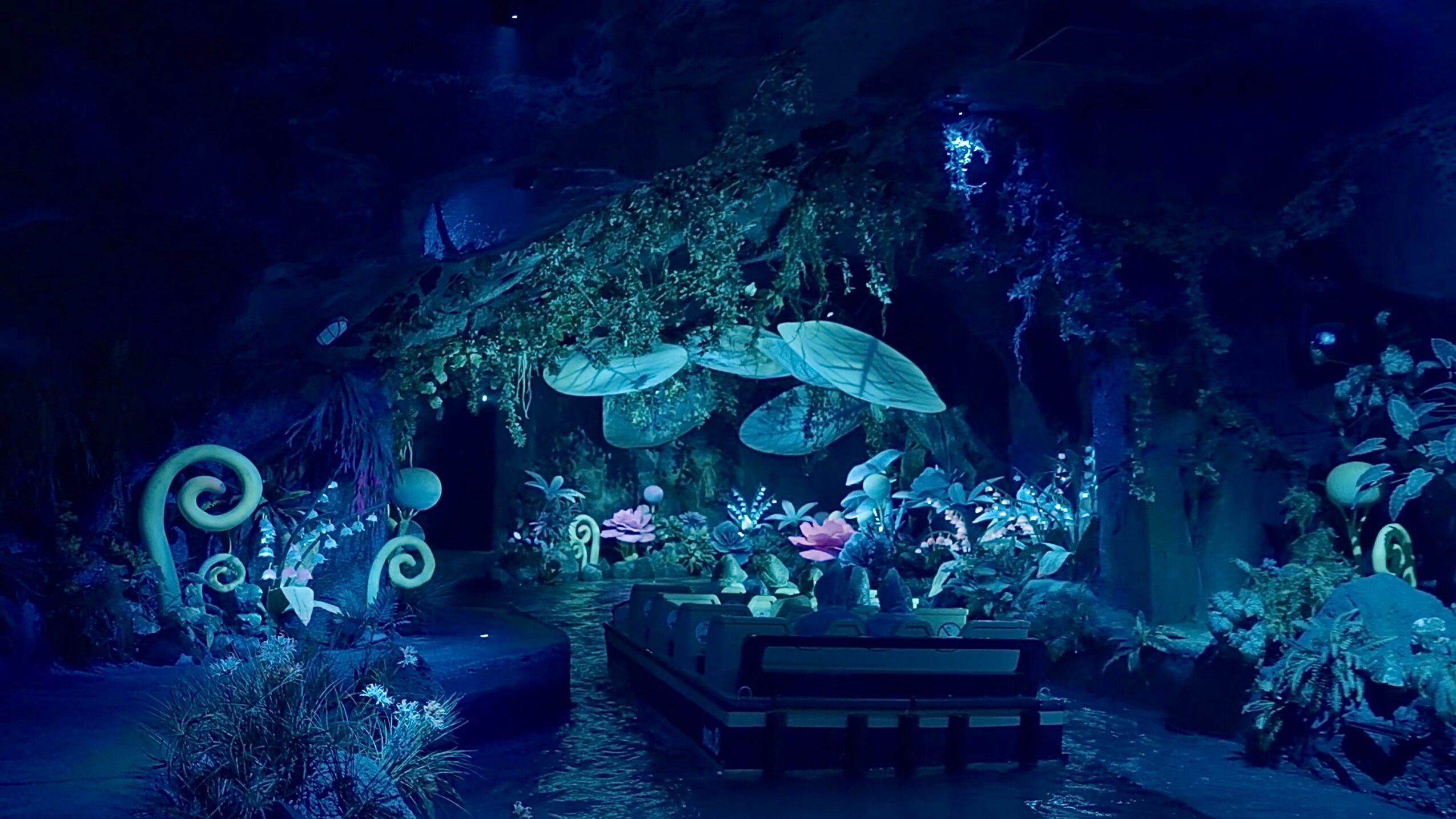
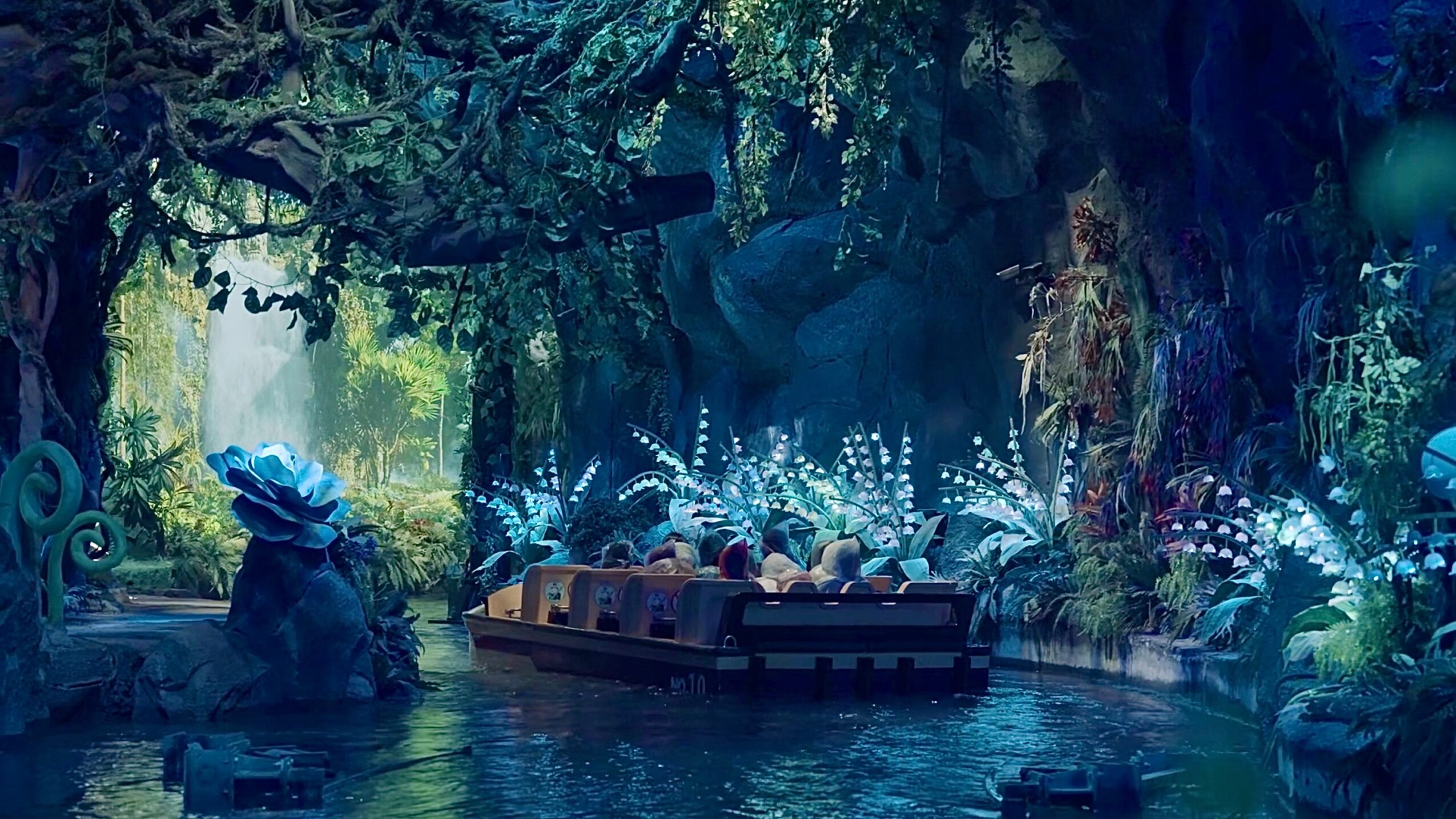
Over the following six years of academic training and two years of professional practice, my study and work crossed multiple fields of art and design, including themed entertainment, film, and architecture. From concept creation to design development, and finally to built realization, these eight years of continuous work allowed me to take root in the path of narrative environments and build an understanding of the relationship between space, story, and experience. During this time, I received some recognition, such as second prize in the Disney Imagination Competition and a Bronze Award at the IDA. I also participated in real projects that transformed imagined stories into physical experiences, such as the China Dinosaur Park river rapids project. From concept world-building to the execution of specific scenes, these experiences allowed me to put narrative ideas into real practice.
Throughout the six years of academic study, I continuously explored how to tell stories through space and gradually shaped these explorations into my own design theory. At its core is world-building as a concept method, translating complex and abstract themes into dramatic narrative structures, then presenting them through visual and artistic design as tangible and perceivable experiences, and finally placing them within specific real-world settings. This process is highly interdisciplinary, combining film narrative, literary structure, entertainment concept design, and landscape architecture. It is a creative process where the systems of sensibility and rationality are closely intertwined.
During the two years of professional practice that followed, I began to think more deeply about the idea of value itself. This included the value of personal expression and value within commercial systems. In real commercial circumstances, I realized that these two forms of value often stand in conflict. The former leans toward ideals and sensibility, while the latter represents reality and rationality. Under business conditions where efficiency and cost are prioritized, rationality often smooths over emotional expression. This experience led me to reflect and pushed me to look back at that earlier creative state where sensibility and rationality were closely connected.
In the next stage of my life and career, I hope to transform my past design logic into a personal narrative system that can continue to grow and deepen, and even into a personal brand. With this renewed reflection on world-building, story, and narrative environments, I want to continue walking the path of the narrative environments industry, not only moving forward, but going deeper and farther.
I’m sure it wasn’t obstacle-free, but would you say the journey has been fairly smooth so far?
Art and Design are independent from each other, yet they often merge at many moments. Art is more about personal and subjective expression. It reflects sensibility and inner spirit. Design is a way to solve problems. It relies on rational and logical thinking. Although they begin from different directions, once they enter an aesthetic system, they come together and depend on each other. A truly strong work of art and design must carry meaning, rather than existing only in form or on the surface. Finding balance between sensibility and rationality has long been the core challenge I face in my creative path.
Through two years of professional experience, I felt this tension more directly. When I’m working in commercial design with the mindset of an artist, my creation is often restricted by business goals and real-world limits. It is like a plant growing in a closed and narrow space. It may feel that they are still expanding and reaching upward, but in reality, invisible boundaries have already shaped their growth. They cannot clearly see where they are heading, nor can they easily break out of the fixed framework. It becomes a kind of growth that slowly consumes itself.
Compared to the financial rewards of work, I increasingly miss the sense of inner fulfillment that my academic years gave me. After studying and working in both China and the United States, I realized that modern commercial society places a stronger emphasis on rational thinking driven by profit and money. As someone who hopes to succeed in the field of narrative environments, I once tried to adapt to this reality through pure rationality. Without realizing it, I gradually weakened my sensibility along this path.
In this process, whether the outcomes were successes or failures, they were only temporary stages that quickly passed. Because of this, when I now return to art and design, I focus more on reflecting on “myself”. Only when my inner spirit remains active, and when sensibility and rationality rebuild a stable and balanced connection, can I move forward on this path with greater depth and completeness.
Alright, so let’s switch gears a bit and talk business. What should we know about your work?
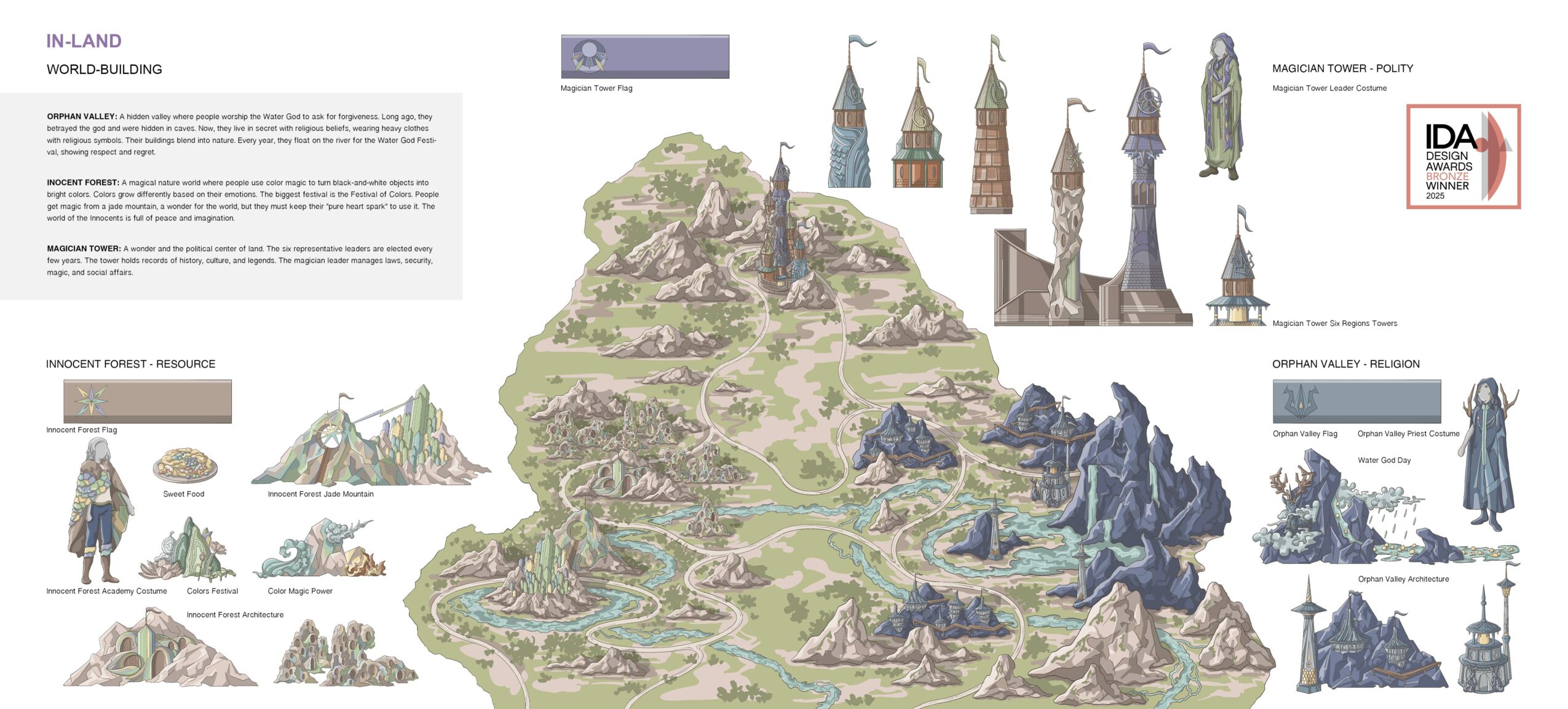
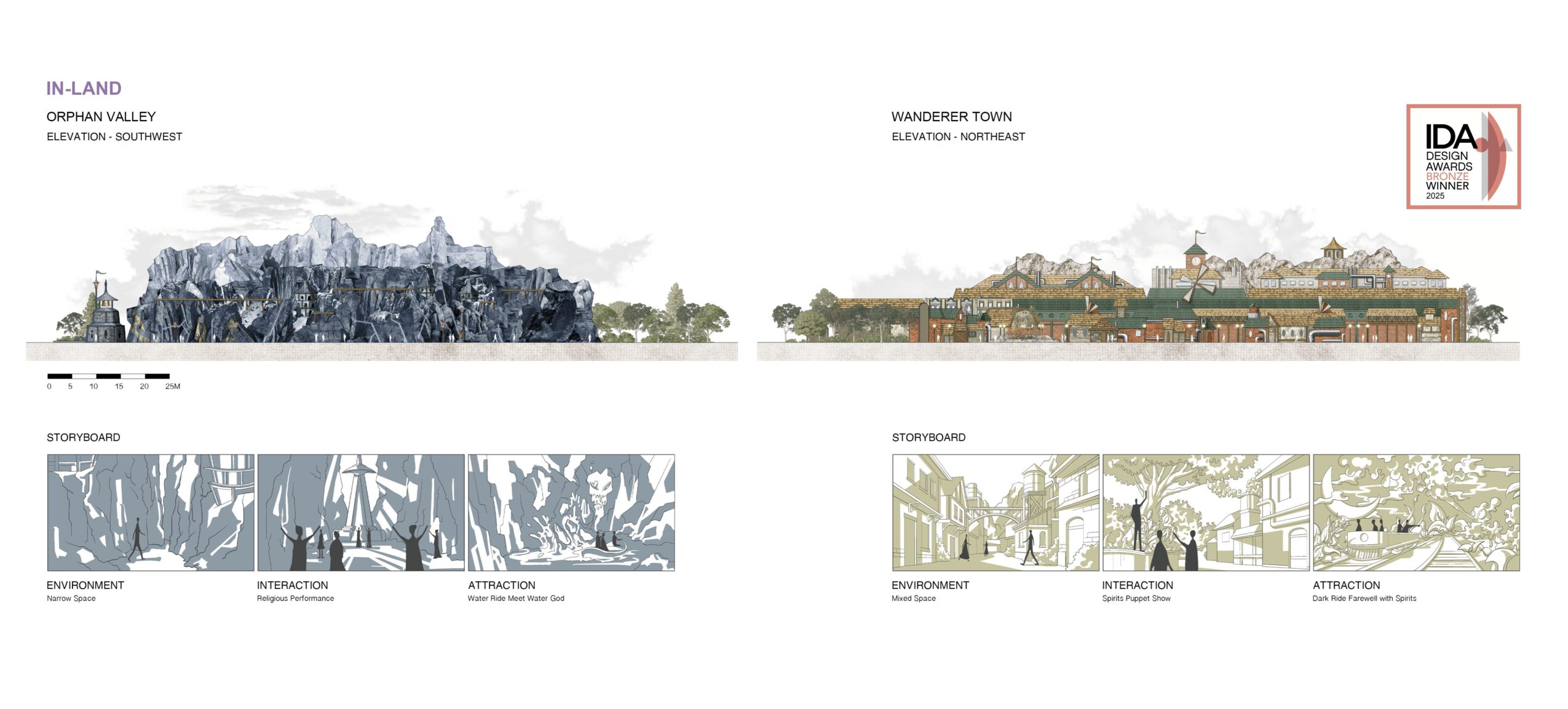
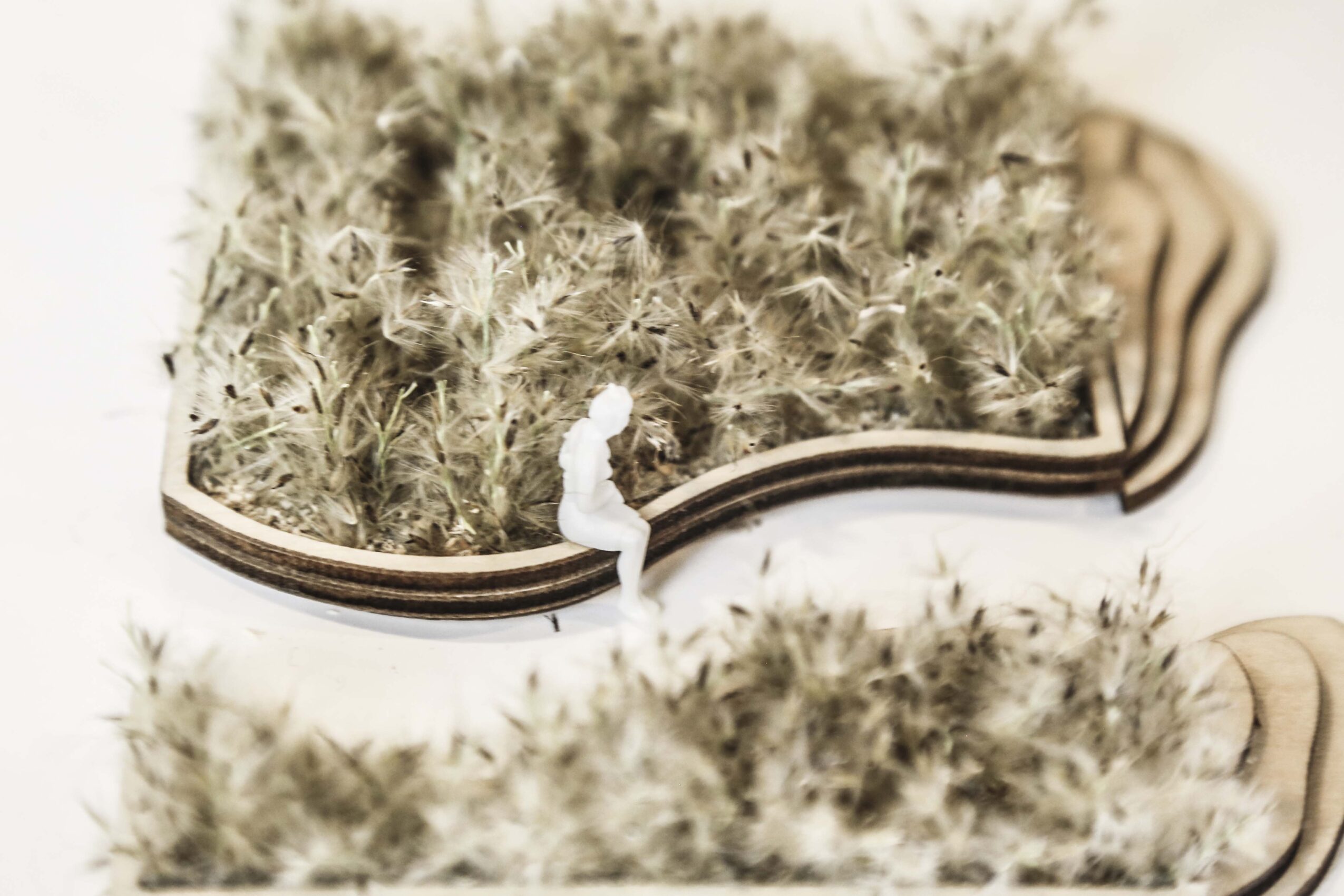
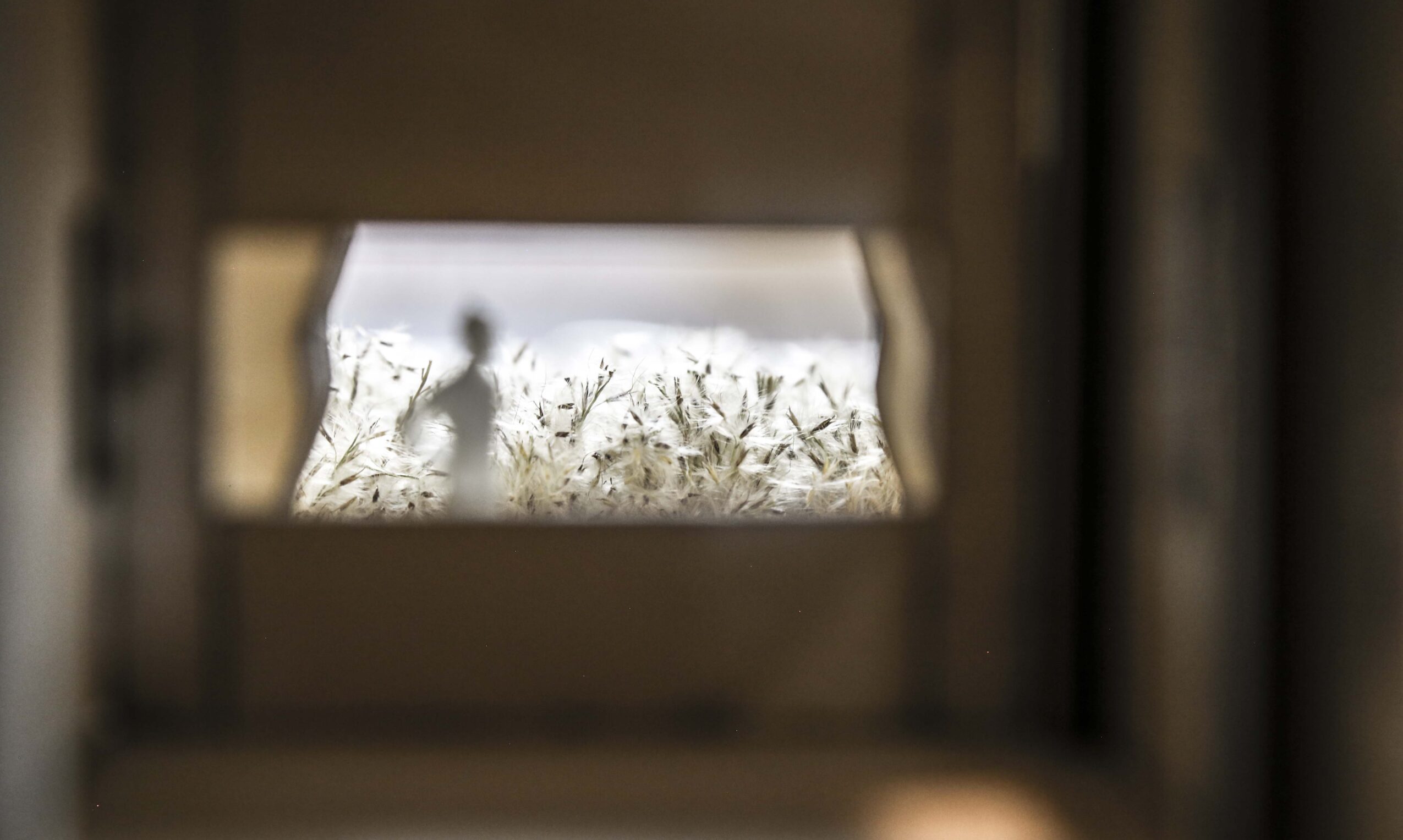
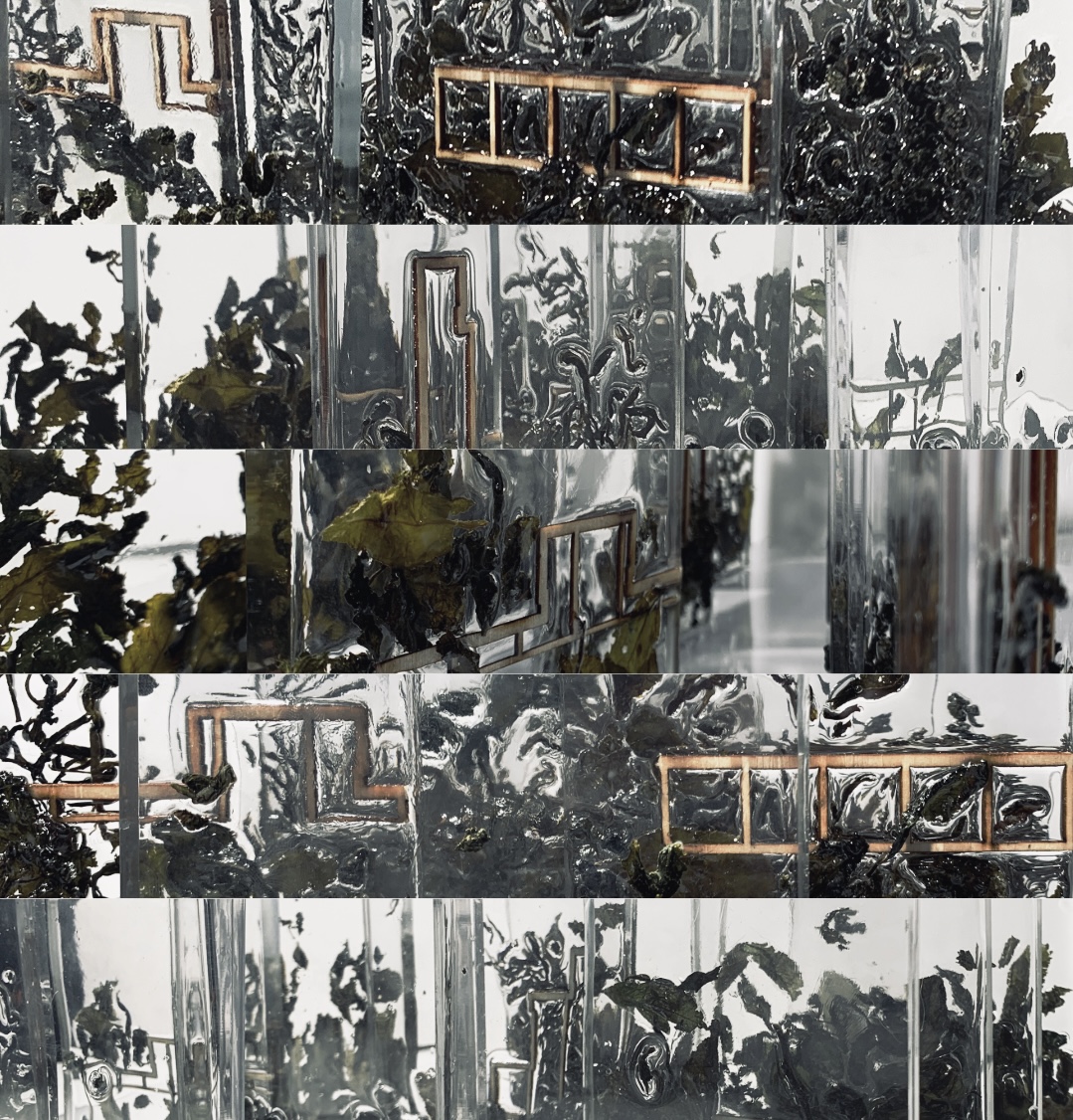
The project In-Land Narrative Environments: The Transformation of Psychological Archetypes in Theme Park Land Through World-Building, which received the IDA Bronze Award in 2025, is the thesis and design project I completed during my master’s program. It also marked the starting point of my exploration into deeper layers of narrative environments. In-Land Narrative Environments was a project I developed over two years of graduate study. It was not only a design practice, but also a long process of self-reflection and structured thinking.
The project focuses on the self and emotion as its core themes. It is based on personal life experiences, translating emotions and psychological states into stories that can be felt and experienced, and placing them within spaces of the themed entertainment industry. The theoretical foundation of the project comes from the psychological framework, The Hero Within. I believe that within everyone’s body, there is a hero that shapes how they live their life. These archetypes are the Orphan, Wanderer, Warrior, Altruist, Innocent, and Magician. The Hero Within describes these archetypes as psychological states that appear at different stages of life.
In the design process, I tried to transform the abstract psychological emotions represented by each hero into physical spaces that people can truly feel and experience. This allows guests to enter an immersive world and move through it, enjoy it, or reflect within it. Through spatial storytelling, I integrated both the strengths and weaknesses of each hero. By using stories and scenes to present kindness and darkness, vulnerability and strength, the project guides people toward recognizing their true selves.
In the future, I hope to continue creating works with deeper cultural or spiritual meaning. By designing spaces that can be both experienced and discussed, I want narrative environments to become true spaces of conversation between people and space, and between people and themselves. I also hope to keep exploring new possibilities for bringing philosophical thinking into narrative environments.
Where we are in life is often partly because of others. Who/what else deserves credit for how your story turned out?
I believe that at different stages of life, everyone encounters guides in one form or another. In my own growth, I have received different kinds of guidance and support at different stages. During my academic years, my professors taught me knowledge of art and design. In my professional experience, my leader guided me to better understand how narrative space is practiced within real industries, helping transform me from a creator fully immersed in fantasy into a designer who can face real conditions and limits. At the same time, through different design projects, various artists also expanded my understanding of creative expression and interpretation. In addition, my boyfriend, mother, and friends have always supported me from behind. What they offer is steady and endless emotional support. When a person’s inner world is filled with love and a sense of safety, they can devote stronger and more energy to the work they truly care about.
However, I believe the most important guide is still oneself. On the journey of life, the person who stays with me the longest is myself, so it is essential to learn from myself, love myself, and take responsibility for myself. As a creator in art and design, one thing must make one’s inner world rich and grounded, giving personal meaning to life at a deeper level. Only then can creative work avoid becoming empty or losing its direction.
I often find reflection and inspiration through movies. One that recently left a strong impression on me is Yi Yi: A One and a Two by Edward Yang. The movie explores the tension between individual identity and social relationships in modern society. As society develops, people become more independent and autonomous. At the same time, we still cannot live apart from groups and relationships. It is as if each person has a side that belongs only to themselves, while presenting a different image in the eyes of others. Only by bringing the individual and their relationships together can we see a more complete self.
Art and design creation work in the same way. During the process of individual creation, I often only see one side of my own understanding. Through communication with others, I can discover overlooked perspectives, which become an important source of renewed creative inspiration. So I always remind myself to be my own guide. I use others as mirrors to reflect on myself, constantly adjusting and growing along the way, until these two halves come together to form a whole and genuine self.
Contact Info:
- LinkedIn: https://www.linkedin.com/in/waylyn/
- Other: https://linktr.ee/waylynliu