




Today we’d like to introduce you to Adam Lipin.
Hi Adam, thanks for joining us today. We’d love for you to start by introducing yourself.
I’ve spent more than 30 years in technology, beginning my career in consulting with American Management Systems and PricewaterhouseCoopers before moving into senior technology leadership roles at Morgan Stanley, Bank of America, and later serving as CIO and CTO at McKinsey’s investment office. Throughout my career, I focused on using technology to solve complex business problems and improve efficiency.
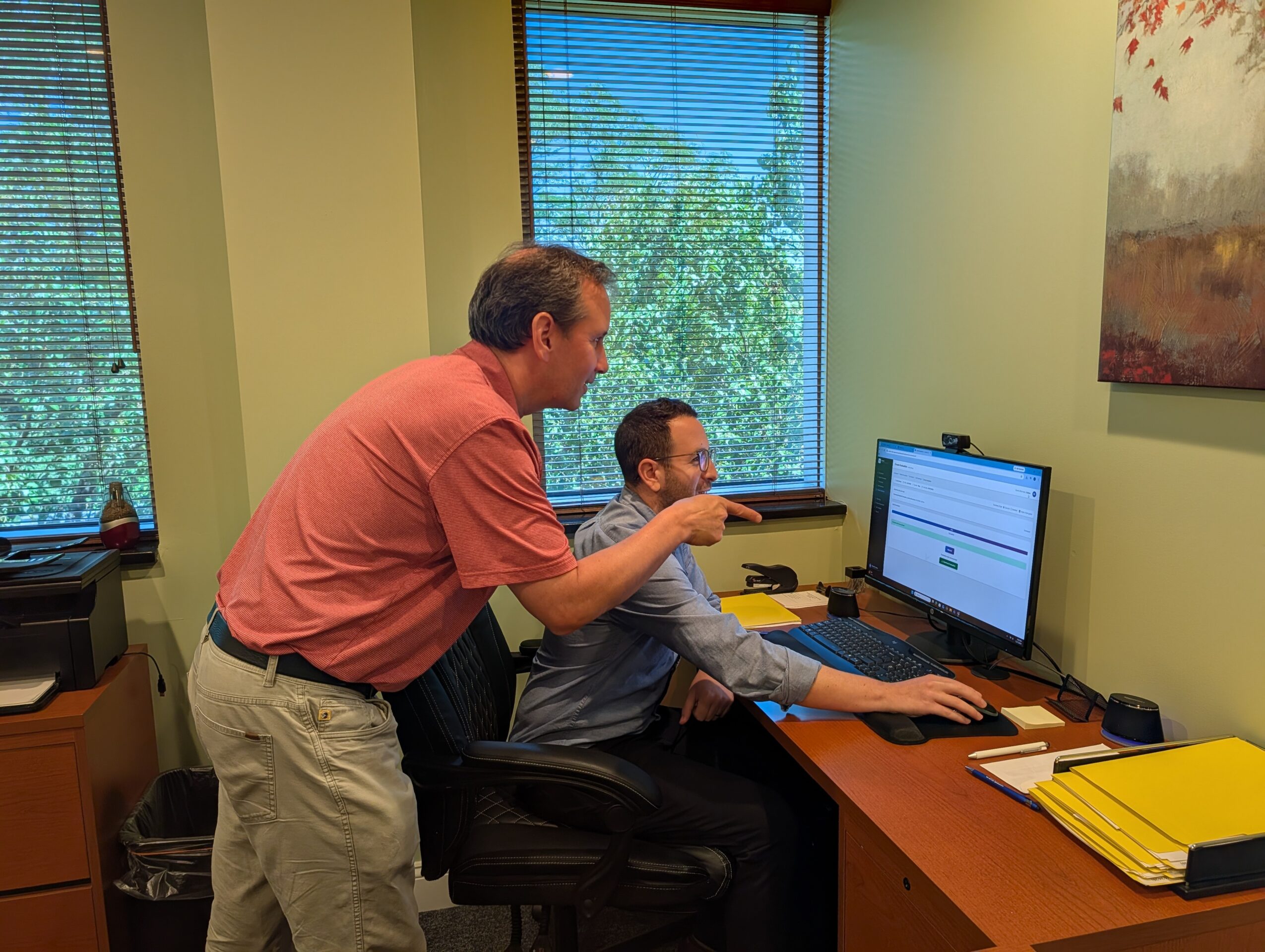
After leaving the corporate world, I had the opportunity to work closely with my wife, a practicing neuropsychologist. Seeing firsthand the amount of time highly trained clinicians spent on documentation rather than patient care was eye-opening. Neuropsychologists often spend hours writing detailed evaluation reports after seeing patients, which can delay report turnaround and take time away from the aspects of their work they value most.
Together, we began developing a solution that could automate the repetitive aspects of report writing while preserving each clinician’s unique writing style, clinical reasoning, and professional judgment. That collaboration became the foundation for Axonix.
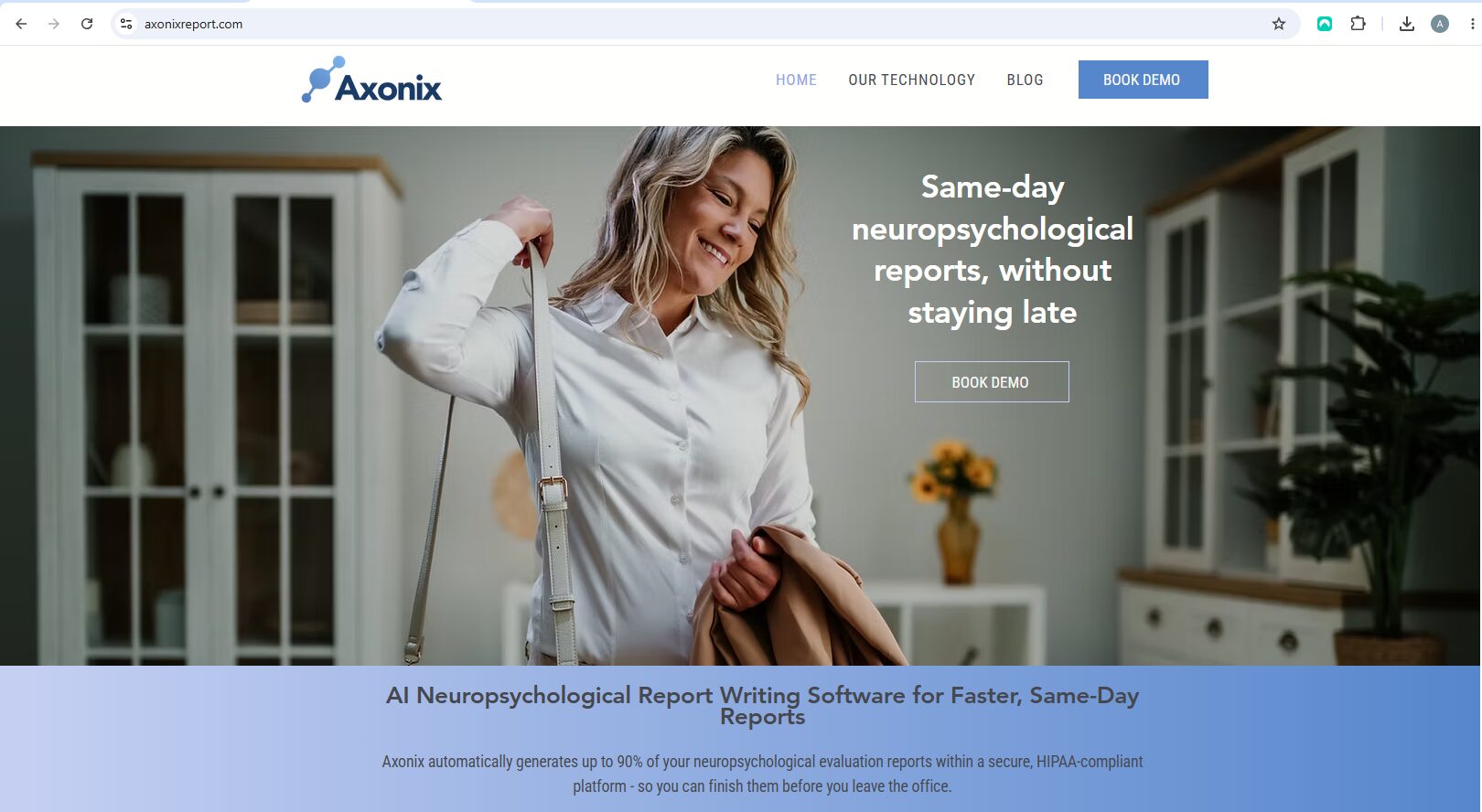
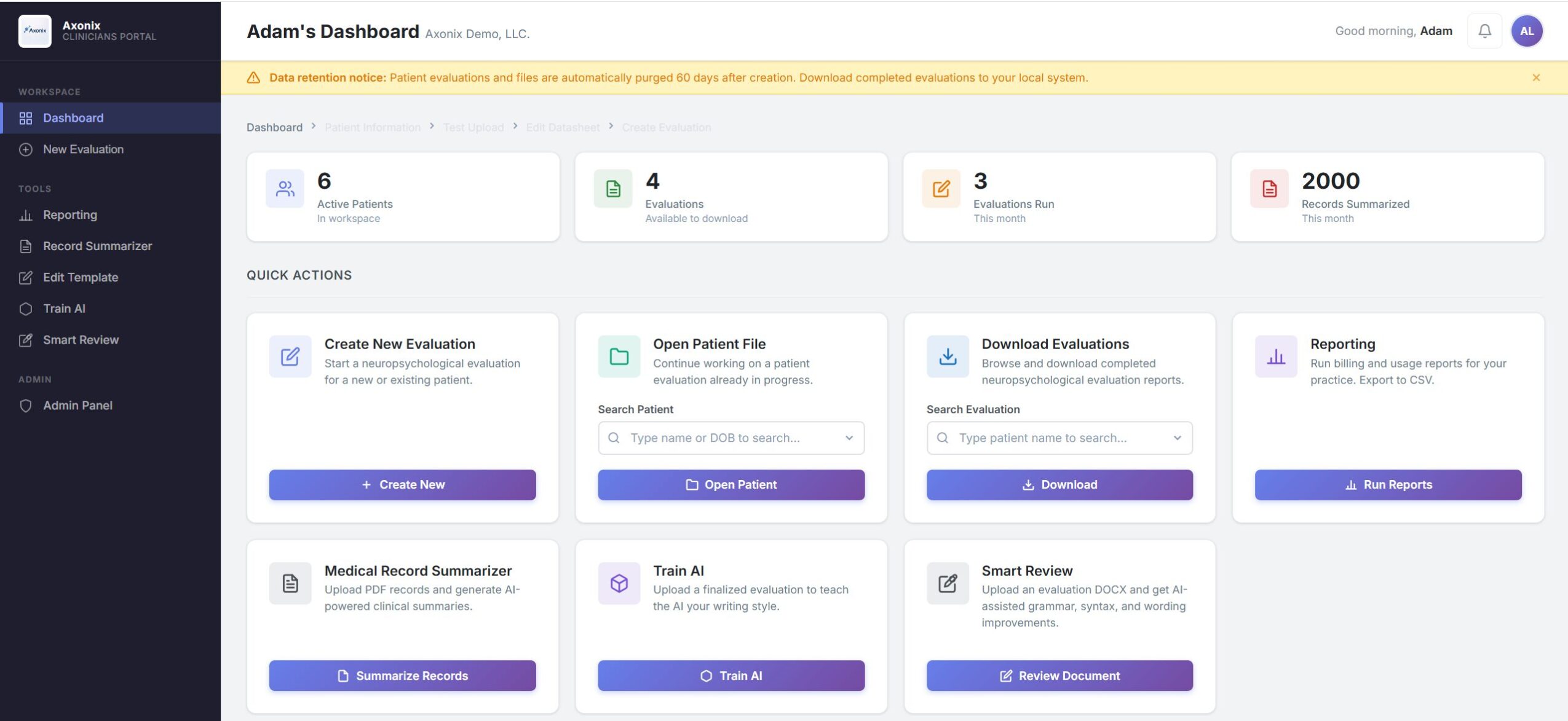
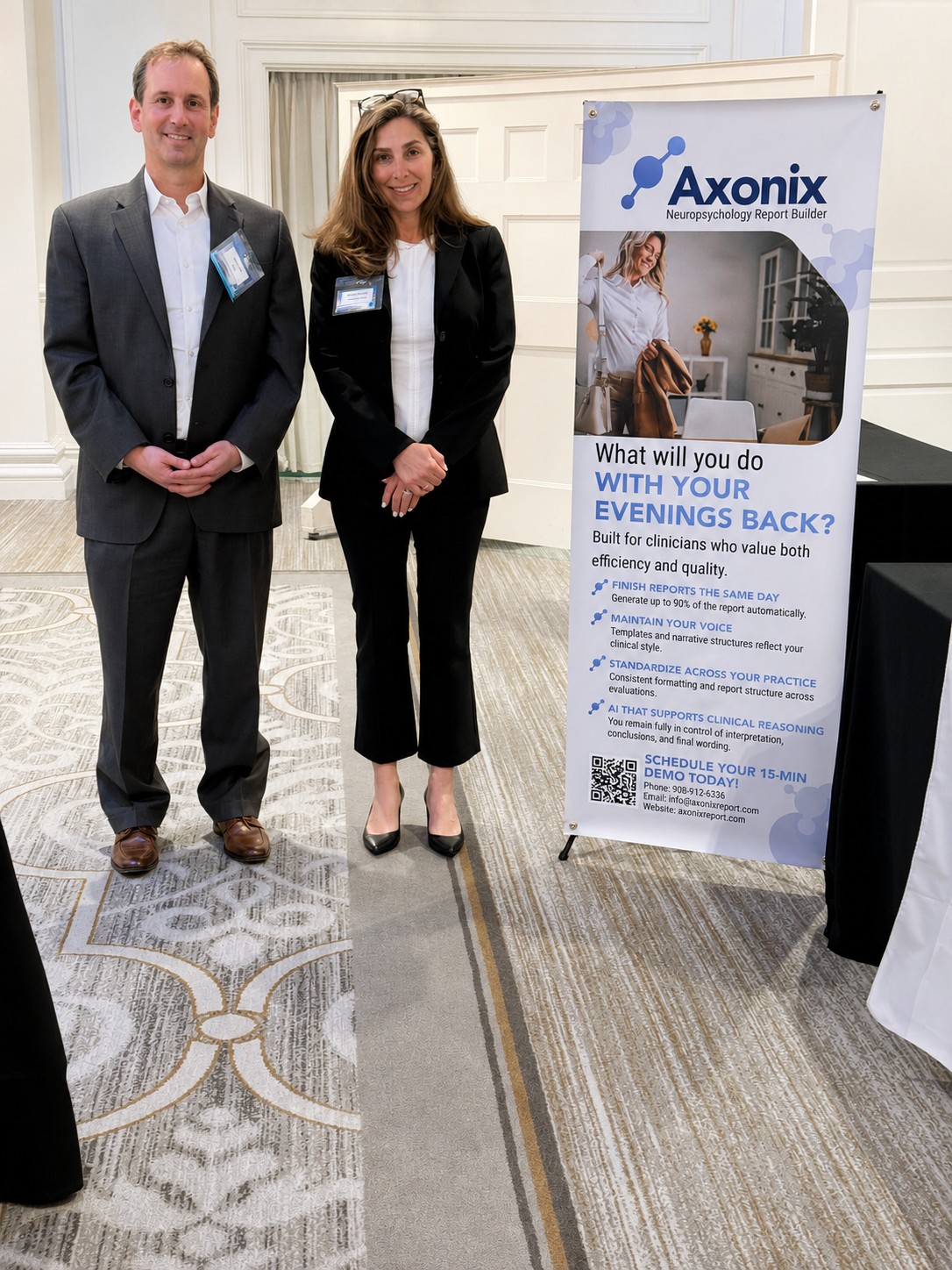
Today, Axonix is an AI-augmented platform that helps neuropsychologists dramatically reduce the time required to prepare evaluation reports. Our goal has never been to replace clinicians, but to give them a tool that allows them to spend less time on documentation and more time on patient care, case conceptualization, and the work that truly requires their expertise. It’s incredibly rewarding to hear from clinicians who are finishing reports the same day and getting back valuable time with their patients and families.
I’m sure it wasn’t obstacle-free, but would you say the journey has been fairly smooth so far?
It definitely hasn’t been a smooth road, but that’s part of building something meaningful. One of the biggest challenges was recognizing that developing software for healthcare isn’t just a technology problem, it’s a clinical one. Neuropsychologists have highly individualized ways of evaluating patients and writing reports, so creating a system that could adapt to each clinician’s unique style, templates, and thought process required close collaboration and continuous refinement.
Another challenge was balancing innovation with responsibility. AI has tremendous potential in healthcare, but clinicians rightly expect tools to be accurate, secure, and designed to support, not replace, their clinical judgment. From the beginning, we made the decision that Axonix would be an AI-augmented platform rather than an AI-driven one. That meant investing significant time in building customization, maintaining clinician control, and ensuring the platform fit naturally into existing workflows.
Like many startups, there were also the usual challenges of building a company from the ground up, developing the product, navigating healthcare compliance, finding early adopters, and learning how to market to a very specialized audience. Each challenge pushed us to improve the product, and the feedback we’ve received from our early customers has been invaluable in shaping what Axonix has become today.
We’ve been impressed with Axonix, but for folks who might not be as familiar, what can you share with them about what you do and what sets you apart from others?
Axonix is a software platform built specifically for neuropsychologists to help streamline one of the most time-consuming parts of their job: writing comprehensive evaluation reports. These reports are critical to patient care, but they can take hours to complete and often require clinicians to spend evenings and weekends catching up on documentation.
What sets Axonix apart is that it was developed in partnership with a practicing neuropsychologist and designed around the way neuropsychologists actually work. Every clinician has their own writing style, report structure, and clinical approach, so instead of forcing users into a standardized template, Axonix adapts to their individual preferences. The goal is for reports to sound like they were written by the clinician, not by artificial intelligence.
We describe Axonix as AI-augmented, not AI-driven. We believe AI should handle repetitive documentation and administrative tasks, while the clinician remains fully responsible for interpretation, conclusions, and clinical judgment. That philosophy has guided every decision we’ve made in developing the platform.
What I’m most proud of is the feedback we’ve received from our customers. Hearing clinicians tell us they’re finishing reports the same day, spending more time with patients and families, and feeling less burdened by documentation confirms that we’re solving a real problem. At the end of the day, our mission isn’t simply to make report writing faster, it’s to give healthcare professionals more time to do the work that only they can do: care for patients.
While Axonix was initially developed for neuropsychology, our long-term vision is to bring the same clinician-centered approach to documentation and reporting across other areas of healthcare where highly trained professionals spend too much time on paperwork and not enough time with patients.
We love surprises, fun facts and unexpected stories. Is there something you can share that might surprise us?
Most people are surprised to learn that I didn’t come from a healthcare background. I spent more than 30 years leading technology organizations in the financial industry, including roles at Morgan Stanley, Bank of America, and McKinsey’s investment office. On the surface, finance and neuropsychology seem like completely different worlds.
What I’ve found, though, is that solving problems is universal. Whether you’re improving complex financial systems or helping clinicians reduce administrative burden, success comes from listening to users, understanding their workflows, and building technology that genuinely makes their lives easier.
Another thing people may not realize is that I don’t see Axonix as an AI company, I see it as a clinician support company. AI is simply one of the tools we use. Our real mission is to give healthcare professionals more time to focus on their patients by reducing the time they spend on repetitive documentation.
Contact Info:
- Website: https://axonixreport.com