




Today we’d like to introduce you to Anabella Mostoslavsky.
Hi Anabella, thanks for sharing your story with us. To start, maybe you can tell our readers some of your backstory.
My story in occupational therapy began in Argentina, long before I ever called myself a therapist.
I grew up watching my mother work. She was a pediatric occupational therapist with her own practice, and she also worked in schools. Sometimes she would take me with her. I remember sitting quietly in therapy rooms, watching children walk in unsure and leave a little stronger. I didn’t yet understand sensory integration or motor planning — but I understood what it meant to make a child feel capable.
I saw trust. I saw relief in parents’ faces. I saw impact.
Following her path felt natural, but I also wanted to build my own. I moved to Spain, where I completed both my degree and master’s in Occupational Therapy at Universidad Autónoma de Madrid. Those years shaped me clinically, but pediatrics was never a question. I’ve always been drawn to the honesty of childhood — to the way behavior tells a story, to the way regulation builds confidence, to the profound ripple effect of small developmental wins.
Later, I moved again — this time to the United States. Starting over professionally in a new country is humbling. New licensing processes. A different healthcare system. Building credibility from the ground up. There were moments of uncertainty. But there was also clarity.
I realized I didn’t just want to work in pediatric therapy. I wanted to create the kind of space I wished every family could walk into — warm, bilingual, collaborative, and deeply human.
Opening Growing Milestones Pediatric Therapy in Hoboken became more than a business decision. It felt like stepping fully into both my independence and my lineage. Entrepreneurship runs in my family, but so does service. In many ways, I am continuing a story that began in my mother’s clinic in Argentina — only now it stretches across continents: Argentina, Spain, and the United States.
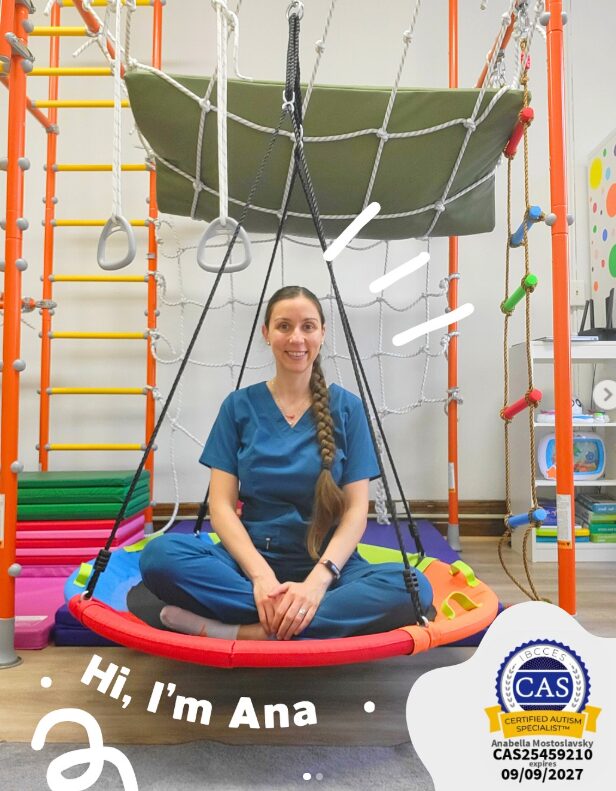
Today, I work with families in my office, in schools, and in their homes across New Jersey and New York City. I support children navigating sensory challenges, emotional regulation, feeding, handwriting, and developmental delays. But what stays with me most are not the goals checked off on paper — it’s the moment a child realizes, “I can do this.”
That shift — from frustration to confidence — is everything.
As an immigrant, a bilingual provider, and a founder, I carry multiple identities into my work. I understand what it means to navigate unfamiliar systems. I understand the vulnerability of asking for help in a language that isn’t your first. And I understand the courage it takes for families to advocate for their children.
This profession is science and strategy, yes — but it is also intuition, presence, and trust. It is sitting on the floor and meeting a child exactly where they are. It is helping parents exhale.
When I think back to being that little girl sitting quietly in my mother’s therapy room, I realize something: I wasn’t just observing a profession. I was witnessing a calling.
And today, I feel deeply grateful to be building something of my own — rooted in legacy, shaped by resilience, and guided by the simple belief that when you support a child early, you change the trajectory of their life.
We all face challenges, but looking back would you describe it as a relatively smooth road?
It definitely hasn’t been a smooth road.
Moving across countries — from Argentina to Spain, and later to the United States — meant constantly starting over. New cultures. New professional systems. New licensing processes. Even when you are confident in your skills, rebuilding credibility in a new place humbles you. You go from being established to being “new” again. That requires resilience.
There were moments of self-doubt. Moments of wondering if beginning again was worth it. But each move strengthened something in me — adaptability, independence, and the ability to connect with people from very different backgrounds.
Professionally, working with children with special needs is deeply meaningful — but it’s also emotionally complex. You’re not just supporting a child. You’re holding space for parents navigating fear, uncertainty, and sometimes grief for expectations that didn’t unfold the way they imagined. That weight is real. You carry their questions. Their hopes. Their worries.
Opening my own practice added another layer of challenge. Entrepreneurship looks inspiring from the outside, but internally it’s filled with decisions, risks, financial responsibility, and constant problem-solving. There is no manual for building something from scratch in a foreign healthcare system. You learn by doing — and sometimes by failing.
But every obstacle shaped the practice I have today.
Living in different countries taught me empathy for families navigating unfamiliar systems. Working through professional setbacks taught me persistence. Supporting children with complex needs taught me patience and humility.
The path has been rocky — but it has also been formative. And in many ways, the challenges are what gave my work depth.
Alright, so let’s switch gears a bit and talk business. What should we know?
Growing Milestones Pediatric Therapy was created to be more than a therapy clinic — it was built to feel like a place where families can exhale.
I specialize in pediatric occupational therapy, supporting children through sensory integration, emotional regulation, handwriting development, feeding therapy, early intervention, and autism-related needs. I am board certified in autism and hold advanced certifications in sensory integration, handwriting, and feeding therapy. But while credentials matter, what matters most to me is how families experience care.
What sets my practice apart is that therapy doesn’t happen behind closed doors. Parents are welcome to stay during sessions. They observe, they ask questions, they process, and they learn alongside their child. I see parents as partners — not spectators. I coach them, listen to their concerns, and help them feel empowered rather than overwhelmed.
Many families walk in carrying worry — about school, about development, about behaviors that don’t quite make sense yet. My role isn’t just to work on skills; it’s to help decode what’s happening and create a path forward that feels manageable and hopeful.
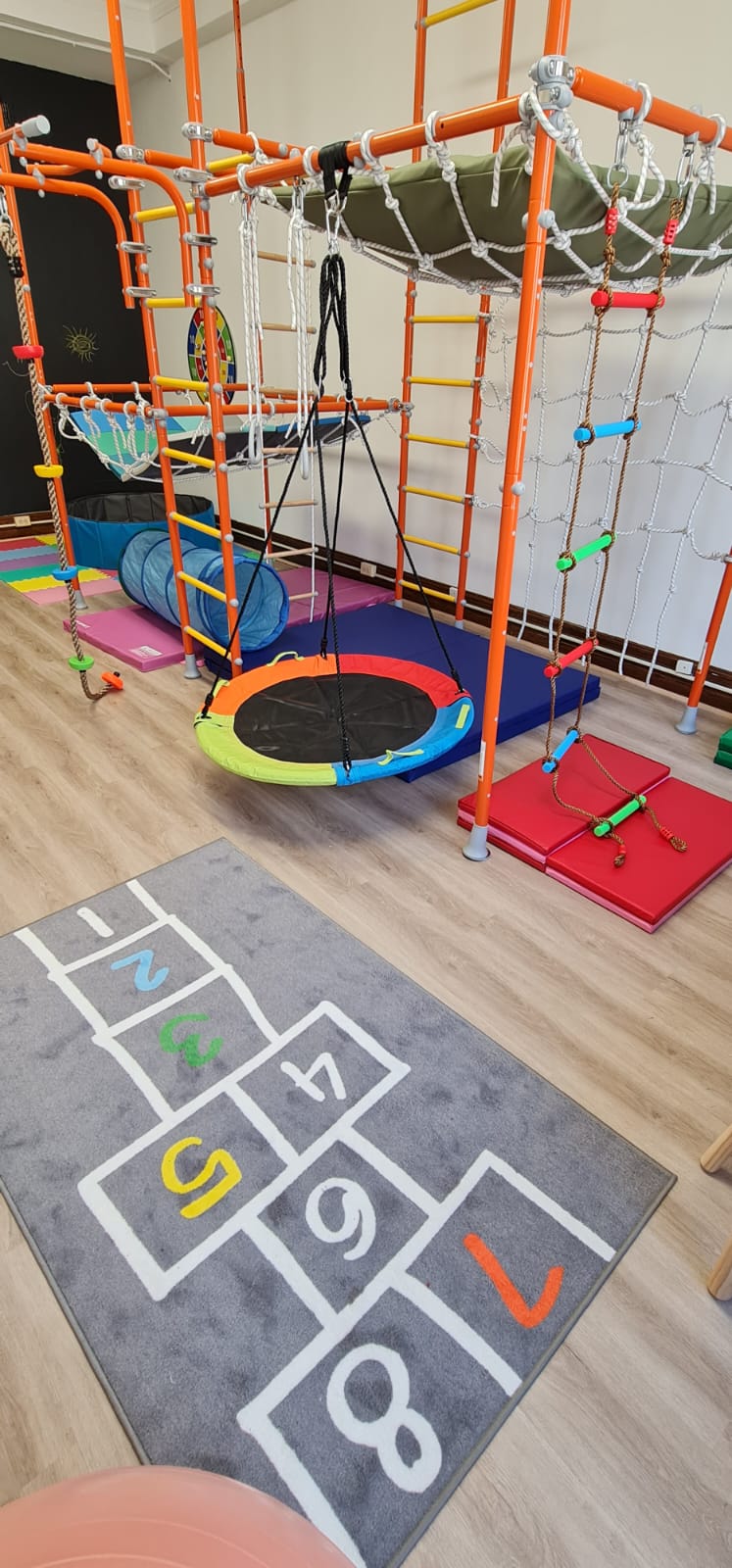
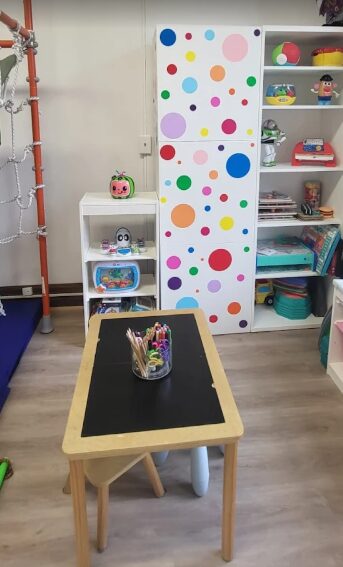
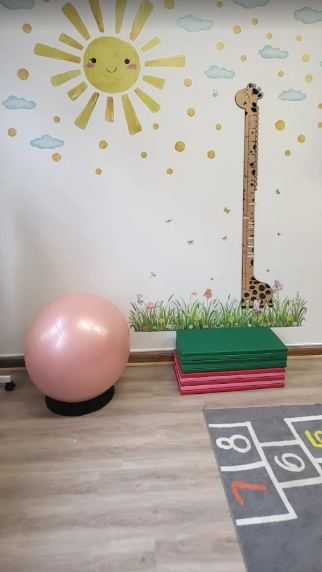
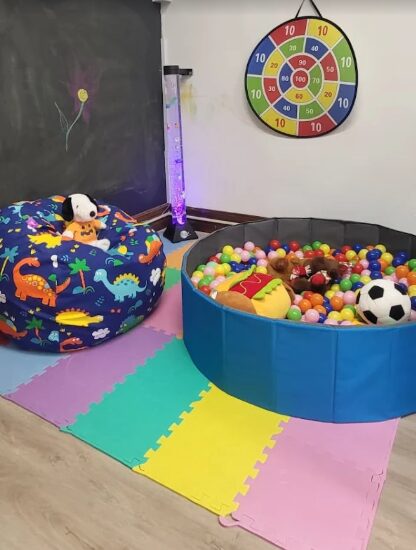
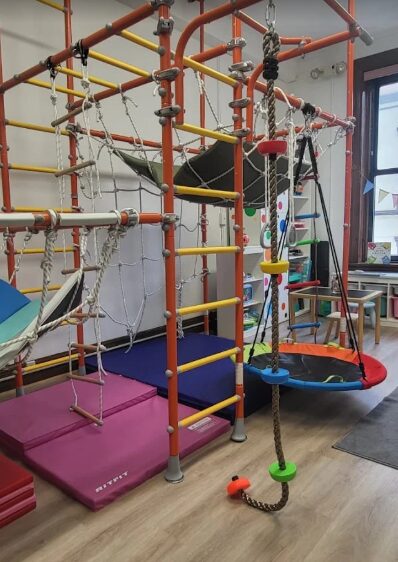
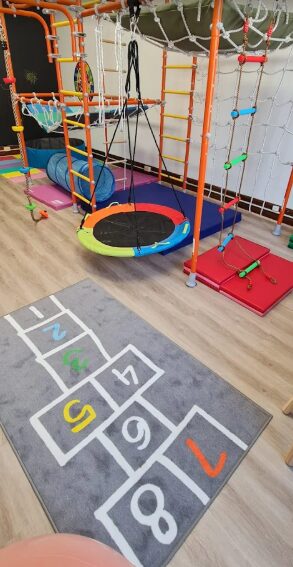
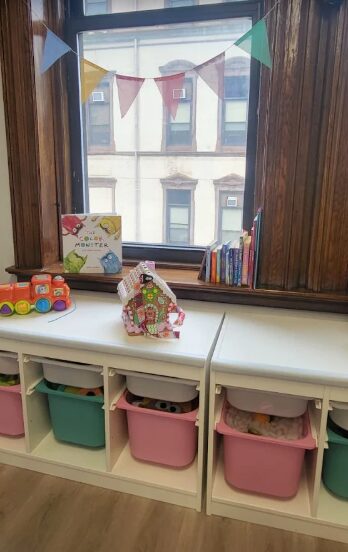
The space itself reflects that philosophy. Growing Milestones is intentionally boutique, warm, and sensory-conscious. It’s designed to feel safe for children and grounding for parents. Therapy here is individualized, collaborative, and deeply relational.
What I’m most proud of is the trust families place in me. This brand has grown through word of mouth, through community relationships, and through the belief that early support can truly change a child’s trajectory. I don’t see my work as “fixing” children — I see it as helping them build regulation, confidence, and independence in a way that respects who they are.
At its heart, Growing Milestones is about partnership. It’s about meeting families where they are and walking with them — not ahead of them — through some of the most important years of their child’s development.
Where do you see things going in the next 5-10 years?
If the past few years have taught us anything, it’s that pediatric therapy is evolving quickly.
I believe over the next 5–10 years, we’ll see a stronger emphasis on early intervention and emotional regulation. Families are becoming more aware of developmental differences, sensory needs, and neurodiversity. There’s less stigma and more advocacy — and that shift is powerful.
I also see a growing need for parent education. Therapy can’t exist in isolation anymore. The most meaningful progress happens when families feel informed and supported, not just when a child attends a weekly session. I think the future of pediatric occupational therapy will be more collaborative, more preventative, and more family-centered.
At the same time, I hope the industry continues moving toward a strengths-based model — one that doesn’t focus on “fixing” children, but on supporting regulation, independence, and confidence in ways that respect who they are.
As for my own practice, I don’t know exactly what it will look like in 5 or 10 years — but I know what I want it to feel like. I want it to continue offering high-quality, individualized care. I want families to feel safe and heard. I want to keep growing in knowledge while staying grounded in connection.
Trends and systems may shift, but the heart of this work — helping children build strong foundations early — will always matter. And that’s what I hope to keep contributing to.
Contact Info:
- Website: https://mygrowingmilestones.com/about/
- Instagram: https://www.instagram.com/growingmilestones/