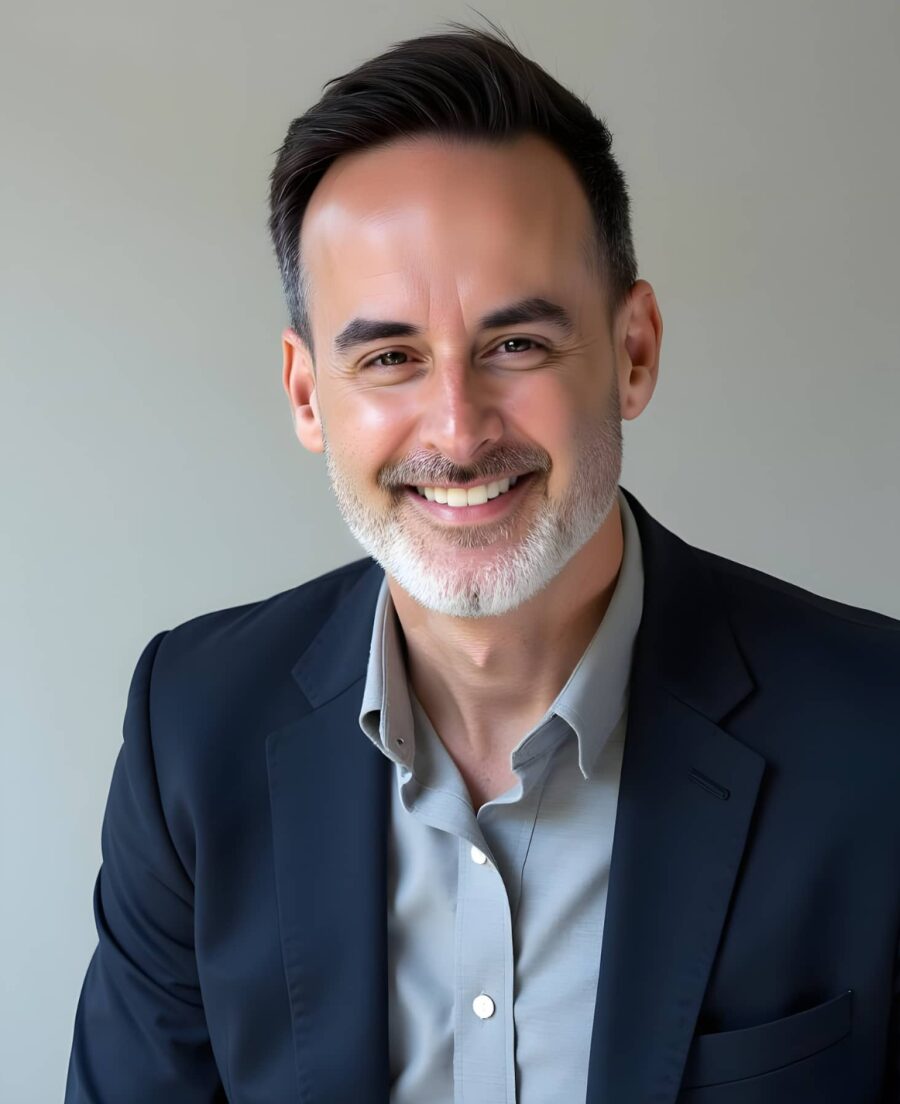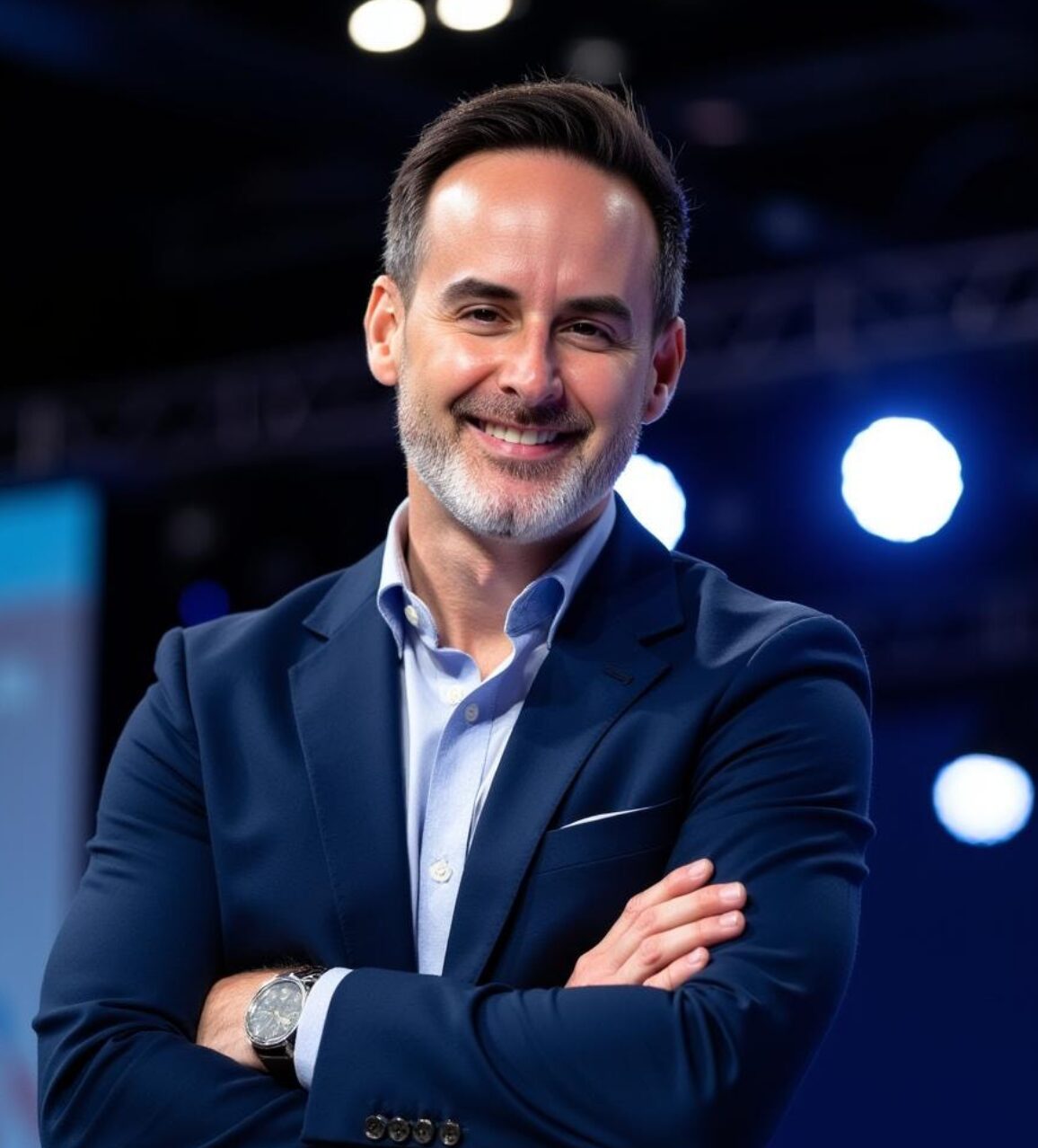





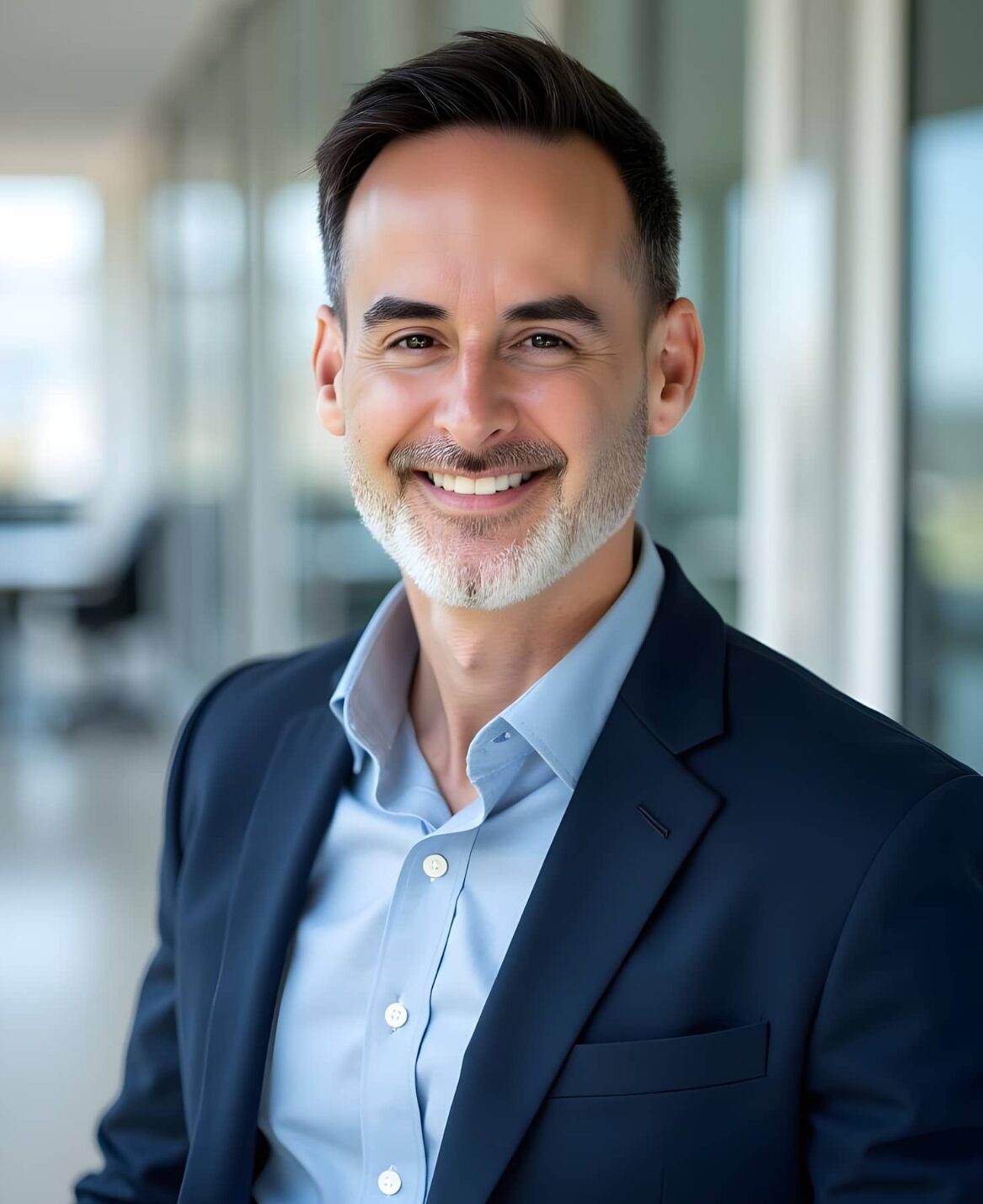
Today we’d like to introduce you to Peter Ruffini.
Hi Peter, thanks for joining us today. We’d love for you to start by introducing yourself.
There was a point earlier in my life—especially in my teens—where, if nothing changed, the outcome wasn’t going to be good. I had a difficult start and spent time going in the wrong direction. That experience forced a positive shift and ultimately shaped the direction of my life.
Along the way, I had to address parts of my past that could have continued to limit me if left unresolved. I’ve been sober for over 15 years from drugs and alcohol, and that process required a level of ownership, discipline, and authenticity that now directly informs how I work with clients. I don’t approach this work passively, because I know what real, lasting change actually requires.
From there, I rebuilt my life—going back to school to pursue graduate and postgraduate training and advanced clinical work. Over time, I stepped into a clinical supervisor role, helping train other clinicians. During that period, I balanced work, school, and family responsibilities while building something meaningful.
As I entered the field, I noticed a gap. Many people in therapy felt understood, but weren’t actually changing. The same struggles kept repeating because the core issues weren’t being addressed. I saw this most clearly with driven, outwardly successful men who were stuck in patterns they couldn’t break. That’s where I chose to focus.
Over time, I specialized in working with high-achieving men in areas like sex and pornography addiction, trauma, and infidelity. That led to the development of Proven Path Counseling, an award-winning private-pay practice with a reputation for results. Much of my practice has grown through referrals—both from clients and from other therapists. The practice has grown to serve clients across Pennsylvania, New Jersey, Delaware, and Florida, and I’m now hiring and mentoring the next generation of excellent clinicians.
At this stage, the focus goes beyond building something for myself. It’s about raising the standard of care, reducing the stigma around men’s mental health, and helping more men become stable, healthy, and purposeful—for themselves and those around them. There’s a point where you can look around and think you’ve “arrived”—that things are where you wanted them to be. But it becomes less about what you build for yourself and more about what you build into others—and the impact you have around you. That’s where the work becomes bigger than you—and more meaningful because of it.
I’m sure it wasn’t obstacle-free, but would you say the journey has been fairly smooth so far?
One of the most difficult struggles early on was no longer allowing my past to define how I saw myself or what I was building. That shift didn’t happen all at once—it carried into the early years of my career until I worked through it.
At the same time, there were real external pressures. I was balancing low-paying roles, graduate training, and family responsibilities while trying to build something stable and sustainable. There were long stretches where the effort didn’t immediately translate into results.
As I gained experience, I had to make a clear decision about how I wanted to practice. Many therapists carry significant responsibility, but operate within systems built around volume, not depth. I chose to step outside of that model. Transitioning into private practice allowed me to do higher-level work—on terms that better serve both my clients and my family.
That also meant taking a harder look at the field itself. I saw a difference between therapy that builds insight and therapy that actually resolves the problem. Instead of working within that limitation, I built my approach around addressing the drivers underneath the patterns clients were stuck in. That required going beyond generalist work and investing years in advanced training, mentorship, and clinical experience until the approach was fully developed and aligned with how I wanted to practice.
But the work isn’t just shaped by the field—it’s also shaped, from a cultural perspective, by the people in it. Many men are taught early on to push through, handle things on their own, and avoid asking for help. Therapy is often seen as a last resort. But when things are suppressed, they tend to come out sideways—through anger, anxiety, depression, or compulsive behaviors. Part of the work is helping men engage in a way that feels practical and aligned with how they actually operate.
All of those pressures—personally, professionally, and culturally—ultimately shaped how I approach my work today.
Thanks for sharing that. So, maybe next you can tell us a bit more about your business?
I’m the founder of Proven Path Counseling, an award-winning private-pay practice serving men across Pennsylvania, New Jersey, Delaware, and Florida. I work with capable men who feel stuck in patterns they haven’t been able to break—whether that’s sex and pornography addiction, trauma, infidelity, or difficulty managing stress, emotions, and the unique pressures of leadership.
My approach is structured and outcome-focused. While I work with men across a range of issues, the common thread is a need for direct treatment rather than passive talk therapy. The solution is simple: men need more than generic therapy—they need a proven path forward. My approach focuses on resolving the underlying causes of these patterns so real change occurs—not just symptom management or behavior modification.
What sets my work apart is the reputation it’s built on. Much of my practice is referral-based—both from clients and from other therapists who consistently refer men to me. That kind of trust is earned over time, and it’s something I take seriously.
Proven Path Counseling is built for meaningful, real-world change. The men I work with are often leaders in their families, careers, and communities—and when they do well, the impact extends far beyond the individual.
Networking and finding a mentor can have such a positive impact on one’s life and career. Any advice?
Many people approach mentorship backwards—they look for someone to “take them on” instead of building real relationships. In my experience, strong mentorship grows out of smaller, consistent interactions—consultation, collaboration, or even a single good conversation that develops into an ongoing connection.
One thing I’ve learned is the importance of being authentic. When we’re trying to make a good impression, we often present a version of ourselves that isn’t fully real—similar to the early stages of dating. The problem is that this leads to mismatched connections.
Being clear about your values, your standards, and what you’re actually looking for may take longer, but it leads to stronger, better-aligned mentorships and professional relationships. In the long run, it saves time and avoids unnecessary frustration.
For networking, I focus less on volume and more on alignment. Building relationships with people doing adjacent work—especially those who share your standards—tends to lead to better opportunities and more reliable referrals over time.
A good example is when I needed to collaborate with therapists to support the spouses and families of the men I work with, particularly around betrayal trauma and couples work. Instead of broad networking, I sought out clinicians who specialized in that area and reached out directly. Those conversations developed into ongoing collaboration, consultation, and consistent referral partnerships.
Pricing:
- Individual session: 225.00
- Therapy Intensive half-day: 1,600.00
- Therapy Intensive full-day: 3,000.00
Contact Info:
- Website: https://www.provenpathcounseling.com/
- LinkedIn: https://www.linkedin.com/in/peter-d-ruffini-eds-ma-lpc-lpcmh-acs-emdrpt-ii-675128223
- Other: https://www.psychologytoday.com/us/therapists/peter-d-ruffini-yardley-pa/1341887