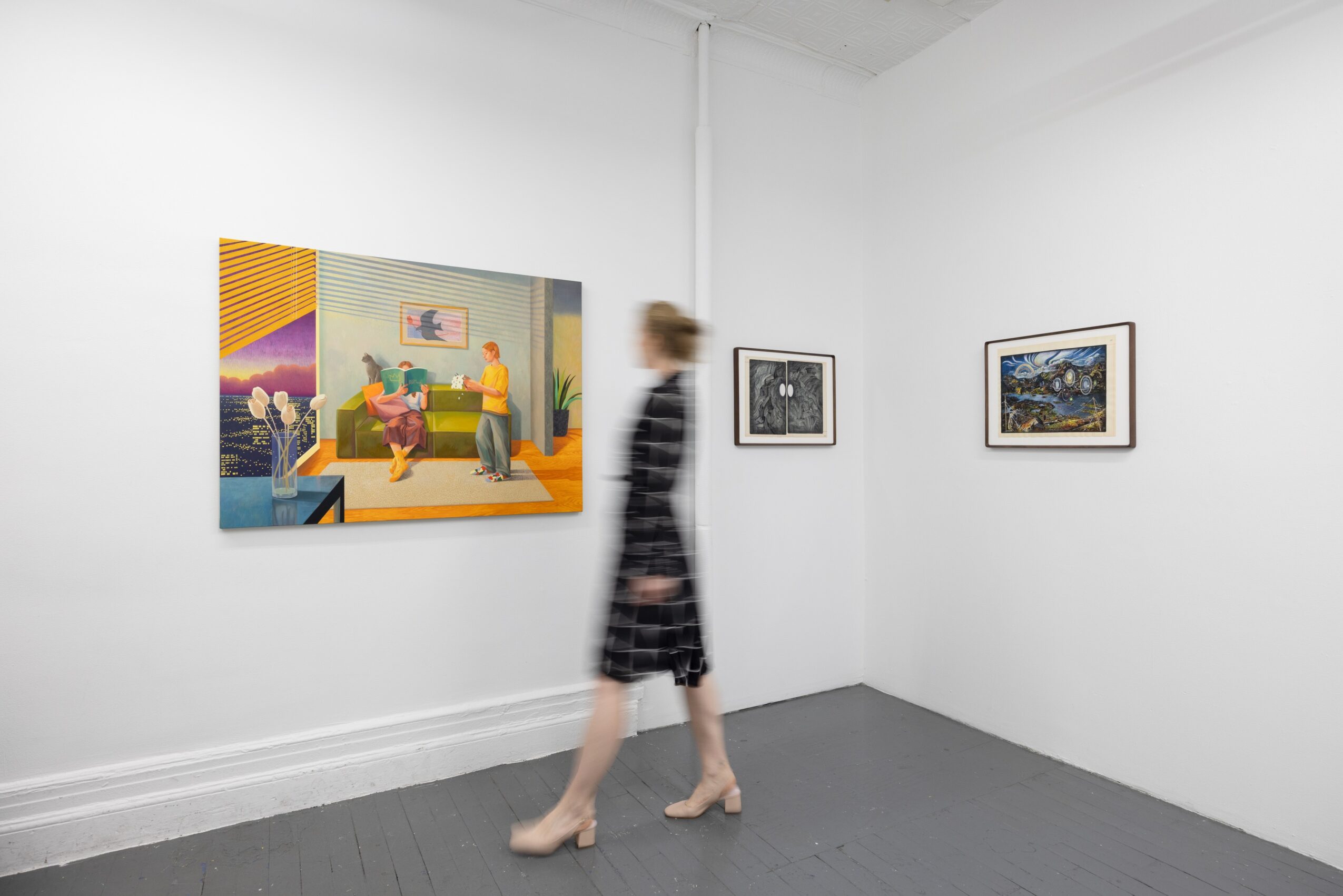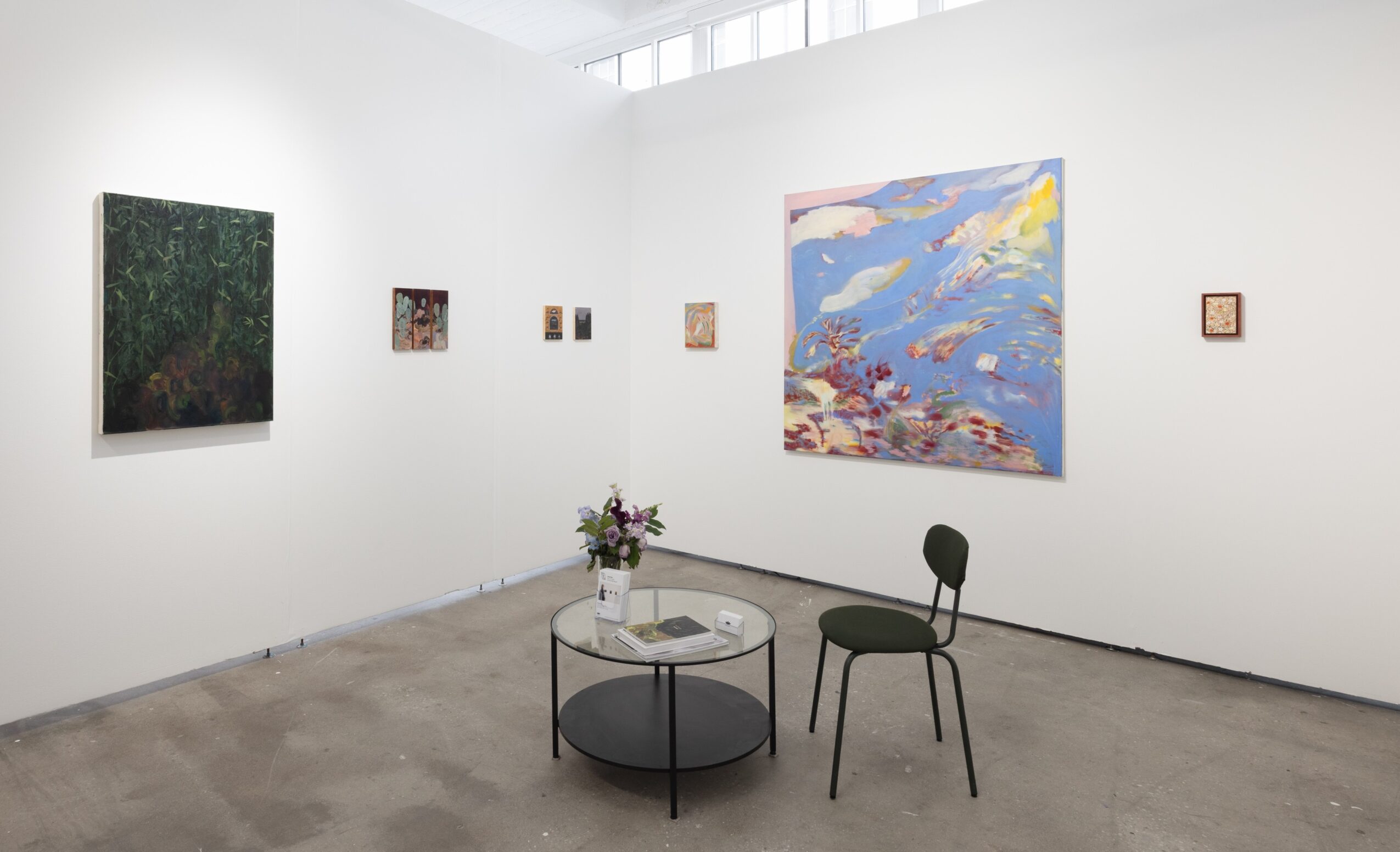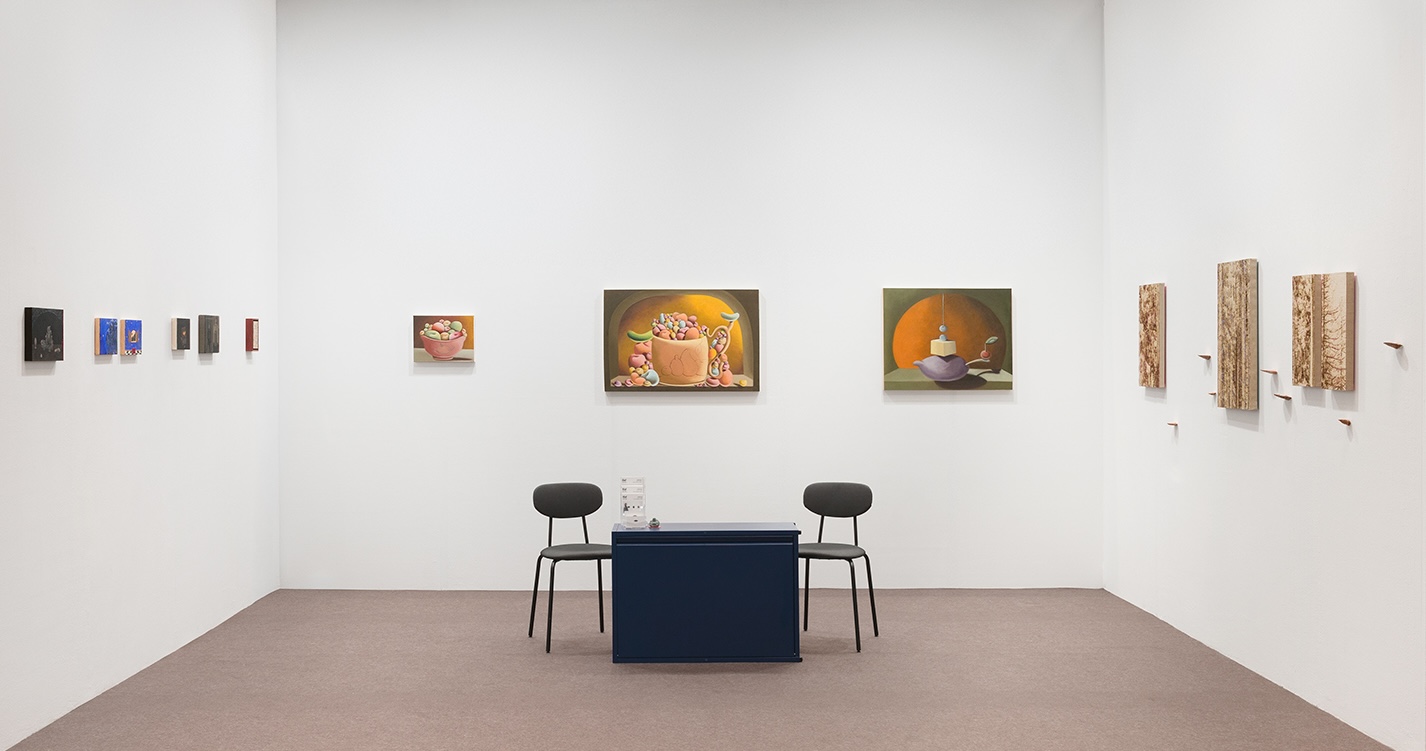






Today we’d like to introduce you to SARAH.
SARAH, we appreciate you taking the time to share your story with us today. Where does your story begin?
My journey in the art world began in Europe, where I went to college and first developed a deeper understanding of art, culture, and the gallery world. After graduating, I had the opportunity to work with important galleries in Italy. Those years were incredibly formative for me—they gave me firsthand experience of how galleries operate, but more importantly, they taught me about artists, collectors, exhibitions, and the dynamics and relationships that sustain the art world.
Moving to New York marked a new chapter in my journey. I was drawn to the energy of the city and to its incredibly dynamic and international art scene. Also to its fertile ground for entrepreneurship. Coming from Europe, I brought with me a certain perspective and sensibility, but New York challenged me to expand that perspective. It exposed me to new artists, new audiences, and a very different pace and way of thinking.
In the beginning, SARAHCROWN was an art consulting firm, with a focus on corporate projects, art for lobbies, and collection management. Over time, it evolved very organically into a more traditional white-cube gallery. It wasn’t necessarily something I had mapped out from the start; rather, it grew naturally through the artists I was working with, the relationships I was building, and my desire to create a dedicated platform for presenting and supporting their work. For me, founding a gallery was never simply about opening a physical space. It was about creating a more longterm vision with a distinct identity—one built around discovering and supporting artists I truly believe in, developing meaningful exhibitions, and creating lasting relationships between artists, collectors, institutions, and audiences.
I’ve always been very entrepreneurial by nature, always thinking about how an idea can grow and what it can add to society. I think one of my strengths is being a talent scout—recognizing potential in people and ideas, often at an early stage, and seeing where there is room for growth. That’s actually something I actively look for: when I sense that something has the potential to expand, evolve, or become something bigger, I want to pursue it. I’ve never been particularly interested in static sales or in simply repeating a formula. What excites me is identifying potential, developing it, and expanding it.
Looking back, I see my journey as a progression: from studying in Europe, to learning the gallery business in Italy, France, and Asia, to building a life in New York, and ultimately to finding my own voice as a gallery founder. Each of those experiences shaped the way I think about art and the kind of gallery I wanted to create. And I think that evolution is an ongoing process—which is one of the things I find most exciting in building a company.
Would you say it’s been a smooth road, and if not what are some of the biggest challenges you’ve faced along the way?
Building something on your own is never easy, but at the same time, I’ve never felt that I’ve hit a real roadblock. Of course, there are moments when unexpected events completely change the plan, but I’m a firm believer that every problem has a solution—and if there is no solution, then it’s not really a problem.
In fact, I think problem-solving often challenges me to do better. It forces me to rethink, adapt, and sometimes take a completely different approach than the one I originally had in mind. I’ve also learned that obstacles are often an indication of where more opportunity lies. When something isn’t working, there is usually something to learn from it or another direction worth exploring.
What really keeps me going is my passion for bringing art to people, and into the places where people actually live and work. I also love discovering and showcasing talent that might otherwise remain hidden. I have a very spatial way of seeing things and a strong aesthetic instinct. When I discover an artist or a particular work, I can often immediately envision it in a specific environment—I can see how the work will interact with the architecture, the light, the scale of the room, and the people who will experience it there. It’s almost instinctive. That passion is ultimately what keeps me motivated. Very often, I forget I’m actually “at work.” And I think that makes the challenges along the way feel much more like part of the creative process than obstacles.
There is also an enormous sense of reward when that vision becomes reality, particularly when a collector connects with an artist I’ve discovered and decides to collect their work. It’s not simply facilitating a sale; it’s about building relationships and sustaining an ecosystem in which everyone benefits: A work of art finds a home, an artist is able to continue creating, and a gallery can continue bringing art into the world. That is also why I’m so passionate about working with lobbies, semi-public spaces, and interior designers. I strongly believe that art can completely change how a place feels and how people experience it. And conversely, every space has a work of art that can bring something unique out of it. Finding that connection—between the right work and the right environment—is something I find incredibly exciting.
Thanks – so what else should our readers know about SARAHCROWN?
My gallery is much more than a traditional exhibition space. Specializing in postwar and contemporary art, I bring extensive international experience and a global perspective to everything I do. My program is distinctly international, reflecting a commitment to connecting artists, collectors, and audiences across cultures and borders.
Beyond exhibitions and art sales, I continue to offer art advisory and consulting services, working closely with private collectors, as well as developers and architects to integrate art into residential and commercial spaces, particularly lobbies and shared environments. What sets my gallery apart is its international outlook and a 360-degree understanding of the art world. My experience across different markets and cultures allows me to approach art not only from a curatorial perspective, but also through the lens of collecting, architecture, design, and the broader art market.
What I am most proud of is the ability to build meaningful connections between art, artists, collectors, and spaces. I believe a gallery should do more than exhibit and sell art. It should create opportunities, foster lasting relationships, and contribute to an ecosystem in which artists can continue creating, collectors can live with meaningful works, and art can become an integral part of everyday life.
Any advice for finding a mentor or networking in general?
Finding a mentor can be a more delicate process in my industry, as people tend to be quite protective of their knowledge and experience. That said, over time, a few former employers and colleagues have naturally become sounding boards for me—people I trust and can turn to for perspective on certain decisions or challenges.
If I could go back, I would probably be much more intentioanl about finding a mentor early on. When you start something on your own, having someone with experience who can offer honest feedback, challenge your thinking, and give you perspective is invaluable. You still have to make your own decisions, of course, but having that trusted outside perspective can save you from learning every lesson the hard way.
Contact Info:
- Website: https://www.sarahcrown.com
- Instagram: sarahcrown_ny