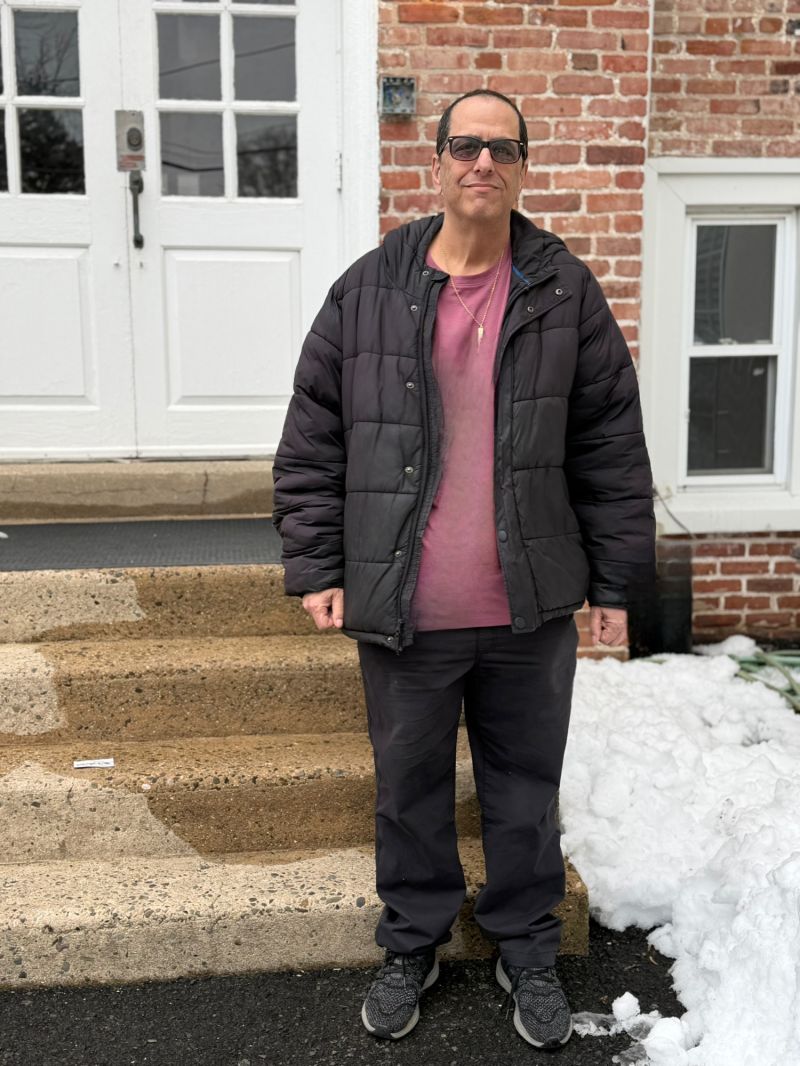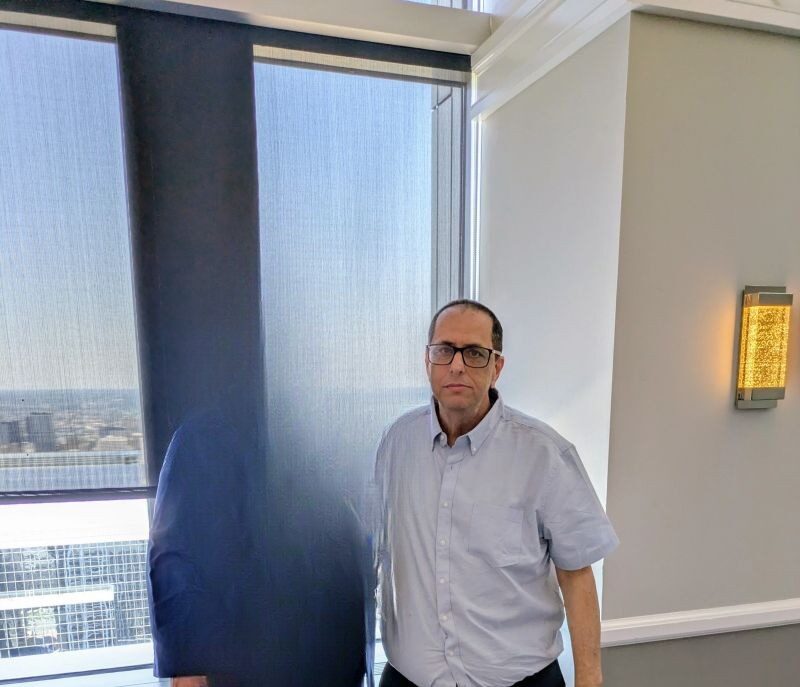






Today we’d like to introduce you to David Sichel.
Hi david , so excited to have you with us today. What can you tell us about your story?
I got into this work from the other side of the phone. I was in active addiction, and at one point I was exactly the kind of person treatment centers were trying to reach — a dead lead in someone’s CRM. Nobody followed up. That experience never left me.
When I started Blueshirt Media, I was doing general marketing work. But I kept coming back to behavioral health. I understood the stakes in a way most vendors don’t. A missed call in this industry isn’t a lost sale — it’s potentially a lost life.
Over time I narrowed everything down to one focus: helping treatment centers recover the people who slipped through the cracks. Missed calls, cold leads, alumni who stopped engaging. We built systems specifically for that — HIPAA-compliant, built for behavioral health, not adapted from some generic call center tool.
We’re a focused team. We let the results speak.”
That’s the whole story. I do this work because I know what it means to be on the other end of that call.I’ve been in clean for 12 years “One of the treatment centers we work with today is the same one that helped save my life.”
Alright, so let’s dig a little deeper into the story – has it been an easy path overall and if not, what were the challenges you’ve had to overcome?
Not even close to smooth.
The biggest challenge early on was credibility. I was approaching treatment centers — serious clinical operations — as a small agency without a big name behind me. Getting that first meeting, let alone that first client, was hard.
Cash flow has been a constant reality. This is not a business where you land a contract and coast. Treatment centers have their own financial pressures, census fluctuations, ownership changes. You have to be resilient.
The other obstacle is noise. The behavioral health space gets flooded with vendors making big promises. Standing out as someone who actually specializes — who only works with treatment centers, who understands 42 CFR Part 2, who knows what a warm transfer means in this context — takes time to establish.
And honestly, the emotional weight of the work. When you understand what’s at stake for the people on the other end of these calls, you can’t just treat it like a software sale. That’s a good thing, but it also means you carry it differently than most business owners carry their work.
Thanks for sharing that. So, maybe next you can tell us a bit more about your business?
We provide HIPAA-compliant call answering and lead recovery services built exclusively for addiction treatment centers and behavioral health programs. That exclusivity is the whole point — we don’t serve restaurants, law firms, or e-commerce brands. Every system we’ve built, every workflow we’ve developed, is designed around one specific problem: treatment centers losing people they could have saved because of a missed call or a lead that went cold.
What we’re known for is recovery — not just of calls, but of people. Treatment centers come to us when they’re watching admissions slip through the cracks after hours, on weekends, during staff transitions. We step in and make sure those moments don’t become permanent losses.
What sets us apart is specialization and compliance. A lot of vendors will tell you they serve healthcare. Very few truly understand behavioral health — the regulatory environment, the sensitivity of the conversations, the difference between a clinical intake and a sales call. We do. We’re HIPAA-compliant by design, not as an afterthought.
What I’m most proud of is the results we’ve quietly put on the board for clients who trusted us early — treatment centers that recovered dozens of admissions they would have lost, programs that now have coverage they never had before.
We’re small, we’re specialized, and we’re serious about the work. That’s what I want people to know.
What matters most to you?
Bringing people back to treatment. That’s it.
I know what it means to be unreachable — to be in the middle of addiction and have a moment of willingness that nobody catches. Those moments don’t last forever. When a treatment center misses that call, or lets a lead go cold, or doesn’t follow up after someone expressed interest — that’s not a business failure. That’s a human one.
I’m in recovery myself. I go to NA. My son is my world. I do this work because I understand at a very personal level what’s on the other side of these calls. It’s not abstract to me.”Before Blueshirt Media, I ran a sober transport business — Henry, my rescue dog, came on every ride. COVID shut it down. But sitting with people on the way to treatment, watching how stretched thin admissions staff were, is where I saw the real problem firsthand.”
So what matters most is that the work is real. That the systems we build actually help people get into treatment who otherwise wouldn’t have. Everything else — the revenue, the growth, the visibility — is secondary to that.
If we do the work right, people get help. That’s the only metric that actually matters to me.
Contact Info:
- Website: https://www.blueshirtmedia.com
- LinkedIn: https://www.linkedin.com/in/david-sichel-blueshirtmedia/
- Youtube: https://www.youtube.com/@blueshirtmedia1