




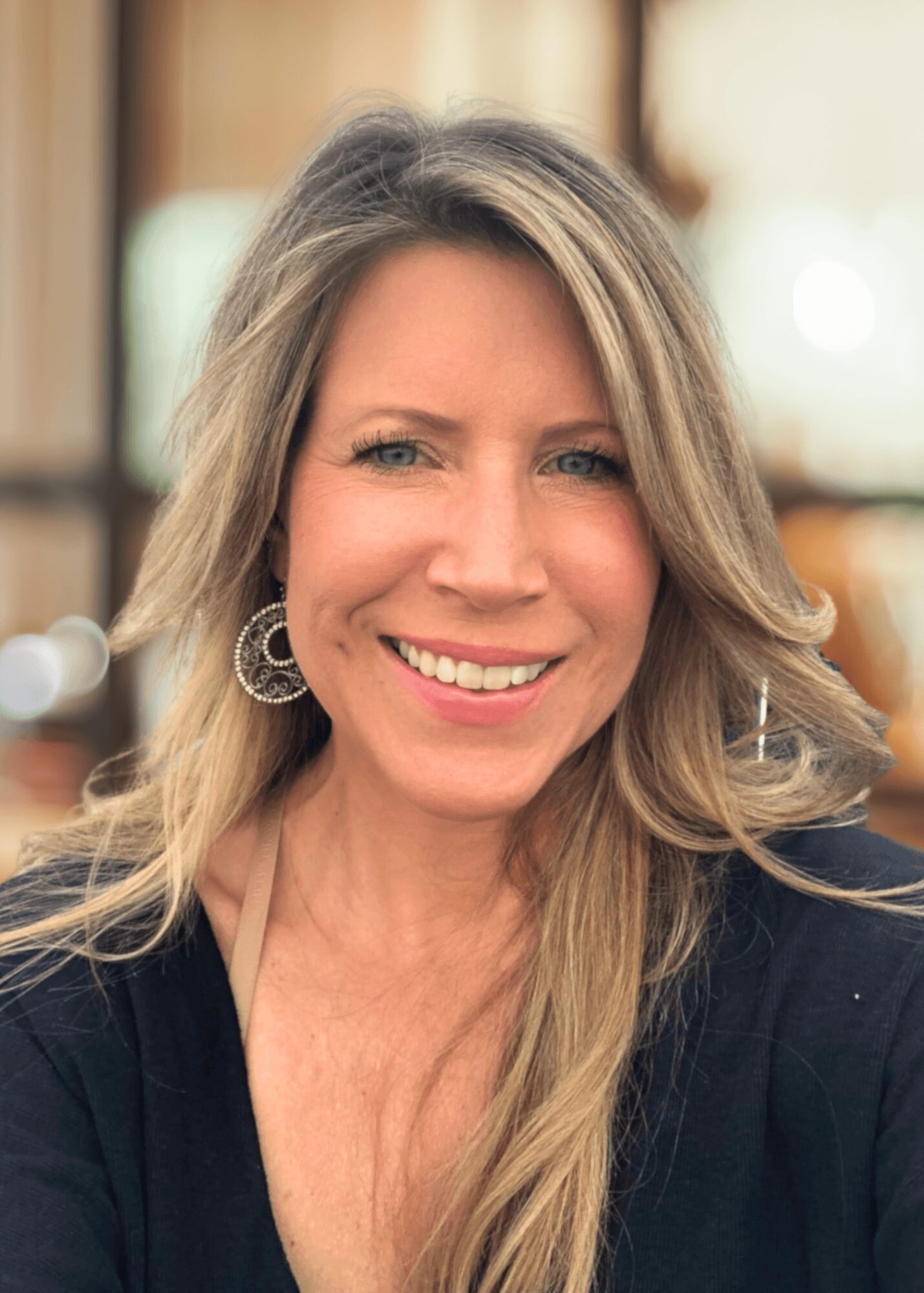
Today we’d like to introduce you to Tracey Saia.
Hi Tracey, we’re thrilled to have a chance to learn your story today. So, before we get into specifics, maybe you can briefly walk us through how you got to where you are today?
I was a kid who was always loved art. In high school it was a sanctuary from stress and daily pressures. I started out as an art major in college but quickly abandoned it when I felt I wasn’t good enough to hang with the other students. After some searching I found psychology and loved that equally as much. I graduated with a psychology degree, but like many people with an undergraduate degree in psychology, I realized there weren’t many career options without going further in school. After working for a year and exploring different graduate programs, a colleague suggested I look into art therapy. The moment I learned about it, something clicked. It brought together the two things that had always mattered to me, art and psychology and I immediately fell in love with the theory behind it.
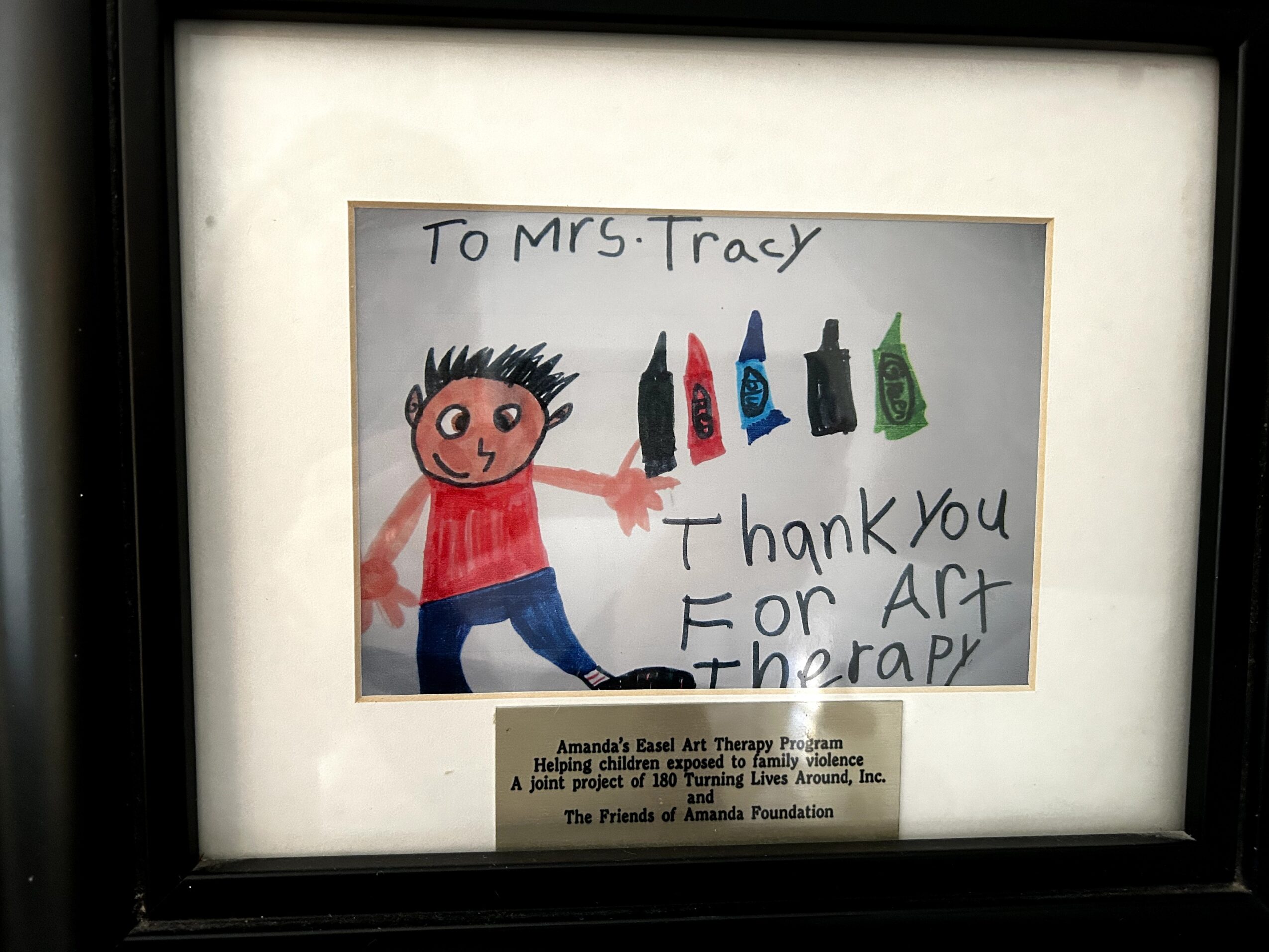
I began my career working in nonprofit domestic violence programs, where I had the privilege of learning from two excellent mentors. I ended up dedicating the next 20 years to that population. Over time I held several positions and eventually became the Child and Adolescent Director. During those years I worked with children, adolescents, and adults and gained deep experience treating anxiety, depression, self-harm, family dysfunction, and especially trauma.
When the agency I worked for closed during the pandemic, former clients and community members began reaching out and asking if I would continue working with them during such a difficult time. I said yes and that is how my private practice began.
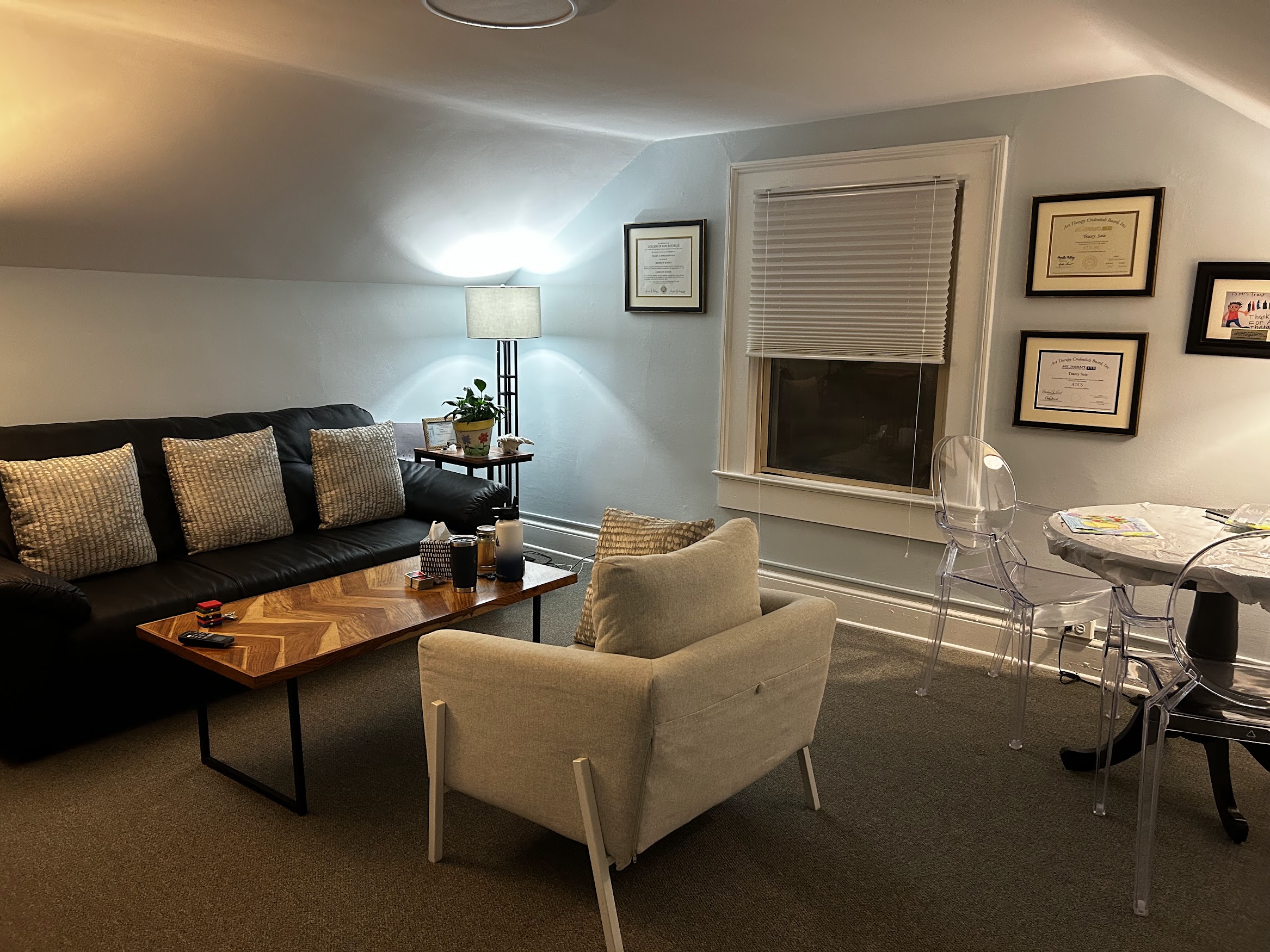
Today I run a full-time, in-person art therapy practice in Morristown, and I still feel grateful that a path I discovered somewhat by chance has allowed me to spend the last 25 years helping people heal.
Alright, so let’s dig a little deeper into the story – has it been an easy path overall and if not, what were the challenges you’ve had to overcome?
I’ve been fortunate that my career has been fairly smooth overall. One of the biggest challenges, however, has been educating people about what art therapy actually is.
For many years art therapy has been misunderstood or undervalued. At times it is even viewed as something less serious than other therapeutic practices. Because of that, part of my work has always involved advocating for the field itself.
In many ways being an art therapist means doing two kinds of work at once: helping people heal while also helping others understand the power and legitimacy of creative expression as a therapeutic tool.
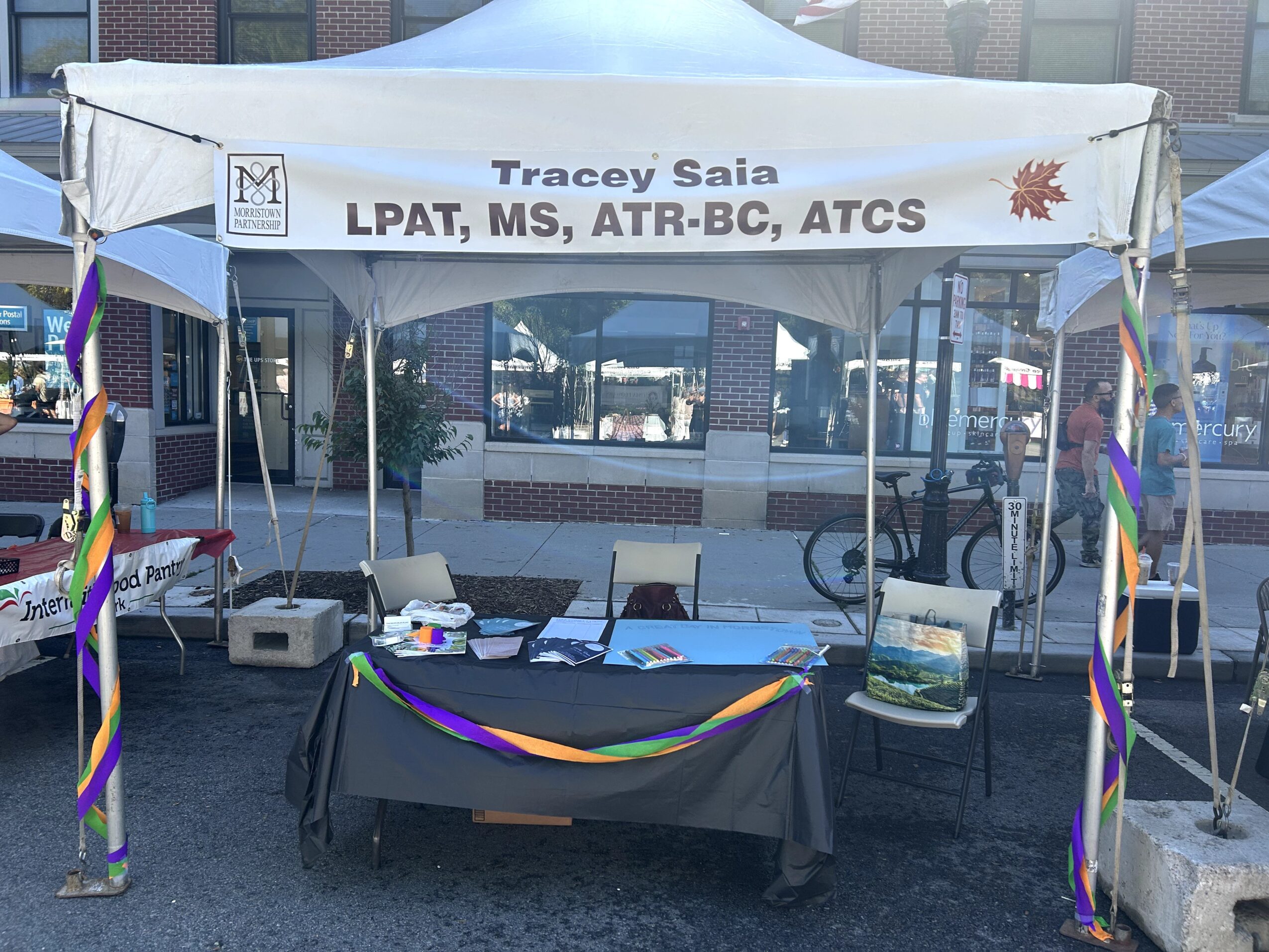
As you know, we’re big fans of Tracey Saia LPAT, MS, ATR-BC, ATCS. For our readers who might not be as familiar what can you tell them about the brand?
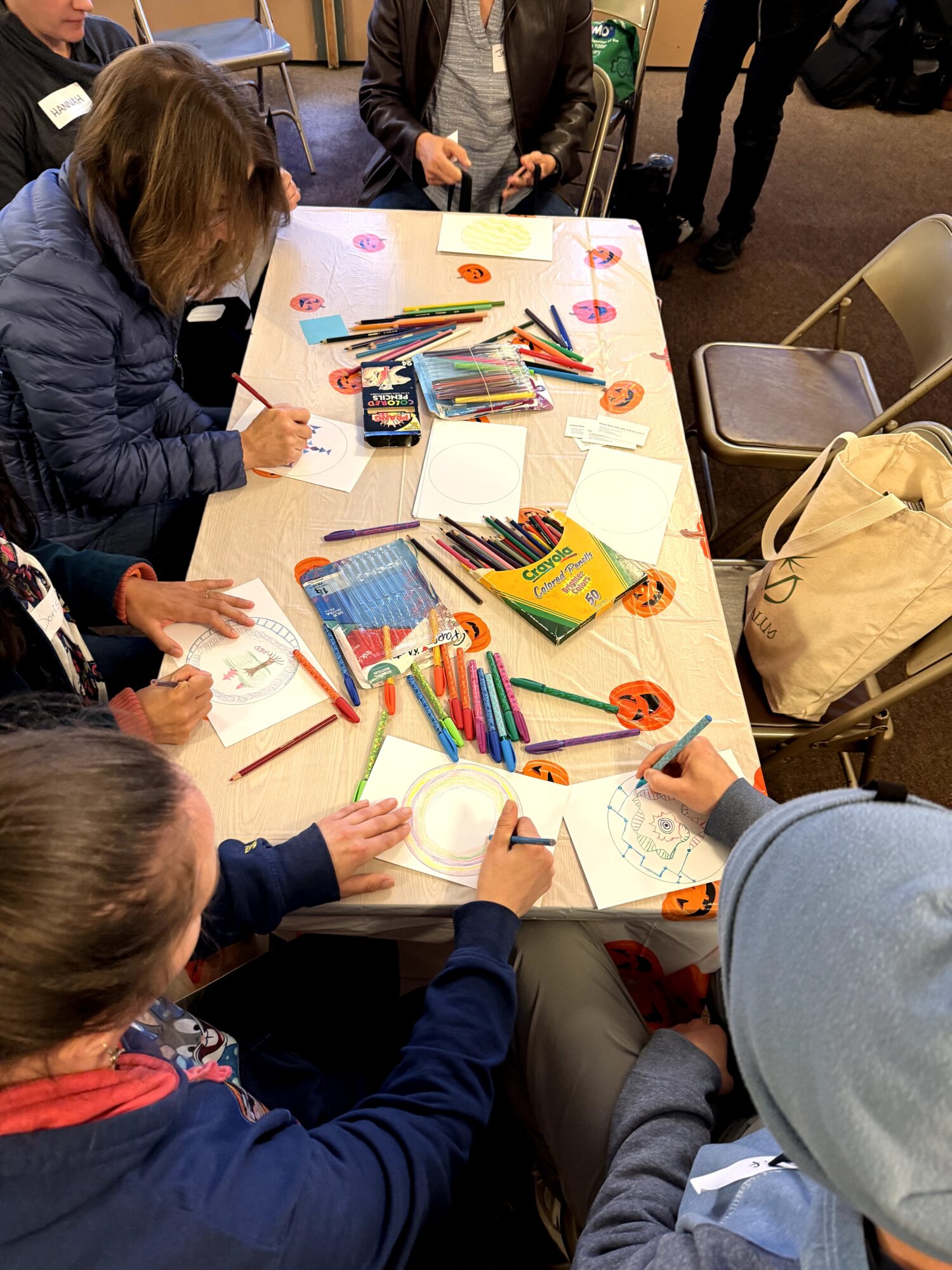
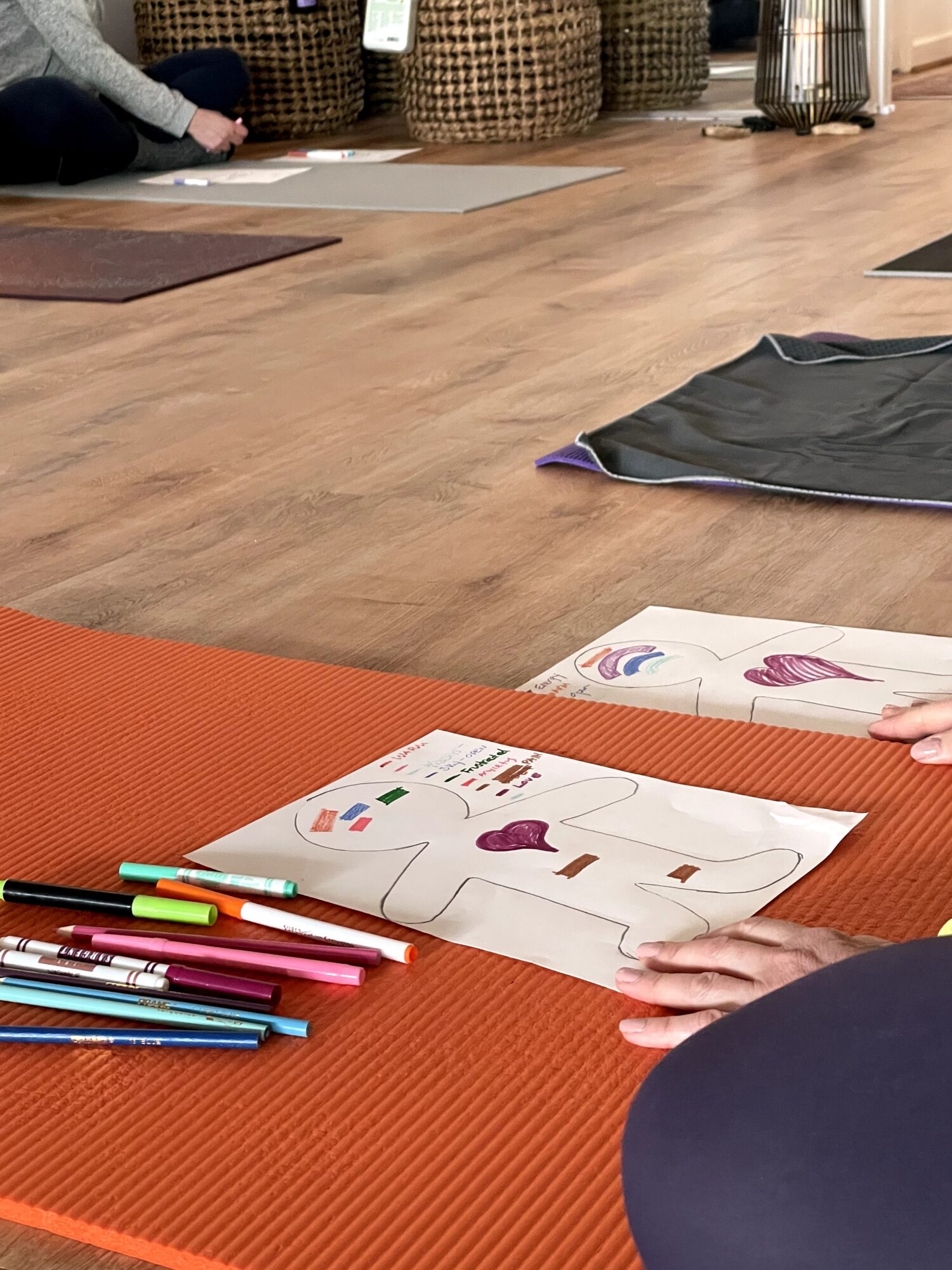
My private practice is an art therapy practice based in Morristown where I work with children, adolescents, and adults. In my work, art is often used as a reflective tool. This can include concrete visual processes such as timelines, word mapping, and other structured exercises that help people step back and see their experiences more clearly. It’s not about artistic skill or creating a beautiful image. Sometimes people draw or paint, but often the process is about visually organizing thoughts, emotions, and life experiences in ways that can deepen understanding and insight.
Over the course of my career I have specialized in working with individuals who are navigating divorce, anxiety, depression, trauma, and major life transitions. Much of my professional background was spent in domestic violence agencies, where I worked with both children and adults who had experienced significant trauma. That work shaped my understanding of resilience and the importance of creating spaces where people feel safe, heard, and empowered.
What sets my practice apart is the integration of traditional therapeutic approaches with creative expression. Art therapy can open doors that talk therapy alone sometimes cannot, especially for children and adolescents, but adults often find it just as powerful.
Brand-wise, what I am most proud of is that the practice has grown almost entirely through word of mouth. That tells me that the work is meaningful to the people I serve. My goal has always been to create a place where people feel comfortable exploring difficult emotions, gaining insight, and ultimately reconnecting with themselves in a more compassionate way.
Do you have any advice for those just starting out?
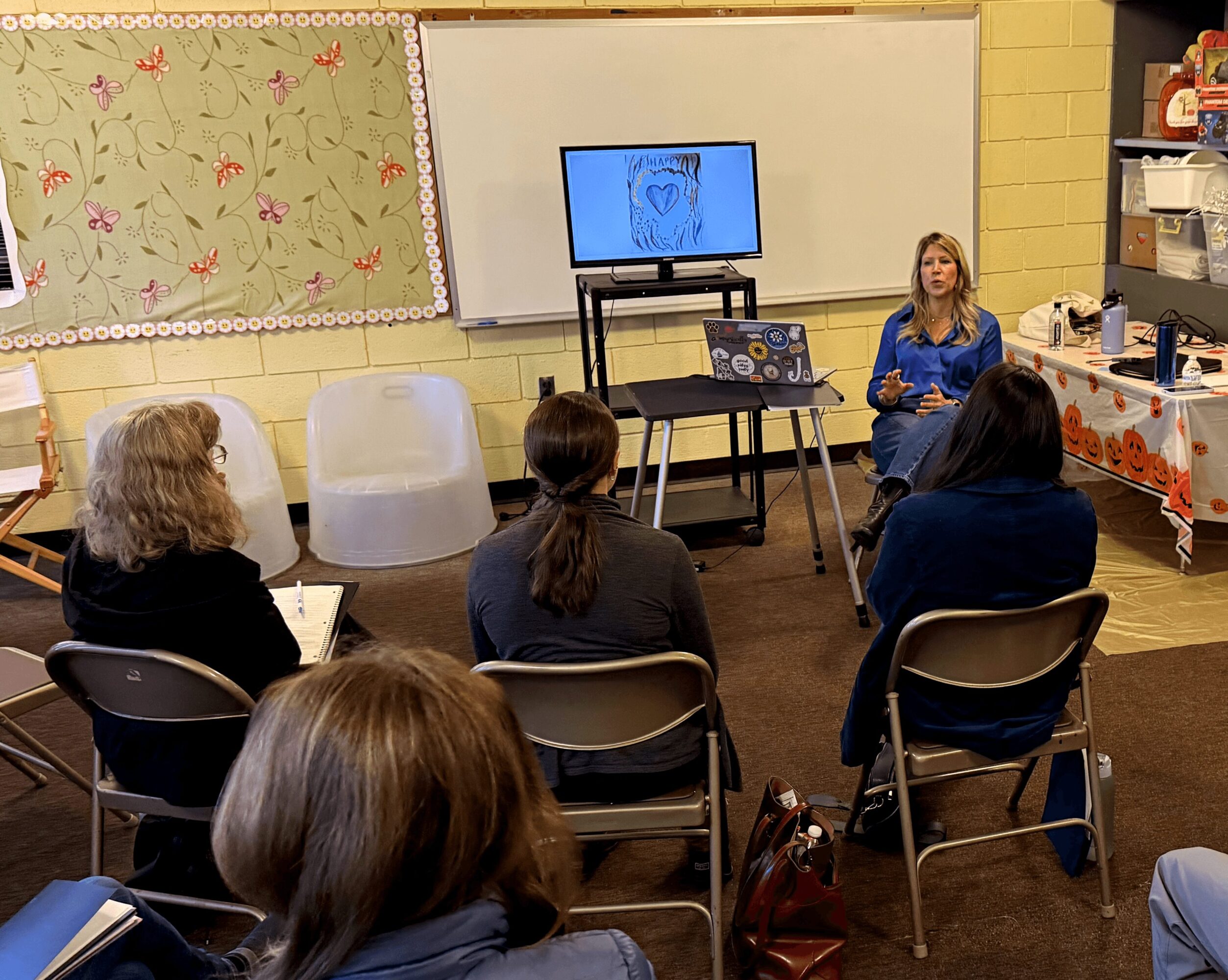
You have to be patient. I often speak with prospective students and people who are just beginning their careers, and many of them are eager to help and heal others right away. That passion is wonderful, but it takes time to learn how to truly hold the therapeutic space.
At its core, therapy is about honoring and witnessing someone’s despair or pain without trying to rush in and fix it. You have to become comfortable sitting with difficult emotions and allowing another person’s experience to unfold in its own time.
It isn’t about saying the perfect thing. It’s about being fully present with someone when they are at their most vulnerable. That kind of presence develops slowly through experience, perspective, maturity, and good supervision.
Contact Info:
- Website: https://www.traceyesaia.com
- Instagram: traceysarttherapy
- Facebook: traceysarttherapy
- LinkedIn: Tracey Saia LPAT, MS, ATR-BC, ATCS