


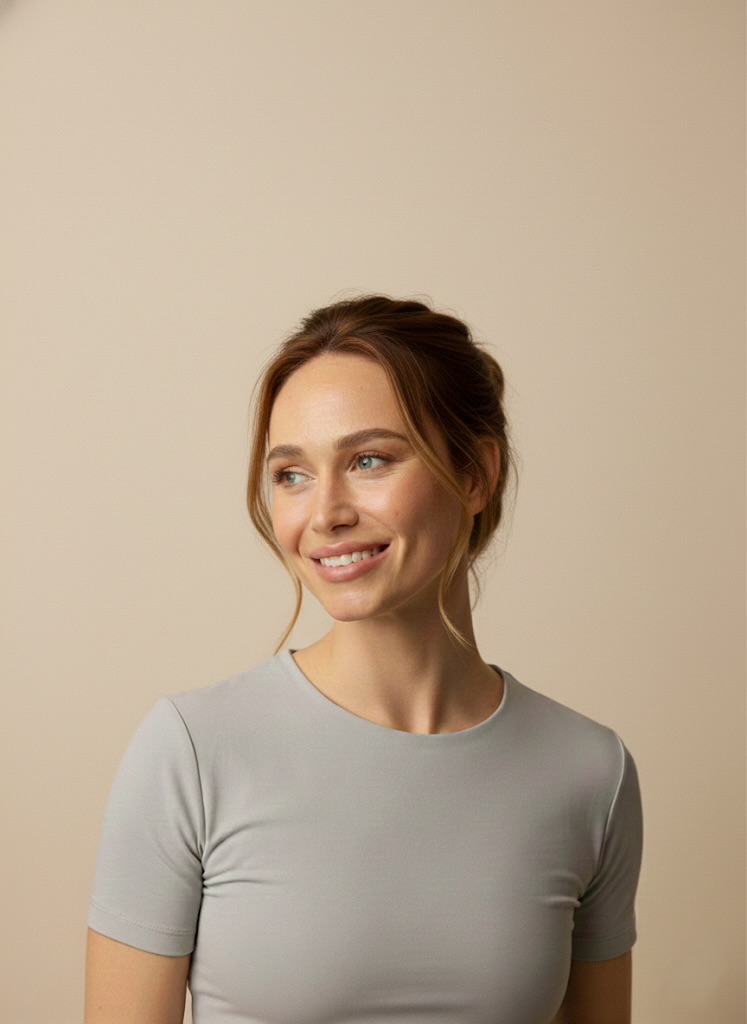
Today we’d like to introduce you to Anastasia Belova.
Hi Anastasia, can you start by introducing yourself? We’d love to learn more about how you got to where you are today?
For years, I thought the goal was to be thin. Eventually, I realized the goal was to be strong.
My own relationship with fitness started from a very different place than where I am today. When I was younger, I struggled with my relationship with food and, like so many women, believed that being smaller and thinner was the ultimate goal. Over time, strength training completely changed the way I saw my body. Instead of asking how little I could weigh, I started paying attention to what my body could do, how capable I felt, and how much confidence came from being physically strong.
When I became a personal trainer, I began noticing the same patterns in many of the women I worked with. Women had been taught for decades to focus on the scale, eat less and do endless cardio, while building muscle and strength often seemed like an afterthought.
As I started working with more women in their 40s and 50s, I realized there was another layer to the problem. Many were entering perimenopause or menopause without understanding what was changing in their bodies or how their approach to exercise might need to evolve. Yet they were still being sold the same message many of us grew up with: eat less, do more cardio and try to stay thin. At the same time, preserving muscle, strength and bone health becomes increasingly important as we move through midlife and beyond.
I had also seen the other end of that story personally. Women in my extended family experienced hip fractures later in life, and I saw how quickly a fracture, frailty and loss of mobility can affect someone’s independence and quality of life. It made muscle loss, osteoporosis and healthy aging much more than abstract concepts to me. I started thinking less about what women should do once they reach their 70s or 80s and more about what we can help women do at 40, 45 or 50 to build strength and physical resilience for the decades ahead.
That became the mission behind Women’s Strength Academy. I wanted to create something specifically for women in midlife ( especially those navigating perimenopause and menopause) where the conversation isn’t simply about losing weight or looking younger. It’s about building muscle, supporting bone health, becoming stronger and staying capable and independent as we age.
Today, I coach women in Manhattan and through Women’s Strength Academy while educating a much larger community online. What started as personal training has grown into coaching, education and workshops focused on helping women understand strength training, nutrition and how their needs can change through perimenopause, menopause and beyond.
My definition of fitness has changed completely since I started. I no longer think the goal is to take up less space. I think the goal is to build a body that allows you to live your life fully for as long as possible. To me, there is something incredibly beautiful about a woman who feels strong, healthy and capable in her own body — and that’s ultimately what I want Women’s Strength Academy to help more women experience.
Can you talk to us a bit about the challenges and lessons you’ve learned along the way. Looking back would you say it’s been easy or smooth in retrospect?
It definitely hasn’t been a completely smooth road. One of the biggest challenges has actually been challenging some of the beliefs women have been taught about fitness for decades.
Many women come to me believing that success means weighing less, eating less and doing more cardio. Strength training can still feel intimidating, especially for women who have never considered themselves “athletic” or who are entering perimenopause or menopause and suddenly feel like their bodies are changing in ways they don’t understand. A big part of my work has been helping women shift the goal from simply becoming smaller to becoming stronger.
There has also been the challenge of building Women’s Strength Academy into something larger than me. Personal training is inherently limited by how many people one coach can physically work with in a day. I realized that if I genuinely wanted to make an impact, I couldn’t build a business that depended entirely on my own calendar. That meant learning how to build a brand, create educational content, run workshops and develop a coaching model that can eventually serve far more women than I could ever train personally.
Building an audience has been another lesson in persistence. There were plenty of times when I created something I believed was valuable and almost nobody saw it. You learn very quickly that having something important to say doesn’t automatically mean people will listen. I kept experimenting with how to communicate evidence-based information in a way that was simple, visual and relatable. Eventually, that consistency started reaching women far beyond my own clients.
The biggest lesson for me has been that growth rarely looks smooth while you’re living through it. Women’s Strength Academy is still evolving, and I’m still learning. But every time a woman tells me that she started strength training because of something we taught her, or that she now thinks about becoming stronger instead of simply becoming thinner, it reminds me why I’m building it.
We’ve been impressed with Women’s Strength Academy., but for folks who might not be as familiar, what can you share with them about what you do and what sets you apart from others?
Women’s Strength Academy is a strength training and education company created specifically for women 40+, with private coaching in Manhattan as well as online education and programs for women beyond New York.
We specialize in helping women build and preserve muscle, strength and physical capability through midlife, with particular attention to the changes that can accompany perimenopause and menopause. Our approach combines progressive strength training with practical education around nutrition, recovery, bone health and healthy aging.
What sets Women’s Strength Academy apart is that we aren’t built around the traditional fitness message of simply becoming smaller. For decades, women have been encouraged to diet, lose weight and prioritize cardio. We want to change that conversation. After 40, strength and muscle aren’t just aesthetic goals — they are important components of maintaining physical function, metabolic health, bone health and independence as we age.
Our coaching is intentionally approachable. Many of the women who come to us have never considered themselves athletic, feel intimidated by traditional gyms, or simply don’t know what to do with weights. We teach strength training from the ground up and focus on helping each woman become progressively stronger rather than comparing herself with anyone else.
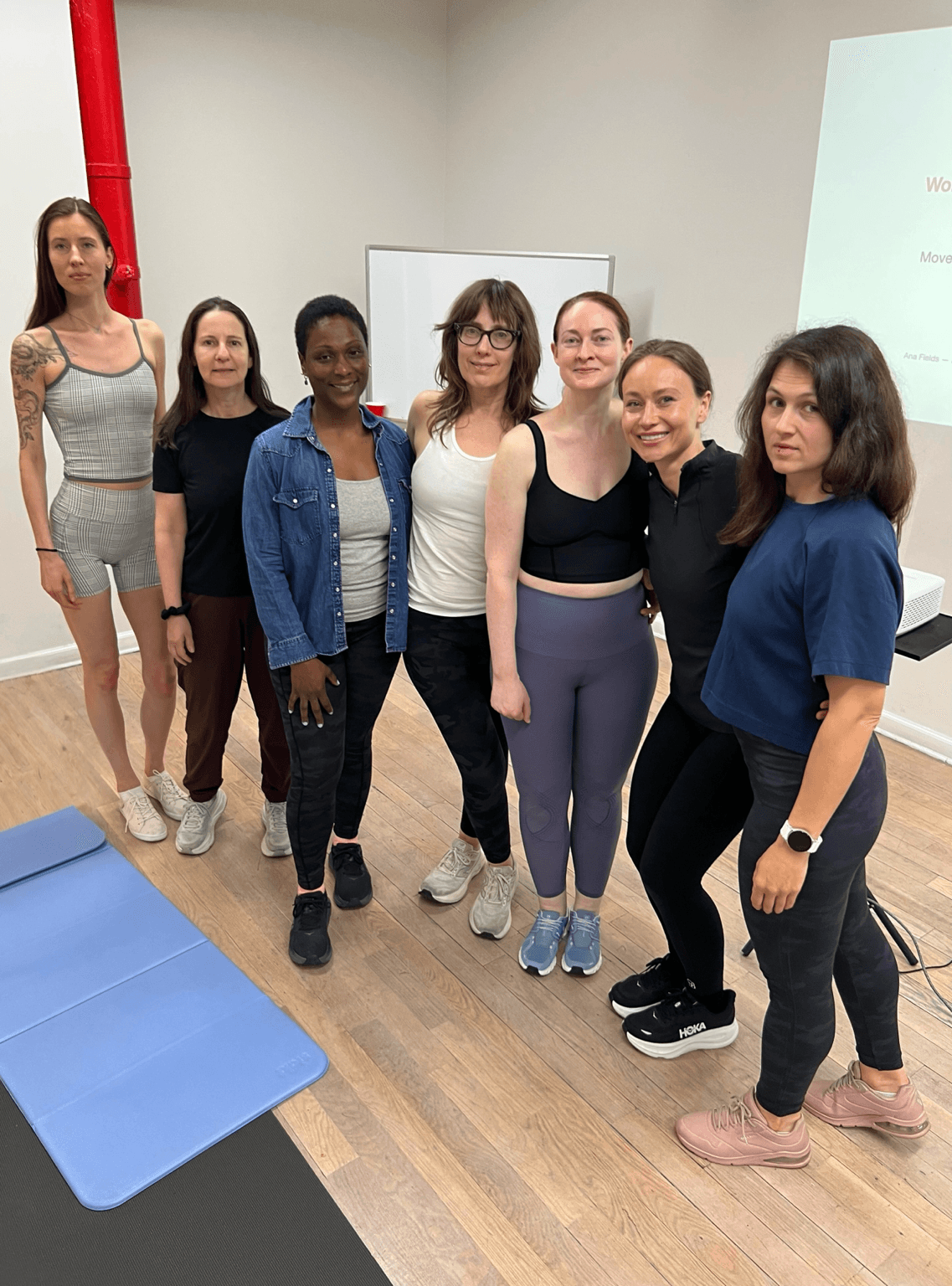
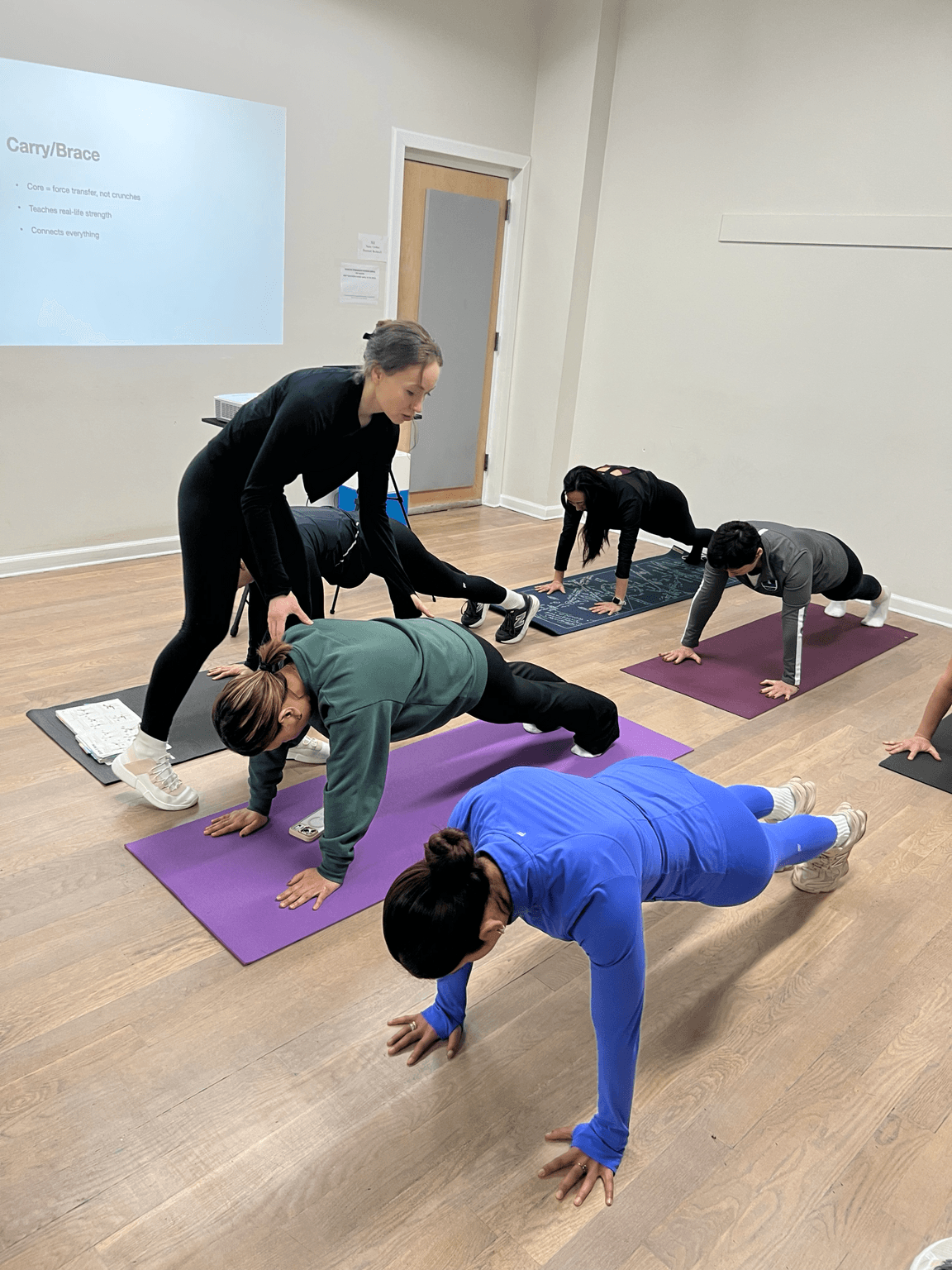
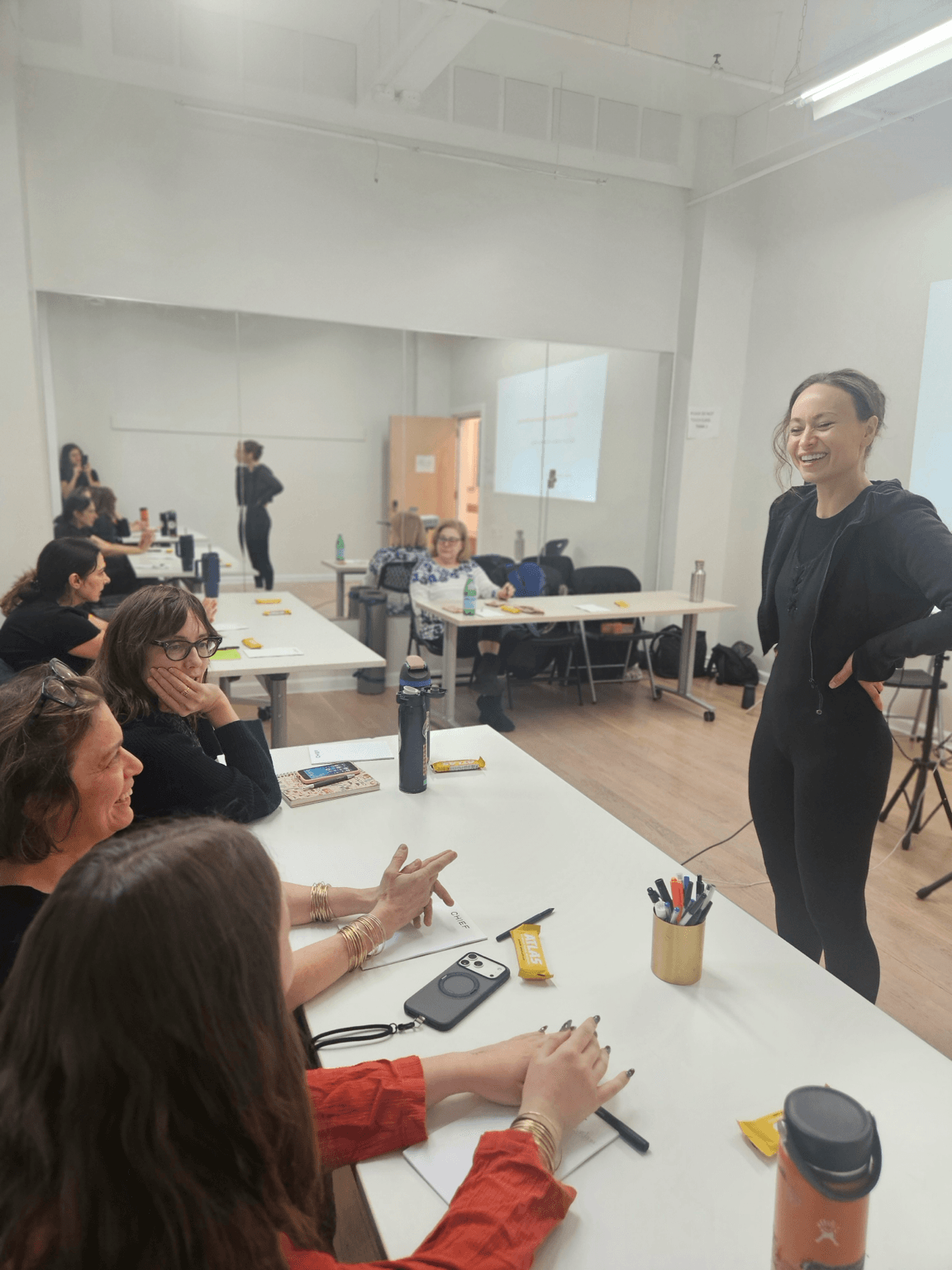
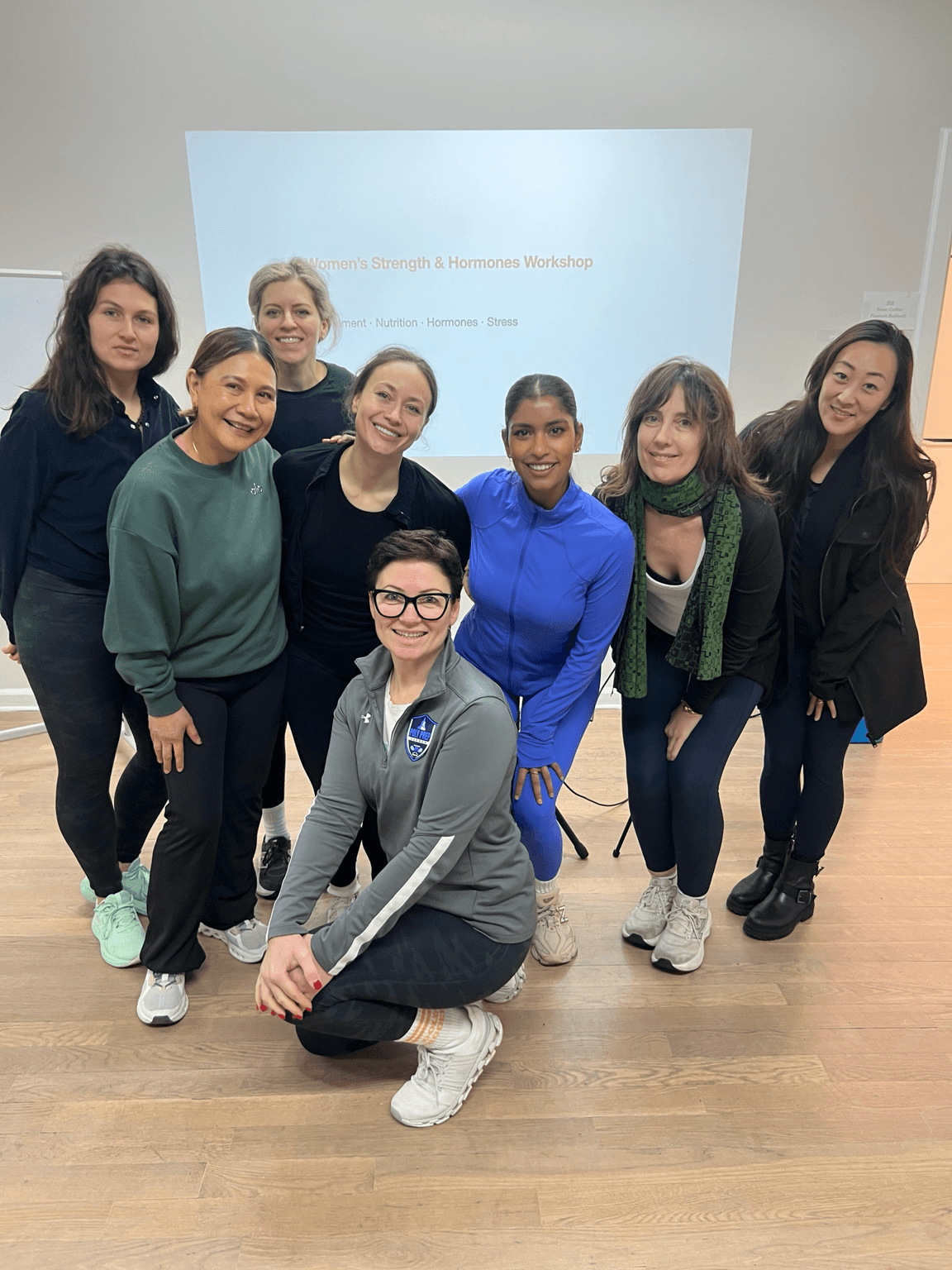
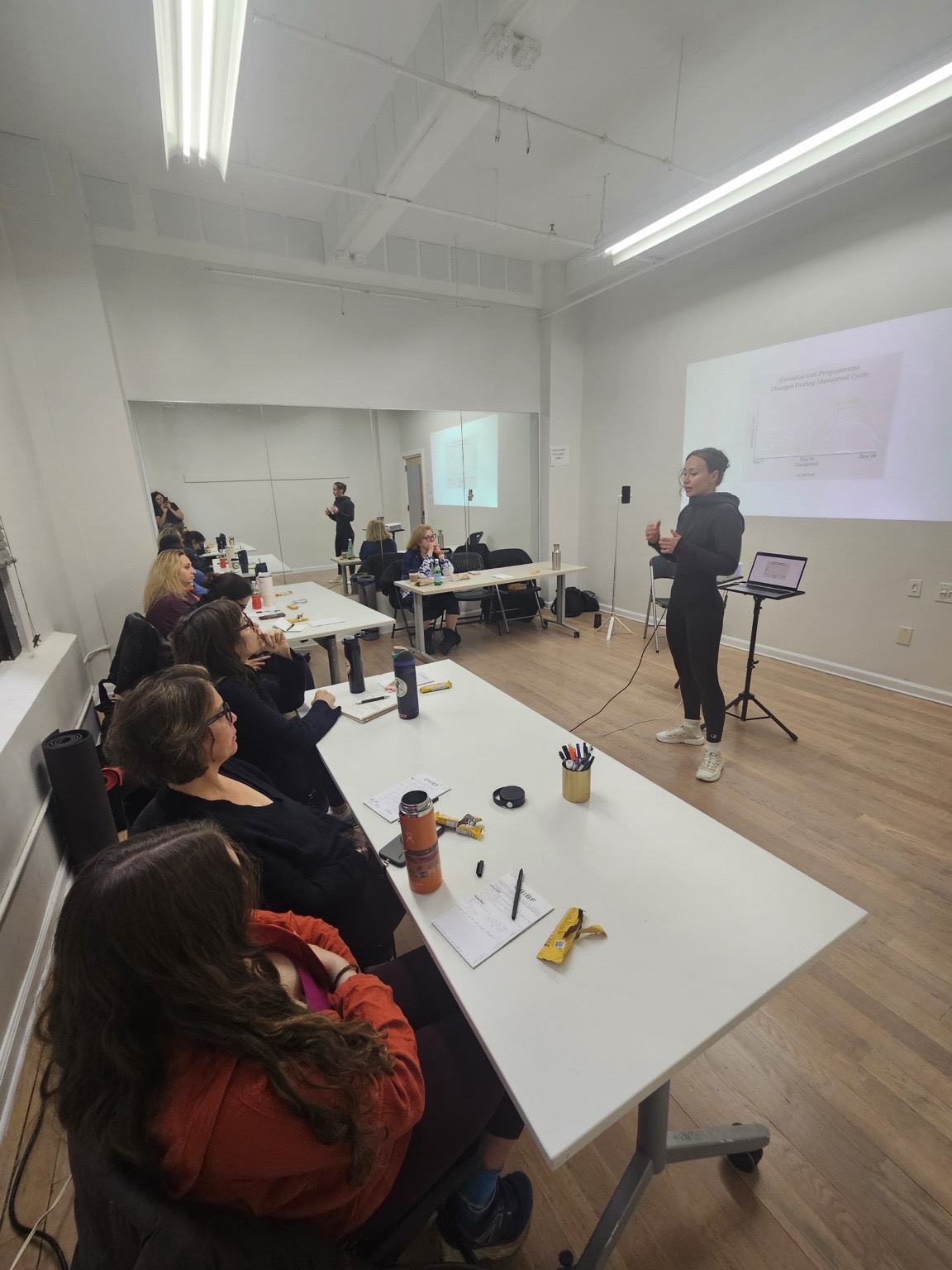
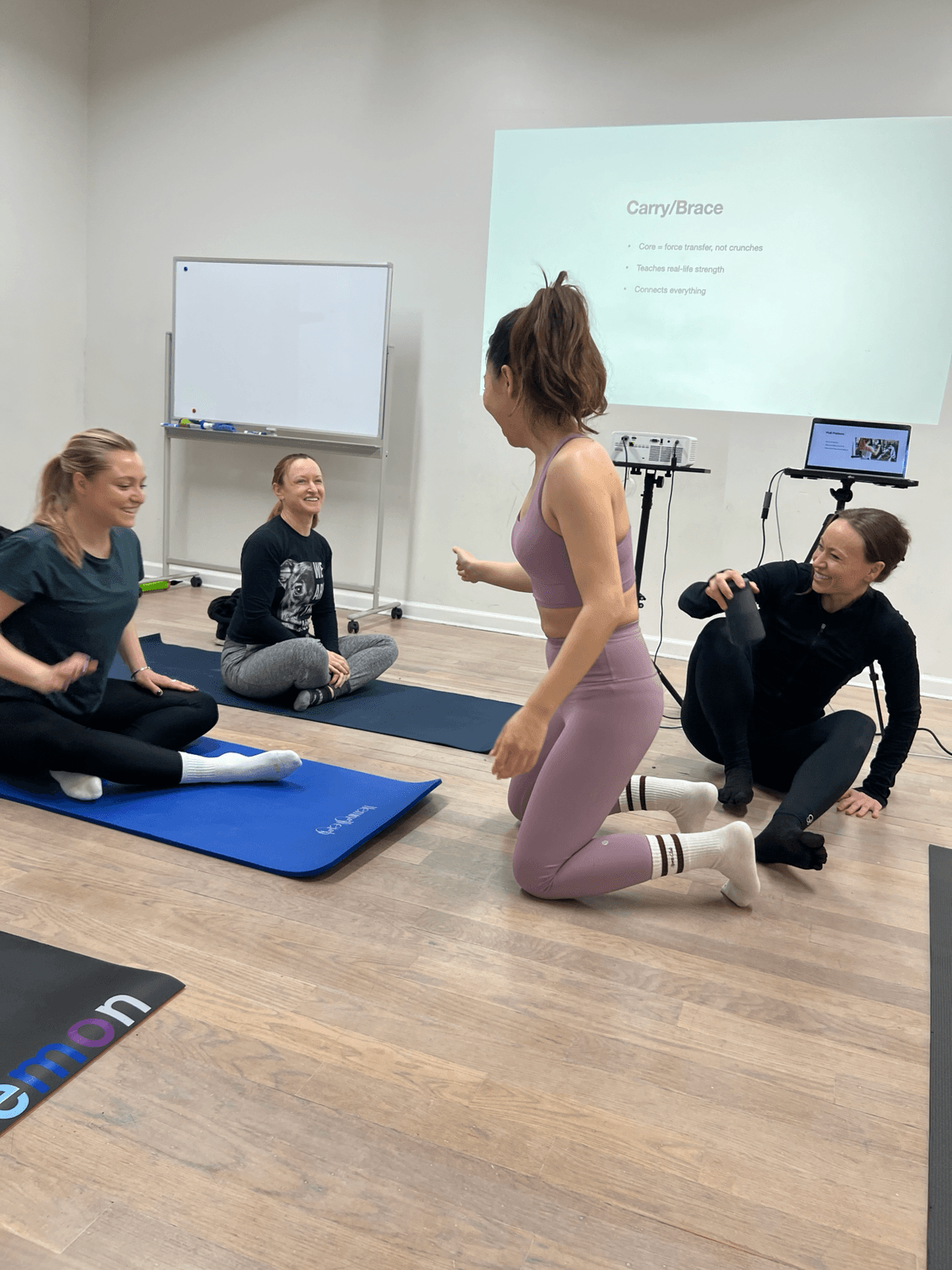
Education is also a major part of Women’s Strength Academy. Through our social platforms, we translate exercise science into simple, practical information women can actually use — from strength-training technique and muscle development to protein, bone health, perimenopause and menopause. We also hold small educational workshops in Manhattan where women can learn, ask questions and practice foundational strength movements in person.
As the Academy grows, we’re developing more structured educational programs as well. Our goal for 2027 is to introduce a Women’s Strength Academy educational program that takes women through the fundamentals of strength training, muscle and bone health, nutrition, recovery and training through midlife, with a certificate of completion at the end. I want Women’s Strength Academy to become not only a place where women can be coached, but also a place where they can genuinely learn how to take ownership of their strength and health.
What I’m most proud of is the community developing around this message. Women regularly tell us that our content changed the way they think about exercise — that instead of trying to become as small as possible, they now want to become stronger.
Ultimately, Women’s Strength Academy is about helping change the way women approach aging. We don’t believe getting older should automatically mean becoming weaker. We want women entering their 40s, 50s and beyond to understand that this can be a time to invest in their strength, build confidence in their bodies and prepare themselves physically for the decades still ahead.
Who else deserves credit in your story?
There are several people and organizations that have played very different but important roles in getting me here.
Focus Personal Training Institute in Manhattan gave me a strong foundation in personal training and helped me turn my interest in fitness into a profession. The NLP Center of New York added another dimension to the way I work with people. My training there in NLP and hypnosis deepened my understanding of behavior change, habit formation and the psychology behind why knowing what to do and actually doing it consistently are often two very different things. Those principles continue to influence the way I coach today.
Toastmasters has had an enormous impact on me personally and professionally, particularly my club, Extraordinary Talkers in Manhattan. Public speaking was once one of my biggest fears. Through Toastmasters, I learned not only how to communicate confidently in front of an audience, but also how to lead. I later served for a full year as President of Extraordinary Talkers, an experience that pushed me far outside my comfort zone and strengthened both my communication and leadership skills. Those experiences ultimately gave me the confidence to teach workshops, speak publicly and become a stronger voice for the mission behind Women’s Strength Academy.
I also owe a great deal to my accent-reduction and private-speaking coach, Tish Brandt of The Acting Studio – New York. Tish has more than 20 years of experience in the acting profession and a background as a certified secondary-school teacher. English is not my first language, and working with her has helped me become a clearer, more confident and more effective communicator. When you’re building an education-focused company and speaking to women both in person and online, being able to communicate an idea clearly is incredibly important.
Cre8ive NYC also deserves credit for providing the physical space where I’ve been able to bring the educational side of Women’s Strength Academy to life through our in-person workshops in Manhattan.
And finally, my clients deserve enormous credit. Working with women one-on-one has taught me things no certification or textbook ever could. Listening to their questions, frustrations, fears and successes helped me understand where the gaps in women’s fitness education really are. In many ways, Women’s Strength Academy has been shaped by the women it was created to serve.
Each of these influences contributed something different — technical knowledge, an understanding of human behavior, communication, leadership, a place to build community and, most importantly, real-world experience working with women. Women’s Strength Academy wouldn’t be what it is becoming without all of them.
Contact Info:
- Website: https://www.strengthacademynyc.com
- Instagram: https://instagram.com/strengthacademynyc
- Facebook: https://facebook.com/strengthacademynyc
- Youtube: https://youtube.com/@strengthacademynyc
- Other: https://share.google/0sQnKLi6dZmzNkCIg