





Today we’d like to introduce you to Matthew Hagg.
Hi Matthew, thanks for joining us today. We’d love for you to start by introducing yourself.
I grew up in martial arts, so a lot of my early lessons about discipline, responsibility, and leadership came from being on the mat.
I started training as a kid, and eventually earned black belts in Goshin Jitsu and Soo Bahk Do. Over time, I also started helping teach, which gave me a closer look at what actually goes into running a martial arts school.
The part most people don’t see is how much work happens off the mat.
Attendance, billing, parent communication, student progress. and keeping families connected.
A lot of great instructors are doing all of that with spreadsheets, notebooks, texts, and whatever system they’ve pieced together over the years.
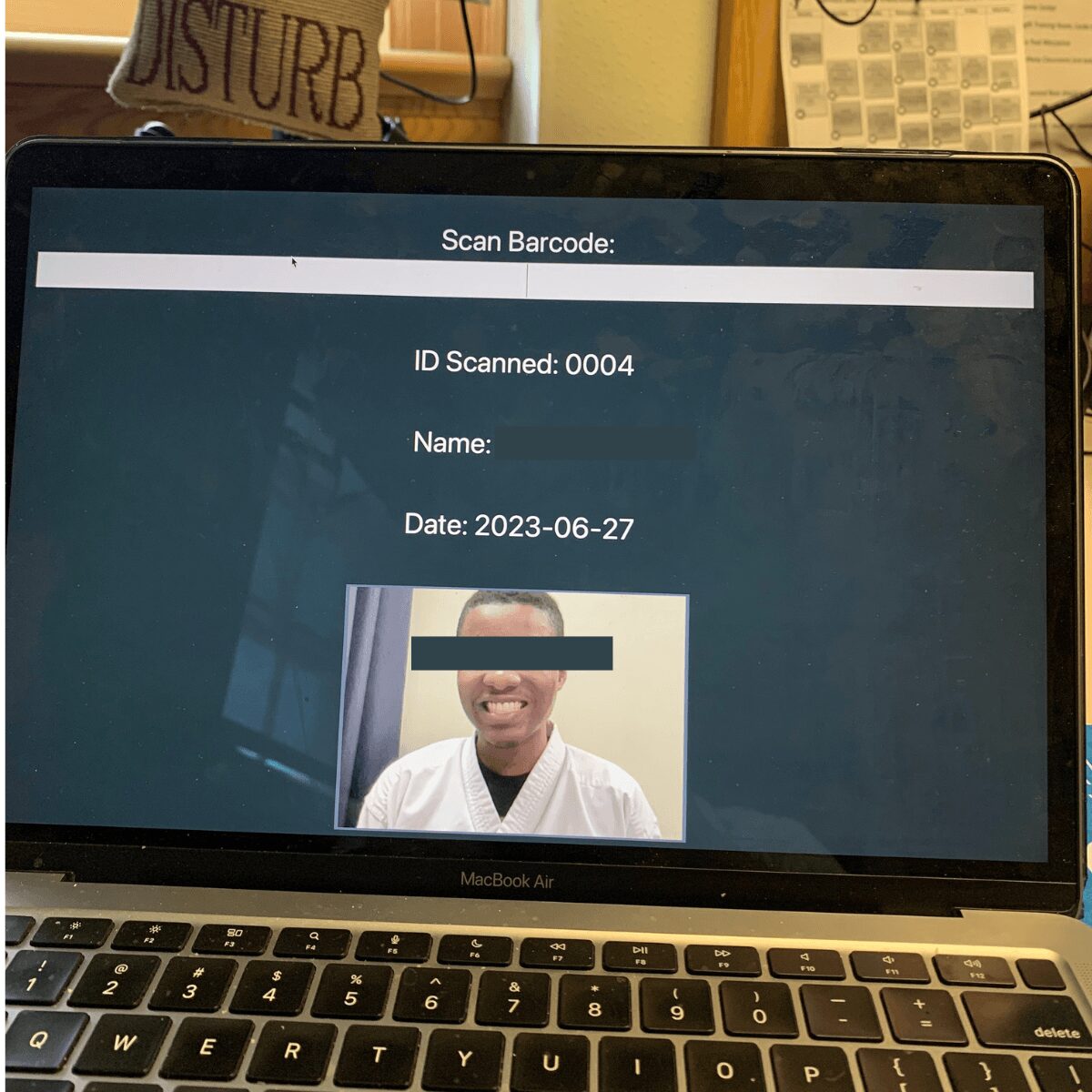
While I was at Kean University, I started building a simple barcode attendance tracker for the dojo. It wasn’t supposed to become a company at first. It was just a way to solve a real problem I kept seeing.
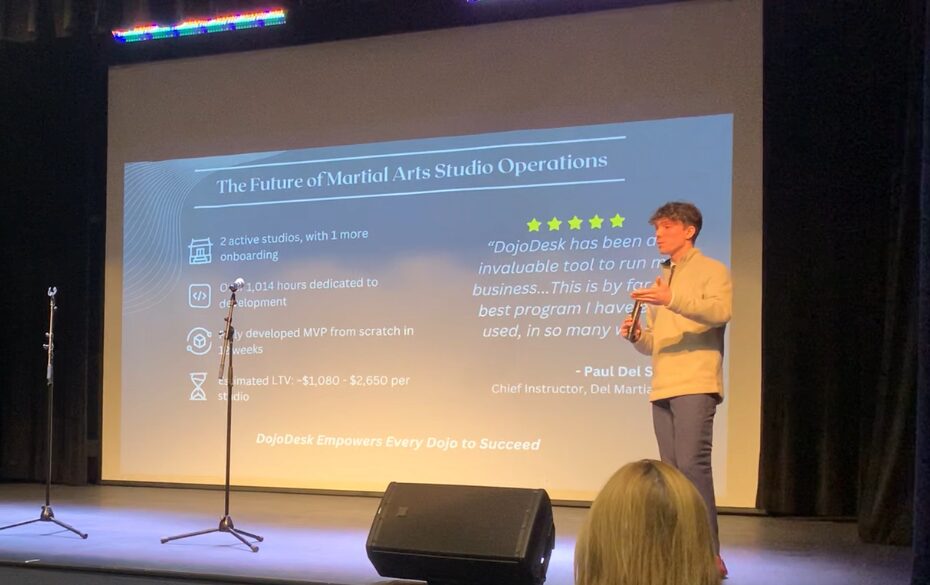
That project eventually became DojoDesk, a studio management platform built specifically for martial arts schools. I entered it into Kean’s Business Plan Competition and ended up winning, which gave me the push to take it more seriously.
Today, I work full-time as an Assistant Auditor and build DojoDesk outside of work. It’s still rooted in the same idea that started it: helping traditional martial arts schools spend less time buried in admin work and more time teaching, mentoring, and building strong students.
I’m still early in the journey, but I’m proud that the company came from a world I actually belong to, not from looking at martial arts schools as just another market.
Alright, so let’s dig a little deeper into the story – has it been an easy path overall and if not, what were the challenges you’ve had to overcome?
No, it hasn’t been a smooth road.
I started DojoDesk while I was still in college, and now I’m building it while working full-time, so the biggest challenge has probably been learning how to keep moving even when time and energy are limited.
There’s also been a big learning curve.
At first, I was just trying to solve one problem: tracking attendance better. As the platform grew, I had to learn how to build systems for billing, communication, student records, rank progress, and all the small operational details that matter inside a real martial arts school.
Another challenge has been learning the business side.
I’m a practitioner first. I didn’t come into this as a polished software founder with a big team behind me. I had to learn how to talk about the product, sell it, listen to feedback, and keep improving without pretending I had everything figured out.
The hardest part is probably balancing patience with urgency.
I know DojoDesk is solving a real problem because I’ve seen the problem in real schools. But building something trustworthy takes time. You can’t rush the foundation, especially when the people you’re serving are instructors who care deeply about their students and their school culture.
So no, it hasn’t been smooth.
But it has been meaningful.
Every challenge I’ve run into has forced me to get clearer about what I’m building, who I’m building it for, and why it matters.
Thanks for sharing that. So, maybe next you can tell us a bit more about your business?
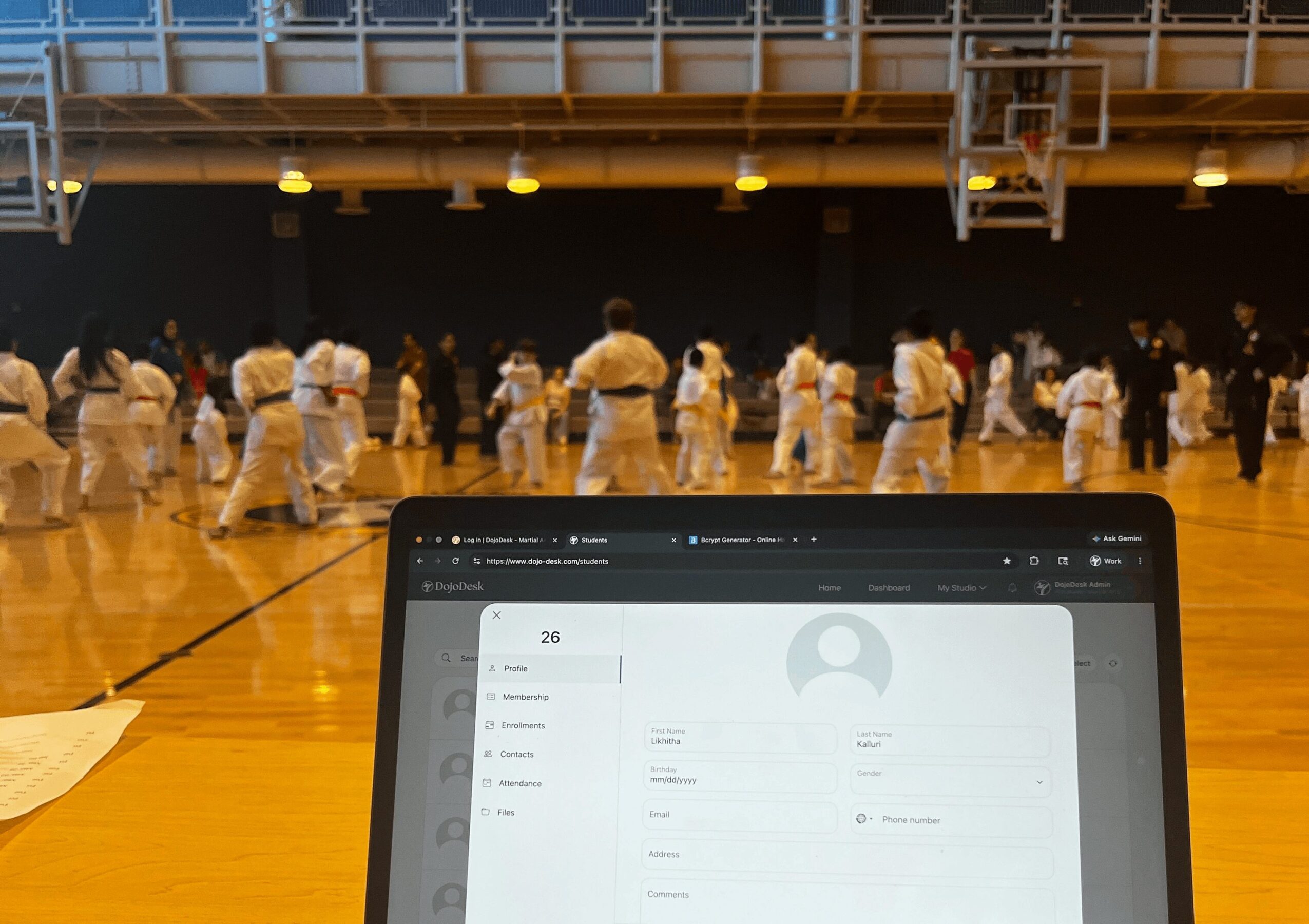
DojoDesk is a studio management platform built specifically for martial arts schools.
It helps school owners manage the daily operations that usually happen behind the scenes: attendance, billing, student records, rank progress, parent communication, referrals, and other administrative work that can quietly take time away from teaching.
But the bigger mission is about more than software.
DojoDesk is built around the idea that martial arts schools carry traditions worth protecting. Every school has its own culture, standards, teaching methods, rank requirements, history, and way of developing students. Those things can be hard to preserve when the owner is constantly buried in admin work, or forced to rely on tools that don’t understand martial arts.
What makes DojoDesk different is that it wasn’t built from the outside looking in.
I grew up in martial arts, earned black belts in Goshin Jitsu and Soo Bahk Do, and spent time helping and teaching classes. So the platform is being built with an understanding of how traditional martial arts schools actually work.
A martial arts school isn’t just a gym.
There are families, rank requirements class habits, student milestones, lineage and tradition, and long-term relationships between instructors and students.
Those are important factors to take into account when you’re building software for this world.
A lot of studio owners are still using spreadsheets, notebooks, paper attendance sheets, text messages, or general business tools that don’t really fit the way a dojo operates. DojoDesk is meant to bring those pieces together in one place without making the school feel corporate or impersonal.
One of our biggest goals is to help instructors detect problems early instead of only reacting after something has already gone wrong.
If a student starts missing class, the system should help the instructor notice before that student disappears completely. If billing issues are starting to build up, the owner should be able to see that clearly. If a student is falling behind in rank progress or losing momentum, that should be easier to catch while there’s still time to help.
The goal isn’t to replace the instructor’s judgment.
It’s to support it.
Brand-wise, I’m probably most proud that DojoDesk has a clear point of view.
It’s not trying to be everything for every type of fitness business. It’s focused on martial arts schools, especially small and traditional schools where the instructor is carrying a lot of responsibility.
Long term, I want DojoDesk to become a safeguard for the preservation of all types of martial arts. Not by controlling how schools teach, but by giving instructors better systems to protect their standards, notice issues earlier, keep better records, and spend more time passing down what matters.
I want readers to know that DojoDesk wasn’t built by an outsider trying to turn martial arts schools into another app category. It was built from years on the mat, real respect for the traditions these schools protect, and an understanding of the responsibility instructors carry.
The whole purpose is to help instructors spend less time buried in administrative work and more time teaching, mentoring, preserving tradition, and building strong students.
What are your plans for the future?
Looking ahead, my main focus is continuing to build DojoDesk into a platform that helps martial arts schools operate with more clarity and preserve what makes them meaningful.
The next stage is about making the system even better at helping instructors notice problems early.
If a student starts missing class, that should be visible before they quietly drift away. If billing issues are building up, the owner should be able to catch them before they become a bigger problem. If a student is losing momentum in their rank progress or class habits, the instructor should have a clearer signal while there’s still time to step in.
I believe that type of early detection is important, because martial arts schools are built on relationships.
A student leaving usually isn’t just a number on a report. It can mean a child lost confidence, a family disconnected, or an instructor missed a chance to help someone through a hard stretch.
I’m also looking forward to building more around the preservation side of DojoDesk.
Long term, I want the platform to help schools protect their traditions, history, standards, rank structures, and teaching methods. Every art has a story. Every school has a culture. I think software should help preserve that instead of flattening every school into the same generic business template.
Beyond the software itself, I’d also love for DojoDesk to give back to the martial arts community in other ways. That could mean sponsoring tournaments, supporting local events, helping spotlight instructors, or creating resources that preserve the history and culture of different arts.
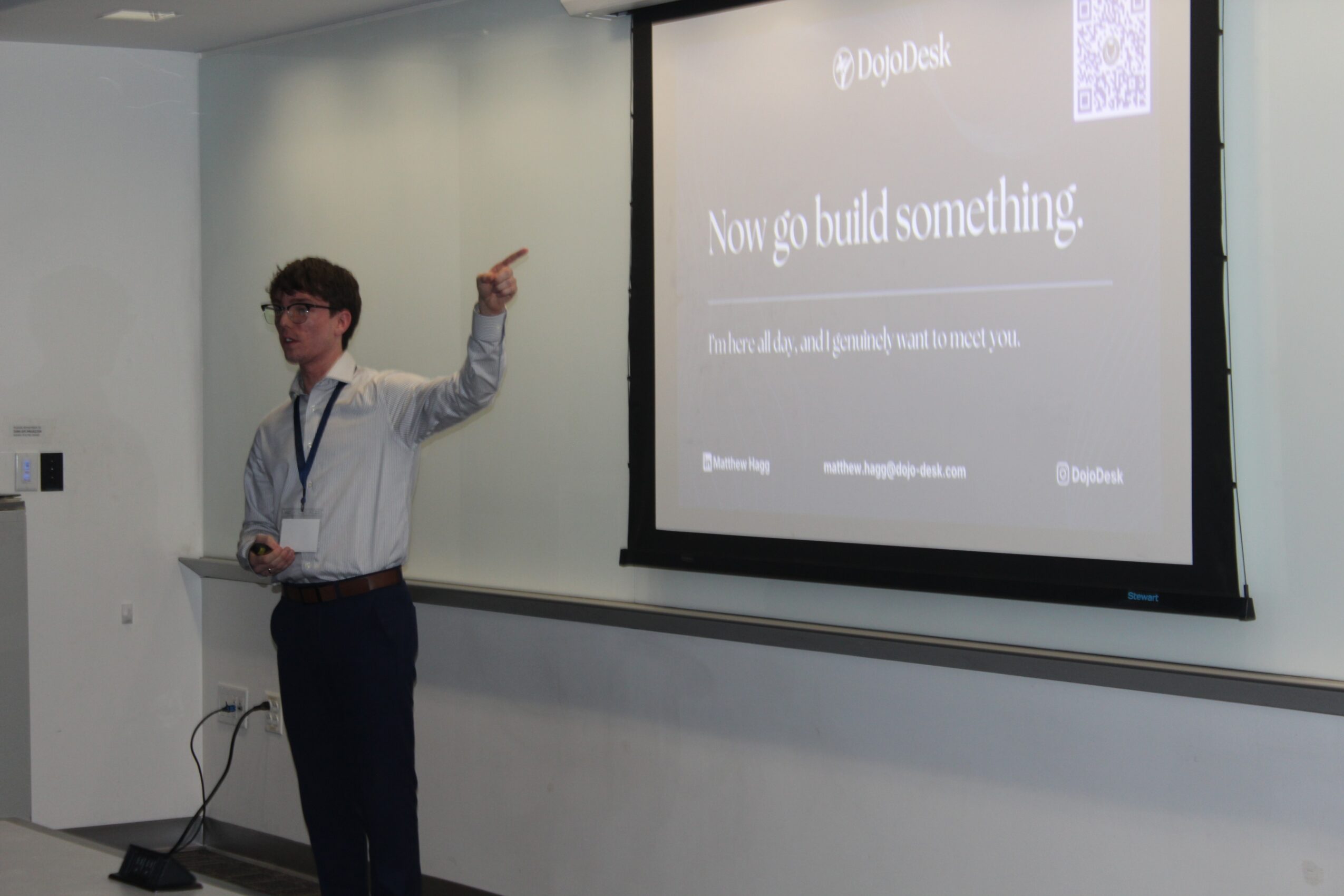
DojoDesk has already started looking for small ways to support the communities around it, including recently sponsoring a student hackathon. As the company grows, I want that mindset to grow with it.
There are also practical goals ahead: improving the platform, bringing on more schools, learning from instructors, and continuing to build something trustworthy one step at a time.
I’m still early in the journey, but that’s the part I’m excited about.
There’s a lot to build.
There’s a lot to learn.
And there are a lot of good schools that deserve tools built with real respect for what they do.
Contact Info:
- Website: https://www.dojo-desk.com
- Instagram: https://www.instagram.com/dojodesk/
- Facebook: https://www.facebook.com/people/DojoDesk/61578001464483/
- LinkedIn: http://www.linkedin.com/company/dojodesk
- Youtube: https://www.youtube.com/@dojodesk