





Today we’d like to introduce you to Nina Kaufmans.
Alright, so thank you so much for sharing your story and insight with our readers. To kick things off, can you tell us a bit about how you got started?
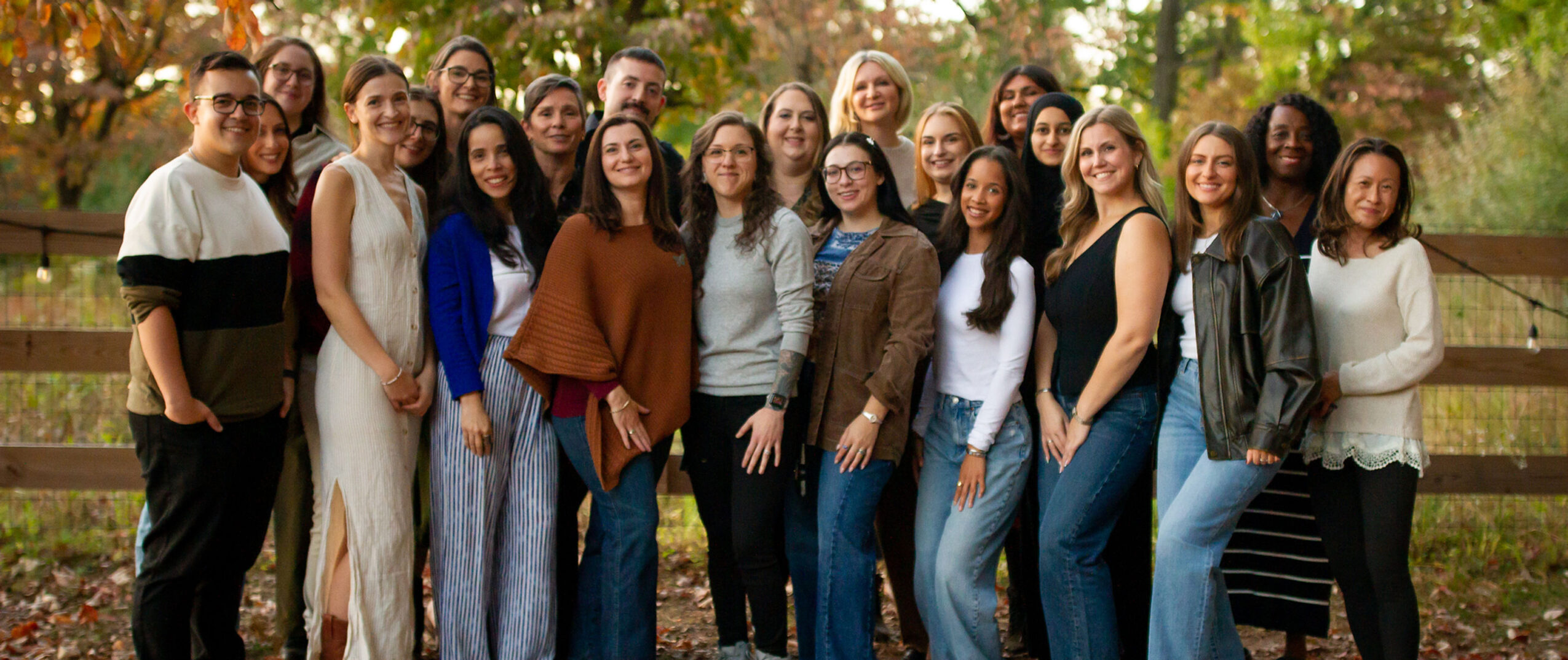
I did not seek out to become a business owner, what I tried to do is to close the gaps in providing quality, accessible, affordable, evidence-based trauma treatment from the qualified, trained professional. Working at the hospital, I saw many clients experiencing trauma, lacking follow-up providers, and therapists in the community whom they would see once they finish their healing at the hospital level. As a result, folks were cycling through the system, rejected by the therapist who only accepted cash pay, unable to secure a counselor to address their mental health concerns that would take their medical insurance, which they worked so hard to obtain and keep. After a few years of this, I was not able to stay aside, I opened my own private practice on the side, signed up for the insurance panels, and started taking clients at night and on the weekends. I was quickly filled and had to start turning people away from the immediate services. Soon after, I realized that the waiting list was not an answer and that people needed help now. I started to seek out qualified specialists in the community that would be willing to join forces and serve the clients together, taking insurance, making payment plans, anything to make the therapy accessible. Six years later, we have three locations, and close to thirty passionate therapists healing our state of NJ, one client at a time. We serve children, families, and adults, ages 5 to 95. We are continually growing and now educating young clinicians in training to become passionate quality providers in the community. Through our intern clinic, we can provide therapy to everyone, regardless of their insurance, ability to pay, or documented status. Through my business, Safe Place Counseling and Therapy Center, I am living the dream of never turning anyone away from seeking quality mental health care.
We all face challenges, but looking back would you describe it as a relatively smooth road?
This business venture has not been an easy road. The idea was a huge risk because I eventually needed to leave the hospital with secure, recurring income, in order to delegate all my time to the growing practice.
I had zero investors or any other financial support, so the pressure was enormous, but I didn’t step back. There was no system in the community to support trauma clients, so it was up to me to create one. I had to keep scaling up when I was exhausted and overwhelmed, but I didn’t because I thought about the clients that then, I wouldn’t then be able to treat.
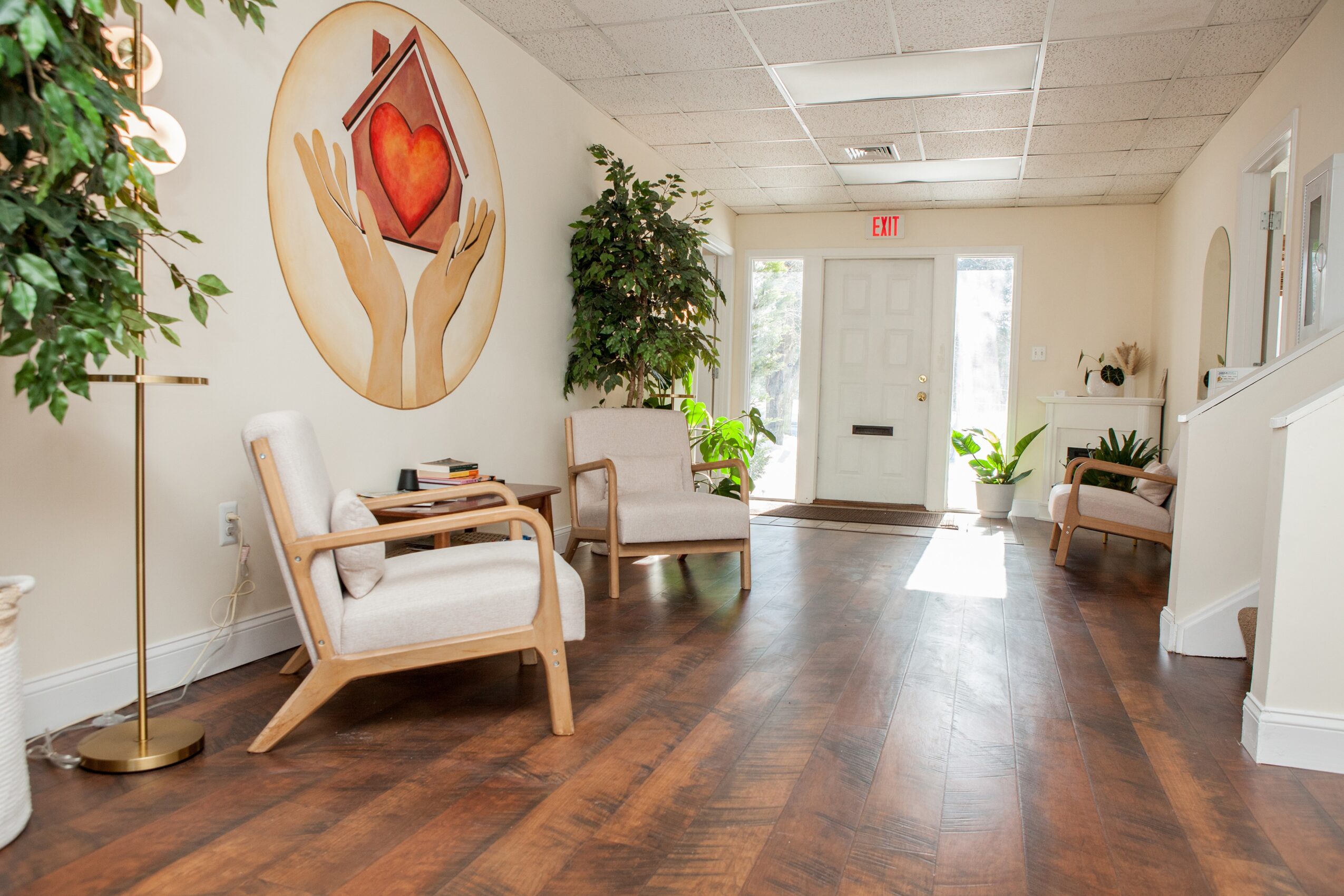
Safe Place Counseling and Therapy Center was never meant to be big; it was a mission-driven practice to support the clients who struggled to find care. I wanted trauma to be the starting point, not the afterthought during the assessment. I wanted to create a space where clinicians would also feel safe and respected, rather than being used as a means to increase revenue. I wanted a Safe Place to be a practice where the clients are not reduced to their diagnosis, clinicians to their license or expertise, but a group where everyone feels the safety of a home. Through the long days, countless hours, hard calls, and financial stress, I refused to lower the standards of care and turn away clients with complicated situations.
So the struggles are there, however the knowledge and the ability to serve override any chalenges that come along.
As you know, we’re big fans of Safe Place Counseling and Therapy Center. For our readers who might not be as familiar what can you tell them about the brand?
Safe Place Counseling and Therapy was built on a simple but deeply held belief: everyone deserves access to high-quality, trauma-informed care, regardless of their background, circumstances, or ability to pay.
We are a community-based mental health organization that provides psychotherapy and medication management across the lifespan—serving children, adolescents, adults, couples, families, and groups. While our services are broad, what defines us is not just what we do, but how we do it. Every aspect of our work is grounded in a trauma-informed lens. That means we don’t just treat symptoms—we seek to understand the underlying experiences that shape them.
We specialize in trauma-informed care and integrate evidence-based approaches such as EMDR, CBT, DBT, mindfulness-based interventions, and somatic therapies. One of the areas we are particularly known for is our work with stabilization and emotional regulation, including the integration of the Immediate Stabilization Procedure (ISP), an EMDR-informed intervention designed to reduce distress rapidly and safely. Our work emphasizes not only healing, but equipping clients with tools they can carry into their daily lives.
What sets us apart is our commitment to combining clinical excellence with accessibility. We intentionally serve individuals who are often overlooked or under-resourced, and we have developed a nonprofit arm to ensure that financial barriers do not prevent people from receiving care. At the same time, we hold a high standard for training, supervision, and ongoing professional development. Our clinicians are not only providers—they are continually growing, learning, and contributing to the field.
We are also deeply invested in education and community impact. Beyond direct services, we offer training, workshops, and collaborative programs that extend trauma-informed care into schools, community organizations, and professional spaces. We see ourselves not just as a practice, but as a hub for healing, learning, and connection.
Brand-wise, we are most proud of staying aligned with our mission. As we’ve grown, we have not compromised on our core values: being client-centered, trauma-responsive, and community-oriented. We have built a culture where clients feel safe, clinicians feel supported, and the work remains meaningful.
What we want readers to know is this: Safe Place is more than a name—it’s a commitment. It represents the kind of environment we strive to create in every interaction. Whether someone comes to us in crisis or for ongoing growth, they are met with care that is intentional, respectful, and grounded in both science and humanity.
Are there any apps, books, podcasts, blogs or other resources you think our readers should check out?
Anything you read from Bessel von der Kolk, John Kabat-Zinn, Pat Ogden, Janine Fisher, Richard Swartz, Stephen Porges, Gottmans, is a great place to start.
Contact Info:
- Website: https://www.safeplacecounselingandtherapy.com
- Instagram: safeplacecounseling
- Facebook: safeplacecounseling
- LinkedIn: Safe Place Counseling and Therapy Center