



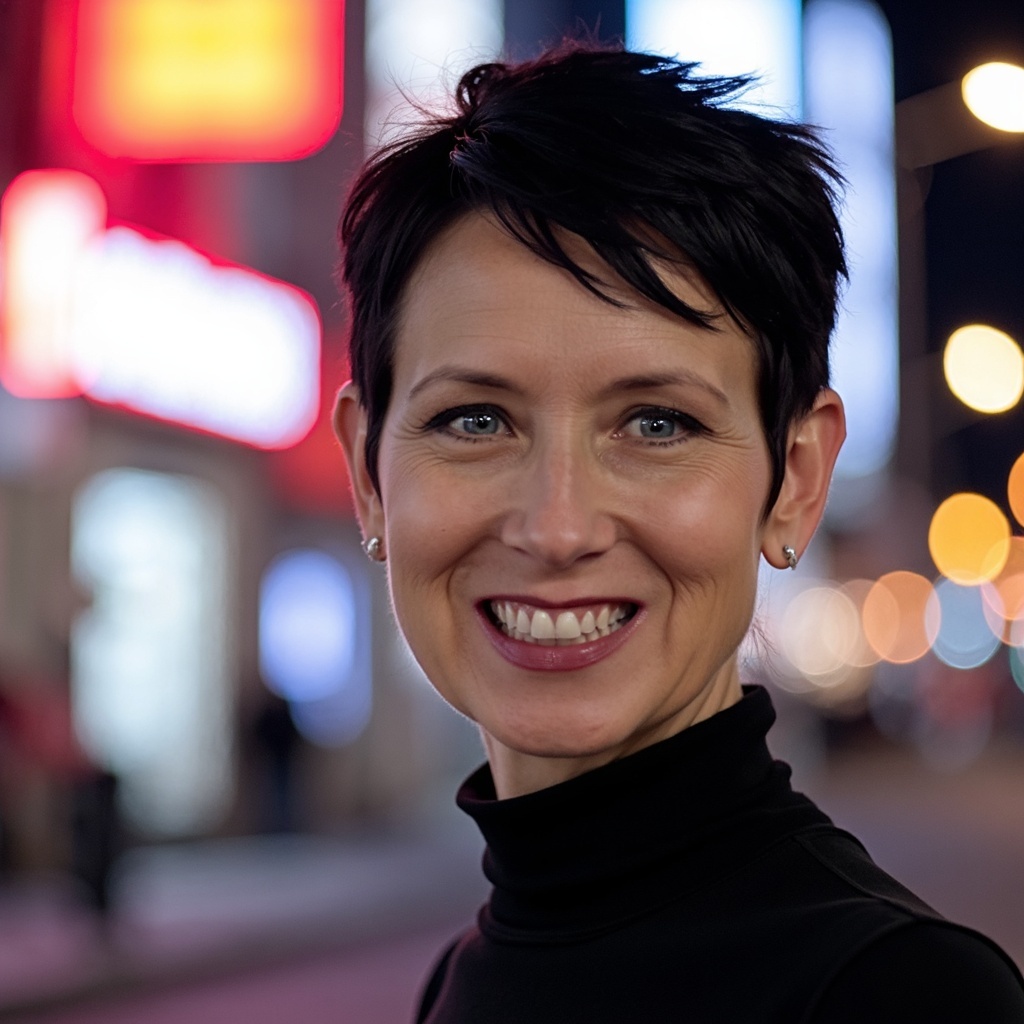
Today we’d like to introduce you to Tara Moughan.
Alright, so thank you so much for sharing your story and insight with our readers. To kick things off, can you tell us a bit about how you got started?
My path to working with The FAF Coalition wasn’t a straight line—it evolved from a mix of professional experience and a real pull toward community-based work.
I’ve spent most of my career in marketing, creative strategy, and events- helping brands tell their story, build engagement, and create meaningful experiences. In 2008, I relocated from Minneapolis to the East Coast, and that shift played a bigger role than I expected. Landing in a new place makes you look at community differently—you’re more aware of what’s missing, what’s possible, and where you might fit in. I had a strong desire to connect, contribute, and be part of building something locally.
That’s really where The FAF Coalition comes in. I became involved out of a shared belief that small cities deserve thoughtful, creative investment—and that you don’t need massive budgets to make something meaningful. You just need vision, consistency, and people willing to show up and build it piece by piece.
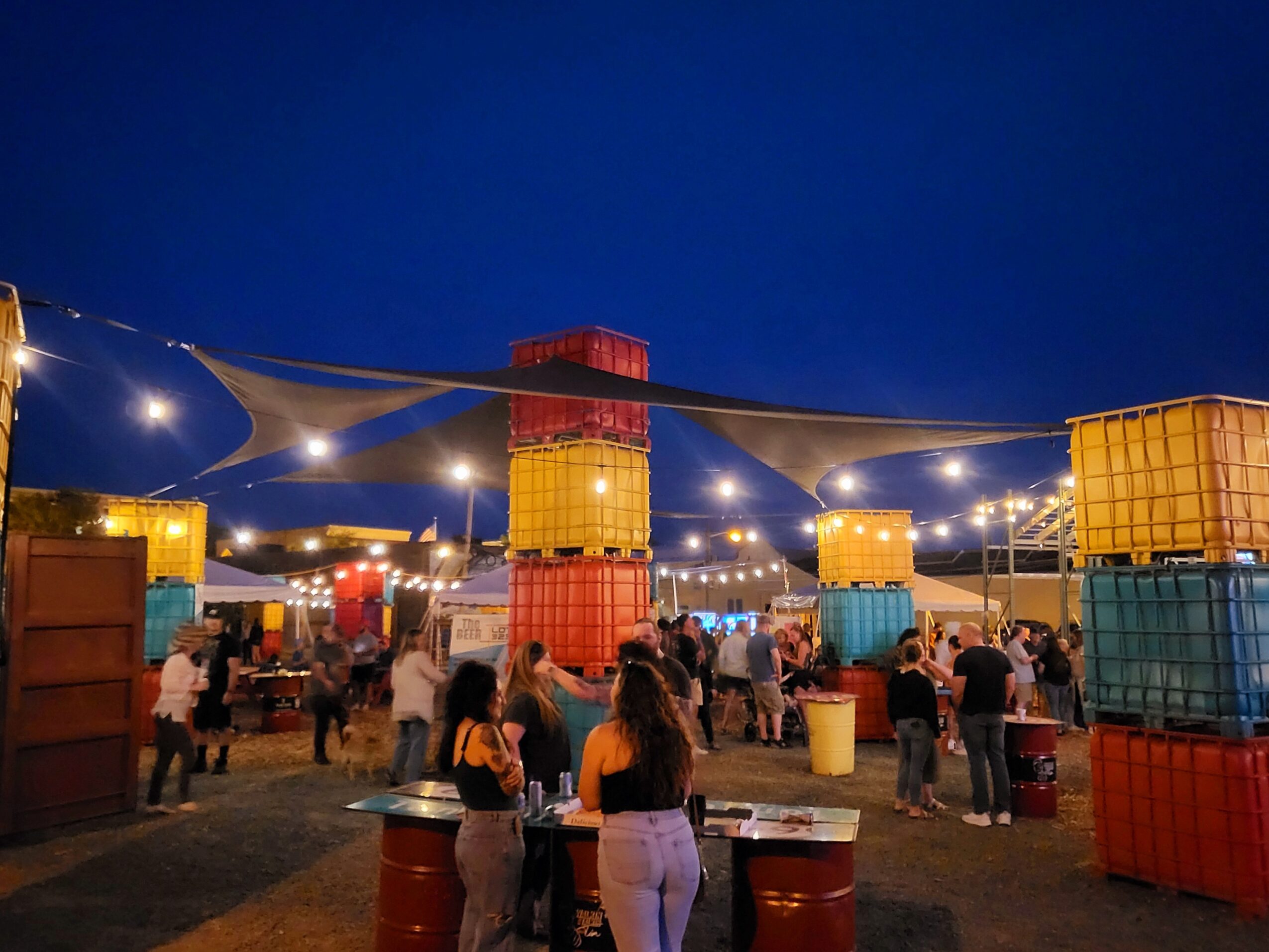
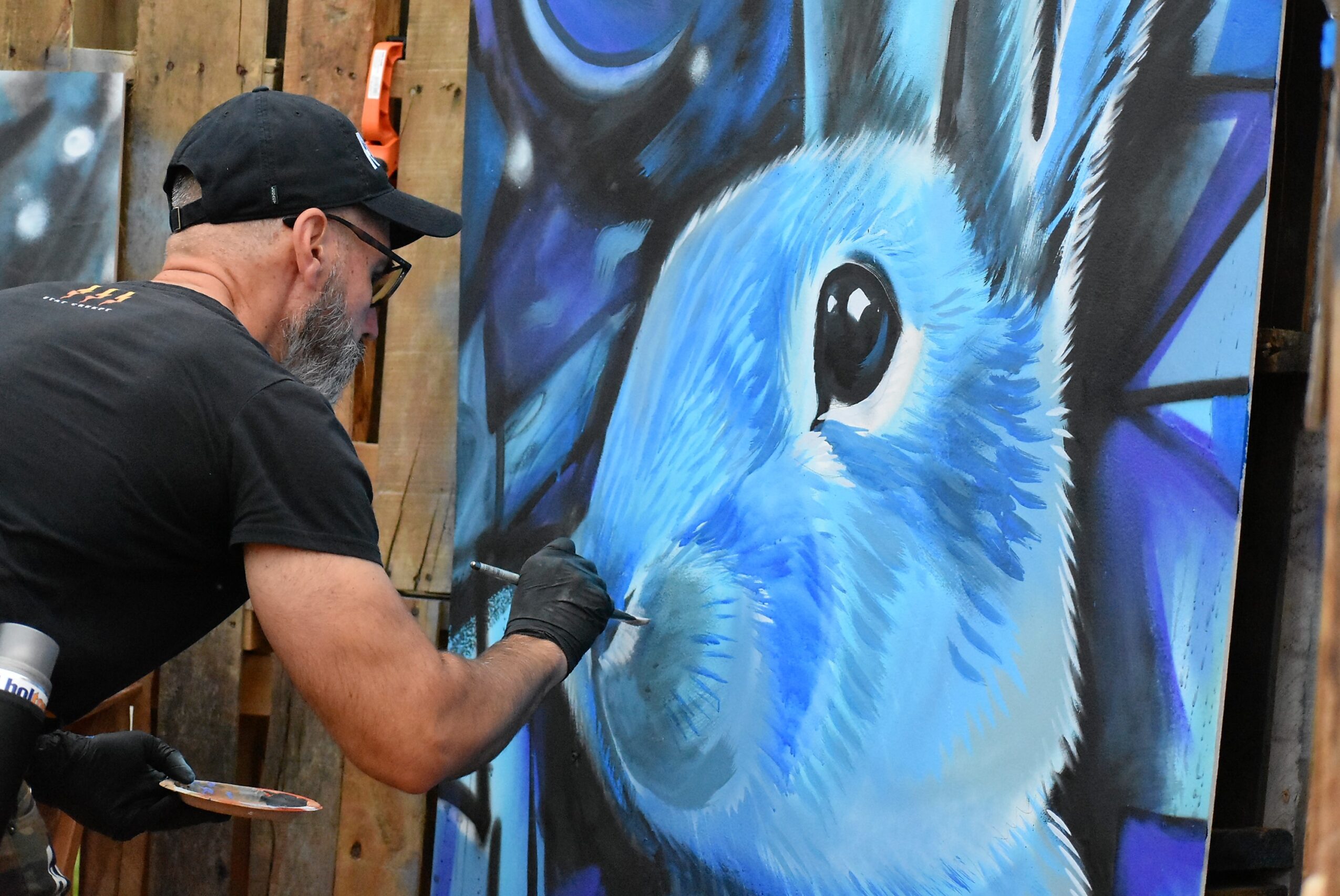
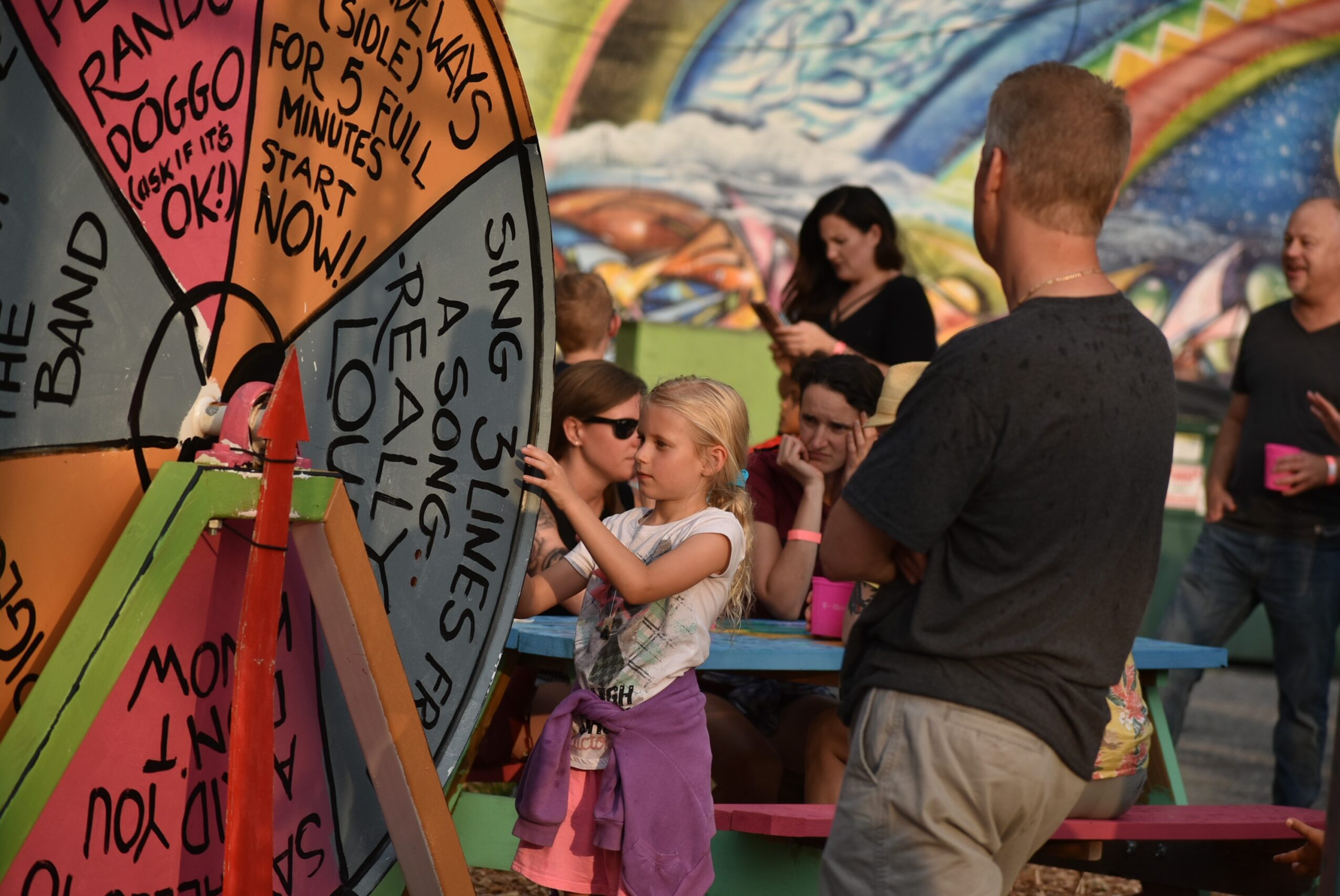
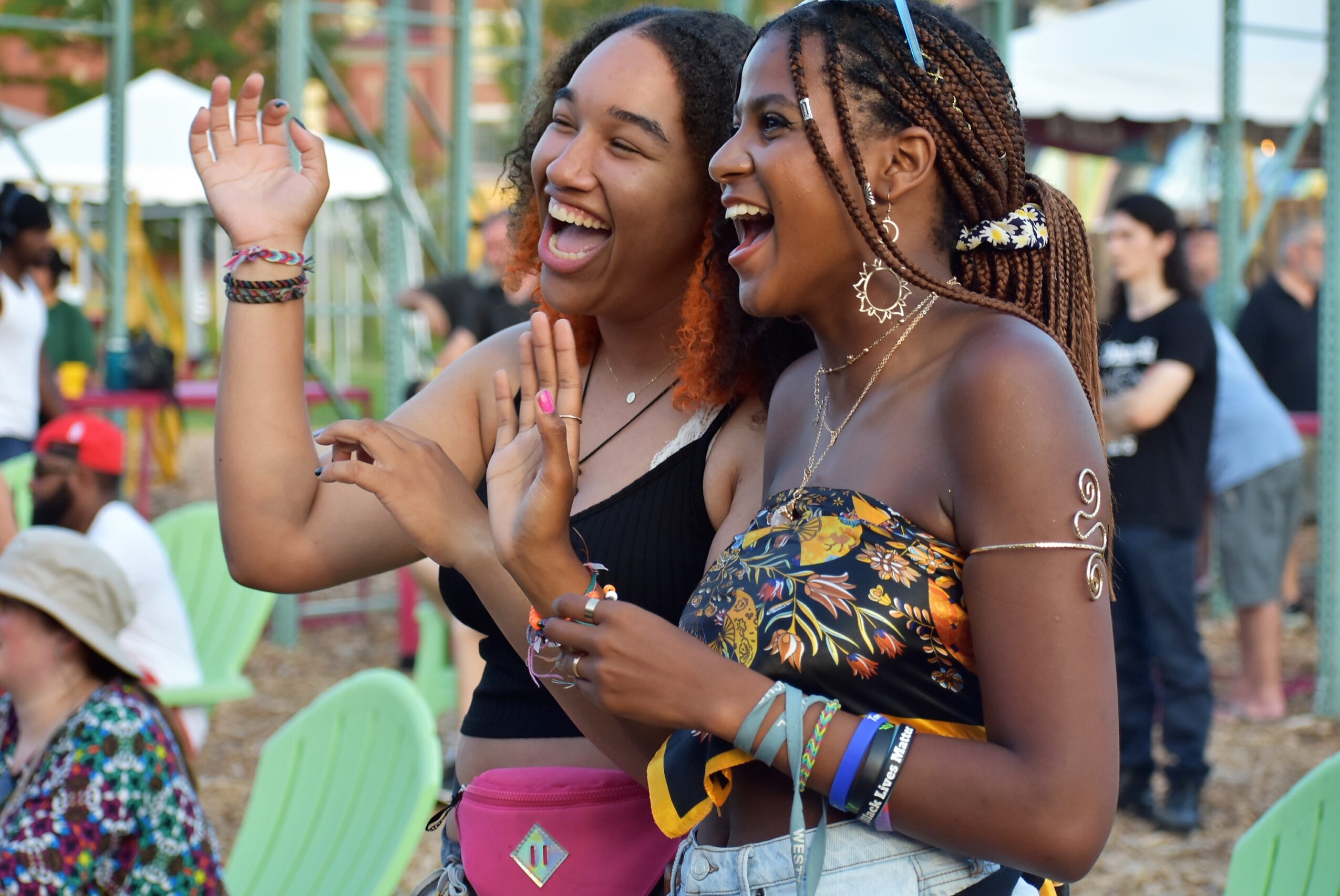
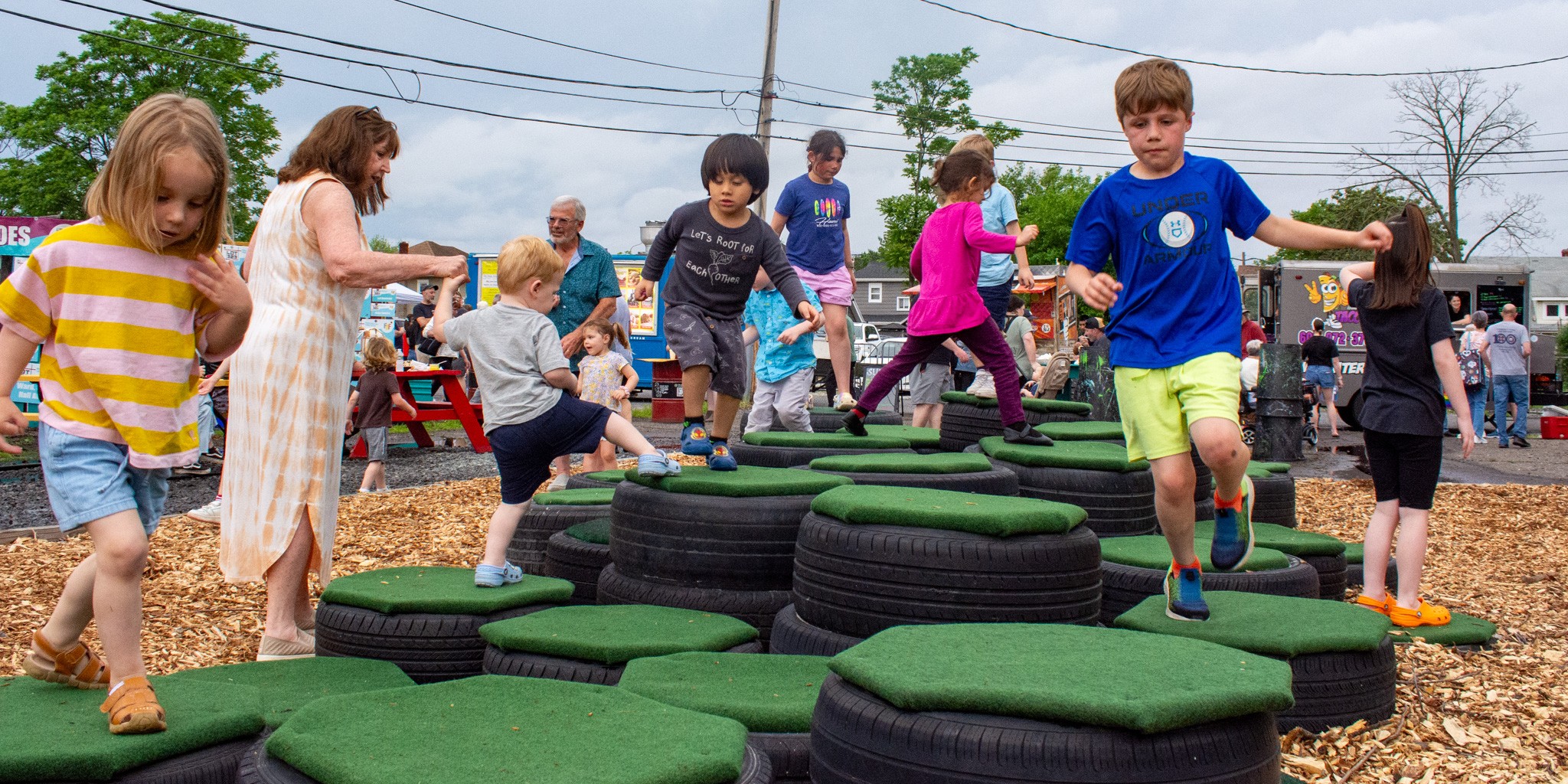
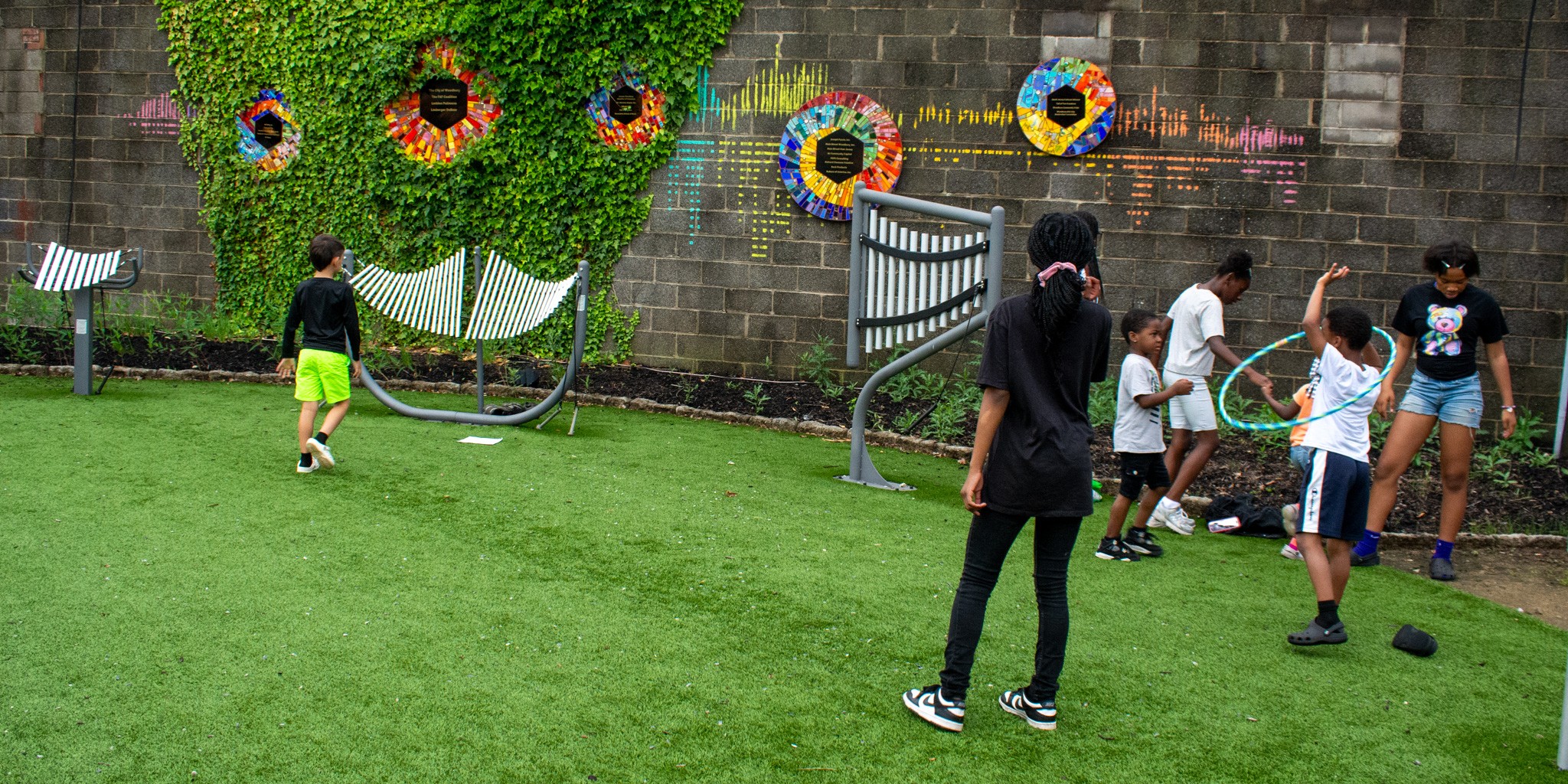
Through initiatives like LOT 323, we’ve been able to take underutilized space and turn it into something that feels alive—programming, art, music, small business support—all layered together in a way that reflects the community itself.
Today, my role is a blend of strategy, storytelling, and hands-on execution. It’s about shaping the vision, bringing partners to the table, and making sure what we’re building is not just exciting in the moment, but sustainable long-term.
It’s ongoing work—but that’s kind of the point.
We all face challenges, but looking back would you describe it as a relatively smooth road?
It definitely hasn’t been a completely smooth road—but honestly, that’s part of doing this kind of work in a real community.
One of the bigger challenges is that you’re often working within systems that weren’t designed for this type of creative, evolving use of space. You’re navigating decades-old ordinances, existing processes, and the realities of working with city council and administration—all of which move at their own pace and have their own priorities. That can require a lot of patience, flexibility, and persistence.
On a more personal level, not being originally “from” Woodbury added another layer. There’s always a period of earning trust—understanding the history, respecting what’s come before, and finding the right way to contribute without overstepping. That doesn’t happen overnight.
That said, the community itself has been incredibly welcoming overall. There’s a genuine warmth to the people here and a strong sense of pride in the town. At the same time, like any place, there are different perspectives on change, growth, and what the future should look like—and navigating those dynamics is part of the process.
The challenges have really forced us to be more thoughtful, more collaborative, and more intentional about what we’re building. It’s not always easy, but it’s made the work stronger—and more rooted in the community we’re trying to serve.
Great, so let’s talk business. Can you tell our readers more about what you do and what you think sets you apart from others?
My professional path has always centered around creating experiences—starting from the ground up and figuring out how to make them resonate.
I began by owning an event production company, REA Designs, where I was designing and executing events for clients. That evolved pretty quickly into wanting more control over the full concept, which led me to launch Toast Productions. Instead of just producing events, I was creating and owning them—things like Sample Circuit, a luxury tasting event built around a collaboration of top restaurants, high-end sponsors, and cause marketing; The Affair, a home entertaining expo; and Last Chef Standing, a live chef competition. Each one had its own identity, audience, and business model, which gave me a strong foundation in both creative direction and the operational side of building something from nothing.
After selling that company, I relocated to the East Coast in 2008 and started POPt Consulting. That shift moved me more into strategy—working with brands to define their voice, refine their positioning, and build marketing that actually connects. My client base has largely been in industries like event infrastructure and manufacturing, where the challenge is translating technical products into something compelling and marketable.
Looking back, the common thread is building—whether it’s an event, a brand, or a community initiative. The format changes, but the work is still about creating something that people want to engage with and be part of.
Can you talk to us about how you think about risk?
I’ve always leaned toward jumping in feet first. I’m naturally wired to get excited about what’s next and figure it out as I go. Earlier in my career, that probably looked like more gumption than strategy—but it was paired with a willingness to work hard and a strong instinct to build relationships.
Some of my biggest risks came from choosing to create something from nothing. Starting my own event production company, then shifting into owning and producing large-scale public events through Toast Productions—those weren’t small moves. You’re investing time, money, reputation, and hoping people show up—literally. There’s no guaranteed outcome, which is both the risk and the draw.
Selling that business and relocating to the East Coast was another major leap. Starting over in a new market, building a new network, and launching POPt Consulting meant stepping into a lot of unknowns again.
What made those risks manageable—and ultimately worthwhile—was the network I built along the way. I’ve always surrounded myself with people who are smarter, more experienced, or just willing to be honest. That support system gave me the confidence to take bigger swings.
Over time, my view on risk has evolved. I’m still comfortable with it, but now it’s more intentional. I think about risk less as something to avoid and more as something to structure—understanding the downside, building the right partnerships, and making sure there’s a path forward even if things don’t go exactly as planned.
At the end of the day, most of the meaningful things I’ve done started with a level of uncertainty. That’s usually a pretty good signal you’re onto something worth doing.
Contact Info:
- LinkedIn: https://www.linkedin.com/in/taramoughan/