




Today we’d like to introduce you to Guangmin Shen.
Hi Guangmin, we’d love for you to start by introducing yourself.
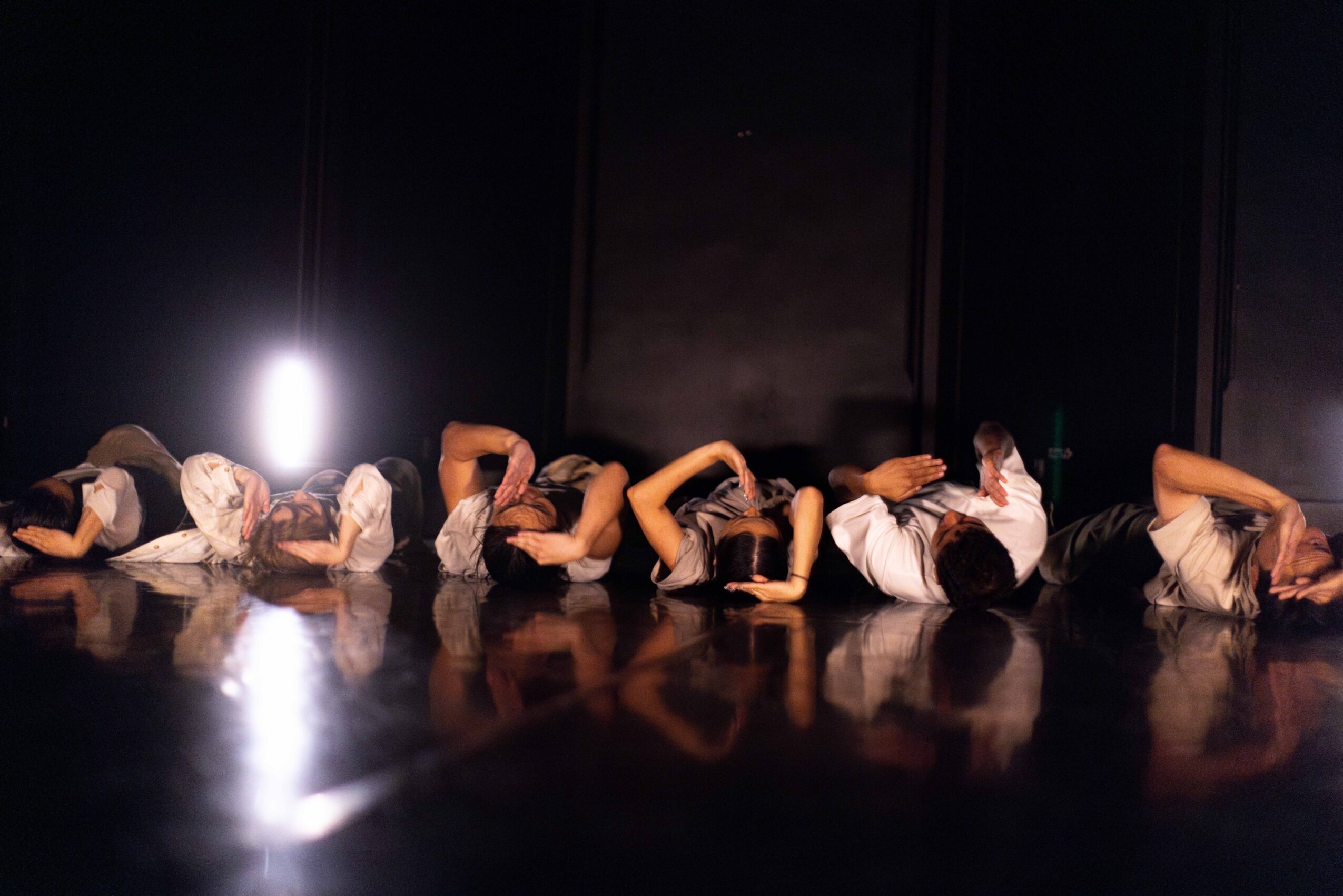
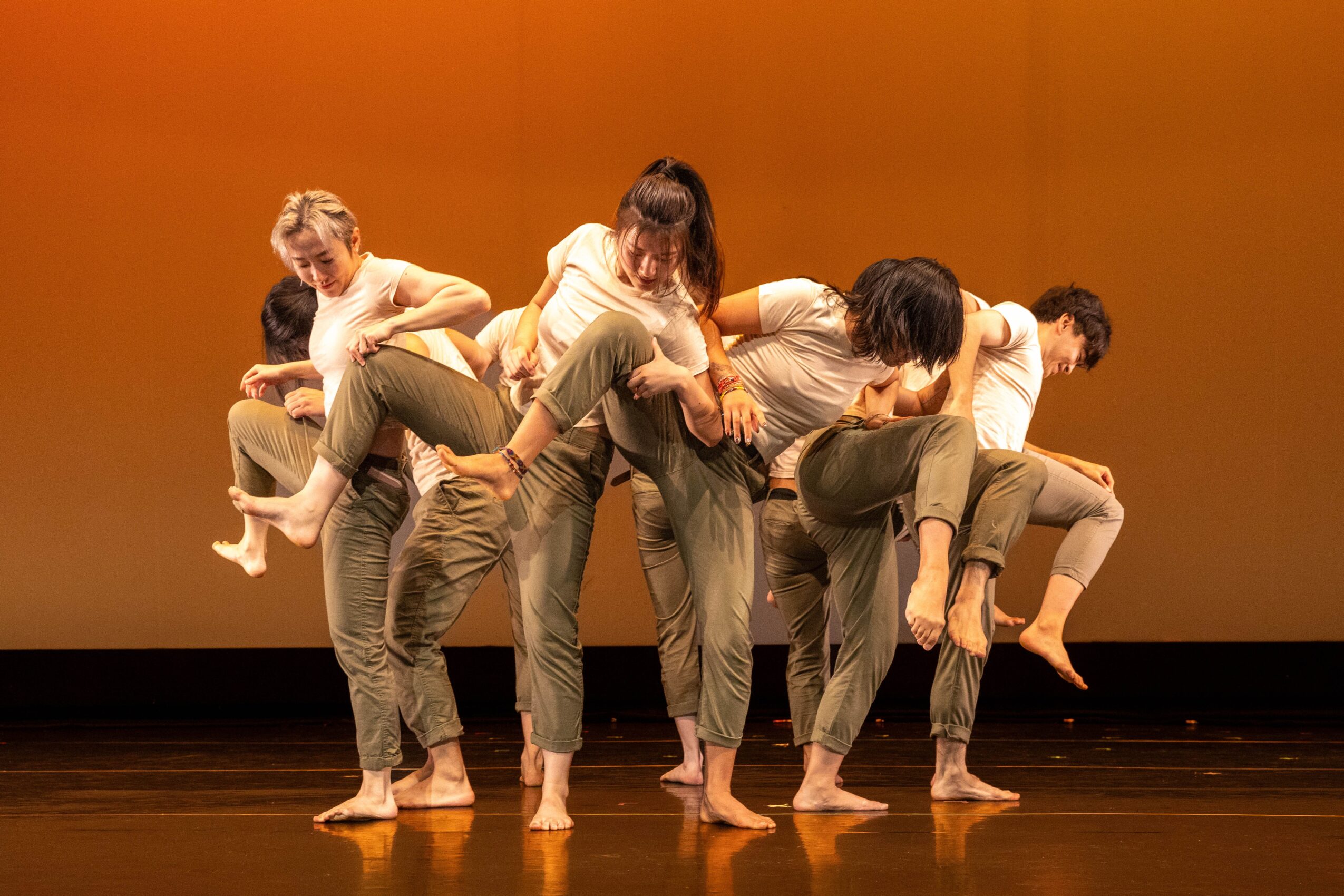
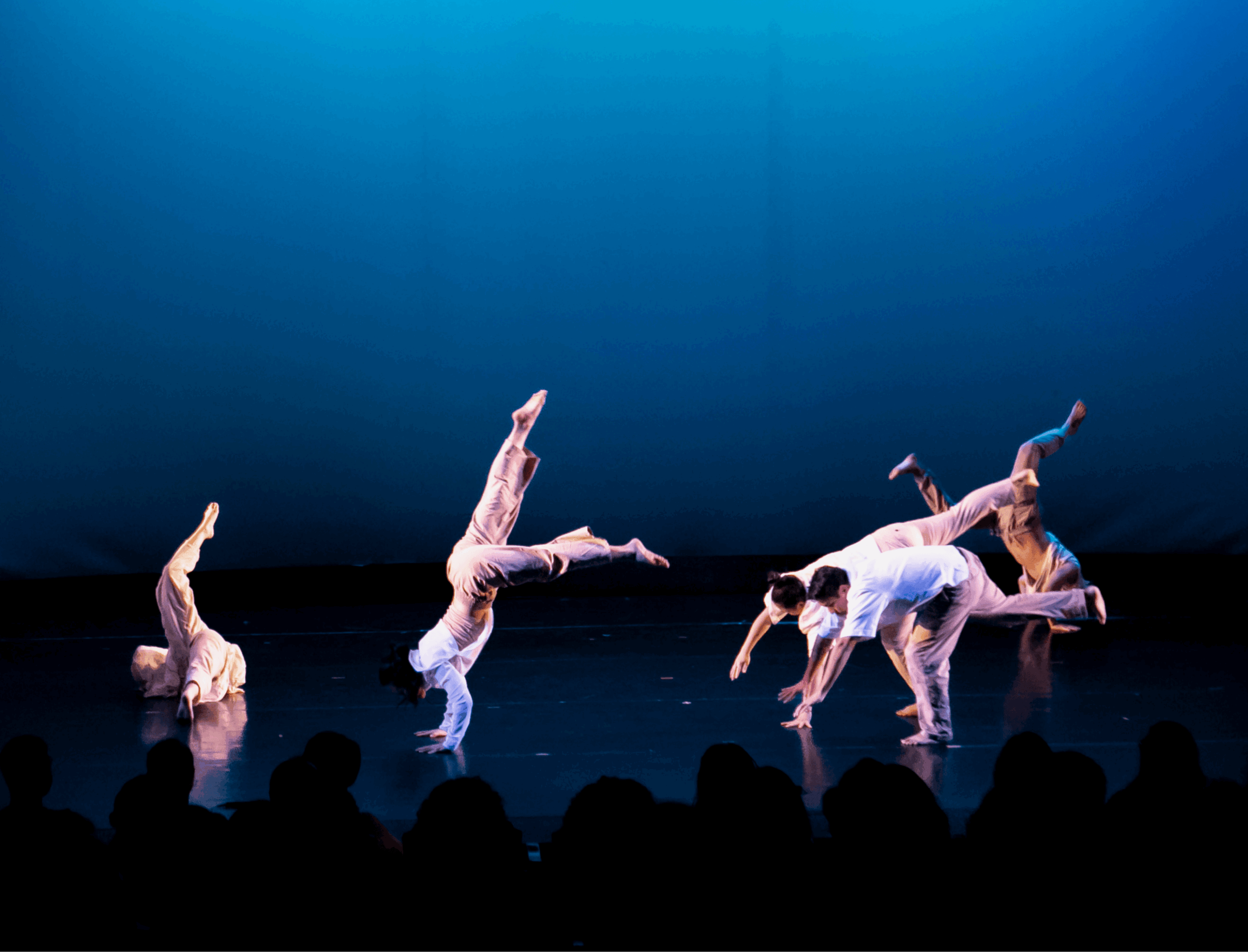
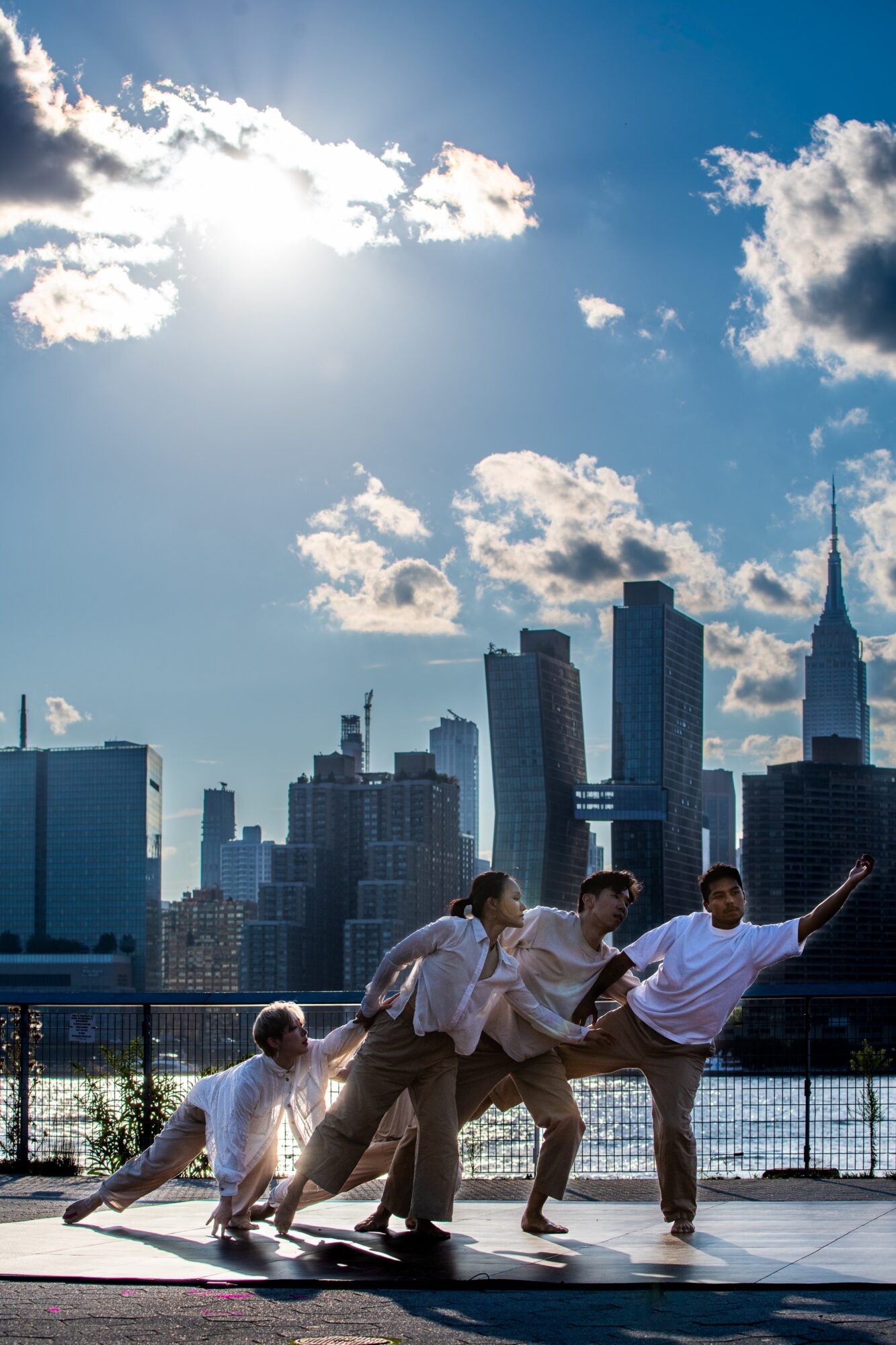
I’m Guangmin Shen, founder and director of Umami Playground Dance Inc., a New York City dance company bringing underground street and club dance into theatrical work.
My dance journey began in China in 2009 with popping, hip-hop, and choreography. After moving to New York City in 2016, I immersed myself in House dance while continuing to explore breaking and contemporary movement. Training with House pioneers and participating in club and battle communities shaped how I understand dance: through musicality, improvisation, individual expression, and connection.
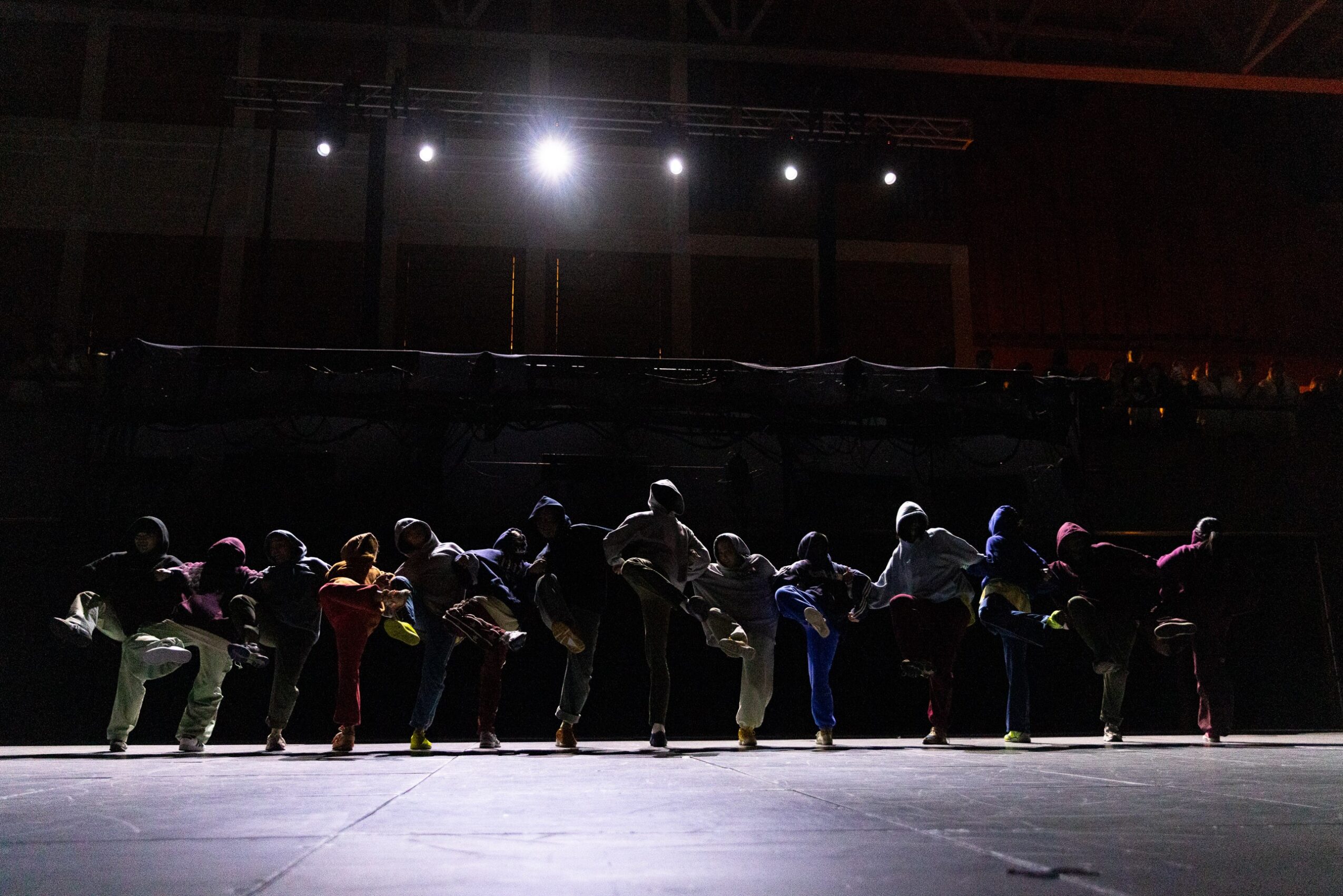
I founded Umami Playground in 2022 to explore how that spirit could live on a theater stage. Our ensemble brings together artists deeply rooted in street and club dance alongside dancers trained in contemporary and modern forms. Each person brings their own movement language, cultural background, and perspective. Our core values—play, make mistakes, and explore—give us room to discover what we can create together.
We bring the musicality, freedom, and individuality of underground dance into structured theatrical storytelling. Our process combines rigorous training with improvisation and movement research. Humor is a big part of our work, as is finding unexpected possibilities in familiar things.
The subjects we explore make our performances relatable to people across ages and backgrounds. Playground explores the freedom to play and the limitations we place on ourselves as we grow older. Elements of Life draws on East Asian symbolism associated with the days of the week to explore recurring experiences in our lives. Other projects investigate the clothes we wear and the chaos, beauty, and humor of living in New York City. These are experiences people can recognize and connect with, whether they are longtime dance audiences or encountering a dance performance for the first time.
Our cultural backgrounds are another important source of inspiration. As an artist born in China with Korean heritage, I’m interested in how traditions and personal memories can generate new movement and stories. Across the ensemble, that research has brought Korean gugak music, Korean traditional dance, Filipino folk dance, and Afro-Peruvian dance into conversation with street, club, and contemporary forms.
Since our founding, our performance highlights have included New Victory Theatre; the Smithsonian National Museum of Asian Art’s AANHPI Performance Salon; Usdan Summer Camp for the Arts; Atlas Performing Arts Center’s INTERSECTIONS Festival; Zimmerli Art Museum; and the finale of Amphibian Stage’s SparkFest. We have also presented work through Queensboro Dance Festival, including performances at Queens Theatre; Peridance Presents; Movement Research at Judson Church; Dixon Place; JCAL’s Making Moves Dance Festival; and the Chashama Gala. Our work has reached audiences at the SEIU International Convention at the Pennsylvania Convention Center, Northeastern University’s Revolution event, and NYC Pride. Along the way, we have also produced sold-out independent showcases, including Elements of Life at Gibney.
Alongside performing, we offer workshops and community programs that invite people into the creative process. As Umami grows, we want to deepen our relationships with theaters, festivals, museums, AAPI cultural programs, and organizations serving audiences of all ages. The goal is to share the depth and possibilities of street and club dance through work that invites people to laugh, recognize something of their own lives, and discover something unexpected.
I’m sure it wasn’t obstacle-free, but would you say the journey has been fairly smooth so far?
It definitely hasn’t been a smooth road. Funding has been one of our biggest challenges. When we started Umami Playground Dance Inc., dancers contributed money to rent rehearsal space and often performed without pay. That was common in the dance community around us: high application fees, pay-to-perform opportunities, and performing for “exposure.” When you consider the cost of living, ongoing training, rehearsal hours, and the time it takes to create a performance, that model puts a lot on the artists.
As we’ve become a more professional company, changing that model has become essential. More than half of our dancers depend entirely on dance work for their living. We registered as a C corporation and secured fiscal sponsorship through New York Live Arts, which has helped us qualify for more grant opportunities. Receiving the GO Queens grant from Flushing Town Hall in 2025 was an important step forward.
Keeping an ensemble together is another challenge. Of our original fourteen members, only two remain. Through auditions in 2025, we grew to fifteen dancers, bringing many new faces and perspectives into the company. Every transition takes time: we are building relationships, trust, and a shared movement language.
Training is a major investment. Around half of our rehearsal time goes toward developing the dancers’ foundations, particularly in street and club dance. That includes master classes with artists such as Sekou Heru and RoFlow. Bringing these forms into theatrical work carries a responsibility to stay connected to their cultures, histories, musicality, and communities. Those foundations remain central to our process.
Street and club dance are also underrepresented in the grant, theater, and concert dance festival spaces we navigate. At many festivals where we perform, we are the only company rooted primarily in these forms. It creates an opportunity to share something different, but it also means continually explaining our practice and helping people understand its depth and theatrical possibilities.
I’m deeply grateful for the support that has helped us move forward. Queensboro Dance Festival has been especially important in connecting us with people and paid work. Funding, performance opportunities, and support from SEIU, New Victory Theatre, the Smithsonian National Museum of Asian Art, Usdan, Flushing Town Hall’s GO Queens program, AAPI Dance Festival, JCAL, and Chashama have helped us cover rehearsal costs and pay our dancers. We have moved from a company where dancers had to contribute money to participate toward one where dancers receive pay. The compensation is still below where we want it to be, but that change matters.
We also receive so much support from the street and club dance community itself—the people we dance with, go clubbing with, and meet at battles and events. Those relationships keep us learning and connected to why we do this. Building a sustainable company is still an ongoing challenge, and every bit of support helps us create better conditions for the artists and continue developing the work.
Thanks – so what else should our readers know about your work and what you’re currently focused on?
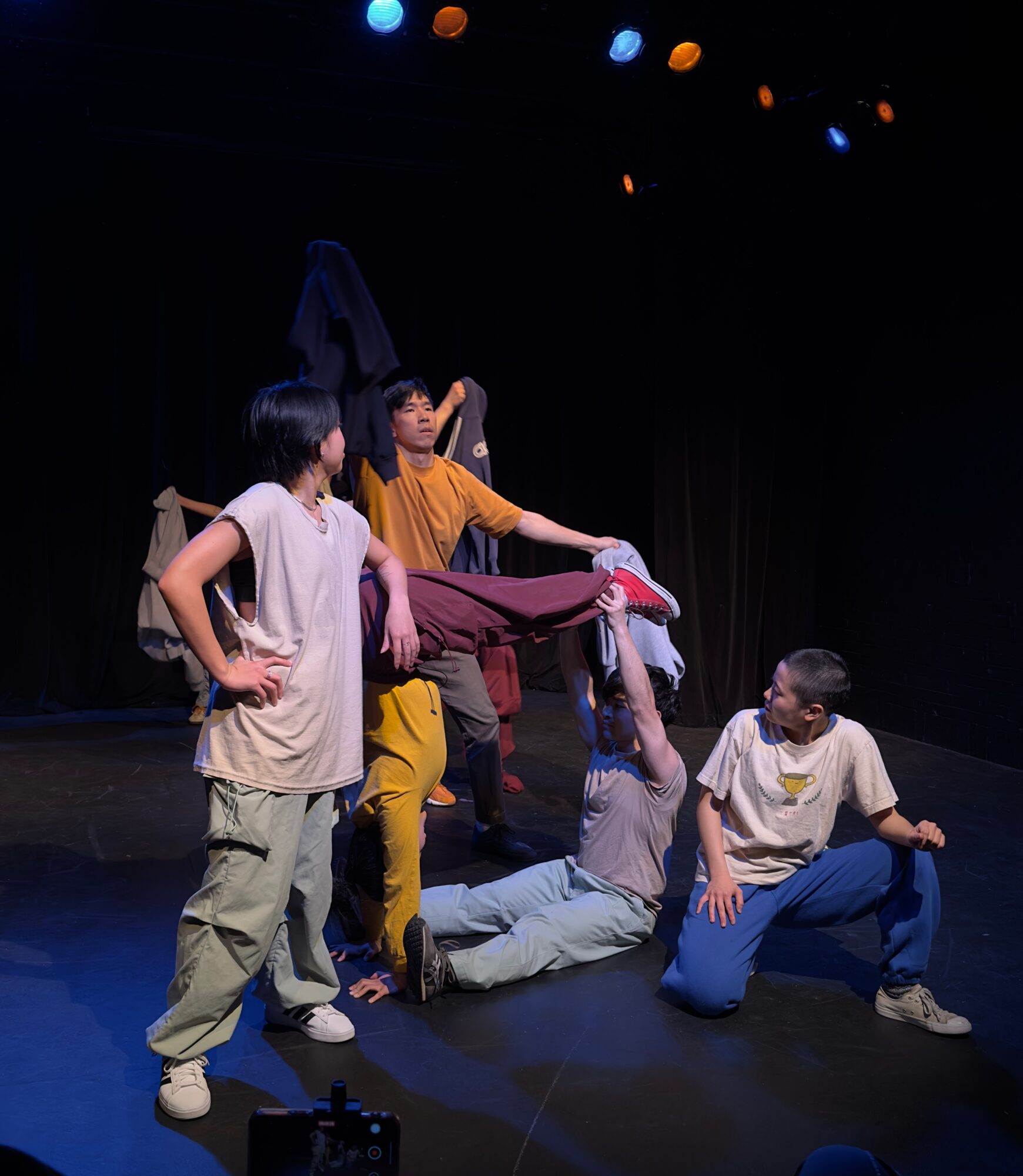
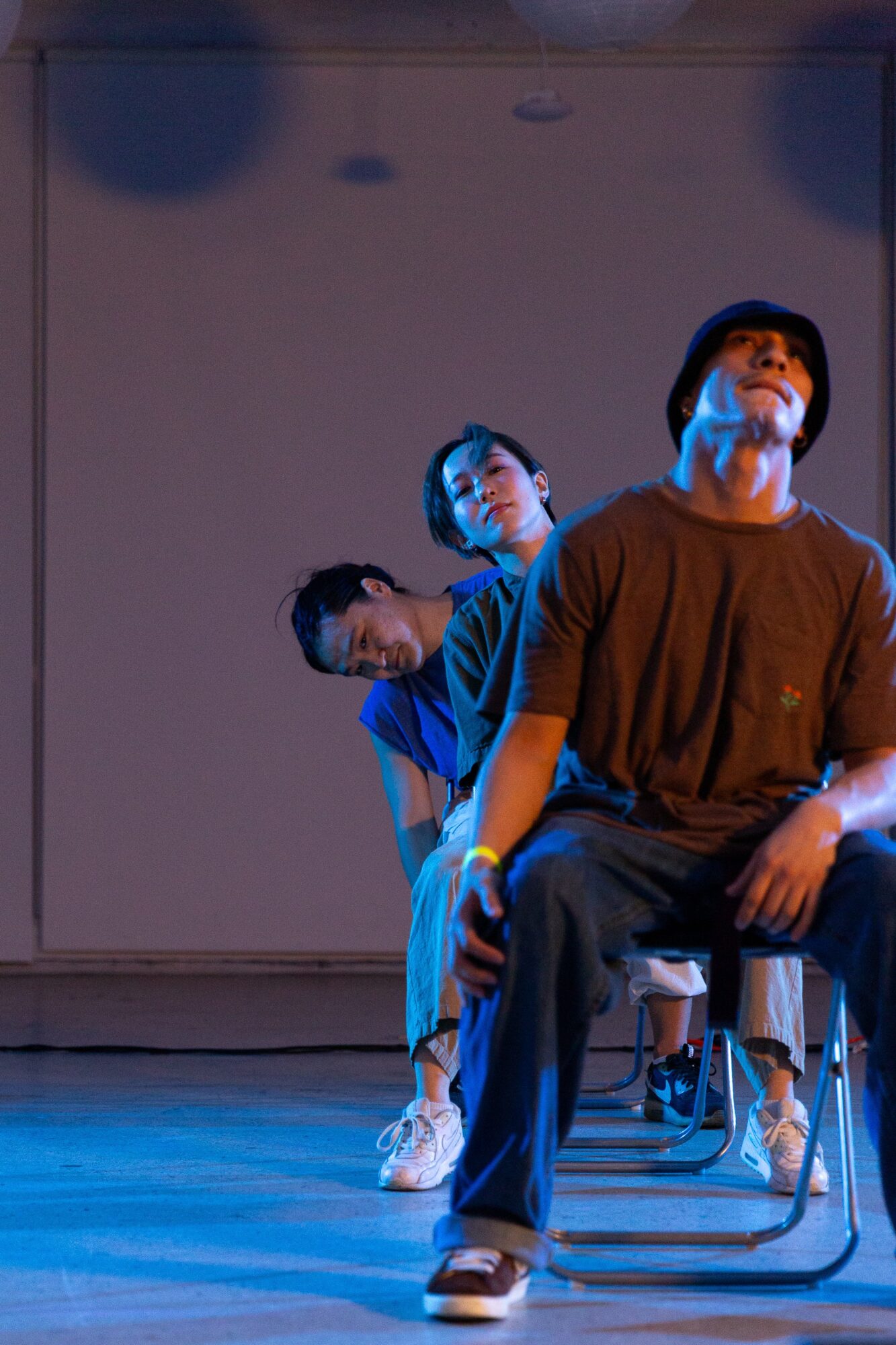
Umami’s works are street dance–based theater works, with storytelling, humor, everyday concepts, and our own cultures mixed in. We create through improvisation and experimentation, often starting with a very simple idea. It could be as simple as: How do we walk, fall, sit, or run? Or we might imitate how animals move, how an inflatable tube man moves, or how different clothing affects our movement. Sometimes we play with very ordinary props, like bands, balloons, tables, and chairs. Through those moments of play, we discover interesting movement phrases and stories that can grow into an entire evening-length piece.
I believe in simplicity and the power of play. Almost anything we play with can become something interesting to present onstage. I founded Umami partly because I wanted to get away from the pressure and strictness I often saw in the dance industry—the expectation that dancers must move in perfect synchronization, look clean, compete, or always make “elegant” movements. I wanted space to try things, be awkward, make mistakes, and discover something we didn’t expect. Play is our core value. That’s why the company is called Umami Playground Dance Inc.
We’re continuously creating. Our works include NYC, Elements of Life, Clothing, and Playground. Some are completed works, while others are still developing toward evening-length productions, with completion planned for 2027–28.
NYC is about the city we live in: the subway, crowded commutes, noise, expensive rent, and the different cultures and people sharing the same space. There’s so much chaos, but also beauty and humor. Excerpts have been presented at AAPI Dance Festival’s Rising Stars showcase and Atlas Performing Arts Center’s INTERSECTIONS Festival in Washington, D.C.
Elements of Life explores the days of the week through their East Asian associations with the moon, fire, water, wood, metal, earth, and sun. We connect those elements with everyday feelings and experiences, bringing Korean, Filipino, and Afro-Peruvian cultural dance influences together with street and contemporary dance. We presented the ninety-minute work in a sold-out show at Gibney, a sixty-minute version as the finale of Amphibian Stage’s SparkFest in Texas, and excerpts at the Smithsonian National Museum of Asian Art.
Clothing started with watching a tube man and wondering what oversized clothes could do to our movement. That grew into experiments with different shapes, textures, and garments: oversized clothing, tight clothing, pajamas, traditional clothing, and accessories. Excerpts have been presented at Queensboro Dance Festival, Boston’s Elements event, Spark Theatre Festival, and Peridance Presents.
Playground is directly connected to why the company exists. As we grow older and learn more, we sometimes put more limitations on ourselves. Even in dance, we can become so used to our training that we forget to explore. Set to Korean gugak music, the work asks us to let go of judgment and play again. We premiered it at Chashama’s Anita’s Way and have also performed it at New Victory Theatre and Usdan Summer Arts Camp.
We also collaborate closely with our dancers. In street and club dance, you really have to work with the person. We personalize these styles so much that someone else can’t simply replace a dancer and move exactly like them. We celebrate individuality. That can be challenging when building a stage work, but it’s also what makes it so unique and valuable.
In the theater and concert dance festivals we’ve participated in, we are often the only company primarily based in street and club dance. From my experience, these forms are still underrepresented in those spaces. I believe bringing them into theatrical work is valuable. To me, it’s like creating a live documentation of the art form and the people practicing it.
Being in New York is especially meaningful for House dance. The city’s club culture shapes how people dance—the music, the people sharing the floor, and the exchange between different styles and backgrounds. You develop your own movement by responding to the music and the people around you. For us, going out, dancing together, and being part of that community continually shapes our style. What we bring into rehearsal and onto the stage grows from those experiences.
Some of our dancers have trained heavily in ballet, modern, and contemporary dance. We value what they bring, and we also train them seriously in street and club dance. Those foundations remain the base of Umami.
Personally, I’m also proud of where I come from. I grew up in Yanbian, China, with Korean heritage and our own music and dance traditions. People still gather in parks and dance together almost every day. In that sense, it reminds me of the block parties and social dancing I’ve experienced in New York. The music and movement are different, but I recognize that feeling of people gathering and sharing something through dance.
I grew up with those traditions and have also trained in traditional Korean dance from my hometown. I’ve practiced Taekwondo since childhood and hold a second-dan black belt. These are parts of my culture and my body that I’m proud of, and they naturally come into how I move and create.
How do you think about happiness?
Many things make me happy—just living life day by day. Working on my body, my strength and mobility. Working on my dance, my technique, and my creativity in freestyle. Creating work with dancers. Walking my dog. Meeting new people when I travel or through dance. Good food.
These things make me feel like I’m improving day by day, learning new things, having a positive impact on more people, and connecting with others through sharing life.
Contact Info:
- Website: https://umamiplayground.wixsite.com/umami-playground-dan
- Instagram: https://www.instagram.com/umamiplayground/
- Youtube: https://www.youtube.com/@umamiplaygroundnyc7331