



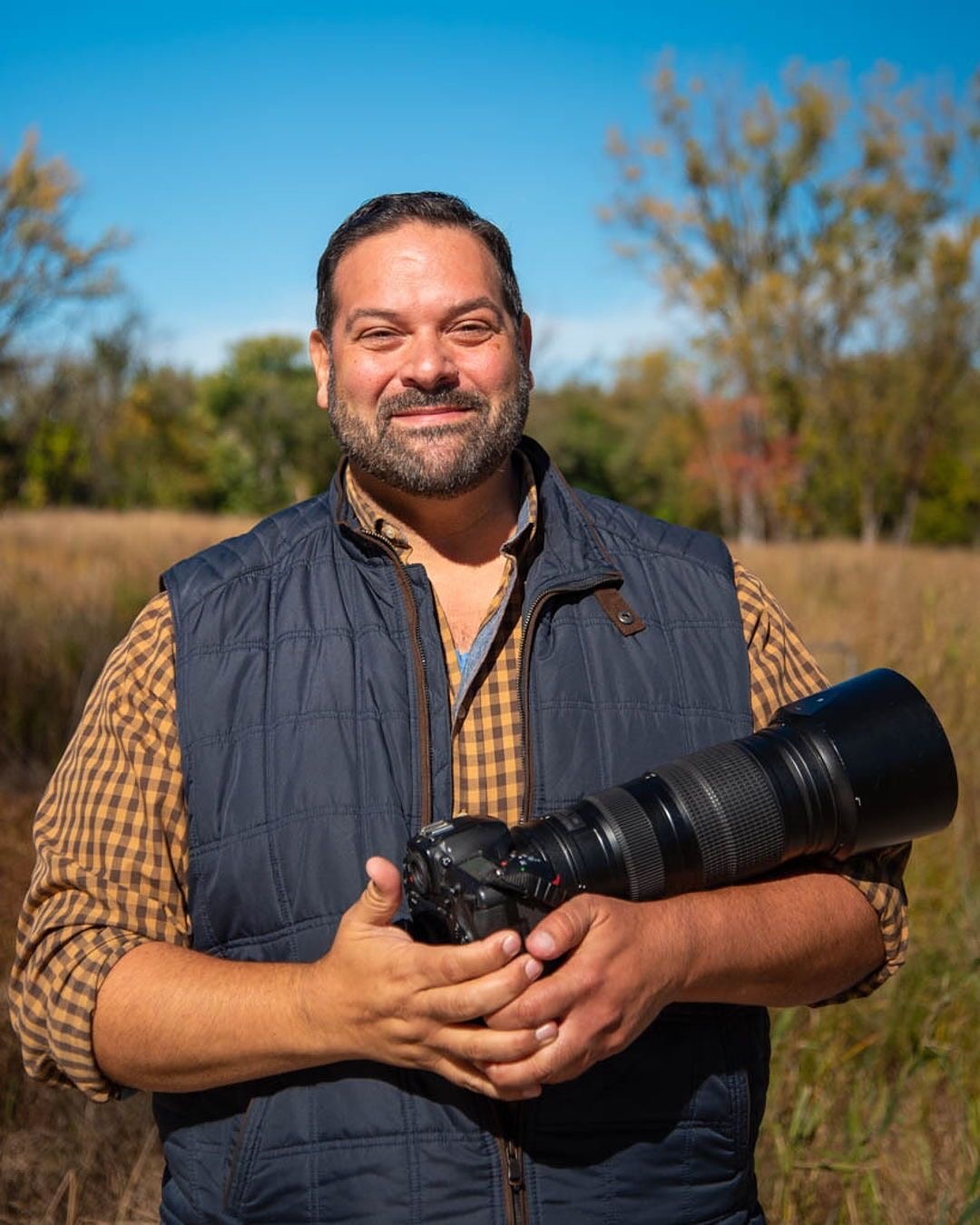
Today we’d like to introduce you to James Falletti.
Hi James, so excited to have you with us today. What can you tell us about your story?
I grew up in Suffolk County on Long Island, New York, where my curiosity about the world began outdoors. As a kid, I spent a lot of time exploring parks, observing wildlife, and looking up at the night sky wondering what might exist beyond our planet. Those early moments—watching birds, walking through nature, and gazing at the stars—sparked a sense of wonder that would eventually shape both my career and creative life. Today I live in Hackensack, New Jersey, where that same curiosity continues to guide much of what I do.
I later earned several graduate degrees in education focused on teaching, counseling, and educational leadership. For more than 15 years, I’ve worked as a middle school science educator, developing programs that connect environmental science, sustainability, and space exploration. Along the way I’ve had opportunities to collaborate with organizations such as NASA, the Space Foundation, and National Geographic, and I currently serve as a SEEC Crew Ambassador for Space Center Houston.
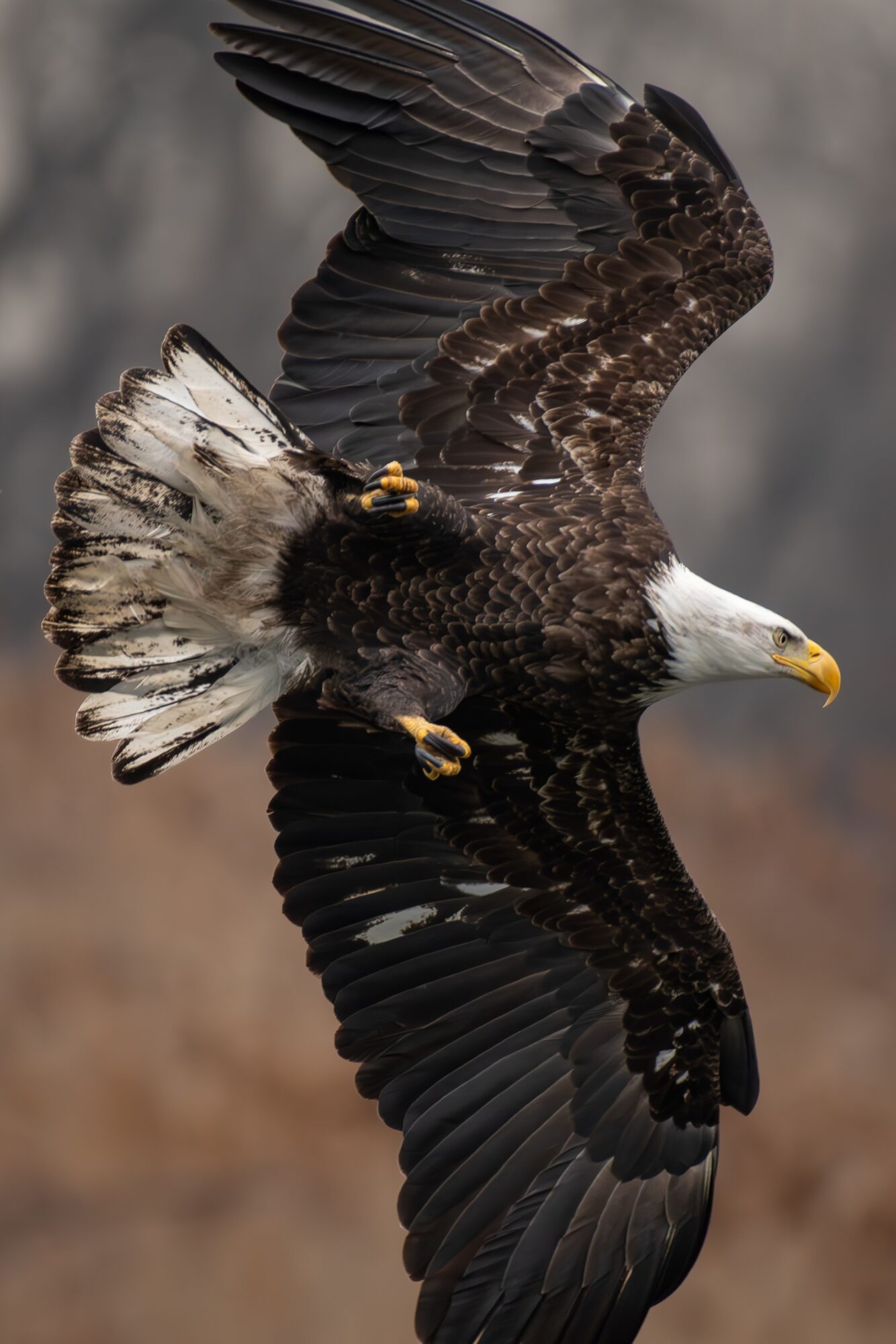
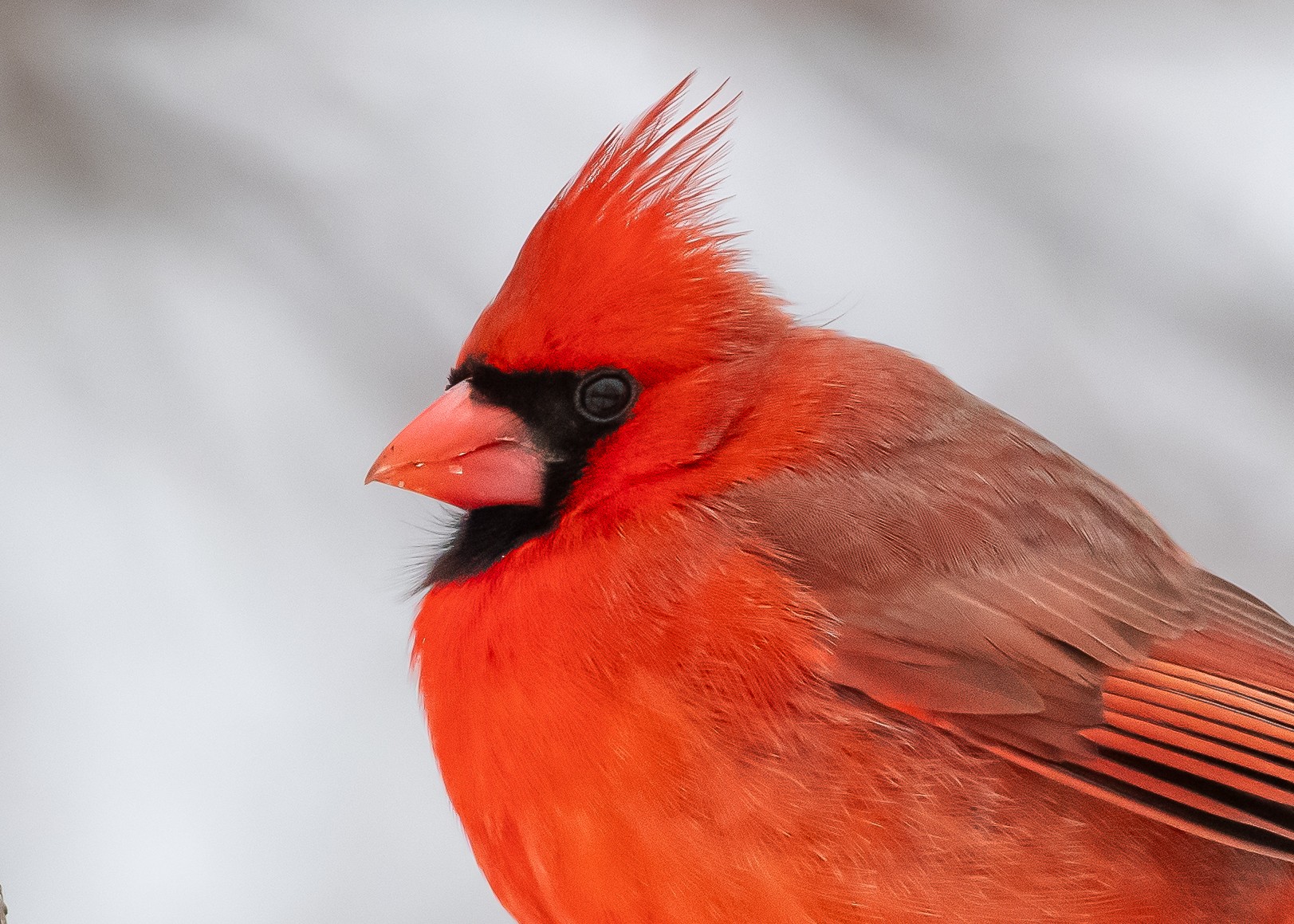
Photography gradually became another important part of that journey. Although I enjoyed taking pictures growing up, I rediscovered photography more seriously around 2015 when I purchased my first DSLR camera. What began as a creative outlet quickly evolved into a passion for documenting wildlife and the natural world—especially birds. Through James Falletti Photography, I use images to tell stories about the ecosystems around us and to highlight the biodiversity that often exists right in the middle of our communities.
Much of my photography and community involvement happens right here in Bergen County. I’m involved with organizations such as the Bergen County Audubon Society and the Teaneck Creek Conservancy, where I spend time exploring local green spaces, photographing wildlife, and helping connect people with the natural environments around them. I’m also a member of the Hackensack Art Club, where I enjoy sharing my photography and participating in local exhibitions that celebrate the creative community in our city.
In many ways, everything I do—teaching, photography, writing, and community outreach—is connected by the same goal: helping people slow down, observe, and rediscover the wonder of the world around them. I’m currently working on a book titled The Classroom Without Walls, which reflects on the idea that learning doesn’t have to be confined to a traditional classroom. Some of the most powerful lessons can happen outside—watching birds along the Hackensack River, walking through a forest trail, or simply taking a moment to look up at the night sky.
For me, the journey has always been about curiosity and discovery, and I feel fortunate that my work allows me to share that sense of wonder with students, readers, and the broader community.
Would you say it’s been a smooth road, and if not what are some of the biggest challenges you’ve faced along the way?
Like most meaningful journeys, it hasn’t always been a perfectly smooth road. Many of the paths that shaped my work today developed gradually and sometimes in ways I didn’t initially expect.
One of the biggest challenges has been balancing multiple passions. Education has always been my primary focus, and teaching requires an incredible amount of time and energy—from lesson planning to supporting students and developing meaningful learning experiences. Photography, writing, and community work often happen in the early mornings, evenings, or weekends. Building something like James Falletti Photography while maintaining a full-time career takes patience and persistence.
The pandemic was also a difficult time for many educators. Almost overnight, classrooms shifted to virtual environments, and we had to rethink how to keep students engaged and connected to the world around them. During that time, I started taking my camera outdoors and filming lessons in forests, parks, and natural areas throughout New Jersey. What began as a way to help students reconnect with nature during remote learning also became something deeply personal. Photography became a form of therapy for me—an opportunity to slow down, spend time outdoors, and find moments of beauty and calm during a very uncertain time.
Wildlife photography itself also teaches patience. Birds and animals don’t follow a schedule, and there are plenty of days when you spend hours observing and waiting without getting the image you hoped for. But those moments remind you that the experience itself is valuable—the time spent observing nature, learning animal behavior, and simply being present in the environment.
Looking back, those challenges helped shape the direction of my work. They pushed me to be more creative and adaptable, and they reinforced something I often tell my students: curiosity, resilience, and a willingness to explore often lead to the most meaningful discoveries.
Can you tell our readers more about what you do and what you think sets you apart from others?
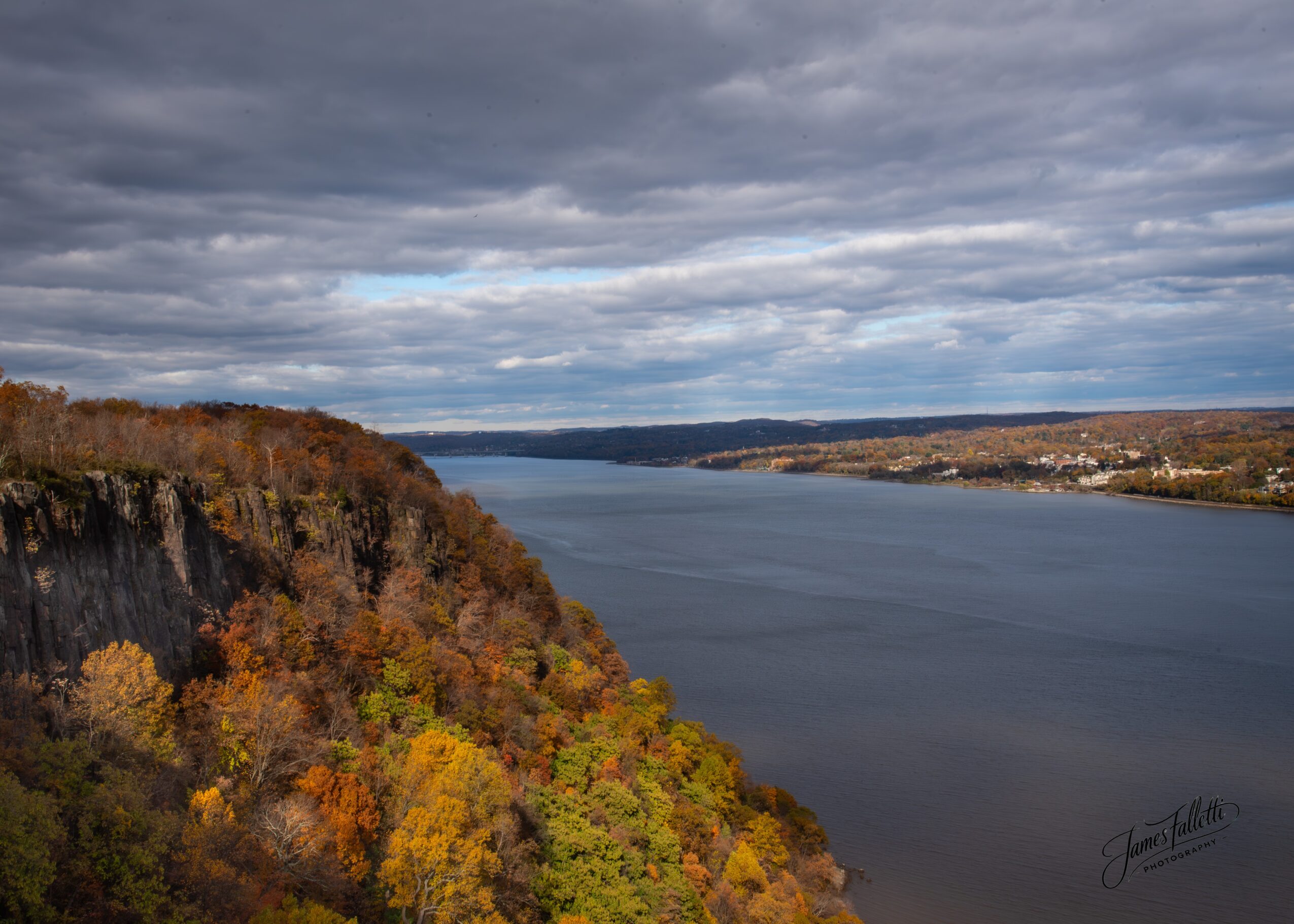
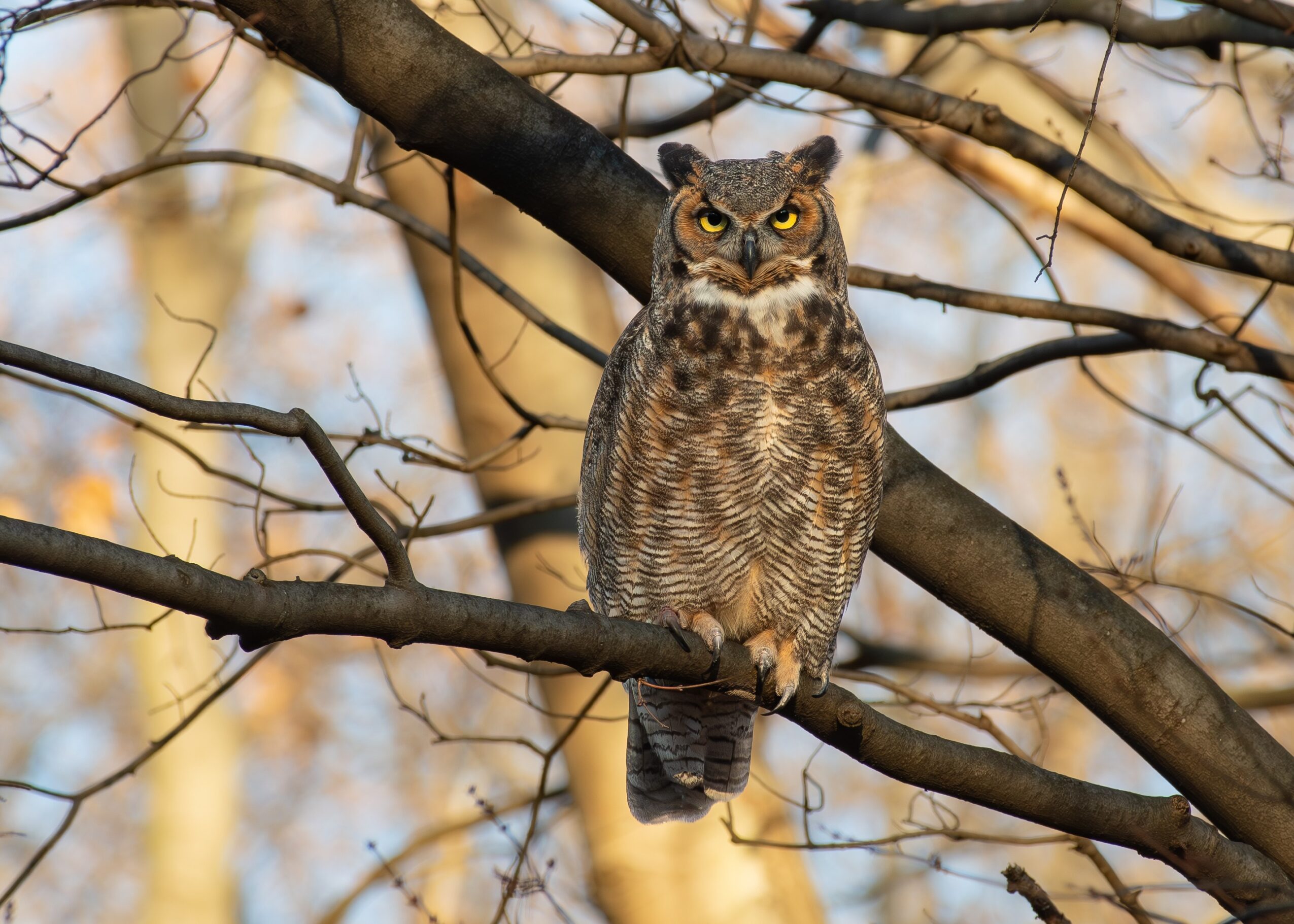
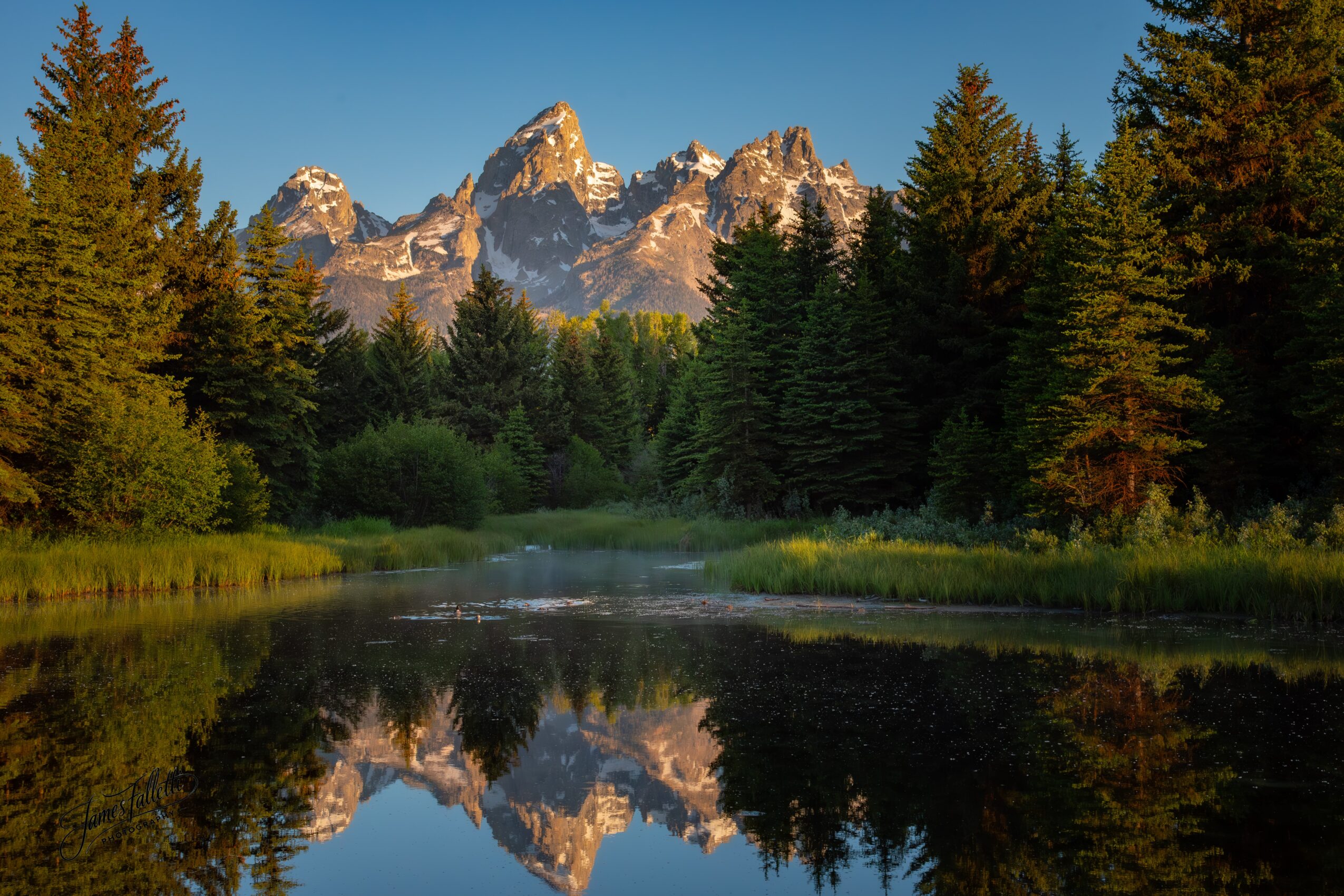
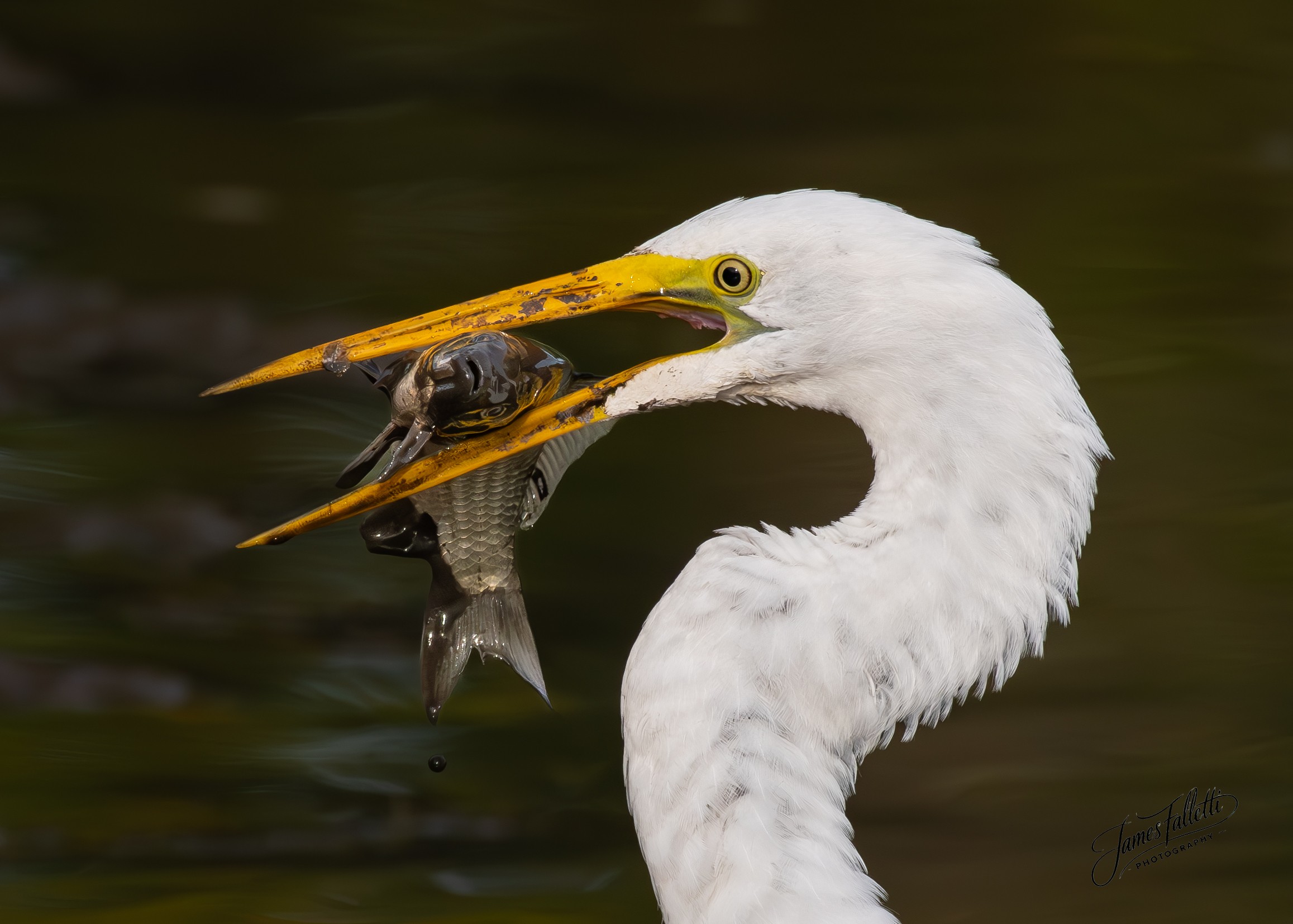
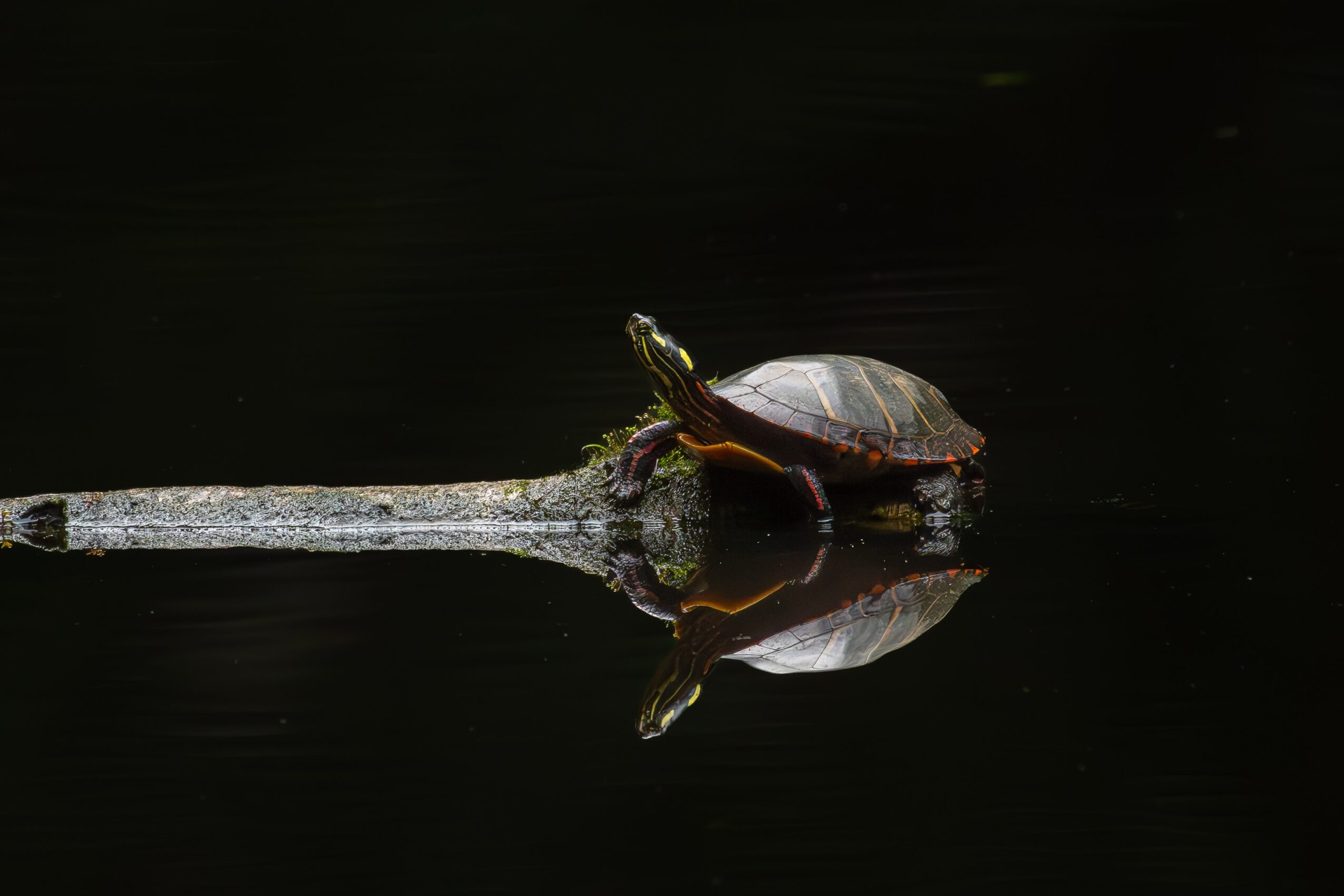
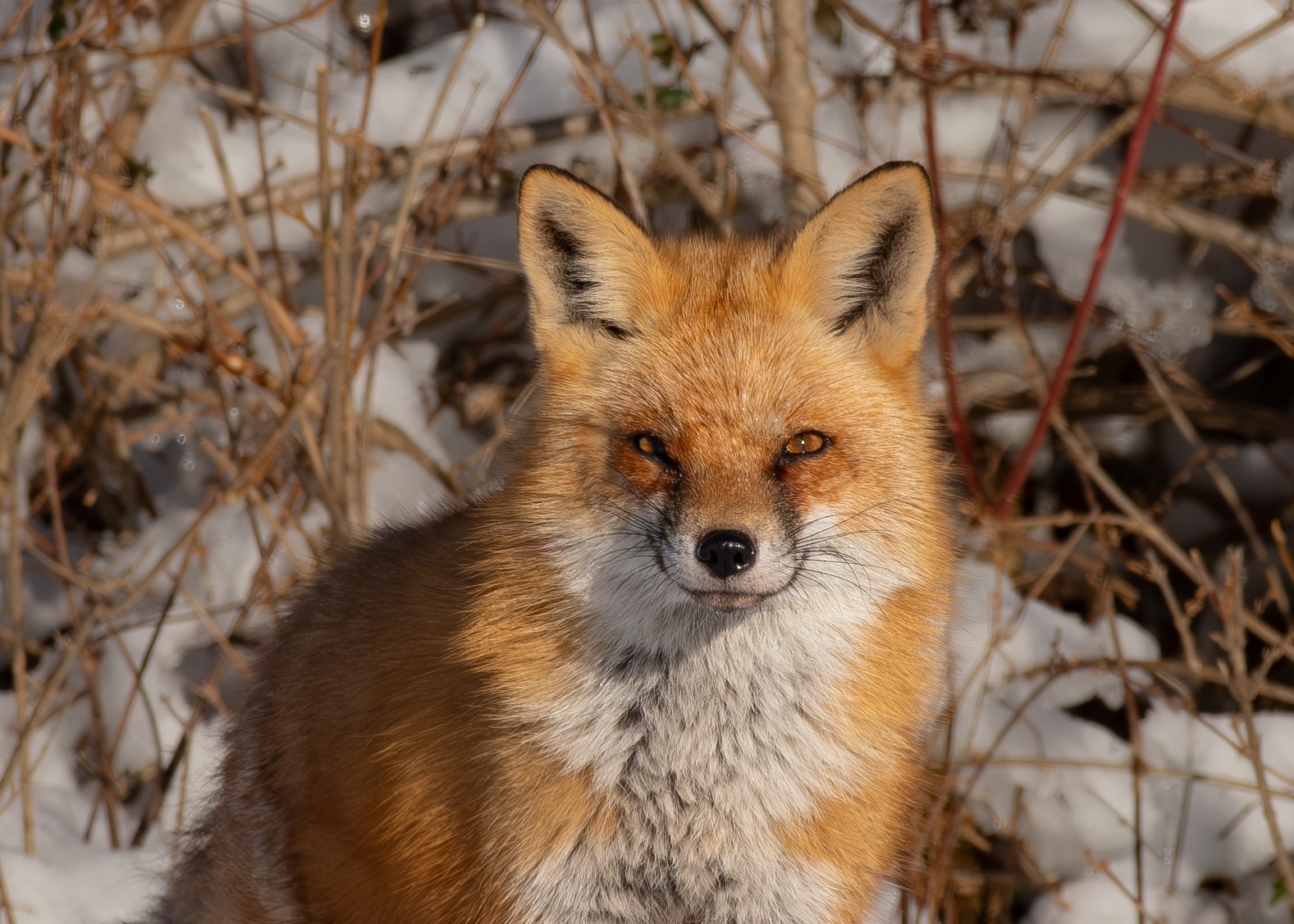
As an artist and photographer, my work focuses primarily on wildlife and nature, with a particular emphasis on birds and the ecosystems they inhabit. Through James Falletti Photography, I aim to capture moments that reveal the beauty, behavior, and interconnectedness of the natural world. Many of my photographs are taken right here in northern New Jersey, where wetlands, forests, rivers, and even urban environments provide incredible opportunities to observe wildlife. I also enjoy traveling whenever I can, exploring new landscapes, cities, and natural habitats while documenting the wildlife and environments I encounter along the way.
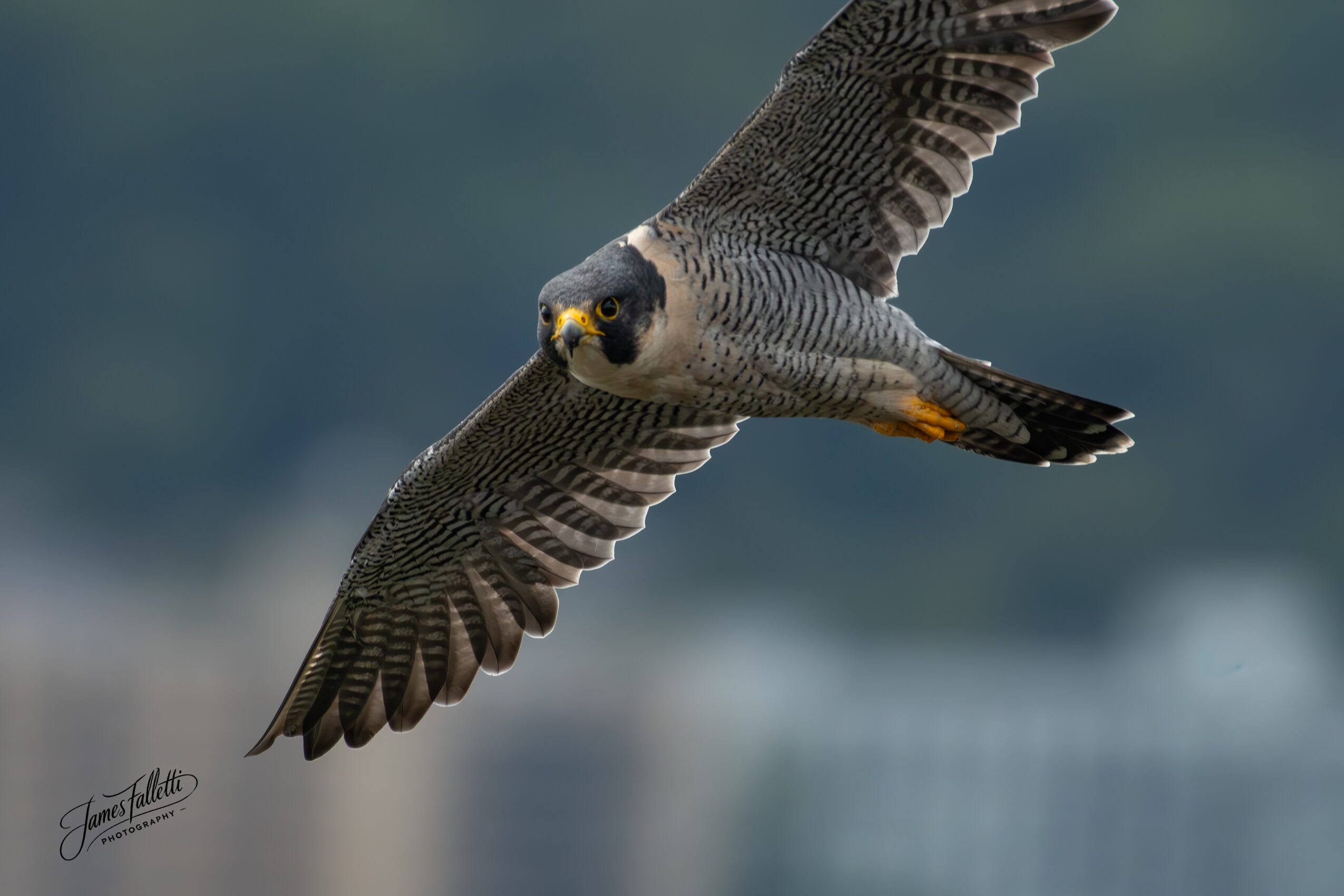
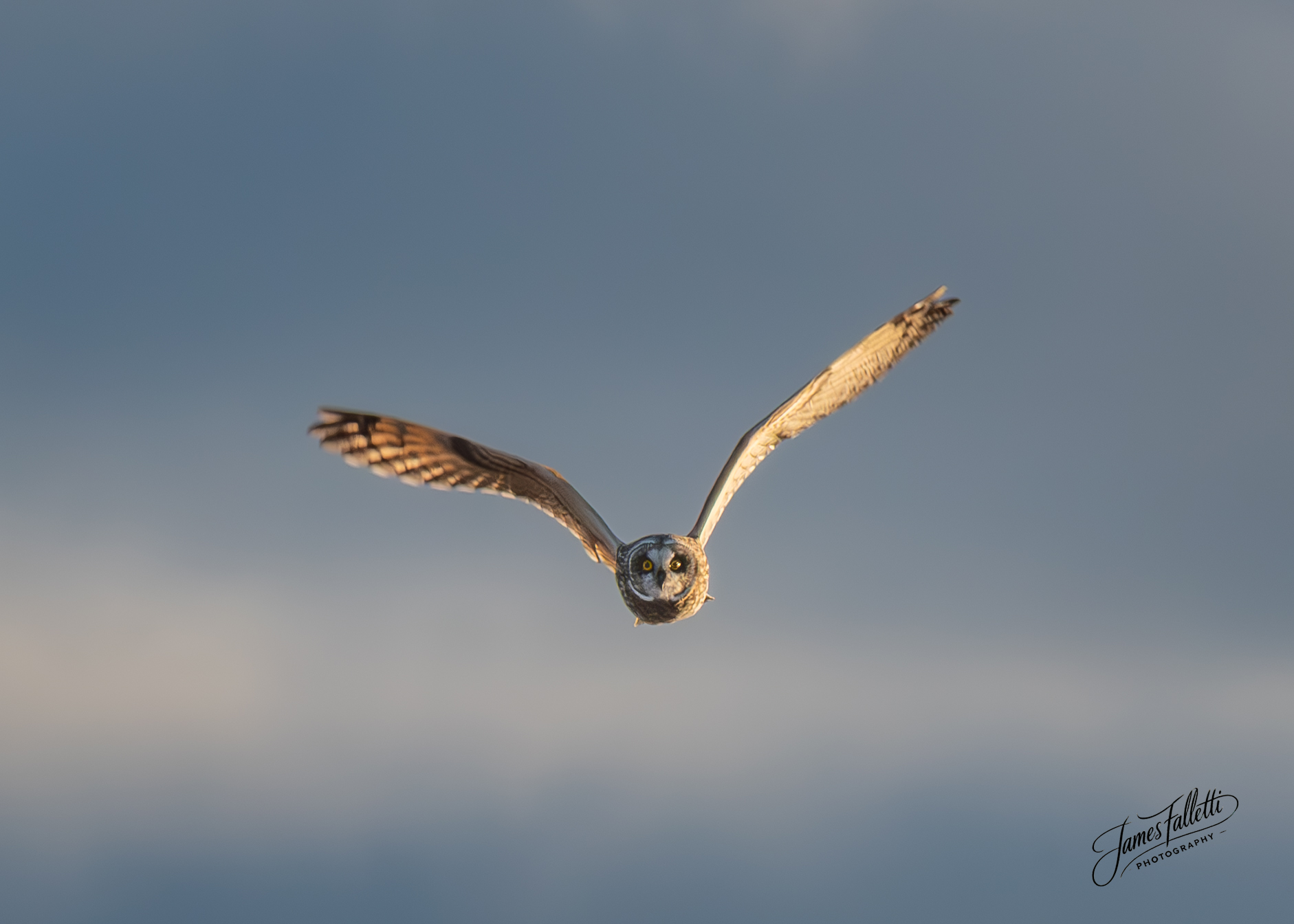
One of the things I enjoy most about photography is the storytelling aspect. A photograph can freeze a moment that might otherwise go unnoticed—a hawk perched quietly above a busy street, an owl emerging at dusk, or a migratory bird pausing briefly along the Hackensack River. These moments remind people that nature isn’t something distant or remote; it exists all around us if we take the time to look.
Much of my photography happens while exploring local parks and green spaces throughout Bergen County. I’m actively involved with the Bergen County Audubon Society (BCAS), where I help plan and lead field trips that bring people together to observe and appreciate the remarkable birdlife found in our region. These experiences allow me to connect with a community of birders, photographers, and nature enthusiasts while continuing to document the incredible biodiversity that exists in our local landscapes.
I’ve also had the opportunity to collaborate with environmental writer and Bergen County Audubon Society President Don Torino, serving as an editor and contributing photographer for his book More… Life in the Meadowlands, which highlights the unique wildlife and landscapes of our region. In addition, I serve on the Marketing and Communications Committee for the Teaneck Creek Conservancy, helping support their mission of environmental restoration, education, and community engagement.
One of the things I’m most proud of is how photography has allowed me to bring together my passions for education, conservation, and storytelling. Whether I’m sharing images online, leading a bird walk, speaking with students, or working on my upcoming book The Classroom Without Walls, the goal is always the same: to help people slow down, observe the world around them, and develop a deeper appreciation for the natural environments we all share.
What sets my work apart is that I approach photography through the lens of an educator. My goal isn’t just to capture beautiful images of wildlife, but to use those images to spark curiosity and inspire learning. I’m especially drawn to documenting wildlife in local and urban environments, showing people that extraordinary moments with nature don’t only happen in remote wilderness areas—they can happen right in our own communities if we simply take the time to look.
If we knew you growing up, how would we have described you?
Growing up, I was always curious about the world around me. I spent a lot of time outdoors exploring parks, observing wildlife, and asking questions about how things worked. I was the kind of kid who would stop to watch birds, look closely at plants and insects, or simply wander through nature seeing what I could discover.
I was never particularly drawn to sports. In fact, I was often the kid on the field who was more interested in watching the birds flying overhead than the game itself. Sometimes I’d find myself studying the grass for insects or even trying to recreate a small bird’s nest out of twigs and grass. Looking back, those moments were early signs of the interests that would shape my life.
At the same time, I was also very involved in the arts. In middle school and high school, I was definitely a bit of a chorus and theatre nerd. I loved performing and being part of productions, and those experiences helped me develop confidence and a love of storytelling.
Even with those creative interests, science was always the subject that fascinated me most. I was drawn to learning about nature and space and trying to understand how things worked—from ecosystems here on Earth to the mysteries of the universe.
In many ways, those early experiences shaped the person I am today. The curiosity that led me to watch birds as a kid is the same curiosity that still drives my teaching and photography, where I’m always exploring, observing, and sharing the stories of the natural world with others.
Contact Info:
- Website: https://jamesfallettiphotography.com/
- Instagram: https://www.instagram.com/jamesfalletti/
- LinkedIn: https://www.linkedin.com/in/jamesfalletti/
- Twitter: https://x.com/JamesFalletti
- Youtube: https://www.youtube.com/@james.falletti
- Other: https://www.flickr.com/people/jamesfalletti/