




Today we’d like to introduce you to Minako Ota.
Alright, so thank you so much for sharing your story and insight with our readers. To kick things off, can you tell us a bit about how you got started?
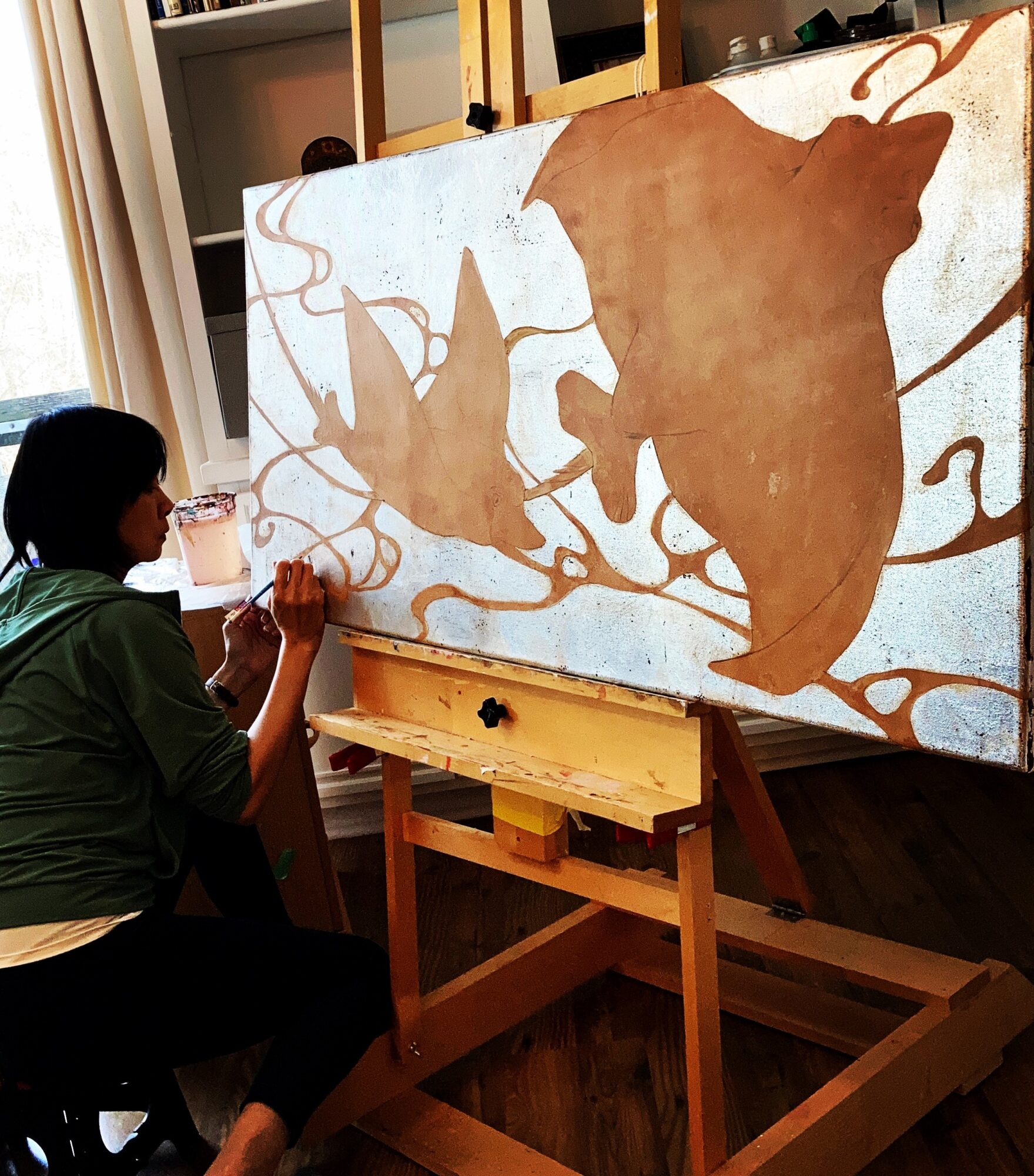
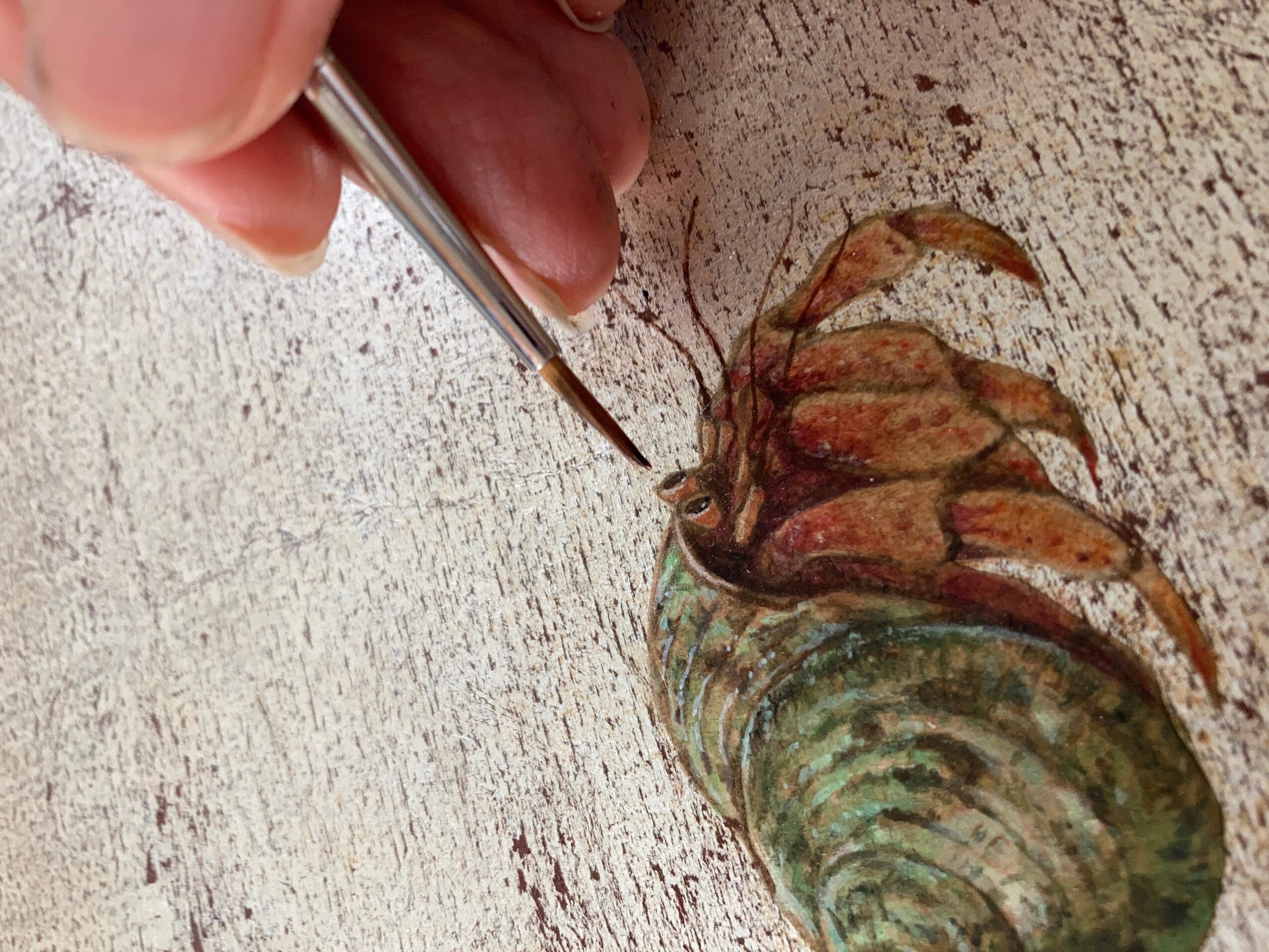
I am a Japanese-born artist, currently based in the Princeton area of New Jersey. I studied Japanese painting at an art university in Tokyo. Later, I studied Western painting conservation in England and the US, and spent more than 20 years working as a painting conservator. At places such as the Victoria and Albert Museum in London and the Art Institute of Chicago, I had the precious opportunity to work directly with paintings by the old masters.
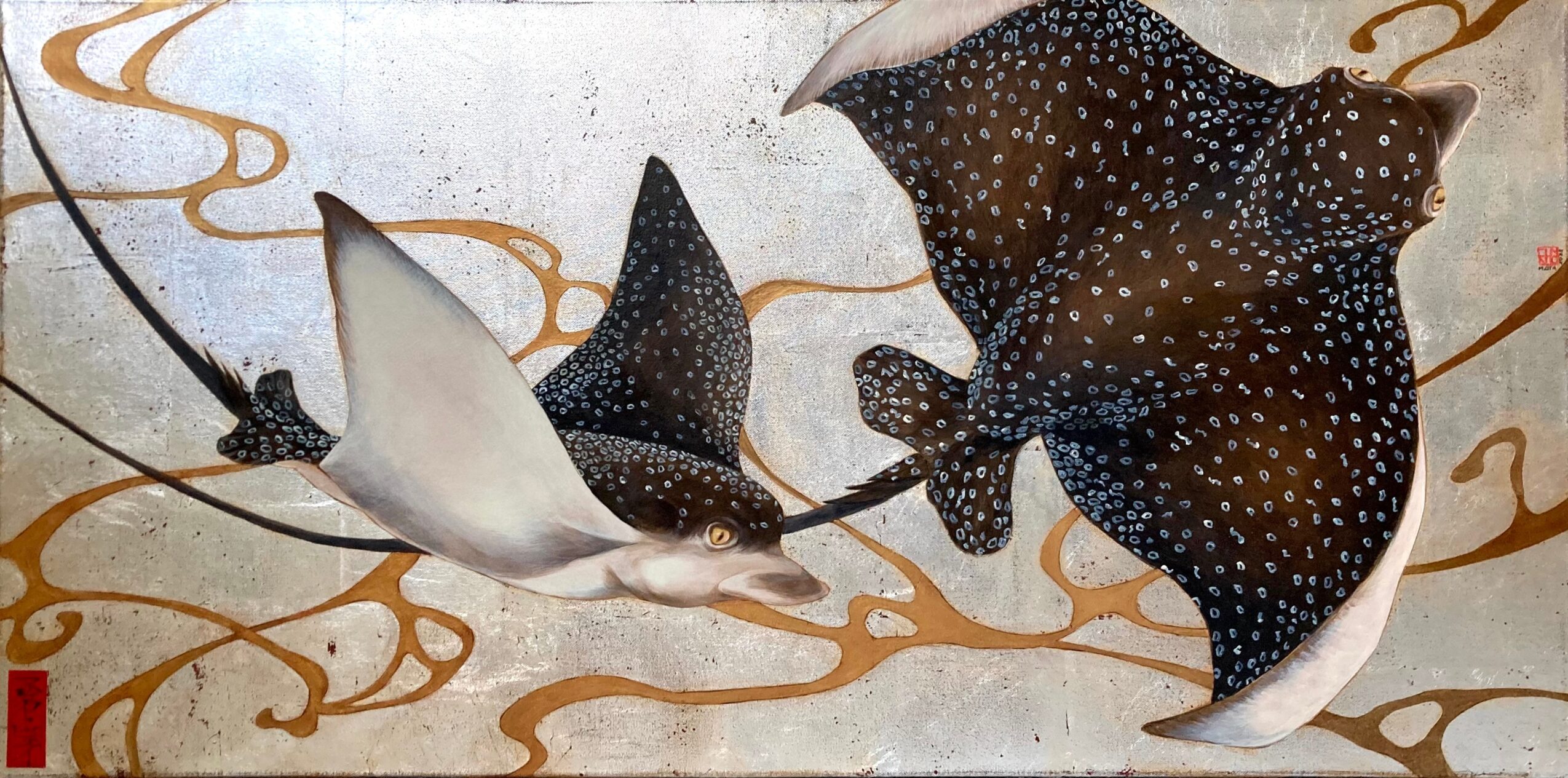
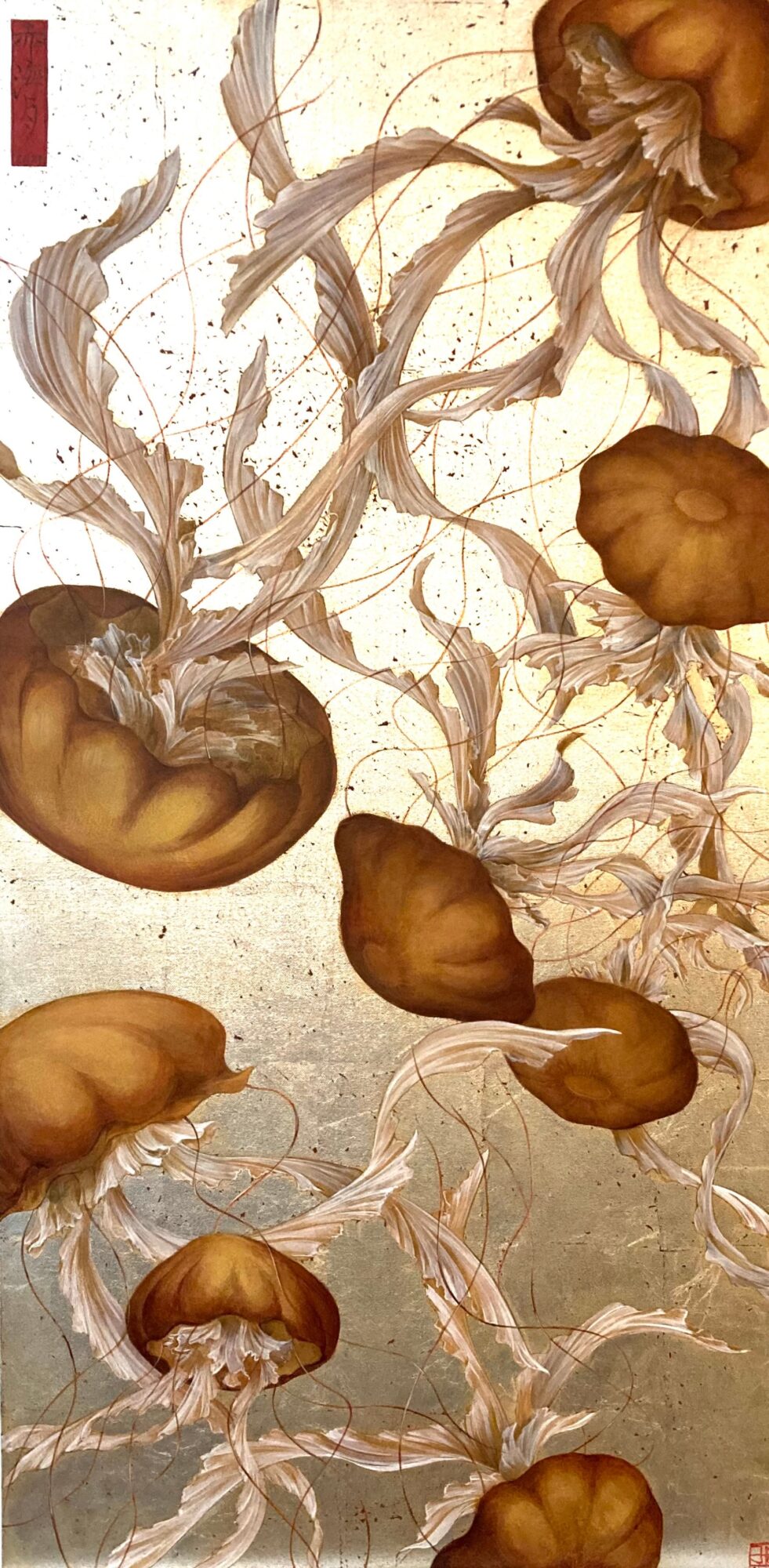
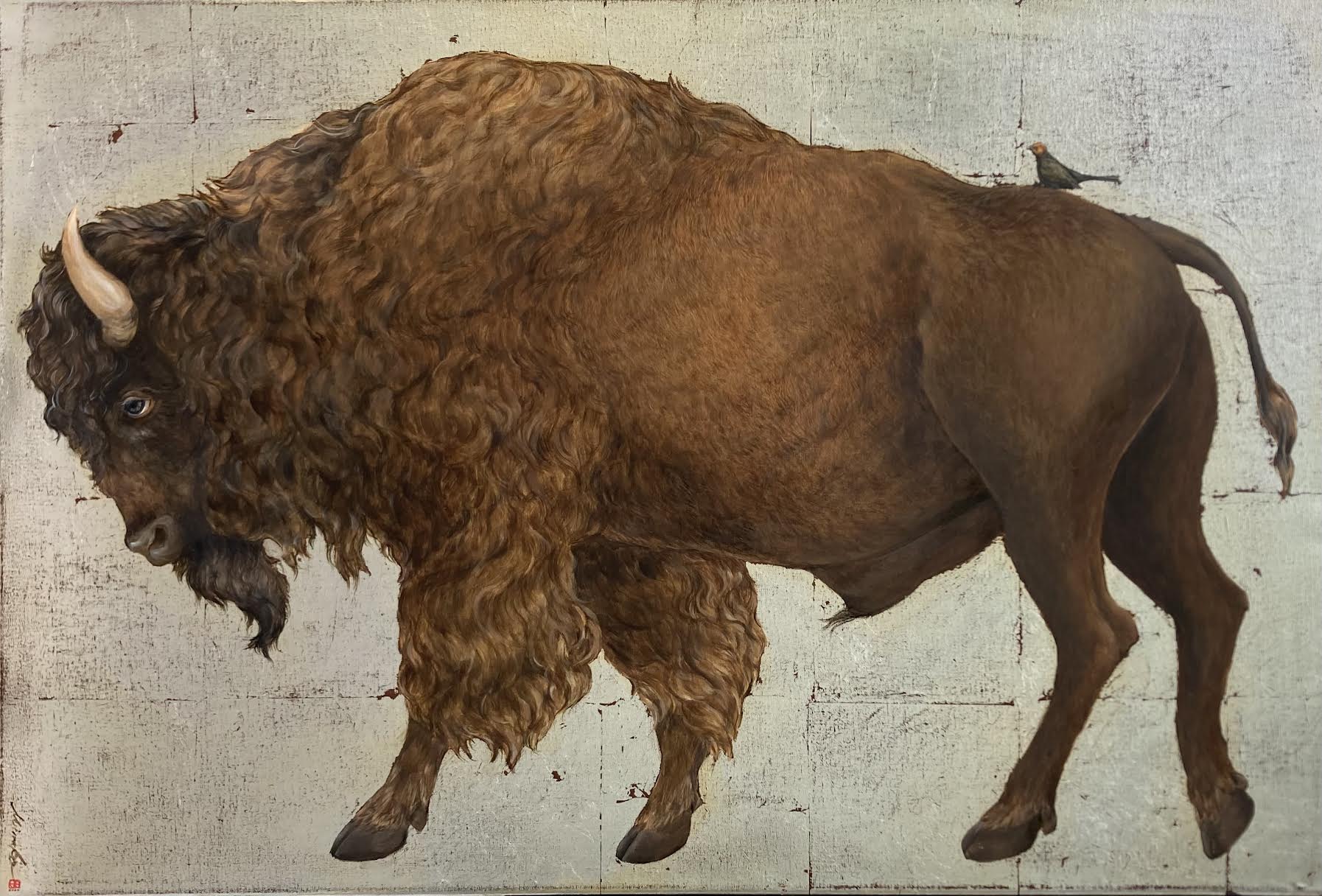
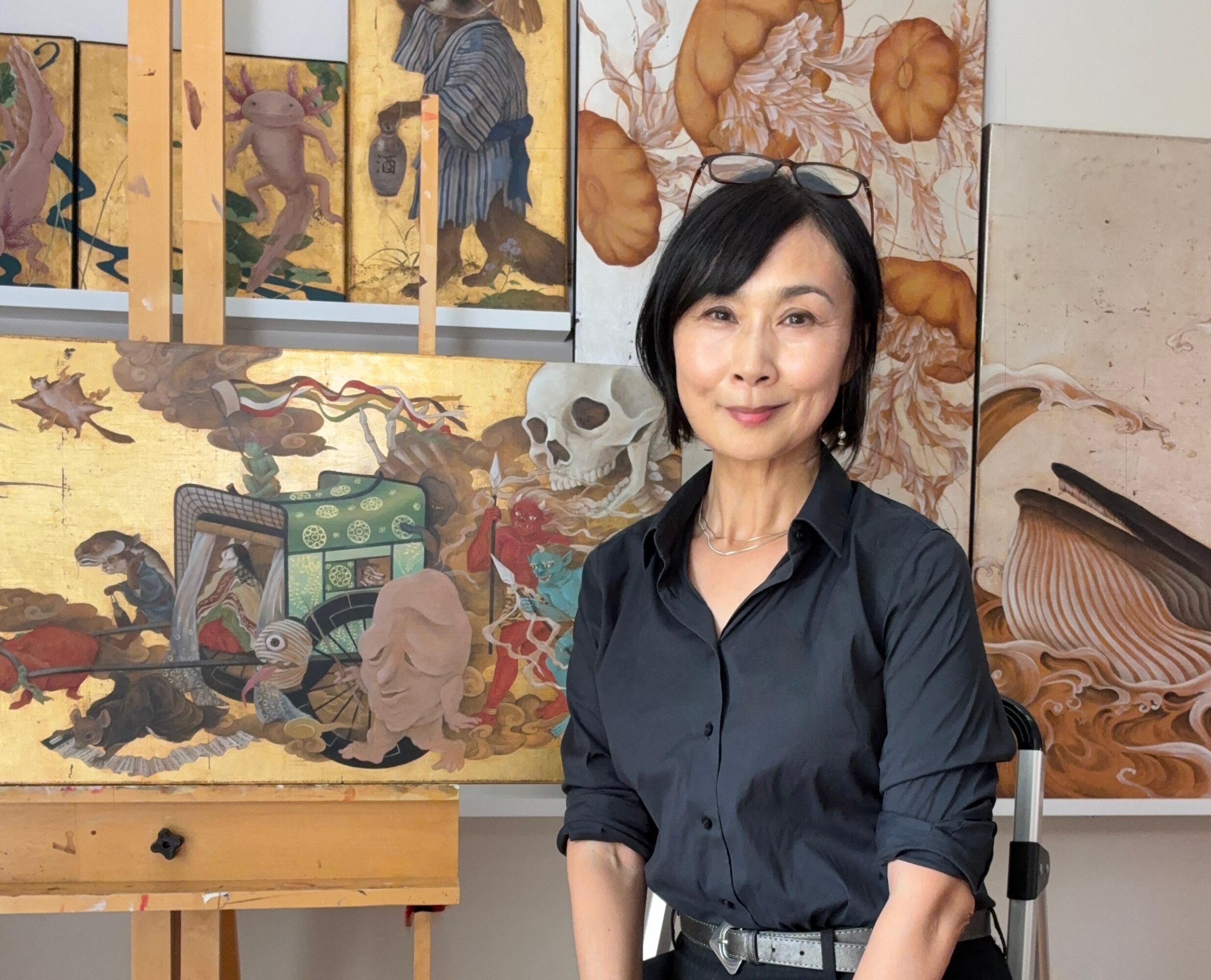
Eventually, I returned to making my own art at the age of 42. My work combines what I learned from Japanese painting with the skills and knowledge I gained from practicing Western painting conservation. I currently paint marine life, animals, and yōkai—strange and mysterious beings from Japanese folklore and mythological stories.
I have lived outside Japan for many years, so in a way I feel that I live between two cultures. I am interested in taking elements of Japanese tradition and looking at them through my experience of living abroad and my own contemporary perspective, rather than simply reproducing traditional Japanese art.
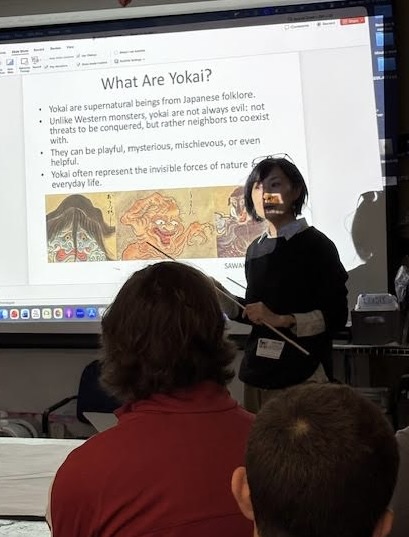
Today, I not only paint and exhibit artwork and create commissioned pieces, but also give artist talks and workshops in the US and Japan.
I’m sure it wasn’t obstacle-free, but would you say the journey has been fairly smooth so far?
The biggest challenge in my career was finding my way back to myself as an artist. For many years, I worked as a painting conservator. It was highly specialized and very rewarding work. I was able not only to see paintings by great artists up close, but actually to touch and work on them. It was a very valuable experience.
As a conservator, I studied how other artists thought and how they made their paintings. A conservator does not simply repair a painting physically. We also try to understand and preserve the artist’s original message. As an artist, however, I must create and communicate my own message—a far greater shift than I had expected.
Returning to making my own work, showing it to people, and developing my own voice was a completely new experience. There was so much to learn. But the experiences I had built up over the years became the foundation for what I do today. So I don’t think of those 20 years as a detour. They were part of my journey as an artist.
As I began working as an artist again, I started thinking not only about what I wanted to paint, but also about what I wanted my paintings to bring into people’s lives.
Appreciate you sharing that. What else should we know about what you do?
I believe that a work of art is the physical expression of something very human: our creative energy. That is why I don’t think a painting is simply something that decorates a wall. When you bring an original work of art into your home or workplace, and live or work with it every day, it can change the feeling of that space. It can even change how you feel when you are there, and sometimes, I believe, the energy of a place. I want to make paintings that have that kind of power.
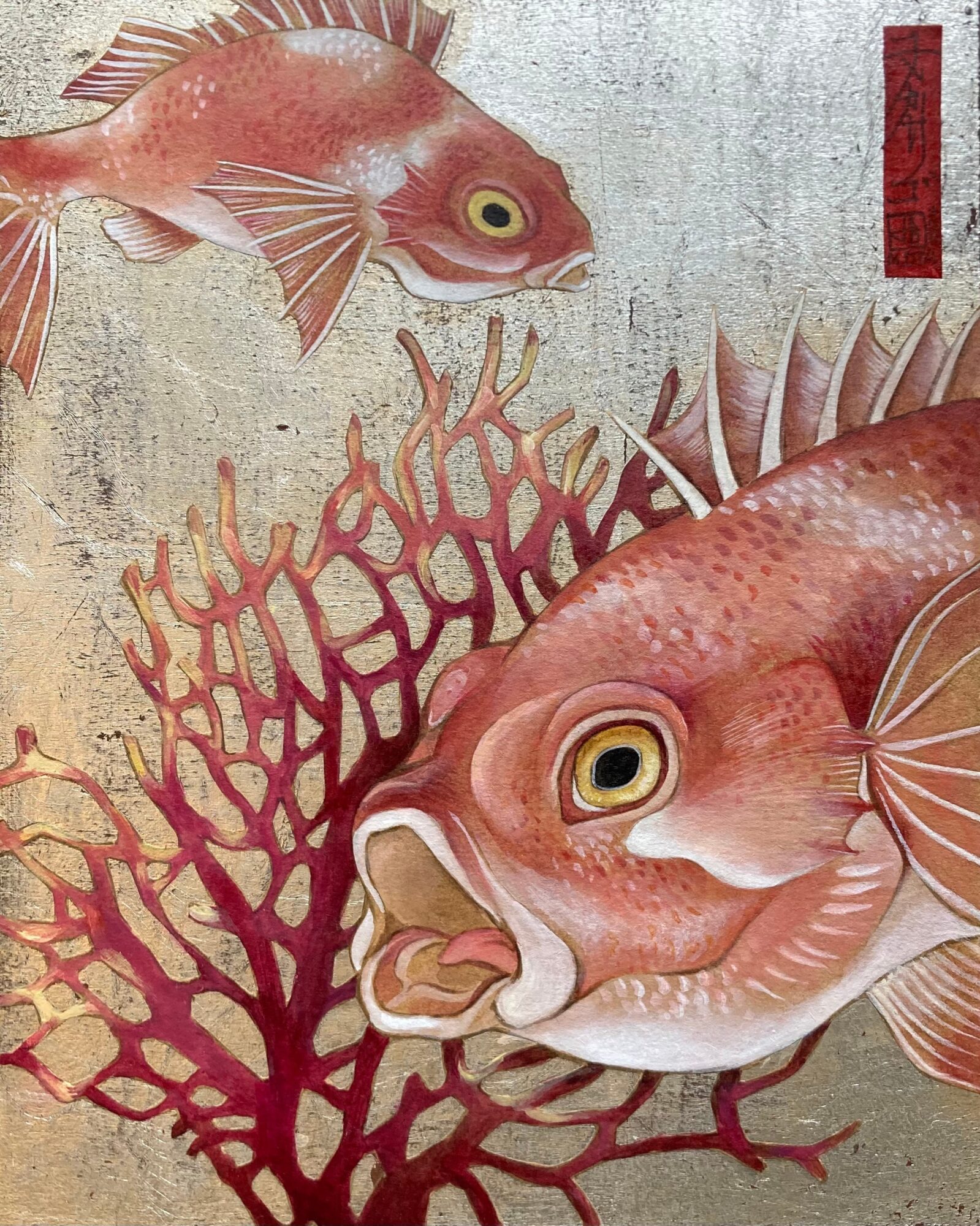
This became especially clear to me during the COVID pandemic. When many people could no longer go to their offices and started working from home, I began a series of paintings about marine life. Marine creatures have existed on this planet long before humans. To me, they carry a very ancient and almost primal energy. I wanted to bring some of that energy into people’s home offices and private spaces, and perhaps give them something alive and different to look at during a very closed-in time.
The response was much stronger than I expected. Many people became collectors of my work through this series, and some of them are still collecting my marine-life paintings today. That experience showed me very clearly that art can become part of someone’s life, not just something they look at in a gallery.
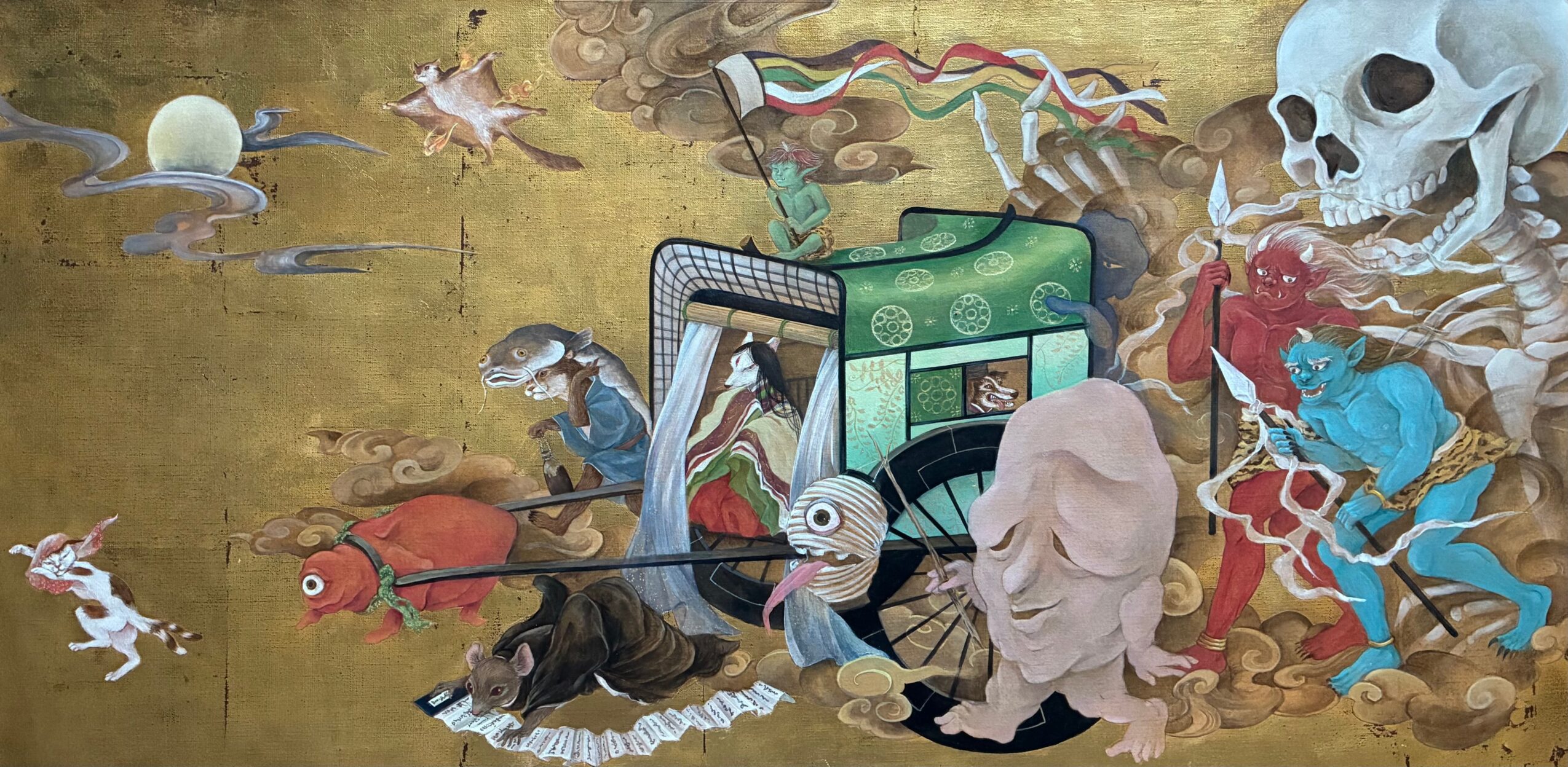
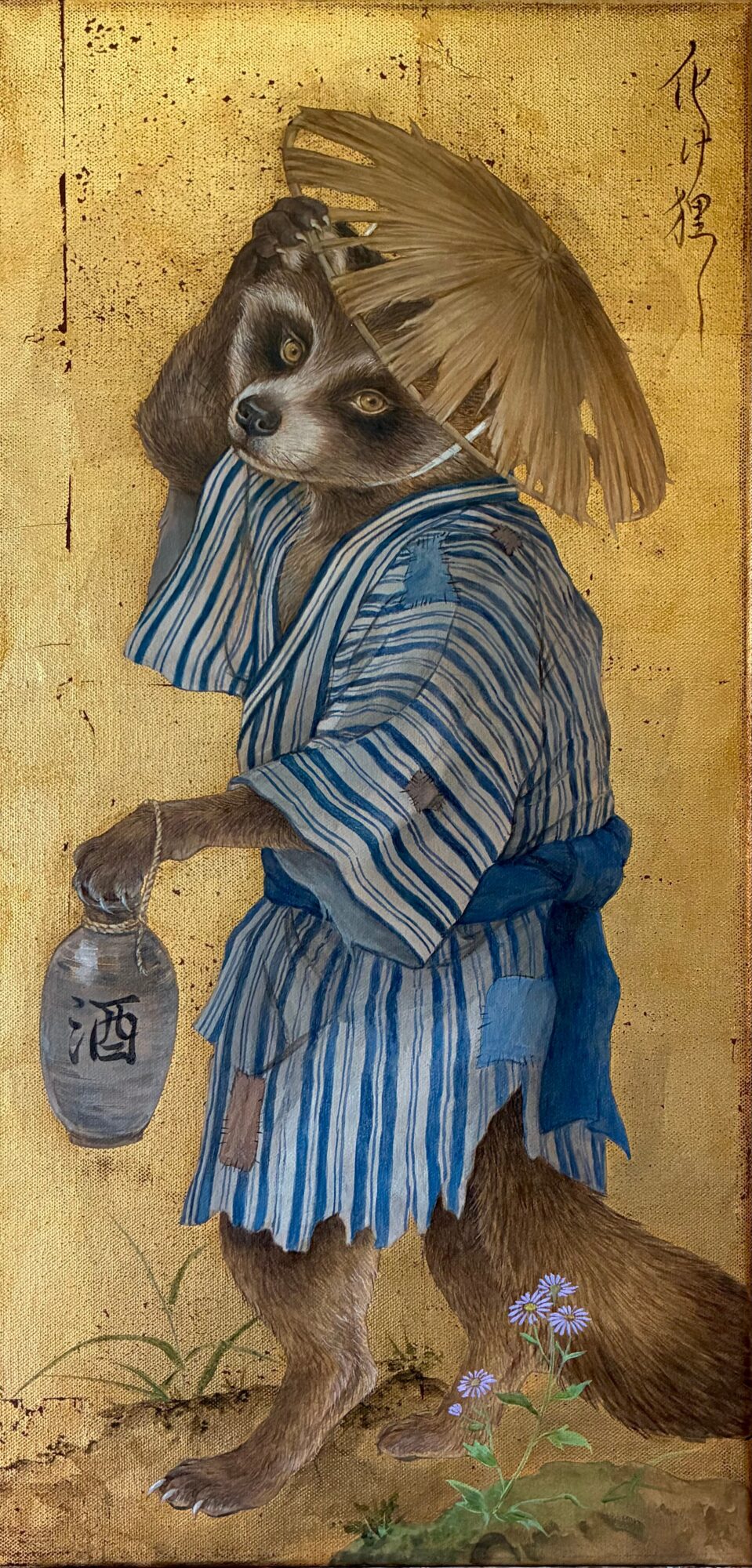
Since last year, I have been developing my yōkai series. This work has a somewhat different purpose. Yōkai are a wonderful vehicle for me to explore and share Japanese culture. Through these strange creatures from Japanese folklore, I can talk about Japanese history, folk beliefs, our relationship with nature, aesthetics, philosophy, and the human imagination. Marine life allows me to explore the energy of living things that existed long before humans, while yōkai allow me to explore the imagination and culture that humans have created over centuries. One is visible and the other is invisible, but both are ways for me to make people feel something that exists beneath the surface.
We love surprises, fun facts and unexpected stories. Is there something you can share that might surprise us?
Something that may surprise people is how accessible art can be. Some people feel a little intimidated about approaching an artist who exhibits in galleries or museums, especially if they are thinking about having a family portrait, a portrait of a beloved pet, or something personal made for their home. But creating a commissioned piece is actually much more like a collaboration than people might imagine. I work with the person to understand what they want to capture and then we develop the idea together. It can be a surprisingly easy and enjoyable process. So, if you have ever thought, “I wonder if an artist would do something like this for me?”—just ask. You may be surprised at how simple it can be to start a conversation.
Contact Info:
- Website: https://www.minako-art.com
- Instagram: https://www.instagram.com/ota.minako/