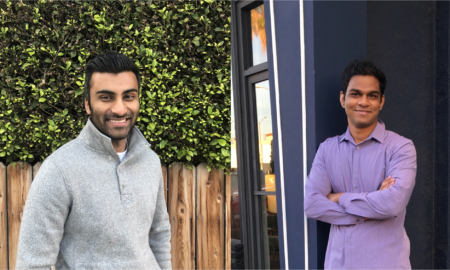





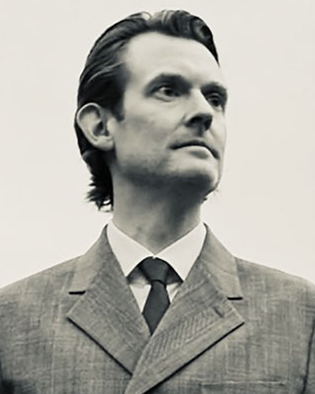
Today we’d like to introduce you to Nicholas Duers.
Hi Nicholas, so excited to have you with us today. What can you tell us about your story?
My interest in photography began in Seattle, Washington, where I grew up and where I began my photographic pursuits . My mother had been a photographer herself, and introduced me to the work of Minor White, an influential 20th-century American photographer whose abstract images had a profound impact on me. White had an extraordinary ability to take seemingly mundane objects and present them in such a way that you had to stop and reconsider what you were looking at. I found this fascinating, and it inspired me to begin looking for similar opportunities in my own surroundings.
I continued studying photography in a fine art context, spending a good deal of time in the darkroom, but eventually began wondering how I might turn this interest into an actual career. This was around the time that digital photography was beginning to supplant film, and the commercial photography industry was undergoing a significant transformation. I was encouraged to explore advertising photography, which eventually led me to the Rochester Institute of Technology, where I spent three years studying commercial photography, lighting, retouching, and the business of image-making.
It was at RIT that I discovered still-life and product photography, which seemed like a natural extension of my interest in abstraction and macro photography. I could apply many of the same ideas that interested me in fine art to commercial assignments, with the added benefit that clients would bring beautifully designed objects directly to the studio, rather than my having to go out and find them.
I moved to New York City in 2007, where I began assisting established photographers and working as a digital technician, while continuing to develop my own portfolio and pursue clients. Over time, those early assignments evolved into a career photographing jewelry, fashion accessories, and other products for advertising and editorial clients.
Today, I operate my own photography studio in New York, specializing in still-life photography, with a particular emphasis on jewelry and luxury goods. Alongside the commercial work, I continue to pursue personal fine art projects, which remain an important source of inspiration for what I do professionally.
Alright, so let’s dig a little deeper into the story – has it been an easy path overall and if not, what were the challenges you’ve had to overcome?
I don’t think there are many freelance photographers who would describe their career as a particularly smooth road, and mine has certainly been no exception.
I arrived in New York in 2007, just as the country was entering one of the worst economic downturns in recent history. Not exactly ideal timing for someone hoping to establish a career in commercial photography. Fortunately, I found work assisting other photographers and working as a digital technician at a busy e-commerce studio, which provided both an income and an invaluable education in how the commercial photography industry operates.
One of the more significant challenges, particularly early in my career, was realizing that being a good photographer and operating a successful photography business are two very different skill sets. As a freelancer, you’re expected to be not only the photographer, but also the producer, marketer, accountant, retoucher, and business manager. Most of us enter the profession with a reasonably good understanding of the creative side, but considerably less preparation for everything else.
And of course, the industry itself is constantly changing. During my career, we’ve witnessed the transition from film to digital, the decline of traditional print advertising, the rise of social media, and now the emergence of generative AI. Each of these developments has required photographers to reconsider how they work, how they market themselves, and ultimately, how they remain relevant.
Perhaps the most persistent challenge has been finding the time to balance the demands of operating a business with the creative pursuits that motivated me to enter the profession in the first place. There never seems to be enough time for both.
That said, I consider myself fortunate to have built a career doing something I genuinely enjoy, in a city that remains one of the world’s great centers of art, fashion, and advertising. The challenges are very real, but I wouldn’t trade the experience for an alternate one.
Thanks for sharing that. So, maybe next you can tell us a bit more about your work?
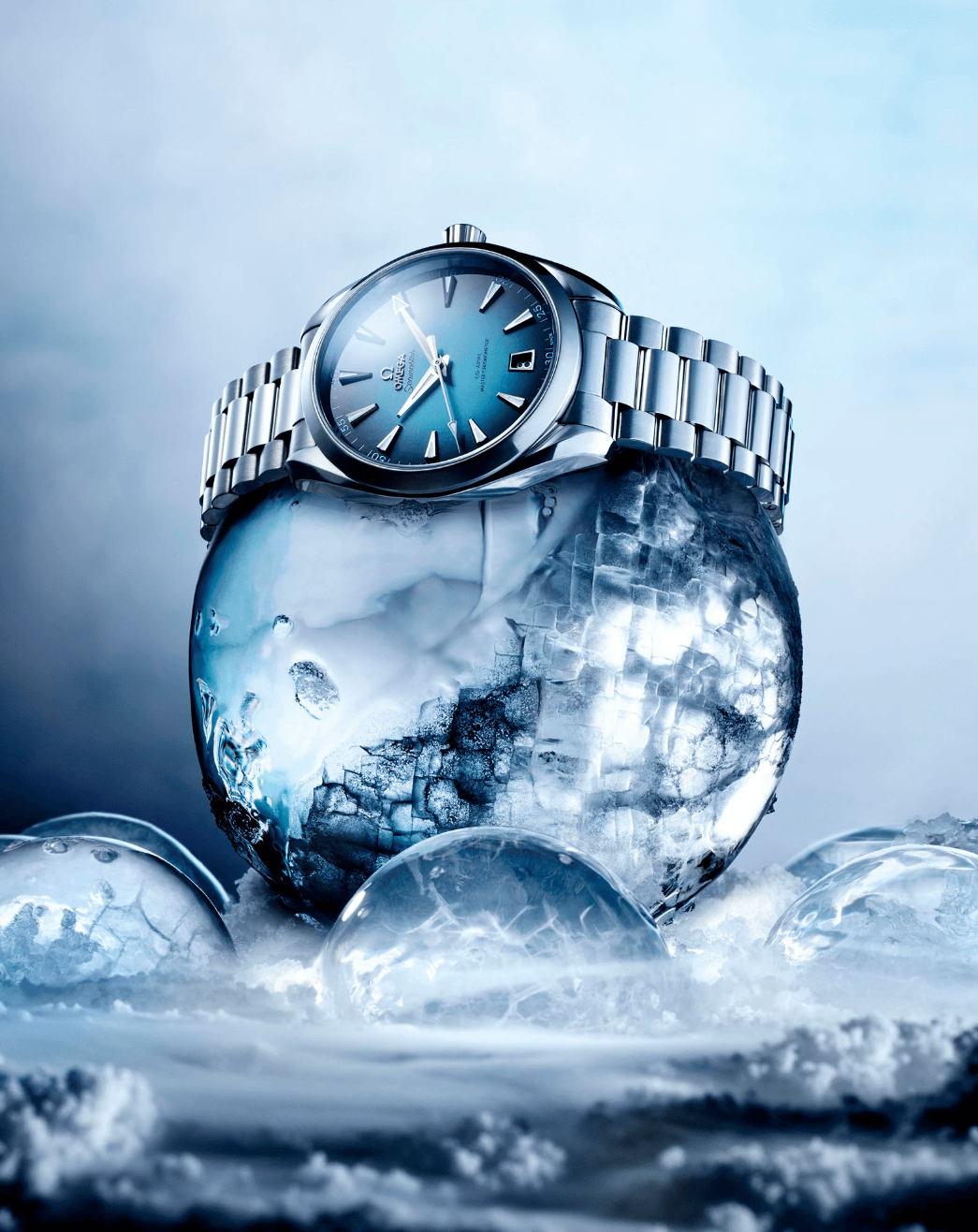
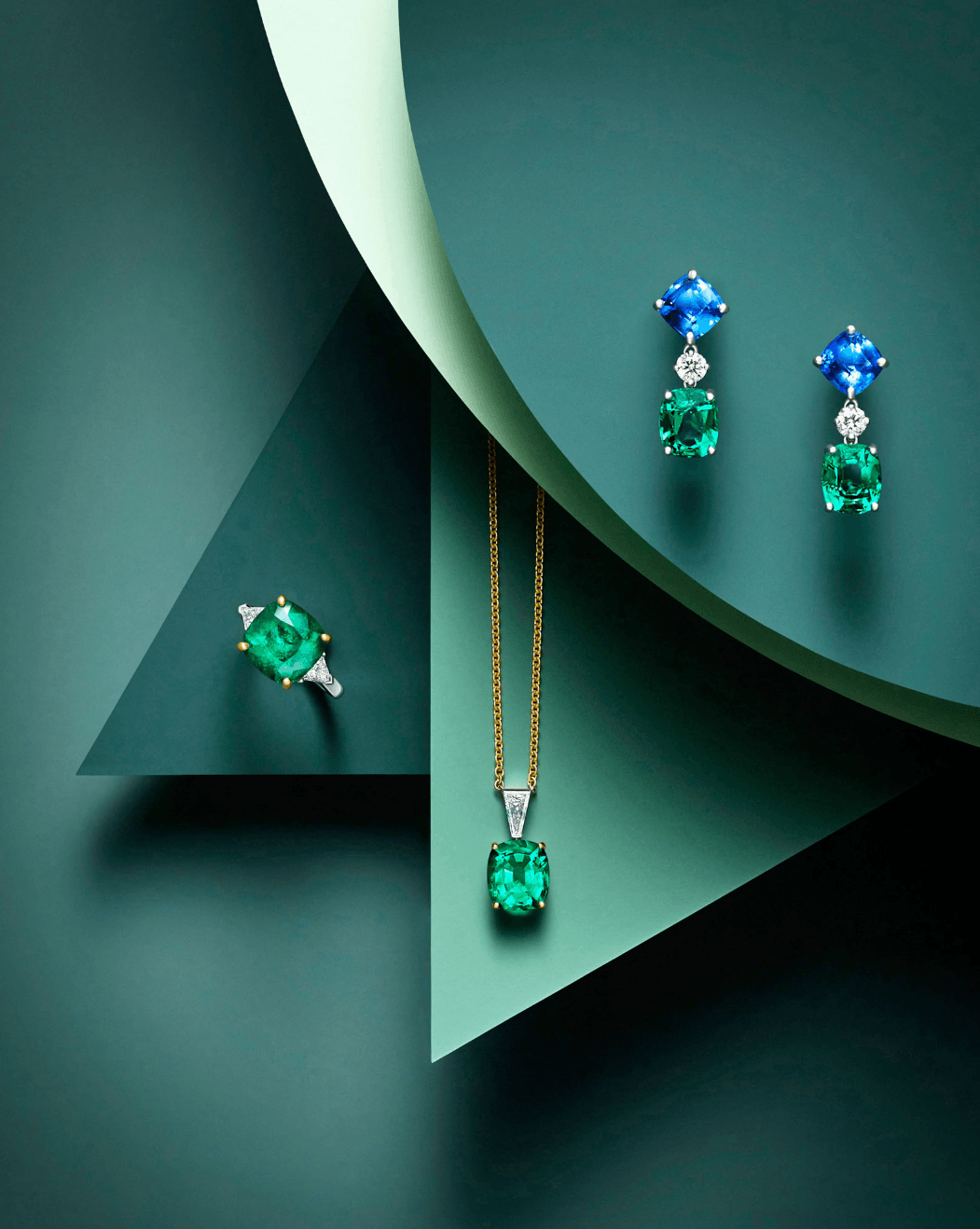
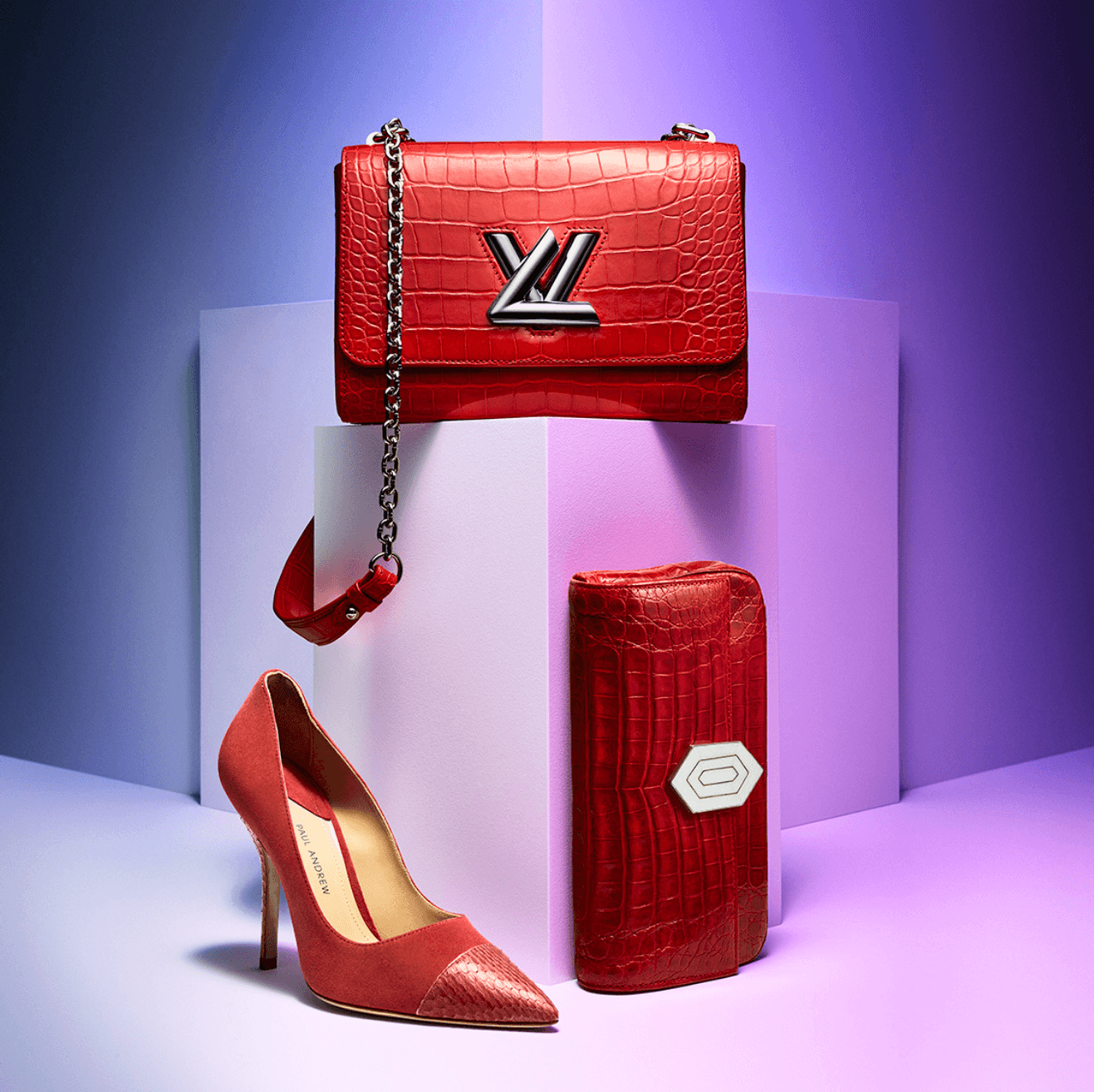
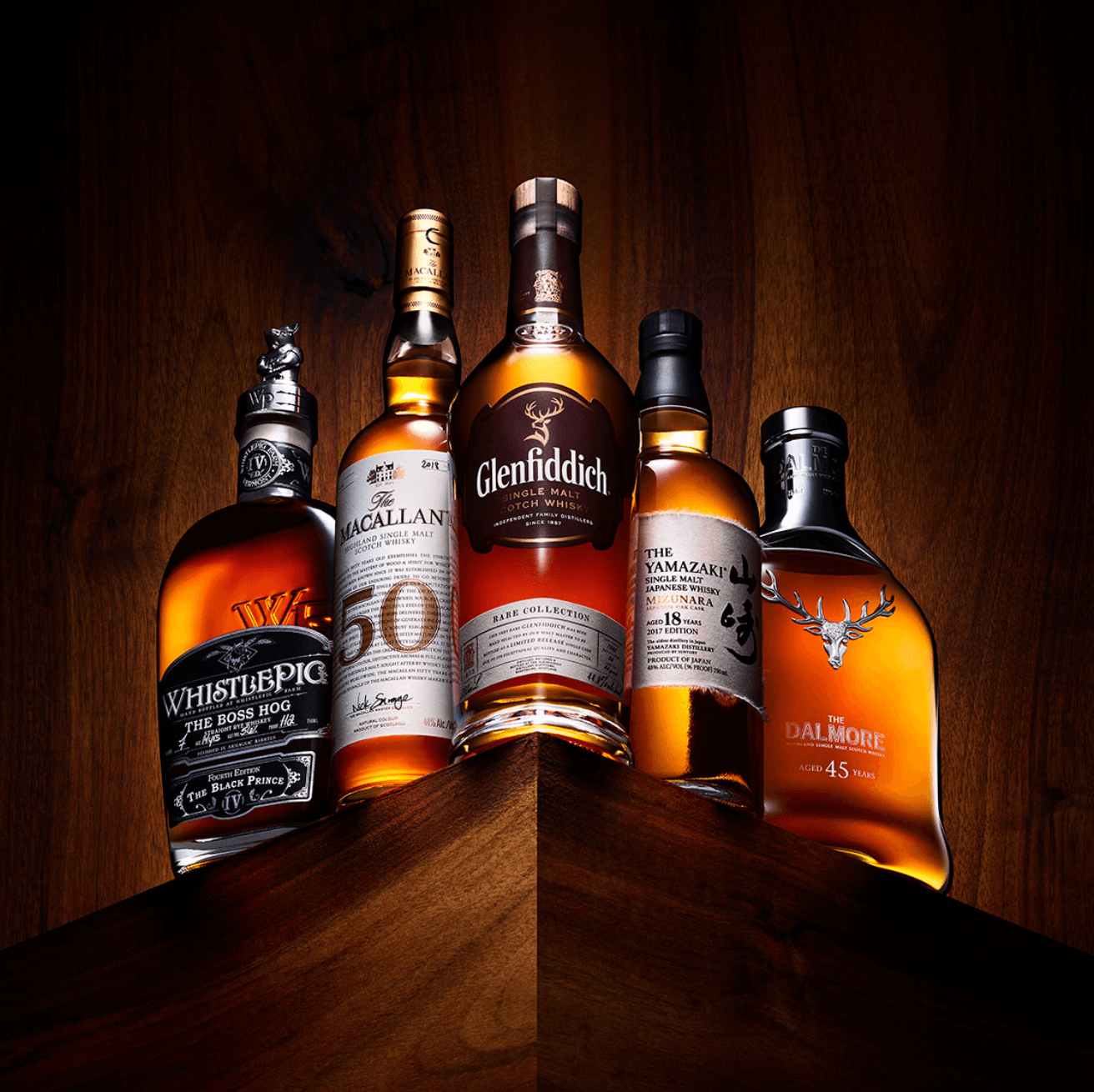
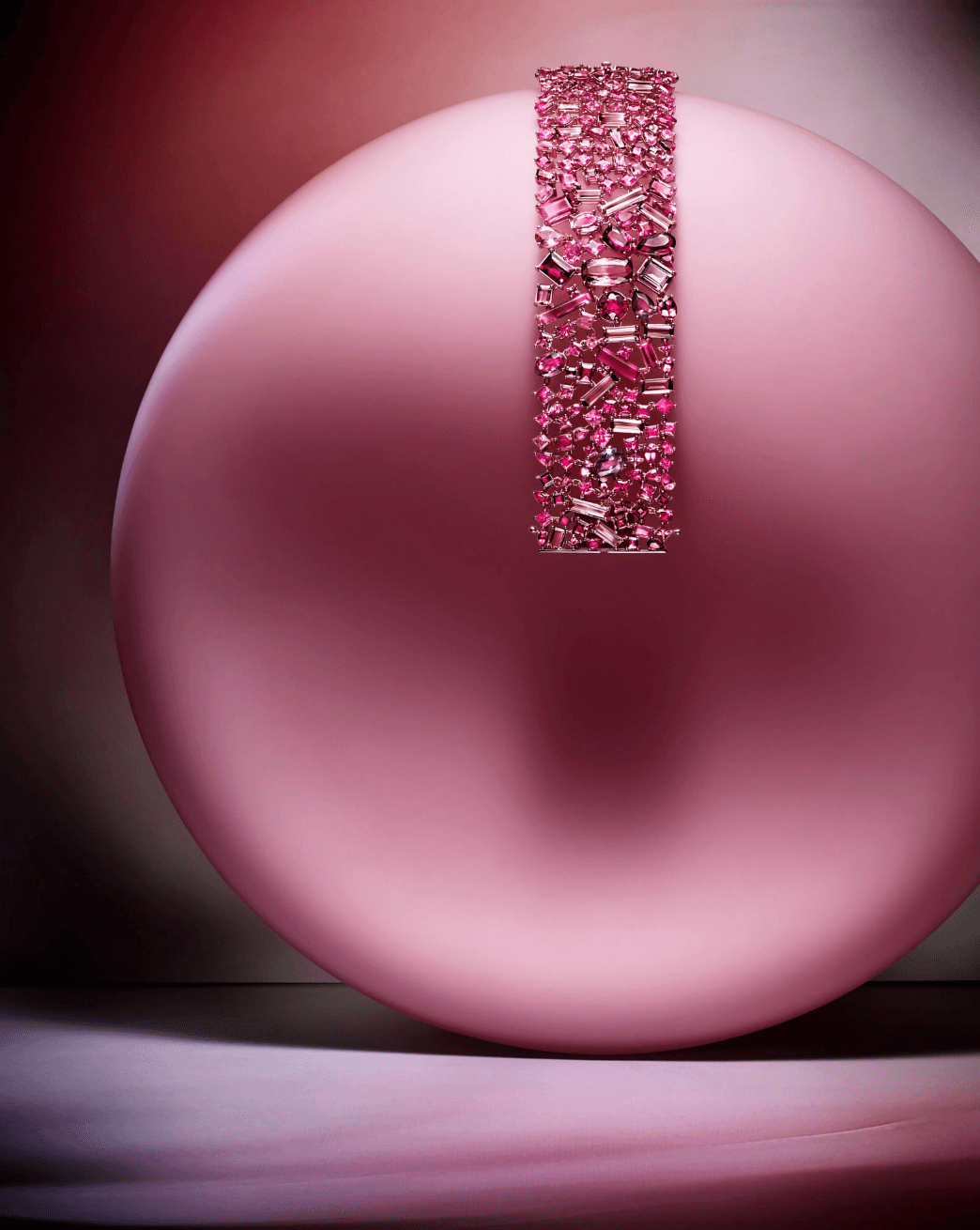
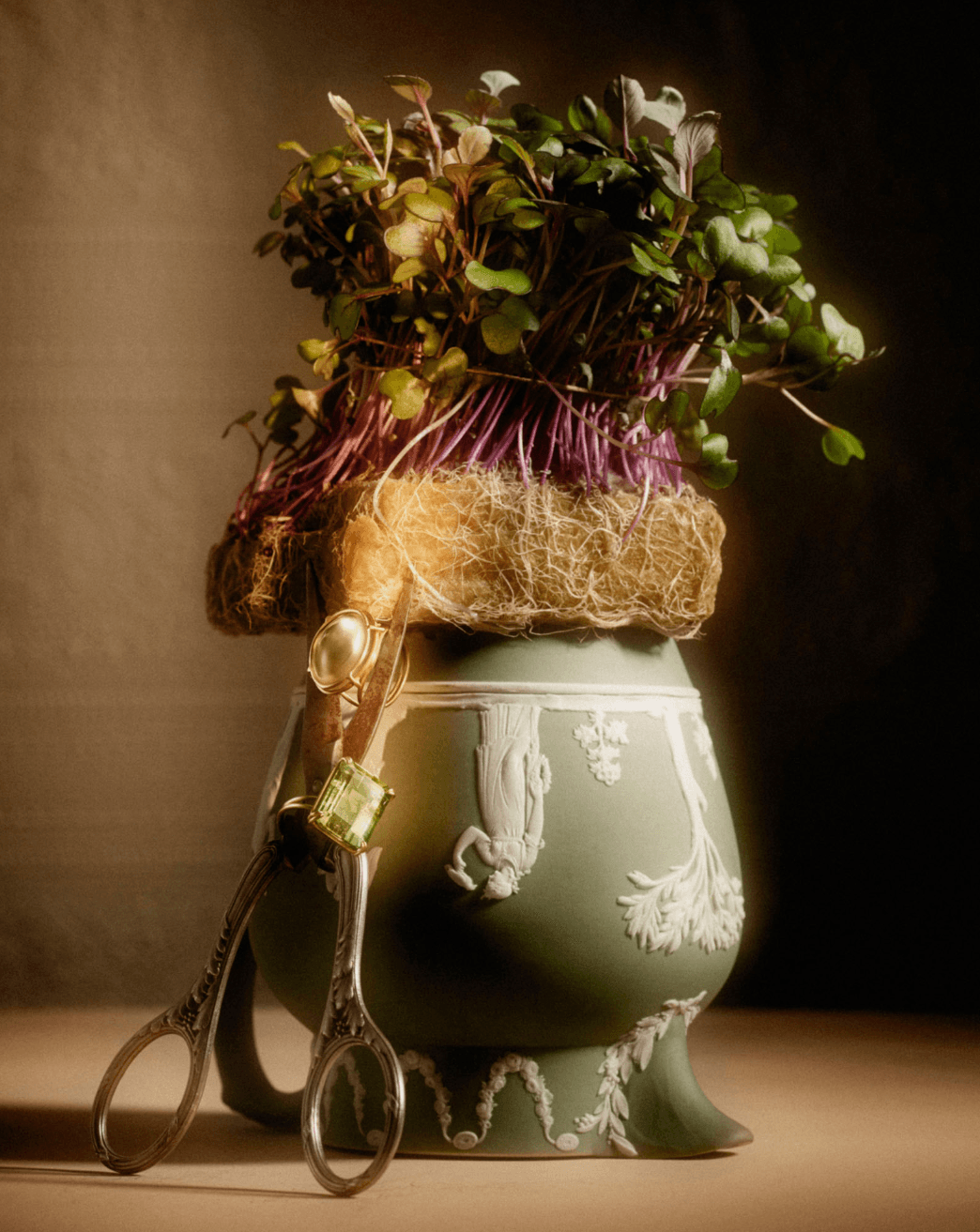
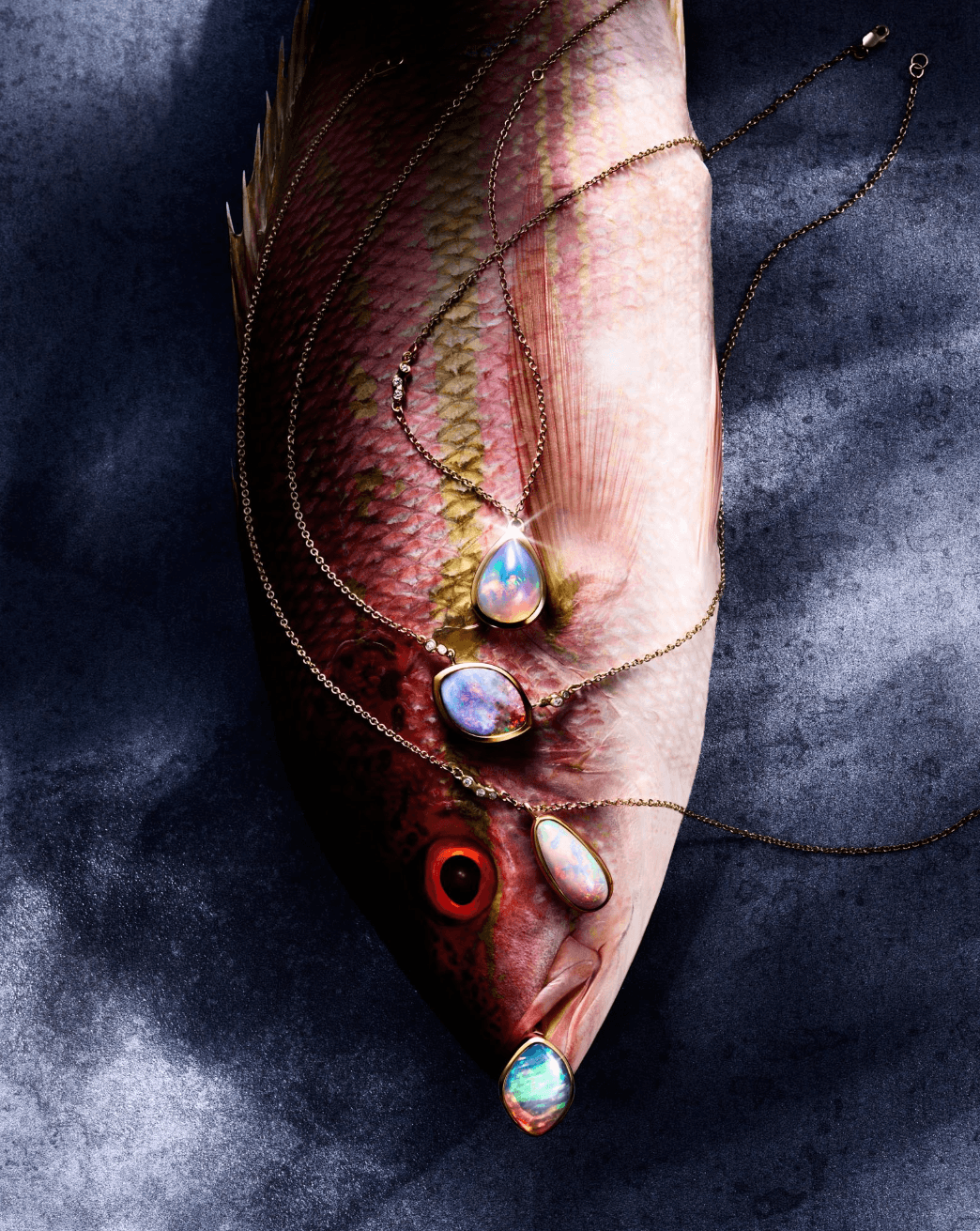
I specialize in still-life and product photography, primarily for clients in the fashion and luxury goods industries, with a particular emphasis on jewelry, watches, and accessories. Much of my work involves photographing relatively small objects, where the technical challenges of lighting, composition, and capturing intricate details can be quite demanding.
My approach to commercial photography is heavily influenced by my background in fine art, particularly abstract photography. I’m interested in finding new ways of presenting familiar objects, whether that’s through unusual perspectives, dramatic lighting, or unexpected compositions. Ideally, the resulting image does more than simply describe the product; it encourages the viewer to pause and consider something they might otherwise have overlooked.
I would like to think that this approach is what distinguishes my work, although I’m certainly not alone in pursuing it. There are a great many talented still-life photographers working today, and I find their work to be a constant source of inspiration and motivation.
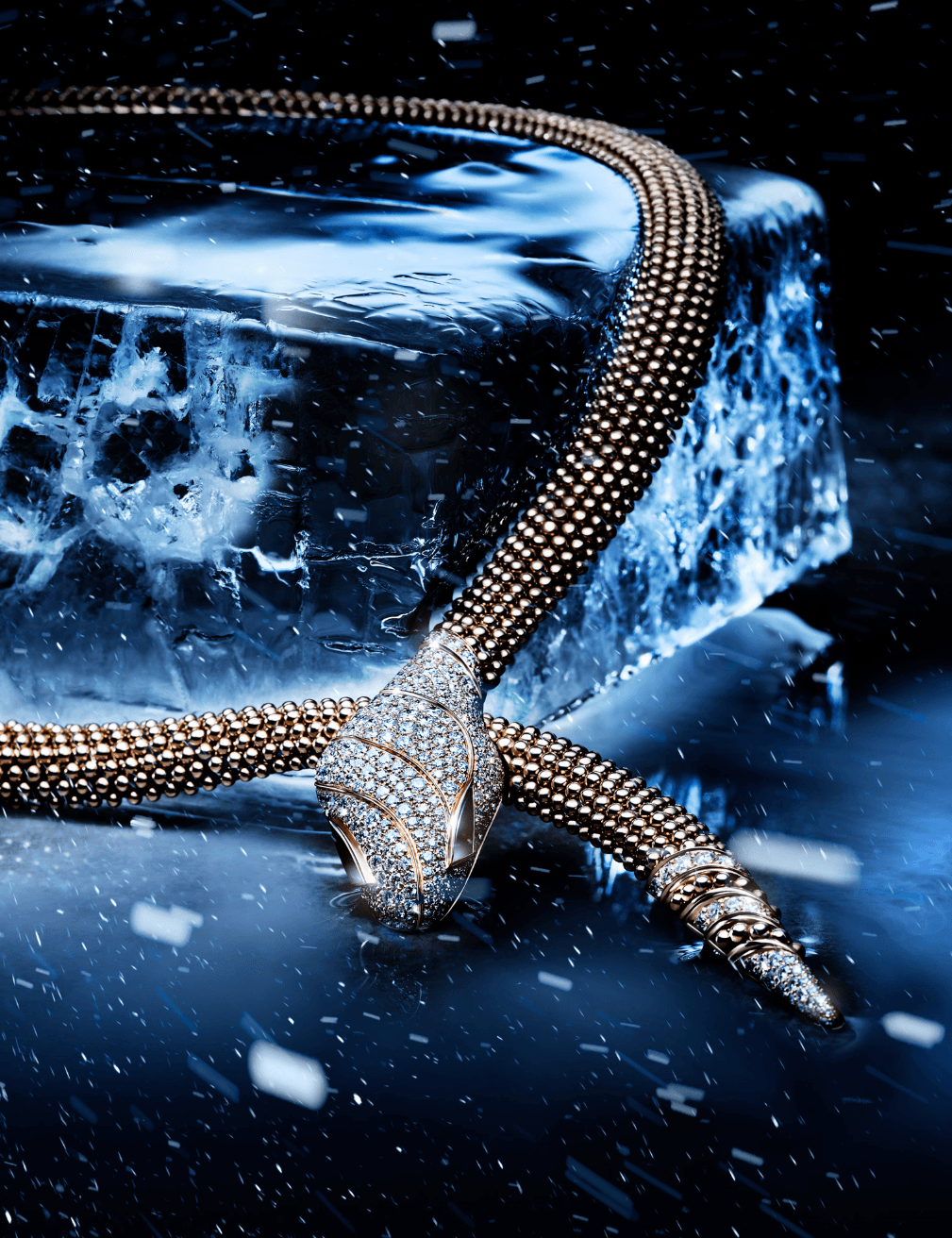
Some of the projects I’m most proud of are those where I’ve had the opportunity to bring ideas from my personal photography into commercial assignments. A recent example was an editorial jewelry story for Flaunt magazine, featuring Bulgari jewelry photographed among melting blocks of ice and moving water. The concept grew out of my travels to the Arctic, where I’d been photographing glaciers and icebergs, and thinking about the similarities between these natural formations and precious stones. Both are extraordinary objects shaped by nature over immense periods of time, yet one is comparatively permanent while the other is disappearing before our eyes.
Translating that idea into a jewelry story was technically challenging, but also enormously rewarding. It’s the sort of assignment I find most satisfying: an opportunity to combine personal interests, creative collaboration, and technical problem-solving into something that hopefully feels a little unexpected.
Ultimately, whether I’m photographing a piece of jewelry, a handbag, or an architectural detail for a personal project, the underlying motivation is much the same: to find a compelling perspective on something that might otherwise seem familiar.
Where do you see things going in the next 5-10 years?
I think we’re entering one of the more consequential periods of change in the history of commercial photography, largely as a result of generative AI and the continued evolution of computer-generated imagery.
Throughout my career, technological developments have repeatedly transformed the industry. When I was starting out, digital photography was rapidly replacing film, and photographers who had spent decades mastering one medium suddenly found themselves having to learn an entirely new workflow. Later, the rise of social media and online advertising fundamentally changed how images were consumed, and dramatically increased the demand for content.
I suspect AI will represent an equally significant transformation, perhaps even more so. For certain types of commercial photography, particularly straightforward product imagery, it is becoming increasingly possible to generate or manipulate images without the need for a traditional photoshoot. As these technologies improve, I think it’s reasonable to expect that some of the work historically performed by photographers will migrate toward AI-assisted or entirely synthetic production.
However, I’m not convinced that this necessarily means the disappearance of commercial photography. Rather, I suspect the definition of what it means to be a commercial photographer will continue to evolve. The ability to conceive compelling visual ideas, understand lighting and composition, and exercise good aesthetic judgment will remain valuable, even as the tools used to execute those ideas change.
I also think there will continue to be a place for traditional photography, particularly in the luxury sector, where craftsmanship, authenticity, and the physical qualities of a product are central to its appeal. Whether clients will continue to place the same value on those attributes remains to be seen.
One interesting consequence of AI is that it may dramatically lower the technical barriers to producing sophisticated imagery. In some ways, this is exciting, as it will allow more people to participate in visual storytelling. But it will also mean an enormous increase in the volume of content being produced, making it that much more difficult for any individual image to stand out.
Which brings me back to something that first attracted me to photography many years ago: the importance of creating an image that makes someone pause. Regardless of whether that image was created with a camera, a computer, or some combination of the two, I suspect that fundamental challenge will remain much the same.
Contact Info:
- Website: https://www.nicholasduers.com
- Instagram: https://www.instagram.com/nicholasduers
- LinkedIn: https://www.linkedin.com/in/nicholasduers/