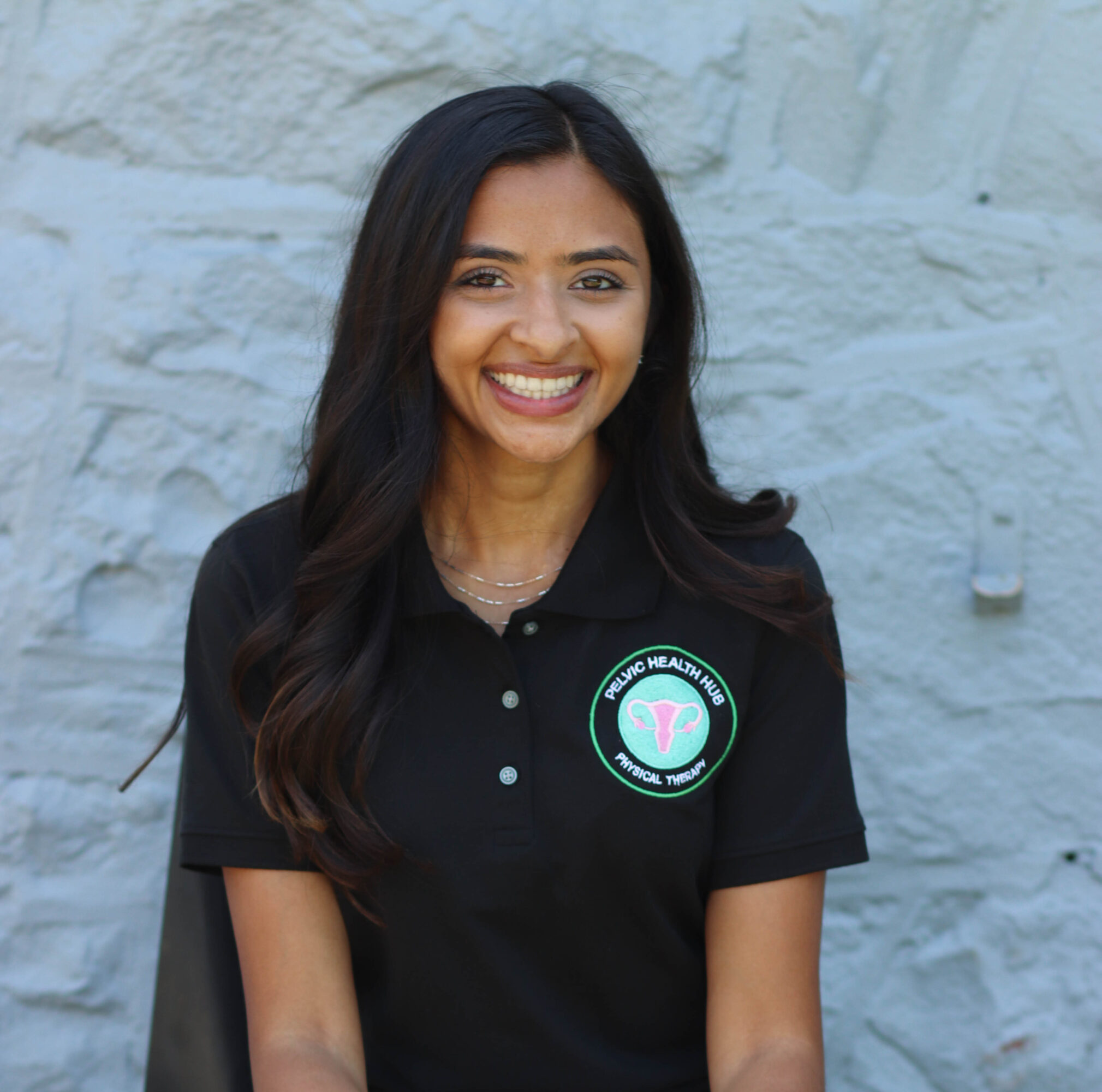





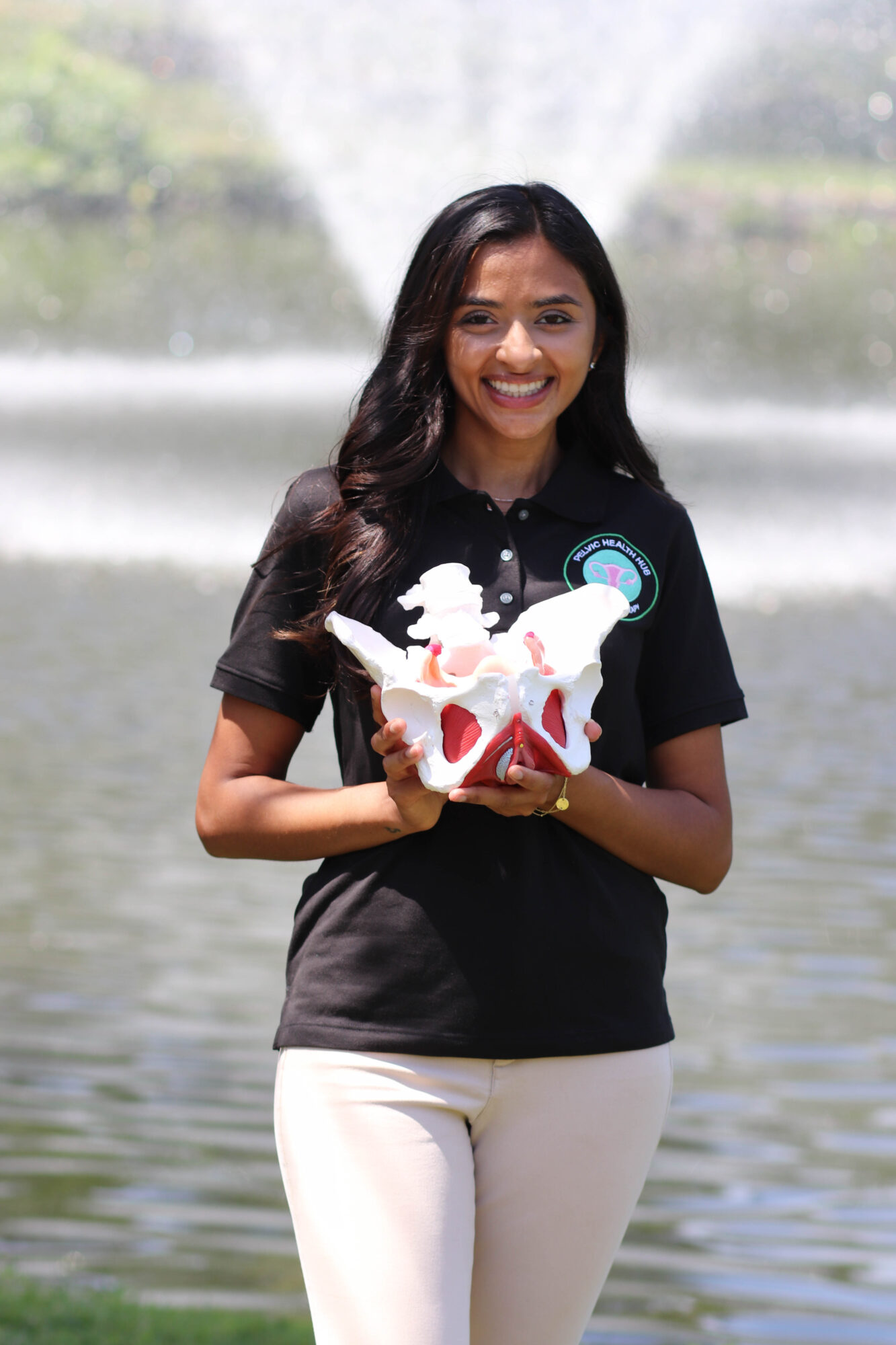
Today we’d like to introduce you to Alisha Shah.
Hi Alisha, we’d love for you to start by introducing yourself.
After earning my Doctor of Physical Therapy, I started my career as an orthopedic physical therapist. Over time I noticed I was seeing more and more women with low back pain, hip pain, and other aches that started after having a baby. In ortho, we didn’t really ask about things like leaking, pelvic pressure, or pain with intimacy. I kept feeling like there was a missing piece, and I wanted to understand the whole picture of what these women were going through.
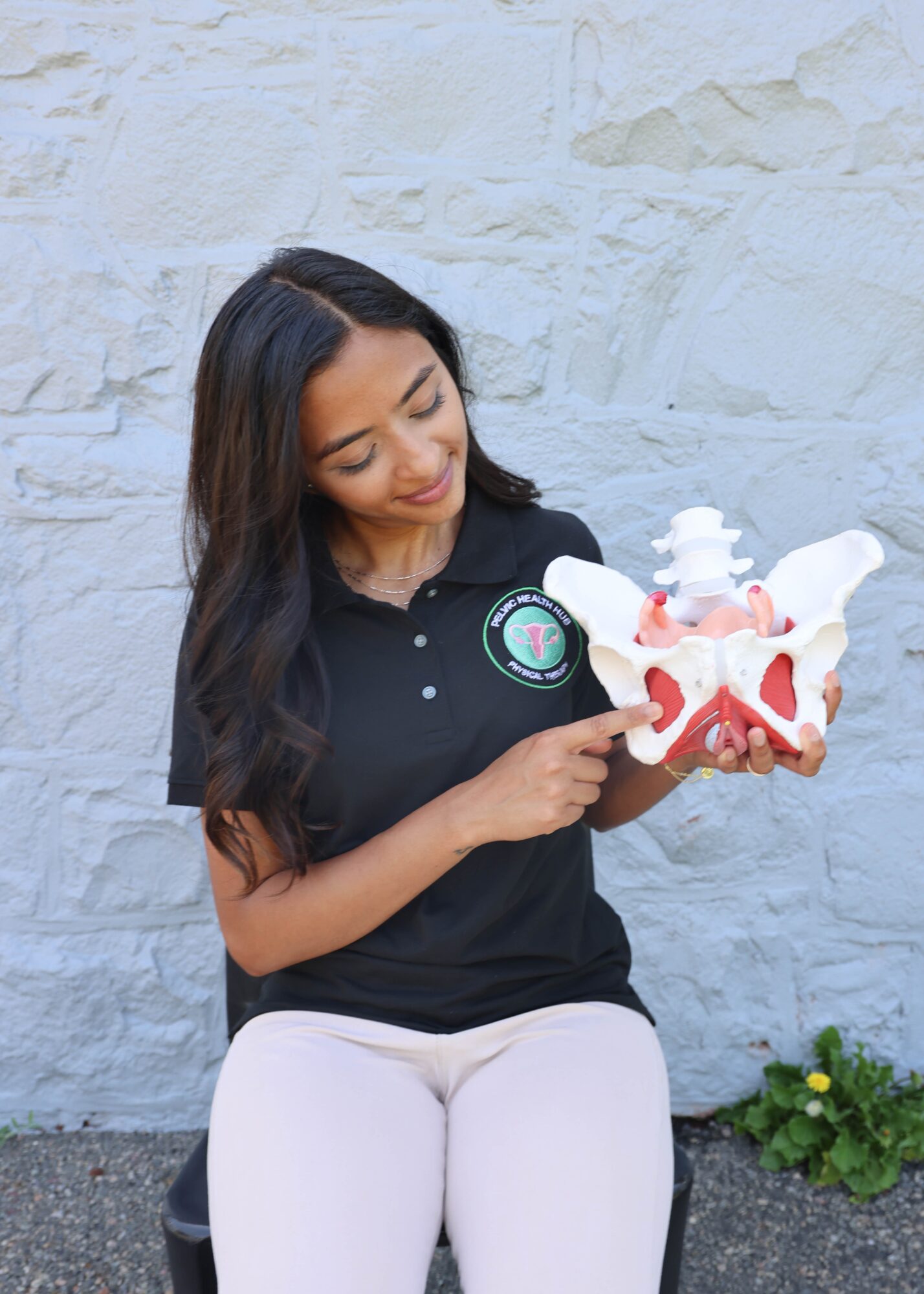
That led me to specialize in pelvic health, and I also became a Pregnancy and Postpartum Corrective Exercise Specialist (PCES). I’ve worked alongside other pelvic therapists and mentored students, which deepened my belief that good pelvic care starts with education.
The more I worked in pelvic health, the more I noticed a gap. Most women only find pelvic floor therapy after something goes wrong, and the usual healthcare setup doesn’t leave much time for the conversations these issues deserve. I wanted to offer care that was private, thorough, and proactive, especially during pregnancy, when preparing the body for birth can make such a difference in recovery afterward.
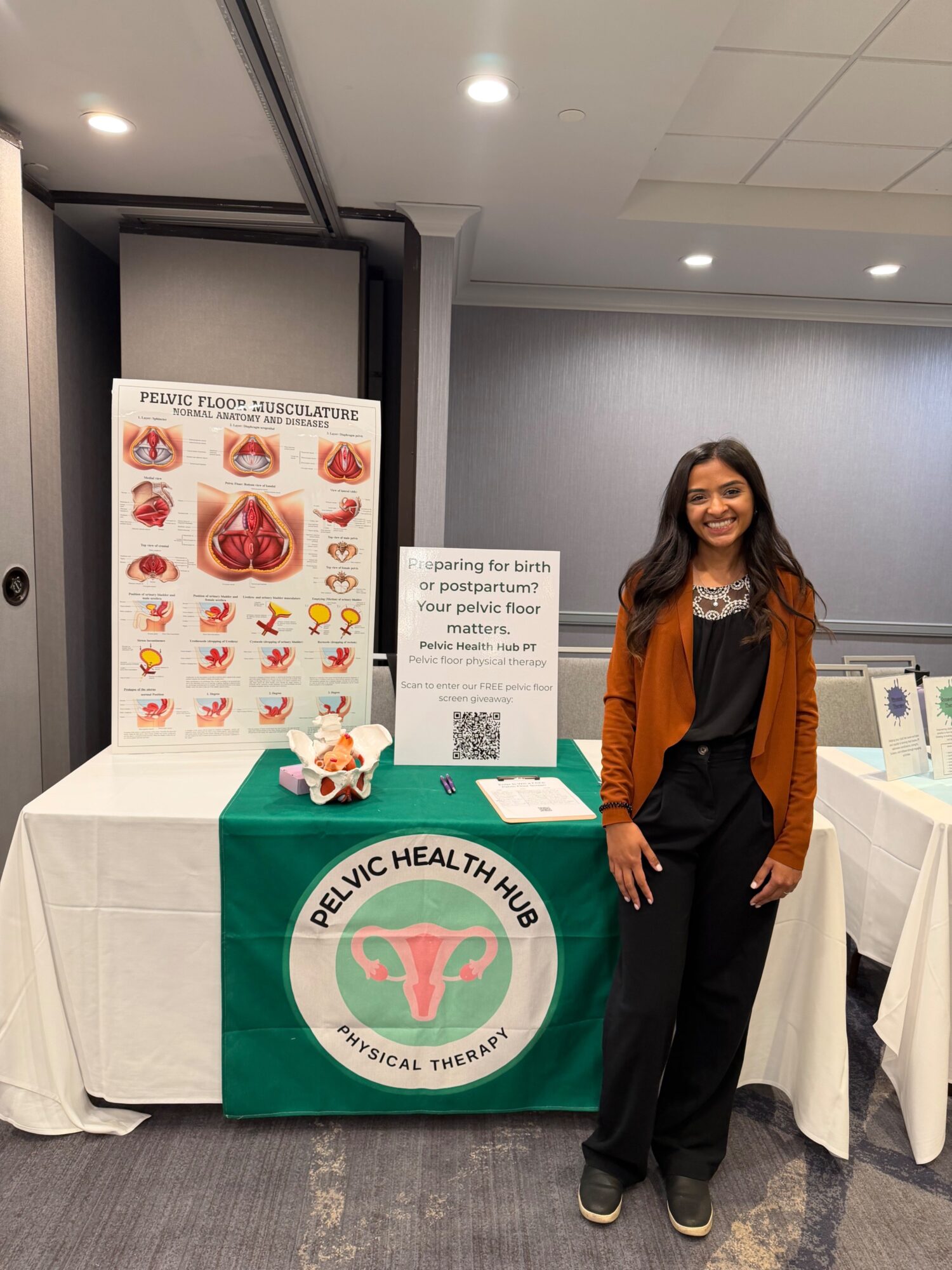
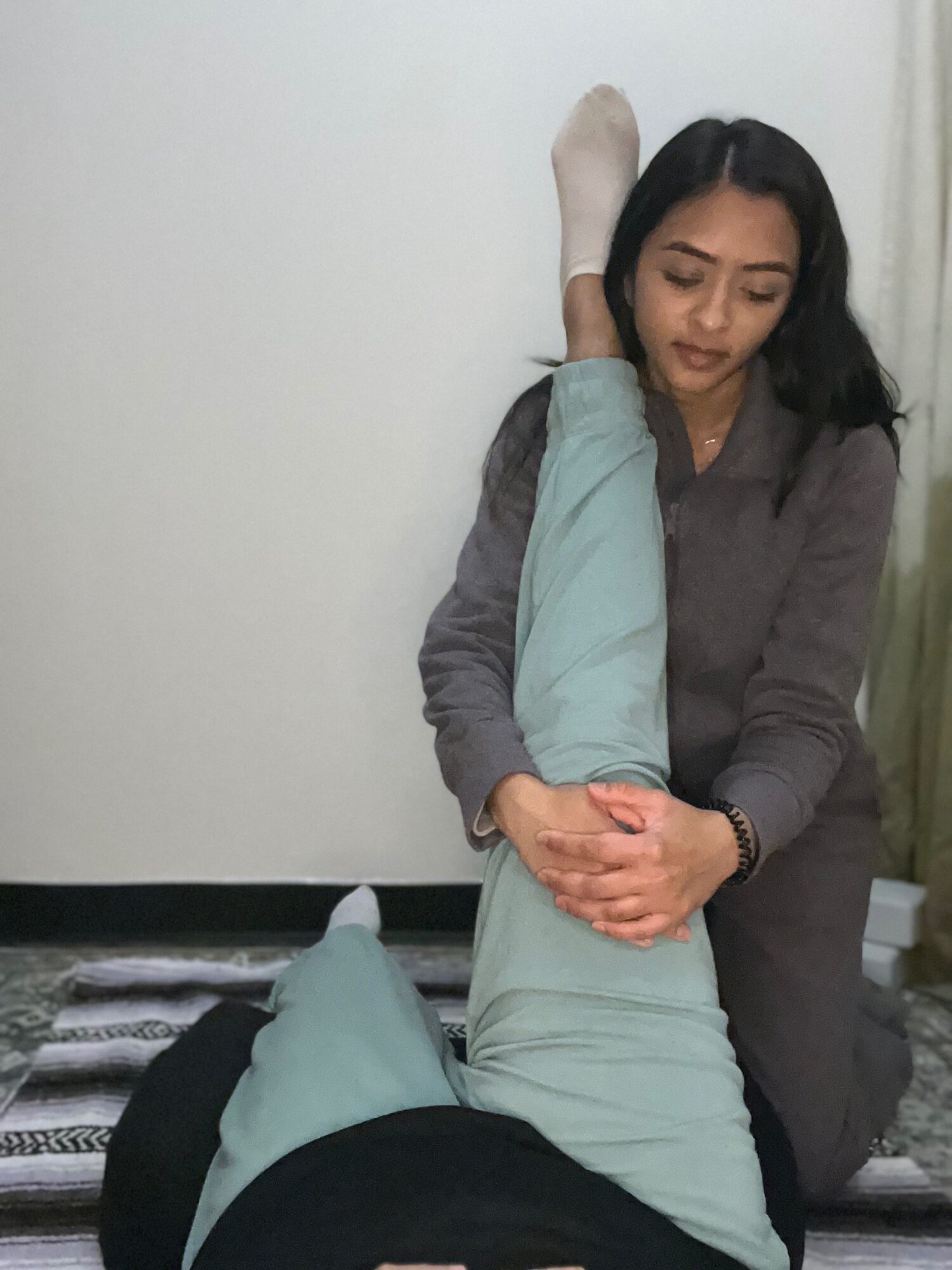
So I started Pelvic Health Hub Physical Therapy. Today I see women in person in Parsippany and virtually, with a focus on birth preparation and postpartum recovery, along with pelvic pain, endometriosis, menopause, and other pelvic floor concerns. Every visit is one-on-one, evidence-based, and trauma-informed. I’ve also loved getting out into the community: partnering with doulas and other birth professionals, hosting tables at local events, and sharing education online so more women know that common doesn’t mean normal, and that support is available.
Building a practice from the ground up has been one of the most challenging and rewarding things I’ve done. What keeps me going is watching a client go into birth feeling confident in her body, or seeing someone return to the activities she loves after being told to just live with it. That’s why Pelvic Health Hub exists.
Alright, so let’s dig a little deeper into the story – has it been an easy path overall and if not, what were the challenges you’ve had to overcome?
It has not always been a smooth road. One of the first challenges was the training itself. There are courses available for pelvic floor therapy, but I felt like they didn’t give me all the tools I needed. I wanted a lot of tools in my toolbox so I could really help each woman who walked through my door. So I had to seek out different classes and certifications that matched the way I wanted to treat, which is a holistic, whole-body approach. That took time, trial and error, and a lot of searching, but it shaped the kind of therapist I am today.
On the business side, the biggest struggle has been getting the word out. A lot of people, and even some doctors, don’t really know what pelvic floor therapy is. So much of my work has been explaining it and educating people. I find myself showing women that the symptoms they’ve been told to accept can actually get better, and that therapy can help them get back to the things they want to do, whether that’s running, lifting their kids, or just feeling comfortable in their own body again.
Building a business while still working clinically has also meant a lot of long days and learning things they never teach you in PT school, like marketing and running the business side of things. But every time a client tells me she wishes she had known about pelvic floor therapy sooner, it reminds me why I keep going.
As you know, we’re big fans of Pelvic Health Hub Physical Therapy. For our readers who might not be as familiar what can you tell them about the brand?
Pelvic Health Hub Physical Therapy is a women-centered pelvic floor therapy practice. I see clients in person in Parsippany and virtually, and I help women through pregnancy, postpartum, and beyond. My main focus is birth preparation and postpartum recovery, but I also treat pelvic pain, endometriosis, menopause-related changes, leaking, and other pelvic floor concerns.
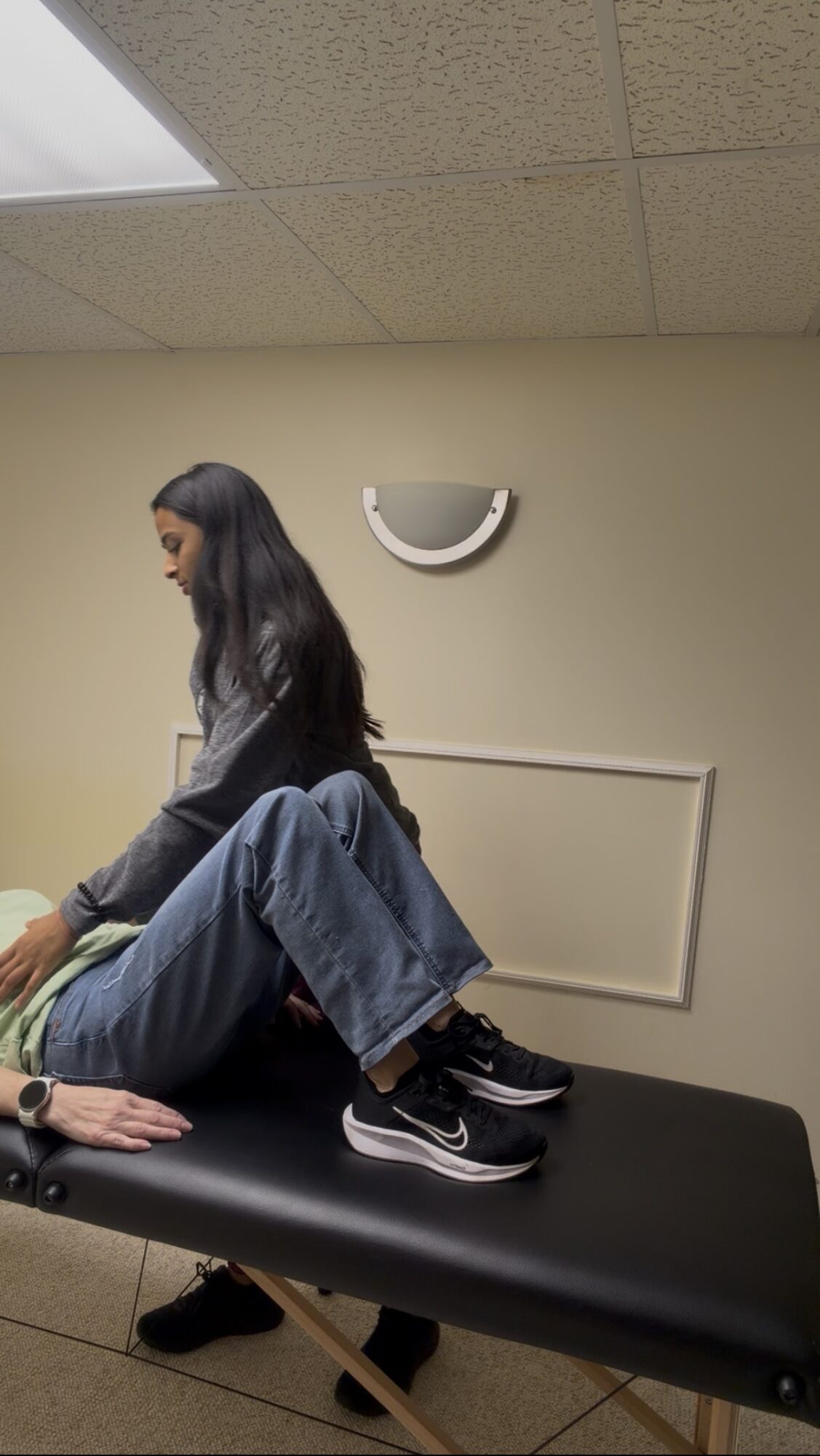
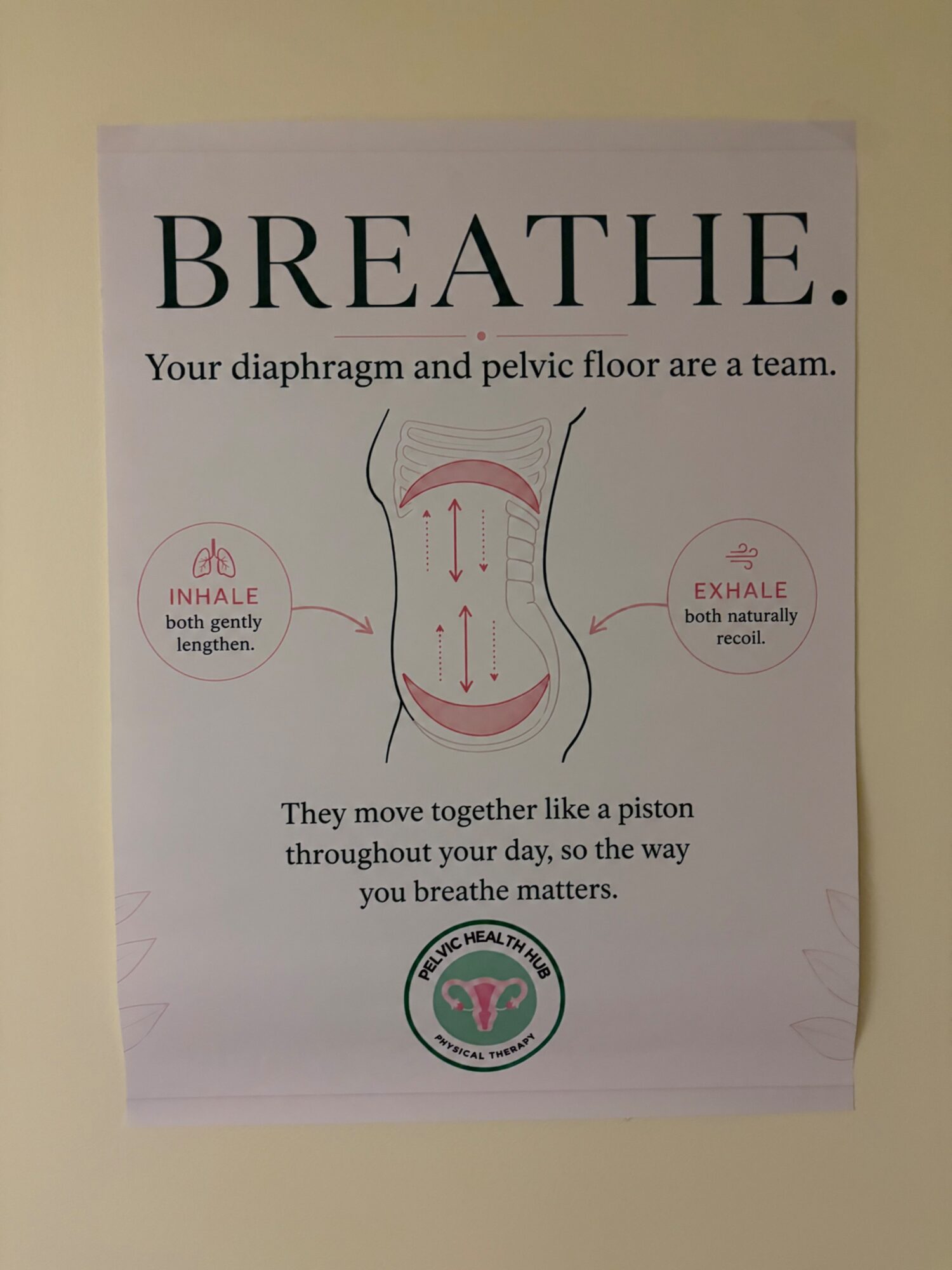
What I’m known for is birth prep. A lot of women spend months planning for their baby but very little time preparing their own body for labor and recovery. In a birth prep visit, we work on things like pushing strategies, breathing, positions for labor, perineal massage, and how to protect the pelvic floor. My goal is for women to walk into birth feeling confident and walk out with a smoother recovery.
What sets me apart is the time and attention each client gets. Every visit is a full hour, one-on-one, with just me. Because I sought out training beyond the standard pelvic floor courses, I take a holistic, whole-body approach. I look at how the pelvic floor works together with the hips, back, breathing, and core, and I build an individualized plan around each woman’s goals. My care is evidence-based and trauma-informed, and I want every client to feel heard and comfortable. Brand-wise, I’m most proud of making pelvic health feel approachable. These are topics many women feel embarrassed to bring up, even with their doctors. Through Instagram, local events, and partnerships with doulas and other birth professionals, I try to start those conversations and show women that what they’re feeling is common, but it’s not something they have to live with.
I want readers to know that you don’t need to have symptoms to benefit from pelvic floor therapy. Whether you never want a baby, you’re pregnant, recently had a baby, or have been dealing with something for years, it’s never too early or too late. If you’re not sure where to start, I offer a free 15-minute discovery call so we can talk through what’s going on and whether pelvic floor therapy is a good fit. You can learn more at pelvichealthhubpt.org or find me on Instagram at @pelvichealth_hub.
Risk taking is a topic that people have widely differing views on – we’d love to hear your thoughts.
Although I don’t think of myself as a natural risk-taker, looking back, the biggest steps in my career have all involved some level of risk. I like having a plan and knowing what’s coming next, so taking those steps wasn’t always easy.
The first was leaving orthopedics to specialize in pelvic health. I was comfortable in ortho and knew what I was doing, but I couldn’t ignore that feeling that something was missing for the women I was treating. Starting over in a new specialty, taking more courses, and learning a whole new way of treating felt scary, but it ended up being the best decision I made.
The second was starting Pelvic Health Hub. Going out on my own meant giving up some of the security of a steady job and investing in myself and the business. The real risk was accepting that there would never be a perfect time and jumping in anyway.
The way I see it, a risk is easier to take when it’s tied to something you really believe in. I believe women deserve better pelvic health care, and that keeps me going on the harder days. I also try to take risks thoughtfully. I ask for guidance, I lean on mentors and my support system, and I take things one step at a time instead of jumping in blindly.
If I could tell someone one thing about risk, it’s that staying comfortable can be a risk too. You might never find out what you’re capable of if you don’t give yourself the chance to try.
Contact Info:
- Website: https://Pelvichealthhubpt.org
- Instagram: @pelvichealth_hub
- Facebook: https://www.facebook.com/profile.php?id=61593009372346