



Today we’d like to introduce you to Cid Roberts.
Hi Cid, so excited to have you with us today. What can you tell us about your story?
I started as a performer. I grew up in Los Angeles, trained in classical dance, and performed in musical theater productions throughout Southern California. In 1999 I moved to New York to chase the dream of dancing and singing on Broadway.
That dream turned into a 23-year career that took me all over the world: national tours, international tours, regional work, gigs with pop artists, on Broadway and off.
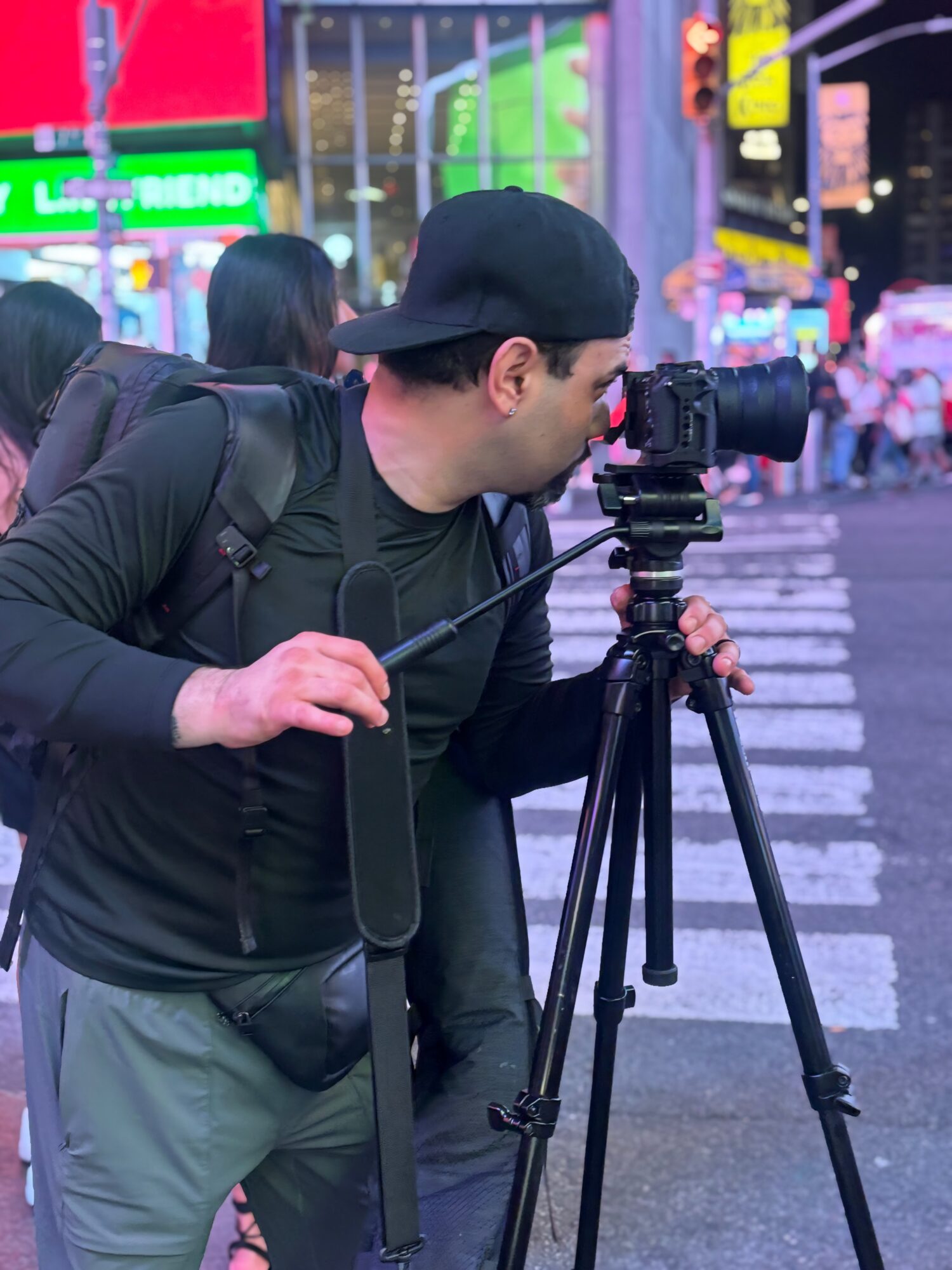
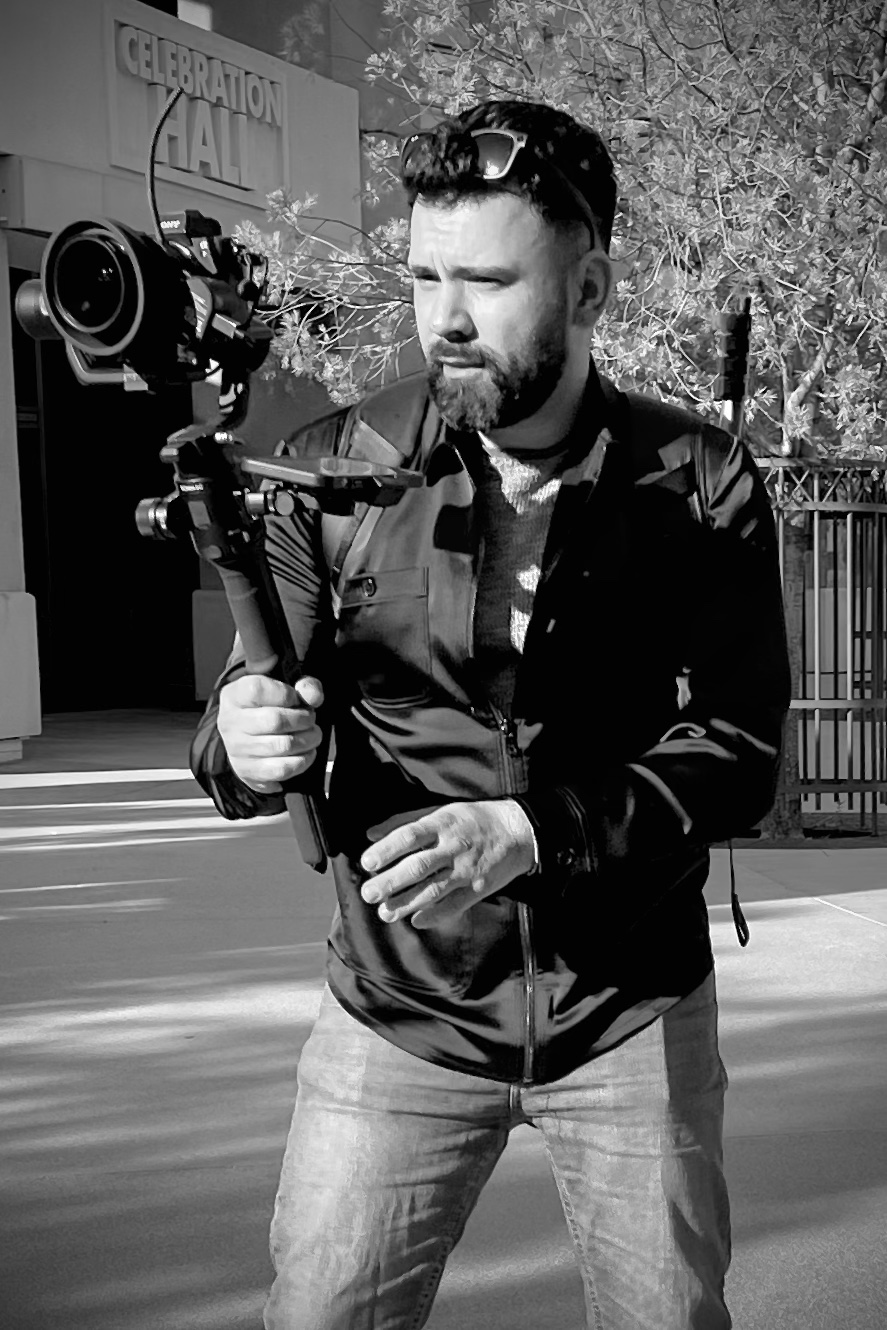
Somewhere along the way I fell into photography, which had always been a quiet passion running alongside the performing. Videography followed, then visual art, then content creation. None of it was planned. Each one just kept showing up in my life until I fell in love with it.
Looking back, the through line is storytelling. I’ve been telling stories my whole career, first through dance, then through photos and video, and now through content and marketing. The medium keeps changing, but the job’s always been the same: build a narrative and control how it’s told.
Alright, so let’s dig a little deeper into the story – has it been an easy path overall and if not, what were the challenges you’ve had to overcome?
Not even close. It’s been one struggle after another, honestly.
It started early, back in California. I began dancing later than most, and I had a father who didn’t support it, didn’t understand why I wanted to be a performer at all. I dealt with people telling me I couldn’t make it, that I wasn’t talented enough. Rejection was a constant, and if I’m being honest, it still is.
Moving to New York was its own adjustment. I came young and broke, and New York doesn’t hand you anything. There were a lot of hiccups in those early years, and to some degree there still are. You learn to expect the unexpected and roll with the punches, because this city will throw them at you.
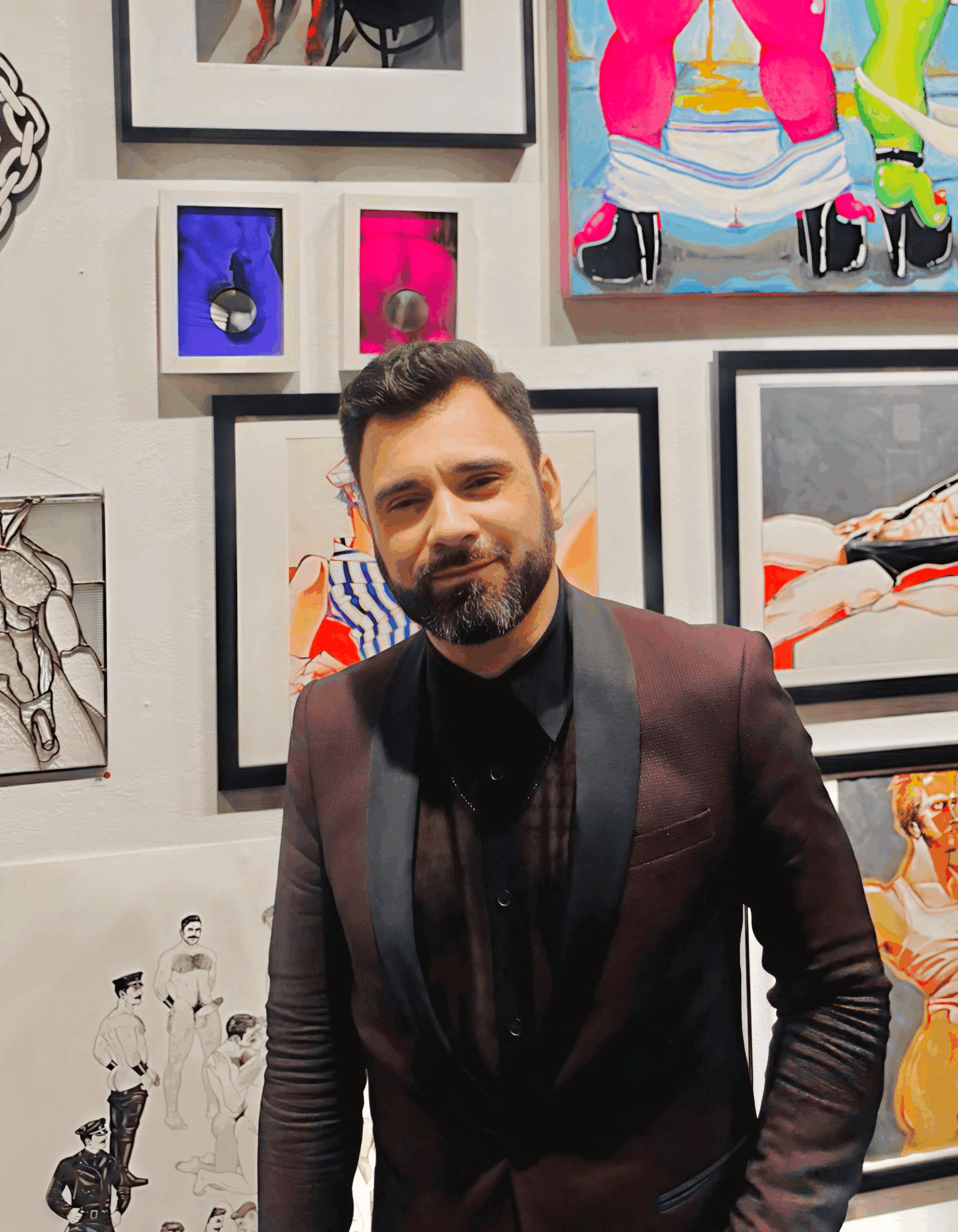
Every transition after that came with its own version of starting over. When I moved into photography, I was starting from zero: no training, no connections, no name. I taught myself, worked my way up through internships, and competed with people half my age, something I’m still navigating today. Visual art was the same story. I was self-taught, unknown in the art world, and I had to be aggressive about getting my work seen, on my own terms rather than the ones I was told to follow. That instinct paid off. It led to a couple of published books and projects I’m genuinely proud of, work that shaped everything I’ve done since.
Right now the struggle is AI. It’s remarkable, and it has real potential to solve big problems and change things for the better. But it also demands a complete shift in how we work, and that kind of disruption breeds fear and resistance, both in the world and internally, in yourself. Learning to pivot as a business owner and an artist isn’t something you can be taught. It’s something you have to learn by living through it. I’ve had enough change thrown at me over the course of my life that this just feels like the next one, a big one, but one I’d rather ride than get swept under. So that’s where I’m at: adapting, staying open, trying to be on the right side of the wave instead of fighting it.
Can you tell our readers more about what you do and what you think sets you apart from others?
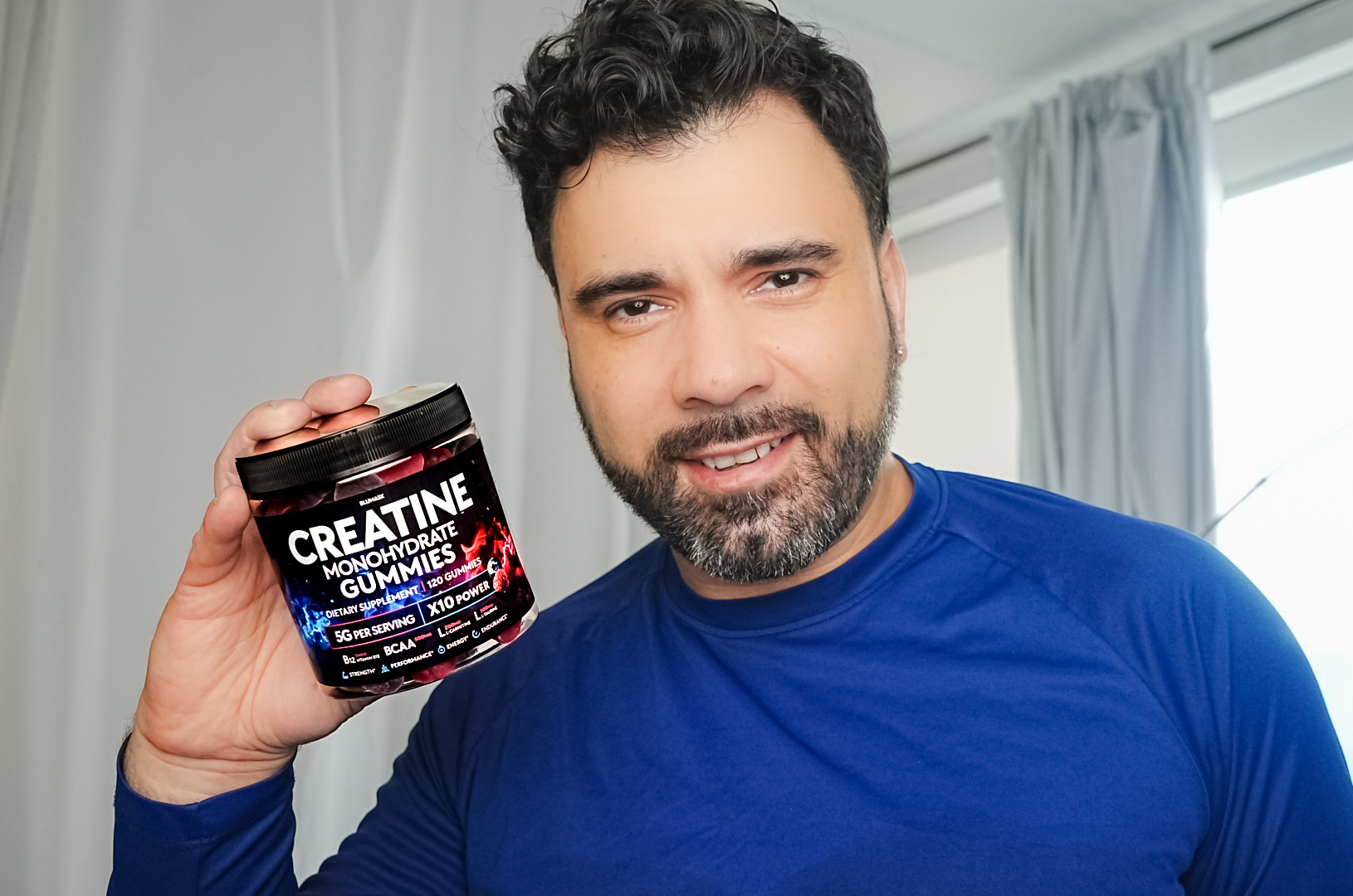
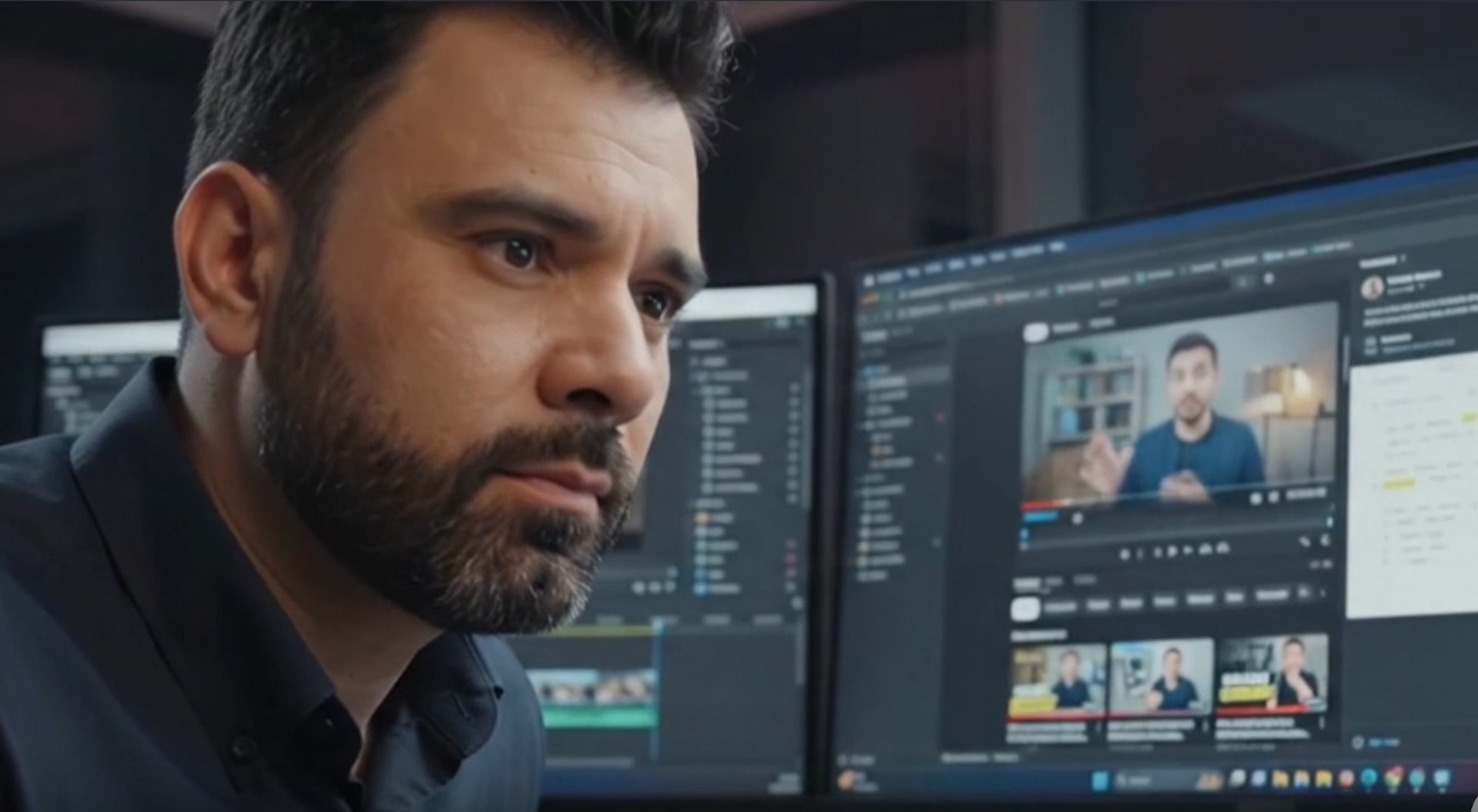
Right now I’m a content creator, and I’d add educator to that. I like helping people find and build the tools they need to get where they want to go.
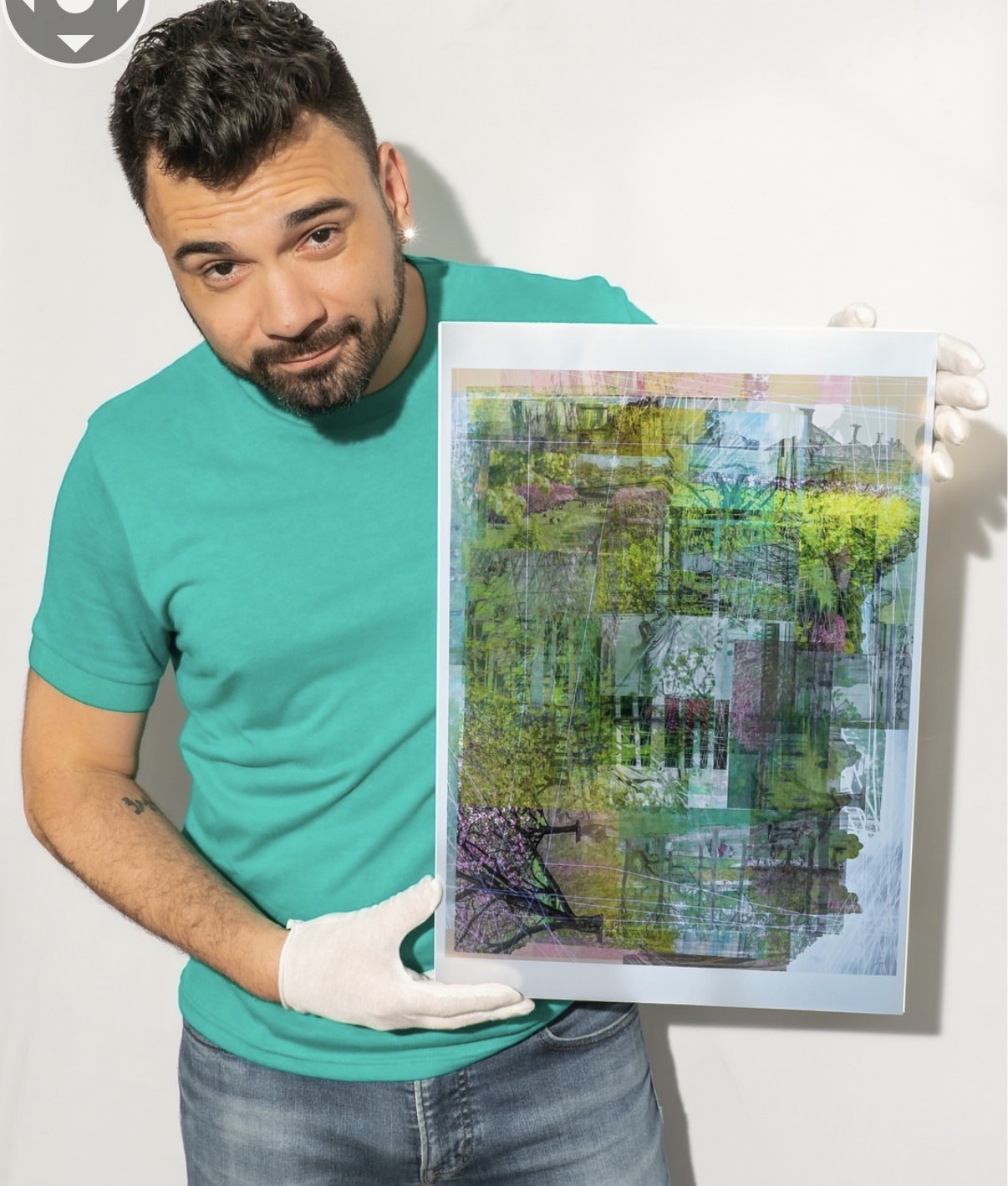
Ask me what I specialize in and the honest answer is: it depends on when you catch me. I’m a versatile, adaptable creator who wears a lot of hats. I spent years as a performer, singer, dancer, and actor. I built a career as a photographer, videographer, and photo/video editor. And I’m a visual artist, which is where some of the work I’m proudest of lives.
Two projects stand out. One is a photography book “All This Change is Making Me Wet” documenting the Soho riots after George Floyd’s murder, shot during COVID, an unusual vantage point on a strange moment in our history, and one nobody else was really capturing that way at the time. The other is a zine called Skin, pairing my photography and visual art with a poem I wrote. Both are deeply personal, and both are pieces I’m genuinely proud of.
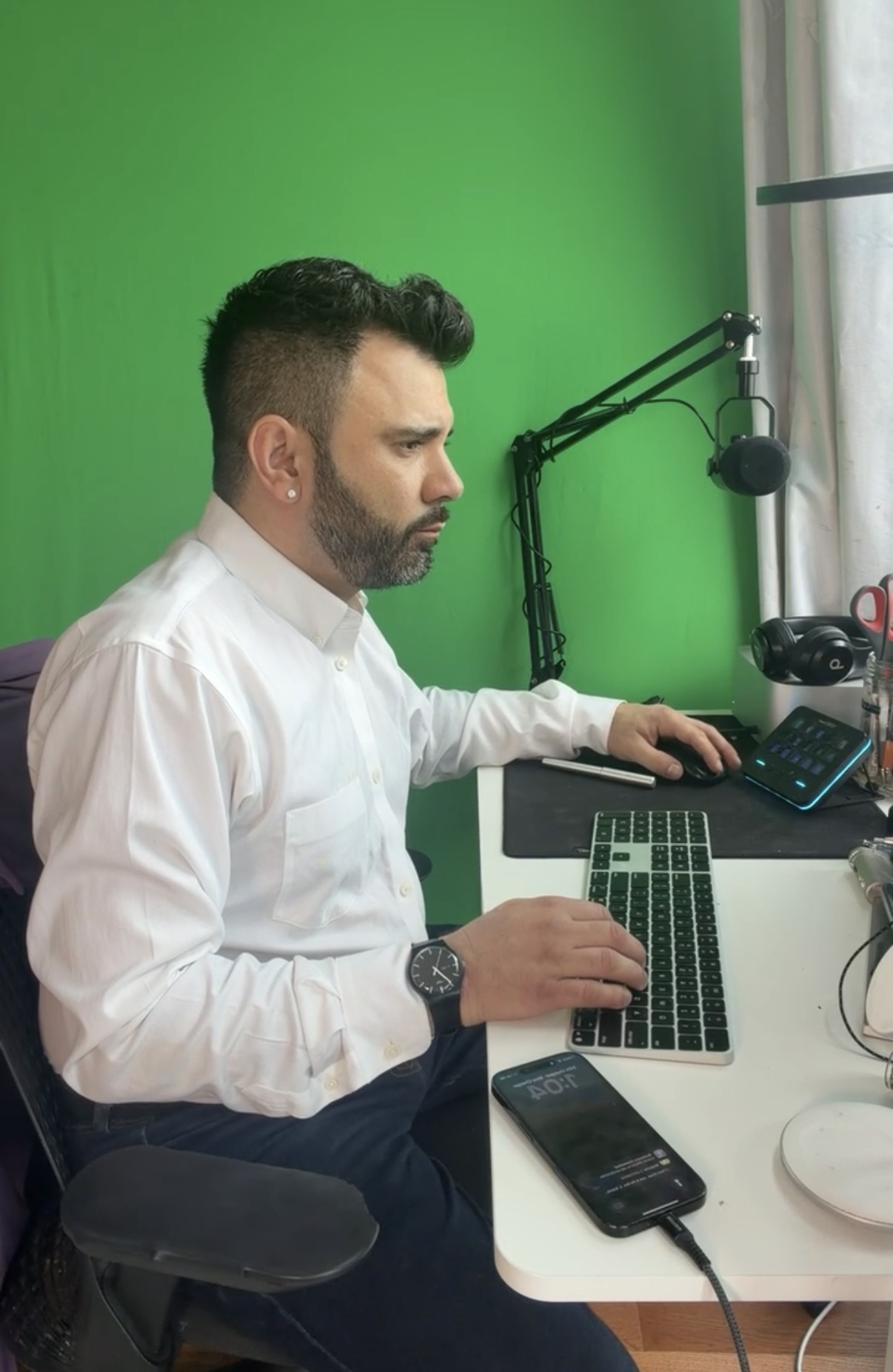
These days most of my work lives in UGC and content creation, alongside a creative studio I’m building to help small business owners, solopreneurs, and freelance artists get the tools they need to build work that makes them happy. I believe everyone should get to do what they love and get paid for it. We spend most of our lives working, so it might as well be work we love. I get a real thrill out of the projects I take on, enough that I probably work more than I should.
What I’m most proud of, ultimately, is my versatility: the ability to adapt, reinvent myself, and keep finding new ways to create. I hope that’s something readers take away too. Nobody is stuck in one lane. There’s no limit on how many careers, dreams, or reinventions you’re allowed to have. If one doesn’t work out, or even if it does, you can still go after more. There’s always time.
In terms of your work and the industry, what are some of the changes you are expecting to see over the next five to ten years?
Honestly? I can barely tell you what the world looks like a year from now, let alone five or ten. AI is changing things so fast that the possibilities feel endless. The world could look like almost anything, depending on how we choose to engage with it. I think it’s on all of us to step up and lean into that instead of resisting it, because it’s happening whether we’re ready or not.
What I can say is that my industry is already shifting. AI-generated content is becoming more prevalent in UGC and content creation, and I think the interesting question over the next several years is whether we can turn that into a strength rather than a threat. I believe it can be a symbiotic relationship. AI and human creativity coexisting productively, not competing.
That’s going to take some outside-the-box thinking and a willingness to experiment, which is already happening in a lot of ways. I’m hopeful the industry comes out of this stronger and more willing to take creative risks, because so much is accessible now. What excites me most isn’t just using AI to be more productive. It’s using it to expand what we’re capable of dreaming up in the first place, to push creativity somewhere we haven’t been able to take it before. That’s true for my industry, and honestly for every industry.
Contact Info:
- Website: ugcbycid.com and thecollectiveugc.com
- Instagram: @nycugcidy
- LinkedIn: https://www.linkedin.com/in/cid-roberts-230708180
- Youtube: https://youtube.com/@ugcidy