




Today we’d like to introduce you to Debbie Griffis.
Hi Debbie, so excited to have you with us today. What can you tell us about your story?
My journey to where I am today has really been a combination of my love for animals, a desire to make a difference, and a willingness to take on challenges that sometimes seem bigger than I am.
I founded Muddy Paws Farm Rescue with the belief that farm animals deserve the same compassion, care, and second chances that we extend to our cats and dogs. What started as a passion for helping animals grew into a nonprofit farm animal rescue and sanctuary in the New Jersey Pine Barrens.
Over time, the rescue has grown into so much more than just a place for animals to live safely. We’ve created a place where people can come, meet the animals, learn their stories, and develop a better understanding of farm animals and the importance of animal welfare.
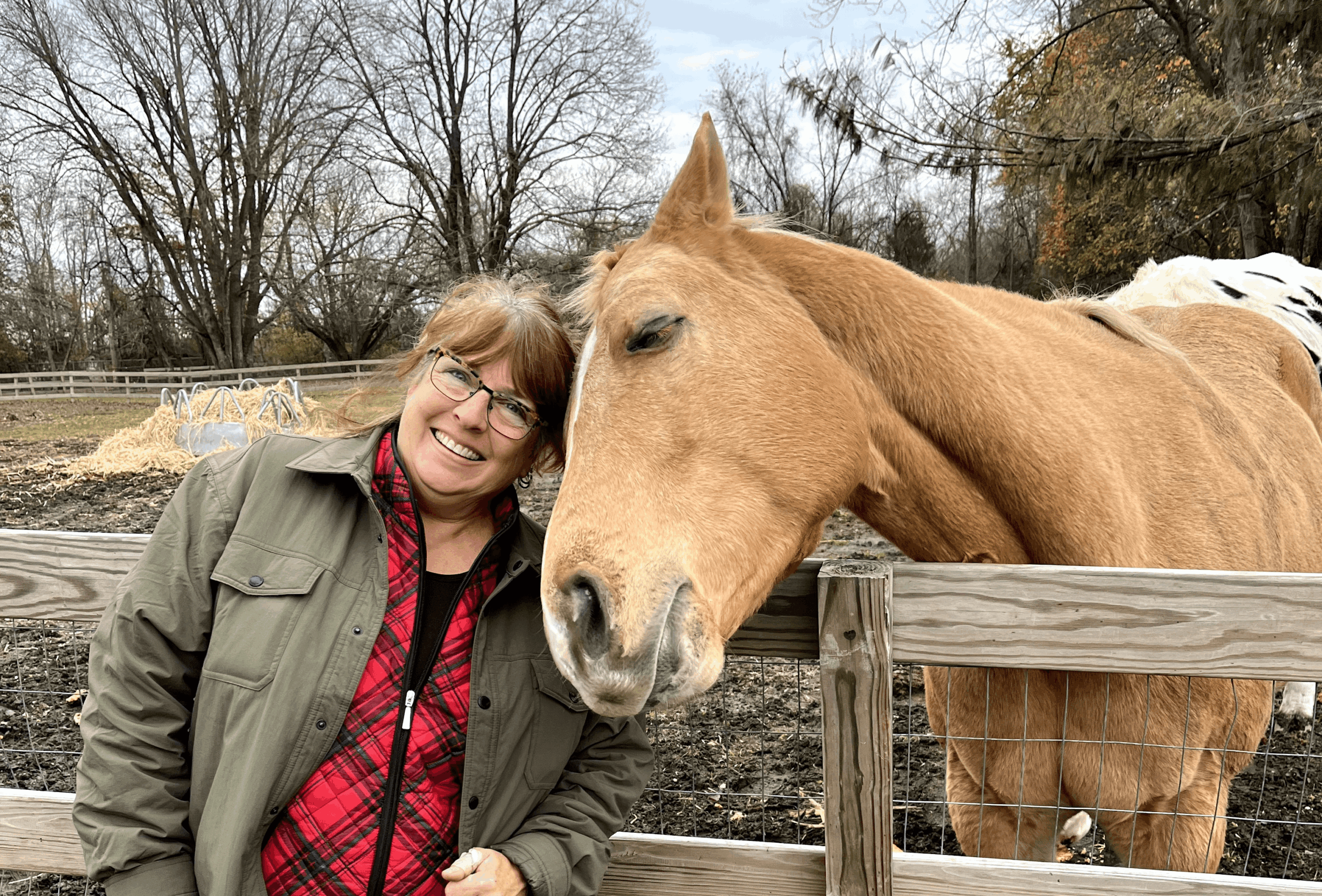
Today, as Executive Director, I oversee the many aspects of running the organization, from animal care and volunteers to fundraising, community outreach, and keeping the operation moving forward. We’re a small, volunteer-driven nonprofit, so there is never a shortage of things to do!
It’s been a tremendous learning experience. I’ve had to wear a lot of hats, figure things out as I go, and learn things I never imagined I’d need to know. But seeing animals who have been neglected, overlooked, or simply considered disposable get a safe and loving home makes all of it worthwhile.
I’m proud of what we’ve built, but I also see how much more we can accomplish. For me, this has become about more than rescuing animals. It’s about creating awareness, changing perceptions, and showing people that every animal has value and deserves kindness.
Would you say it’s been a smooth road, and if not what are some of the biggest challenges you’ve faced along the way?
Absolutely not! Building and running a nonprofit animal rescue has been one of the most rewarding things I’ve ever done, but it certainly hasn’t been a smooth road.
One of the biggest challenges is that the need is always greater than the resources available. There are always more animals who need help, unexpected medical expenses, infrastructure needs, and daily responsibilities that don’t stop just because funding or volunteers are limited.
Learning to run a nonprofit has also been a tremendous challenge. Animal rescue is one thing, but managing the business side of an organization is something entirely different. Fundraising, finances, regulations, marketing, volunteer management, and keeping everything operating takes an enormous amount of time and energy.
Another struggle is the emotional side of rescue. You see firsthand how some animals are treated, and you can’t save every animal who needs you. You have to learn to accept your limitations while continuing to do as much as you can.
I also think one of the biggest lessons has been learning that you cannot do everything yourself. It’s easy to take on too much because you care so deeply about the mission. Building a team, trusting others, and learning to delegate has been an ongoing process.
There have been frustrating days, setbacks, and moments when I wondered how we were going to make everything work. But I’ve learned to be resourceful, persistent, and adaptable. If there’s one thing animal rescue teaches you, it’s that you have to keep showing up. The animals are counting on you.
Appreciate you sharing that. What should we know about Muddy Paws Farm Rescue?
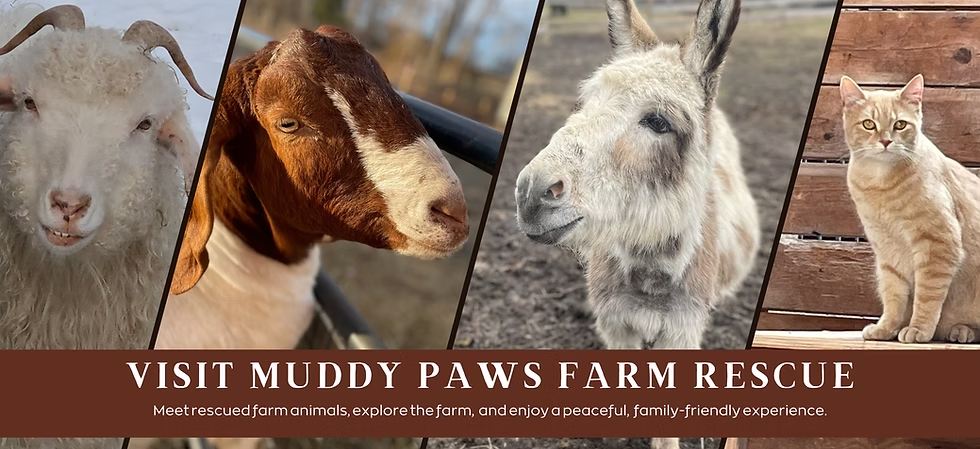
Muddy Paws Farm Rescue is a 501(c)(3) nonprofit farm animal rescue and sanctuary located in the New Jersey Pine Barrens. Our mission is to provide a safe, permanent home for farm animals who have experienced neglect, abuse, abandonment, or simply found themselves without a place to go.
We rescue a variety of farm animals, including goats, sheep, donkeys, horses, cows, ducks, geese, and other animals. Every animal has a story, and we believe every one of them deserves the opportunity to live out their lives with dignity, compassion, and proper care.
What makes us different is that we’re not just a sanctuary where animals live behind closed gates. We open our farm to the public and create opportunities for people to interact with the animals, learn about their individual stories, and develop a greater appreciation for farm animals. We offer educational programs, storytimes, field trips, birthday parties, private tours, and special events. We want people, especially children, to understand that these animals are individuals with personalities, emotions, and unique needs.
We’re a small, grassroots, volunteer-driven organization, and everything we do is centered around the animals. We don’t charge admission to visit the farm; instead, we welcome donations to support their care. We believe that connecting people with animals can be a powerful way to create compassion and awareness.
What I’m most proud of is the community we’ve built and the fact that we’ve created a place where rescued animals are not only safe but become ambassadors for their own kind. Animals who may once have been overlooked or considered disposable are now helping educate and inspire the next generation.
Our brand is built around compassion, authenticity, education, and connection. We’re not a petting zoo or a commercial farm attraction. We’re a working rescue and sanctuary, and the animals who live here will always come first.
Ultimately, we want people to leave Muddy Paws Farm with more than just a nice afternoon at the farm. We want them to leave with a different perspective on animals, a smile in their heart, and perhaps a story about an animal they won’t soon forget.
In terms of your work and the industry, what are some of the changes you are expecting to see over the next five to ten years?
I think the next 5–10 years will bring a growing awareness of farm animal welfare and a shift in how people view animals that have traditionally been considered livestock rather than individuals.
I believe more people are becoming interested in where their food comes from, how animals are treated, and the realities of factory farming and commercial agriculture. Social media has played a big role in making these issues more visible, and I think that awareness will continue to grow.
I also see animal sanctuaries and rescues becoming increasingly important as educational resources. People want experiences that are meaningful, especially families looking for opportunities to teach their children compassion, empathy, and respect for animals. I think there is tremendous potential for organizations like ours to bridge that gap between animal rescue and public education.
At the same time, I think the rescue industry faces some significant challenges. The cost of veterinary care, feed, infrastructure, and basic animal care continues to put pressure on small nonprofits. Finding reliable volunteers, securing sustainable funding, and managing the growing number of animals in need will become increasingly difficult.
I also think there will be a greater need for collaboration between rescues, sanctuaries, communities, and other animal welfare organizations. No one organization can solve these problems alone.
For Muddy Paws Farm Rescue, I see the future as an opportunity to grow our educational programs, reach more families, build stronger community partnerships, and create a more sustainable organization. I don’t necessarily measure success by how many animals we can take in, but by how well we care for the animals who depend on us and how many people we can positively influence.
Ultimately, I hope the next decade brings a cultural shift where farm animals are recognized not simply for what they produce, but for the individual lives they have. I think we have a role to play in making that happen.
Pricing:
- Hay: Approximately $100 per round bale. We use 6–7 bales per week, or approximately $600–$700 weekly ($31,200–$36,400 annually).
- Hoof Care: Regular trimming and maintenance for our horses & donkeys. $40 per animal – 7 animals – trimmed every 8 weeks
- Feed: Ongoing expenses for grain, pellets, supplements, and specialized animal nutrition.
- Yearly Vet Shots – $55 per animals – 64 Animals
- Horses & Donkeys need their teeth floated each year – $1200.
Contact Info:
- Website: https://www.muddypawsfarmrescue.org
- Instagram: https://www.instagram.com/muddypawsfarmrescue/
- Facebook: https://www.facebook.com/BigDogsLoveFarming/