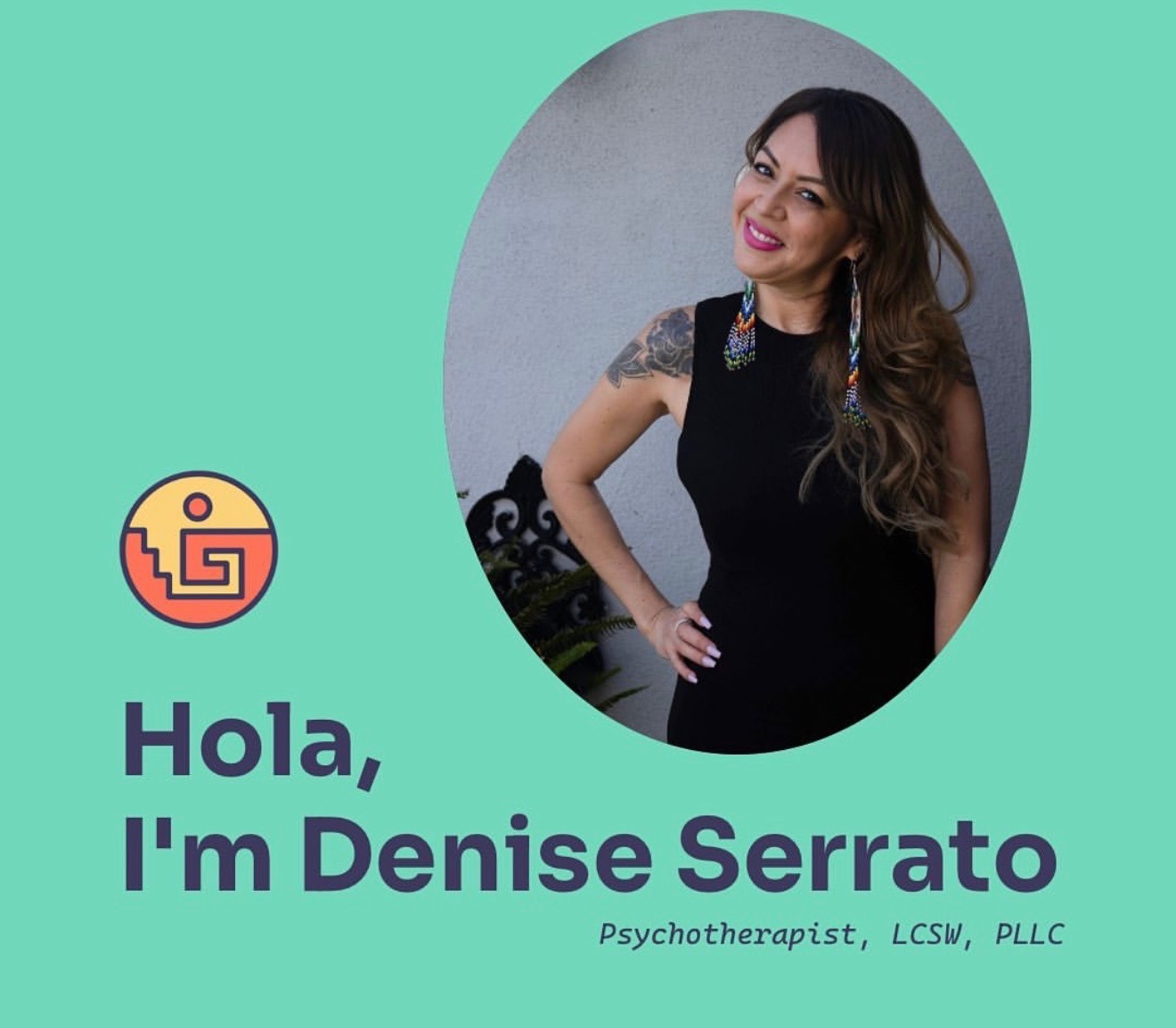






Today we’d like to introduce you to Denise Serrato, LCSW.
Hi Denise, it’s an honor to have you on the platform. Thanks for taking the time to share your story with us – to start maybe you can share some of your backstory with our readers?
Ever since I was about ten years old, I have been deeply curious about human behavior. I often wondered why people do what they do and what shapes the way they think, feel and interact with the world. From an early age, I knew I wanted to be a healer. I just wasn’t sure what that path would look like, but I did know that I was deeply fascinated by human behavior.
As the middle child in my family, I naturally found myself observing the dynamics between my family members and relatives, which sparked my interest in understanding relationships and emotional experiences.
I earned my undergraduate degree in Behavioral Science with a minor in Chicano Studies from California State Polytechnic University and my graduate degree in Clinical Social Work from Fordham University in New York. At the beginning of my career, I worked in nonprofit and hospital settings, including Bellevue Hospital, Albert Einstein College of Medicine, and The Brooklyn Hospital Center, where I supported individuals and families navigating complex life challenges such as substance misuse, life transitions, grief and trauma. During this time, while continuing my clinical work, I also pursued postgraduate training at the Ackerman Institute for the Family, where I deepened my training in working with couples and families from a systemic perspective.
Over time, I realized the traditional nine-to-five structure felt limiting for the kind of work I wanted to do. I also began to recognize that the model did not reflect the value of my training and expertise. In 2017, I took the leap of faith and began building my private practice, where I now provide trauma-informed mental wellness services. As a Latina clinician, I am passionate about bringing culturally informed perspectives into mental health care and helping clients understand how cultural and historical experiences shape their lives.
In addition to psychotherapy, I also conduct Psychiatric immigration evaluations for families and individuals seeking humanitarian relief including Asylum, VAWA, U-Visa, T-Visa, and Hardship waivers. Through this work, I help document the psychological impact of trauma so that individuals’ experiences can be understood and represented within the legal process.
Can you talk to us a bit about the challenges and lessons you’ve learned along the way. Looking back would you say it’s been easy or smooth in retrospect?
It has not always been a smooth road. While I was completing my undergraduate degree, I experienced the unexpected loss of my partner at the early age of 25. That moment profoundly shaped my outlook on life. In many ways, it reminded me that time and opportunity should not be taken for granted, and it gave me the strength to pursue my goals with greater intention. That experience ultimately gave me the courage to take risks, restart and move to New York City to pursue my graduate degree in Clinical Social Work at Fordham University.
Later in my career, another challenge came when I decided to start my private practice. I entered that process with passion and determination but very few resources or guidance on the business side of things. As a small business owner, I quickly realized that I had to take on many roles beyond being a clinician—I became my own bookkeeper, administrative assistant, and sometimes even my own tax consultant. These are skills that unfortunately are not taught in graduate school, so much of the process involved learning through experience.
Around that same time, I was also navigating significant personal transitions. I went through a divorce in 2017, which was a very difficult period in my life. The following year, in 2018, I became a mother while continuing to build my private practice. Balancing entrepreneurship, motherhood, and my own emotional healing during that time was challenging, but it also strengthened my resilience and sense of purpose.
Looking back, those experiences deepened my empathy for the people I work with. They shaped the way I approach my work today and reinforced my commitment to helping others navigate life’s most difficult moments with compassion and understanding.
Thanks for sharing that. So, maybe next you can tell us a bit more about your business?
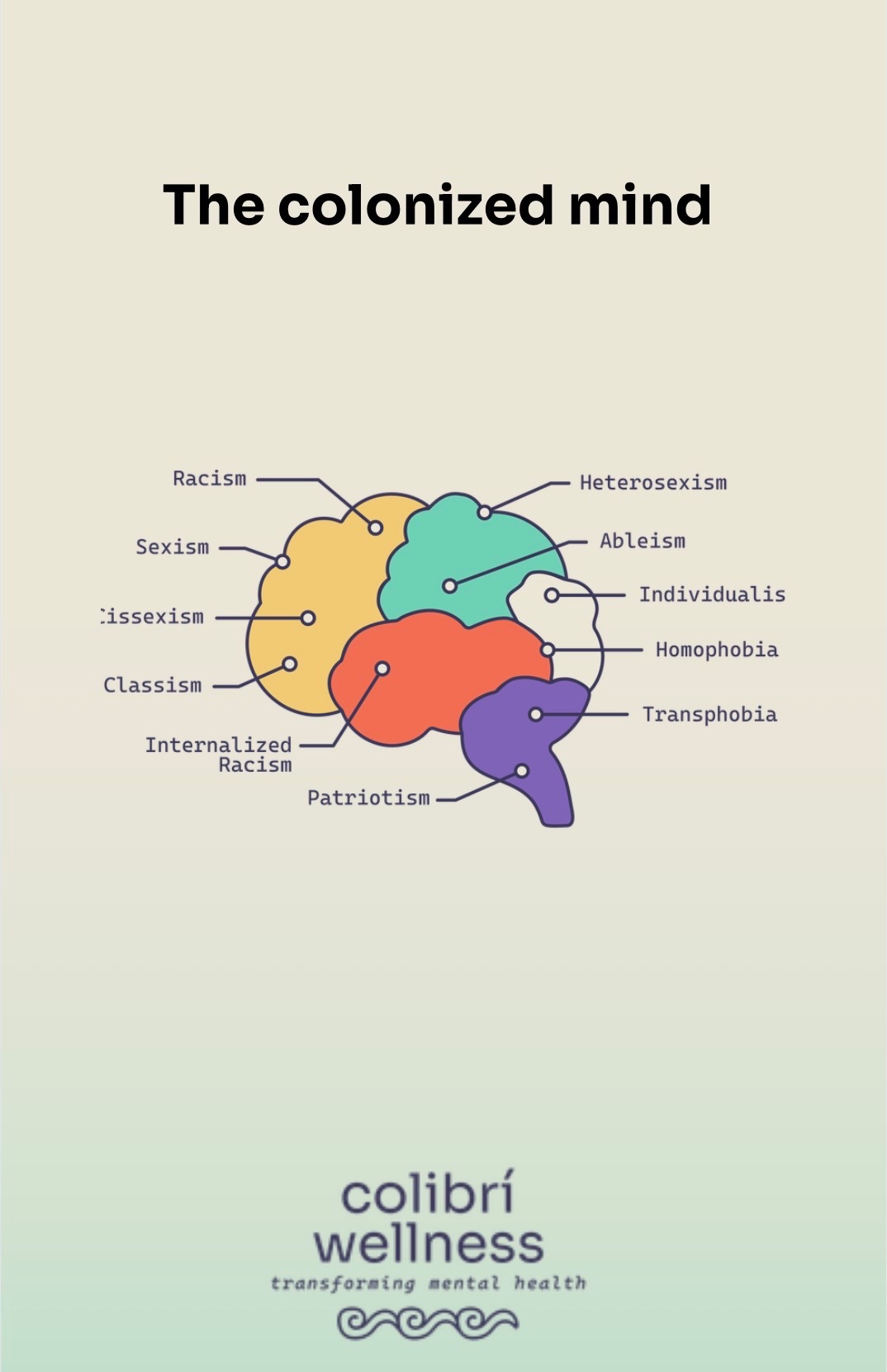
My practice, Colibrí Wellness, is rooted in trauma-informed care and the concept of decolonizing the mind. For me, decolonization is a sustained therapeutic process that invites clients to examine how historical, cultural, and societal narratives shape the way we view ourselves, our identities, and our sense of worth. In my work, I help clients challenge internalized beliefs that may limit their healing and personal growth. As a first-generation Latina clinician, this perspective is central to my approach, as I strive to create a space where clients feel seen, respected, and understood within the context of their cultural experiences.
Colibrí Wellness, LCSW, PLLC is a telehealth-based practice, allowing me to work with clients across multiple states. I am currently licensed in New York, Connecticut, Massachusetts, Florida, Idaho, Vermont, and Delaware, which enables me to provide accessible mental health services and evaluations through virtual care.
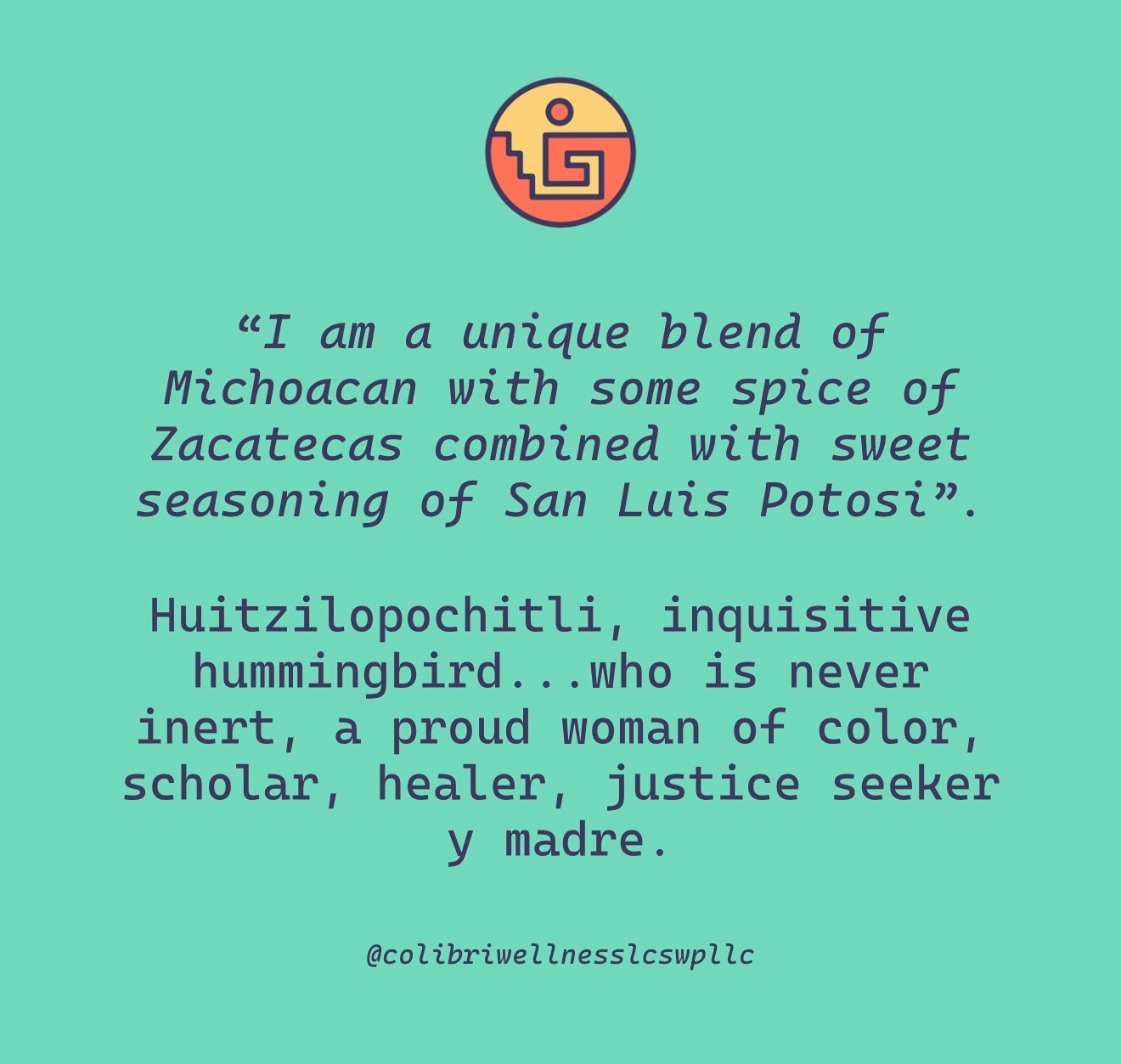
The name Colibrí, which means hummingbird in Spanish, reflects an important part of my brand. In many cultures, hummingbirds are seen as messengers and symbols of resilience, hope, and transformation. The hummingbird has long felt like a personal spirit guide for me, and naming my practice after it felt like a natural reflection of the work I do—honoring people’s stories and supporting their journey toward healing and empowerment.
Networking and finding a mentor can have such a positive impact on one’s life and career. Any advice?
One thing I’ve learned is that mentorship and networking often develop organically when you remain curious and open to learning from others. Early in my career, I built connections by asking questions, attending professional events, and engaging in conversations with colleagues about the work we were doing. Many of those relationships naturally evolved into meaningful professional connections and sources of guidance.
I’ve also found it valuable to connect with professionals who share similar values and a commitment to growth. For me, building relationships with other clinicians and attorneys working with immigrant communities has been especially meaningful. These collaborations have expanded my perspective and strengthened the work I do in supporting clients.
For those considering starting a private practice, I always recommend speaking with an employment lawyer and working with a CPA early in the process. Those professional relationships can provide important guidance as you build and structure your practice. I would also encourage people not to let imposter syndrome take over. Learning to take up space and confidently step into rooms where you belong is an important part of professional growth. Sometimes the key is simply trusting that you deserve to be in those spaces and allowing yourself to show up fully.
I also remind people to stay connected to their roots. Our ancestors carry stories of perseverance, sacrifice, and hope, and in many ways we are living the dreams they once imagined for us. As my grandfather Ramiro would often say, “Échale ganas mija”—keep going, keep pushing forward, and give it your all.
Contact Info:
- Website: https://www.colibriwellness.info
- Instagram: colibriwellnesslcswpllc