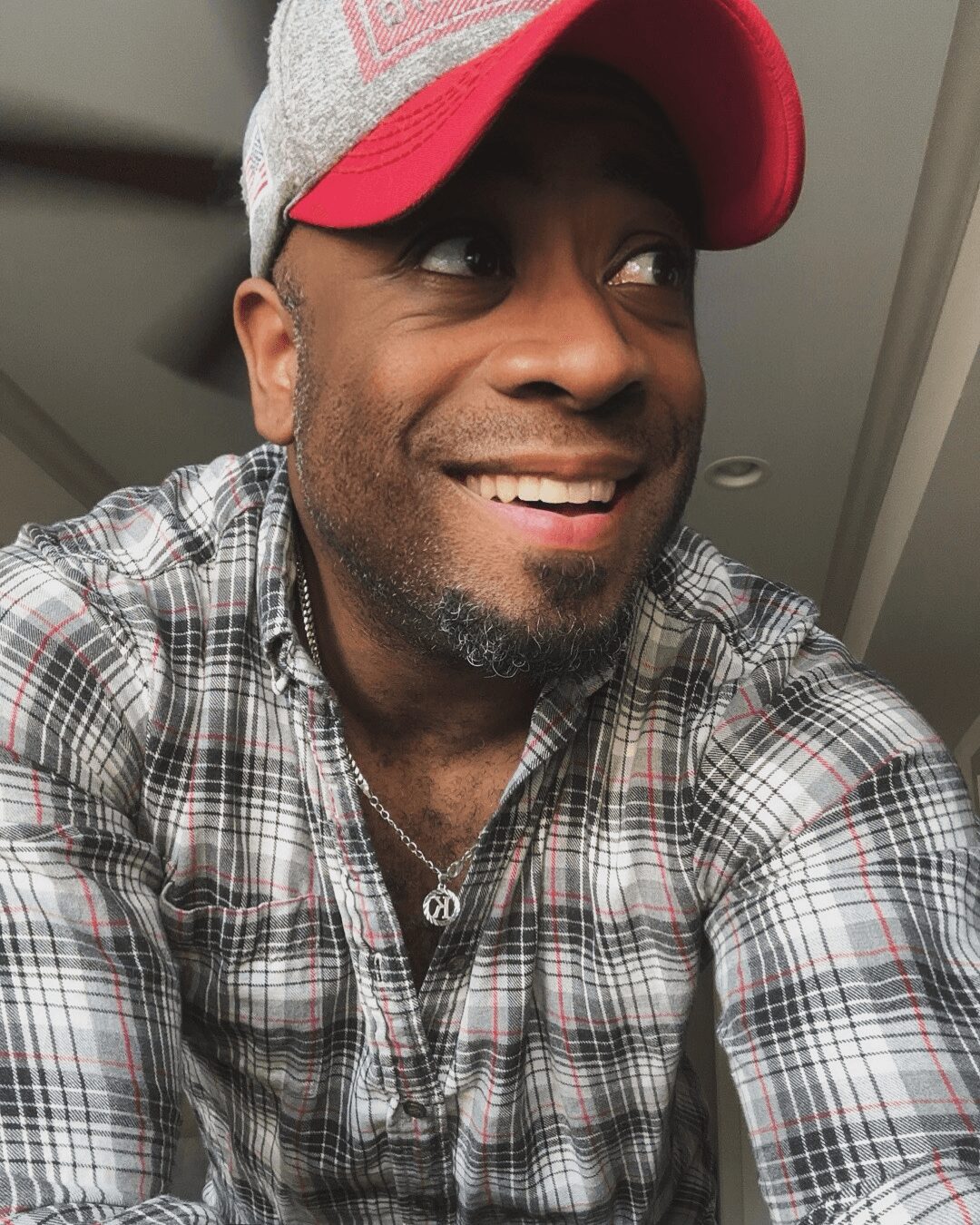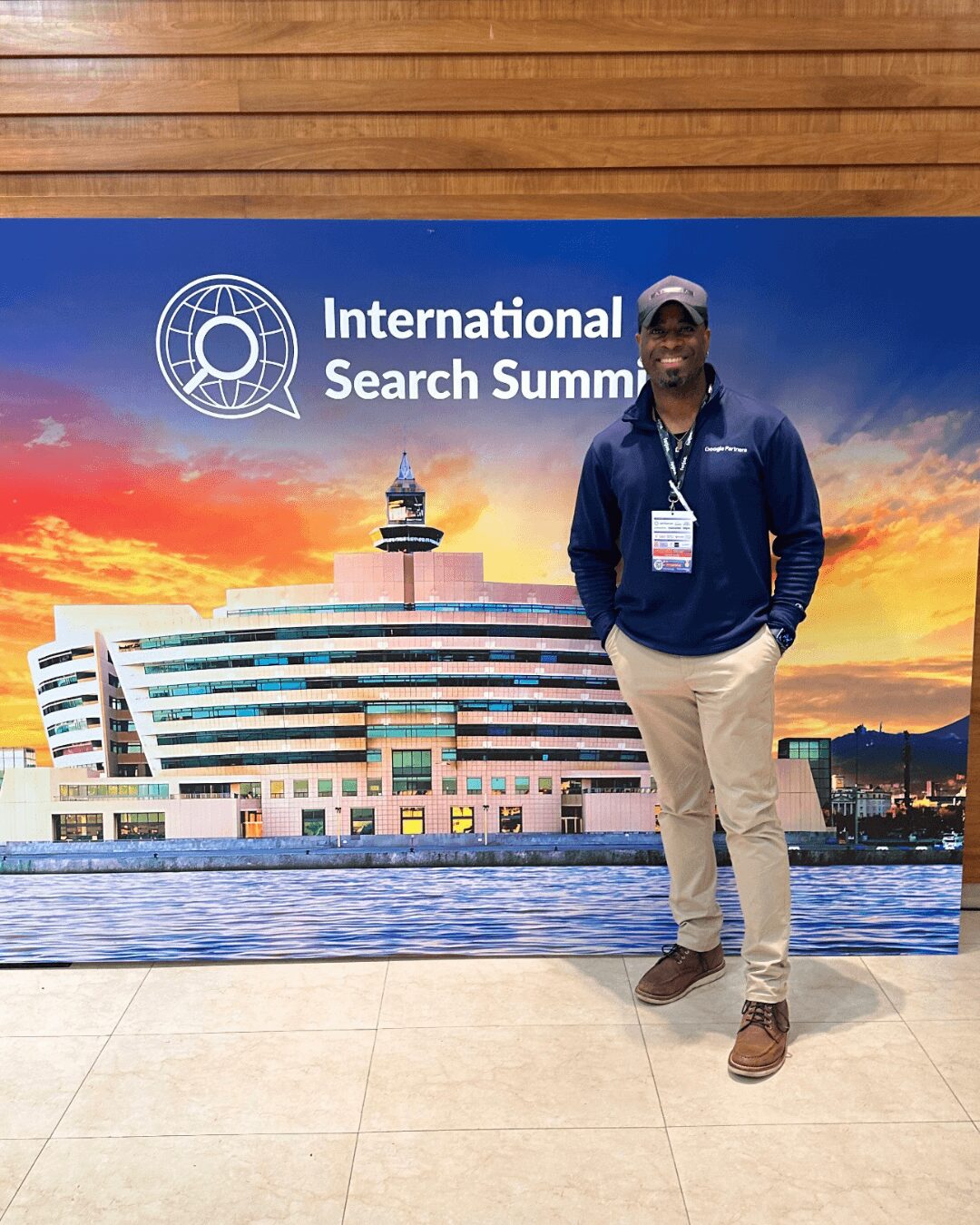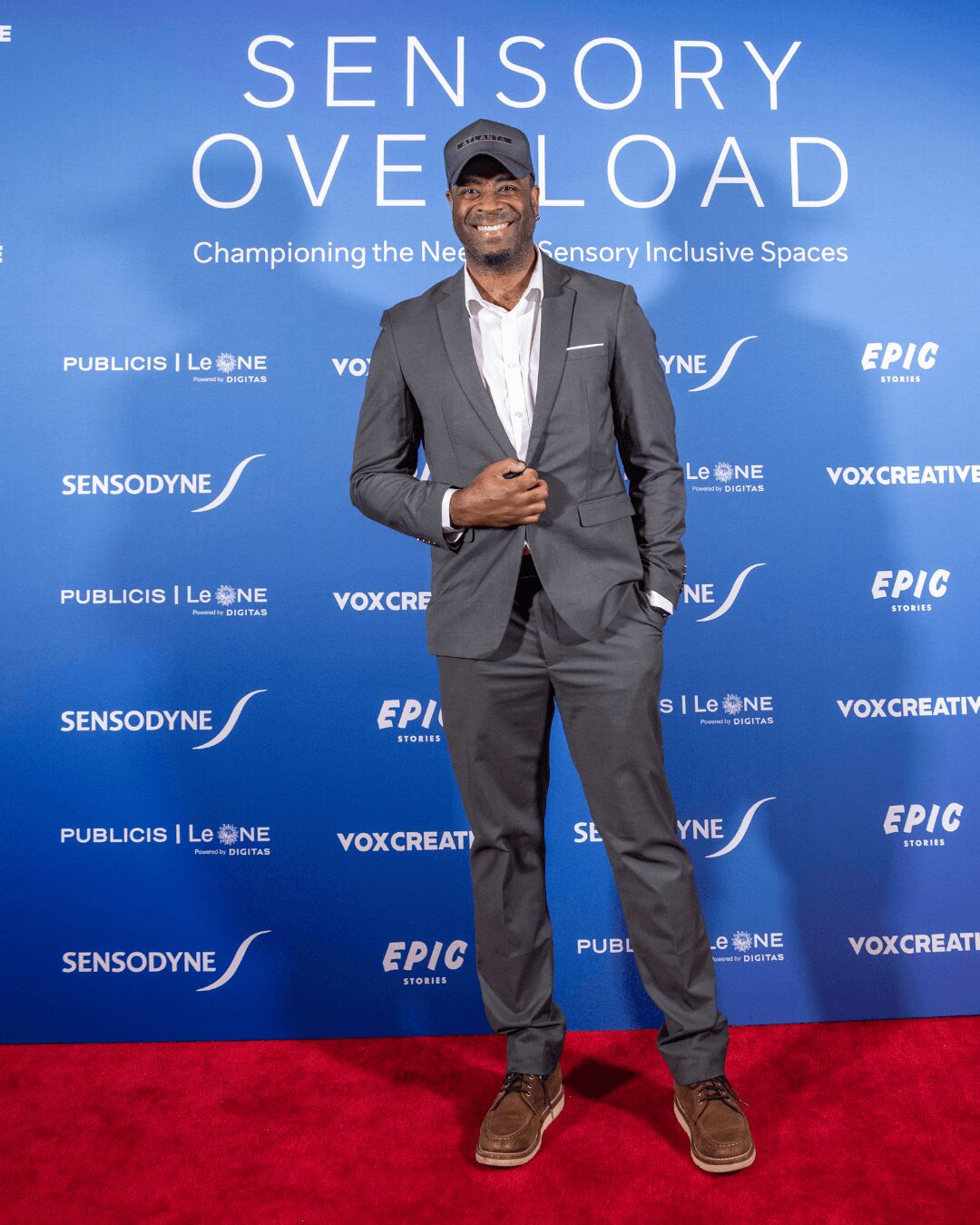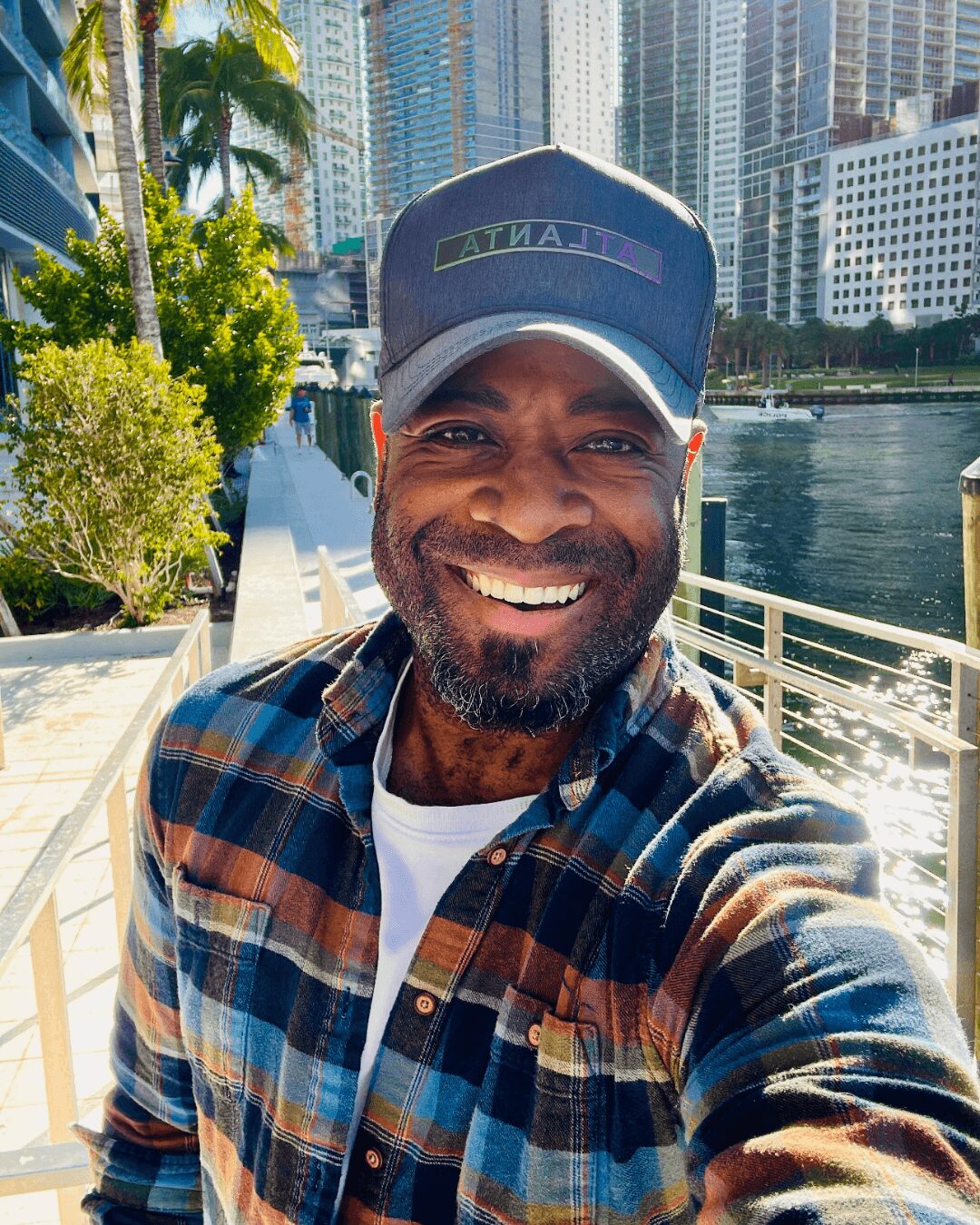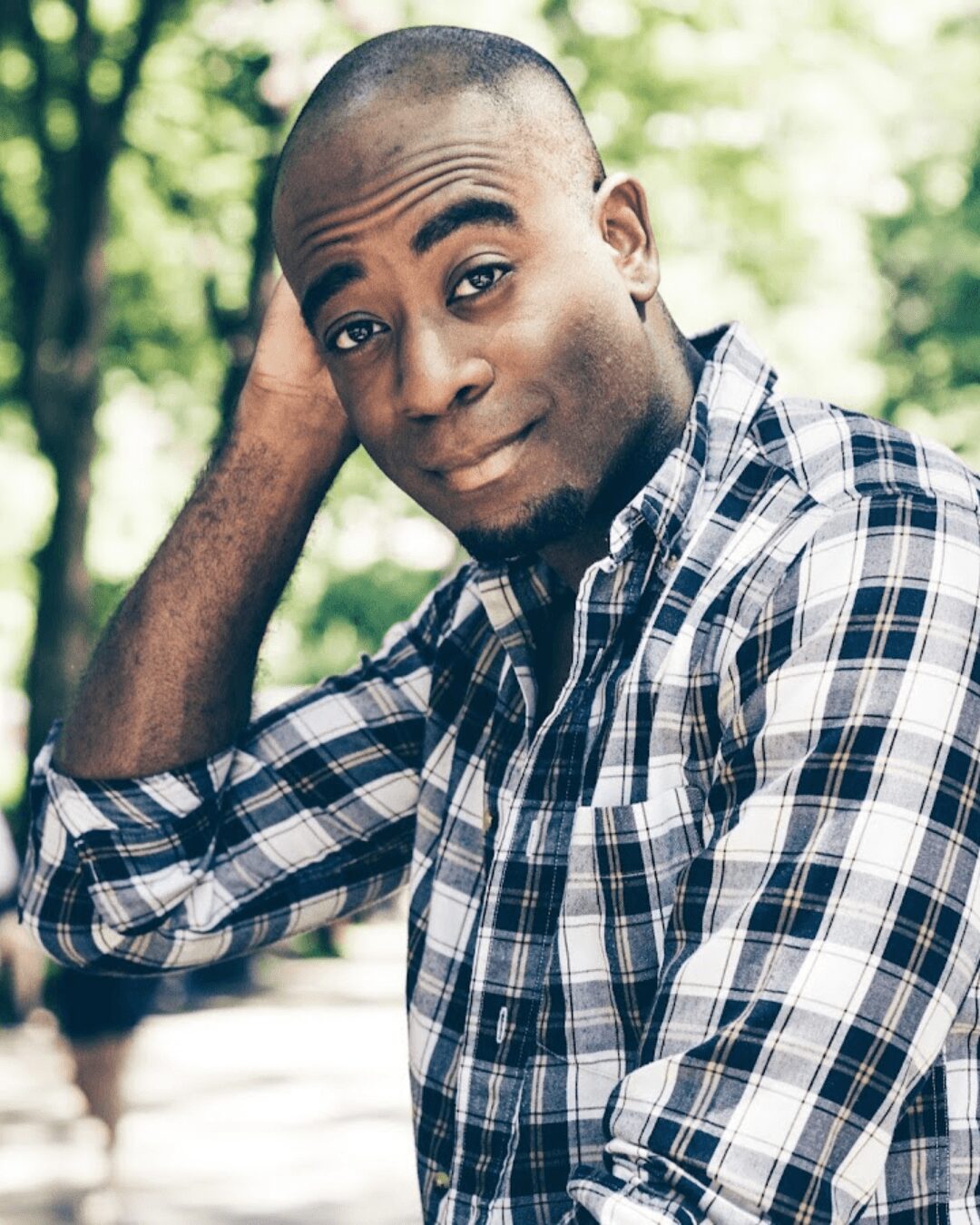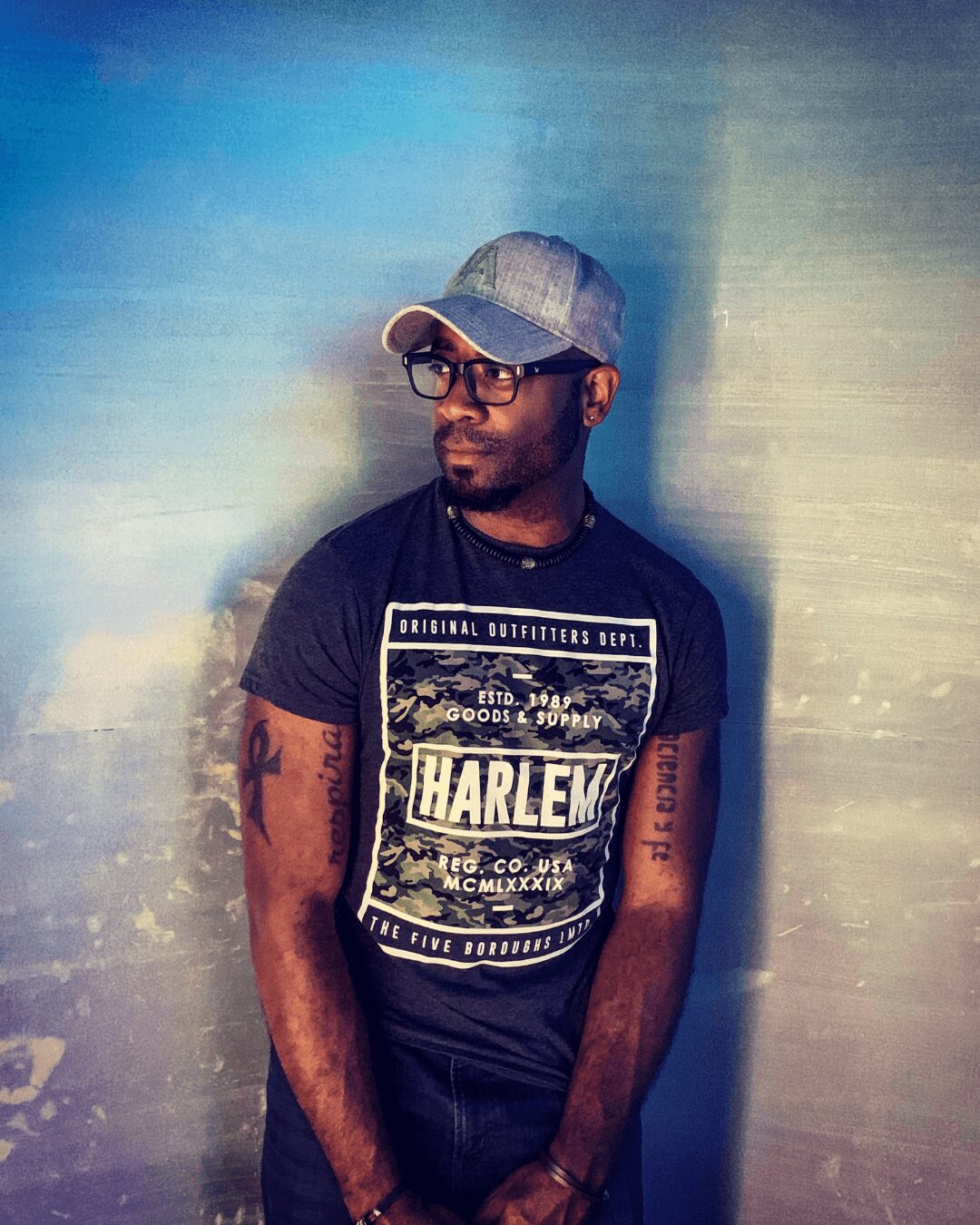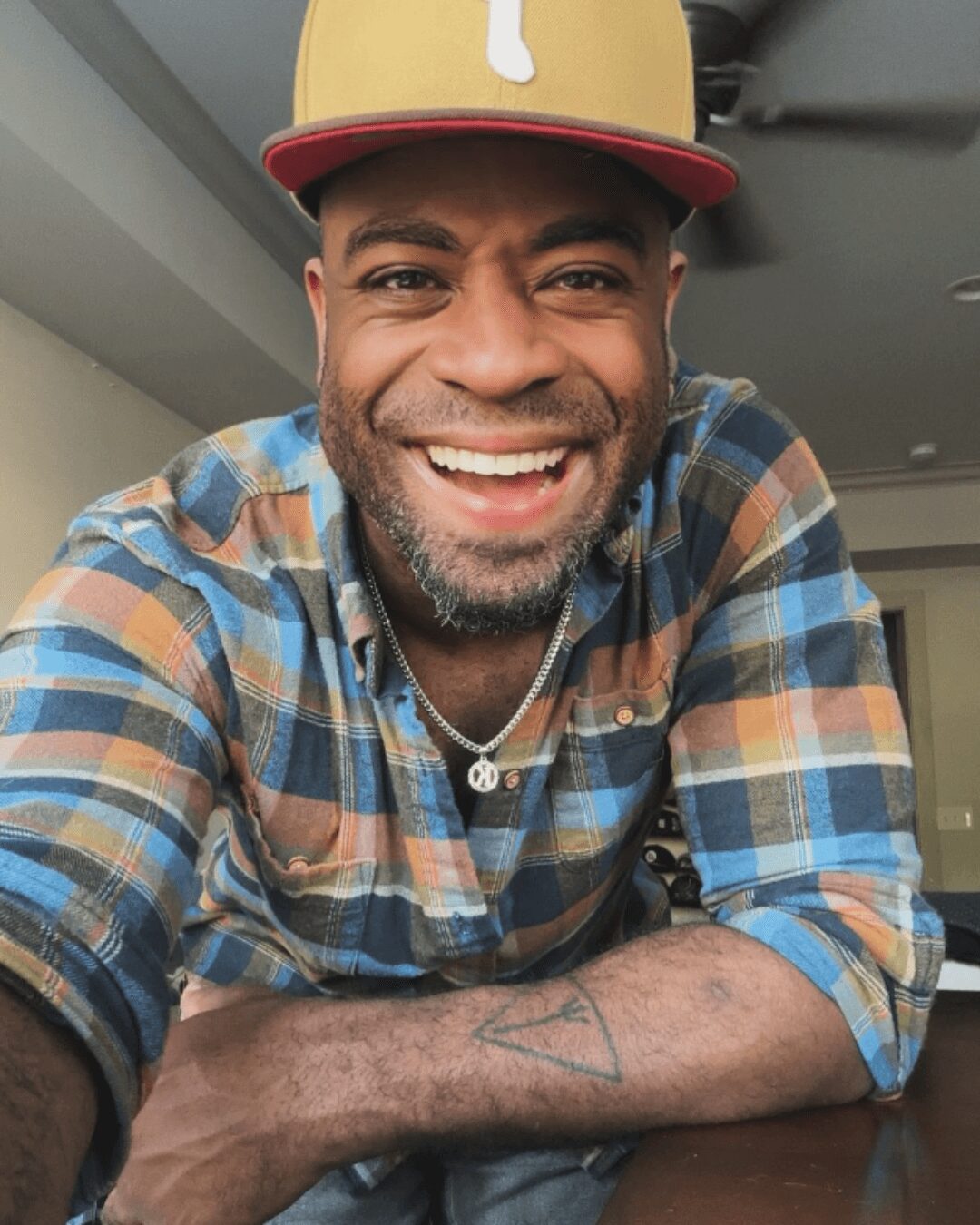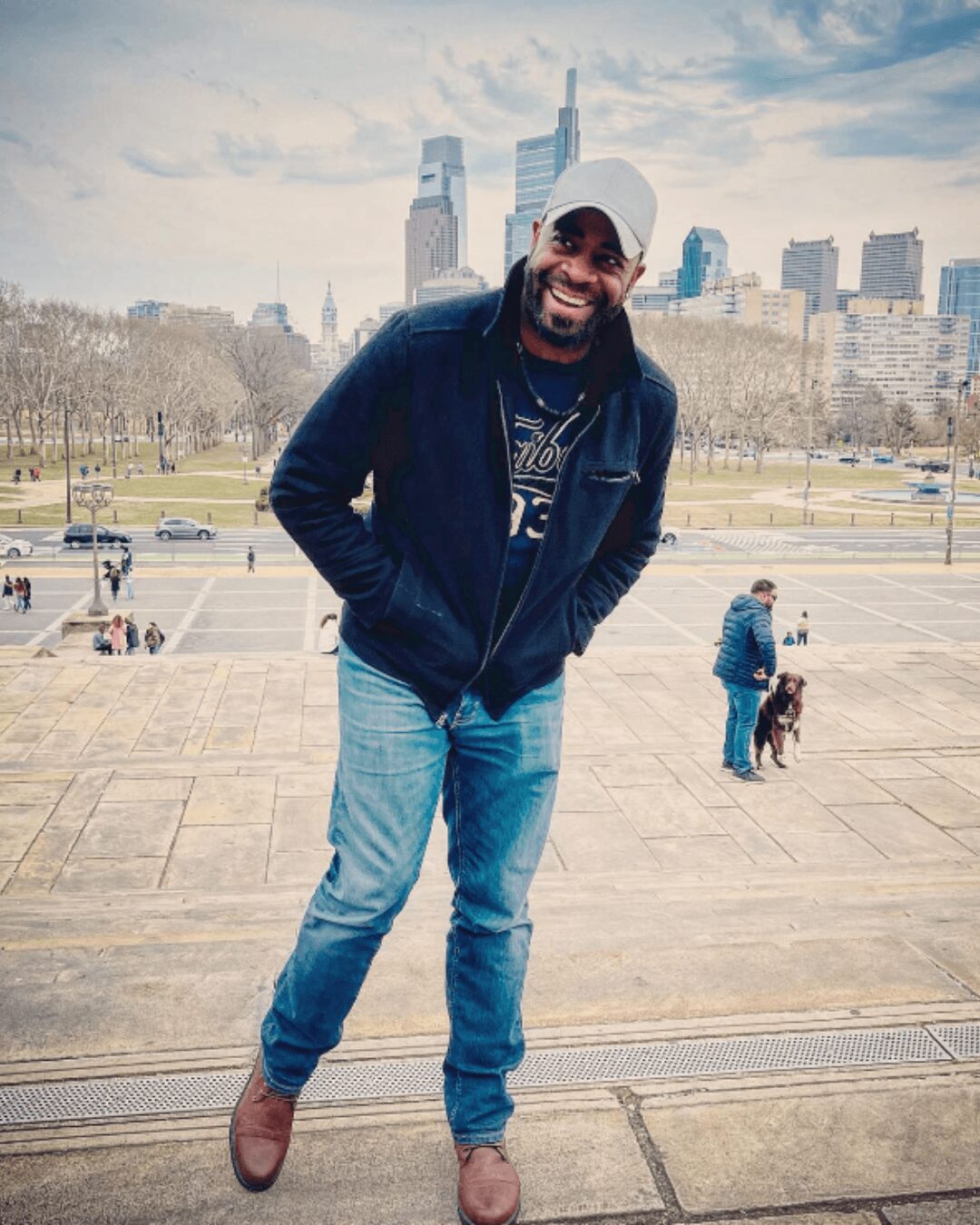



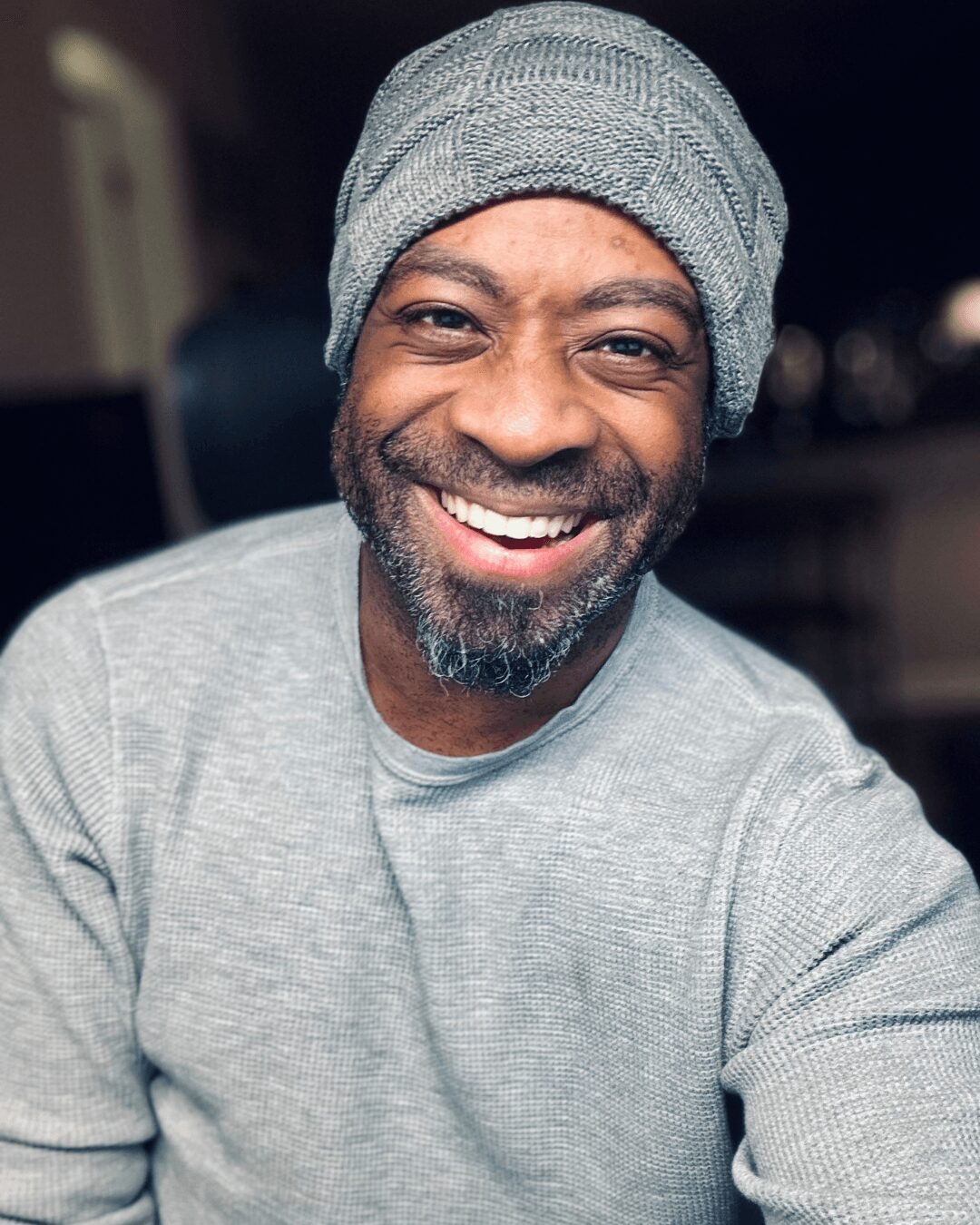
Today we’d like to introduce you to Kyrus Keenan Westcott.
Hi Kyrus Keenan, it’s an honor to have you on the platform. Thanks for taking the time to share your story with us – to start maybe you can share some of your backstory with our readers?
I describe myself as “West Coast by heart” living an East Coast life. I grew up in Hamilton Township in Mercer County, went to Rider University, and spent a huge chunk of my life in the theater world, performing in over 50 musicals and directing another 20. For a long time, that performance aspect, combined with a 20-year career in digital marketing, defined who I was professionally.
But the “Vibe With Ky” you see today was born out of a very specific turning point.
For years, I used humor as an unhealthy coping mechanism to deflect from processing difficult emotions or avoiding trauma. I was the funny friend, but I was struggling. Everything changed in 2022. I hit a wall where I spent multiple days in bed, unable to function, seeing no light at the end of the tunnel. That crash led to my diagnosis of ADHD-Inattentive Type at age 34, along with Major Depressive Disorder and Generalized Anxiety Disorder.
Getting that diagnosis wasn’t magic, but it was a “lens that finally made the blur make sense”.
I started sharing that journey online. I made a conscious shift, through therapy, to stop using humor to escape reality and start using it to process reality. My mission became simple: To make conversations about ADHD, mental health, and anxiety approachable through humor, honesty, and authentic storytelling.
Today, I identify strictly as a Content Creator, not an “Influencer”. I work as a Senior Paid Media Strategist by day , and by night (because I am definitely a Night Owl ), I create content to help people feel seen, validated, and empowered. Whether it’s through my podcast, my Navigating ADHD & Adulthood guidebooks, or just a funny TikTok about time blindness, my goal is always to Educate and Entertain.
We all face challenges, but looking back would you describe it as a relatively smooth road?
Smooth? Definitely not. Even after getting the diagnosis, it wasn’t an immediate fix. I had to work through a heavy cycle of emotions: denial, anger at the signs I had missed during my youth, and a real sadness grieving the “what ifs” of the years I spent struggling without knowing why.
On a daily basis, the struggle is simply managing the reality of the disorder. I deal with executive dysfunction and the “ADHD Tax” that drains our bank accounts constantly. I also navigate Rejection Sensitive Dysphoria (RSD) and was recently diagnosed with Existential OCD in 2024, which adds another layer to the mental workload.
The other major hurdle was internal. It took a lot of therapy to shift my relationship with humor. Maintaining that balance, using comedy to process reality rather than deflect it, takes conscious effort every day
Thanks for sharing that. So, maybe next you can tell us a bit more about your work?
I wear a few different hats. While I have my corporate career, what most people know me for is my work as a Content Creator. I specialize in the unglamorous reality of late-diagnosis ADHD. I talk about the things medical textbooks often gloss over, like the specific shame of time blindness or the struggle to keep a budget. I’ve taken those struggles and turned them into tangible resources, like my digital guidebooks Your Brain, Your Budget and the Ultimate ADHD Toolkit, which is basically the manual we all should have received when we became adults.
What sets me apart is my stance on “Anti-Toxic Positivity”. I refuse to offer false cheer. I don’t tell people that everything is going to be perfect, and I strictly avoid fear-mongering. I’m just the supportive, funny friend who keeps it real. I think people resonate with that because they don’t need another person telling them to “just smile”, they need someone to say, “Yeah, this is hard, but here is how we can get through it.”
We’d love to hear about how you think about risk taking?
I have a complicated relationship with risk. As an introvert who values solitude, my natural instinct isn’t necessarily to jump into the spotlight. But I’ve learned that in the world of mental health advocacy, vulnerability is the biggest risk you can take.
The most significant risk I took was pivoting my online presence. I stopped trying to be just the “funny guy” and started talking about the ugly parts of recovery, the grief and the messy, non-linear healing process. I risked alienating people who just wanted lighthearted jokes, and I risked my professional image by talking openly about mental struggles while working a corporate career.
My perspective is that taking a risk doesn’t mean blindly believing “everything happens for a reason.” It means acknowledging that things might go wrong, but doing it anyway because the authenticity is worth it. That honesty is a risk every single day, but it’s the only way to help people actually feel seen.
On a lighter note, I also take literal risks. I’m a massive roller coaster enthusiast with a goal of riding 300 coasters by 2027. Strapping yourself into Steel Vengeance or Velocicoaster is a different kind of risk, but it’s one I absolutely love.
Contact Info:
- Website: https://thevibewithky.com/
- Instagram: https://instagram.com/thevibewithky
- Facebook: https://www.facebook.com/thevibewithky/
- LinkedIn: https://www.linkedin.com/in/kyruskeenanwestcott/
- Twitter: https://twitter.com/thevibewithky
- Youtube: https://www.youtube.com/thevibewithky?sub_confirmation=1