



Today we’d like to introduce you to Laura Leahy.
Hi Laura, so excited to have you on the platform. So before we get into questions about your work-life, maybe you can bring our readers up to speed on your story and how you got to where you are today?
I come from a long line of what I often jokingly refer to as “drug dealers.”
My paternal great-grandfather was a patent medicine man in the early 1900s, distributing patented remedies across the globe—long before regulation blurred the line between medicine and marketing.
Every generation since remained in that world. My great-grandfather, both grandfathers, both parents—and their siblings—were all pharmacists…except me. I broke the mold.
I didn’t just grow up around medicine—I grew up inside it.
In my parents’ independent pharmacies in small towns in the Poconos, I learned early what care really looks like. Alongside my father, I compounded medications, measured, mixed, and labeled. I watched him prepare Brompton’s cocktail for cancer pain and fill prescriptions like Miltown for anxiety. When I was old enough to drive, I delivered prescriptions to patients’ homes, gaining a window into their lives.
I also witnessed something just as powerful—the barriers. Insurance denials. Authorization delays. Systems that stood between patients and the care and medications they needed.
Despite being a strong student in high school, I was discouraged from applying to Duke University. I applied anyway—and that decision changed everything.
At Duke, I studied under Dr. H. Keith H. Brodie, a psychiatrist and university president who brought clinical reality into academic life. I interviewed patients in an intimate senior seminar he taught and worked at Butner State Hospital, where I saw the realities of serious mental illness up close.
I went on to the University of Pennsylvania, creating an accelerated path to become a Child and Family Psychiatric Advanced Practice Nurse and training as a nurse psychotherapist at the Philadelphia Child Guidance Center. I later became a Master Clinician in Psychopharmacology through the Neuroscience Education Institute and a Certified Addictions Registered Nurse – Advanced Practice.
In the mid-1990s, I co-founded Center for Family Guidance, PC and CFG Health Network, which grew to more than 1,000 employees. In 2011, I made a deliberate decision to return to what mattered most—direct patient care and meaningful time with my family—and founded APNSolutions, LLC.
I also completed my doctoral work, focusing on women—particularly nurses—impacted by Premenstrual Dysphoric Disorder, an understudied and often debilitating condition that can affect decades of a woman’s life.
Today, my practice treats patients across the lifespan with complex psychiatric and substance use disorders, including children with severe autism spectrum disorder in underserved communities.
Alright, so let’s dig a little deeper into the story – has it been an easy path overall and if not, what were the challenges you’ve had to overcome?
My career path has never been linear nor smooth.
Early on, I was told what not to do, what not to pursue, and what wasn’t possible.
Later, those challenges became structural barriers—policies and systems that restrict access to care and prescription medications despite overwhelming evidence, training, and need.
Those obstacles didn’t slow me down—they clarified my purpose.
They transformed clinical work into advocacy—for my patients and for my profession.
As you know, we’re big fans of APNSolutions, LLC. For our readers who might not be as familiar what can you tell them about the brand?
I am the founder of APNSolutions, LLC.
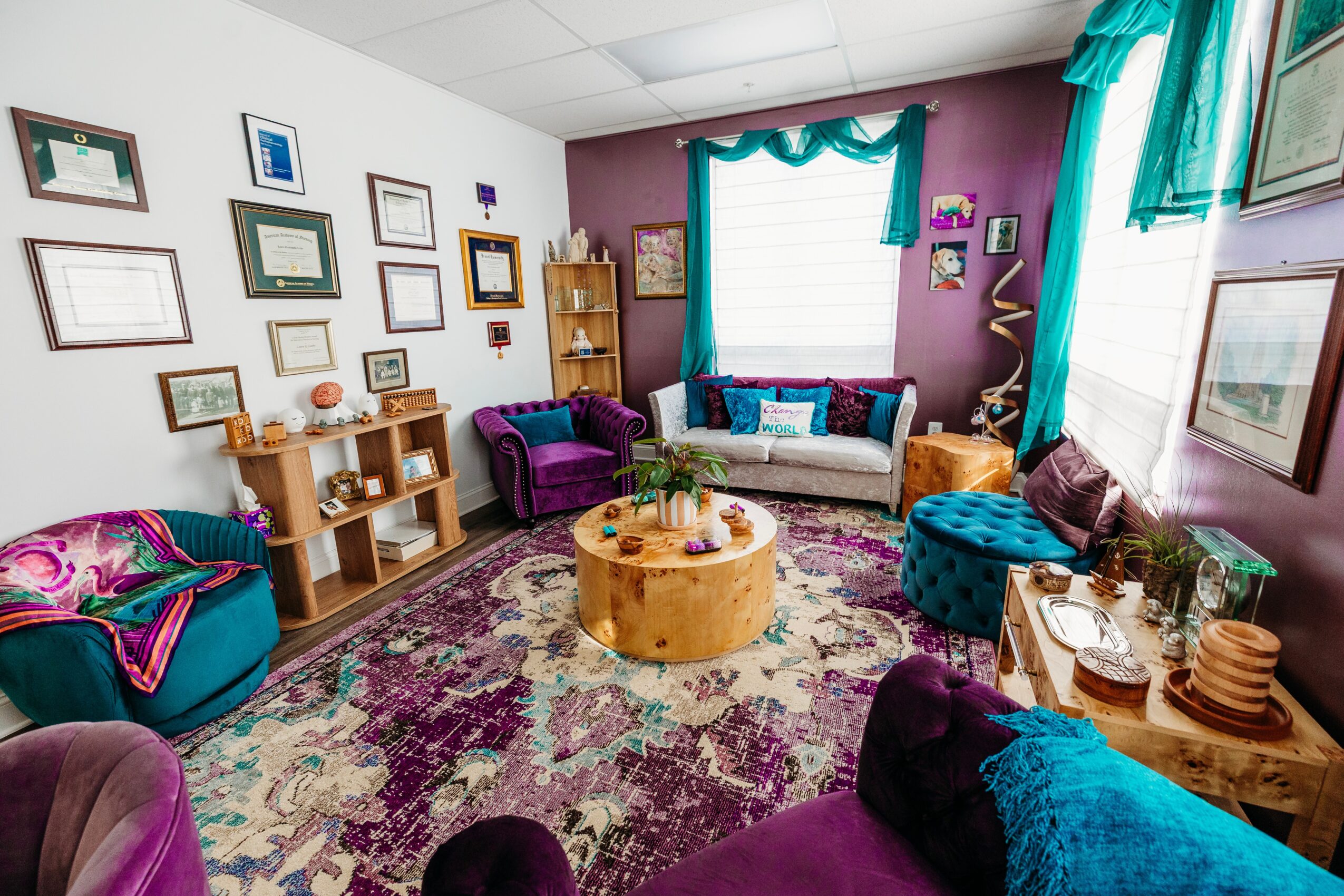
At its core, the practice is built on a simple but often overlooked principle: the therapeutic relationship is not secondary to care—it is the foundation of treatment.
Through my practice, we integrate psychotherapy and medication management within a holistic nursing model, always with the goal of helping patients achieve stability and improved quality of life—ideally to the point that we are no longer needed as clinicians.
Today, we care for more than 500 patients, many across multiple generations, with psychiatric and substance use disorders and complex medication regimens. We collaborate with other practitioners to ensure our patients receive the most comprehensive, evidence-based care in a caring, compassionate environment.
The work of APNSolutions extends beyond the patients served.
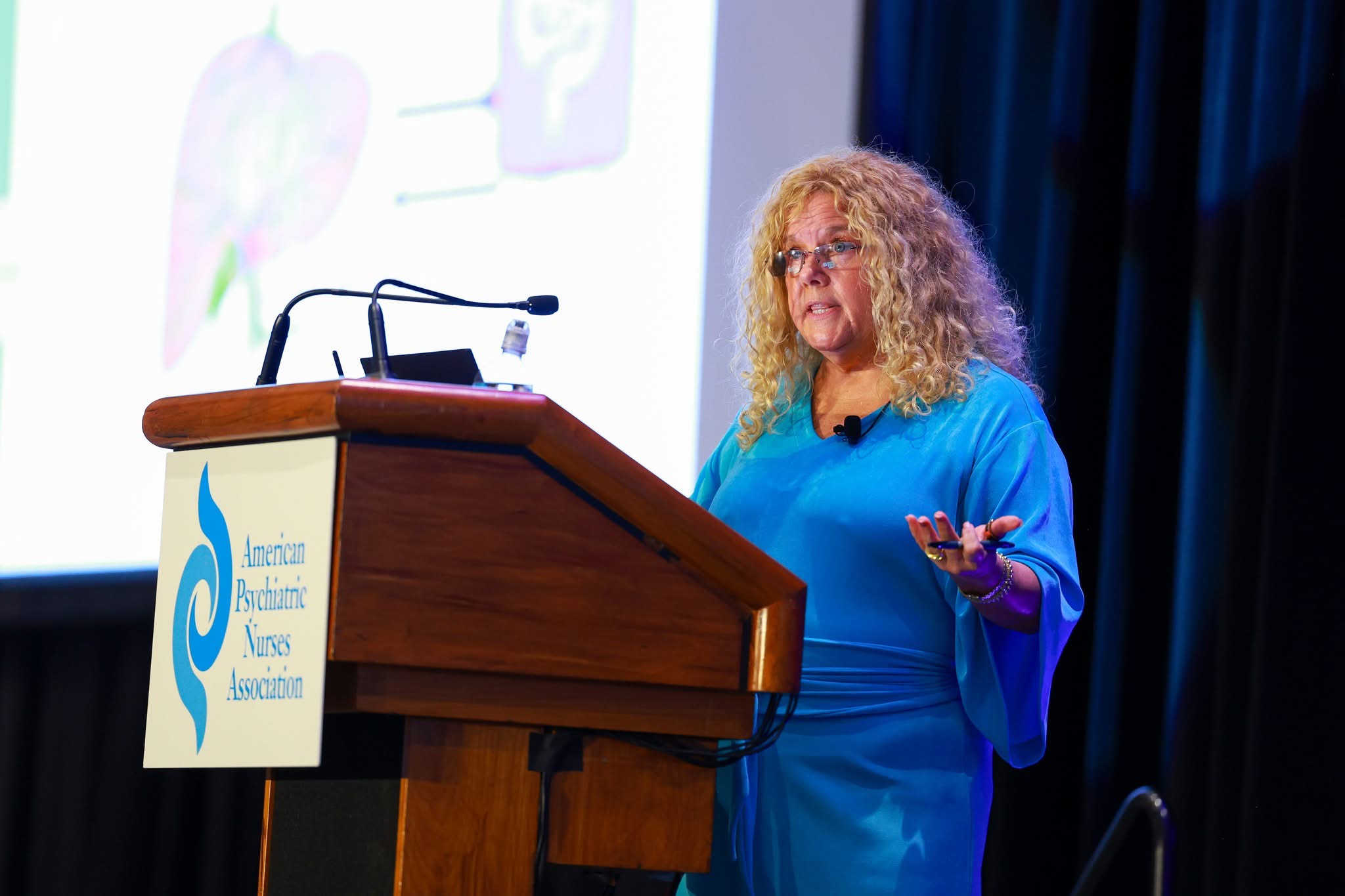
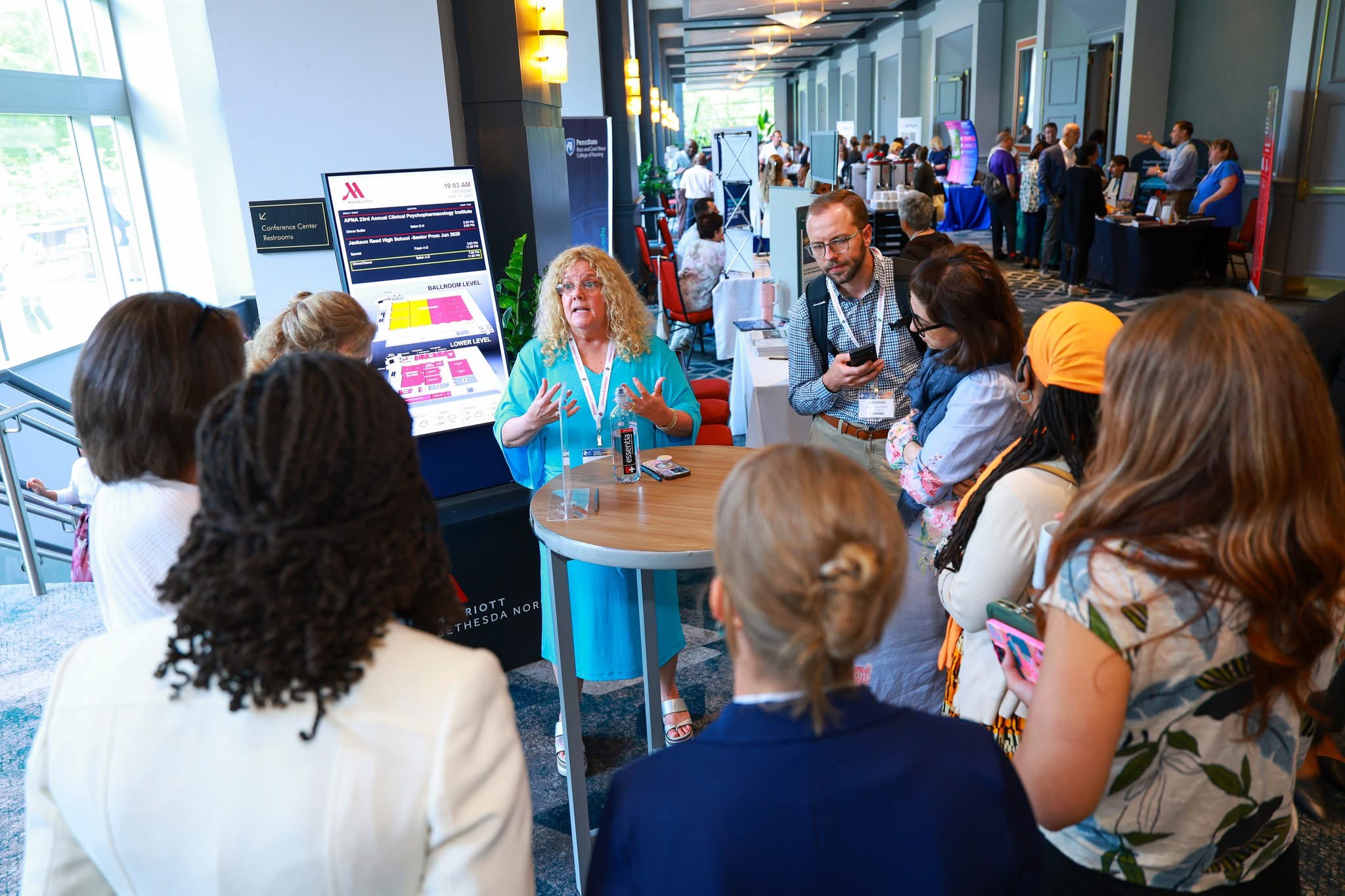
I actively train and mentor Advanced Practice Nurses from across the country. Both of my current clinicians were trained within my practice. That continuity—developing the next generation of providers—is part of my legacy. In a world of online education and virtual healthcare, the human interaction gets lost, I provide my interns with an immersive experience through precepting them for the entirety of their clinical rotations. This minimizes the disruption for the patient while offering a longitudinal view of the role of the Psychiatric Advanced Practice Nurse in outpatient clinical practice.
I have been awarded throughout my career for my innovative practice, skills as a preceptor and nursing leadership roles. While I have been the recipient of the pinnacle in nursing honors through my induction as a Fellow in the American Association of Nurse Practitioners and the American Academy of Nursing, those recognitions are ancillary to the relationships I’ve built over the past 35+ years—with patients, families, mentors, and colleagues.
My advocacy work has taken me to Congress, where I testified on the role of APNs in expanding access to buprenorphine for patients with opioid use disorder, and to the National Academies of Sciences, Engineering, and Medicine, where I presented outcomes of APN-led school-based evaluation and medication management for students with severe developmental, mood, and behavioral disorders.
As of March 30, 2026, New Jersey Primary Care and Psychiatric Advanced Practice Nurses now have a pathway to Full Practice Prescriptive Authority. This reflects decades of sustained advocacy—not just for APN prescribers, but for the patients who depend on access to the care and medications they provide.
How do you think about luck?
If luck has played a role in my life, it appears in the form of the individuals and organizations who supported me—and in the moments when I chose to move forward despite the obstacles.
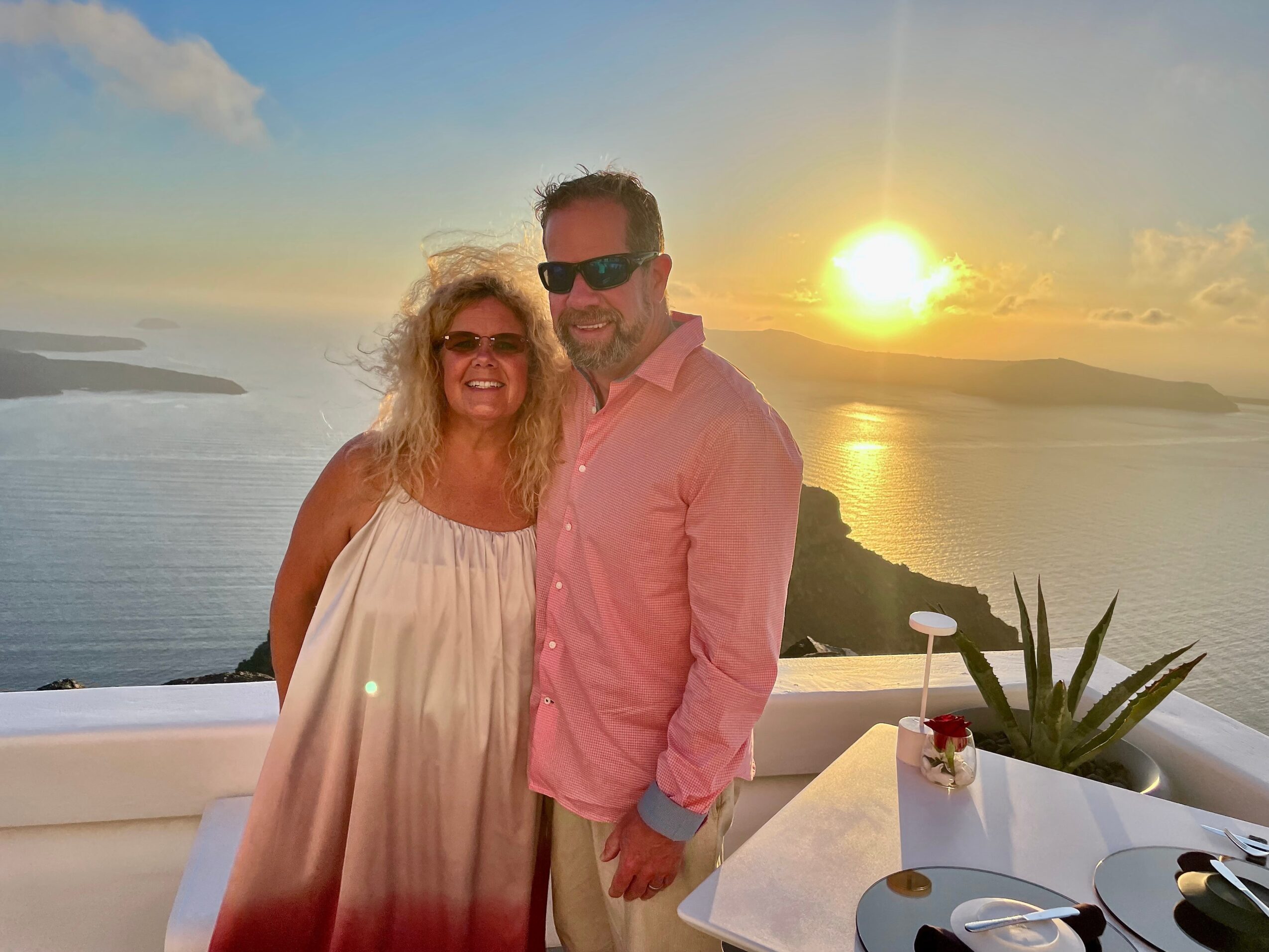
At the age of 60, I continue to do work that allows me to live my life to the fullest. I value time with family and friends, immersion in other cultures through travel, and the quiet rituals of cooking and baking—forms of self-care I also encourage in my patients.
My primary driver remains the same principle that started my career’s trajectory: the privilege of being trusted by patients during the most difficult and challenging moments of their lives.
Treating. Teaching. Mentoring. Advocating.
The work continues.
Leaving the large organization I co-founded to build APNSolutions gave me something different—not scale, but meaning.
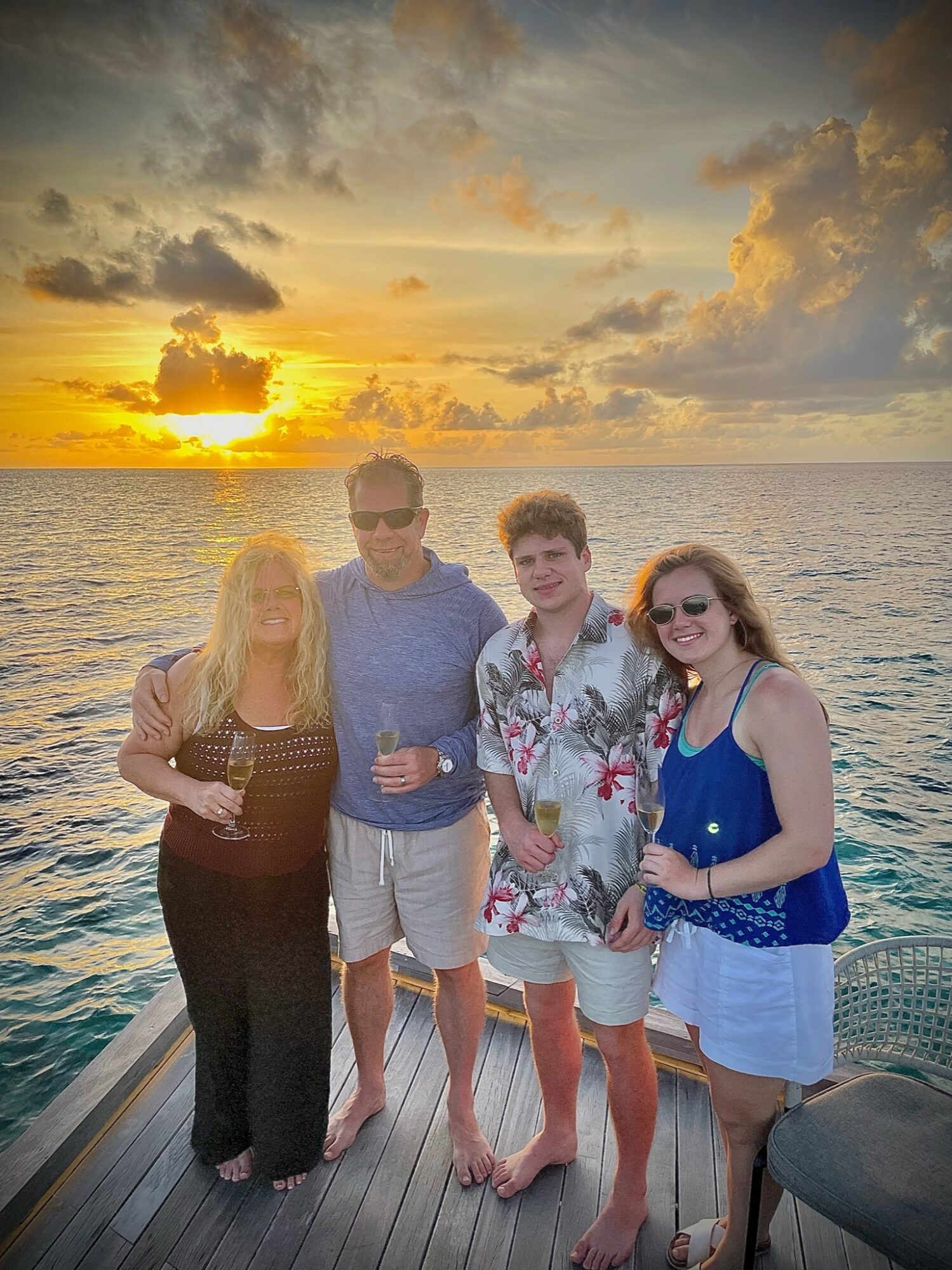
My husband John, my children Claire and Kyle, and my 90-year-old father have been my unwavering foundation—supporting me through the challenges and celebrating the successes.
Because of them, I have built a life that is not defined by one role, but by many.
After a decades-long career of advocating—for patients, for colleagues, for access—I am not asking for permission to practice.
I am asking to continue.
Because in the end, this is not just my story—it is the story of every patient, every family, and every generation before me that made it possible.
Contact Info:
- Website: https://apnsolutions.com
- Instagram: https://instagram.com/apnsolutions_llc
- Facebook: https://facebook.com/lgleahyapnsolutions
- LinkedIn: https://www.linkedin.com/in/lgleahy-apnsolutions
- Other: https://scholar.google.com/citations?user=gVXZY4UAAAAJ&hl=en