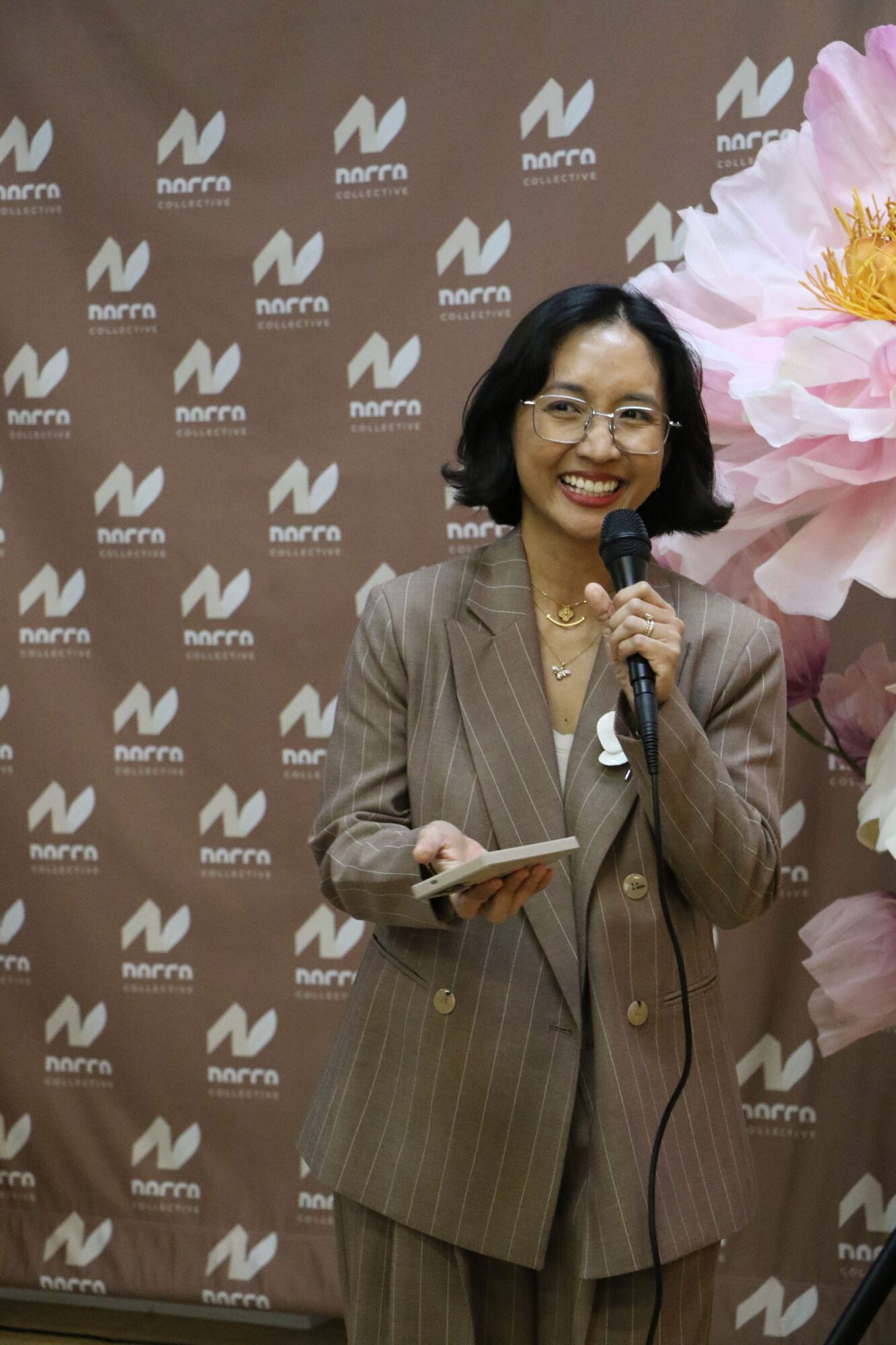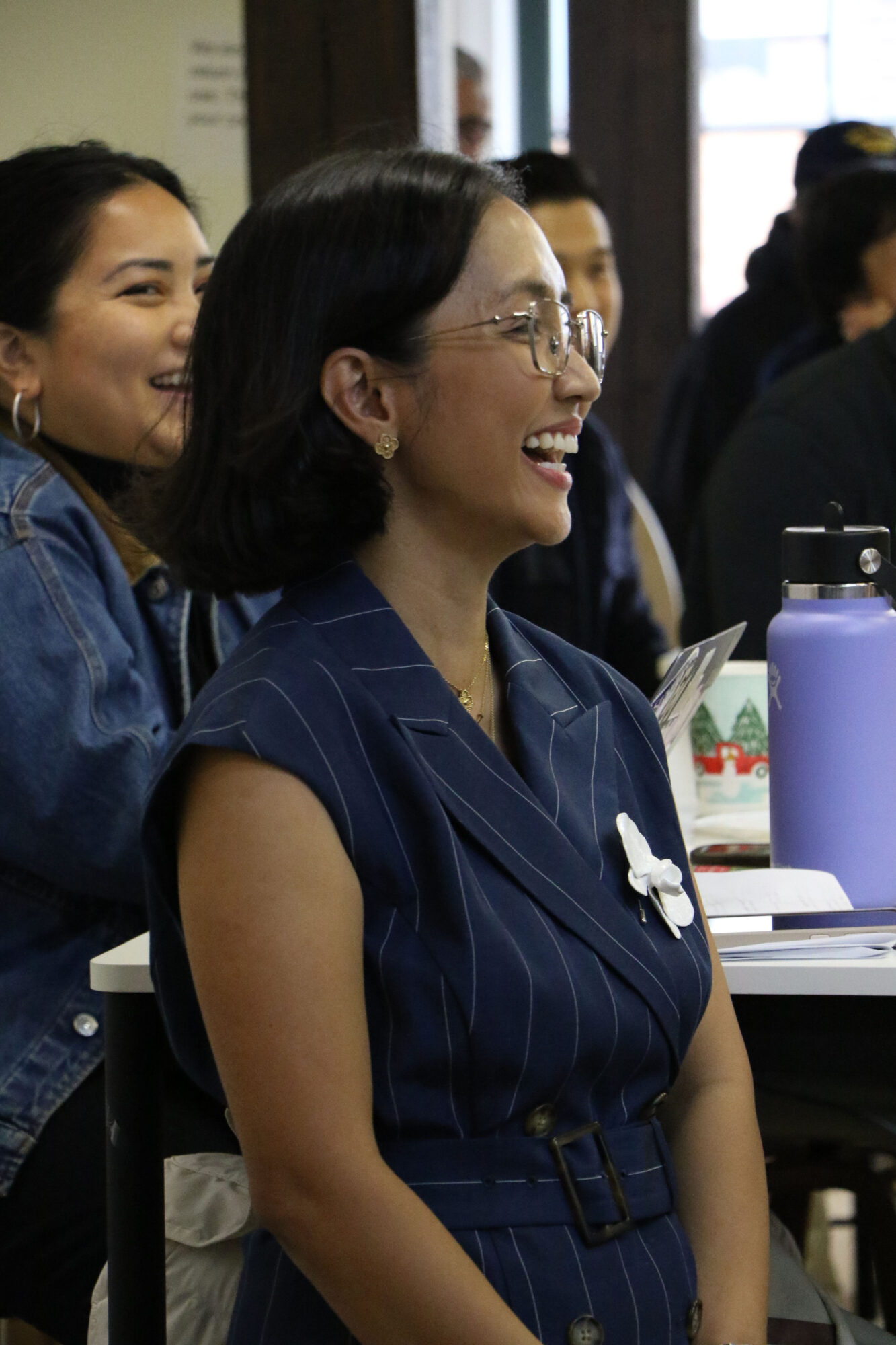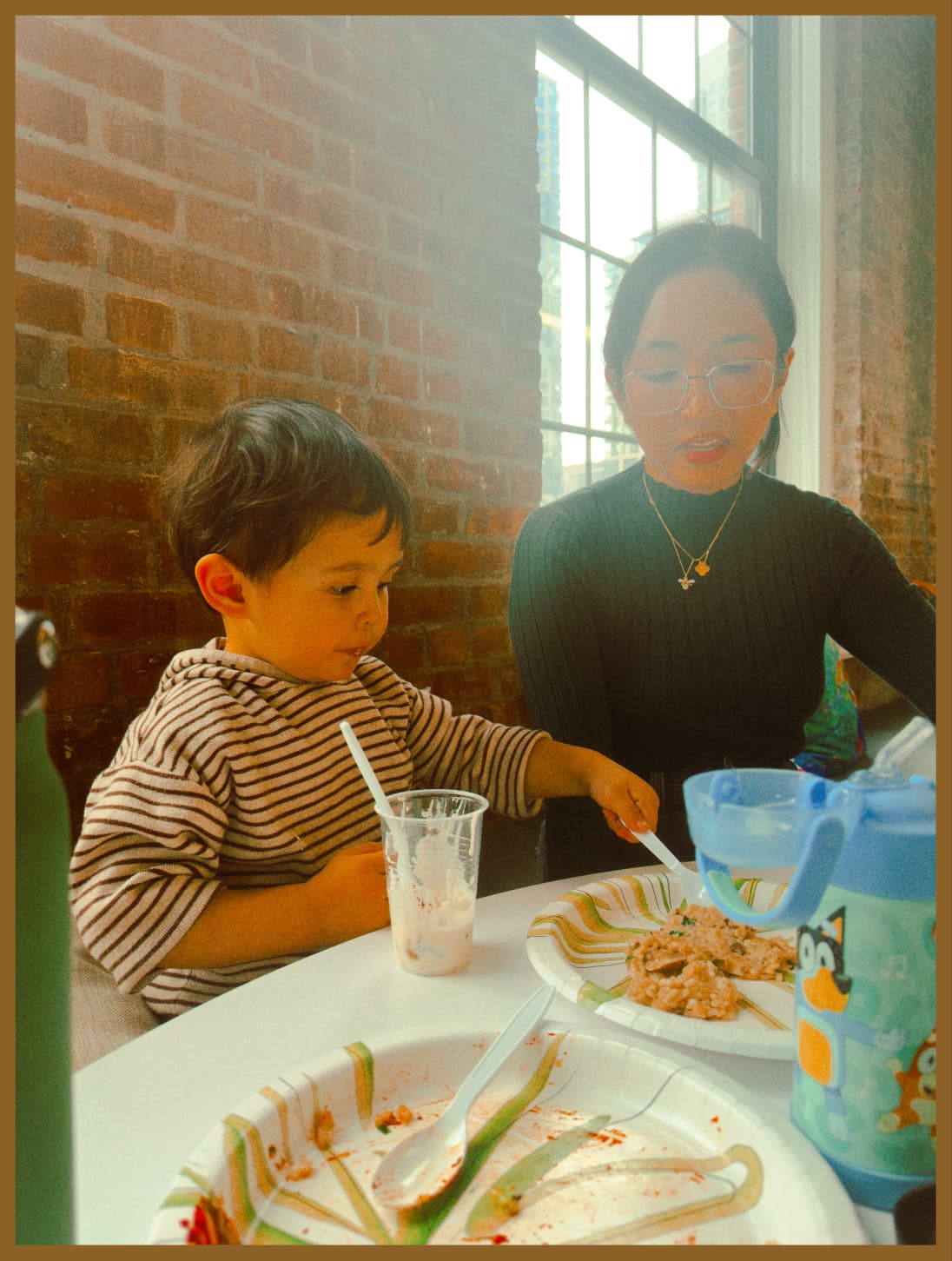






Today we’d like to introduce you to Sheila Burmistrova.
Hi Sheila, we’d love for you to start by introducing yourself.
When Narra opened, our space was completely empty. It’s empty in a way that makes you question everything. I had already been told “no” more times than I could count by landlords, banks, and people who held the keys. Later I realized it was about 104 rejections. I didn’t fit the profile they were used to saying yes to. I was a first-generation immigrant, a stay-at-home mom at the time, and I didn’t come with institutional backing or the “right” pedigree.
Eventually one door opened, but only after I committed a significant amount of my own savings; about $248,000 — because no one else was willing to take the risk. That decision didn’t come from confidence so much as necessity. I grew up in a household where you prepare for storms because you know they’re coming. At some point, you stop waiting for someone to rescue you and just start building shelter yourself.
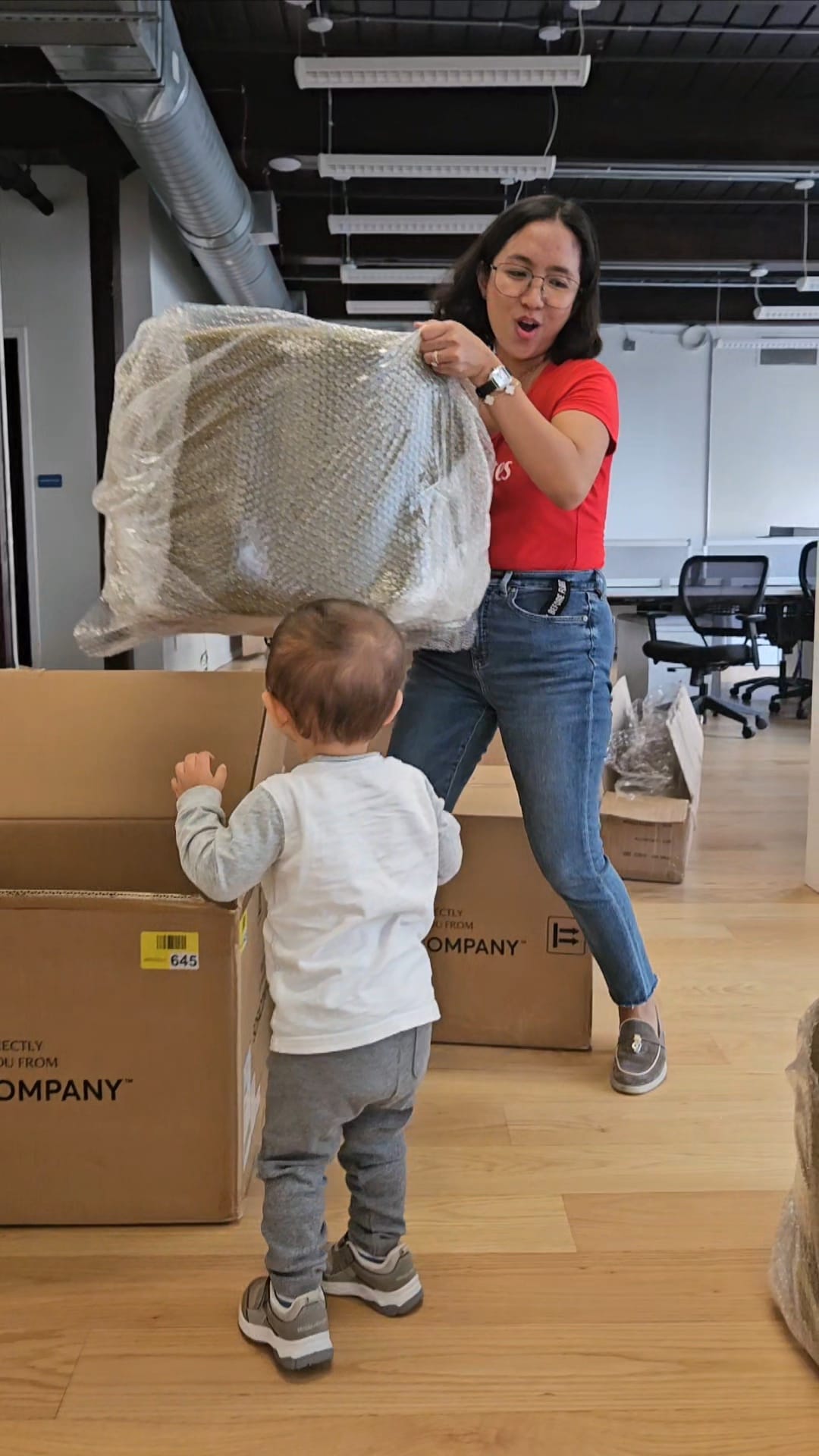
Eight days after we opened, I landed in the hospital with a ruptured appendix. I was discharged at night and opened the doors again the next morning because there was no Plan B and no one else to do it. That was probably the moment I understood what building something from scratch really requires; not inspiration, but stubbornness.
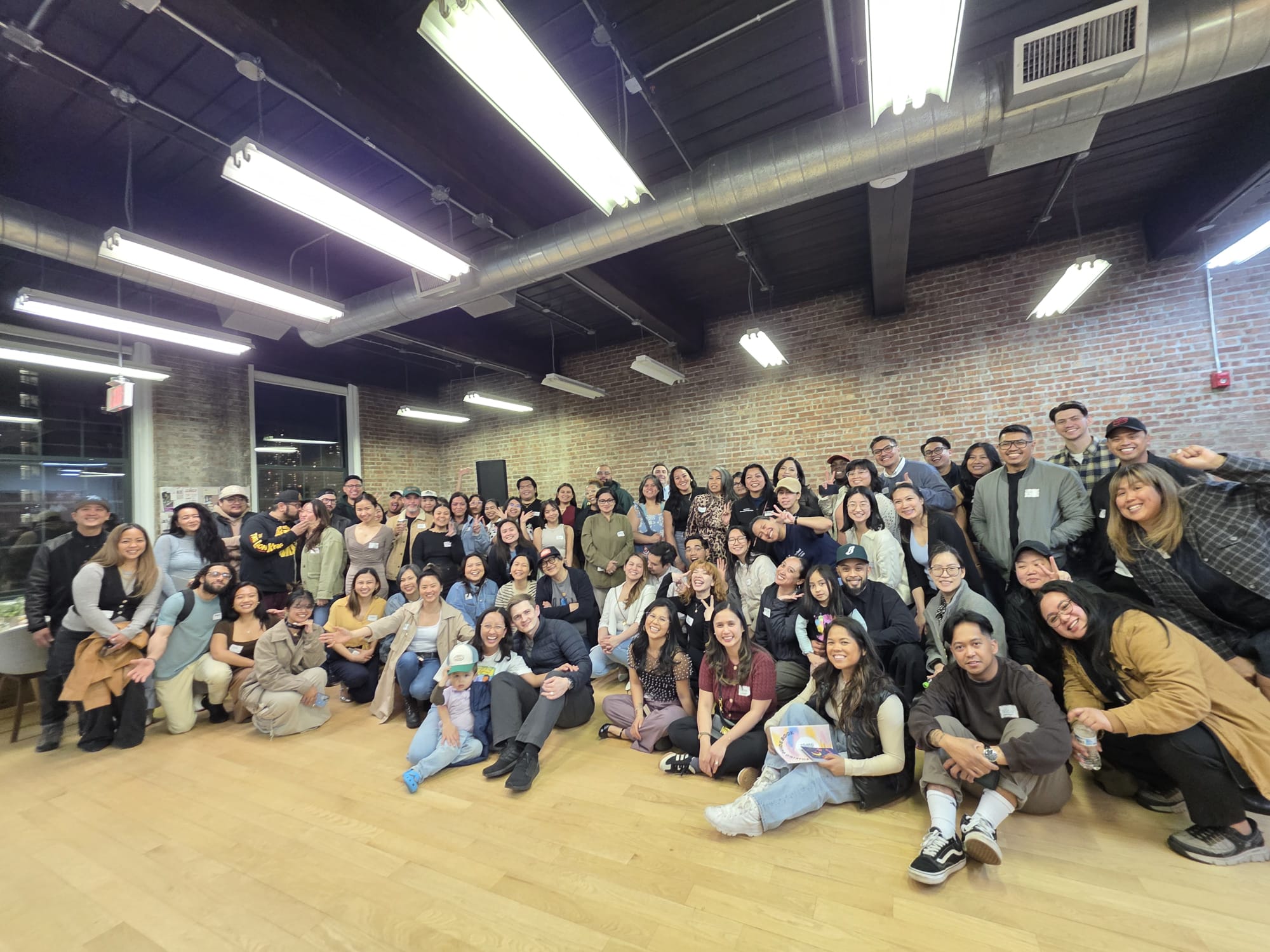
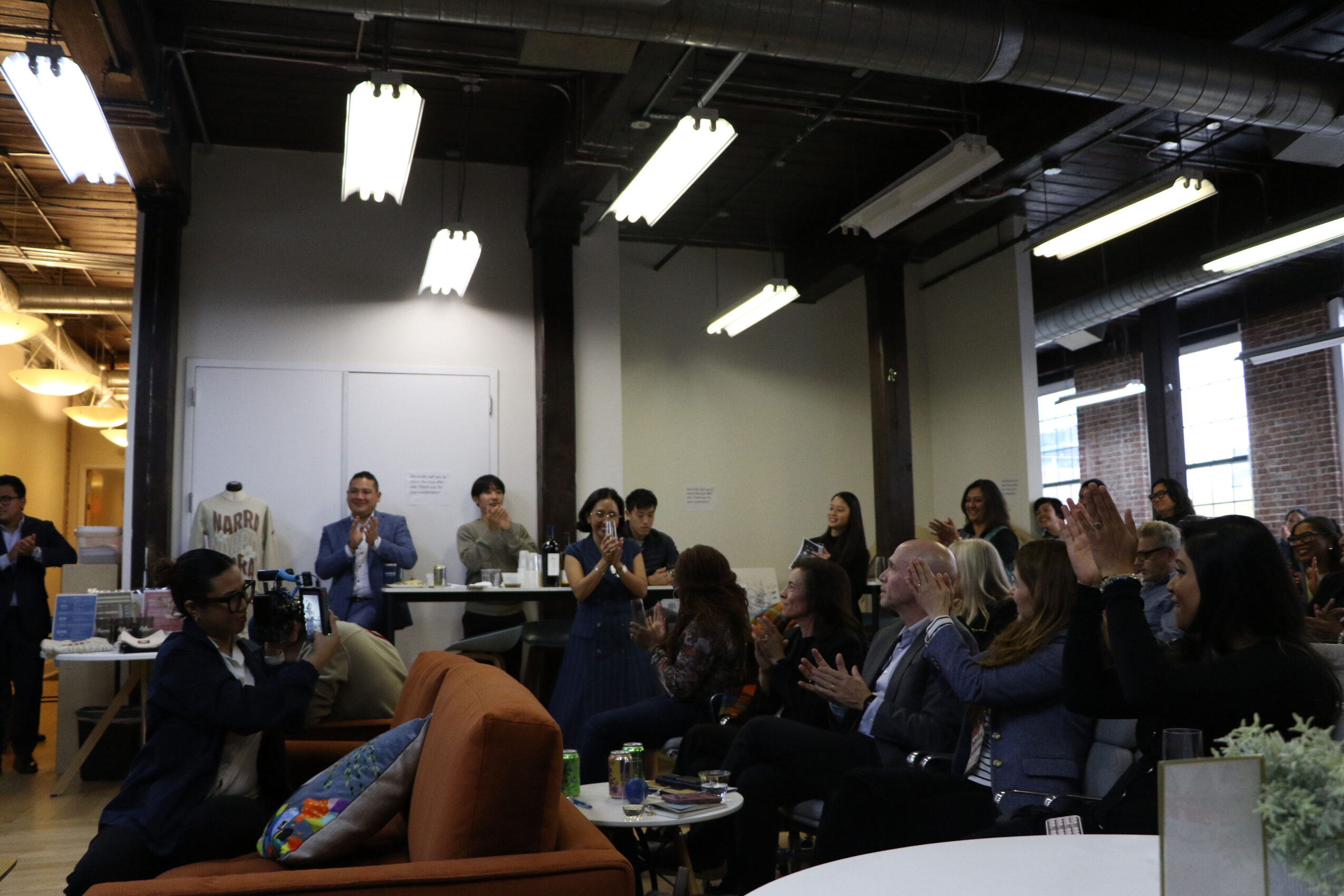
What Narra has become today — a full, active community of founders, creatives, and small businesses didn’t happen because of a perfect strategy. It happened because people kept showing up. The energy in the room now comes from what happens when individual efforts compound into community.
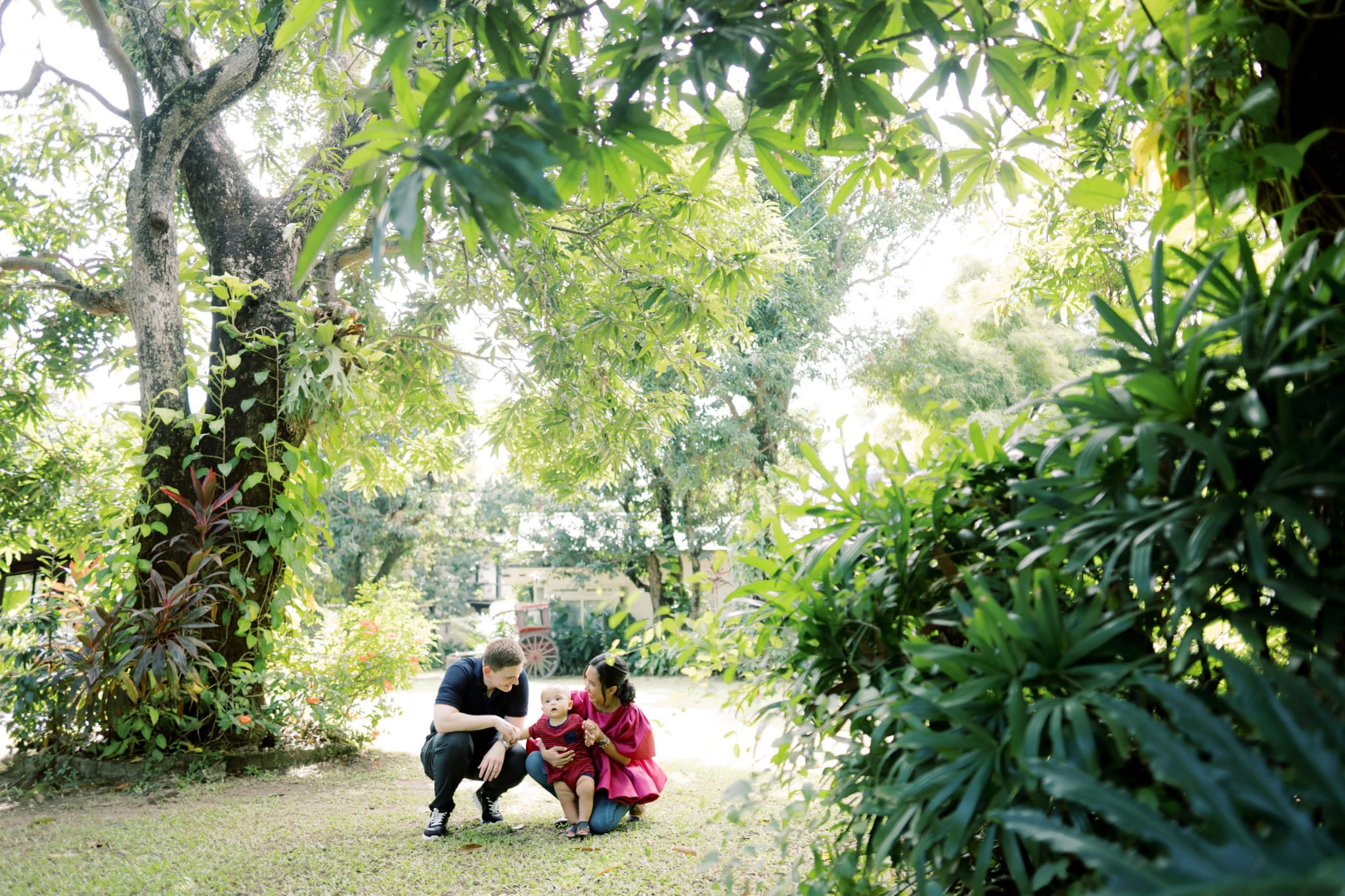
The name “Narra” comes from stories my father told me about people gathering under a large tree in our hometown in the Philippines to meet, solve problems, and look out for one another. There was no formal town hall. The tree was the infrastructure. That idea stayed with me. I wanted to build a modern version of that space.
There are thousands of coworking spaces in the U.S., but very few are women- and minority-owned. For me, Narra is a proof that representation shapes who gets to build the rooms other people rely on.
My journey hasn’t been linear or glamorous. It’s been a lot of persistence, uncertainty, and quiet work. But seeing people grow their businesses, find collaborators, or simply feel less alone makes it worth it.
In the end, Narra exists because community should be part of how we build our lives and the future of work.
We all face challenges, but looking back would you describe it as a relatively smooth road?
It definitely hasn’t been a smooth road. In many ways, the difficult parts shaped both the business and the kind of leader I’ve had to become.
Before Narra even opened, I faced a long stretch of rejection from landlords, lenders, and gatekeepers who weren’t convinced I fit the profile of someone building a commercial space. I didn’t have institutional backing, I wasn’t coming from a large company, and I didn’t look like the typical coworking operator. That period was both humbling and clarifying. It forced me to get extremely resourceful and to build conviction in the vision before anyone else believed in it.
Financing was another challenge. Without outside funding, I had to commit a significant amount of personal capital. That changes the stakes. Every decision becomes deeply personal, and you learn very quickly to balance optimism with discipline.
Operationally, building a physical space comes with a different level of complexity than many startups. You’re dealing with space planning timelines, building systems, permits, unexpected repairs, and the reality that the lights and rent don’t pause while you figure things out. Eight days after opening, I ended up in emergency surgery with a ruptured appendix. That experience made it very clear how fragile early operations can be when everything depends on the founder.
There’s also the less visible struggle; the isolation. Founders often carry the weight of uncertainty alone while projecting confidence externally. You’re making decisions with incomplete information, managing risk in real time, and responsible not just for your own livelihood but for your team and community.
What helped most was focusing on consistency rather than dramatic breakthroughs. Showing up every day, solving the next problem, and building trust and relationships. Over time, that steady approach created momentum.
If anything, the challenges reinforced why Narra exists. Many of the people who use the space are going through their own version of that journey, and having a community where you don’t have to navigate it alone makes a tangible difference.
So no, it hasn’t been smooth but it has been meaningful. And I think effective leadership isn’t about staying steady through hardships, but continuing to build something that outlasts the difficult moments.
As you know, we’re big fans of Narra Collective. For our readers who might not be as familiar what can you tell them about the brand?
Founded in 2024, Narra Collective is a community-driven coworking and business hub in Jersey City designed primarily for founders, small business owners, and growing teams. On the surface, we provide workspace; private offices, meeting rooms, and flexible memberships. In practice, we function as an infrastructure for people building meaningful businesses.
What makes Narra unusual is both who built it and how it operates. There are about 8,000 coworking spaces in the United States, but less than 1% are owned and operated by women of color. Narra is one of them. That perspective influences everything — from how we design the space to how we curate programming and partnerships. Our focus goes beyond productivity. It’s belonging, trust, and long-term support for people who are often building without traditional networks behind them.
We’re known for cultivating a highly engaged community rather than simply leasing desks. 100 members and counting don’t just work alongside each other. They collaborate, hire each other, launch projects together, and share resources. We host events, workshops, and strategic introductions that help businesses grow in tangible ways. Many companies have taken shape inside Narra, from early-stage startups to established brands expanding their footprint.
What sets us apart is intentionality. We’re selective about the environment we create, the partners we work with, and the values we reinforce. The goal is not to be the biggest coworking space, but to be one of the most meaningful.
Brand-wise, what I’m most proud of is that Narra feels human. It doesn’t feel transactional or corporate. People often describe it as a place where they can bring both their ambition and their uncertainty, and still feel supported. That sense of psychological safety is difficult to manufacture, but it’s incredibly powerful once it exists.
For readers, I would want them to know that Narra goes beyond the square footage and the four walls. It’s truly a platform for growth. If you need a professional home base, a community of peers, or access to networks and opportunities, we aim to provide a place where progress can happen faster and with less isolation.
If we knew you growing up, how would we have described you?
Growing up, I was observant kid. I paid attention to how things worked, how people interacted, and what needed to be done even when no one asked. I grew up in a traditional Filipino household where discipline, responsibility, and respect were non-negotiable, so I learned early on to be dependable and resourceful.
We didn’t have excess, but we had structure. My parents worked incredibly hard, and there was an unspoken expectation to do well, help out, and not complain. That environment made me both practical and resilient. I was ambitious, but also cautious. Always thinking a few steps ahead because stability mattered.
At the same time, I had a strong independent streak. I liked figuring things out on my own, organizing things, making plans, and creating order out of chaos.
I was also deeply community-oriented, even before I had the language for it. Family gatherings were constant, neighbors knew each other, and there was a sense that you show up for people whether it’s convenient or not. Looking back, that probably shaped Narra more than anything else.
Personality-wise, I’ve always been driven. I wasn’t trying to be the center of attention but I wanted to be effective.
If anything, the biggest shift over time has been confidence. When you grow up in environments where you’re expected to be humble and not take up too much space, learning to step into leadership publicly takes practice. But the core traits; persistence, responsibility, and a bias toward action have been there from the beginning.
Pricing:
- Day Pass – $30
- Hot Desk – starts at $99/month
- Reserved Desk – starts at $379/month
- Virtual Mailbox – starts at $59/month
- Conference Room – $99/hour
Contact Info:
- Website: https://www.joinnarra.com
- Instagram: https://www.instagram.com/narra.collective/
- LinkedIn: https://www.linkedin.com/in/sheila-burmistrova-20a79584/
- Other: book a tour – https://calendly.com/hello-joinnarra/narra-collective-tour