





Today we’d like to introduce you to ARLEN Schumer.
Hi ARLEN, we’re thrilled to have a chance to learn your story today. So, before we get into specifics, maybe you can briefly walk us through how you got to where you are today?
My “big break” after graduating from Rhode Island School of Design with a degree in Graphic Design was getting to work for one of my childhood idols, the legendary comic book artist Neal Adams (1941-2022) at his New York City agency/studio. If you had told me when I was a kid artist idolizing him (like a whole number of my generation), that I would one day be working for him as a pencil artist (with him inking me!), I would have had an adolescent heart attack!
At the time, Adams was doing mostly advertising production art (comps, storyboards, animatics), which was preventing him from taking on all the finished-illustration comic book-styled ads that were coming in; I reasoned one guy could make a pretty good living just on the work he was turning away, and that that was what I set out to do full-time upon leaving Neal to go out on my own.
Adams had previously done, I thought, the best comic advertising to date; I could never compete with him on a pure drawing level (who could?), but I thought I could differentiate my work by emphasizing overall graphic design (from my RISD education) and good hand-lettering (influenced by that other God of Comic Art, Adams’ contemporary Jim Steranko).
I had no desire to do comic book art for the mainstream comic book companies, as I could never churn out the volume of art needed to make their monthly deadlines, and didn’t really have the burning desire to tell stories anyway–I had more of a single-illustration/poster design mentality.
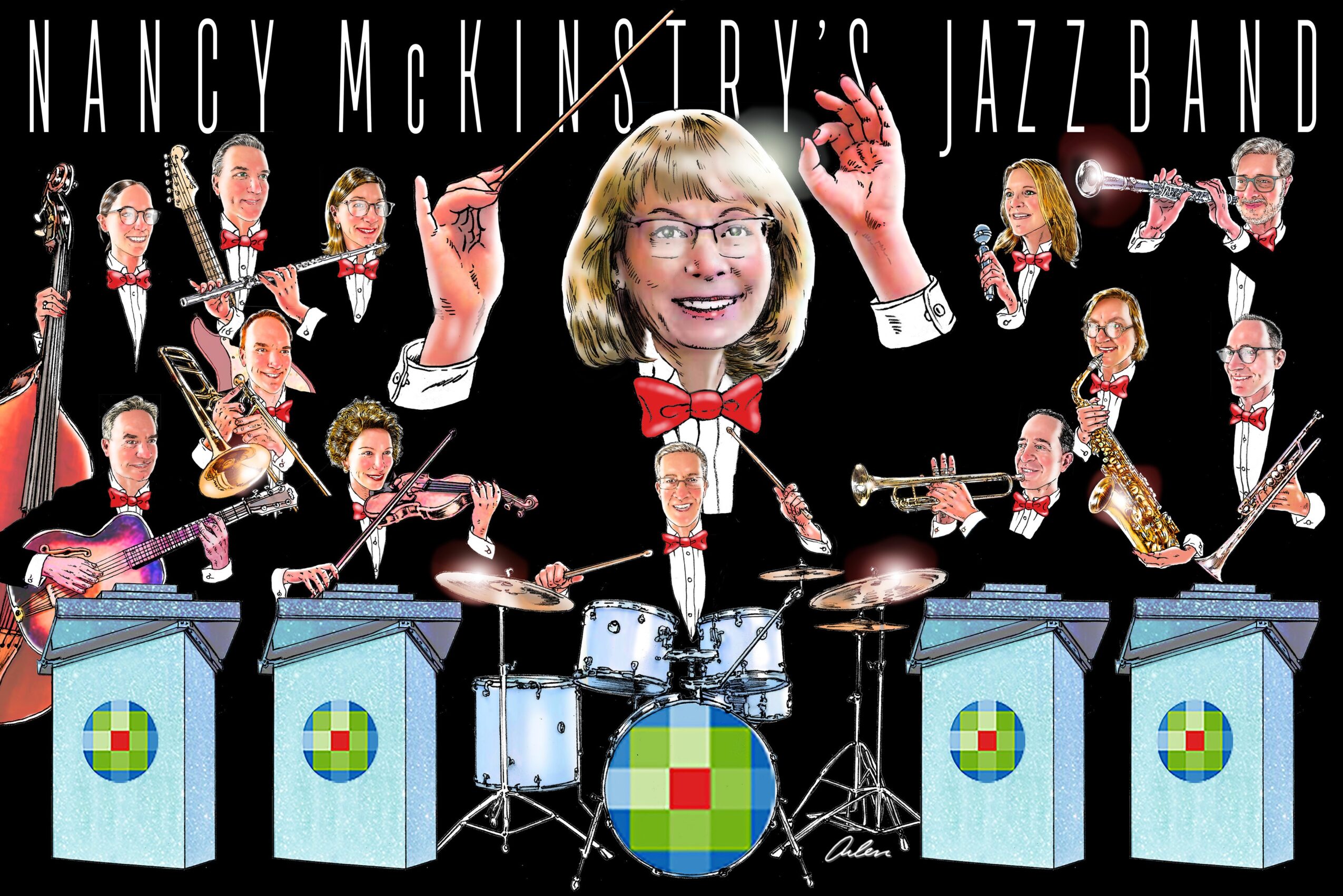
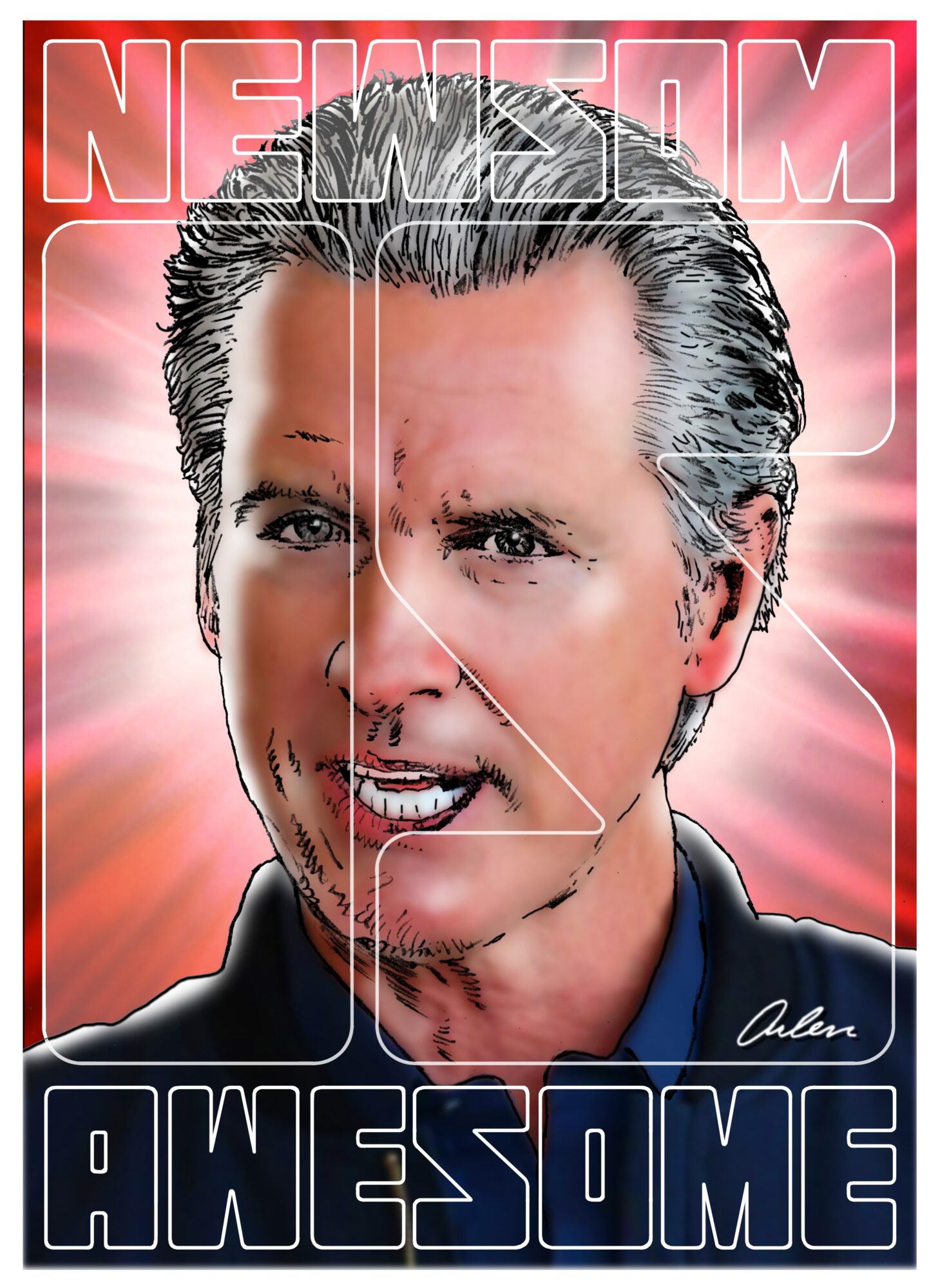
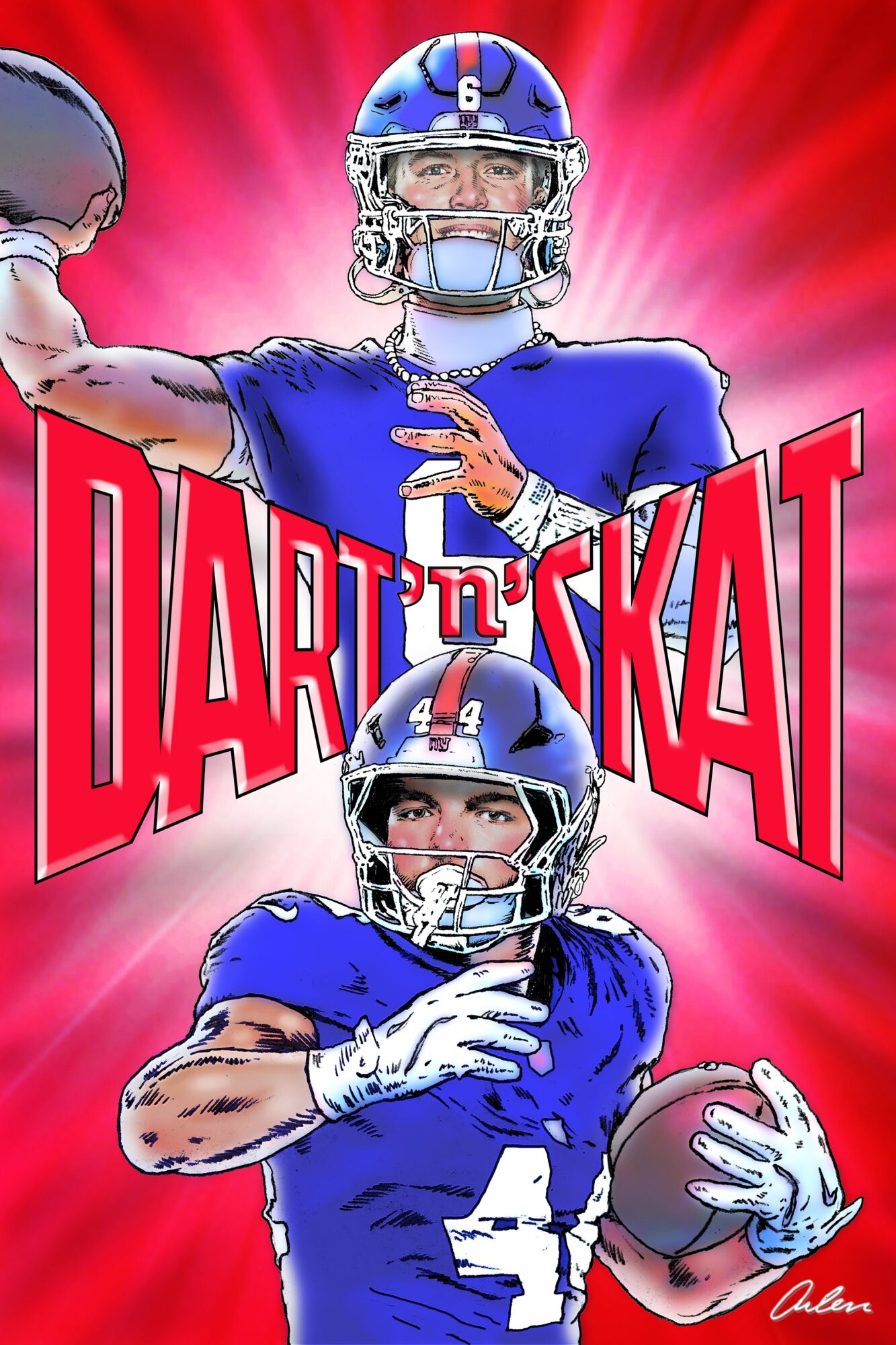
So I combined my expertise in graphic design with my illustration skills (improved 400% while working for Adams–like going to graduate school and getting paid for it!) and knowledge of, and love for, comic book art and its history, to create advertising and editorial illustrations that I’d like to think stand out from the crowd of more conventional illustration and photography.
One of my goals was to bring comic book-style art into the commercial art world with the same impact Roy Lichtenstein had brought it into the fine art world; that’s how I felt I could do my part to uplift the long-denigrated and dismissed comic book art medium in the eyes of the mainstream American, cultural, societal, and academic worlds. Though I have many more mountains to climb, I think a retrospective of my illustrations would be a good gauge as to how far I’ve come–and have yet to go–to accomplishing that goal.
Would you say it’s been a smooth road, and if not what are some of the biggest challenges you’ve faced along the way?
I don’t know if anyone’s life and/or career has been a “smooth road”–every creative person especially has to deal with rejection, assignments that pay poorly, clients who are terrible people, illustrations that don’t print right, jobs that get “killed” so you have to take the kill fee even though you finished the work, and probably more problems and disappointments and failures than I can come up with or remember in the moment.
Appreciate you sharing that. What else should we know about what you do?
Comic book art continues to infiltrate American popular culture on all fronts, from superhero movies to graphic novels!
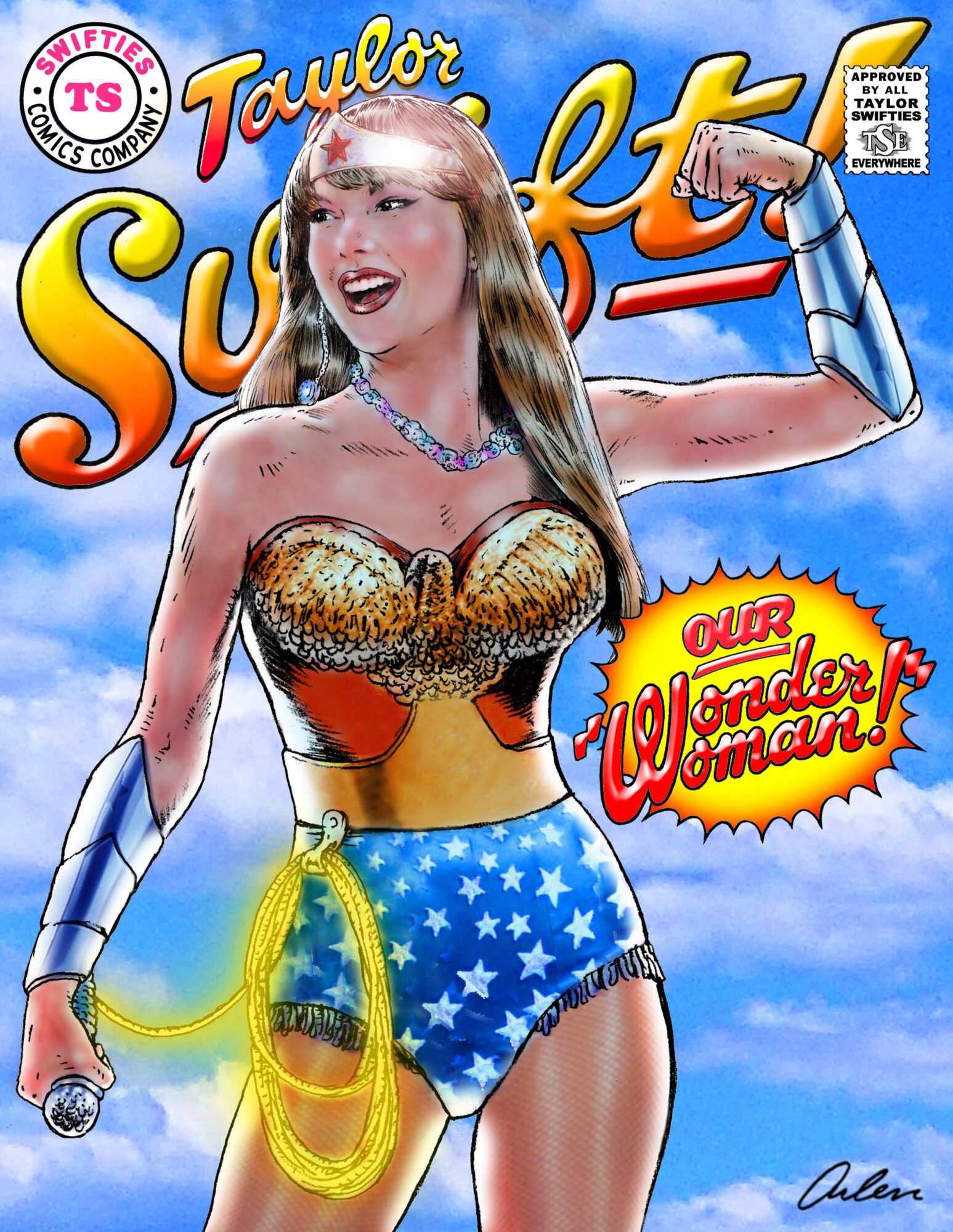
And as Roy Lichtenstein brought comic book art into the fine art world, I’ve brought it into the commercial art world via my unique illustration career, creating comic book-style art for advertising, editorial and promotional usage, becoming a member of The Society of Illustrators in the process.
My backgrounds in graphic design (via Rhode Island School of Design), art direction and copywriting, combined with expertise in and enthusiasm for the comic book medium and its rich history, produce imagery that stands out from the crowd!
I draw traditionally with pencil on paper, then scan it into my Mac computer, and color in Photoshop. I try to ride the line between the organic warmth that the hand-drawn line allows, with the range of fantastic coloring effects that the computer provides—without letting the latter overwhelm the former.
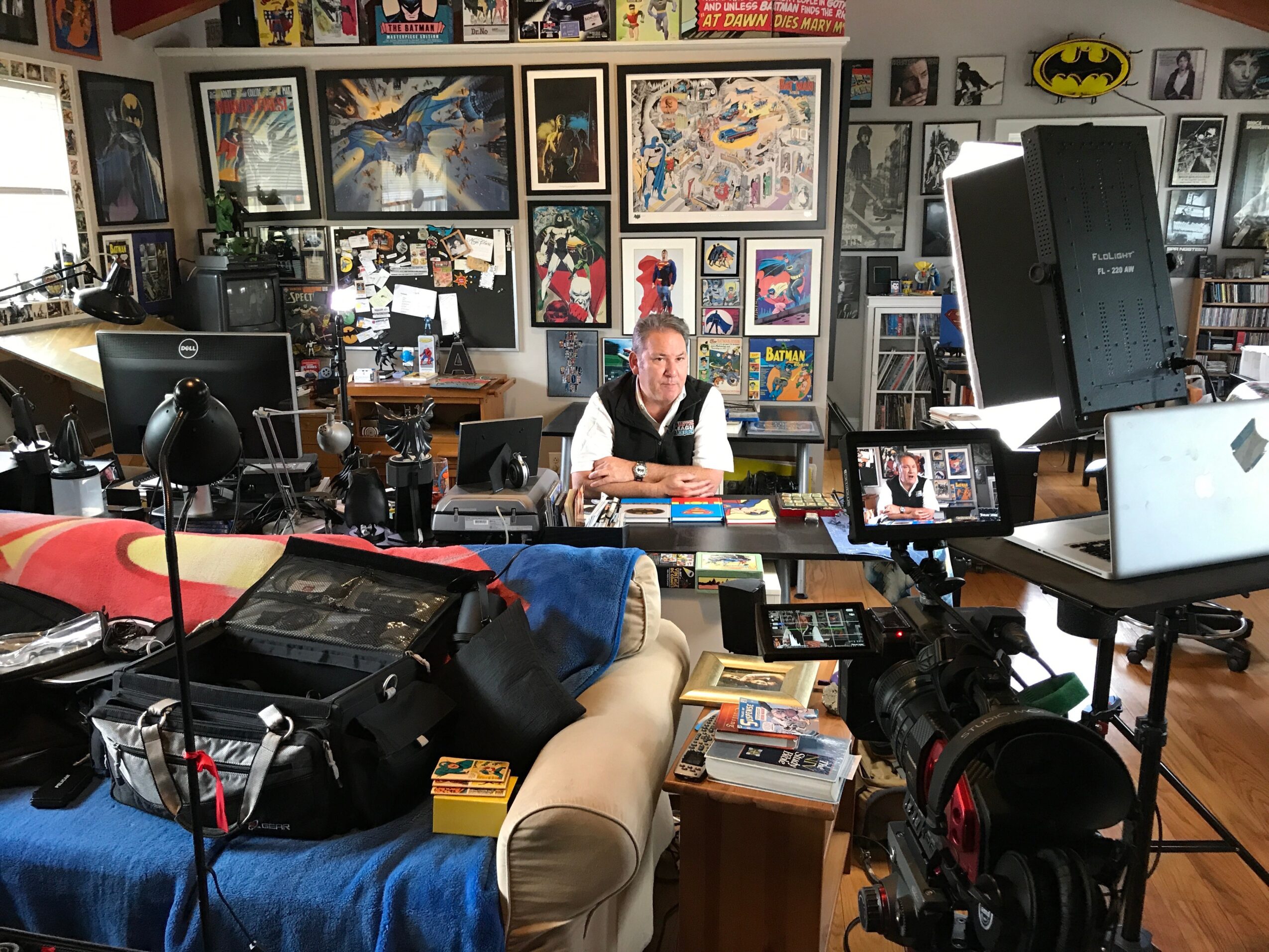
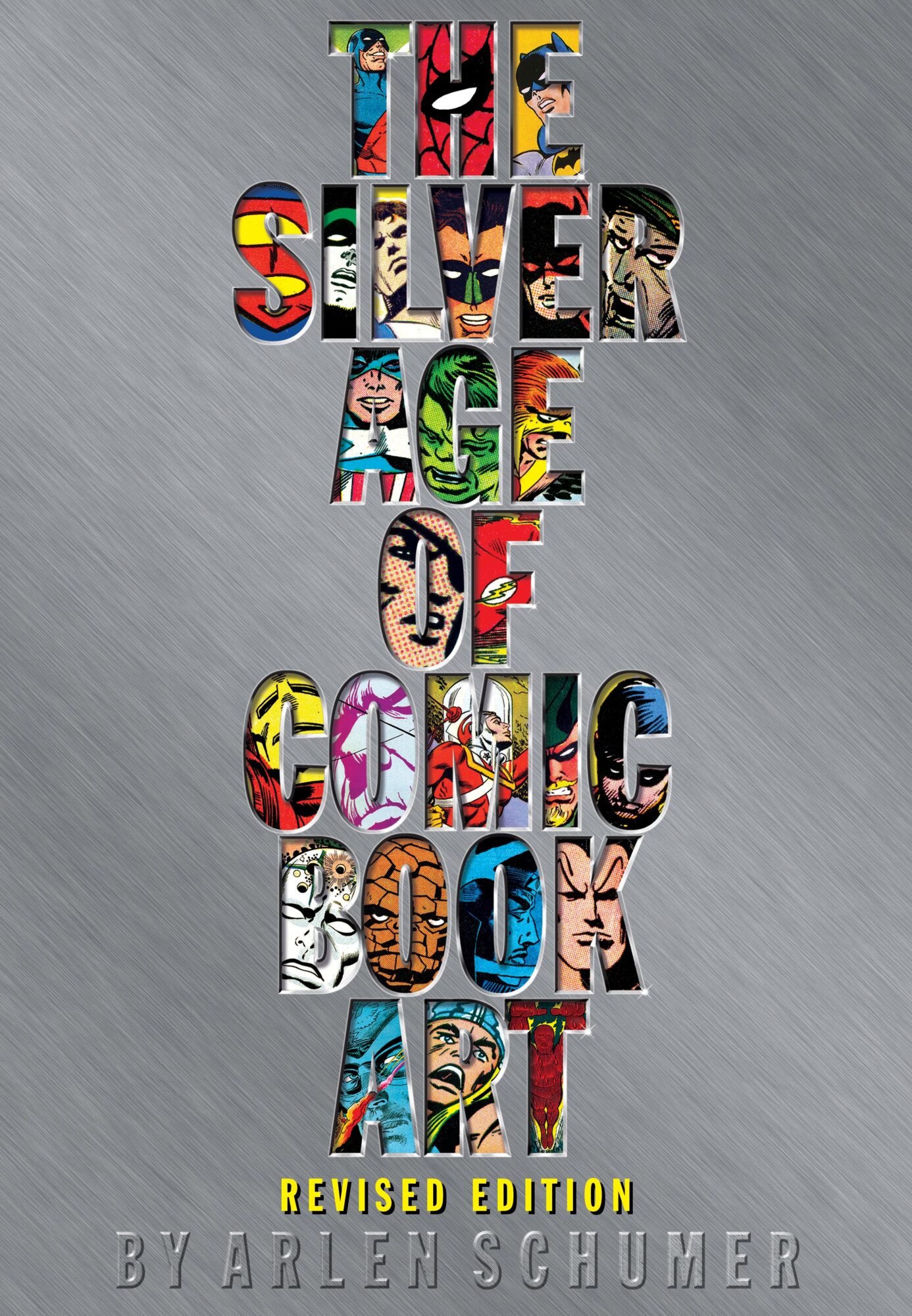
At the same time, I’ve been working to get comic book art appreciated and treated seriously in the academic and cultural worlds as an indigenous American art form with a rich history, via my comic book art history “VisuaLectures” (so dubbed because “lectures” is such a pejorative, and mine are as visual as they are verbal) and verbal/visual essays (which form the basis of my book about comic book art in the 1960s, The Silver Age of Comic Book Art).
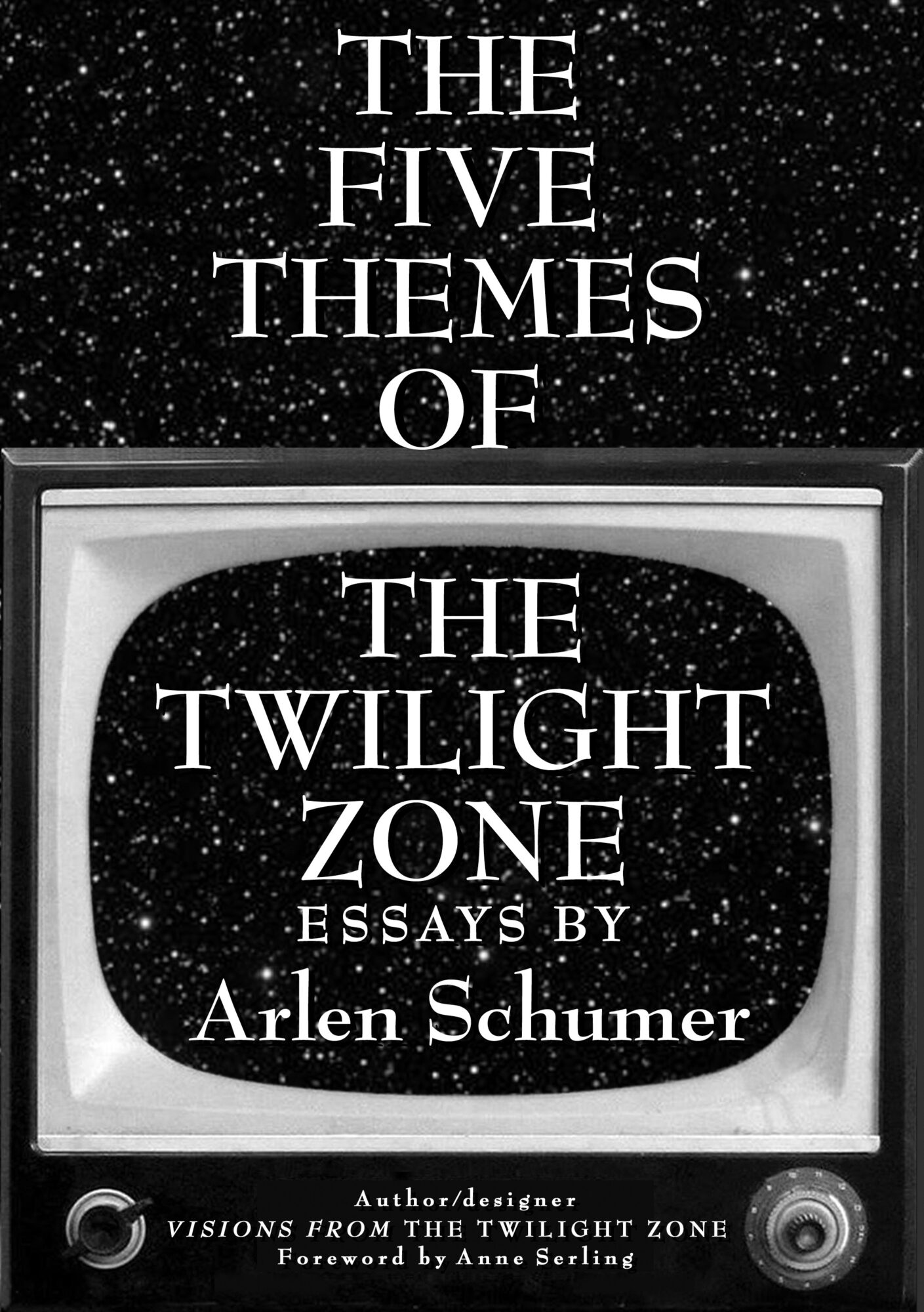
I also create webinars on a vast array of other 20th Century pop culture subjects, from the Connery Bond films to The Flintstones, with a concentration on the legendary TV series The Twilight Zone, and the music of Bruce Springsteen, my two other deep areas of interest.
Do you any memories from childhood that you can share with us?
I have TWO favorite memories: the first visual memory I can recall is seeing the black & white “eyeball” of The Twilight Zone’s graphic opening on TV when I was about 4-1/2 years old. My second visual memory is about 6 months later, when I saw the first Sean Connery James Bond film, DR. NO, at a drive-in movie!
Contact Info:
- Website: https://arlenschumer.com/
- Instagram: @arlenschumer
- Facebook: https://www.facebook.com/arlenschumerNEW
- LinkedIn: https://www.linkedin.com/in/arlen-schumer-8a71643/
- Twitter: @arlenschumer
- Youtube: https://www.youtube.com/user/arlen6658/videos
- Other: https://vimeo.com/arlenschumer1