



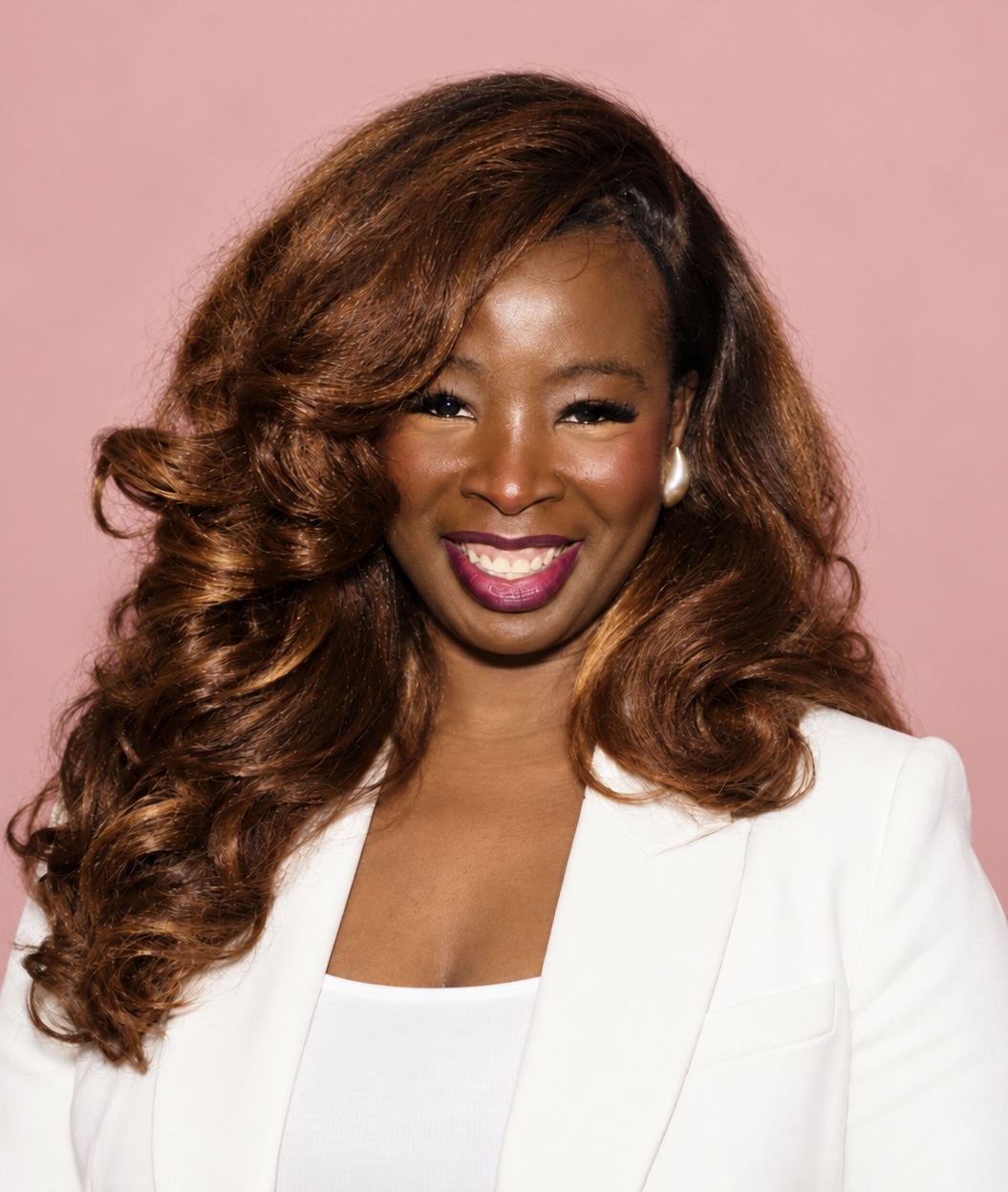
Today we’d like to introduce you to Nkasi Akpaka.
Hi Nkasi, so excited to have you on the platform. So before we get into questions about your work-life, maybe you can bring our readers up to speed on your story and how you got to where you are today?
I worked for an organization that claimed to advocate for Black women, yet I was treated differently and denied opportunities because of the color of my skin. I felt used as a token to create the appearance of diversity while being silenced, belittled, and overlooked within that same organization. I was often the only person in the room who looked like me, with no Black leaders to turn to for support. It was painful to show up wanting to contribute and grow, only to feel that my skin was useful for their image but my voice was not valued. I felt isolated and discouraged, wondering how many other Black women were carrying similar experiences without anyone to turn to.
It made me ask: Who was advocating for women like me?
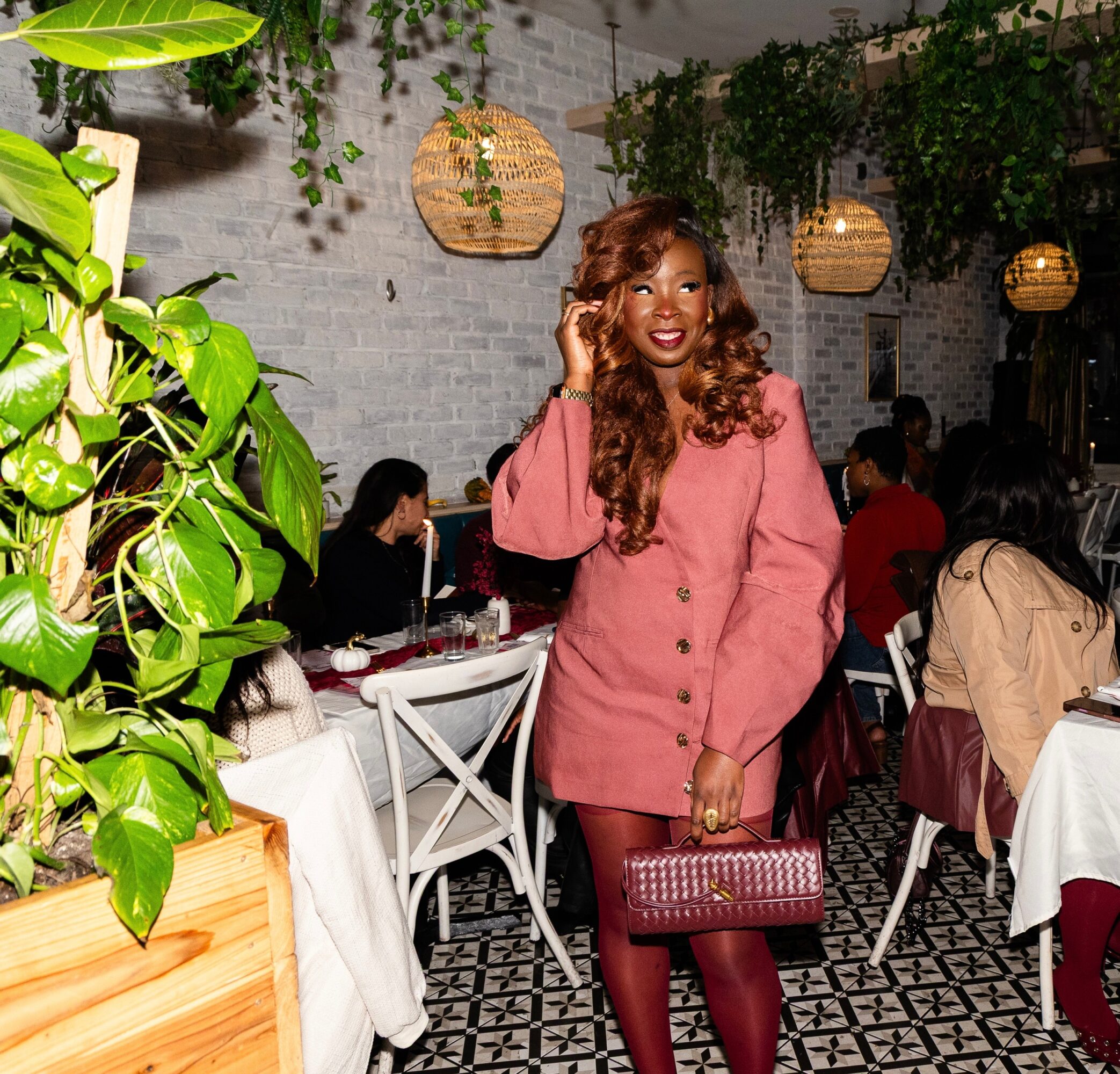
I’m Nkasi Akpaka, a first-generation Nigerian from an immigrant family, a public interest attorney, and the founder of Black Girls Link. My Nigerian roots and immigrant family background are central to who I am and the perspective I bring to my work. Even with the tools to advocate for myself as an attorney, navigating racism in the workplace took an emotional toll.
What helped me through was the circle of Black women who poured into me when I needed it most. They listened, shared their wisdom, and gave me space to be honest about what I was experiencing. They reminded me of my worth when my workplace made me feel small. Their support helped me find the confidence to keep moving forward, and I wanted more Black women to experience that same care and encouragement. That is why I created Black Girls Link.
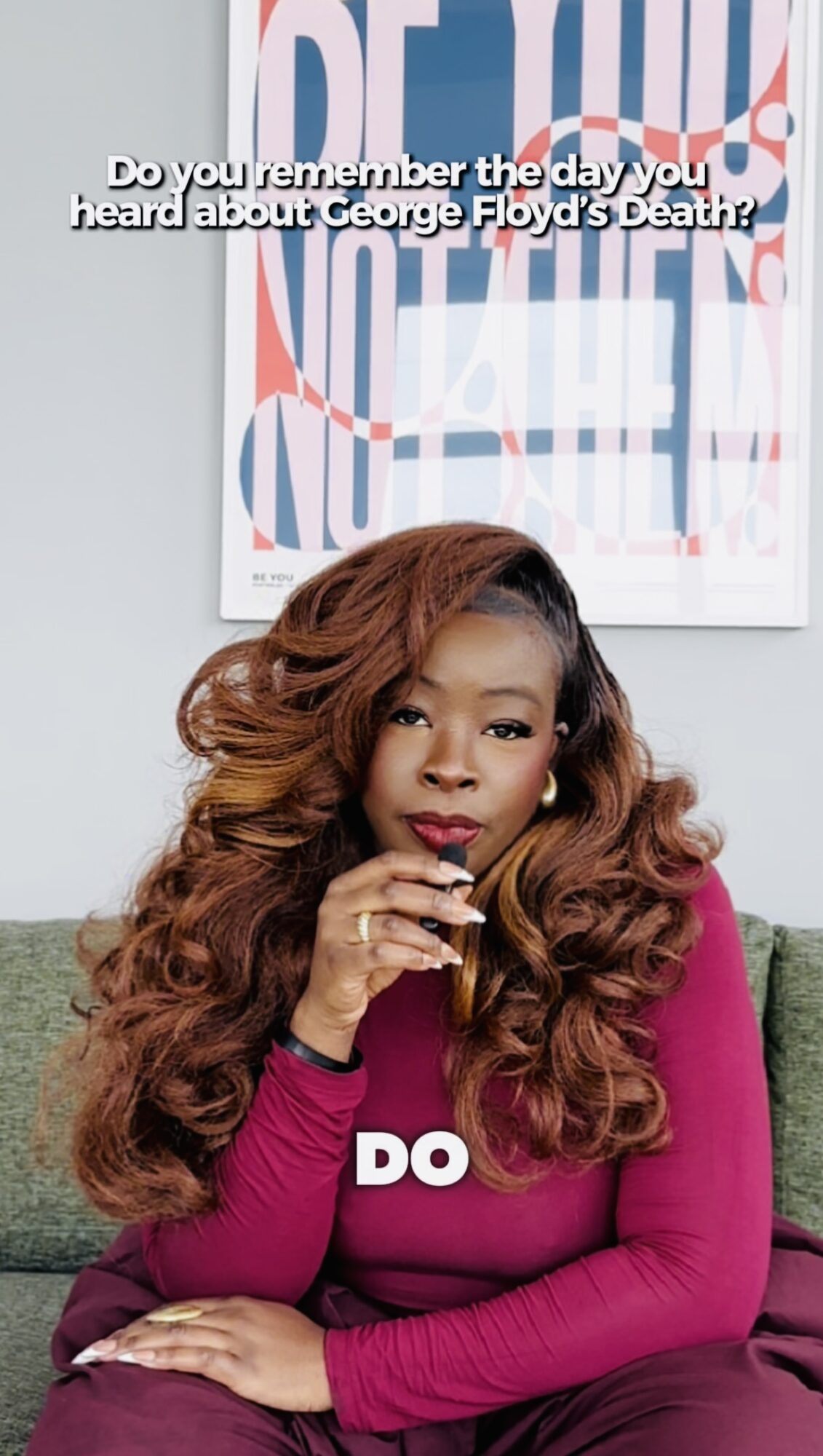
I publicly introduced BGL on May 26, 2020—my birthday—as news of George Floyd’s murder was spreading during a global pandemic. The grief, fear, and isolation reinforced how urgently we needed spaces where Black women could speak honestly, feel supported, and find community.
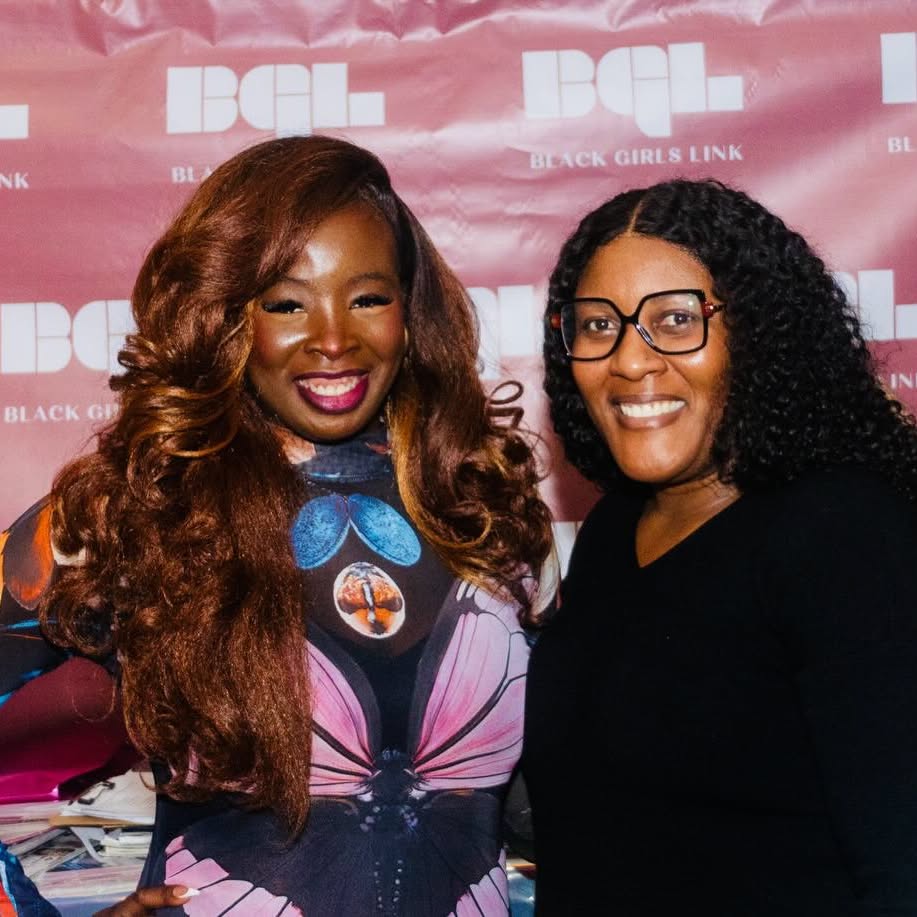
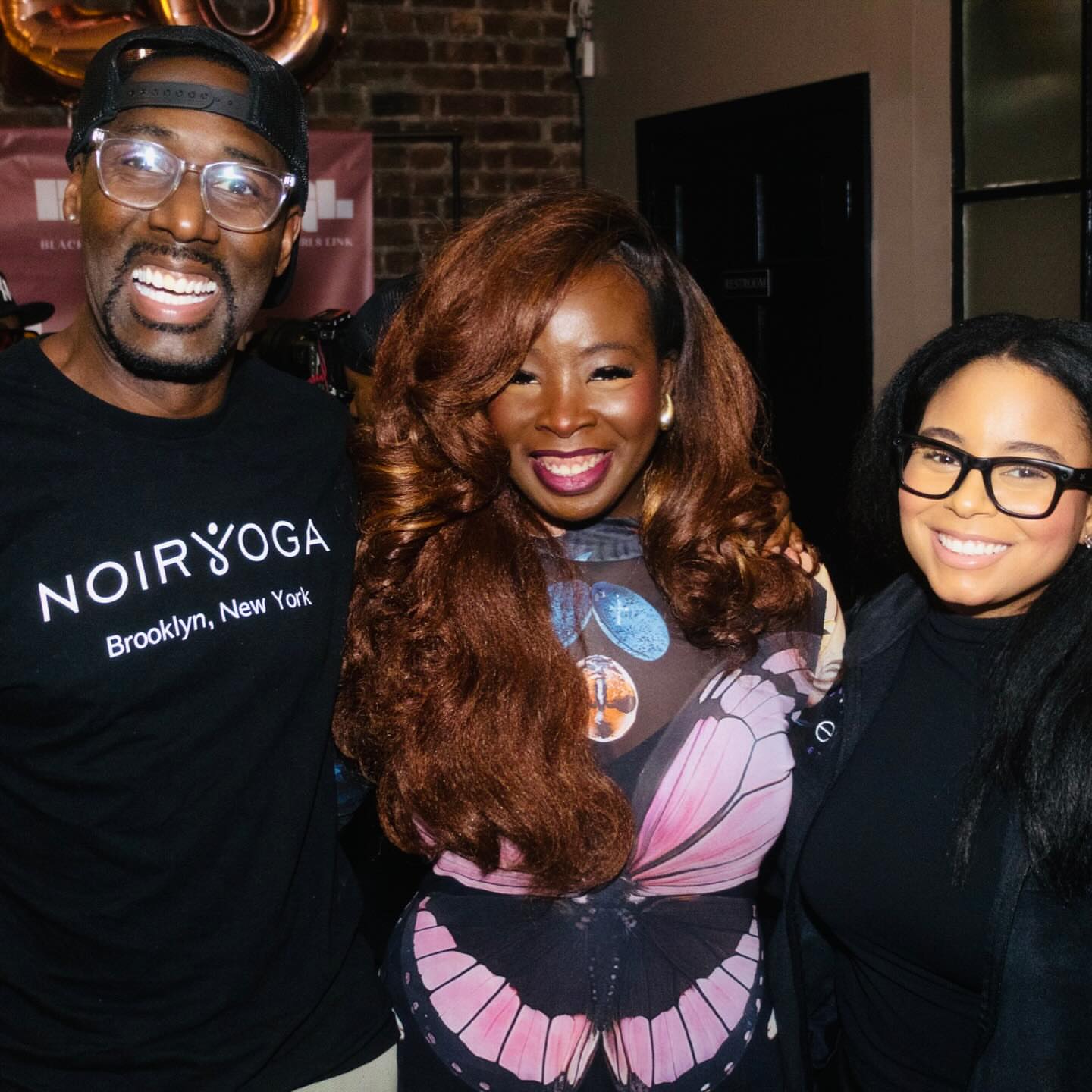
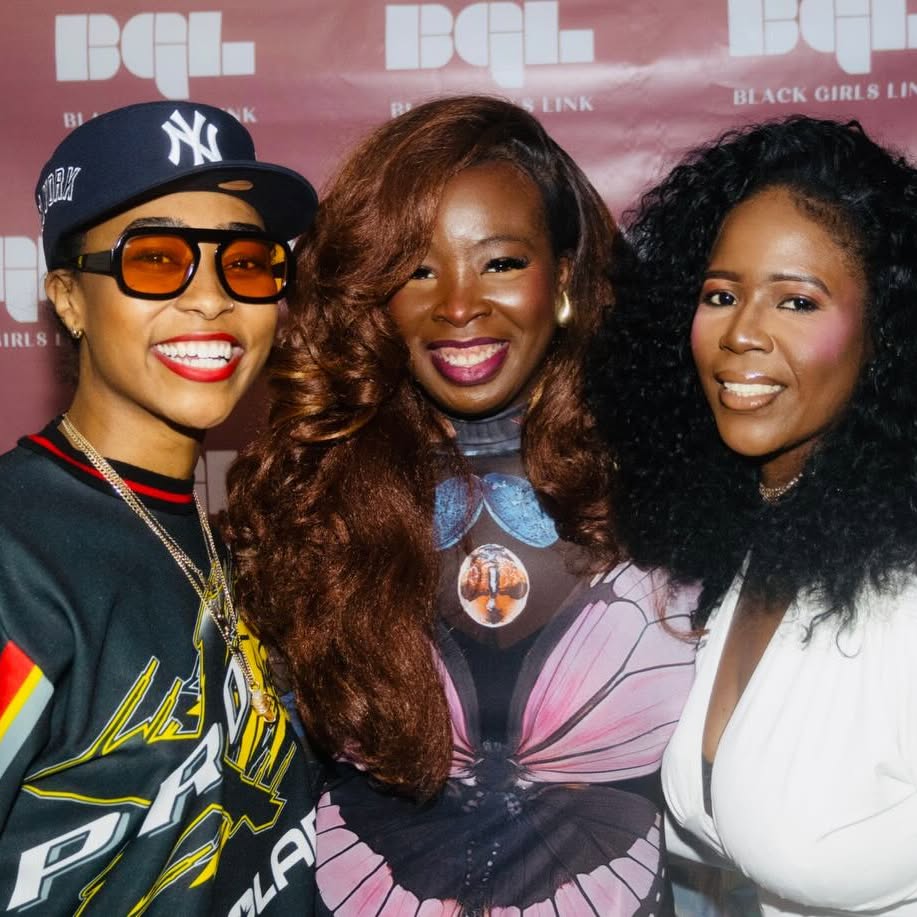
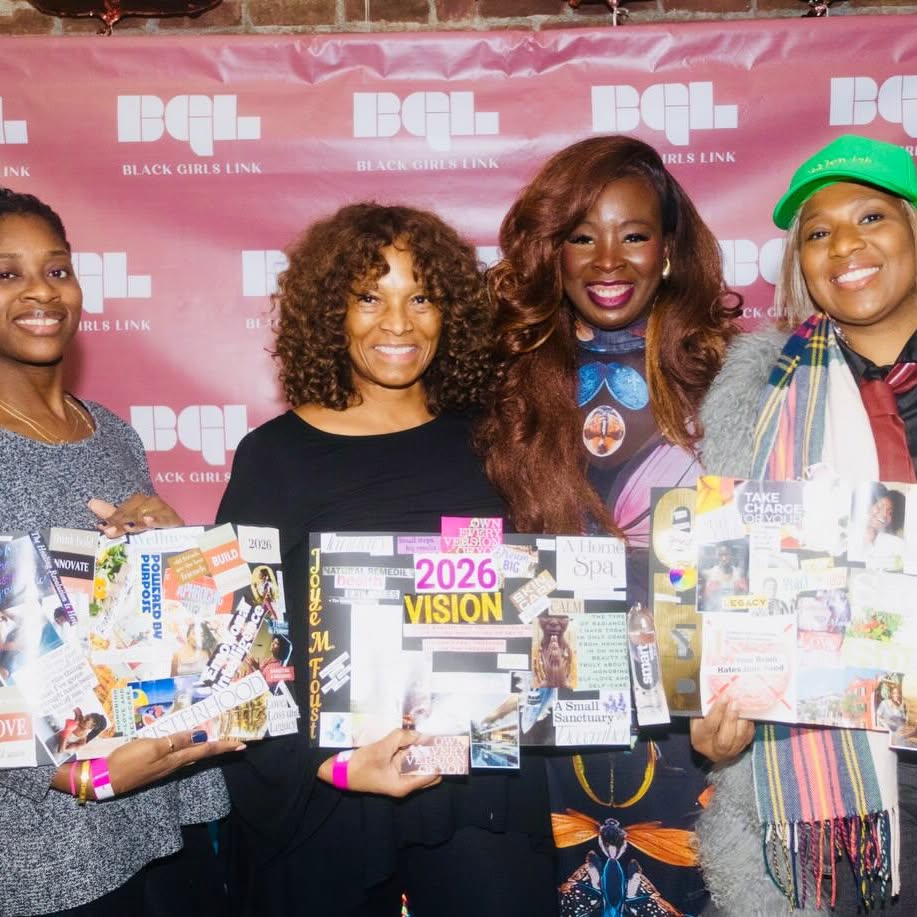
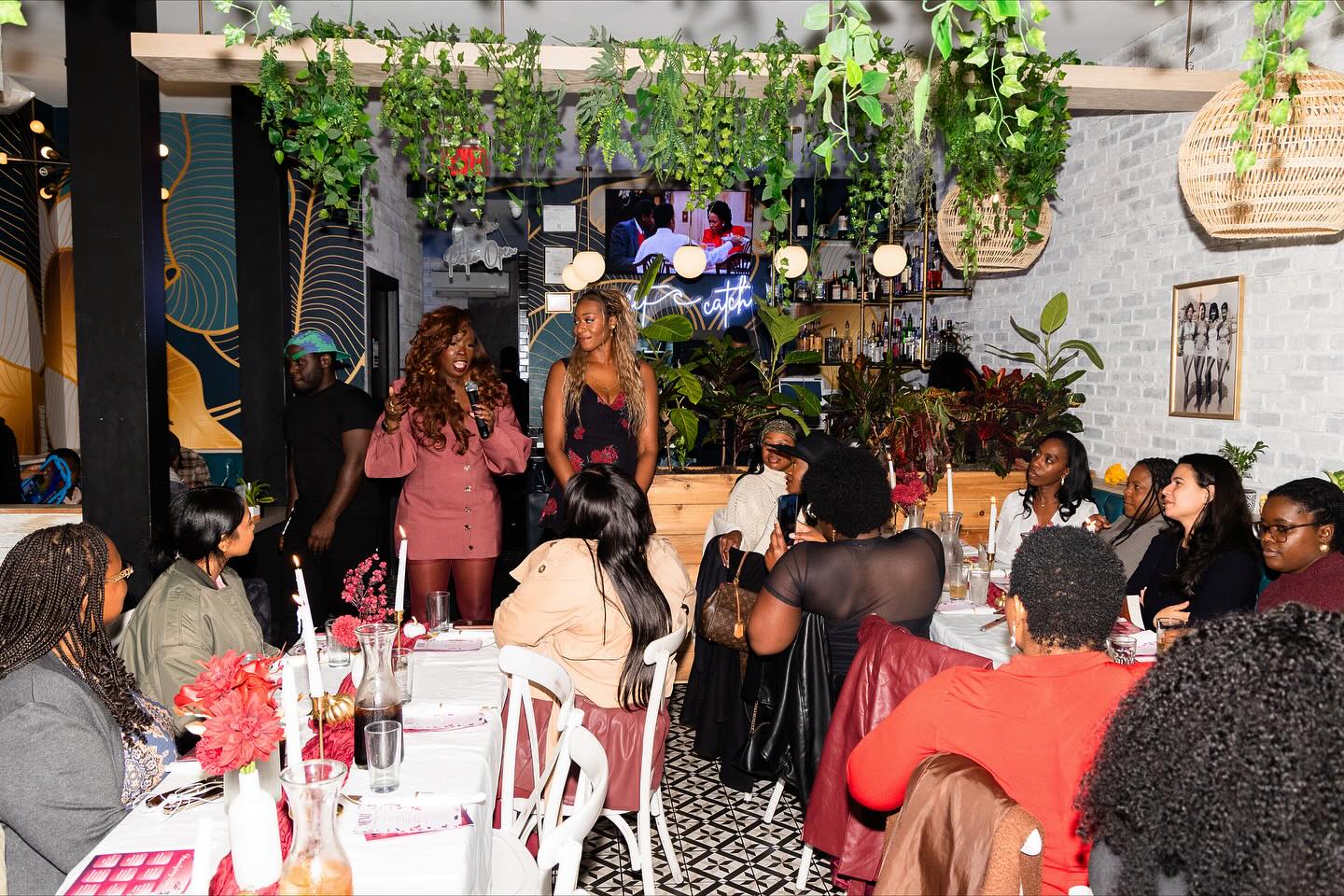
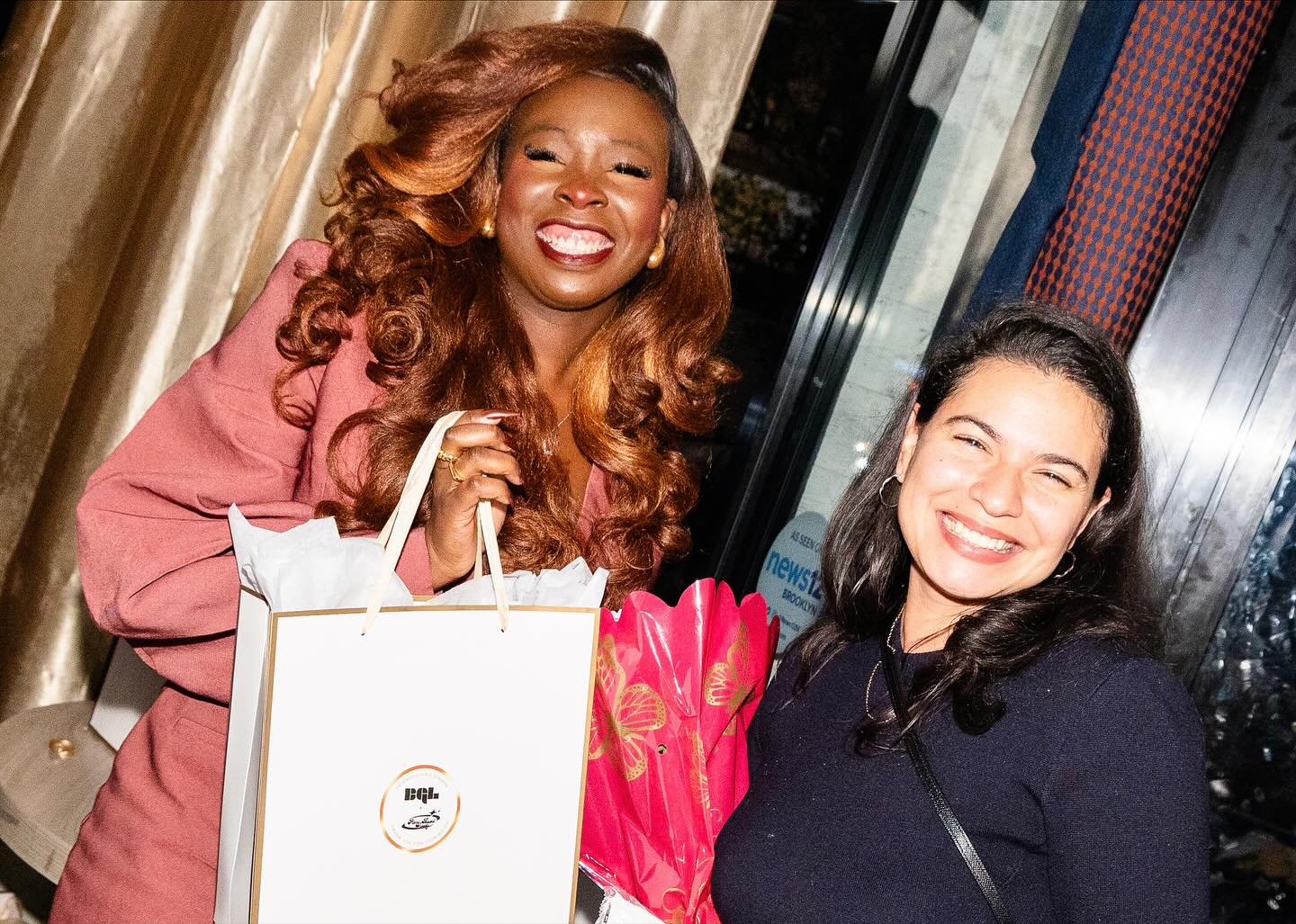
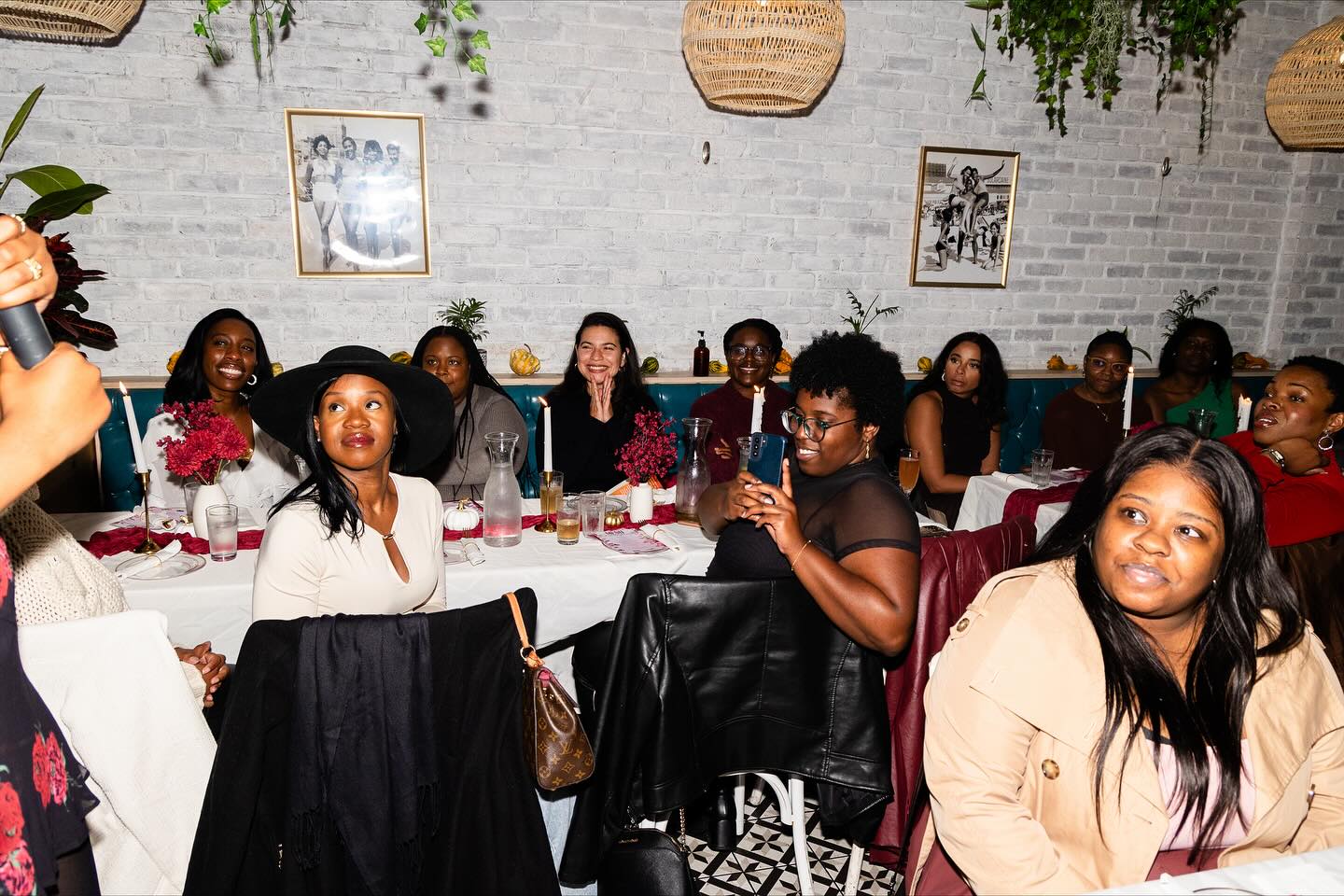
Today, Black Girls Link brings Black women together through educational experiences, meaningful connections, and resources that support leadership, career advancement, and entrepreneurship. We also create virtual and in-person experiences that serve Black women holistically—mentally, physically, socially, and professionally—so they can show up as the best versions of themselves in and outside of the workforce. I know firsthand that what we carry in our personal lives affects how we show up professionally, and what happens at work follows us home. Our programming makes room for the whole woman.
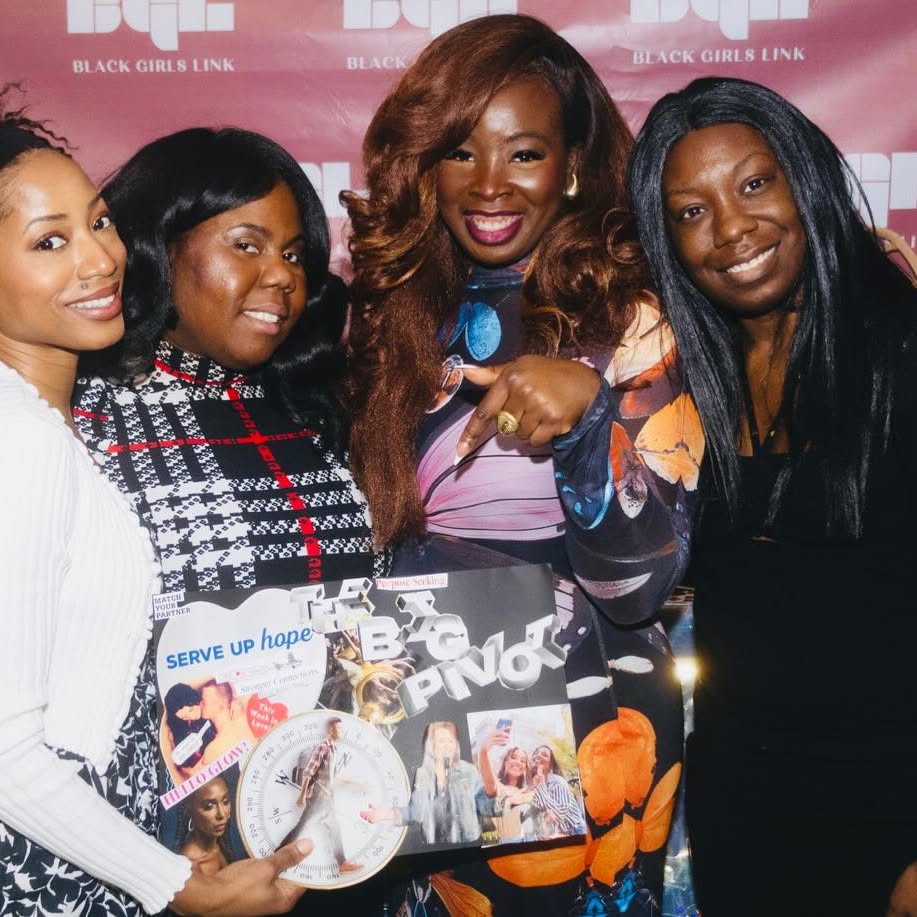
That purpose is behind “The Pivot: Your Next Move Starts Here,” happening October 22, 2026, in Brooklyn. Reports of more than 600,000 Black women being pushed out of the U.S. workforce in 2025 have made this work feel especially urgent. Behind that number are women trying to pay their bills, support their families, and rebuild careers they worked hard to establish.
The Pivot will bring Black women professionals and emerging leaders together for networking and a panel conversation about career transitions, leadership, and entrepreneurship. I want attendees to leave with practical guidance, meaningful connections, and a clearer sense of their next step—and to know they have people beside them as they take it.
Looking ahead, my vision is to expand BGL internationally and build a digital ecosystem, including a platform and app, that keeps our community connected beyond our events.
I remember what it felt like to need support and wonder where to find it. Building Black Girls Link is my way of making sure more Black women have somewhere to turn—and an opportunity to pour into one another, the way those women poured into me.
Would you say it’s been a smooth road, and if not what are some of the biggest challenges you’ve faced along the way?
The road has not been easy. I publicly introduced Black Girls Link on May 26, 2020, which was also my birthday and the day I learned about George Floyd’s murder. What should have been a moment of celebration and excitement was also filled with grief, fear, and uncertainty. We were in the middle of a global pandemic, and I was trying to build a community while processing the same pain so many of us were carrying.
Today, one of the challenges is securing resources amid the pushback against diversity, equity, and inclusion. As companies pull back from DEI commitments and deprioritize support for Black communities and people of color, organizations like BGL face greater barriers to sponsorships, funding, and partnerships. That affects our ability to expand, deliver programming, and develop the digital platform and app we envision for our community.
Racism within corporations and institutions continues to limit opportunities and access. It is frustrating to see support for Black women treated as optional when the consequences of exclusion are so real. The need for our work does not disappear because institutional priorities change.
These barriers make creating a digital ecosystem for Black women through BGL more important than ever. My vision is to extend access to community, meaningful connections, and resources beyond our events and geographic boundaries. Building it requires the very investment that is becoming harder to secure.
That is part of what makes building BGL difficult, but it also reinforces why I keep going. Black women deserve consistent investment, meaningful opportunities, and spaces where we are supported. My commitment is to keep building those spaces, both in person and digitally, and finding partners willing to turn that belief into action.
Thanks – so what else should our readers know about your work and what you’re currently focused on?
I’m a public interest attorney in New York City, and I take pride in serving the city’s underserved and underrepresented communities. I’m passionate about advocating for others, especially people who face barriers to advocating for themselves. I bring empathy and a commitment to making people feel heard, respected, and supported. What I’m most proud of is the work I’ve done to serve communities—standing beside people facing difficult circumstances and helping them navigate challenges they should not have to face alone.
Can you talk to us about how you think about risk?
Starting Black Girls Link meant putting a deeply personal vision into the world without knowing how it would be received. I was sharing experiences that had been painful for me and taking on the responsibility of building something other women could turn to. There was no guarantee it would grow, but I knew why it needed to exist.
That experience shapes how I think about risk. I believe in being thoughtful and prepared, while accepting that I cannot have every answer before taking the first step. I ask myself what could go wrong, but also what opportunity I might lose by never trying—and what I could learn by giving myself the chance.
I see taking risks as an opportunity to learn and grow. Whatever the outcome, I want to understand what the experience can teach me and carry that lesson forward. I will always be a student, open to new perspectives and willing to keep learning throughout my life.
As I work toward expanding BGL and creating a digital ecosystem for our community, I’m continuing to step into unfamiliar territory. What gives me the confidence to move forward is knowing who I’m doing this for. I want fear to inform my preparation without making my decisions for me.
Contact Info:
- Website: https://www.blackgirlslink.com/
- Instagram: https://www.instagram.com/blackgirlslink_/
- Facebook: https://www.facebook.com/BlackGirlsLink/
- LinkedIn: https://www.linkedin.com/company/black-girls-link-bgl/
- Other: https://www.tiktok.com/@blackgirlslink_