




Today we’d like to introduce you to Jeff Hopkins.
Hi Jeff, we’d love for you to start by introducing yourself.
I’d been a writer for as long as I can remember, obsessed with the way words could evoke images in my mind. It seemed like such a beautiful mix of the logical and the conceptual. I was fascinated by the way a word could conjure a whole host of images but a page of them could transport me to another, much clearer world.
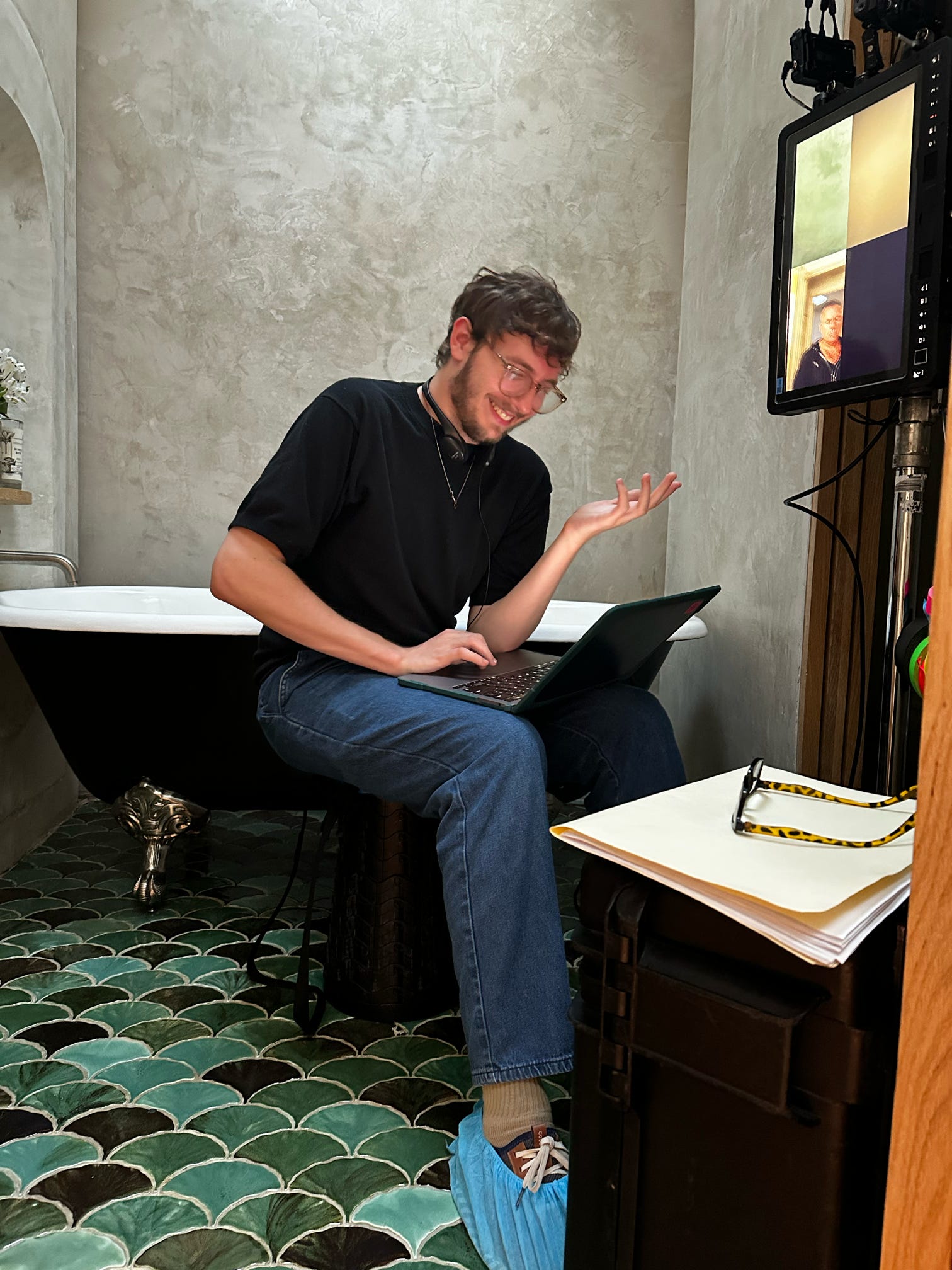
It wasn’t until later that I grew an appreciation for the art form that took this concept to the next level, marrying both image and sound, the written word and visuals. I took that appreciation into film school, where I focused heavily on both screenwriting and video editing, the two ends of the spectrum of the filmmaking process. I intended to pursue one or both of those things as a career, never anticipating being in thralls of on-set work. However, as I was finding my footing and working to further my connections during a summer later on in my time at college, I found myself working for a local film festival where I grew up on Long Island. There, I learned a lot under the wing of the rather ambitious man who ran the festival. He, after I’d proven myself dedicated, offered for me to be a part of the debut feature that he would be shooting. I, of course, jumped at the opportunity, completely prepared to do the gruntwork of grabbing coffees and picking up trash. That was exactly what I was slated to do, until two days prior to the first shooting a new opportunity arose. James, the director, realizing no one was filling the role, asked if I’d be willing to be the Script Supervisor on the project. My understanding of the role was rather minimal and I knew it would likely be an immense challenge, but I said yes. Since that project, I was able to leverage the fact that I’d script supervised on a feature film and exponentially grew that into my career.
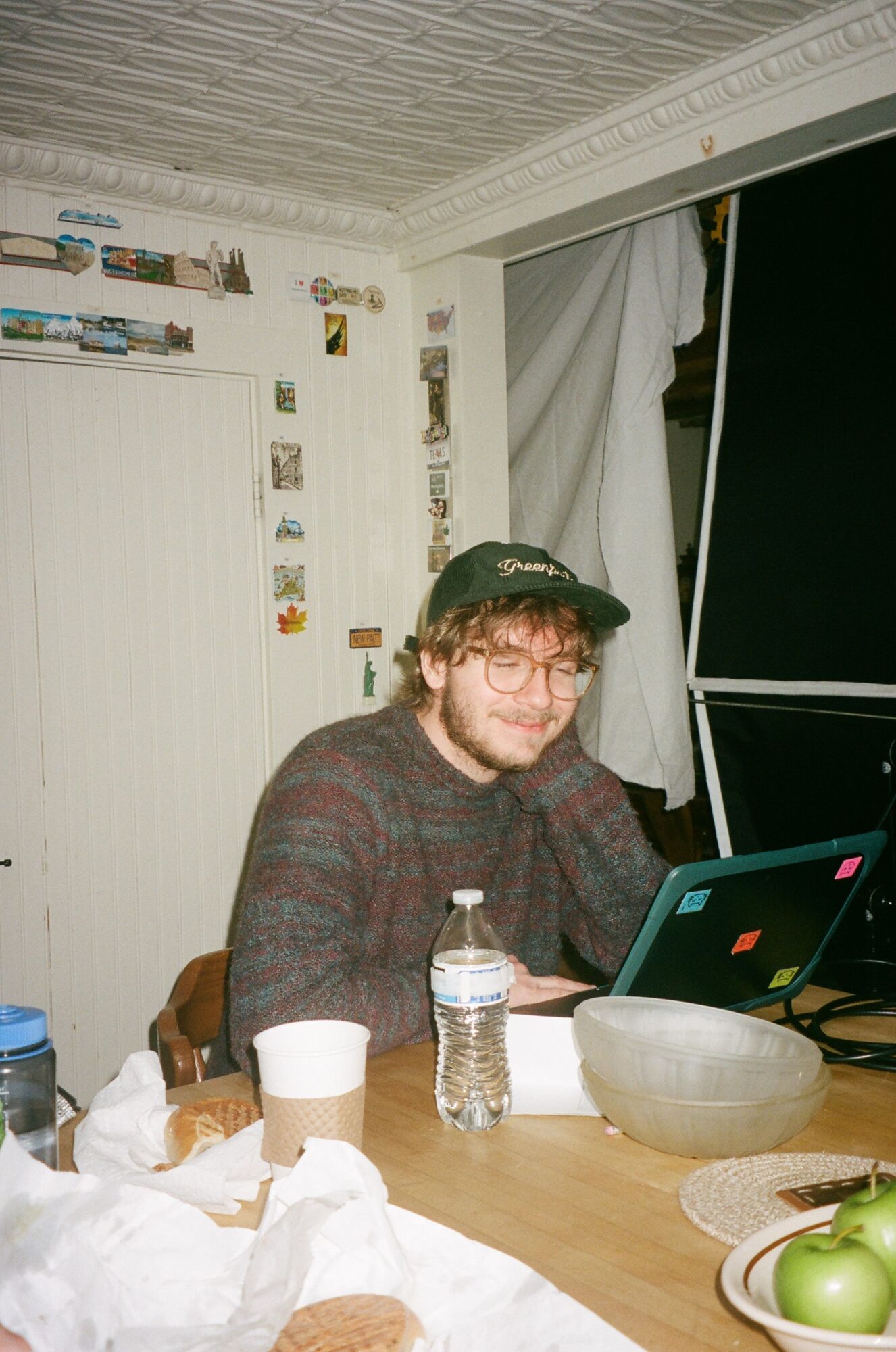
Now, I feel fortunate to make a living script supervising while still maintaining my creative pursuits of writing in my spare time. There’s no greater fulfillment of my dream than to spend my time working a role in which I am passionate.
Alright, so let’s dig a little deeper into the story – has it been an easy path overall and if not, what were the challenges you’ve had to overcome?
The very first project I’d script supervised on, the aforementioned feature that was offered to me at the absolute last minute, was simultaneously the greatest challenge and the most paramount learning experience of my life. Looking back now, with the experience of dozens of projects under my belt, I am baffled by the fact that I managed to do anything at all. I had two days of prep on a project that, with what I know now, I would have requested weeks. Those weeks would have been filled with extremely detailed work and comprehensive breakdowns of the script. Instead, I had two days to not only manage that work, but also familiarize myself with the role itself. I was thrown into the fire and I now value that straining experience, recognizing it now as a speed-run of the process, refining me in ways I couldn’t have possibly imagined. I, of course, made mistakes. However, by making those mistakes, I learned to never make them again. It was an invaluable crash course in script supervising.
Aside from this, challenges naturally arise within this business. Working freelance, by its nature, is inconsistent work. Without the advent of deadlines typical to “nine to five” work, I am required to seek jobs myself, to remain active at all times. It’s demanding in that regard but all the more rewarding when you’re able to credit yourself as the catalyst of finding projects, gaining traction, and proving your worth on the job.
Can you tell our readers more about what you do and what you think sets you apart from others?
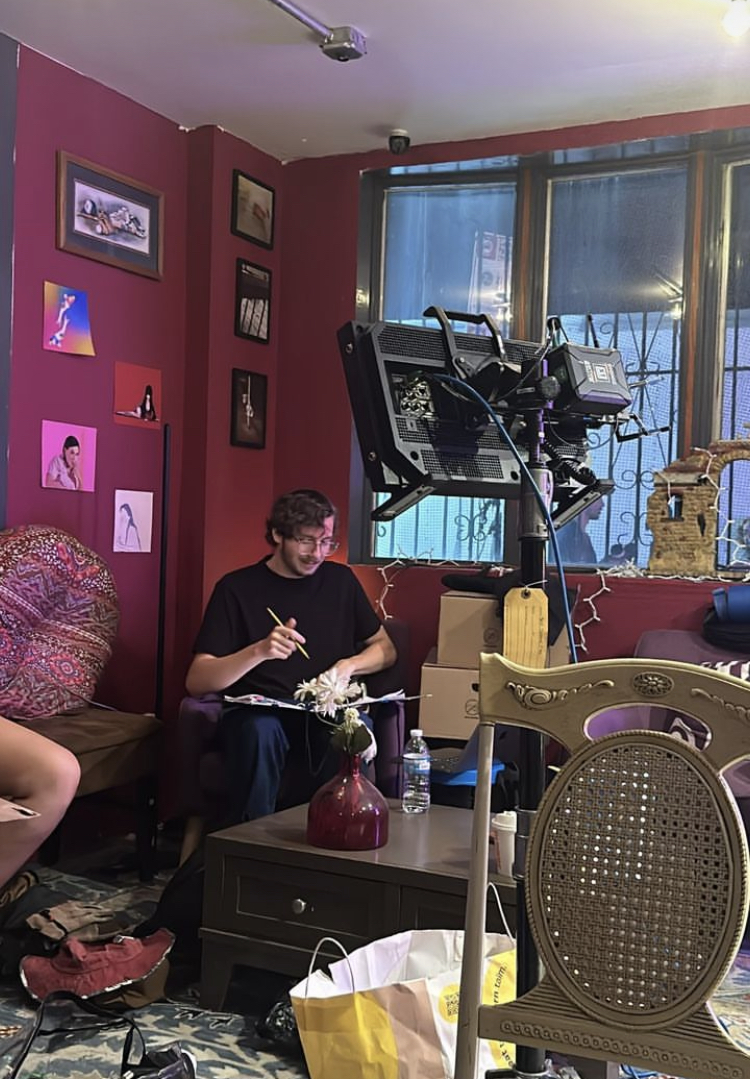
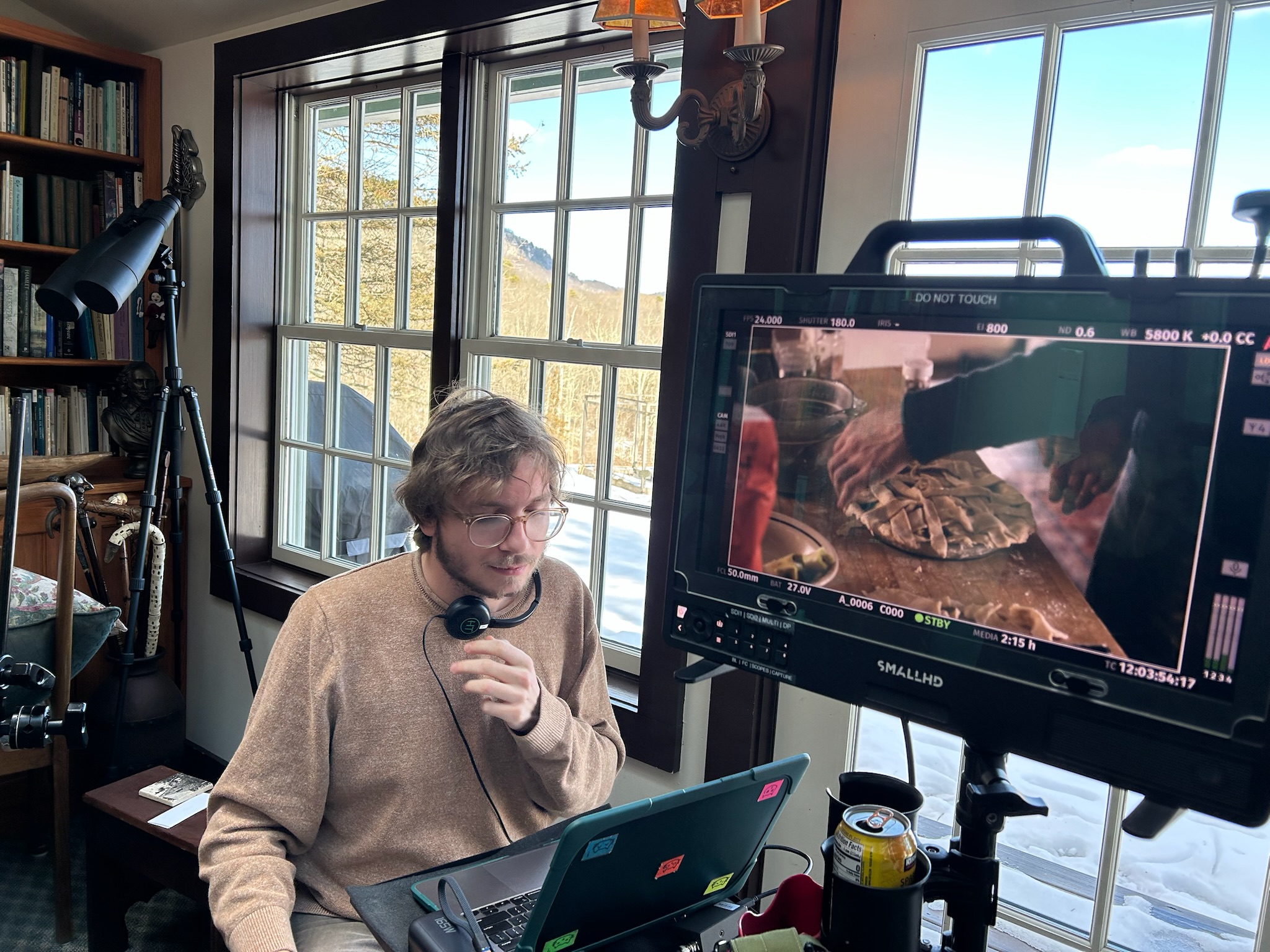
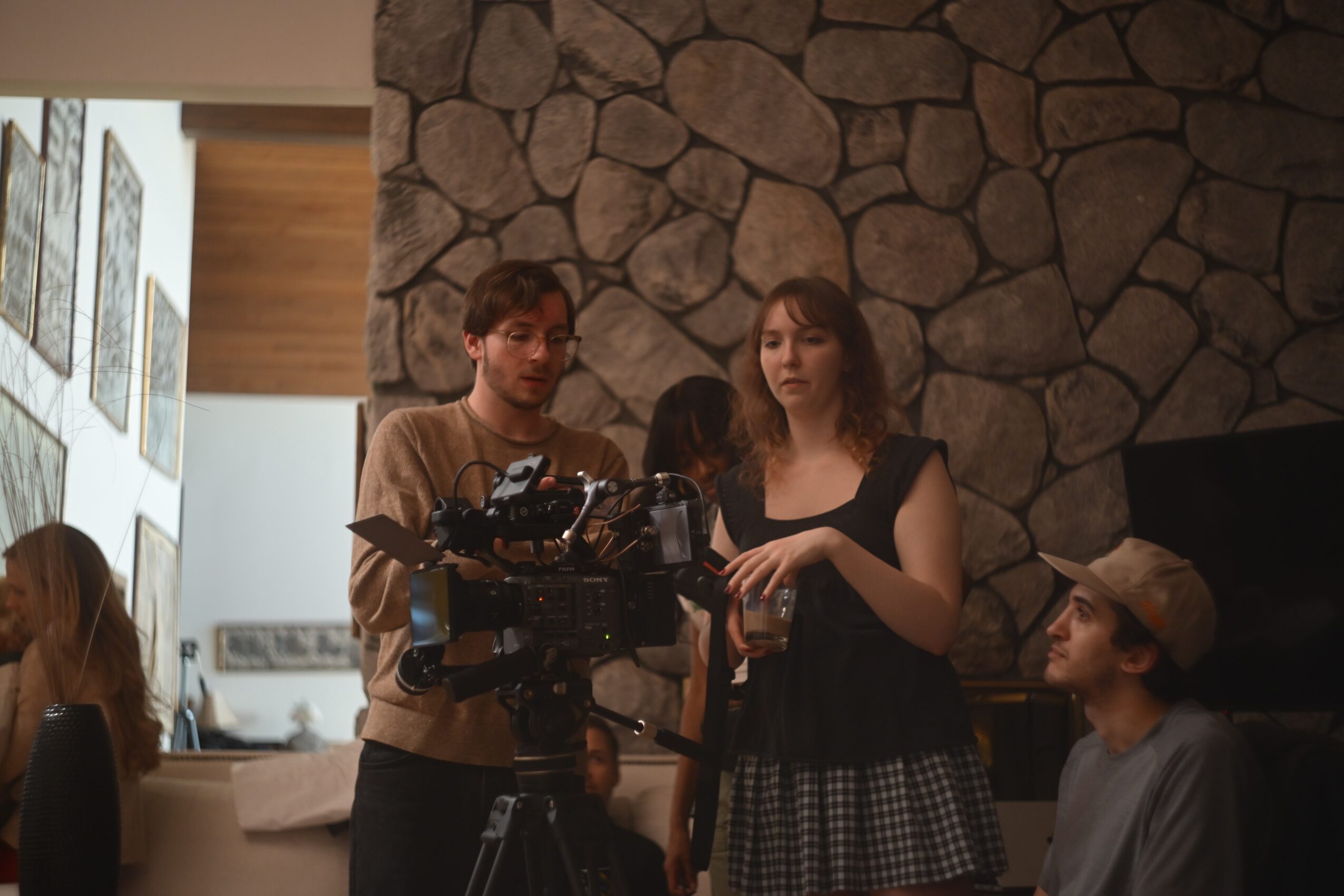
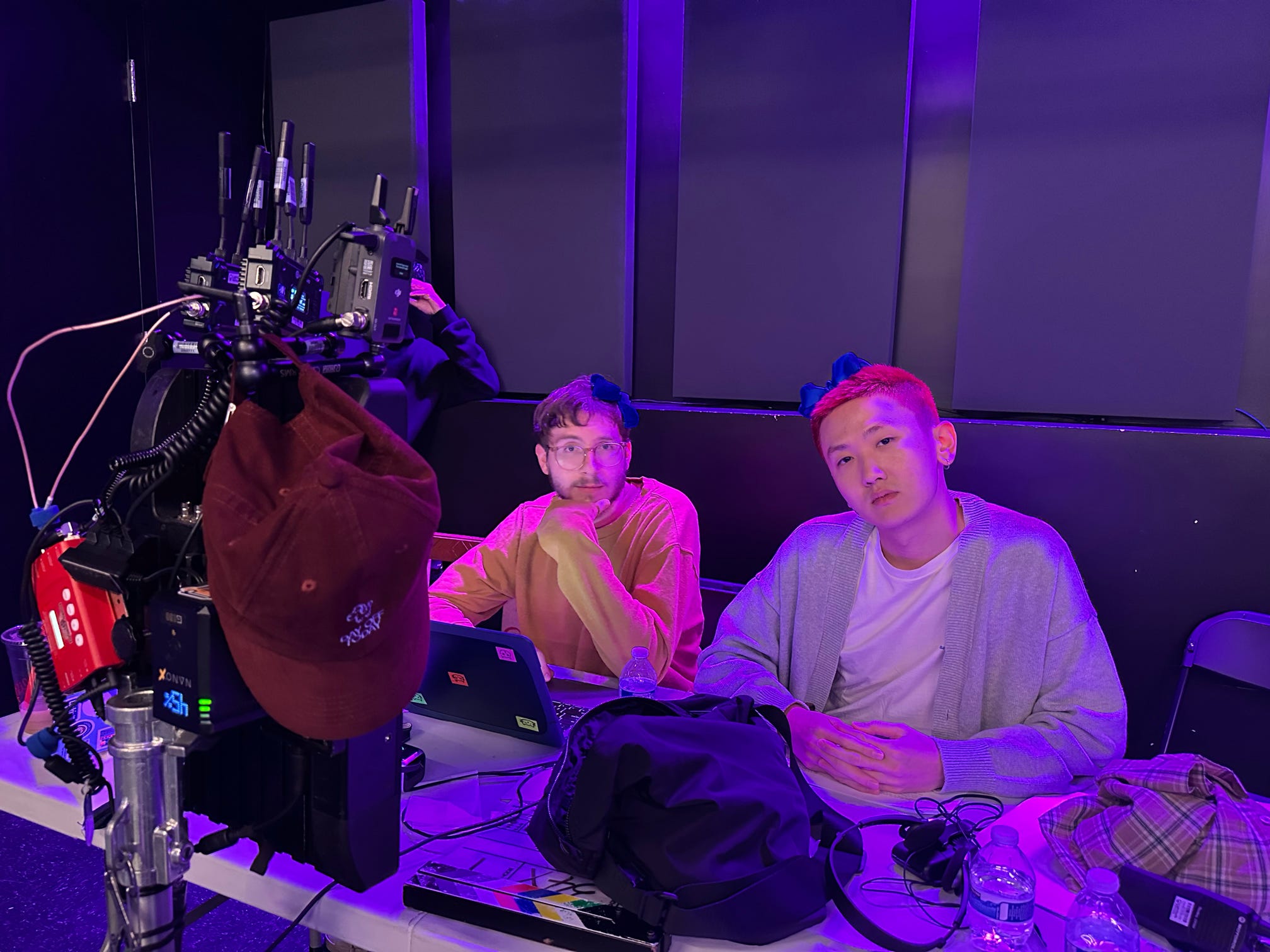
I am what is called a ‘Script Supervisor’. I take great pride in the work I do. It’s a role on set that is often overlooked and, even when it isn’t, it is habitually misunderstood. An important context for those who aren’t aware of the cogs within the filmmaking industry is that screenplays are rarely approached in chronological order. Budgetary reasons, location availability, cast scheduling, or a myriad of other impasses are often prioritized over shooting a film in the order it is written. It’s an expensive process so this is the natural hierarchy. Solving this problem is one of the facets of my job. In pre-production, it is my responsibility to break down the script into all it’s individual elements (wardrobe, props, set decoration, hair, makeup, etc.) and track them throughout the story. With that information, I’m also mapping out the “story days”, marking each scene with a day, date, and time of day. I’m essentially mapping out the chronological timeline of the entire story.
Let’s say, for example, a character slips and falls in a muddy puddle in scene three and scene three takes place on story day ‘two’ of the script. I have to make sure that, in the scenes that chronologically follow, the characters wardrobe remains muddy, even if the other scenes where this is relevant are being shot weeks apart. The same goes for all the other aforementioned elements: what props carry over from scene to scene, what did the characters hair look like in the previous scene, etc. It’s a largely detail-oriented role, requiring an immense amount of preparation and organization.
This, however, is merely one facet of the role. I am also what is considered the bridge between the production and post-production processes. I log each and every take we shoot, mark whether there are errors that make utilizing said take impossible, note what each take covers within in the script, and what the director indicates their preferred takes are. Because of this, I am also responsible for mapping the edit of the film out in my head as we are shooting. This is where my experience as an editor comes in handy. I have to make sure that each shot is able to cut with another as well as whether there’s a smooth point of transition from one scene to the next. It’s absolutely my favorite part of the process, mapping out all of the possibilities for a scene could be cut and maximizing the options for the editor when the footage is passed on to them.
Do you have any advice for those looking to network or find a mentor?
Certainly in the beginning, I made an active effort to find work in anything even slightly related to the film industry. That landed me in the role working for the local Long Island film festival which then led to me working my first feature as script supervisor. You never know where opportunity will come from, so it’s important to stay curious and keep an open mind.
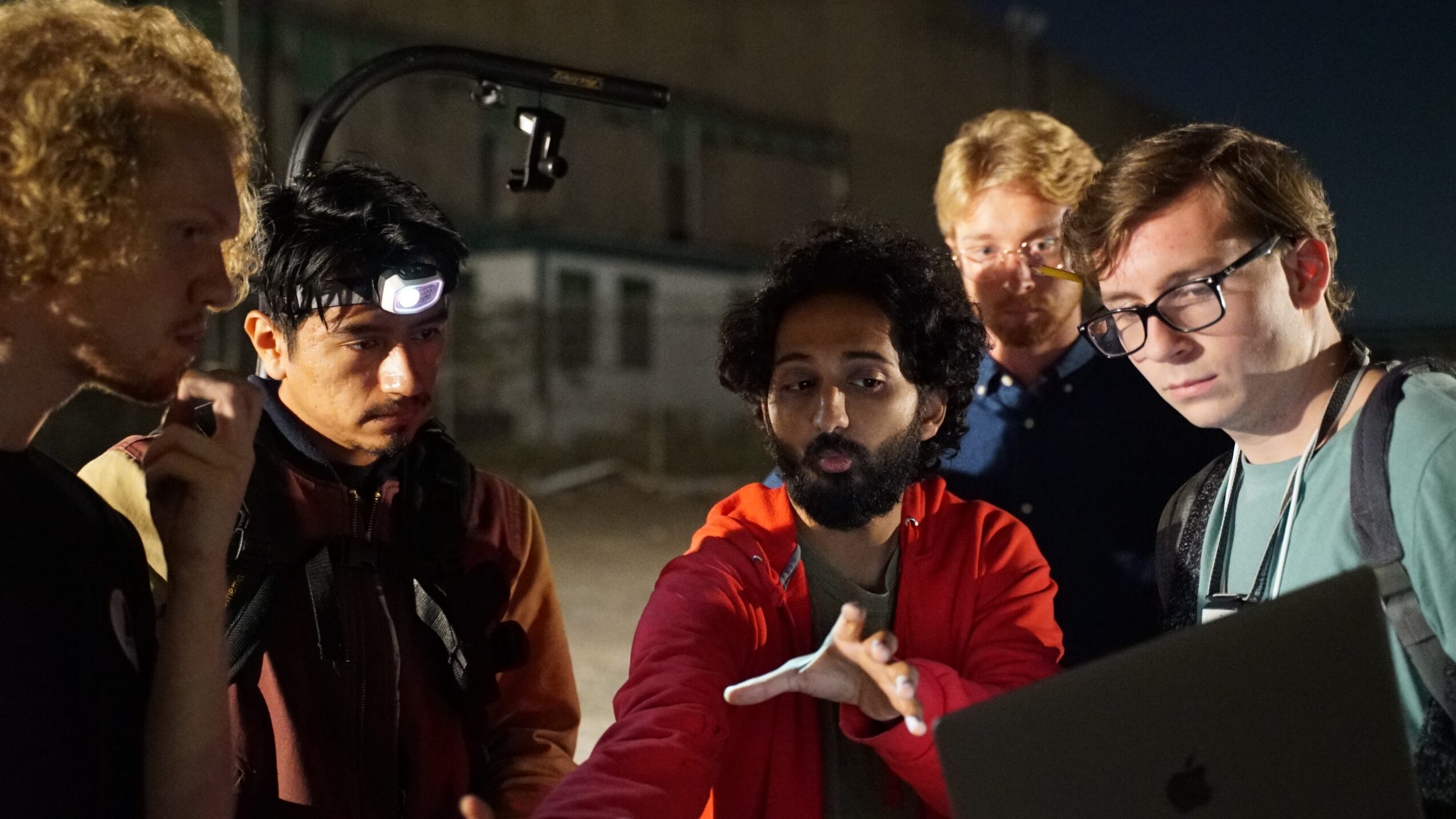
Ultimately, I enjoy surrounding myself with passionate people, even if their passion is different from mine. After finding myself in enough circles, I am lucky to be reached out to for work on a fairly consistent basis. I operate under the philosophy that if I show up and do the best work I can do and do so with a friendly face, people will want to continue surrounding themselves with me in a professional setting. Attitude is far more important than one may realize. Filmmaking is grueling, often twelve to fourteen hour days of nonstop work. The little things matter in an environment like that, keeping up both your and others spirits as important as the work itself. The environment also lends itself to making fast friends and fostering those friendships can often lead to more connections. For example, I became fast friends with a sound mixer who introduced me to another script supervisor who I consider a mentor at this point. I admire this other script supervisor for their passion for the role. Surrounding myself with that passion makes me more apt to improve, more willing to learn. That connection, since they are a more accomplished script supervisor, often leads to high-quality work being passed my way, throwing me in new circles that would be difficult to break into on my own.
I don’t suffer the delusion that I know absolutely everything there is to know about script supervising, but I’ve learned to accept that as a tool rather than an impediment. If you constantly strive to learn, incessantly endeavor to better yourself, you become your own mentor in a way. The piece of advice that I hold true is that, you will never know everything, but if you stay curious, stay passionate, and seek to learn in every environment you find yourself in, you’ll get as close as you can possibly get.
Contact Info:
- Instagram: @jeff_hopkins_
- Other: https://www.imdb.com/name/nm14065692/mediaindex/?ref_=mv_md