





Today we’d like to introduce you to Frank Alliegro.
Hi Frank, please kick things off for us with an introduction to yourself and your story.
I have been building things since I was 17 years old. My first job was at a hardware store, and when I wasn’t working there, I was at the local community theater. The production staff put me to work, and I was quick to learn, so I was building sets, running sound, and hanging lights. During college, my work-study program had me in the scene shop, and when I graduated, I got a volunteer position on the managing board of a nonprofit theatre in Massachusetts. There, I met my wife and followed her to NYC.
My educational background was focused more on business management and human resources, so I looked for work in the HR department downtown — 120 resumes sent, two responses saying, “Thanks, but no thanks.” I pivoted, made a theatre-only resume, went door-to-door, and the second theatre I visited hired me. A two-hour lighting call turned into a 50-hour week, and they made me the technical director within six months. From there, I served as the technical director for a summer-stock theater for two consecutive summers and was then picked up by New 42nd Street Studios as their technical coordinator.
While I was there, I did odd jobs and builds, fixed my friends’ apartments after they moved, and made some furniture. I never stopped building and learning how other things were made. When a particularly cool set piece came into the studio building, I would ask how they made it. When COVID hit, like most of the industry, I was out of work. I was fortunate that my in-laws had a beach home, and we rode out the summer there. I got really bored and got in with a local builder; originally brought on to do grunt work and cleanouts, they soon realized I knew what I was doing and had me trimming out the house the were building and handling other fine finishing details. It was the first time I realized I could actually do this and that I was pretty good at it.
When we got back to NYC, I put in my notice, picked up an insurance policy, and found a company that could use me for odd jobs. This grew into built-ins, custom furniture, and decks. But the real driver of my business has always been fixing things. Between property managers needing units turned over, other contractors needing something beyond their crews’ skill set, and homeowners looking to avoid getting hosed on their “honey-do” lists, my longest-term clients are the ones I built something for — and then they just keep calling me for everything else.
Alright, so let’s dig a little deeper into the story – has it been an easy path overall and if not, what were the challenges you’ve had to overcome?
It has not been a smooth road. I read somewhere that contractors have one of the highest business failure rates, with 45–65% going out of business within five years. There are a lot of roadblocks, but I decided that if I were going to be a statistic, I would be an edge case. It has been exciting, and I have taken several detours and wrong turns, but I have learned a lot, and my customers’ experience is all the better for it.
A couple of the challenges I have faced were expected. I was transitioning between industries and didn’t know how to let my customers know I was even an option. Early on, I couldn’t even tell you who my customers were. I couldn’t tell you the difference between a customer and a client in my books. The biggest challenge was, and still is, getting consistent leads for new customers. I tried Angi and Thumbtack and had horrible experiences with both platforms, both in the fee structures and in the quality of those leads.
For example, I had “custom cabinetry” as a business category on Angi. Customers who selected “cabinetry” had their job sent to me and four to ten others with that category tagged in that area. Angi would collect a fee of $ 135 from each contractor, and the job details would say, “repair squeaky hinge.” The customer doesn’t know it, but I can’t charge $135 to repair a squeaky hinge, so before I even talked to the potential customer, I was already in the red. That really affected the whole customer experience because, in order to make anything on that project, I needed to upsell or find something during the on-site estimate that they hadn’t considered.
I have gotten better customers from Google and word of mouth than from any pay-per-lead site.
Another challenge I encountered was timing. I was entering the industry when the rest of the world was trying to work from home, and I was actively working in people’s homes. It was an odd time. A vaccination card was the best credibility indicator at that point.
Another issue I encountered was obtaining a license. When I was first starting out, I focused on projects that did not require a license at the time: no permits, no inspections, just small jobs like painting, floor refinishing, cabinet work, and furniture work. As long as I gave my customers and their building management a copy of my certificate of insurance, it was smooth sailing. That lasted less than a year.
New York changed its insurance requirements, and apartment buildings no longer let anyone in without a license, a $3 million umbrella policy, a $2 million general liability policy, and a workers’ compensation policy. The price tag for all of that was way beyond my scale at the time for the work I was getting. Lastly, some buildings even instituted an “approved contractors only” policy, with a shortlist of contractors tenants could hire. It closed a lot of doors very quickly.
I still wasn’t doing anything that required permits, but I could no longer work for my neighbors or in NYC proper, so I pivoted. I was able to get a license in Westchester, NY, and started working out there. That was going really well until my wife and I had a child and needed more space than our one-bedroom apartment in NYC could offer. So, after a lot of searching, we moved to a new apartment in Plainfield, NJ. We had friends nearby and were scouting for a house to make our own.
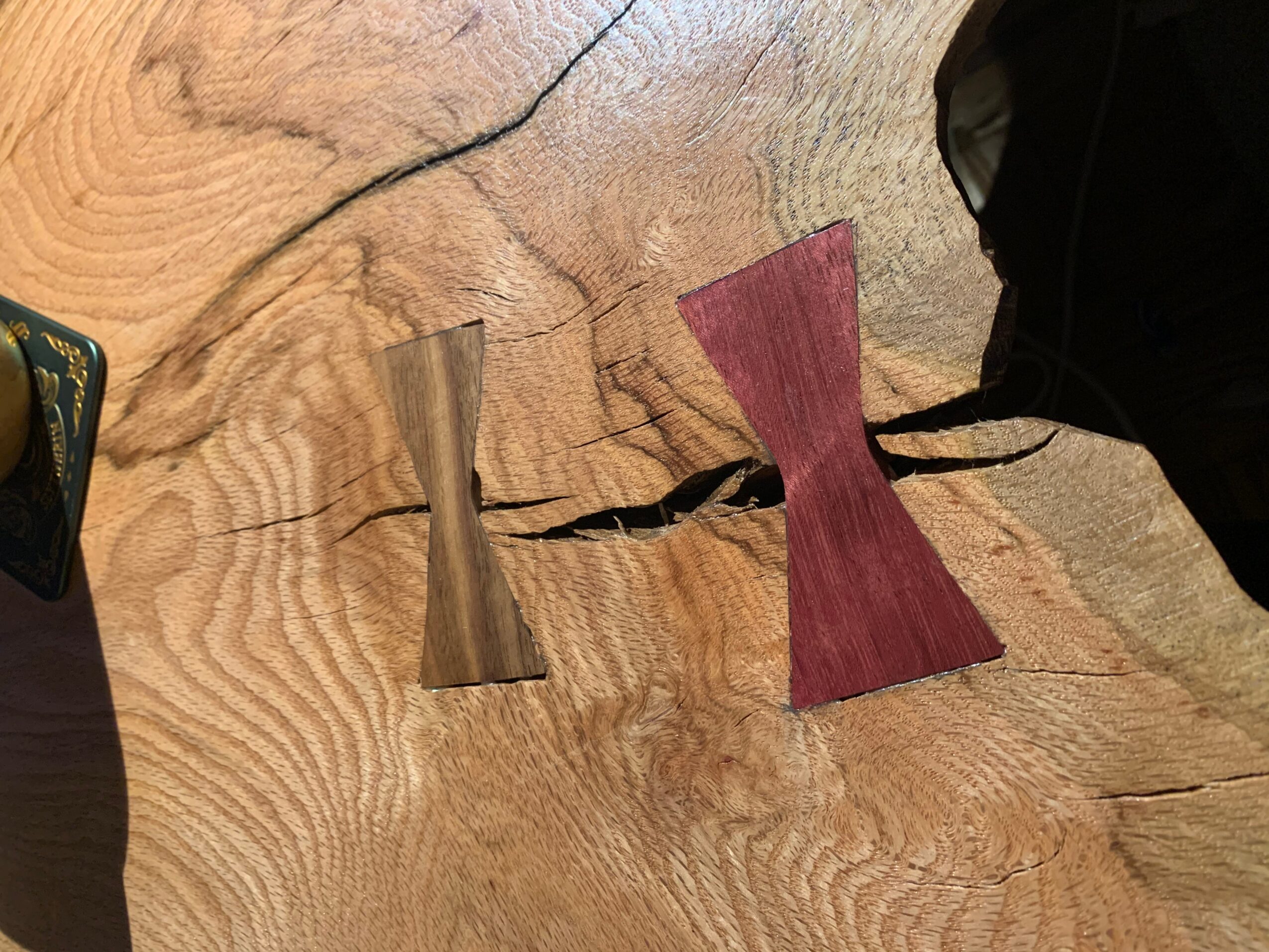
This was a major change, as I was now too far away to justify working in Westchester, NY, so I had to build my business from scratch in New Jersey. This transition cost me a couple of long-standing clients who accounted for a significant portion of my business. I found that I needed to change everything about what I did, so I rebranded as Bowtie Custom Carpentry LLC, got bonded, licensed, and insured, installed customer relationship management software, a proper work van, and lowered my prices to start gaining traction.
We now have our own home in Springfield and I also found a sense of community. Some of these neighborhoods have residents who grew up in their homes. Their parents built them, and they know everyone. Word of mouth makes a much bigger impact here than in any other area I have worked.
The other challenge I have faced is growth. For the most part, I have been a one-man show, hiring friends to help on weekends or with a large built-in delivery only when really needed, and they all had their own careers. I am now in a position where I can no longer do it all myself, and I need to bring on some help.
Thanks – so what else should our readers know about Bowtie Custome Carpentry LLC?
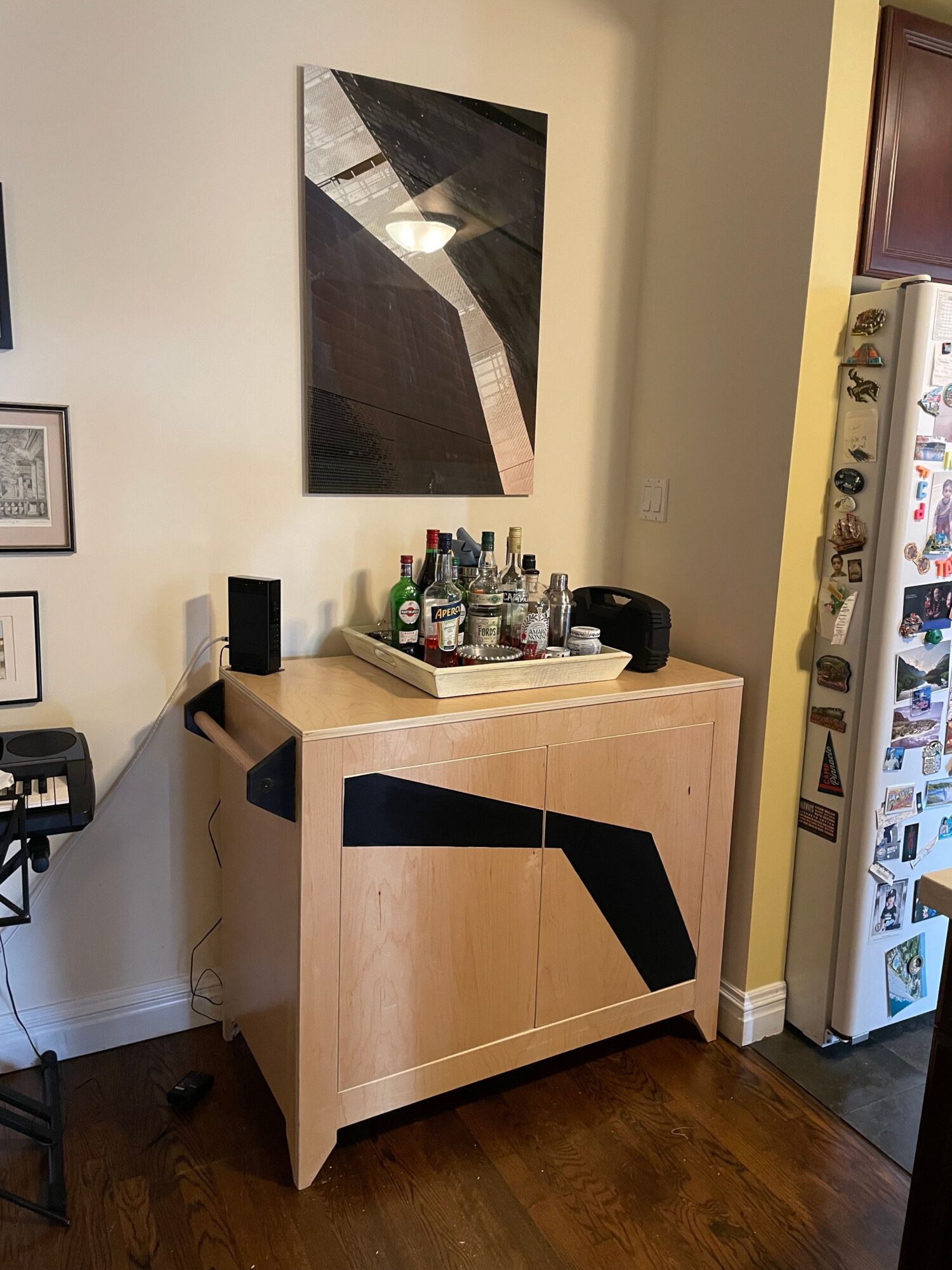
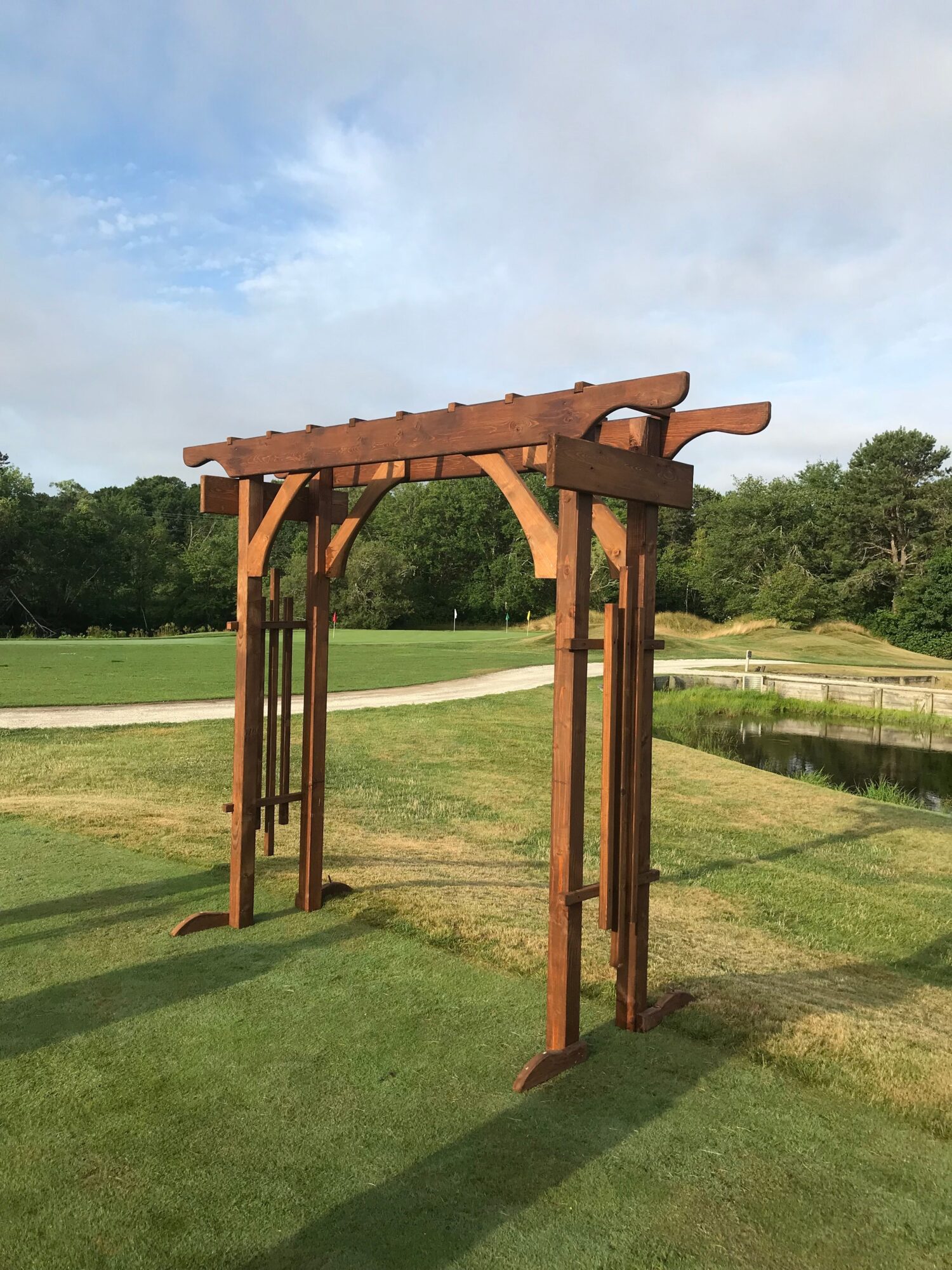
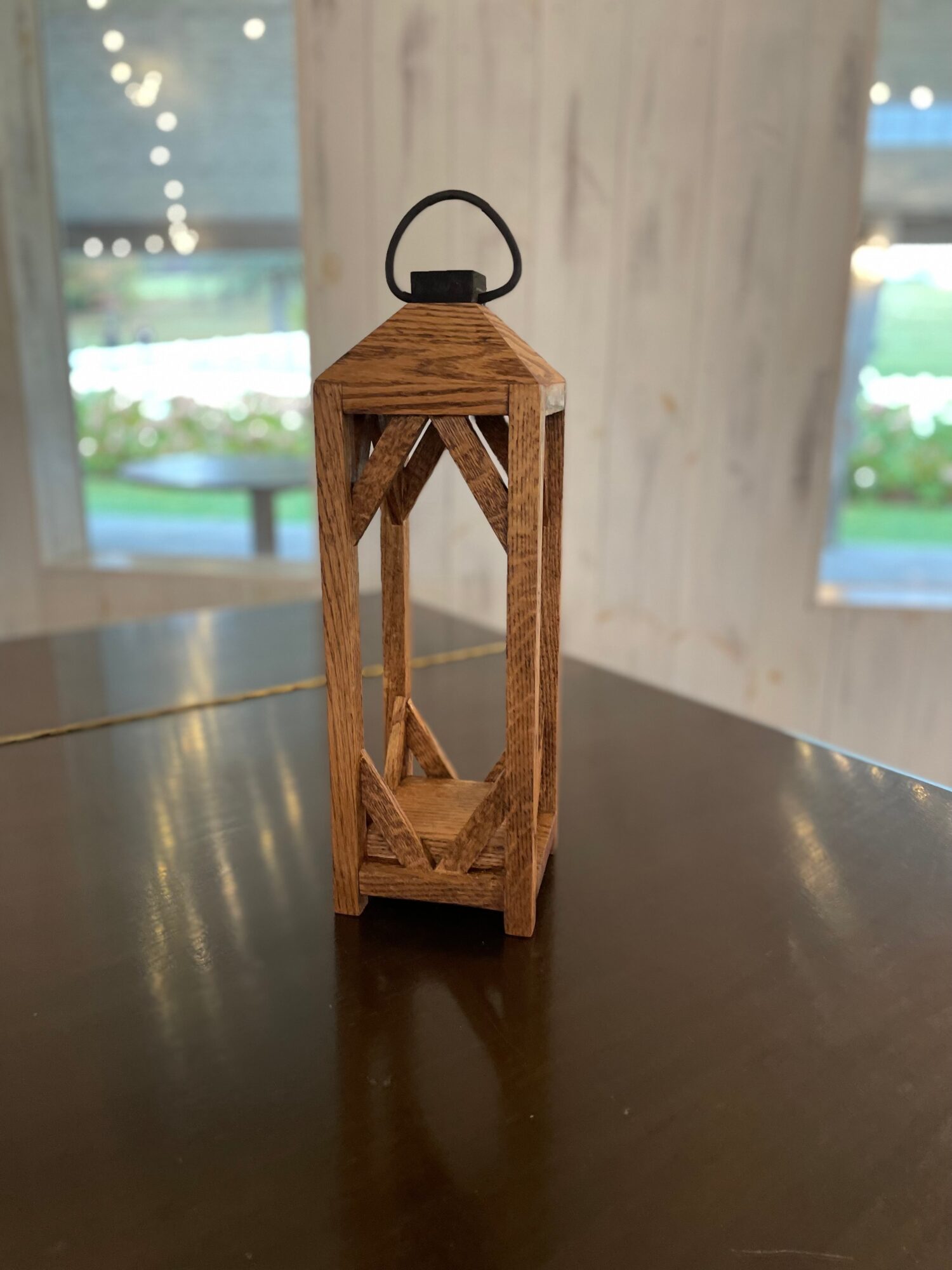
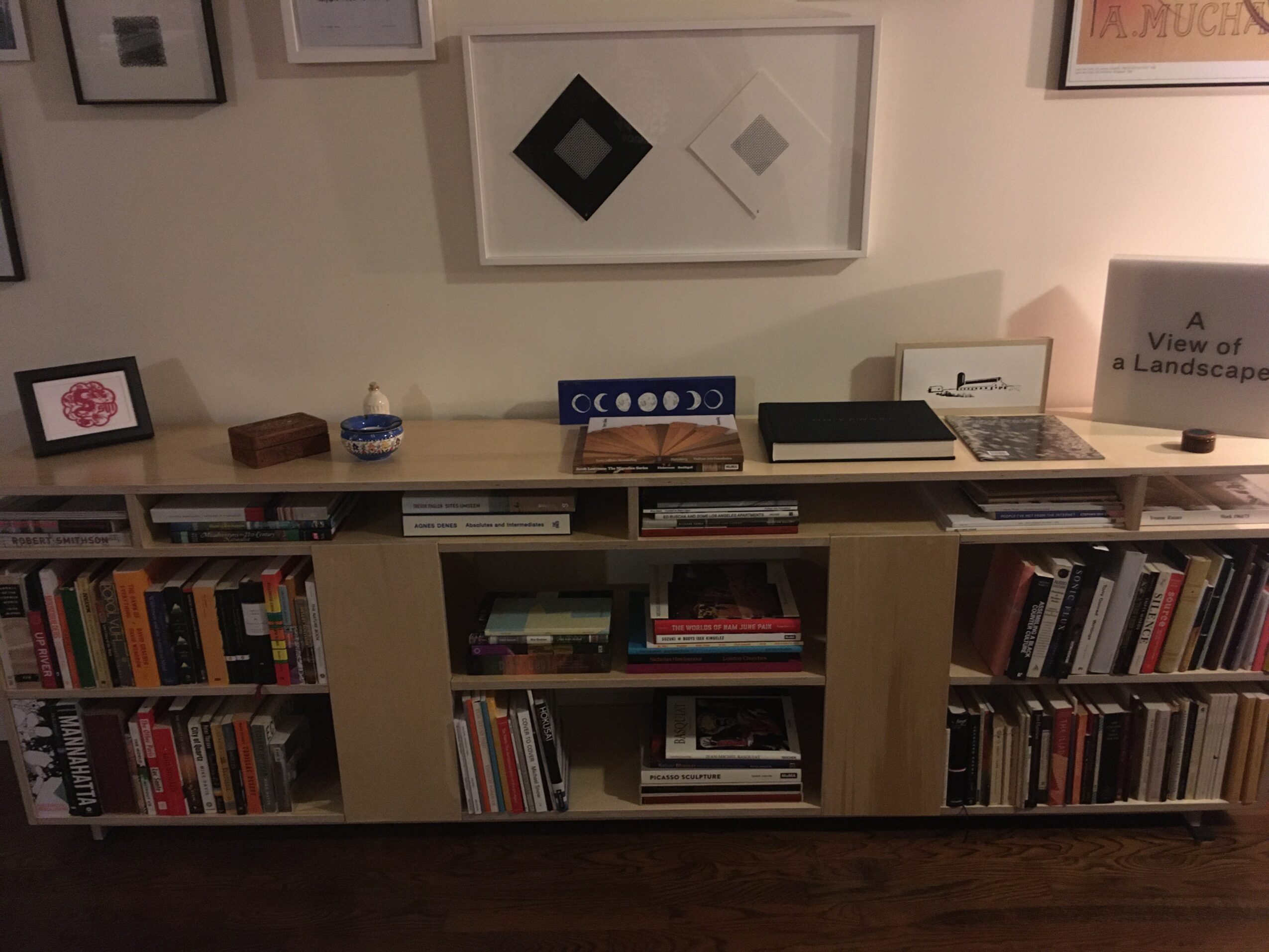
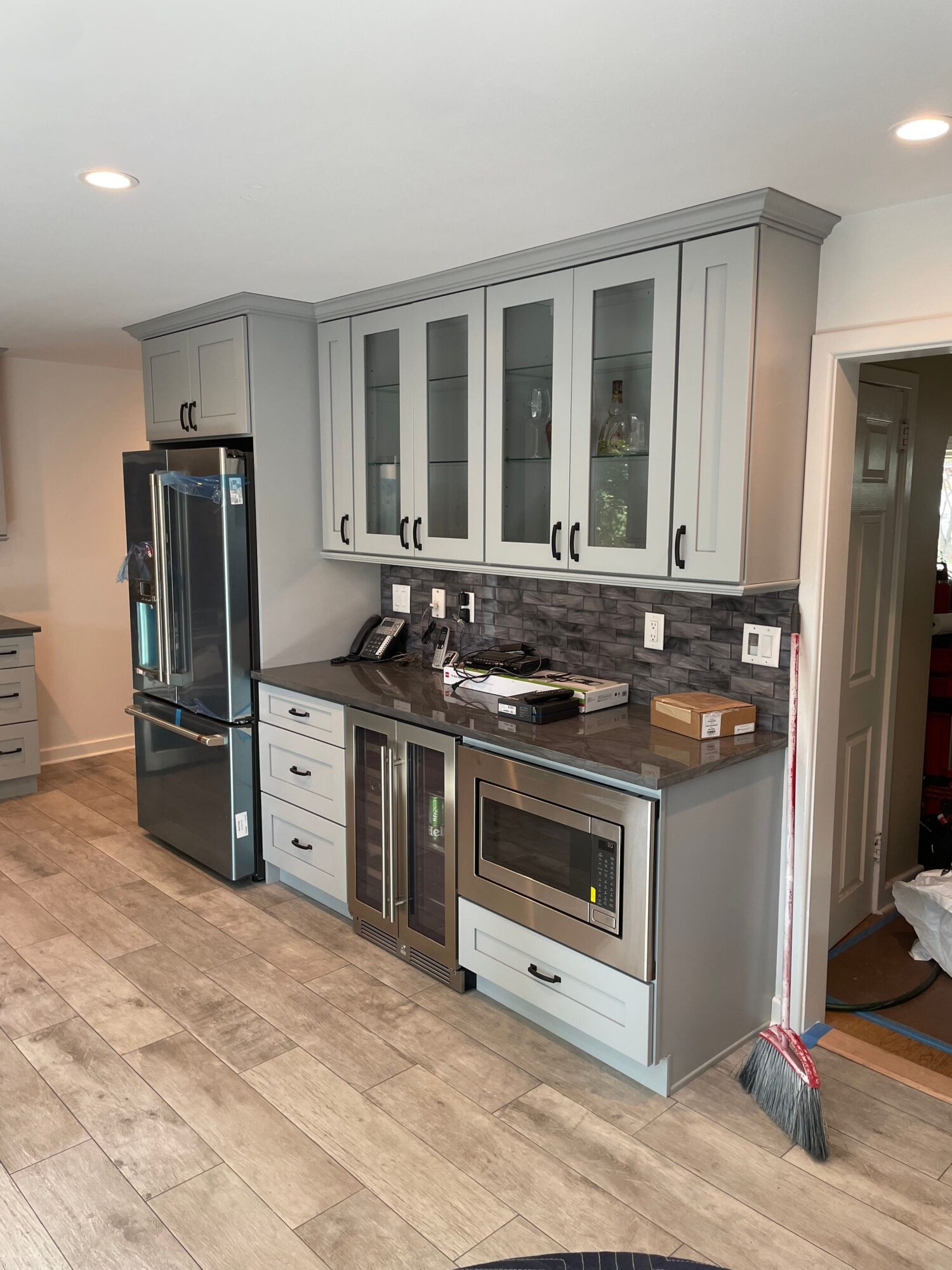
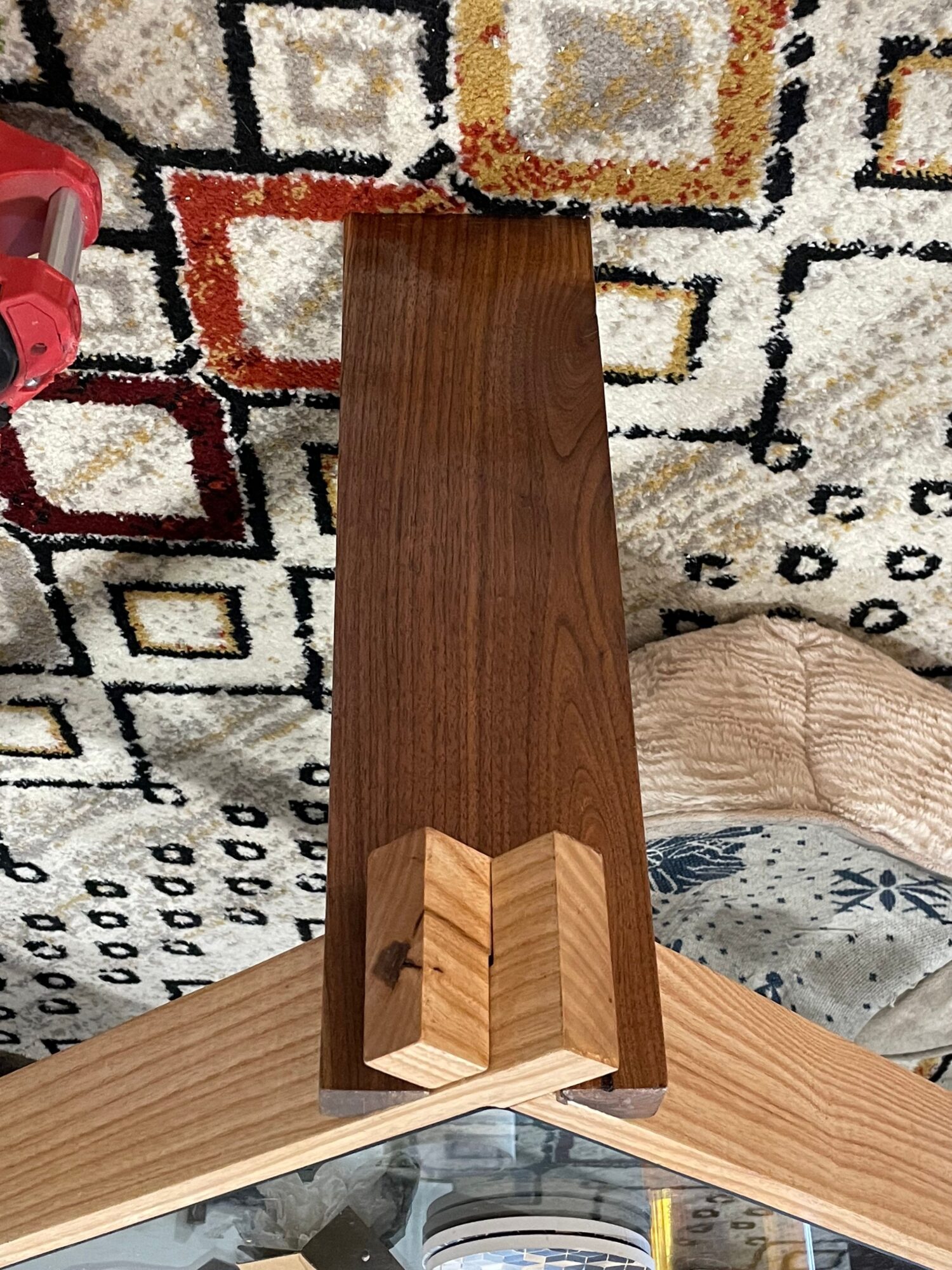
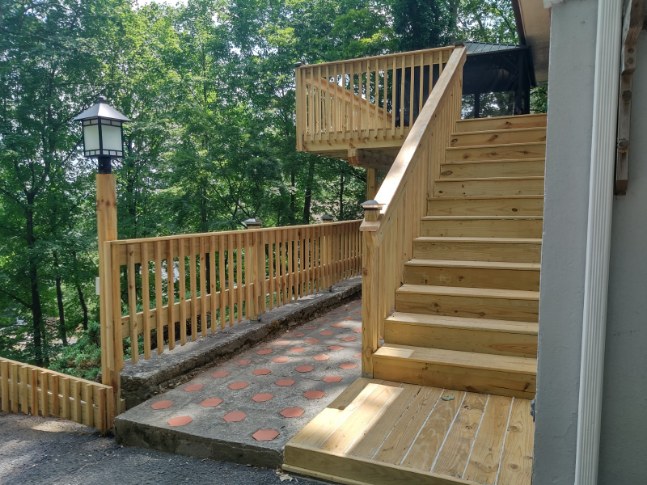
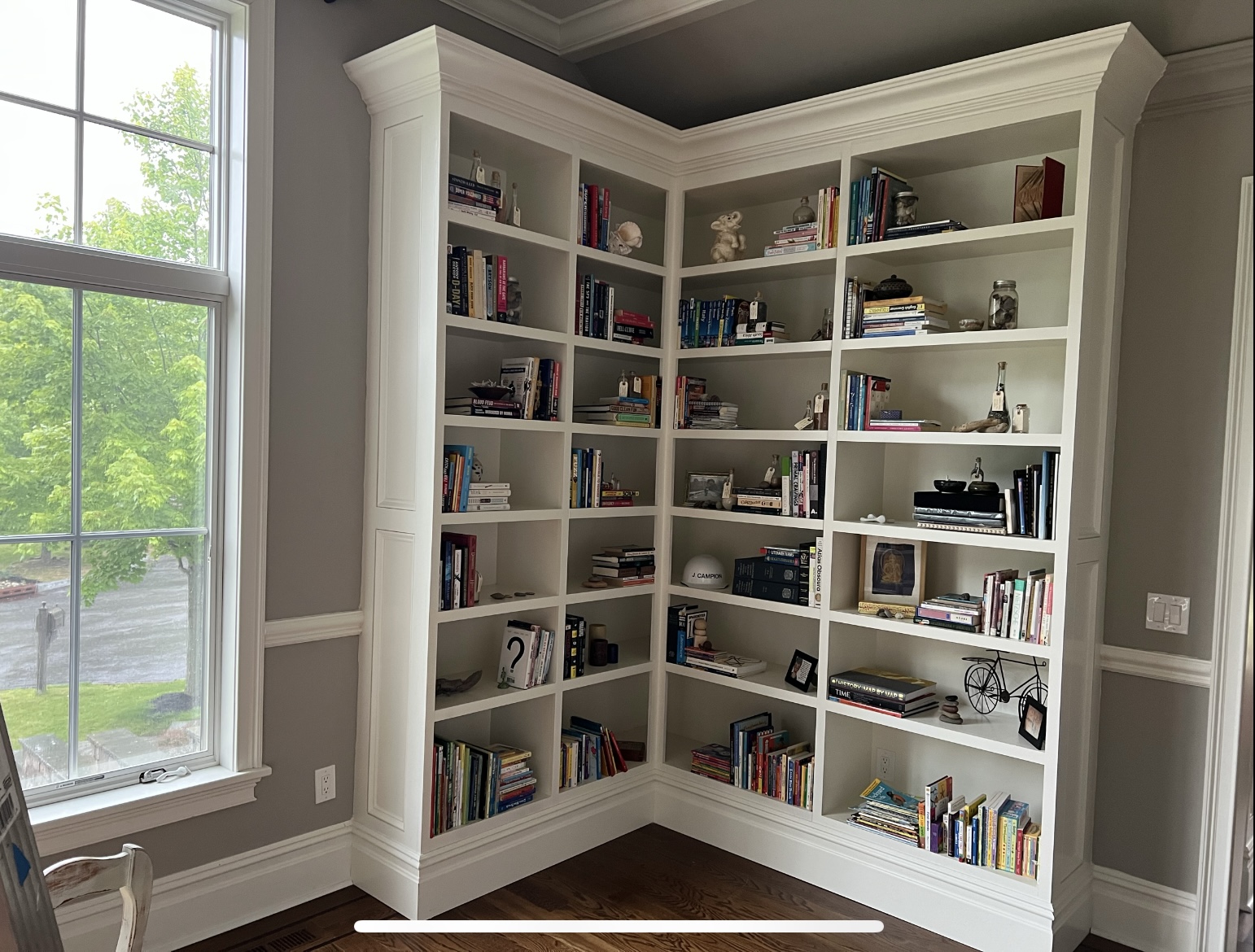
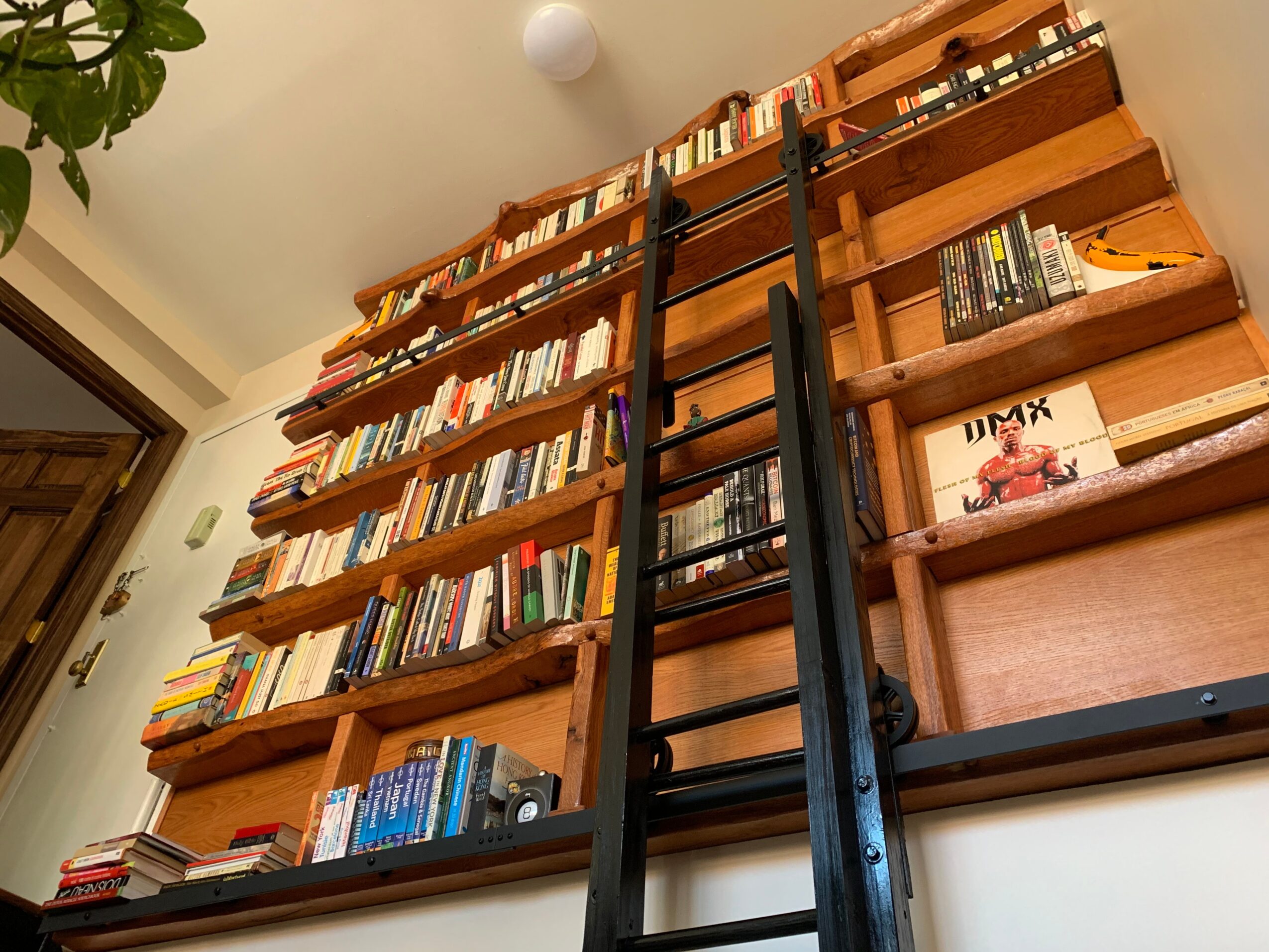
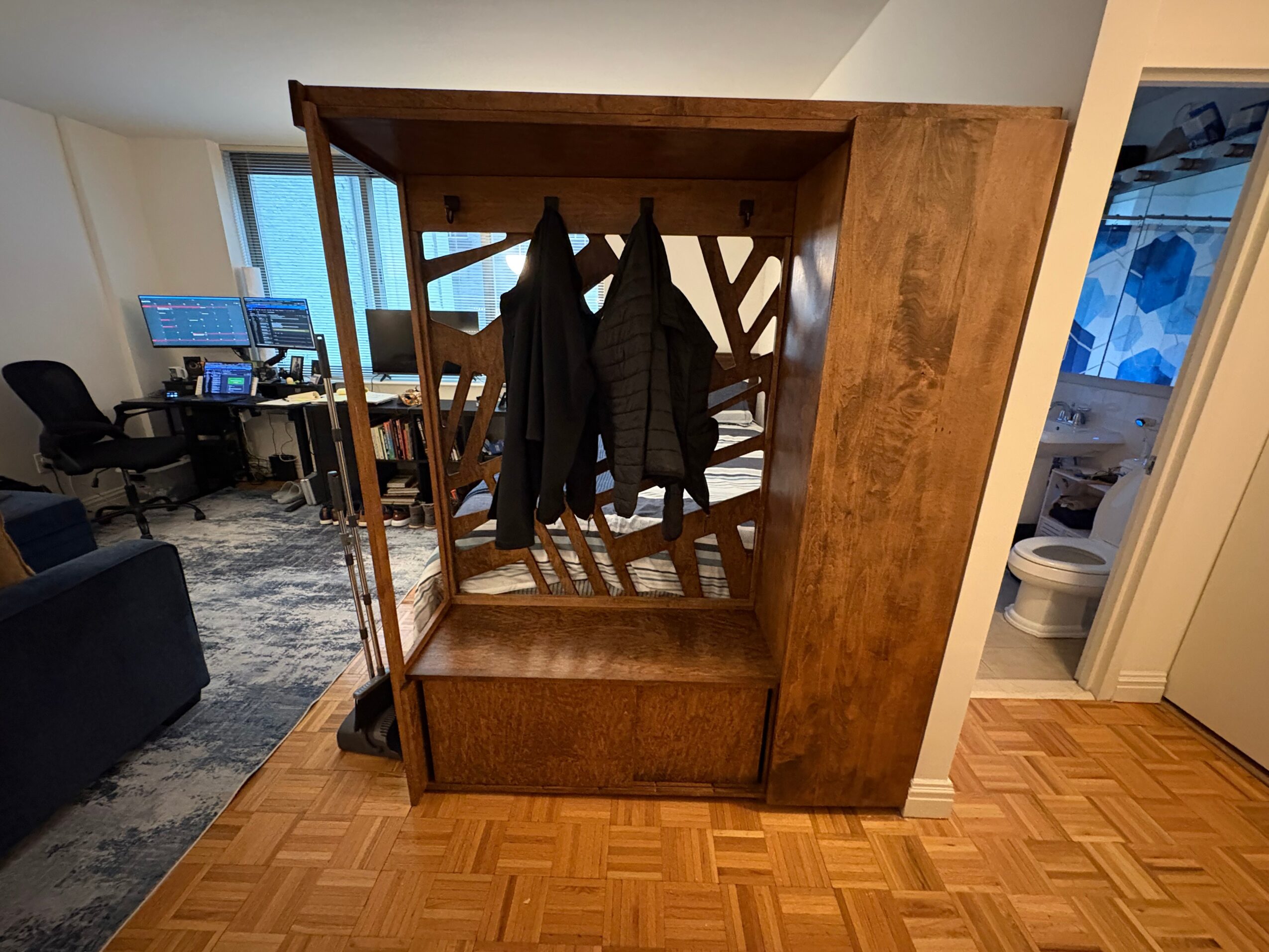
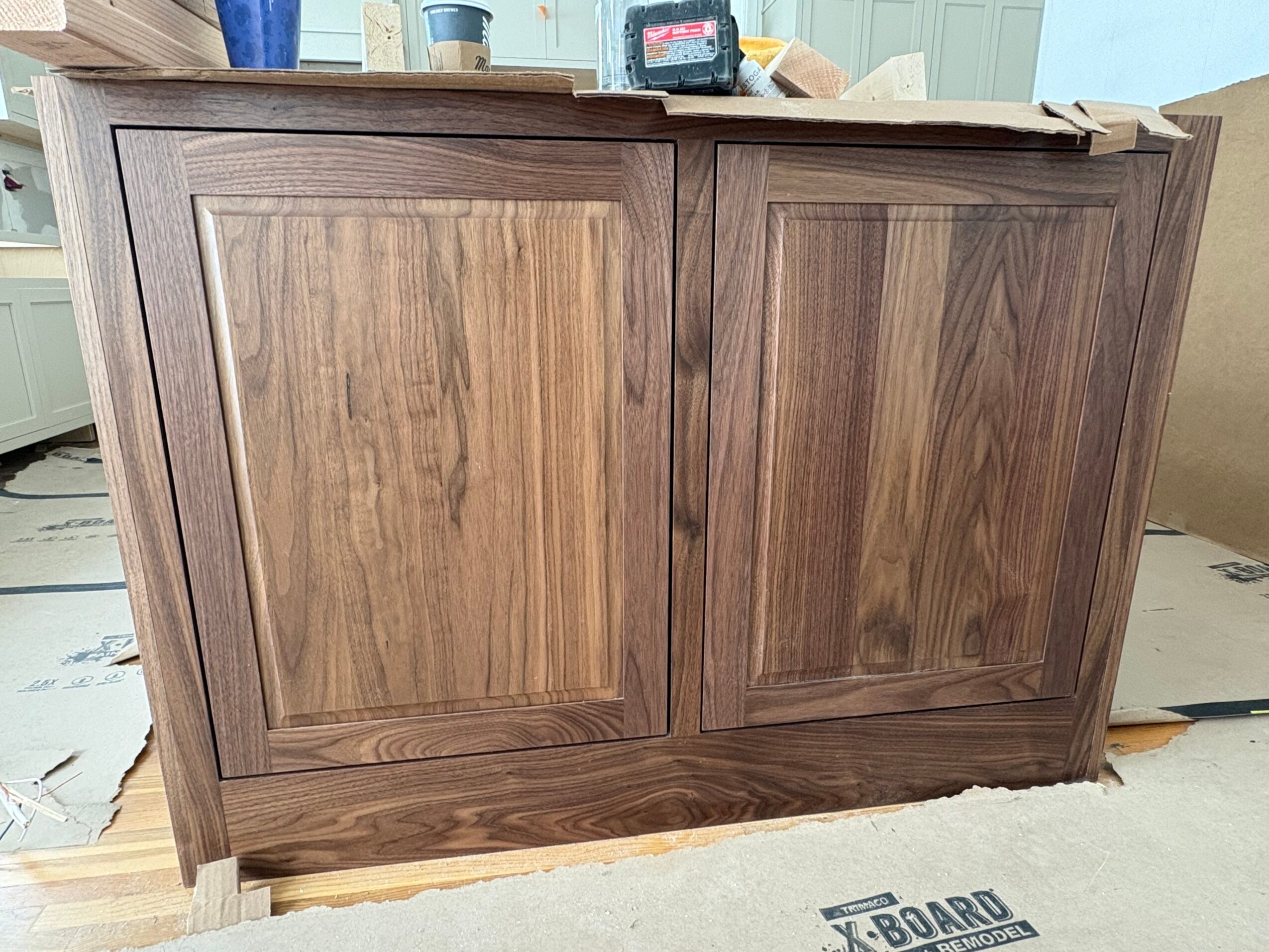
Bowtie Custom Carpentry LLC — or “Bowtie Handyman LLC” on Google — is best known for building cool things: decks, kitchen cabinets, built-ins, furniture, and fixing small stuff too. Our customers know us for listening, understanding the problem from the customer’s perspective, and working with them to develop solutions they are invested in.
When we make a built-in, the customer tells us how they want it to work and how it will tie into their lives. Together, we plan out how it will feel, how it will function, and what problems it will solve for them. When we work our way through the “honey-do list,” we know we need to adjust our workflow so we are not in the way when the kids get home. And if we are the last ones on the job site, we clean up and lock up as we leave.
With a background in theatre, I am used to having the lighting designer, sound designer, set designer, stage manager, and production manager all giving me notes and to-do lists that need to be resolved before the next rehearsal or performance. Bowtie can listen for the big picture and prioritize accordingly, so our customers get the best results in the shortest time.
We make it easy for customers to find and work with us by integrating a comprehensive system through Google and our website. They can follow the link to request services and book appointments. Our automated system confirms the appointment and sends quotes along. Customers can confirm, sign agreements, and pay all from their phones. There is no need for checks, wads of cash, or mailed invoices. Customers can receive a text or an email according to their preference — easy, transparent, and secure.
What matters most to you?
Family… you show up for family. I am doing this to support my family. I work to help other families improve their quality of life. I want to have built the thing that your family remembers most… or, better yet, the thing the grandkids fight over…
Contact Info:
- Website: https://www.bowtiecc.com
- Instagram: https://www.instagram.com/bowtiecc/