



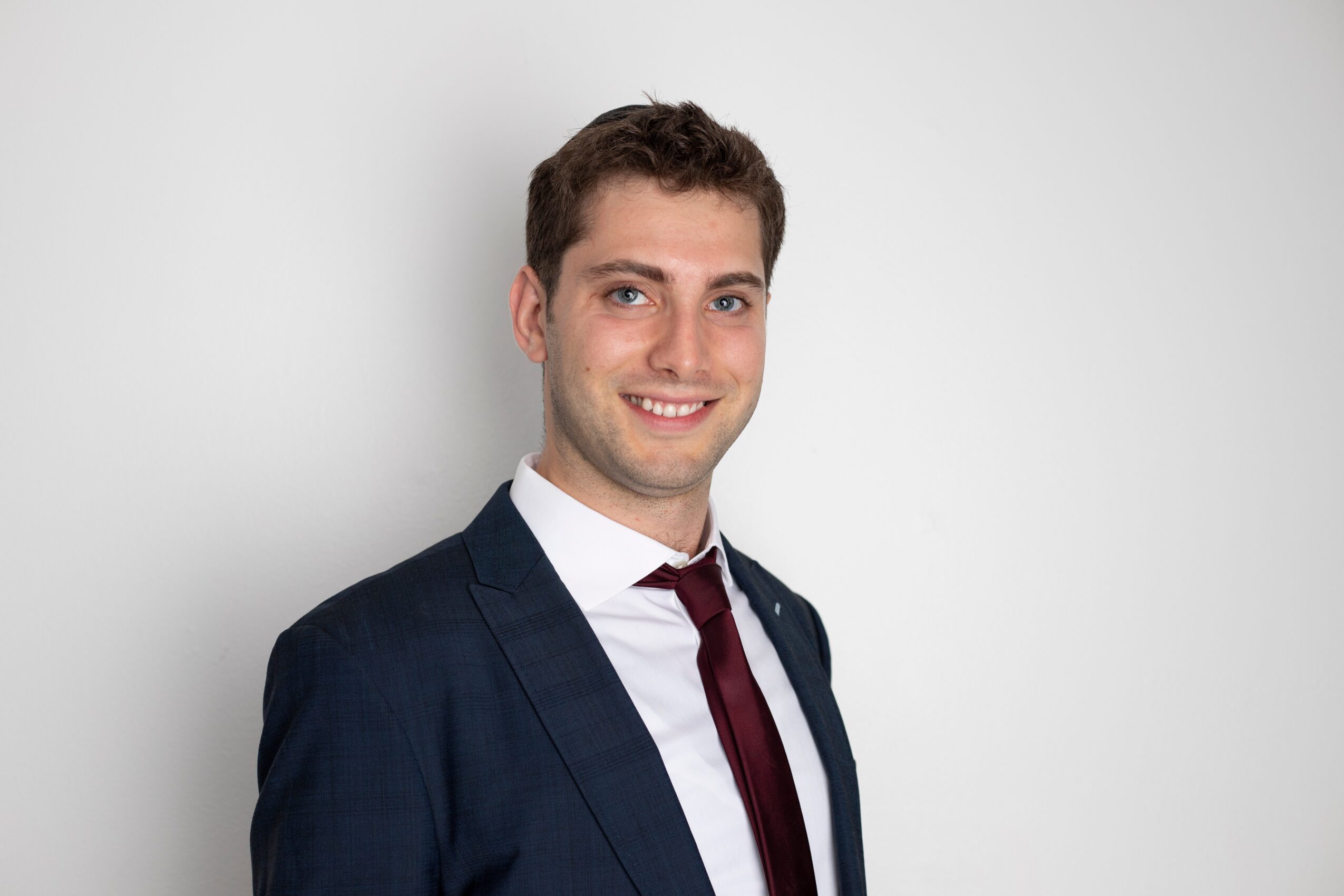
Today we’d like to introduce you to Eliyahu Serkez.
Hi Eliyahu, so excited to have you with us today. What can you tell us about your story?
I got into this field through my own experience.
In high school, I struggled with pretty severe social anxiety. Like a lot of people, my instinct was to avoid anything that made me uncomfortable. What really helped me wasn’t just therapy in general, but exposure-based therapy—learning to face fears instead of avoiding them. That shift had a big impact on me and made me curious about how it worked.
By the time I was around 18–20, I knew I wanted to become a therapist. I started out with more general training and worked in a clinic seeing a wide range of issues, but I quickly realized I wanted to specialize in anxiety. It’s extremely common, very debilitating, but also very treatable when approached correctly.
From there, I focused more specifically on OCD, which I had some personal experience with growing up. I was especially drawn to Exposure and Response Prevention (ERP), which directly targets the cycle that keeps OCD going. The effectiveness of that approach, both in research and in practice, really solidified my direction.
Later on, I trained under a mentor, Ezra Cowan, who specializes in OCD and related conditions. Through that work, I gained experience treating more complex cases and also developed a focus on misophonia and misokinesia—conditions involving intense reactions to specific sounds or movements, often within close relationships.
Today, my work is focused on treating anxiety, OCD, and misophonia using evidence-based approaches like ERP, ACT, and EASE. Across all of these, the core goal is the same: helping people stop organizing their lives around avoidance and start re-engaging with things they’ve been pulling away from.
I’m sure it wasn’t obstacle-free, but would you say the journey has been fairly smooth so far?
It definitely wasn’t a smooth road.
Early on, one of the biggest challenges was finding the right people to train under. In this field, especially with something like OCD and exposure-based treatment, who you learn from matters a lot. The best specialists are in high demand and not always easy to access. I was fortunate to eventually connect with strong mentors, but that took persistence and intention.
Another major challenge was transitioning from a general clinic setting to a specialized private practice. In a clinic, you’re seeing a wide range of issues and there’s a level of structure and stability—you take whoever comes through the door. Moving into private practice meant narrowing my focus and building something much more specialized.
There was also a business side to that transition that didn’t come naturally to me. As a therapist, my training is clinical, not entrepreneurial. Learning how to run a practice, manage the uncertainty, and take on the risk of working for myself was a real adjustment.
Like any business, there are ups and downs. There’s variability, unpredictability, and periods where you don’t know exactly what’s coming next. But over time, that uncertainty became part of the process, and it allowed me to build a more focused, high-quality practice centered around the work I care most about.
We’ve been impressed with The Anxiety & OCD Therapy Practice, but for folks who might not be as familiar, what can you share with them about what you do and what sets you apart from others?
My practice, The Anxiety & OCD Therapy Practice, is highly specialized in treating OCD, anxiety, and misophonia.
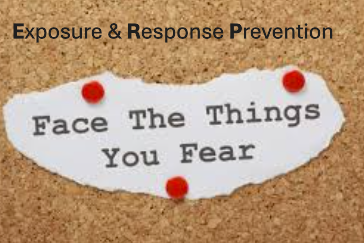
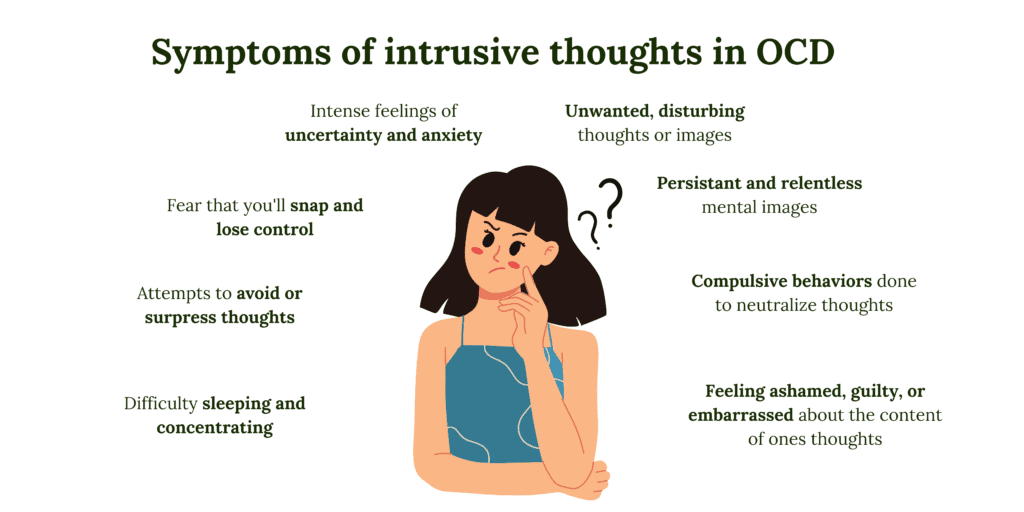
Within OCD, I work with a wide range of presentations, including what are often called “taboo” forms—such as harm OCD or pedophilic OCD. These tend to feel more extreme to the person experiencing them, but at a foundational level, they follow the same cycle and are very treatable with the right approach. I primarily use Exposure and Response Prevention (ERP), which directly targets that cycle by helping individuals face intrusive thoughts and uncertainty without relying on compulsions.
One of the core aspects of my work is that I don’t just guide exposures—I actively participate in them alongside my patients. I don’t ask someone to do something I wouldn’t be willing to do myself. You’d be surprised how many times I’ve touched the bottom of my shoe and then eaten something with my hands as part of an exposure. I do this intentionally, especially in work like contamination OCD, to show in a very real way what it looks like to face discomfort rather than avoid it.
At the same time, the work ultimately comes from the patient. They’re the ones facing what they’ve been avoiding, and they deserve the credit for the progress they make.
I also specialize in treating misophonia and misokinesia, which are lesser-known but often highly impairing conditions. Misophonia involves intense emotional reactions to specific sounds—commonly things like chewing, sniffing, or breathing—while misokinesia involves reactions to specific movements. These triggers are often tied to close relationships, which can make the experience especially distressing.
For this work, I use a specialized approach called EASE (Experiential Acceptance and Stimulus Engagement). Rather than trying to eliminate or control triggers, the focus is on reducing avoidance and changing the way someone relates to the experience. Over time, this can significantly reduce the intensity and impact of the triggers.
What sets my practice apart is the level of specialization and the focus on doing this work deeply. I don’t take a generalist approach—I’ve built a practice around a narrow set of conditions that are both highly distressing and highly treatable.
What I want people to know is that even when these conditions feel overwhelming or all-consuming, there are effective, evidence-based treatments available. With the right approach and a willingness to engage in the process, meaningful change is very possible.
Any big plans?
I don’t have any major plans to drastically change direction. My focus is on continuing to do the work I’m already doing and doing it well.
I would like to grow the practice gradually, potentially bringing on one or two associates. Part of that is being able to train others in this kind of specialized work, particularly in treating OCD and misophonia using approaches like ERP and EASE.
I also enjoy lecturing and would like to continue doing more of that, especially around misophonia. It’s still a relatively under-recognized condition, and there’s a real need for more awareness and understanding—both among professionals and the general public.
At the core, though, my focus remains the same: continuing to work directly with patients, particularly in OCD treatment, which is where I find the work most meaningful.
Contact Info:
- Website: https://www.anxiety-ocdtherapy.com/
- Instagram: https://www.instagram.com/anx_ocd_misophonia_therapy/