




Today we’d like to introduce you to Theresa Johnston.
Theresa, we appreciate you taking the time to share your story with us today. Where does your story begin?
My name is Theresa F. Johnston, and I am the Founder and CEO of Never Alone Again Domestic Violence Organization & Resource Center.
My journey didn’t begin as a professional it began as a survivor. I experienced domestic violence firsthand while raising my children, and I know what it feels like to be afraid, uncertain, and searching for a way out with little to no support. During that time, I made a promise to myself and to God: if I made it through, I would help others do the same.
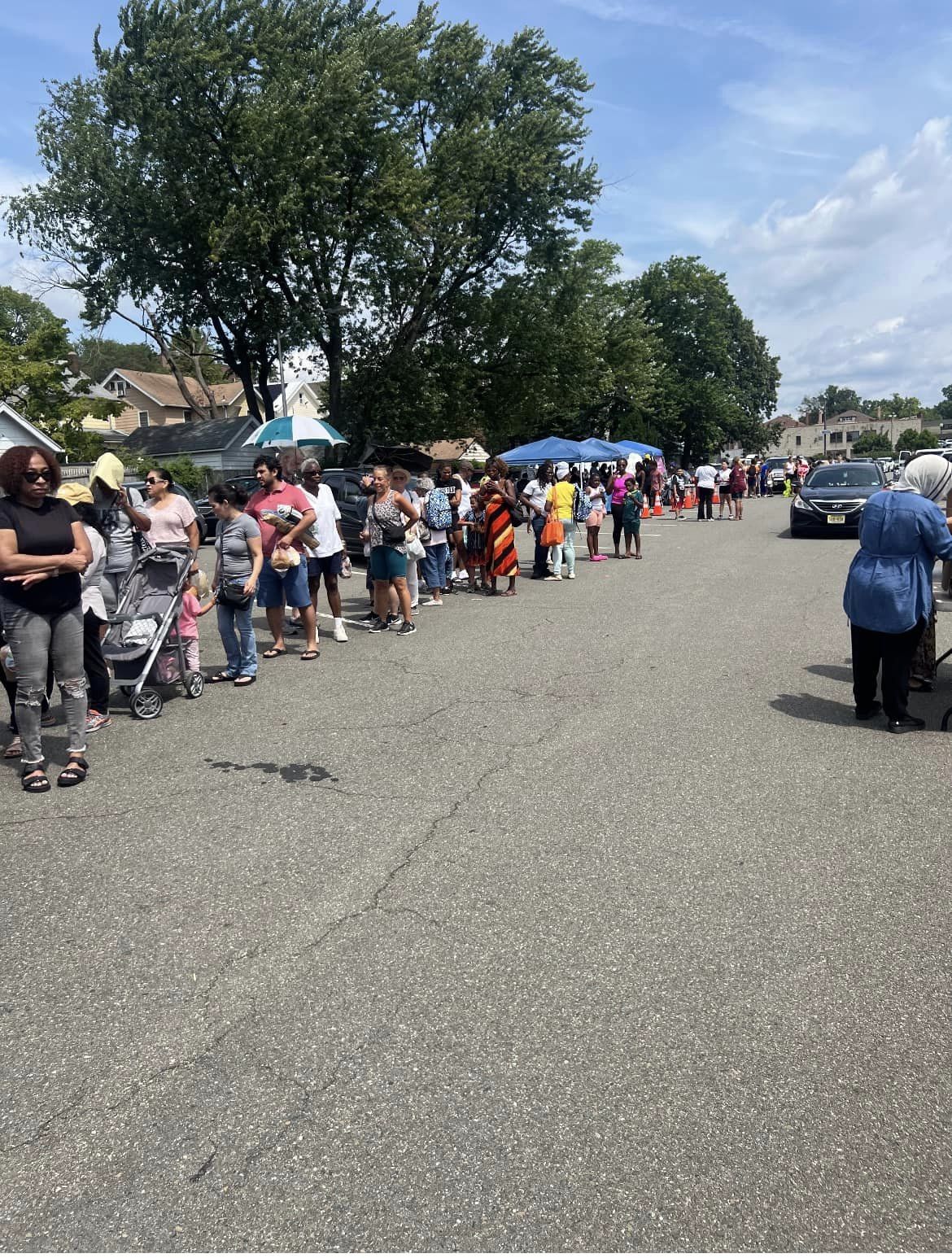
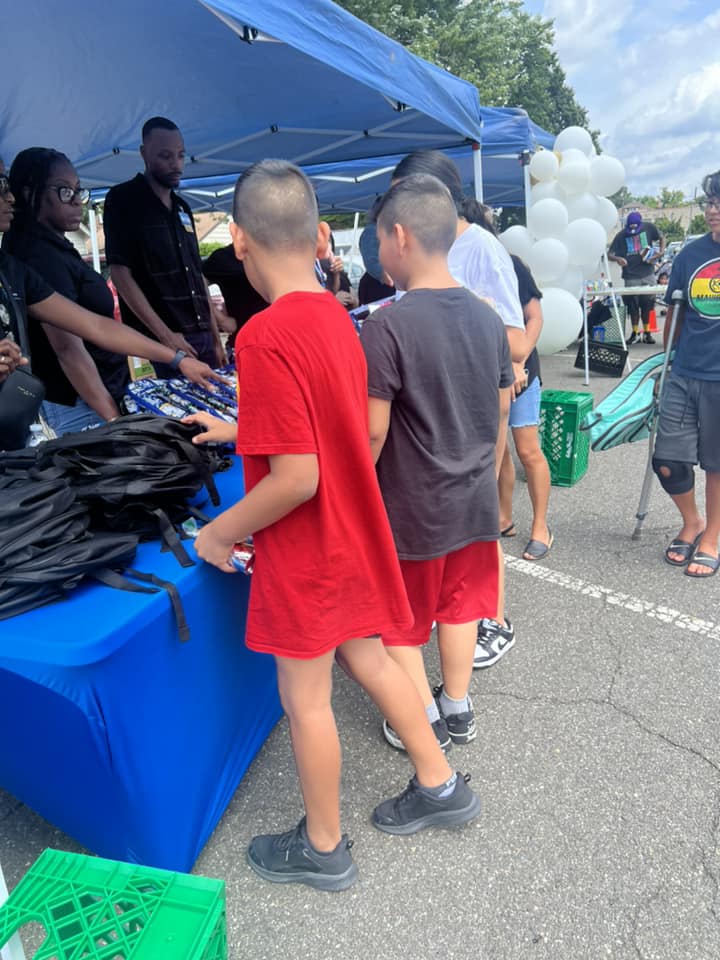
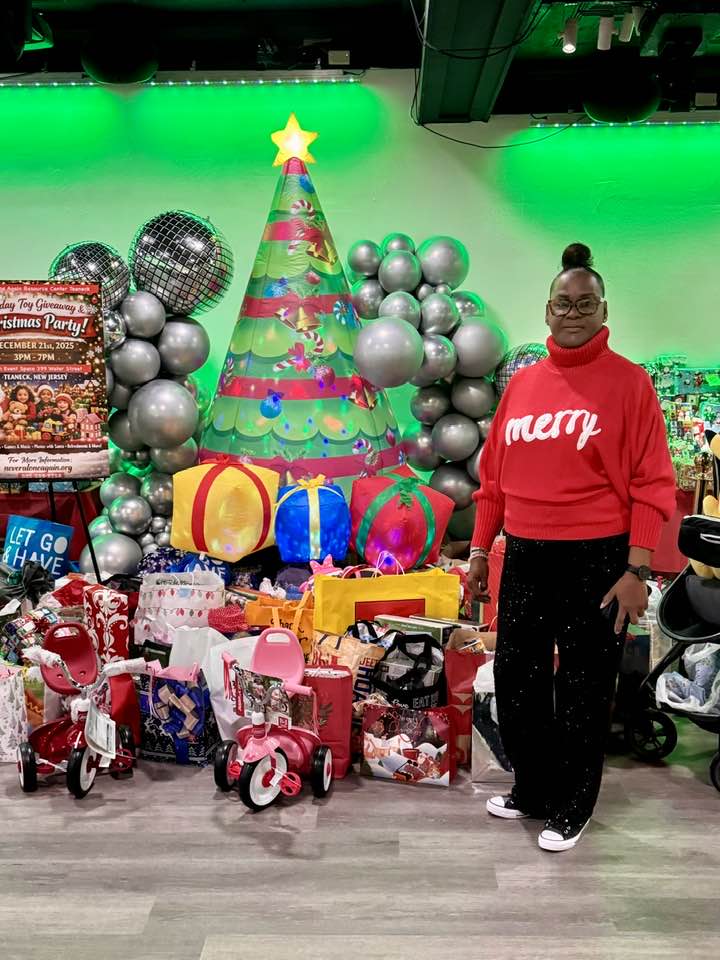
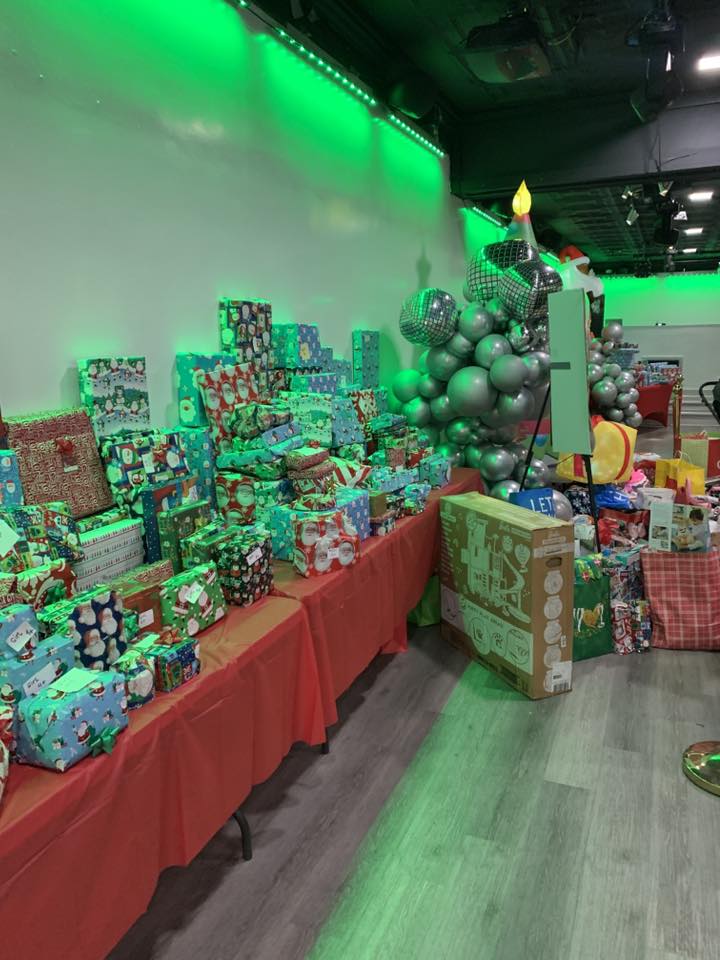
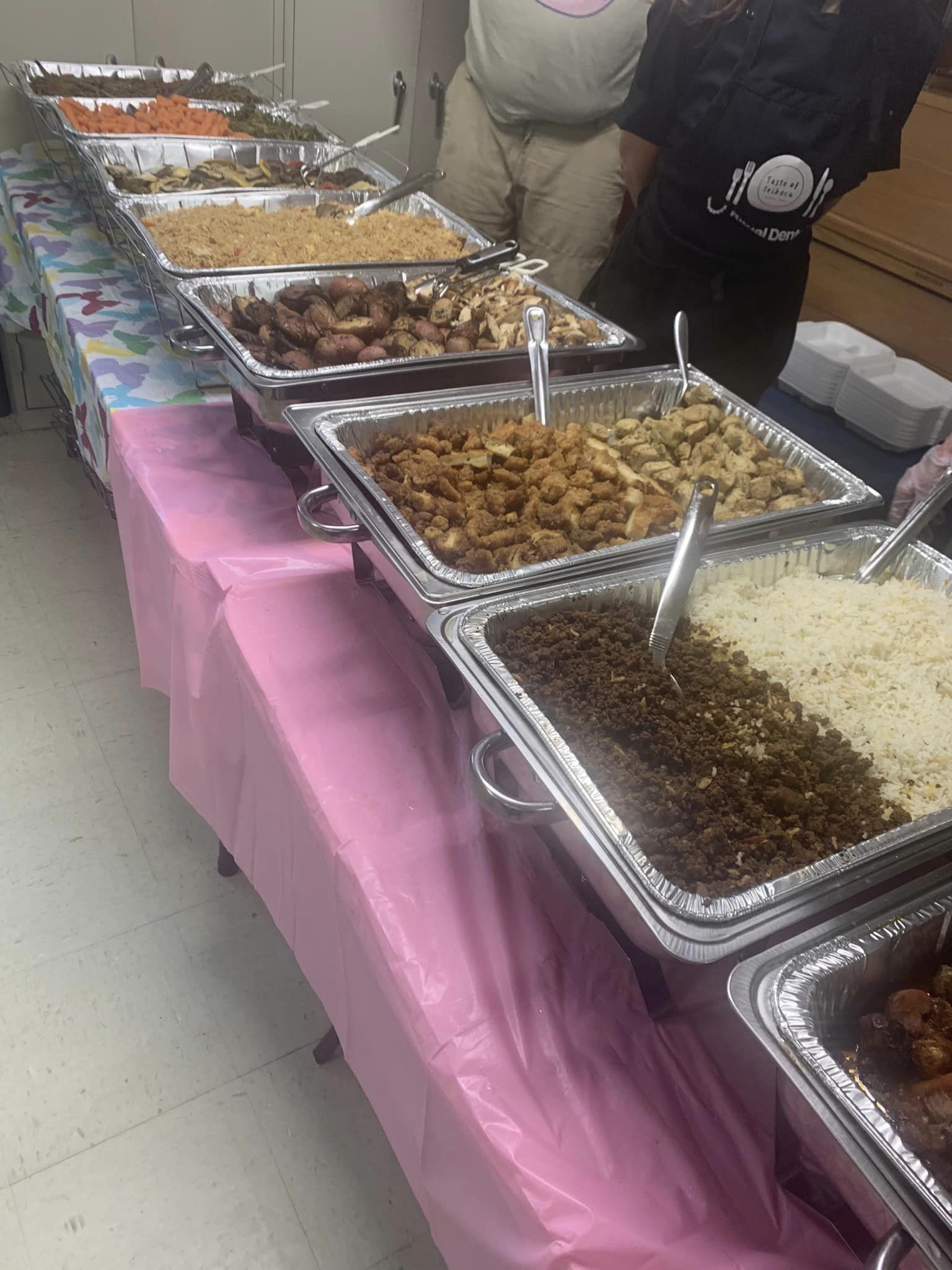
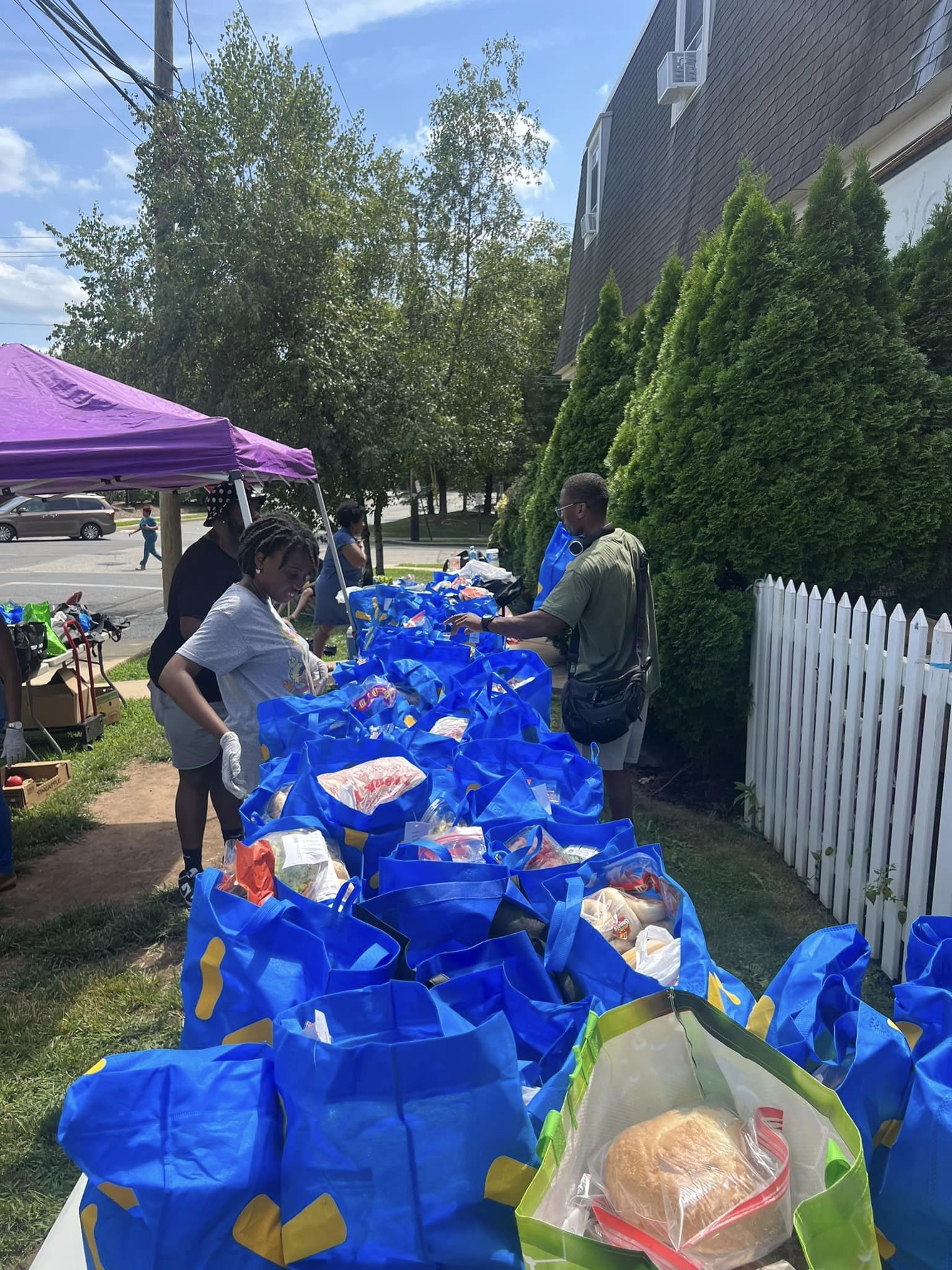
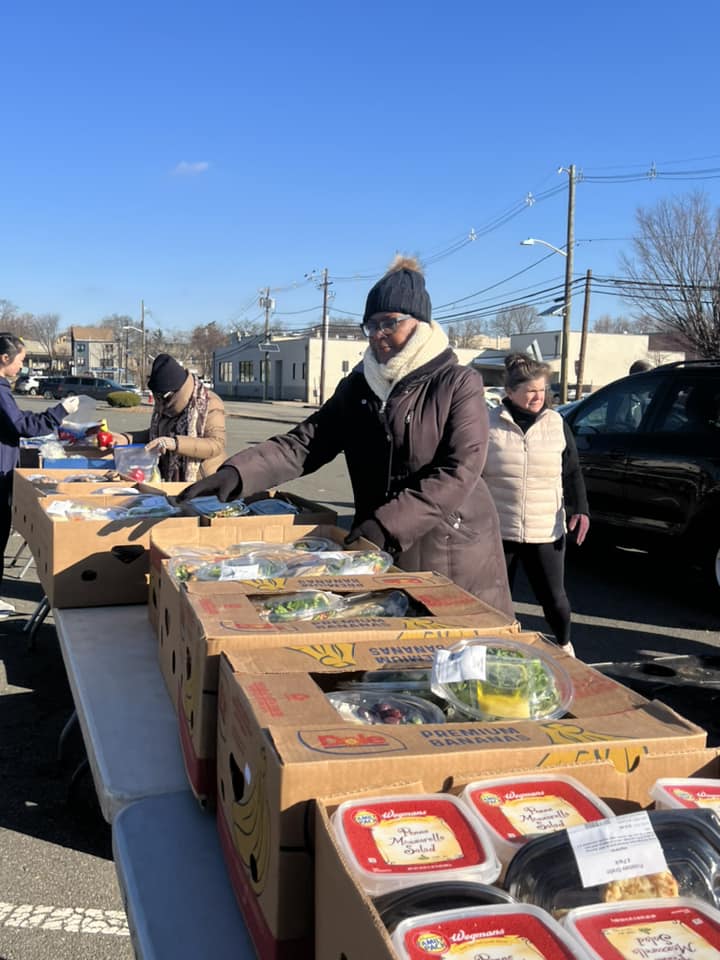
In 1999, I turned my pain into purpose and founded Never Alone Again. What started as a small act of helping others in crisis grew into a full resource center serving individuals and families facing domestic violence, homelessness, and hardship. Over the years, we expanded our services to include crisis intervention, case management, food and clothing distribution, advocacy, and access to safe haven support.
Like many grassroots organizations, the journey has not been easy. We have faced financial challenges, space limitations, and unexpected setbacks including having to relocate and rebuild more than once. But through every obstacle, the mission has remained the same: to ensure that no one feels alone in their darkest moment.
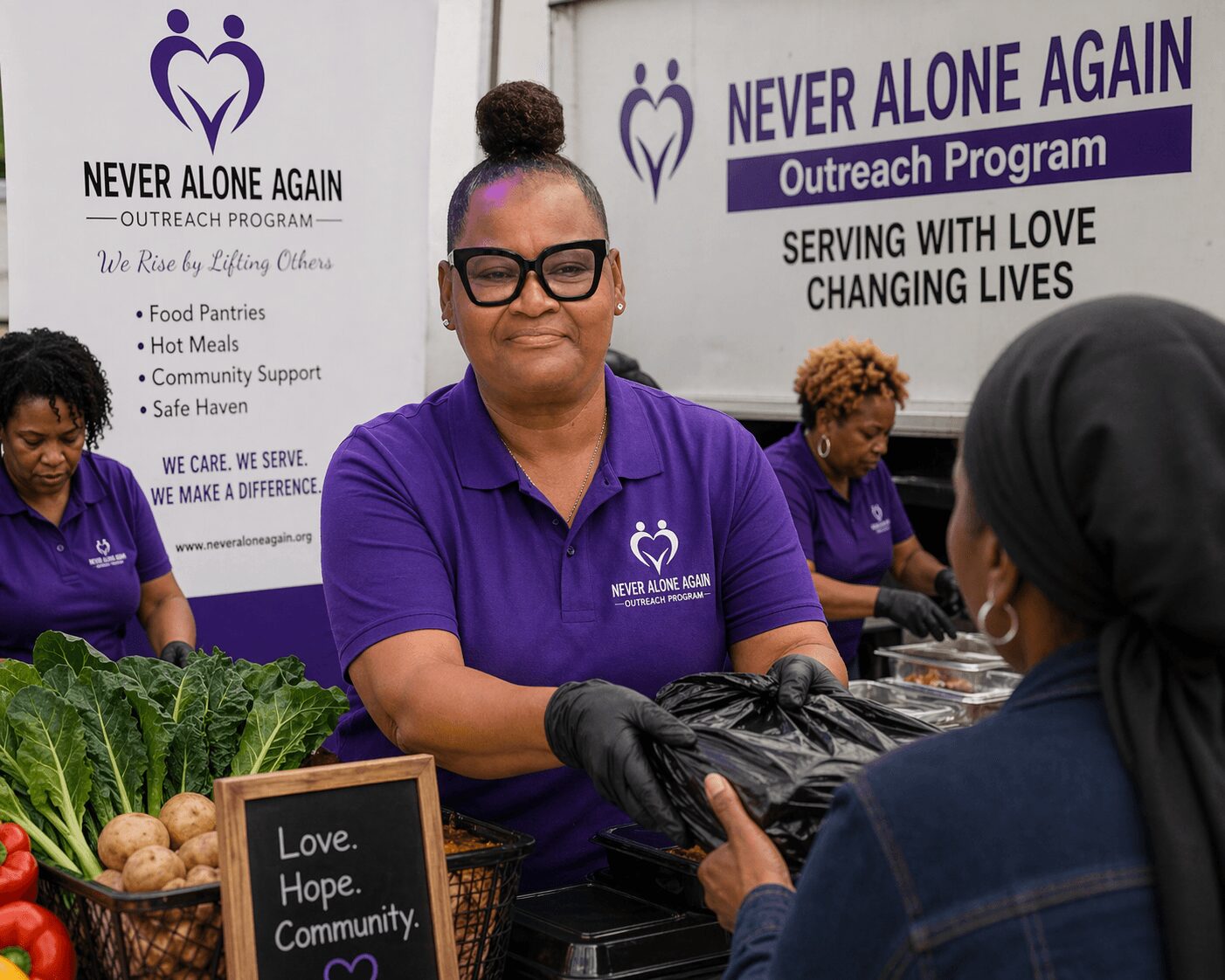
Today, Never Alone Again continues to serve the community with compassion and resilience. We have fed thousands of families, supported survivors on their path to healing, and created a safe, judgment-free space for those in need. We are now evolving our work through initiatives like our Mobile Resource Center to reach even more people where they are.
This journey is deeply personal to me. It is not just about services—it is about restoring dignity, rebuilding lives, and breaking the cycle of abuse. Never Alone Again is more than an organization it is a promise that no matter what someone is going through, they are not alone.
Would you say it’s been a smooth road, and if not what are some of the biggest challenges you’ve faced along the way?
No, it has not been a smooth road—and in many ways, that’s what makes this journey so meaningful.
Building Never Alone Again came with many challenges from the very beginning. As a survivor, I was not only trying to heal personally, but also trying to build something that could help others, often without funding, resources, or formal support. There were times when I had to rely purely on faith, determination, and the kindness of others to keep going.
Financial instability has been one of the biggest struggles. Like many grassroots organizations, we’ve faced limited funding, difficulty securing grants, and the constant pressure of sustaining programs while demand continues to grow. There were moments where I didn’t know how we would keep the doors open—but somehow, we always found a way.
Another major challenge has been space. We’ve had to move, rebuild, and sometimes operate without a stable location. Most recently, we’ve faced the possibility of losing our current space, which impacts not just operations, but the families who rely on us daily. It’s incredibly difficult to serve the community when you’re unsure where you’ll be tomorrow.
There have also been emotional and personal challenges being questioned, misunderstood, or having to prove the legitimacy of the work we do. When you are deeply invested in serving others, those moments can be painful. But I’ve learned that purpose requires resilience.
Despite all of this, every struggle has strengthened the mission. Each obstacle has reminded me why Never Alone Again exists to stand in the gap for those who feel like giving up.
So no, it hasn’t been easy but it has been purposeful. And I wouldn’t trade this journey, because through it, we’ve been able to change lives.
Thanks – so what else should our readers know about your work and what you’re currently focused on?
I am the Founder and CEO of Never Alone Again Domestic Violence Organization & Resource Center, where I lead efforts to support individuals and families impacted by domestic violence, homelessness, and economic hardship.
My work focuses on crisis intervention, survivor advocacy, and case management, while also addressing basic needs through our food pantry, clothing closet, and community outreach programs. Over the years, I’ve built programs that don’t just respond to emergencies, but help people rebuild their lives with stability, dignity, and long-term support.
I specialize in working directly with survivors in crisis—meeting them where they are, both emotionally and physically. Whether it’s helping someone find safe housing, providing immediate resources like food and clothing, or simply being a listening ear during one of the hardest moments of their life, my approach is hands-on, compassionate, and rooted in trust.
What I am most proud of is the impact. We have served thousands of families, provided hot meals, supported survivors in transitioning to safety, and created a space where people feel seen, heard, and not judged. Seeing someone go from crisis to stability that transformation is everything.
What sets me apart is that this work is personal. I am not just an advocate—I am a survivor. I understand the fear, the uncertainty, and the strength it takes to start over. Because of that, I lead with empathy, authenticity, and a deep commitment to making sure no one feels alone.
I am also proud of how we continue to evolve despite challenges. Even in the face of limited resources and setbacks, we’ve found ways to expand like developing our Mobile Resource Center to bring services directly into the community. That resilience and ability to adapt is a big part of who we are.
At the end of the day, I’m known for showing up consistently, wholeheartedly, and without judgment. This work is not just what I do, it’s who I am.
Risk taking is a topic that people have widely differing views on – we’d love to hear your thoughts.
When I think about risk, I don’t really see myself as a risk-taker I see myself as someone who keeps moving forward, even when things are uncertain.
Starting Never Alone Again back in 1999 was a risk. I didn’t have funding, I didn’t have a blueprint, and I was still healing from my own experiences. But I had a heart to help people, and I made a promise that if I made it through what I went through, I would help others do the same. So I stepped out on faith.
Since then, I’ve taken many risks—sometimes without even realizing it at the time. Expanding services, opening spaces, feeding families, helping people in crisis—most of the time, I didn’t have everything lined up the way people would say it should be. But the need was there, and I couldn’t turn my back on it.
Even now, I’m still taking risks. Moving forward with programs while dealing with financial challenges, space issues, and uncertainty about what’s next that’s a real risk. But for me, the bigger risk would be not doing anything and knowing people are out there struggling with nowhere to turn.
I don’t make decisions just to take chances I make decisions based on purpose. I ask myself, “Is this going to help someone? Is this going to make a difference?” If the answer is yes, I move forward and trust God with the rest.
I’ve learned that risk isn’t always about having everything figured out. Sometimes it’s about having the faith to keep going anyway.
And that’s how I’ve been able to continue this work just one step at a time, trusting the process, and staying committed to the mission.
Contact Info:
- Website: www.neveraloneagain,org
- Instagram: neveraloneagainresourcecenter
- Facebook: neveraloneagainresourcecenter