




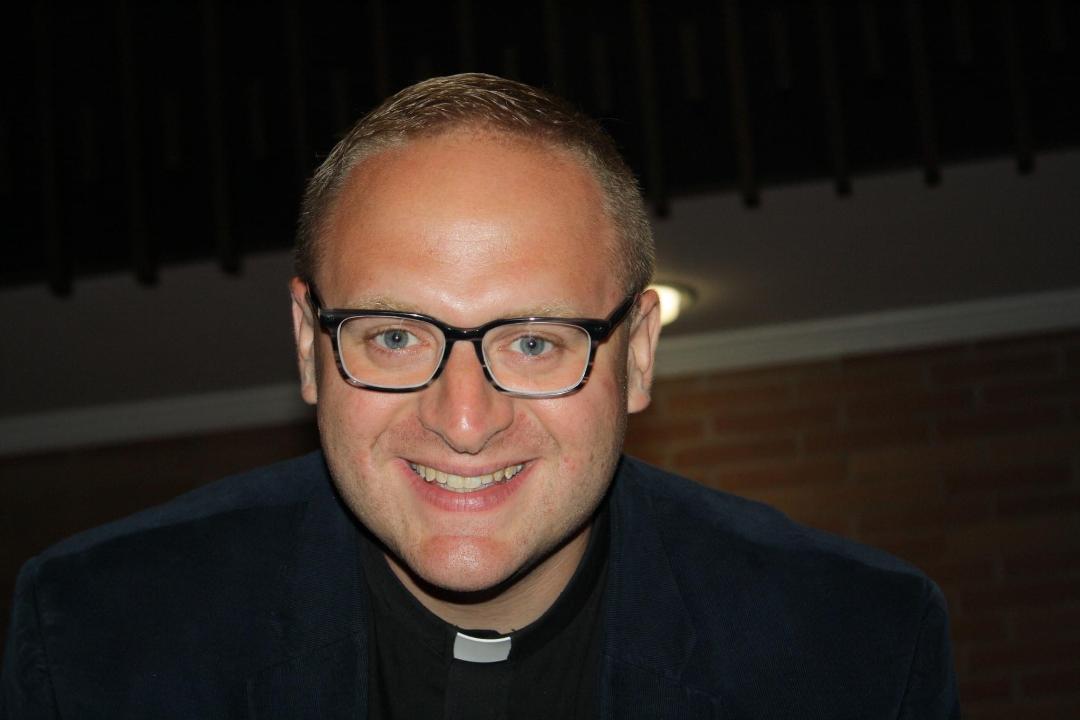
Today we’d like to introduce you to Daniel Fields.
Hi Daniel, so excited to have you on the platform. So before we get into questions about your work-life, maybe you can bring our readers up to speed on your story and how you got to where you are today?
I grew up with a strong sense that my work—whether in education or ministry—would always center around people and community. For a long time, I thought that meant staying fully in the classroom. I’m a middle school math teacher, and I’ve loved the classroom life: the relationships with students, the challenge of helping young people see patterns, logic, and possibility in a subject they often approach with anxiety.
Alongside teaching, I also became deeply involved in educational advocacy and union work at the local, county, and state level. That part of my life shaped me just as much as the classroom did. It taught me how to listen carefully, how to build coalitions, and how to stand with people when they feel unheard. Eventually, I found myself serving as a county coordinator, helping connect educators across schools and districts. That work reinforced something I was already learning: leadership is really about service and presence more than position.
At the same time, I felt a growing pull toward pastoral ministry—not as a departure from teaching, but as an extension of it. I went through seminary formation, and my pastoral internship brought me to Grace Lutheran Church in Perth Amboy. That experience was pivotal. I was able to live into ministry in a community that felt immediately like home—walking with people in moments of celebration, grief, transition, and everyday life.
After that internship, I was called back to Grace to serve as pastor. Returning felt both familiar and deeply new at the same time. It’s been a gift to serve in a place where I already know the rhythms of the community, but now get to be part of those rhythms in a different way—preaching, teaching, walking alongside families, baptizing children, leading services of healing, and helping shape a shared life of faith.
Looking back, the thread that connects it all is relationship. Whether in a classroom, a union meeting, or a church sanctuary, I’ve found myself drawn to spaces where people are trying to grow, to understand one another, and to find hope in the midst of complexity. That’s what brought me here—and what continues to shape how I show up each day.
Can you talk to us a bit about the challenges and lessons you’ve learned along the way. Looking back would you say it’s been easy or smooth in retrospect?
It hasn’t been a completely smooth road—though I also wouldn’t describe it as chaotic or discouraging. It’s been more like a series of meaningful transitions that required a lot of learning in real time.
One of the biggest ongoing challenges has been balancing multiple callings at once. Teaching in the classroom is already full and demanding work, and at the same time I’ve been deeply involved in union leadership and broader educational advocacy. Those roles are rewarding, but they also require emotional energy, time, and attention to systems that don’t always move quickly. Learning how to sustain that kind of work without losing a sense of grounding has been a process.
The shift into pastoral ministry added another layer of growth. Seminary and formation are structured, but real ministry is not. During my internship and then later stepping into pastoral leadership, I had to learn what it means to be present with people in some of the most tender and vulnerable moments of their lives—grief, illness, uncertainty, but also joy and celebration. No classroom or textbook fully prepares you for that. You learn by being there, listening, and sometimes simply not having perfect words.
There were also the normal internal struggles that come with any vocational transition: wondering if I was “doing enough,” if I was leading well, or if I was fully living into what I felt called to do. Those questions don’t always go away, but over time they become less about proving yourself and more about trusting the work itself.
What’s helped most through all of it has been community—colleagues, mentors, students, and the congregation at Grace. Even in moments that felt stretched or uncertain, I’ve never felt like I was carrying things alone. And in hindsight, even the harder stretches have shaped how I understand patience, presence, and resilience in a much deeper way.
Thanks for sharing that. So, maybe next you can tell us a bit more about your work?
My work really lives at the intersection of education, leadership, and pastoral ministry—and at the center of all of it is teaching people and walking with them through growth.
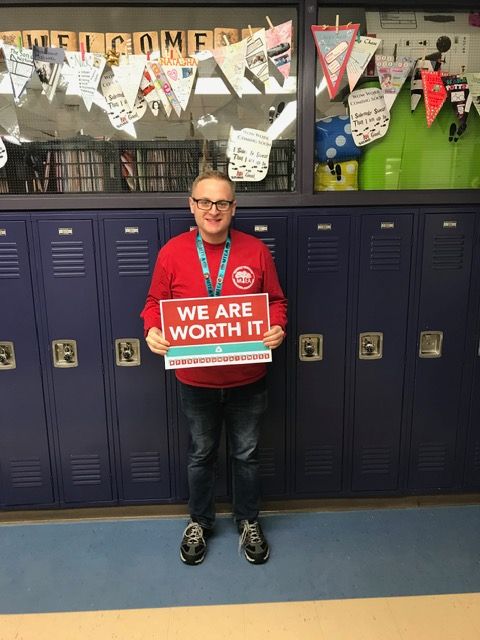
In my day-to-day, I’m a middle school math teacher, which means I spend a lot of time helping students build confidence with problem-solving, patterns, and persistence. A big part of what I focus on is making math feel accessible—helping students who may come in thinking “I’m not a math person” start to see that they actually are capable, and often more than they realize.
Alongside my work in education, I’ve been deeply involved in union leadership at the local, county, state, and national level. That work has centered on advocacy—supporting educators, strengthening working conditions, and helping build structures where teachers feel heard and supported. I’ve served in multiple leadership roles over time, which has given me a broad perspective on how collaboration and organization can actually shape the day-to-day experience of schools.
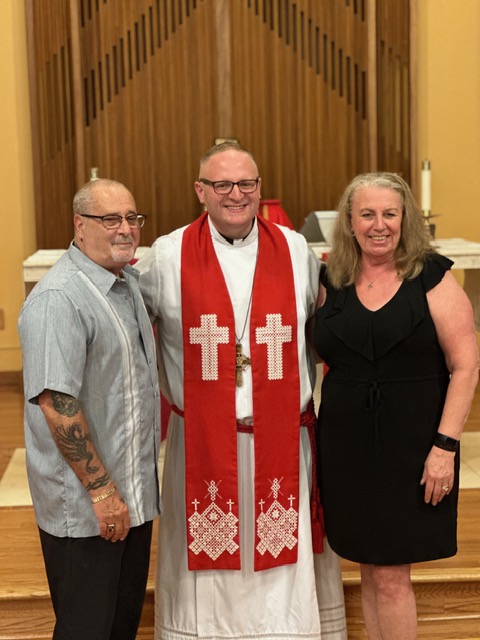
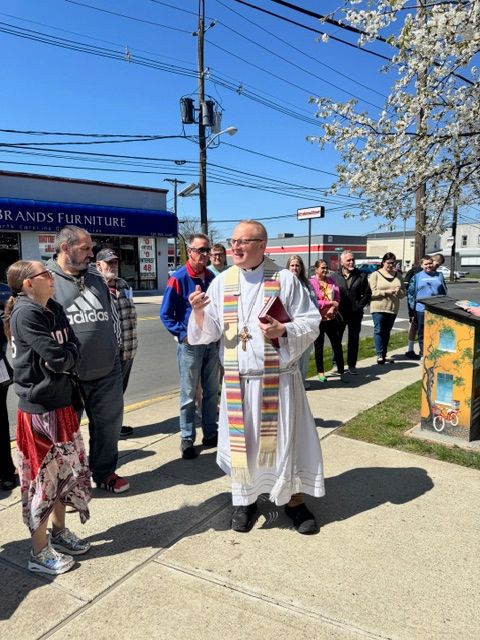
In ministry, I serve as pastor of Grace Lutheran Church in Perth Amboy, where I also completed my field education experience. My pastoral work includes preaching, leading worship, baptisms, First Communion preparation, pastoral care, and developing new visions for discipleship and community life. I’ve also helped shape healing services and seasonal worship opportunities that create space for reflection, prayer, and connection in different ways than a traditional Sunday morning.
What I’m most proud of is the consistency of showing up in different settings—classroom, meeting room, sanctuary—and trying to be fully present in each one. Whether it’s a student who finally understands a concept they’ve struggled with, a colleague who feels supported in a difficult moment, or a family navigating something hard in their life, those are the moments that stay with me.
What I think sets my work apart is that I don’t see education and ministry as separate worlds. They inform each other constantly. Teaching has made me a better listener and communicator in pastoral care, and ministry has deepened my sense of empathy and patience in the classroom. In both spaces, I’m really focused on building trust, helping people feel seen, and creating environments where growth is actually possible—not just expected.
Where we are in life is often partly because of others. Who/what else deserves credit for how your story turned out?
Absolutely—nothing I’ve done has been done in isolation, and I’m very aware that there are a number of people who have shaped, supported, and sustained my journey across both education and ministry.
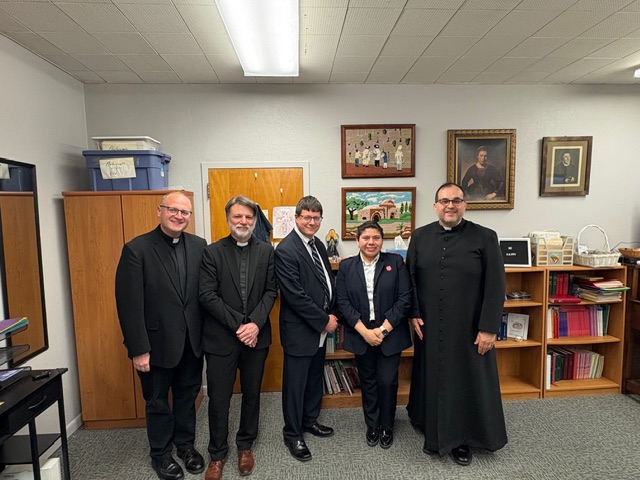
First and foremost, I would name the mentors and colleagues who have guided me in pastoral formation and ministry. During my seminary internship, being welcomed into a various communities that were already deeply rooted in relationships allowed me to learn not just about ministry, but how to actually be present with people in real life moments—baptisms, grief, celebrations, and everyday pastoral care. These experiences became a foundation for my current call.
Within the congregation, I’ve been supported by key staff and lay leaders who make the day-to-day life of the church possible. Nina, my Parish Administrator, Susan, Gail, and Nancy, our leaders, and long-standing members of the church community have all been generous in sharing wisdom, institutional memory, and encouragement as new initiatives and rhythms of ministry have been introduced. That kind of trust has been essential.
In education, I’ve been shaped by colleagues in my building and across the district—especially fellow teachers who are committed to collaboration and constant improvement in practice. Working alongside experienced educators, such as my mentor Kerri, has helped me refine my approach in the classroom and also stay grounded during the more demanding parts of the profession. I’ve also had strong support through union leadership, especially my Presidents, Bethanne and Lois, where local, county, and state-level colleagues have modeled what sustained advocacy and collective action look like in practice.
On a more personal level, I would also name the quiet but steady support of my parents, close friends, and support circle, who have understood the demands of balancing teaching, leadership, and ministry. There are many moments where the work extends beyond a typical day, and having people who understand the calling behind it—not just the schedule—has made a real difference.
If I had to summarize it, I’d say my path has been shaped by a network of people who consistently made space for me to learn, grow, and sometimes even fail forward. Any success I’ve experienced is really a reflection of those relationships and the communities that have invested in me over time.
Contact Info:
- Website: https://graceperthamboy.org
- Instagram: https://www.instagram.com/graceperthamboy/
- Facebook: https://www.facebook.com/GraceLutheranPerthAmboy/