




Today we’d like to introduce you to Yana Robbins.
Hi Yana, can you start by introducing yourself? We’d love to learn more about how you got to where you are today?
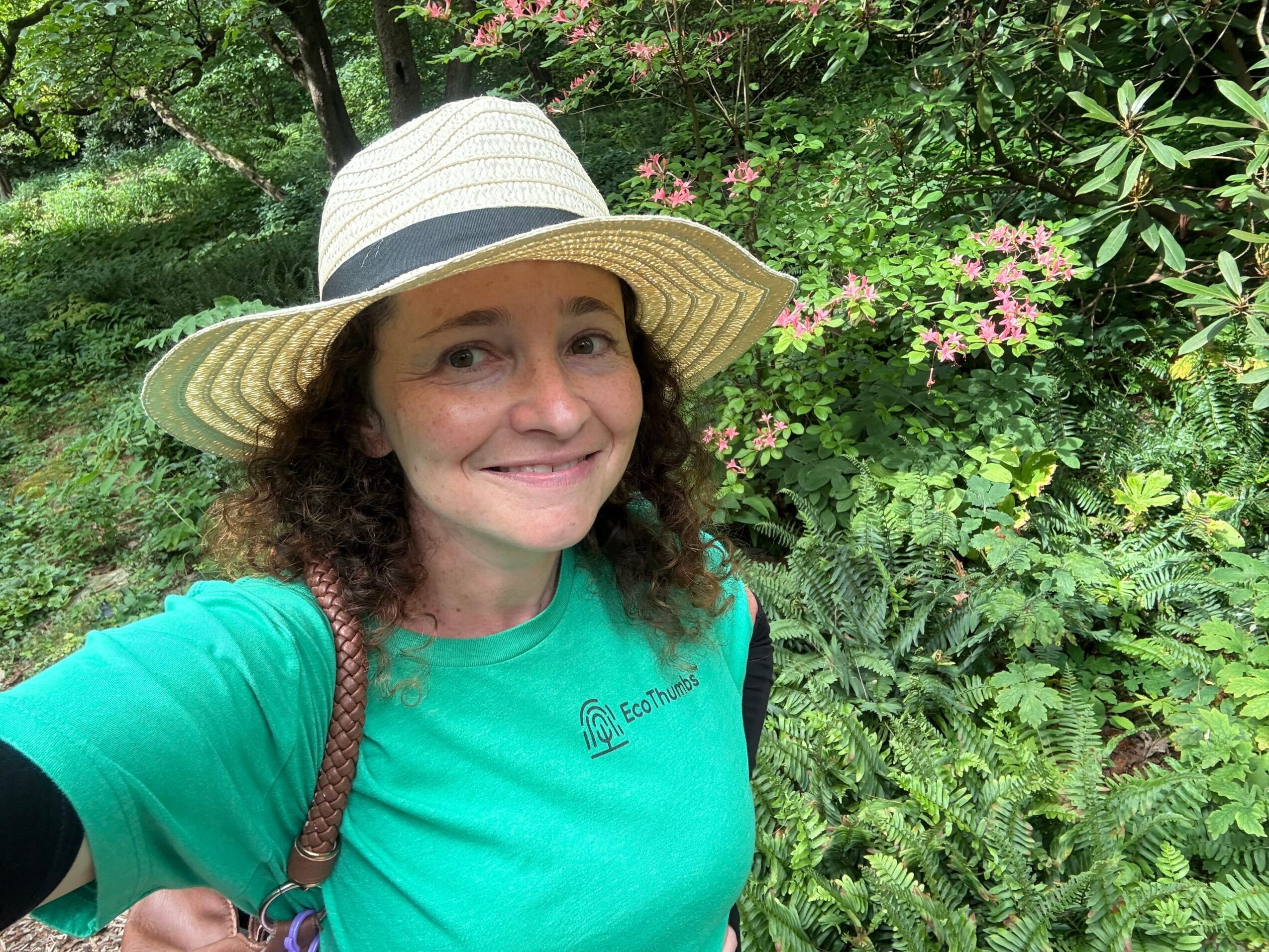
The path to my third career, as a sustainable gardener and founder of Ecothumbs, was by no means linear. But looking back, it’s clear that plants were always a part of my life, no matter where I was living.
My childhood was spent in Turkmenistan, Central Asia. With barely any kids’ TV programming or phones, days were spent wandering, exploring, and foraging. It was simple living – no hot water, frequent blackouts, and the occasional earthquake – but it was also the kind of childhood where kids had freedom.
In 1990, my family moved to the Bronx. It was no longer a free-range existence, but my interest in plants continued. In high school, I spent my summers doing environmental research through the Bronx High School of Science in partnership with CUNY. Even though college and my early career took me in a different direction, that experience left a lasting imprint.
My parents were/are huge nature lovers and we spent weekends mushroom foraging, fruit picking, and exploring parks. I was the kid who knew every mulberry tree in the neighborhood, and I still am.
In my twenties, while working in e-commerce (and at the suggestion of a friend who was tired of hearing about fruits and foraging!), I started a Meetup group called The Fruit Hunters, named after a favorite book at the time. I organized foraging walks throughout NYC and hosted exotic fruit tastings with durian, mangosteen, and other tropical fruits at El Sol Brillante, a community garden in the East Village. It was a pro bono project, just a way to have fun and meet like-minded people. One of the highlights was when Adam Leith Gollner, the author of The Fruit Hunters, came to one of our events, it was very exciting! My professional life and my plant obsession felt completely separate, and it would be another two decades before they came together.
My thirties took me to Hong Kong, where I founded and ran a print publication focused on startups and entrepreneurship. I also started a startup bootcamp for kids, introducing young people to entrepreneurship and helping them turn ideas into projects. In my free time, I wandered flower markets and grew tropical fruit in containers- mangoes, lychee, snake fruit, miracle fruit, and whatever else I could get my hands on. I was also known to bury fruit pits in random parts of the city. I wonder if any of them grew into trees!
Eventually, life brought me back to the United States, this time to Park Slope, Brooklyn. We still lived in an apartment, but I managed to fill a rooftop with container plants and discovered a whole new set of trees to forage around Brooklyn.
The pandemic brought yet another move, this time to Montclair, New Jersey. For the first time in my life, I had a yard to work with.
At the time, my day job was doing marketing and design for a tech company. But at night, I found myself wondering what I was doing with my life. I felt like I was toiling away while the world around me was on fire. I spent several years soul-searching, trying to find work that felt meaningful.
Around the same time, I enrolled in the Rutgers Master Gardener program to better understand how to manage my own garden. There were so many conflicting messages coming from neighbors and landscapers. Should we really leave the leaves? (Yes, we should.)
After completing the program, and with entrepreneurship already in my blood, I started gardening for others. In the years that followed, I added more employees, expanded our services, all while continuing to add additional eco-credentials like NOFA Organic Land Care certification, rain garden design and others. YouTube has also been an incredible learning resource, with many organizations generously sharing webinars and educational content on native plants.
Along the way, I became active in environmental advocacy in our town. Once you learn about many of the harmful practices that are a norm in yard care, it’s hard not to want to do something about them. I took part in the effort to ban gas-powered leaf blowers in Montclair, and I am incredibly proud of the hard work led by friends and dedicated residents who made it happen.
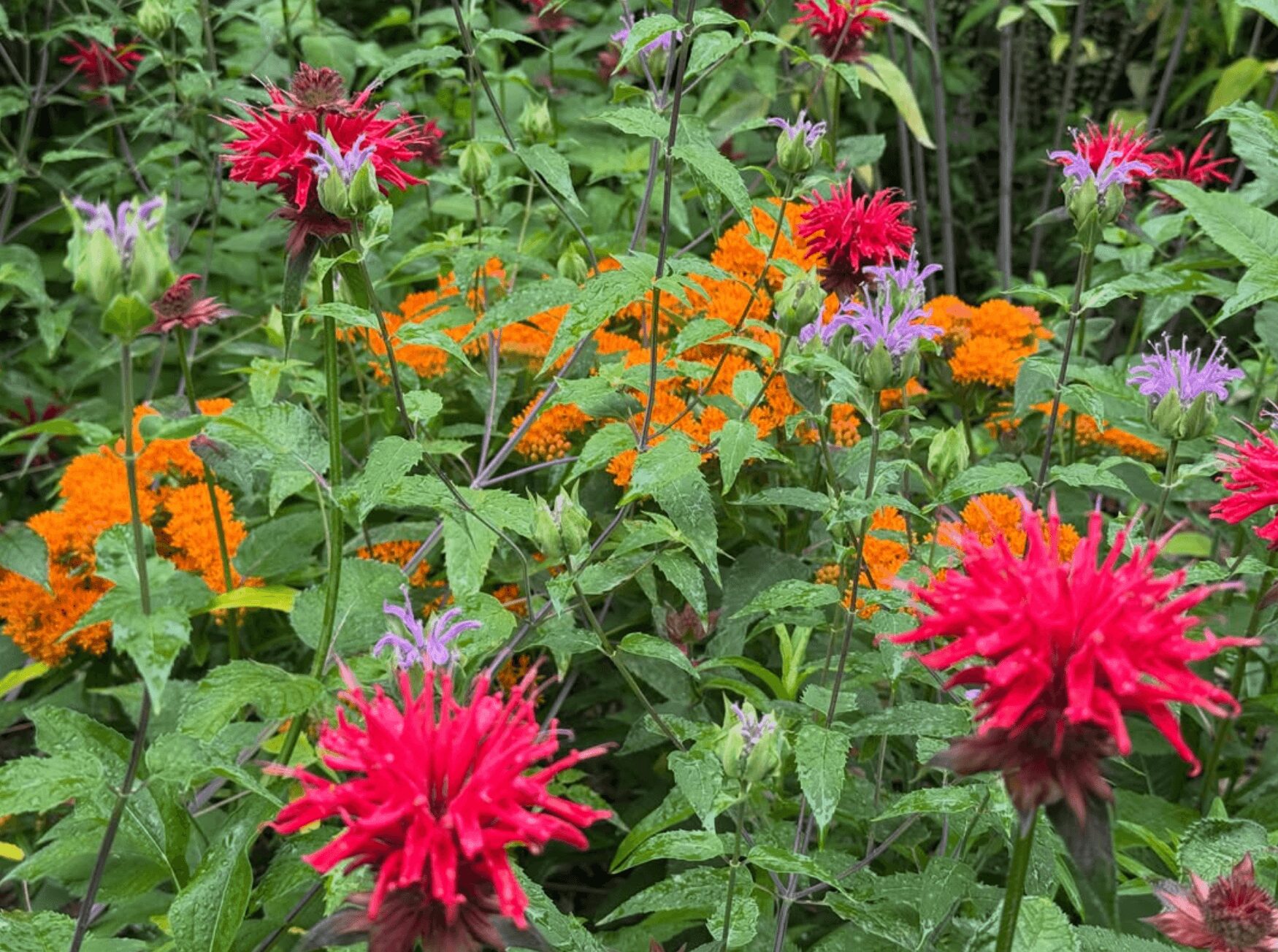
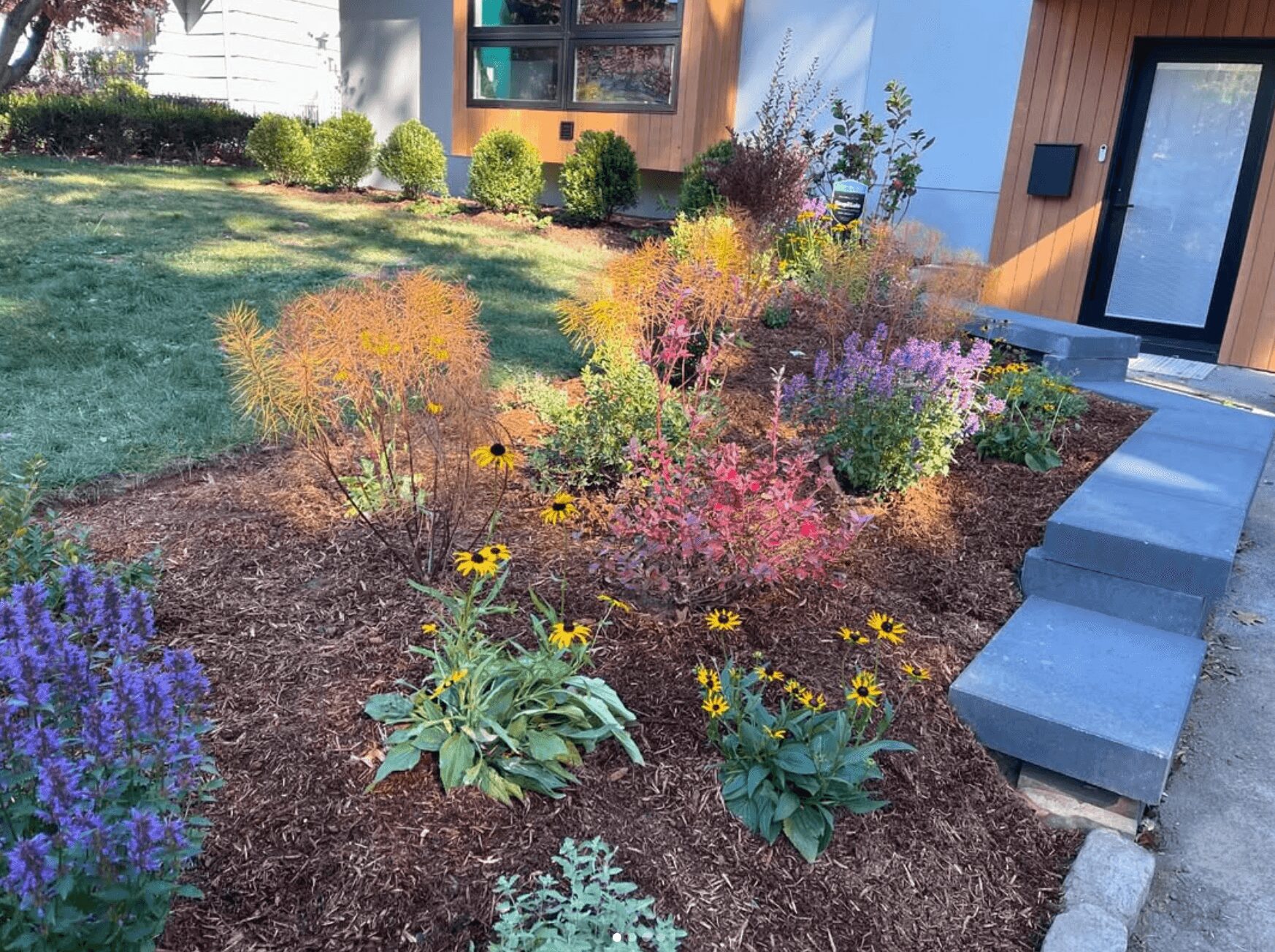
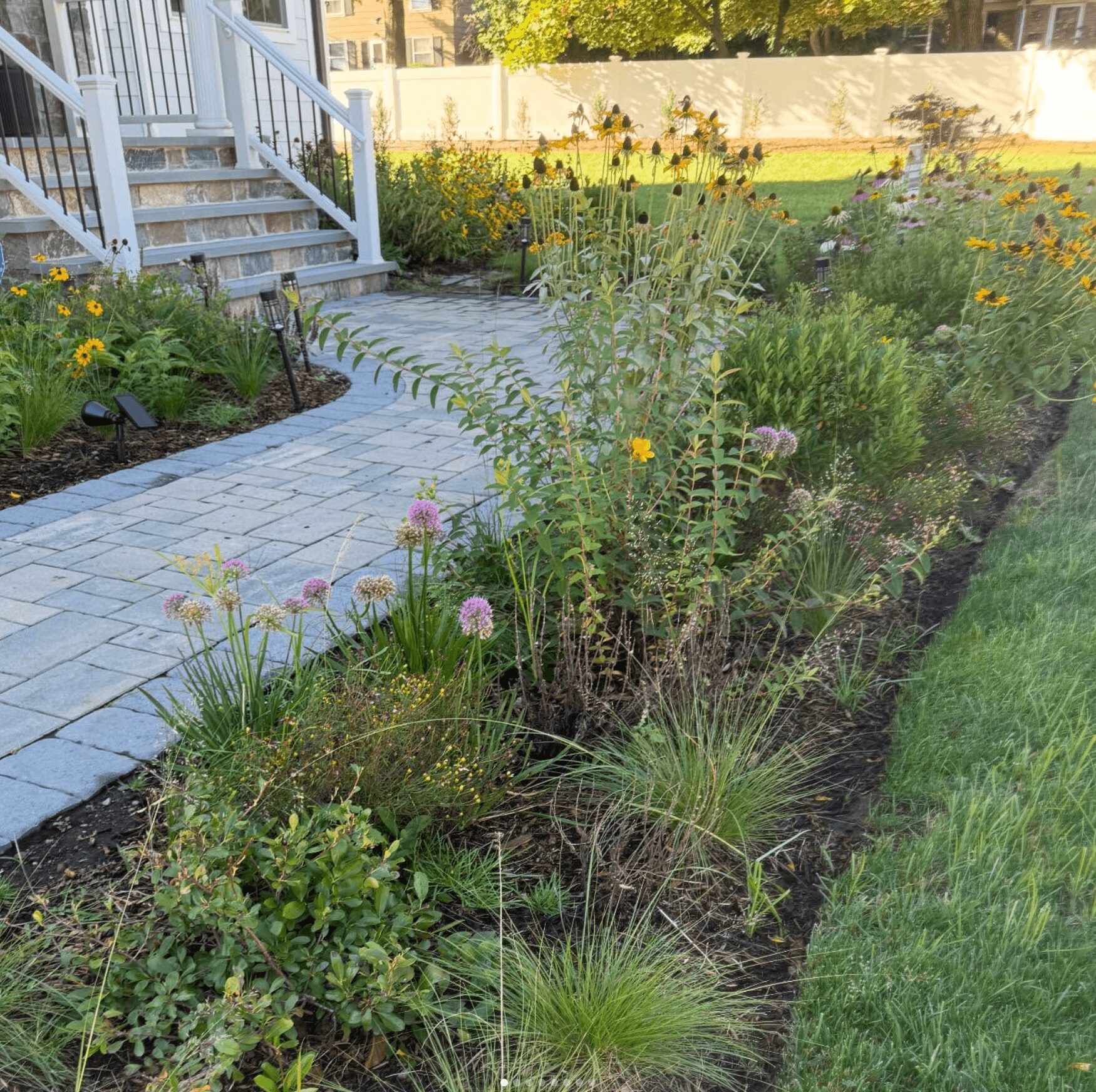
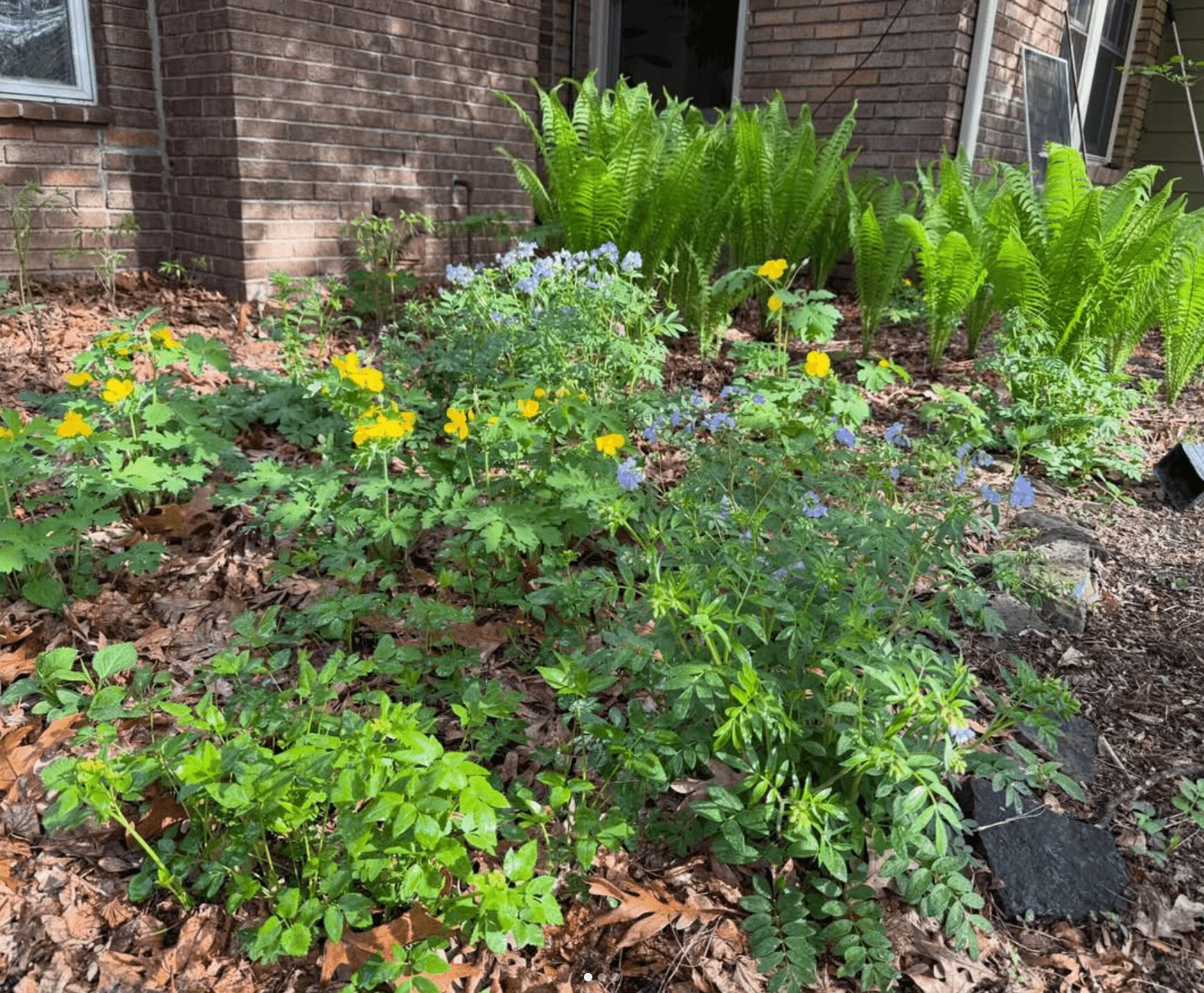
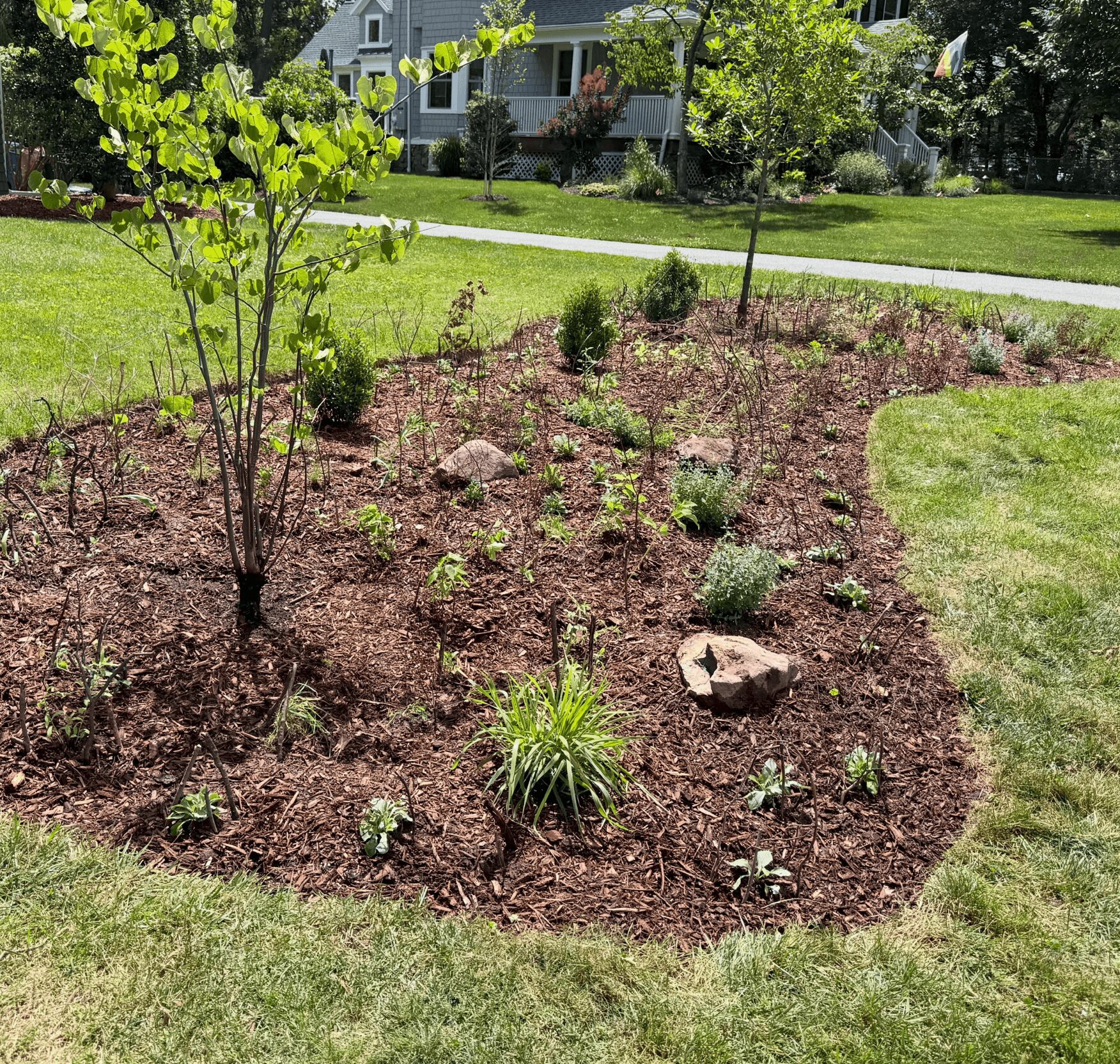
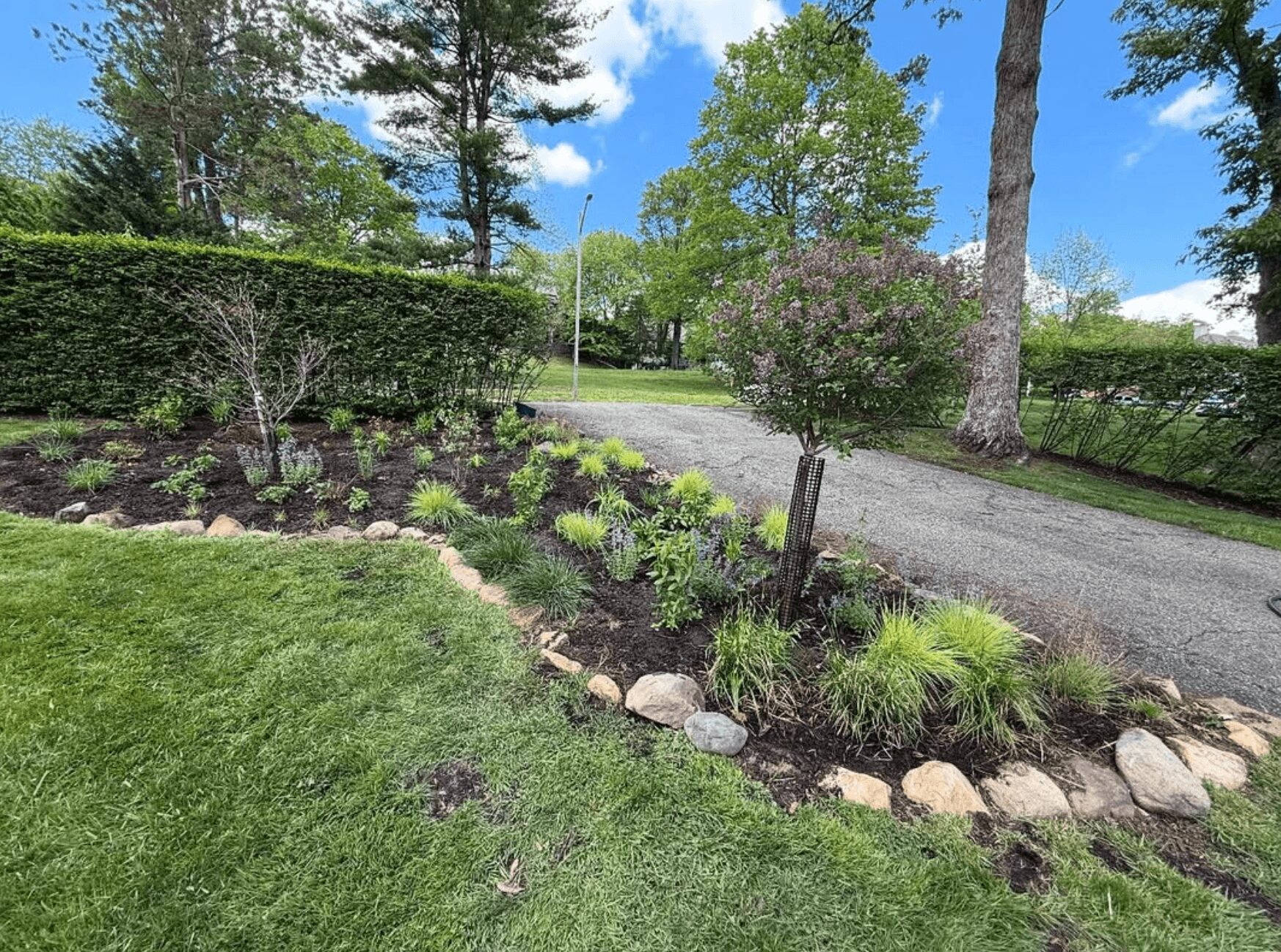
Today, Ecothumbs designs, installs, and maintains native plant gardens throughout Montclair and the surrounding communities. I am incredibly proud of our team, the work we do, and the care we put into every project. What started as a search for more meaningful work has turned into work I am passionate about every single day.
Would you say it’s been a smooth road, and if not what are some of the biggest challenges you’ve faced along the way?
There are tons of challenges in running this business. Mostly, it’s finding time for everything.
The work never really ends, whether it’s during the week or on weekends.
We’re constantly shopping for plants, often spending entire day driving to nurseries. Very few nearby growers offer native plants that are grown free of pesticides, so we frequently find ourselves making long trips into Pennsylvania.
Keeping the plants we do have on site alive and healthy is a job in itself. At the height of the season this Spring, we had nearly 10,000 plants waiting to be installed. Every one of those plants needs watering, monitoring, and care.
On client sites, one of the biggest challenges is not knowing what is buried underground. More times than I can count, we’ve uncovered landscape fabric hidden beneath the soil. Homeowners are usually just as surprised as we are. Landscape fabric causes endless problems – it harms the soil and the microorganisms, tangles itself into plant roots, and becomes nearly impossible to remove once plants are established. We won’t plant into it, which often means a lot of extra labor removing it first.
Another challenge is what happens after the installation. Many homeowners do a fantastic job maintaining their gardens or hire us to help, but others become overwhelmed and stop weeding altogether. A native garden is not a zero-maintenance garden. Weeds are a fact of life, especially in the first few years, and success really depends on ongoing care and participation, and watering of course.
Lastly, there’s the challenge of educating homeowners about the chemicals commonly used on lawns and landscapes. Many people are busy and understandably outsource yard work without giving it much thought. As a result, pesticides, herbicides, and synthetic fertilizers are often applied automatically. Unfortunately, these products can harm pollinators, contaminate waterways, and undo many of the environmental benefits people are trying to achieve with native plantings. A big part of our job is helping people understand that a healthy landscape doesn’t need to rely on those products.
That said, the rewards far outweigh the challenges. Seeing a garden fill with bees, butterflies, birds, and life again never gets old. Neither does hearing a homeowner tell us they’re spending more time outside because they love their yard. Those moments make all the hard work worth it.
As you know, we’re big fans of Ecothumbs. For our readers who might not be as familiar what can you tell them about the brand?
What sets us apart is the integrity behind our work. We don’t just talk about sustainability – we make decisions based on it. We go out of our way to source plants from growers that do not use pesticides, even when it means driving hours to pick them up. We don’t use landscape fabric, pesticides, or other shortcuts that may look good in the short term but create long-term problems.
Education is also a big part of what we do. Several years ago, I wrote a free e-book on sustainable gardening (it’s available on the site), as well as a children’s activity book in prose, The World Needs More Nature Superheroes, which we handed out at the Glen Ridge Eco Fair last year. It has since been used in classrooms and at Girl Scout events. We do a tremendous number of consultations with homeowners and freely share what we’ve learned over the years.
This past year, we’ve donated hundreds of native plant plugs to schools, community gardens, parks, and environmental organizations to help expand habitat beyond the gardens we install for clients.
Most of all, I’m proud of the reputation we’ve built. We care deeply about the work we do, and we’re always trying to do right by nature and homeowners.
Contact Info:
- Website: https://Ecothumbs.com
- Instagram: https://www.instagram.com/ecothumbs
- Facebook: https://www.facebook.com/profile.php?id=61555239569734