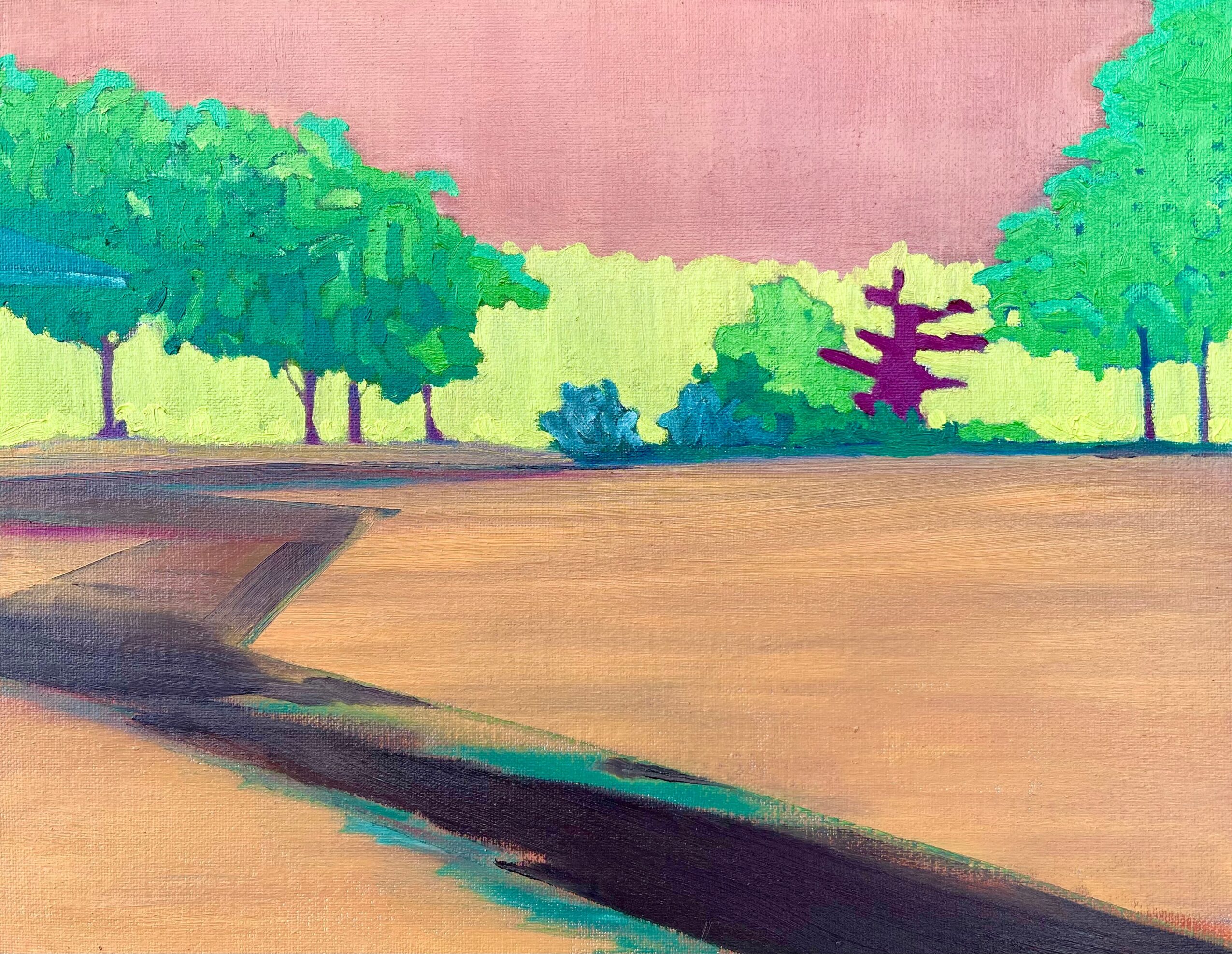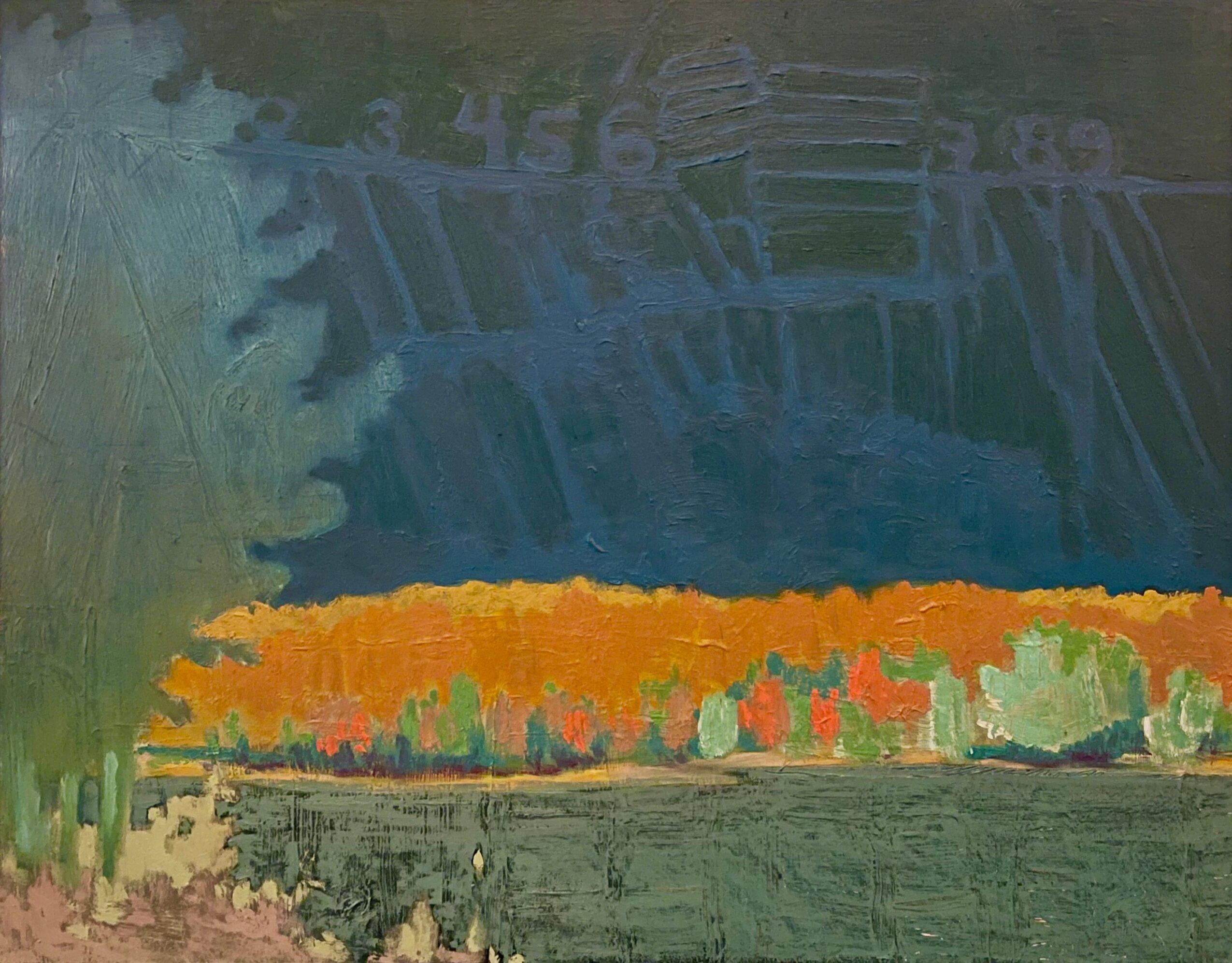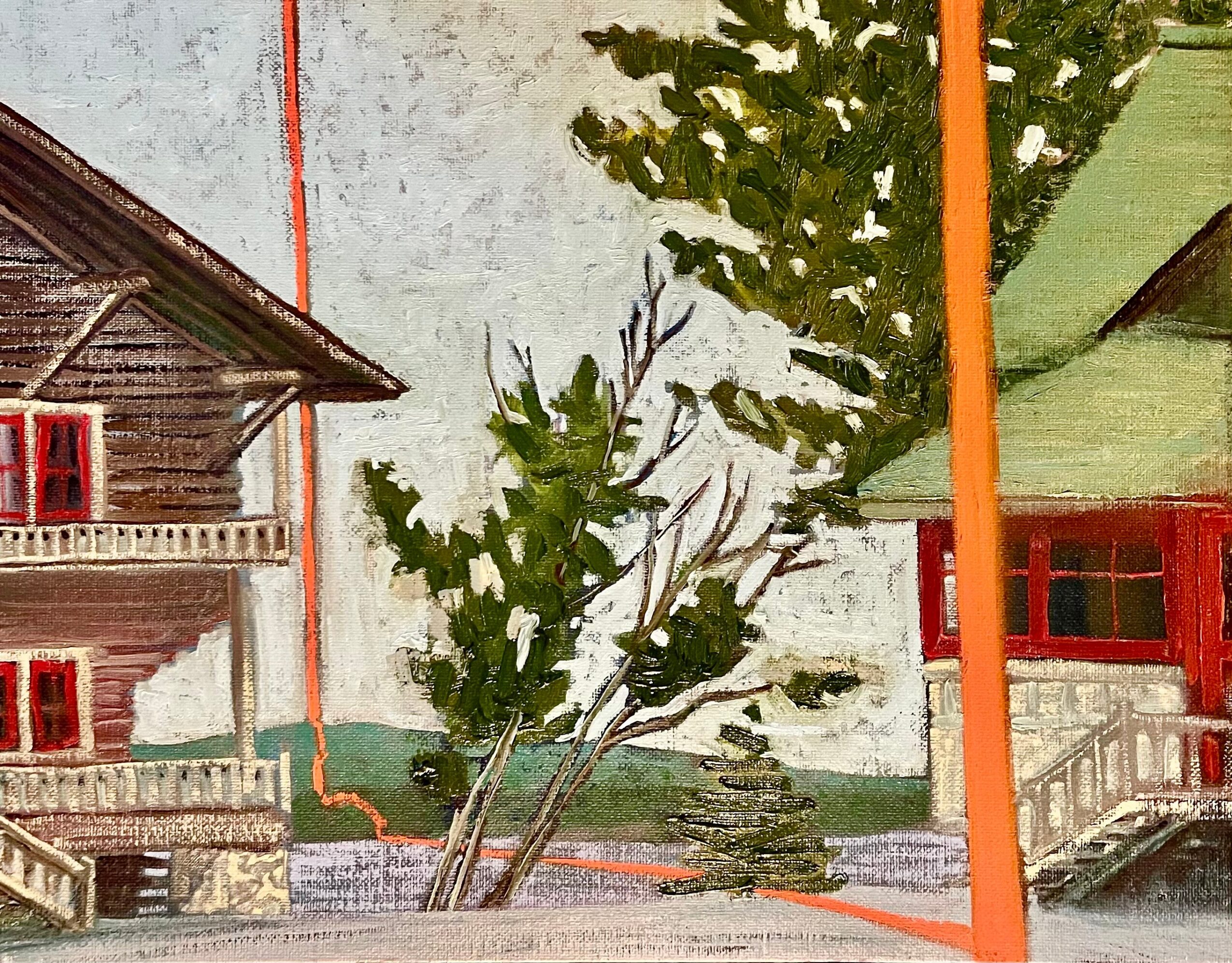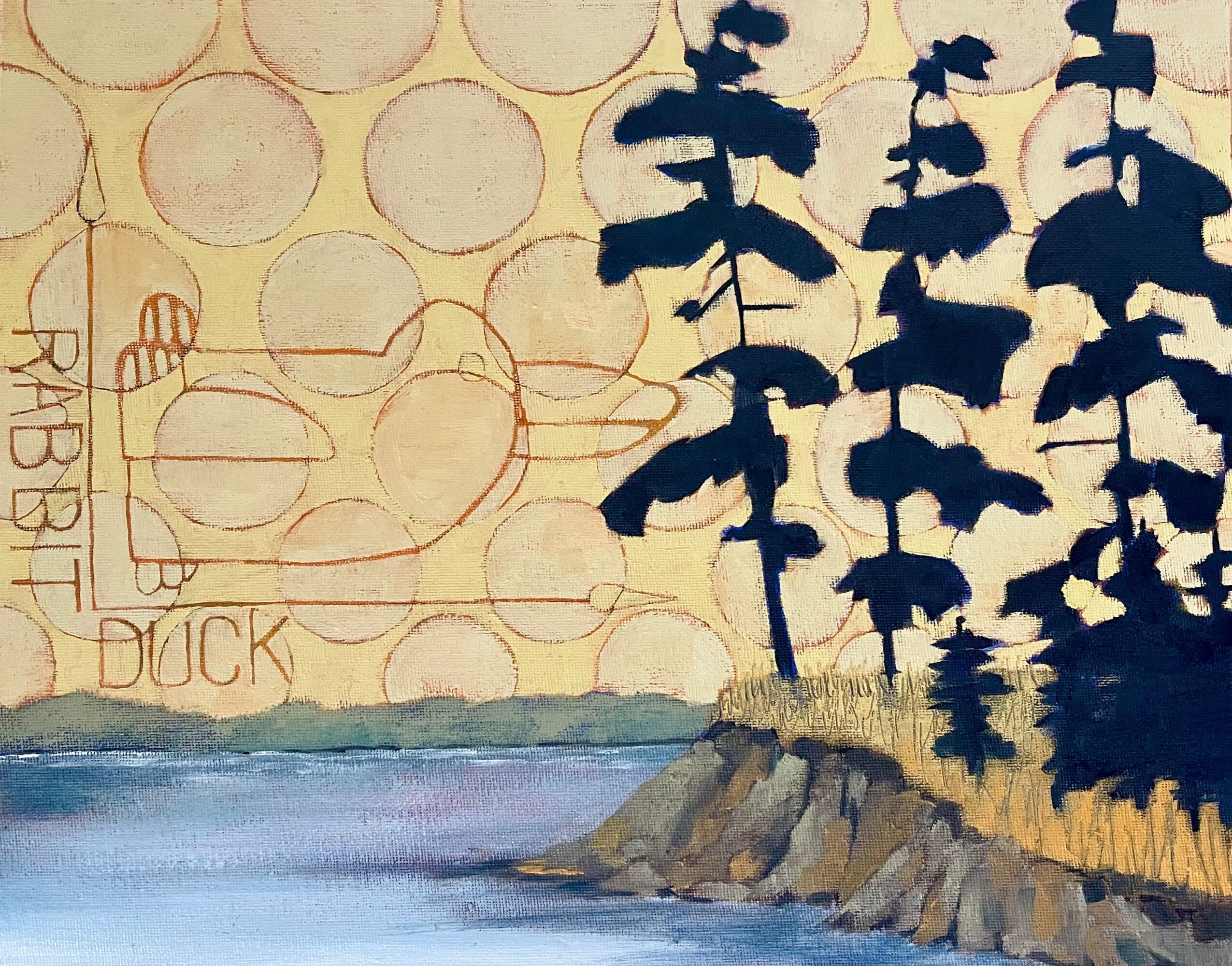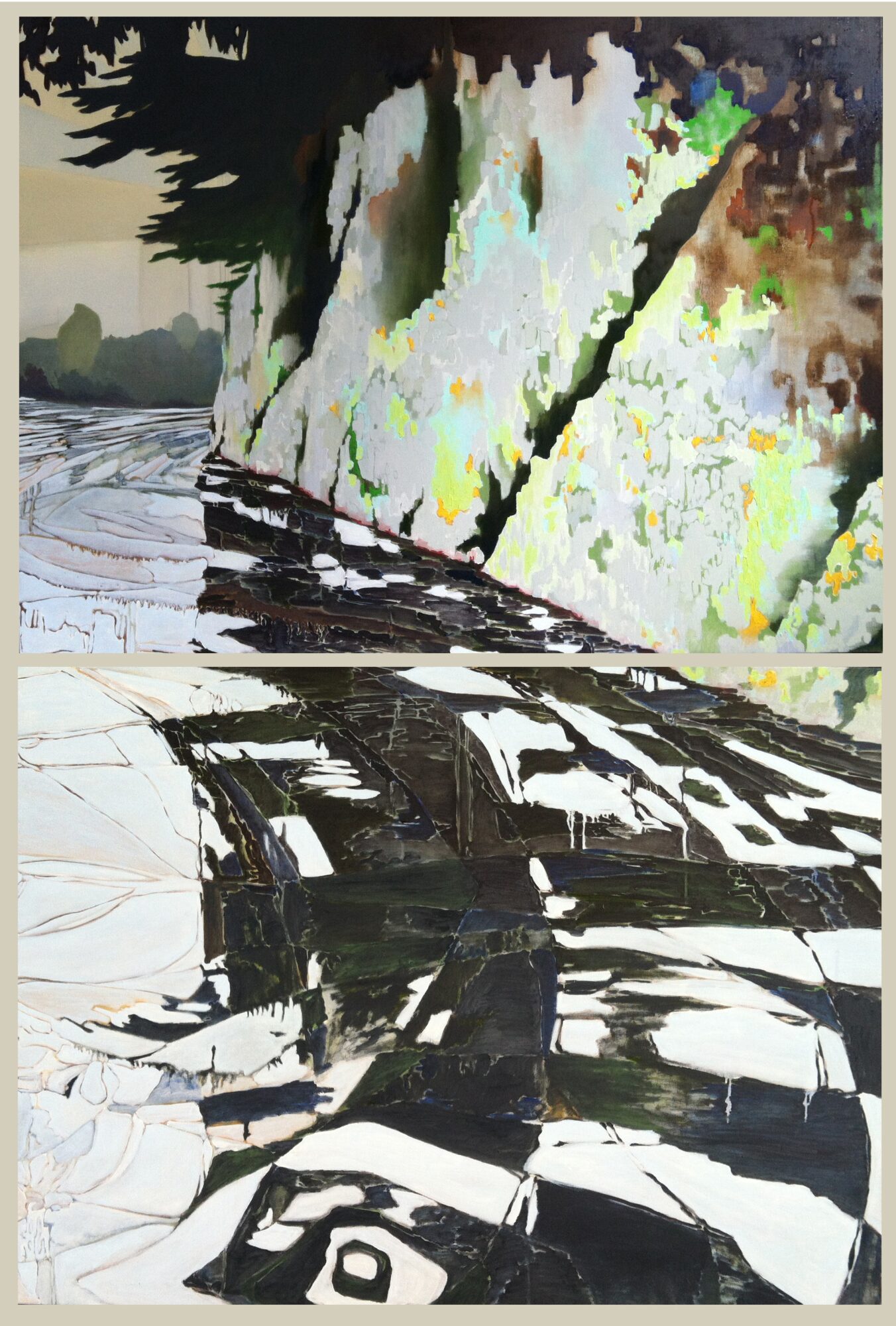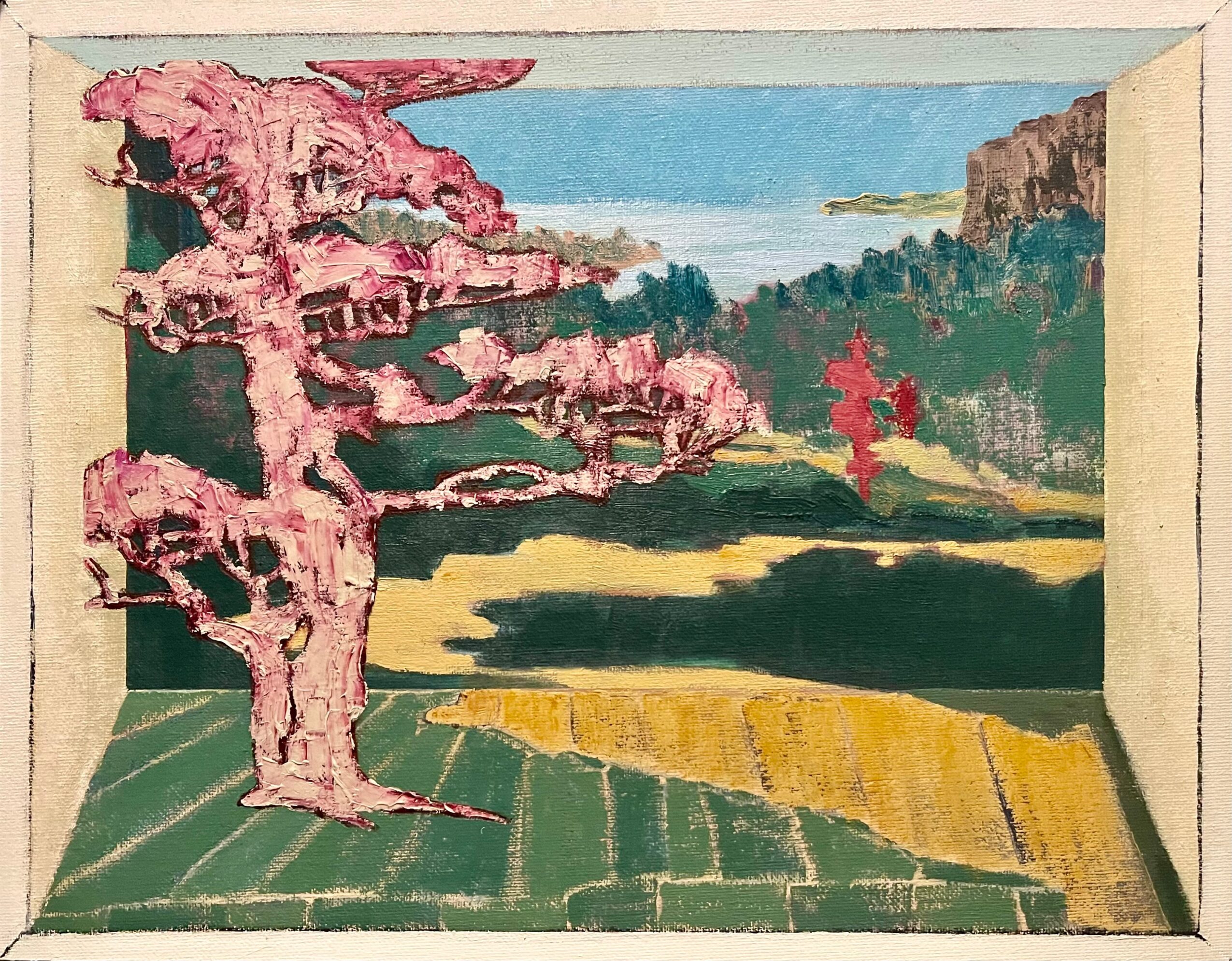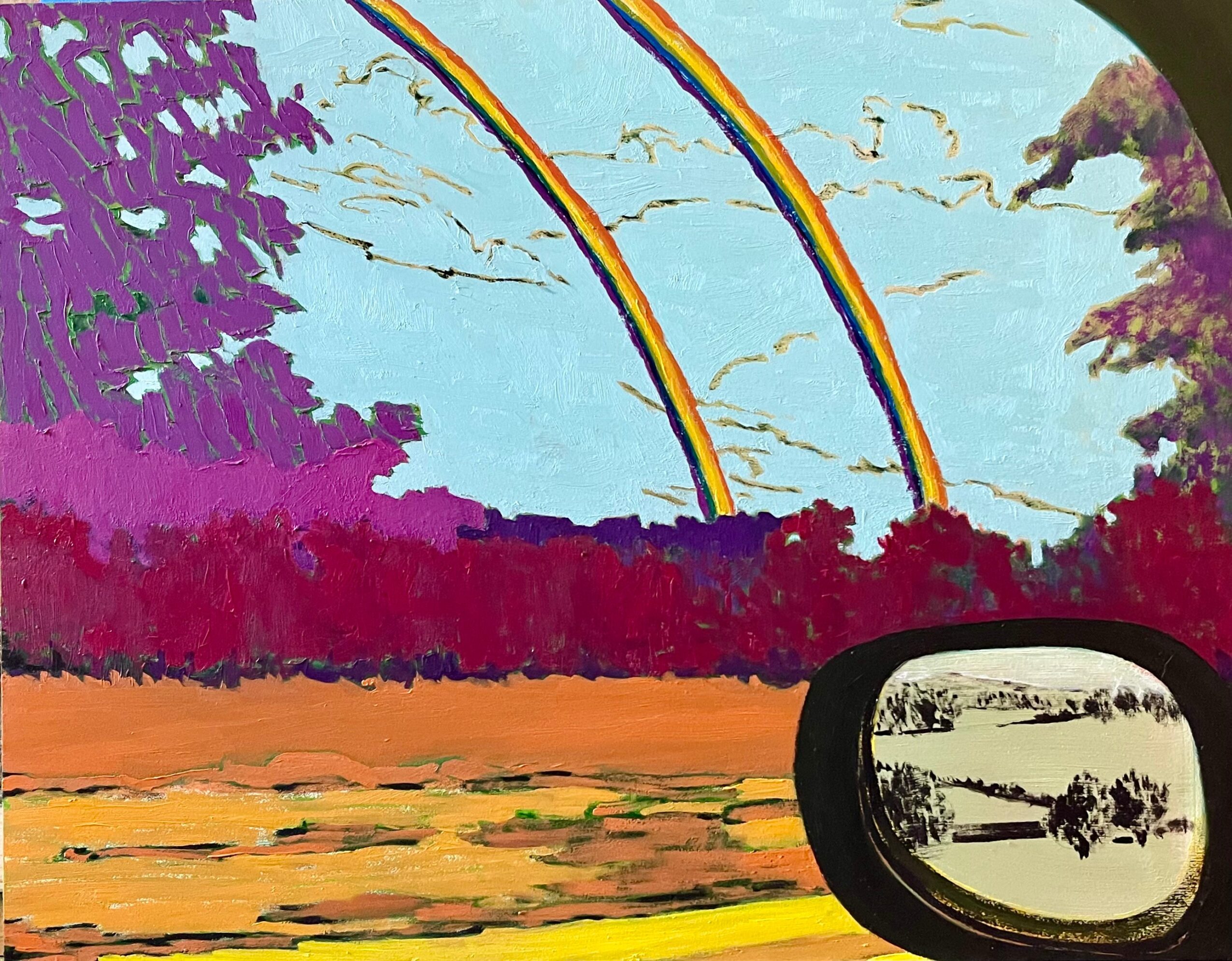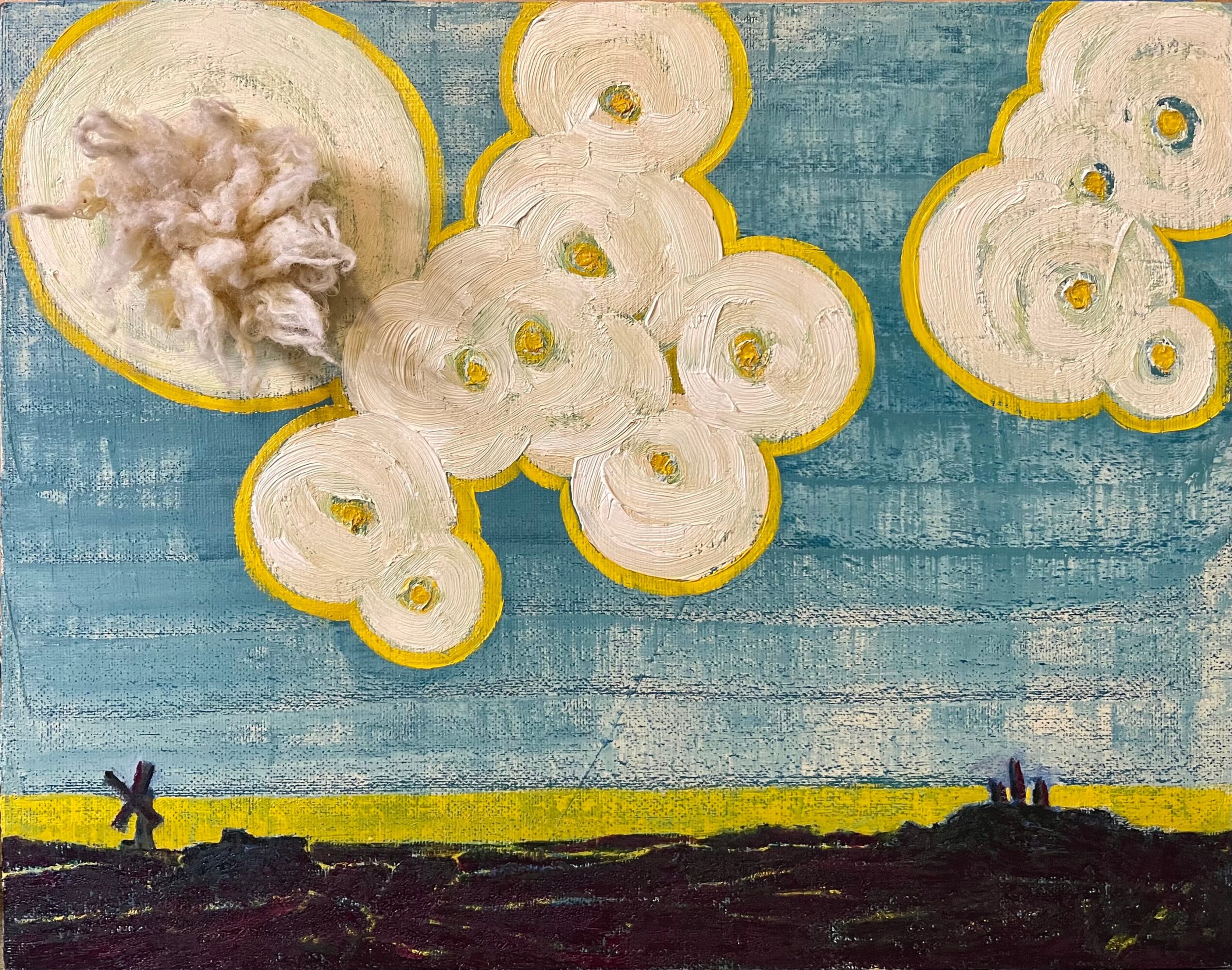





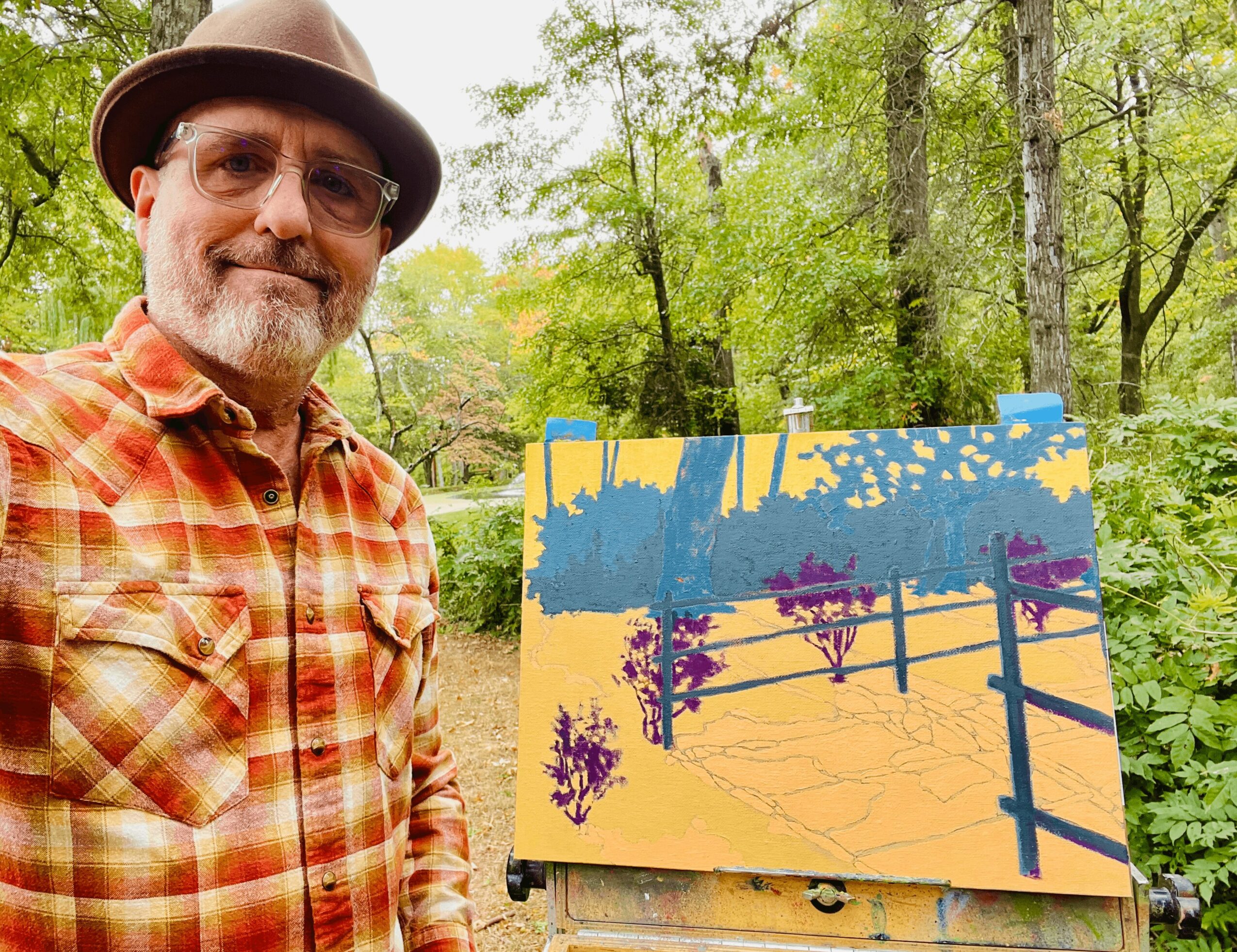
Today we’d like to introduce you to Wes Sherman.
Hi Wes, we’re thrilled to have a chance to learn your story today. So, before we get into specifics, maybe you can briefly walk us through how you got to where you are today?
Wes Sherman Biography
Born in Olympia, WA in 1968 to Jim Sherman, Jr. and Doris Mitchell Sherman
My dad was a minister for 60 years. We moved every few years. Washington, Michigan, Indiana, and Tennessee. All those states before I turned 15.
My parents ended up in Shady Valley, TN, when I was 15 (and that’s where they have finally planted themselves for more than thirty years now). A few weeks after high school graduation, I moved to Nashville and into the dorms at Lipscomb University (then it was still called David Lipscomb College). I was able to go to college because of an athletic scholarship in track and cross-country. I got a Bachelor of Science in Biology and Physiology and graduated from Lipscomb in 1991.
I lived just shy of a year in Guatemala, ostensibly helping my uncle, Steve Sherman and his wife Magda, with their medical mission work. (At that age I’m not sure, I was much help, but the experience was life changing. Spending time there helped me in ways school couldn’t.)
I married Vonda Givens in 1992. We got engaged in Antigua, Guatemala. And shortly after that, we moved to Bryan, TX, where Vonda did her graduate work at Texas A&M. It was in Houston that I went to my first contemporary art museum and saw a retrospective of Kenneth Noland paintings. Shortly after seeing that exhibition, I started painting.
Vonda and I moved back to Nashville (1994). I did several odd jobs, spent many a night making donuts at Fox’s Donut Den. But I always put in as many hours (if not more) into my studio practice.
In 1995, we moved into a small old house on her family’s land. It had been built by Vonda’s father and grandfather in the1960s, and her parents had lived their when they were first married. We called it the shack. It was a shack, by that point. It sat on 100 acres of farmland in Centerville, TN. We wanted to have our Walden experience there. It was hardly idyllic, but it feels that way now—Vonda writing, me painting, and not much more to worry about.
While we were in Centerville, Vonda got a professor position in the Communications Department at our alma mater Lipscomb. And I started to teach at the local middle school. My first couple of years, I was the In- School Suspension teacher. Then I changed jobs and taught art at Nashville Christian Middle and High School. (It is during this time that I met artist and mentor Terry Thacker through a mutual artist friend Jeff Hand).
Around 2000, Vonda was given the opportunity to lead a study abroad program in Vienna Austria. We jumped at the chance. Our travels through Europe made me realize that I needed to go to graduate school. When we returned, I was accepted to Rutgers University’s Mason Gross School of the Arts in New Brunswick, NJ. It turned out that 33 was the perfect age for me to undertake my first, last, and only formal art education. I came into my own in graduate school and began to understand myself as an artist. I had a great time in grad school and met a lot of great artists— Suzanne Joelson, Martin Puryear, Jonathan Lasker, Catherine Murphy, Steven Westfall, and John Yau, to mention a few. My thesis committee consisted of three artists I greatly admired: Gary Kuehn, Thomas Nozkowski, and Hanneline Røgeberg. The conversations and what I learned from the three of them was incredible. They were so generous.
After graduate school, for a couple of years, I was Gary Stephan’s studio assistant at his home and studio on Canal Street in NYC. On my workdays, Gary made a point of introducing me to his interesting friends and artists. I’ve never had better conversations with more fascinating people. He has been a mentor to me ever since.
The influence of Terry Thacker, Tom Nozkowski and Gary Stephan helped shape me into the artist that I am today. I am indebted to each of them for their guidance on my journey.
I’m sure it wasn’t obstacle-free, but would you say the journey has been fairly smooth so far?
In the early 1990s, I was completely new to painting and learned mostly through trial and error. I didn’t know much about art, so I taught myself by reading books—especially an art appreciation textbook my wife, Vonda, had used in college. That book became an invaluable resource. It introduced me to art history, materials, color theory, and the elements and principles of design. Armed with that knowledge, I spent countless hours making master copies of paintings that inspired me.
The challenge was that I had no one to tell me what I was doing wrong. I didn’t have a mentor who could point out weaknesses in my compositions or explain why certain materials worked better than others. That changed when I met Terry Thacker, a painting professor in Nashville. Terry not only taught me how to paint, but more importantly, he taught me how to think like an artist.
Over the next several years, Terry played a pivotal role in my development. He helped me build a portfolio for graduate school, challenged me to raise my standards, and generously invested his time and knowledge in me. I’m deeply grateful for his mentorship, and I’m fortunate to still call him a friend.
The struggle didn’t end there. One of the ideas I often share with my students is that the tension between ability and ambition never goes away. In fact, I think it shouldn’t. If I can already make the painting I imagine before I begin, then I’m probably not asking enough of myself. I want my ambition to stay just beyond my abilities because that’s where growth happens. Every painting becomes an opportunity to learn—not just about technique, but about memory, emotion, perception, and what it means to be human.
Painting has never become easy, and I hope it never does. The challenge is what keeps it alive. On the best days, all of those struggles come together on the canvas and become something worth sharing with others.
Thanks for sharing that. So, maybe next you can tell us a bit more about your work?
In the early 1990s, I was completely new to painting and learned mostly through trial and error. I didn’t know much about art, so I taught myself by reading books—especially an art appreciation textbook my wife, Vonda, had used in college. That book became an invaluable resource. It introduced me to art history, materials, color theory, and the elements and principles of design. Armed with that knowledge, I spent countless hours making master copies of paintings that inspired me.
The challenge was that I had no one to tell me what I was doing wrong. I didn’t have a mentor who could point out weaknesses in my compositions or explain why certain materials worked better than others. That changed when I met Terry Thacker, a painting professor in Nashville. Terry not only taught me how to paint, but more importantly, he taught me how to think like an artist.
Over the next several years, Terry played a pivotal role in my development. He helped me build a portfolio for graduate school, challenged me to raise my standards, and generously invested his time and knowledge in me. I’m deeply grateful for his mentorship, and I’m fortunate to still call him a friend.
The struggle didn’t end there. One of the ideas I often share with my students is that the tension between ability and ambition never goes away. In fact, I think it shouldn’t. If I can already make the painting I imagine before I begin, then I’m probably not asking enough of myself. I want my ambition to stay just beyond my abilities because that’s where growth happens. Every painting becomes an opportunity to learn—not just about technique, but about memory, emotion, perception, and what it means to be human.
Painting has never become easy, and I hope it never does. The challenge is what keeps it alive. On the best days, all of those struggles come together on the canvas and become something worth sharing with others.
How do you think about happiness?
Happiness, for me, isn’t a permanent state. It’s something that appears in moments, often when I’m paying close attention. I find it in simple things—a good cup of coffee, walking my dog, playing catch, or long conversations with my wife about creativity and the relationship between painting and writing.
Of course, much of my happiness comes from the studio. There are those rare moments when, after hours or even days of struggling with a painting, the colors, composition, and marks suddenly fall into place. The painting begins to sing. It’s impossible to predict or force, which is exactly what makes those moments so meaningful. They never last, and they can’t be repeated on demand. The next day, you’re back in the studio, facing another blank canvas and another set of questions.
I’ve come to think of the creative process as a reflection of life itself—full of uncertainty, setbacks, breakthroughs, and quiet moments of grace. I’ve always loved the story of the Chinese farmer who responds to every twist of fate by saying, “Maybe.” It’s a reminder that success and failure are rarely as clear as they seem in the moment. In many ways, happiness comes from embracing that uncertainty and remaining open to whatever comes next.
Contact Info:
- Website: https://www.wessherman.net
- Instagram: https://www.instagram.com/wes_sherman/
- Facebook: https://www.facebook.com/wes.sherman.19459
- LinkedIn: https://www.linkedin.com/in/james-wesley-sherman-8b52b929/
- Youtube: https://www.youtube.com/@wessherman2672
- Soundcloud: https://www.wessherman.net/books-on-amazon
- Other: https://www.bonfire.com/store/wes-sherman-studio/