



Today we’d like to introduce you to Jordanna Spaulding.
Hi Jordanna, so excited to have you with us today. What can you tell us about your story?
Jordanna Spaulding is the Founder and CEO of COMPASS Learning Advantage and a human-centered learning designer whose work focuses on a fundamental question: **What does a person need in order to learn, participate, and perform successfully?**
A New Jersey-licensed special education teacher with 24 years of experience, Jordanna began her career working directly with children across early childhood education, literacy, behavior support, individualized instruction, and play-based learning. Years of collaboration with occupational, physical, and speech therapists expanded that perspective, teaching her to look beyond a single skill or behavior and consider how communication, movement, regulation, environment, expectations, and relationships interact.
That multidisciplinary lens became the foundation of her work.
Jordanna learned early that when someone is struggling, the answer is not always more practice, more effort, or higher expectations. A child who appears distracted may need movement. A learner avoiding a task may not fully understand what is being asked. A person struggling to perform may be working within an environment, communication structure, or system that creates unnecessary barriers.
For Jordanna, behavior is information.
Her expertise lies in identifying what may be interfering with success and designing the environment, instruction, communication, or experience differently so people have a stronger opportunity to access their abilities.
That philosophy led Jordanna to found COMPASS Learning Advantage in Hoboken.
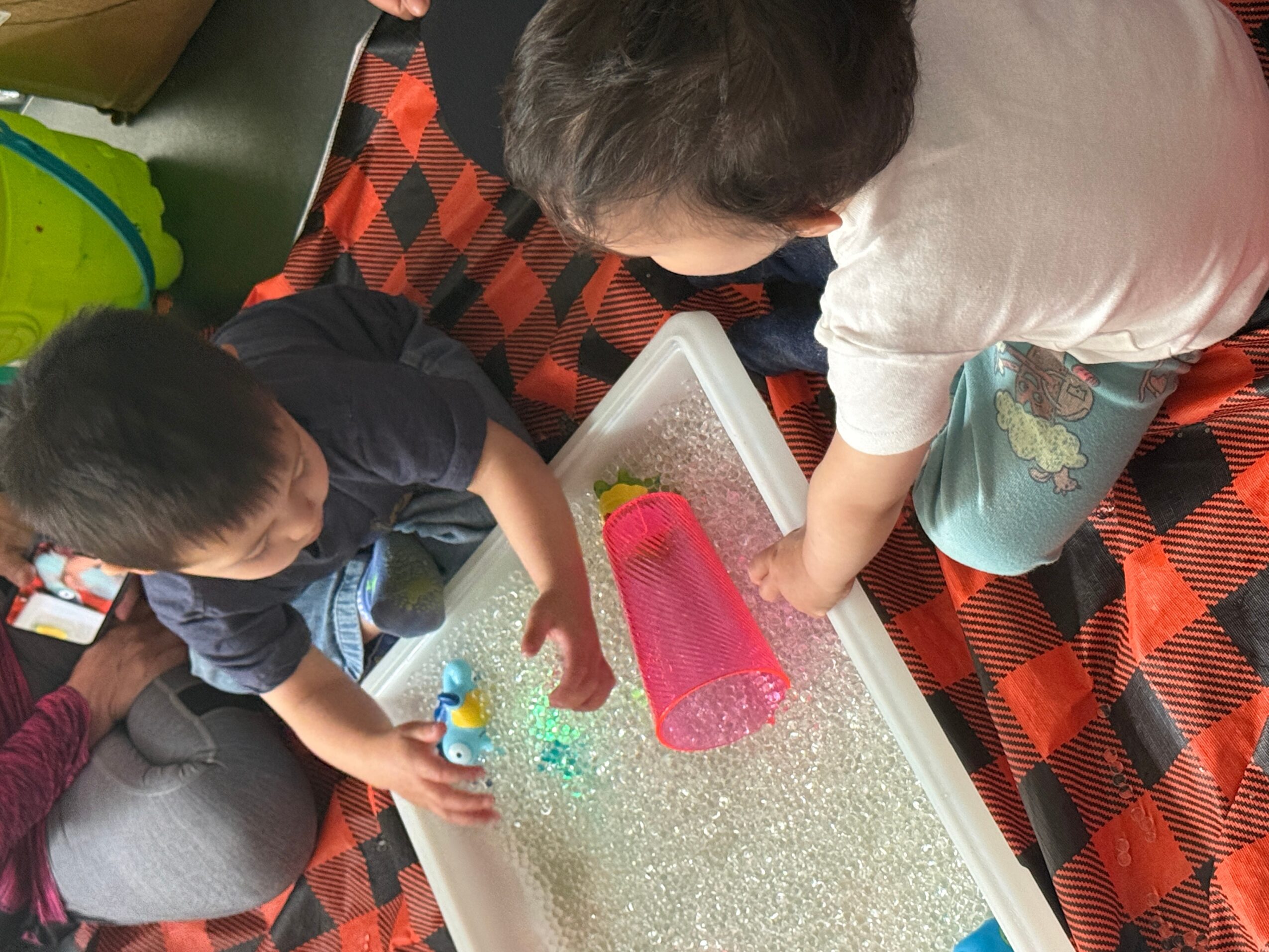
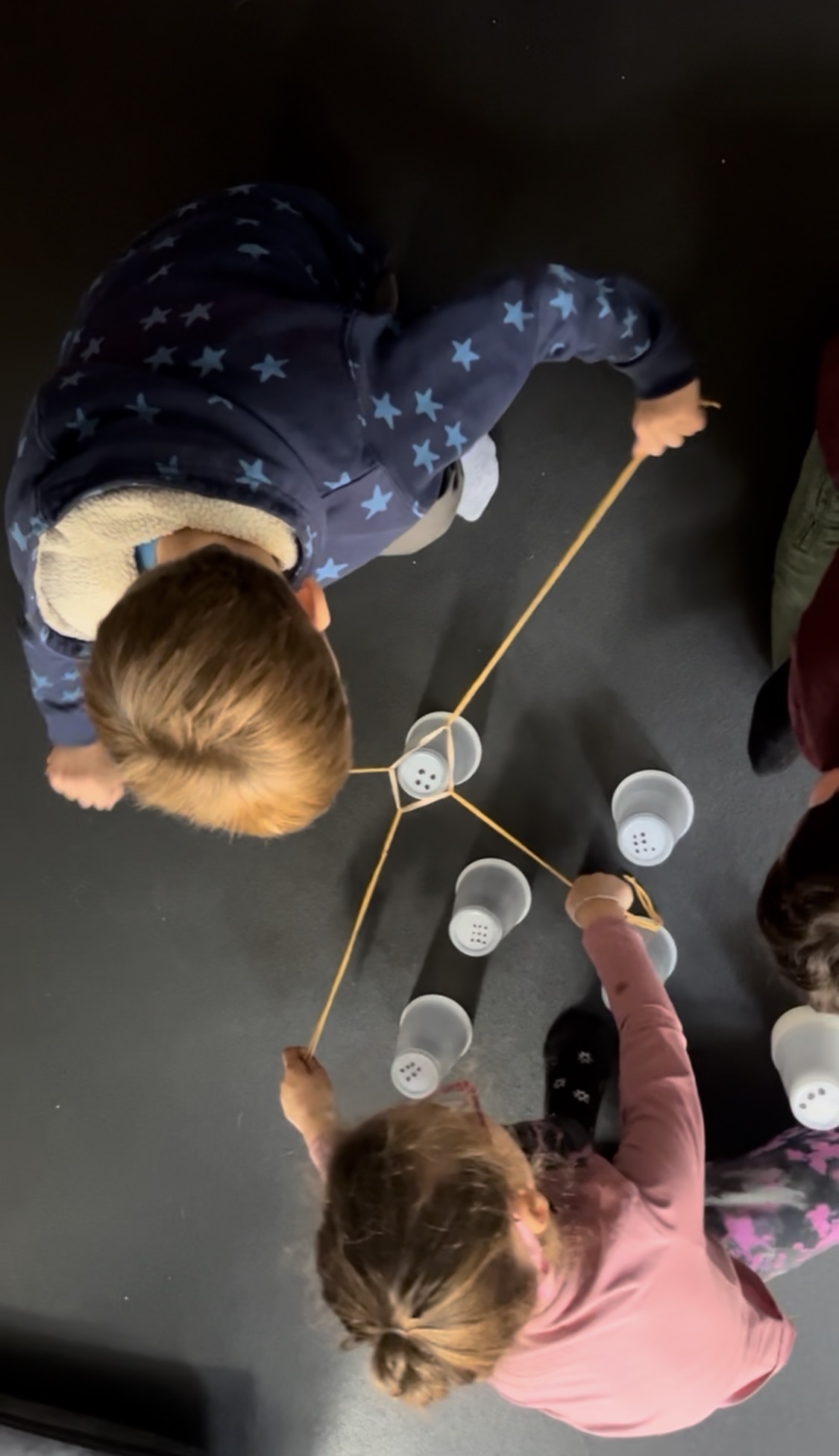
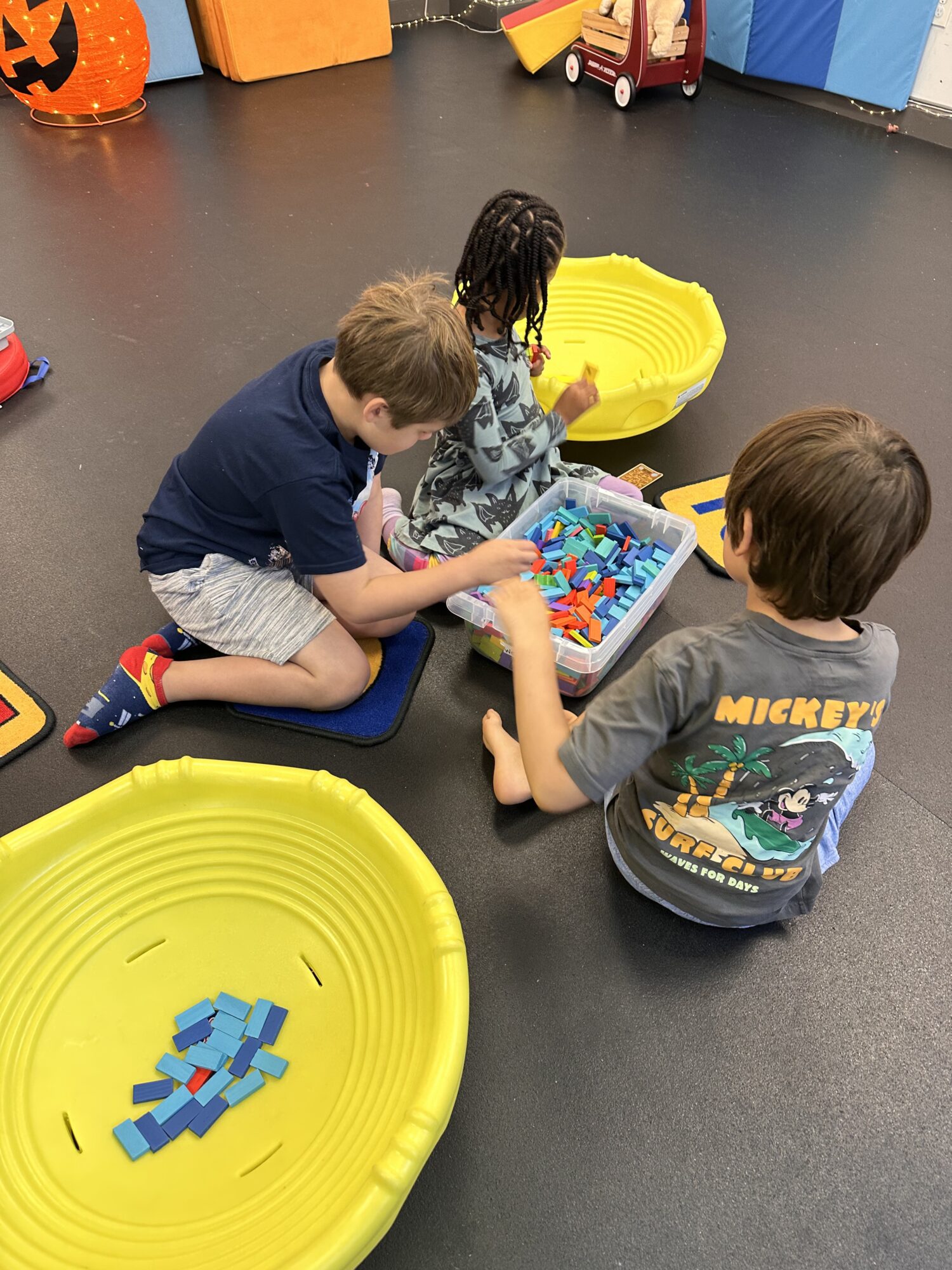
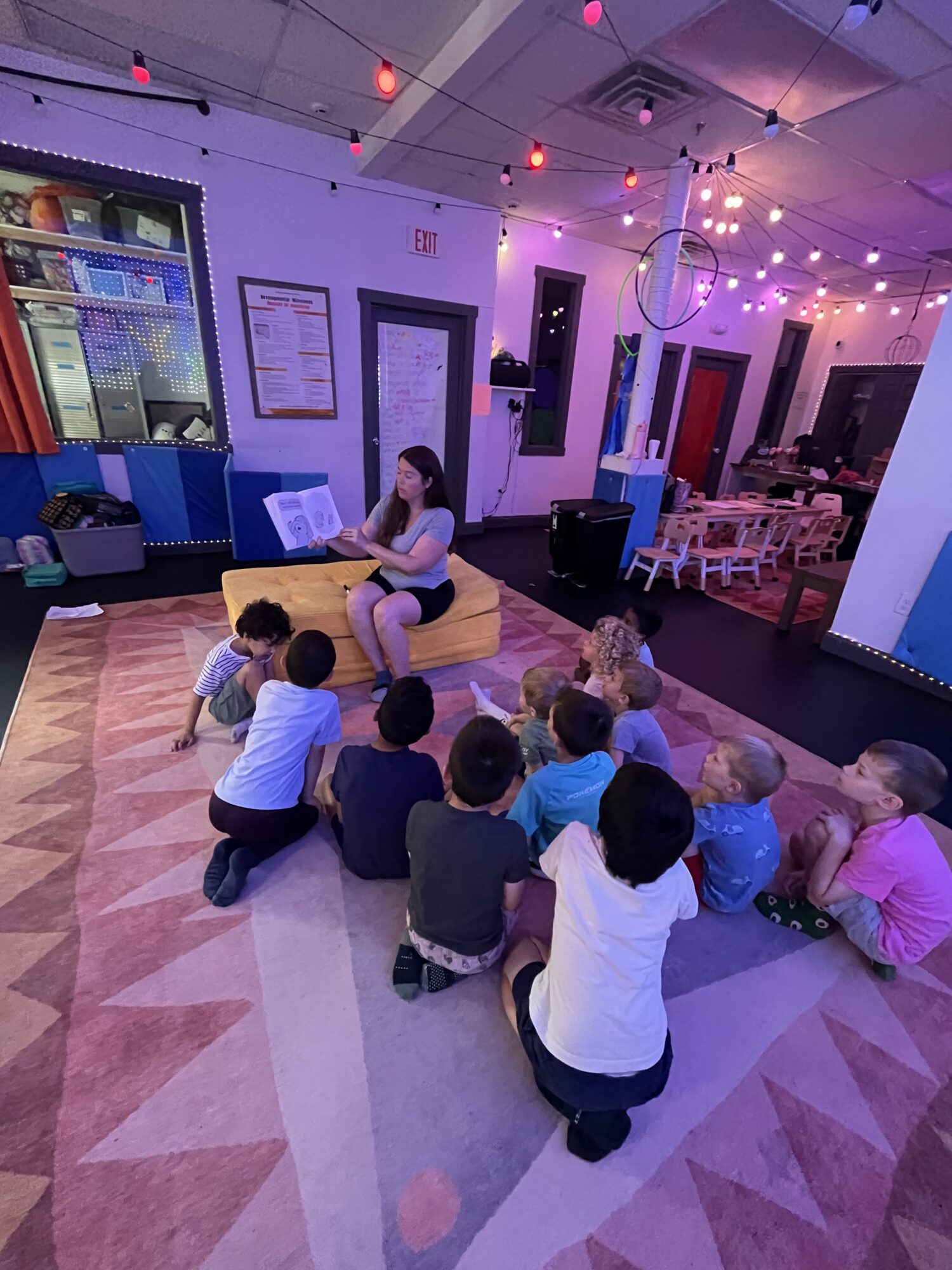
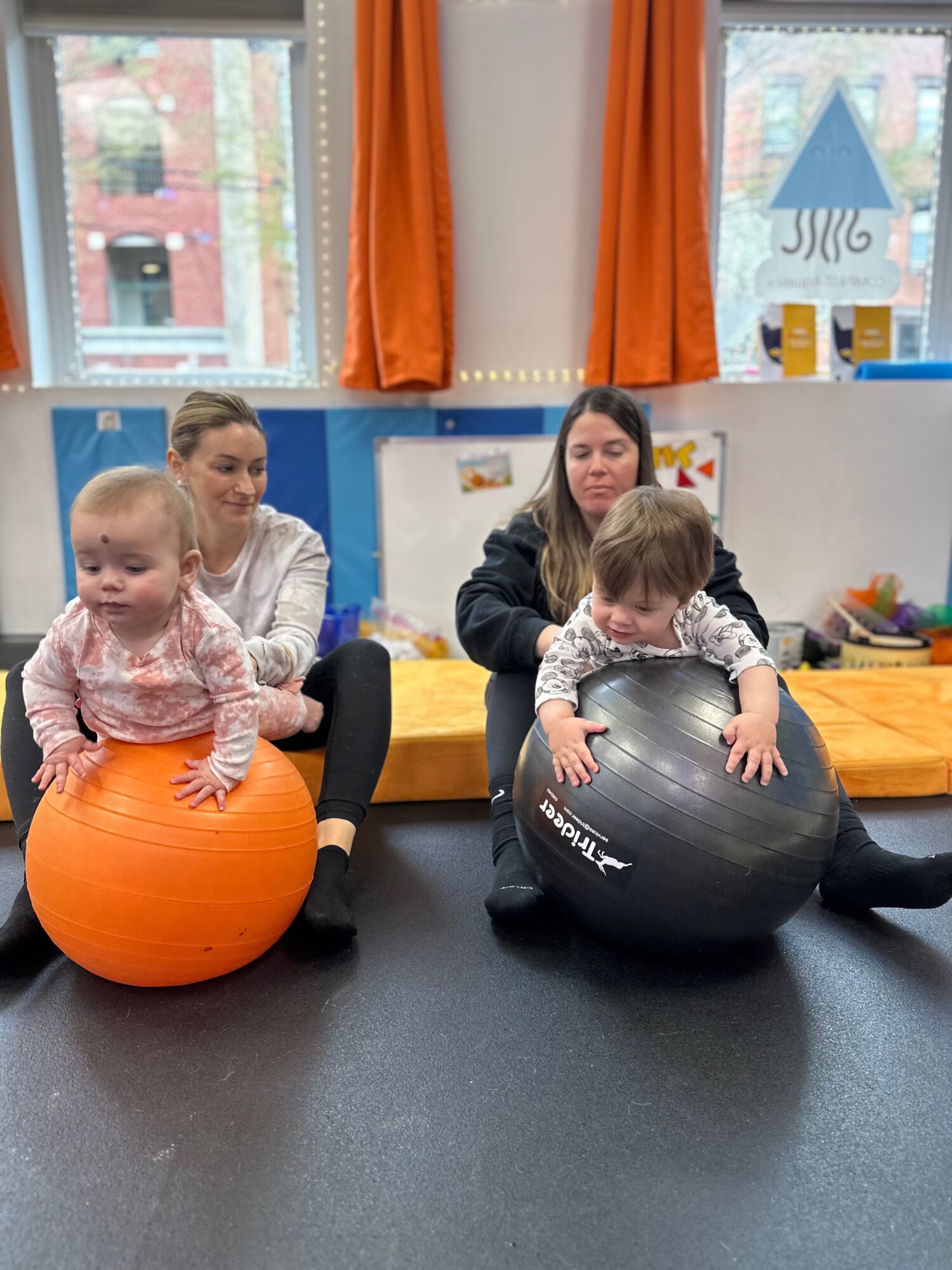
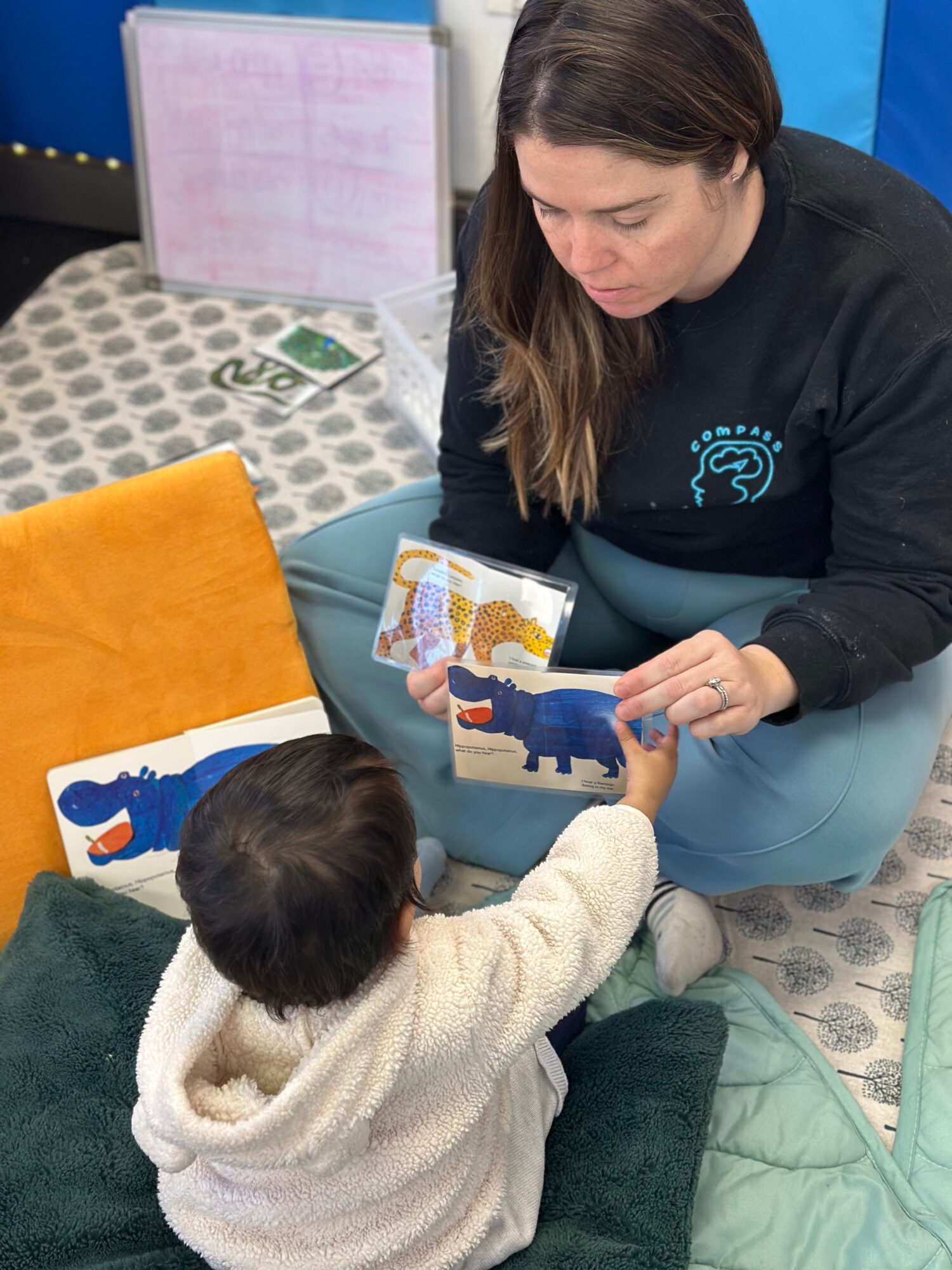
COMPASS began as a children’s learning and enrichment company and has grown to include early childhood development, academics, reading support, social learning, aquatics, camps, and enrichment. While those programs may look very different from one another, they share the same methodology: **understand the learner first, then design the experience around what supports meaningful growth.**
Rather than relying on a standardized corporate curriculum and expecting every child to adapt to it, COMPASS programming is intentionally designed using established practices from special education, literacy, child development, behavior, movement, and purposeful play, then refined through careful observation of the children actually participating.
Jordanna’s background in special education taught her to anticipate differences from the beginning rather than wait until someone struggles and then make accommodations. Over time, she recognized something much larger: **designing for individual differences does not only benefit people with identified needs. It creates stronger environments for everyone.**
That realization is shaping the next chapter of her work.
Jordanna is now extending the principles she has spent decades applying with children into parent education, schools, institutions, and workplaces. The environments change, but many of the human variables remain the same. Children, parents, teachers, employees, and leaders all differ in how they process information, communicate, organize, regulate, respond to expectations, and perform within a given environment.
Through workshops and consulting, Jordanna is developing ways to help business leaders and HR teams better understand the people they hire and manage. Her approach begins with observable human behavior rather than labels: Where is communication breaking down? Are expectations clear? What creates unnecessary friction? Does the environment support focus and productivity? Is a performance concern about ability, or could workflow, management style, structure, or communication be limiting success?
The goal is not to lower expectations. It is to create better conditions for meeting them—strengthening communication, productivity, retention, and the value organizations receive from the people they have already invested in.
She is bringing the same approach to schools and institutions, helping instructional and administrative teams examine how leadership, communication, expectations, and environment influence performance and belonging.
Jordanna is also expanding her work with parents. As more adults begin to recognize and understand their own neurodivergence, many are gaining new insight into their communication, regulation, organization, and processing patterns while simultaneously trying to support those same differences in their children. Her parent education work helps families translate that self-awareness into practical strategies that strengthen relationships and create more effective support at home.
To Jordanna, these are not separate fields of work. They are different applications of the same human-centered principle.
Her career began by asking how to create better learning environments for children. The work has evolved into a broader mission: helping homes, schools, and workplaces recognize the human before the label, role, or performance concern.
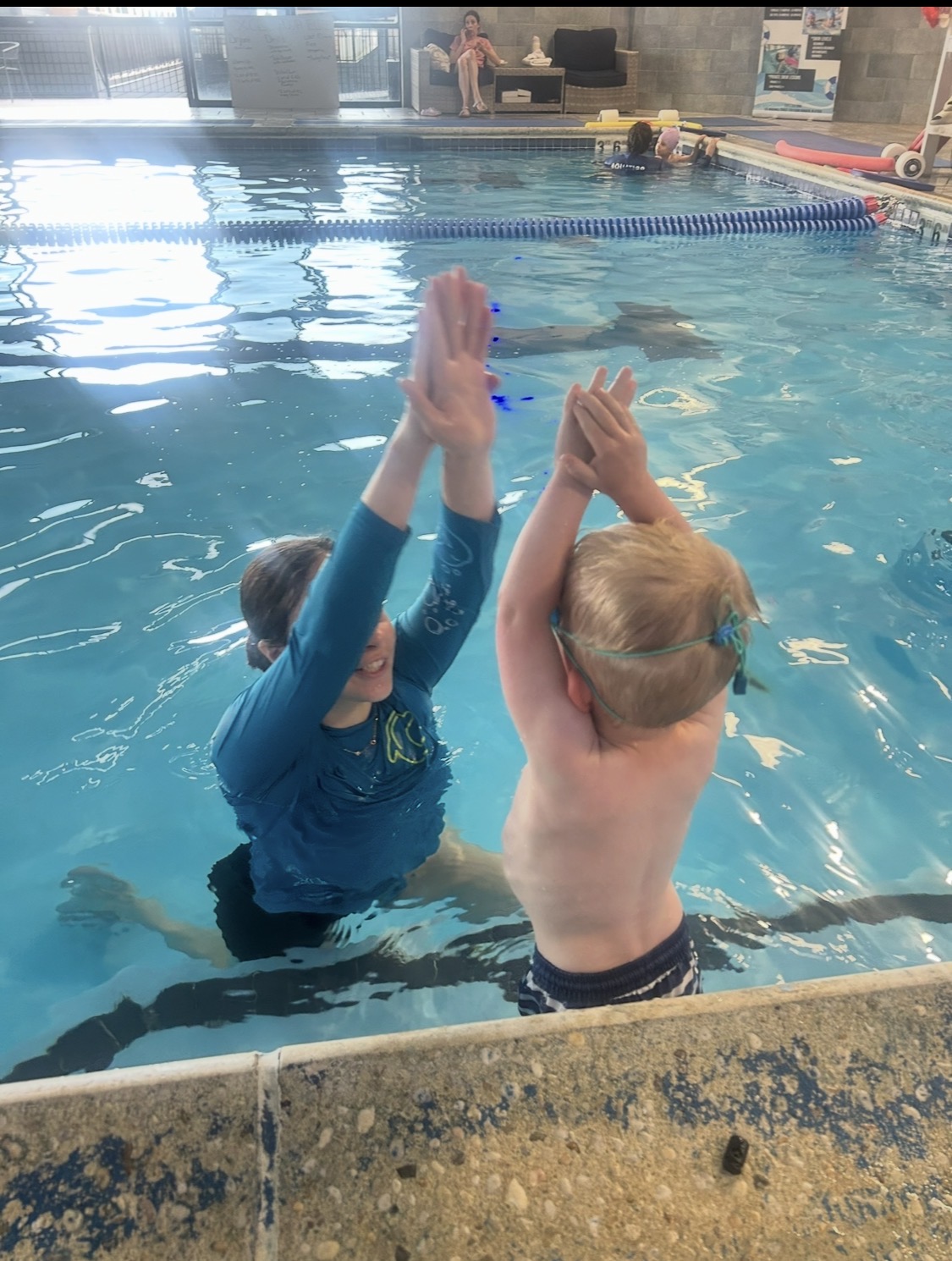
Jordanna received an Outstanding Leadership Award for her contributions to education and learning at the 2022 Education 2.0 Conference and completed the Goldman Sachs entrepreneurship program that same year. Under her leadership, COMPASS Aquatics was named Best Swim School in Hudson County in 2024.
Across every environment in which she works, Jordanna’s philosophy remains consistent:
**When something is not working, do not begin by asking what is wrong with the person. Ask what the person is experiencing, what the environment is asking of them, and what can be designed differently to support success.**
That is the work Jordanna hopes to continue expanding: creating a more inclusive world by understanding the human first and designing from there.
Can you talk to us a bit about the challenges and lessons you’ve learned along the way. Looking back would you say it’s been easy or smooth in retrospect?
It definitely has not been a smooth road—and I think some of the most important parts of COMPASS were shaped by the moments when the original plan stopped working.
One of the greatest challenges has been building a business that does not fit neatly into an existing category. COMPASS was never intended to be simply a tutoring center, swim school, camp program or children’s enrichment company. The vision was to create programming around how children actually learn and develop, which meant building many of our systems, curriculum and experiences from the ground up rather than following an established model.
That has been incredibly rewarding, but it also means constantly balancing what I know is best for children with the realities of running a sustainable business.
The pandemic was one of the clearest examples. Like so many businesses serving children, everything changed almost overnight. But I also knew that the children we worked with were suddenly losing school routines, friendships, activities and a sense of community all at once. At that moment, the immediate question was not, “How do we preserve the business model?” It was, “What do these children need right now?”
We began providing approximately 20 hours of free virtual social programming each week. Financially, it was certainly not the obvious business decision, but it was the right decision for the community we served. That period ultimately helped shape COMPASS Adventures, our academic programming and the larger vision for what COMPASS could become.
Another learning curve has been becoming an entrepreneur after spending much of my career as an educator. Understanding children and designing strong programming came naturally to me. Learning how to translate that expertise into pricing, marketing, operations, staffing, systems and sustainable growth required an entirely different skill set. There have been plenty of moments when I have had to learn something I did not know, rethink something that was not working or make a difficult decision without having a perfect answer.
I have also learned that growth itself can be challenging. Every time COMPASS expands, I have to ask whether the new program still reflects the reason I started the company in the first place. Growth is exciting, but I never want growth for its own sake. I want to build something that remains thoughtful, personal and responsive to the children and families we serve.
The road has required a lot of flexibility and humility, but it has also strengthened my conviction about what COMPASS should be. I have learned that sometimes the obstacle is not evidence that the idea is wrong—it is an invitation to understand the problem more deeply and design a better solution.
In many ways, that is exactly how I approach children, too. When something is not working, I do not immediately assume the person is the problem. I look at the environment, the expectations, the strategy and what needs to change.
That mindset has shaped both the way I teach and the way I have learned to build COMPASS.
Thanks – so what else should our readers know about your work and what you’re currently focused on?
At COMPASS Learning Advantage, we design children’s programming around one core idea: **understand the learner first, then build the experience around what helps that child succeed.**
My background spans special education, early childhood development, literacy, behavior support, individualized instruction and play-based learning, along with years of collaboration with occupational, physical and speech therapists. That multidisciplinary experience taught me to look at children as whole learners. Attention, movement, communication, behavior, confidence and development are interconnected—and effective programming should reflect that.
That is what I specialize in: identifying what is getting in the way of success and designing a better path forward.
COMPASS now includes early childhood programming, reading and academic support, Brain Power, social learning, aquatics, camps and enrichment. The programs may look different, but the methodology is consistent. We consider what a child is being asked to do, what skills are required, what may be creating difficulty, and how instruction or environment can be adjusted to support meaningful progress.
What sets COMPASS apart is that we design for differences from the beginning. My background in special education taught me not to wait until a child struggles before making changes. When programming anticipates different ways of learning, communicating and participating, the experience becomes stronger for everyone.
We are not a franchise and we do not rely on a one-size-fits-all curriculum. Our programs are built from evidence-based practices in education, literacy, behavior, child development, movement and purposeful play, then refined through careful observation of the children in front of us.
What I am most proud of is that COMPASS has grown without losing that philosophy.
For me, success is the child who begins to participate when they usually hold back. The child who thought they were “bad at reading” and realizes they can understand a story. The swimmer who replaces fear with confidence. The parent who begins to see not only where their child needs support, but how much their child is capable of.
That is what I want COMPASS to be known for: **seeing the whole child, understanding what they need, and creating the conditions for them to succeed.**
So, before we go, how can our readers or others connect or collaborate with you? How can they support you?
There are several ways to work with or support COMPASS, and the next chapter of my work is a natural extension of what I have spent 24 years learning.
COMPASS began with children, but the principles behind the work are universal. People are more successful when we understand how they communicate, process information, respond to expectations, regulate, organize, and interact with their environment.
Families can continue to work with us through COMPASS academic, early childhood, aquatics, camp, and enrichment programs. We also welcome partnerships with educators, therapists, schools, and community organizations that want to create more thoughtful and inclusive learning environments.
I am now bringing this same lens into workplaces and institutions.
For businesses and HR leaders, I am developing workshops and consulting designed to help organizations better understand the people they hire and lead. The work begins with observable human behavior rather than labels: How does someone communicate best? Where is unnecessary friction occurring? Are expectations clear? Is the environment supporting focus? Is a performance concern truly about ability, or is communication, structure, management style, or workflow getting in the way?
The goal is practical: strengthen communication, productivity, retention, and the return organizations receive from the people they have already invested in. These strategies can be particularly valuable for neurodivergent employees, but thoughtful work design benefits entire teams.
I am bringing the same approach to schools and other institutions, working with instructional and administrative teams to examine how communication, leadership, expectations, and environment influence performance and belonging.
Parent education is another area I am expanding. As more adults begin to recognize and understand their own neurodivergence, many are also seeing their children—and their parenting—through a new lens. My workshops help parents better understand their own patterns of communication, regulation, and processing, then translate that awareness into practical strategies that strengthen relationships and support their children more effectively.
These are not separate areas of work. They are different applications of the same expertise.
A child, parent, teacher, employee, and leader may occupy different roles, but each is a human being operating within an environment that can either support or limit their success.
My larger mission is to help shift the question from **“What is wrong with this person?”** to **“What is this person experiencing, and what conditions would help them succeed?”**
That is what human-first inclusion means to me.
It is not about lowering expectations. It is about removing unnecessary barriers, improving communication, and designing environments that recognize that people do not all learn, work, communicate, or perform in the same way.
Whether through COMPASS programming, professional workshops, consulting, parent education, or collaborative partnerships, the goal remains the same: **understand the human first, then design the conditions for success.**
Contact Info:
- Website: https://www.compasslearningadvantage.com
- Instagram: @compasslearningadvantage
- Facebook: compasslearningadvantage
- Youtube: compasslearningadvantage5466
- Yelp: https://www.yelp.com/biz/compass-learning-advantage-hoboken