




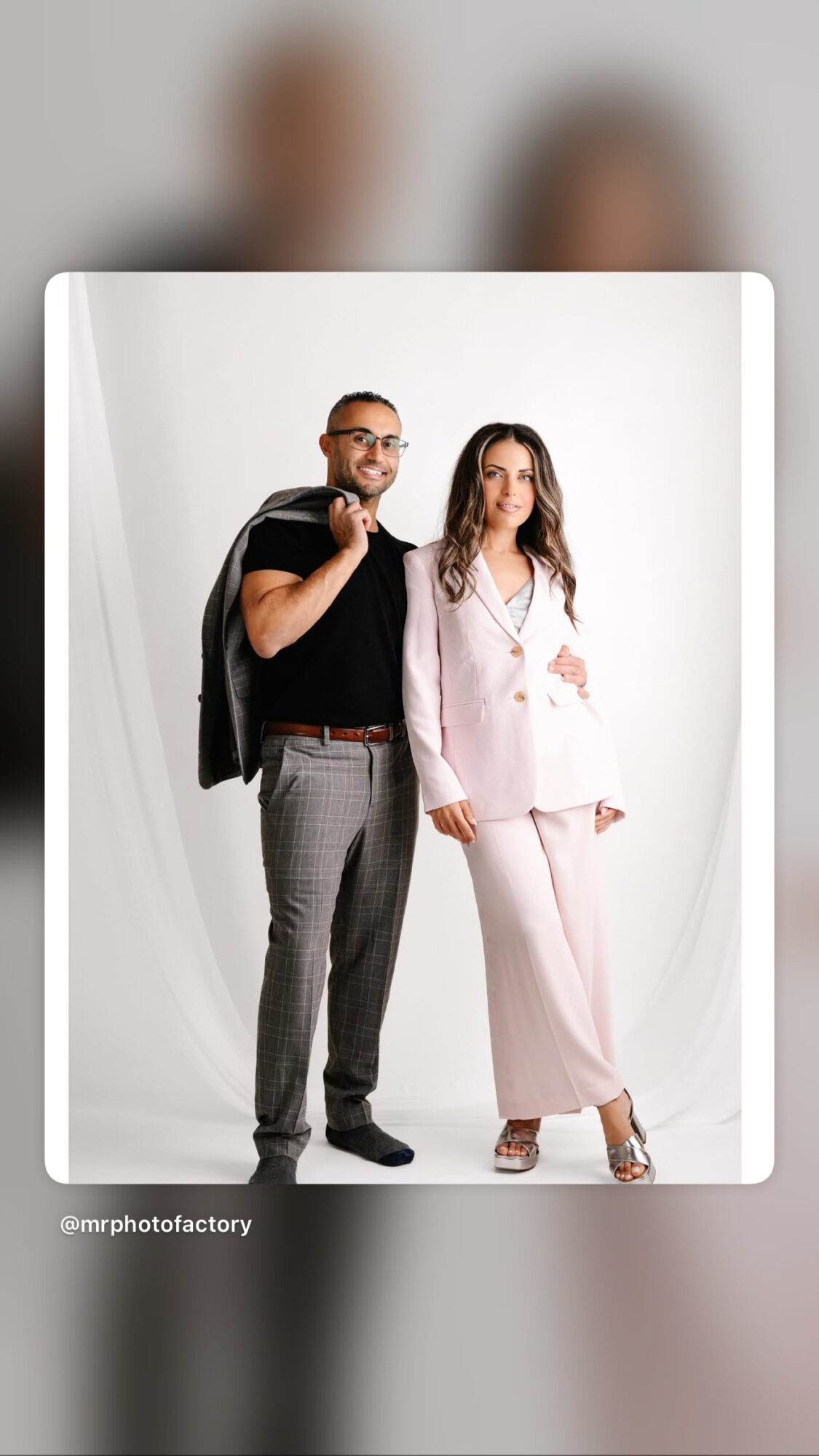
Today we’d like to introduce you to Ramy Makary.
Alright, so thank you so much for sharing your story and insight with our readers. To kick things off, can you tell us a bit about how you got started?
Honestly, M&R Photo Factory started pretty organically. Maria and I have always had a passion for photography, and what started as something we really enjoyed doing slowly turned into something much bigger.
In the beginning, we were just taking on shoots, learning, experimenting, and trying to get better with every session. We photographed families, engagements, babies, and eventually started doing more and more weddings. And somewhere along the way, we realized, “Wait… this could actually become a business.”
What really hooked us was the people. Photography isn’t just about taking a beautiful picture. Especially with weddings, you’re stepping into one of the most important days of someone’s life. You’re there for the excitement, the nerves, the family dynamics, the little moments that happen in between everything that’s planned. We realized we really loved being part of that.
So we started treating it less like a side passion and more like a real business. We invested in our equipment, our education, our marketing, and most importantly, in the client experience. We learned pretty quickly that being a great photographer is only one part of running a successful photography company. You have to understand sales, marketing, communication, business operations, and how to consistently deliver an experience that people trust.
Over the years, we’ve had the opportunity to photograph hundreds of families and weddings, including many different cultures and traditions. And that experience has really shaped who we are today.
I think one of the biggest things we’ve learned is that people aren’t just paying us for pictures. They’re trusting us with memories that they can never recreate. That’s a huge responsibility, and we don’t take that lightly.
Today, M&R Photo Factory has grown into a business we’re really proud of. But honestly, I still feel like we’re just getting started. We’re constantly looking at how we can improve, how we can give our clients an even better experience, and how we can continue building something that lasts—not just as photographers, but as a business and as a family.
And I think that’s probably the part of the journey I’m most proud of: we didn’t start with some huge master plan. We just kept getting better, kept showing up, kept taking care of our clients, and let the business grow from there.
Would you say it’s been a smooth road, and if not what are some of the biggest challenges you’ve faced along the way?
No, definitely not. I don’t think any business journey is completely smooth, and photography is no different.
One of the biggest challenges was learning how to transition from being a photographer to actually being a business owner. When you start out, you tend to think, “If I take great pictures, the business will take care of itself.” But that’s not how it works.
We had to learn sales, marketing, pricing, client communication, contracts, scheduling, finances, and how to build systems that allow you to deliver a consistent experience. And honestly, a lot of that was learned through trial and error.
There were also times when we questioned our pricing or wondered if we were charging too much, especially when we’d see competitors offering lower prices. That’s something we’ve really grown from. We’ve learned that you can’t build a sustainable business by constantly trying to be the cheapest option. You have to understand the value you’re providing and be confident in it.
Another challenge is that weddings are incredibly high-pressure. You don’t get a second chance. If something goes wrong, you can’t say, “Let’s just do that again next Saturday.” So we’ve had to become extremely good at planning, adapting, and staying calm when things don’t go according to plan—whether that’s weather, timelines running behind, difficult lighting, or something completely unexpected.
And probably the biggest lesson has been realizing that growth comes with growing pains. As the business became more successful, we had to become more intentional about what we take on, who we work with, and how we protect the quality of our work and the experience we give our clients.
So no, it hasn’t been a smooth road. But honestly, I’m grateful for that. The difficult moments forced us to become better photographers, better business owners, and better problem solvers.
Looking back, some of the challenges that felt like setbacks at the time ended up being the things that helped us build the business we have today.
Appreciate you sharing that. What else should we know about what you do?
Today, M&R Photo Factory really has two sides to the business, and I think that’s one of the things that makes us unique.
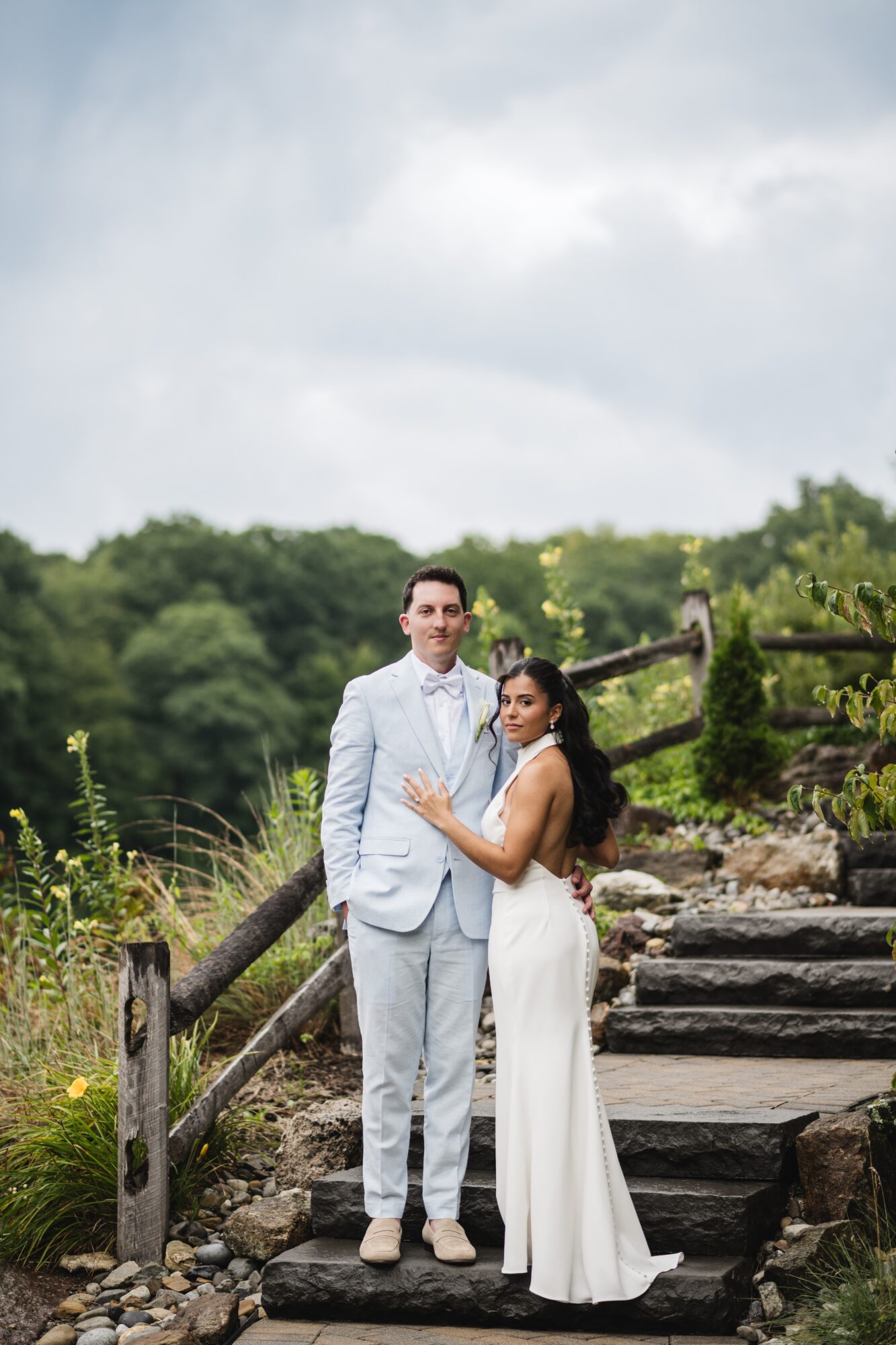
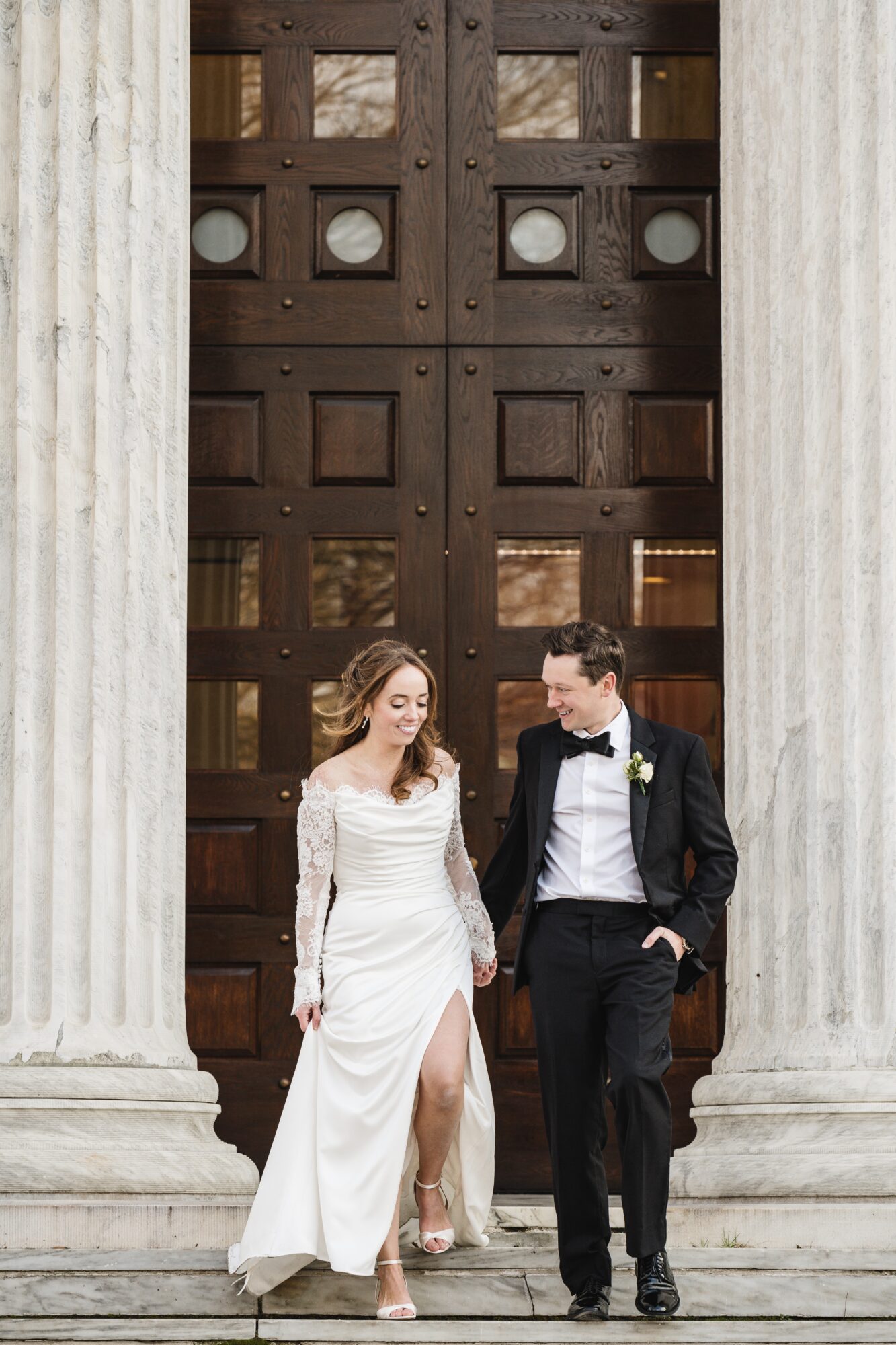
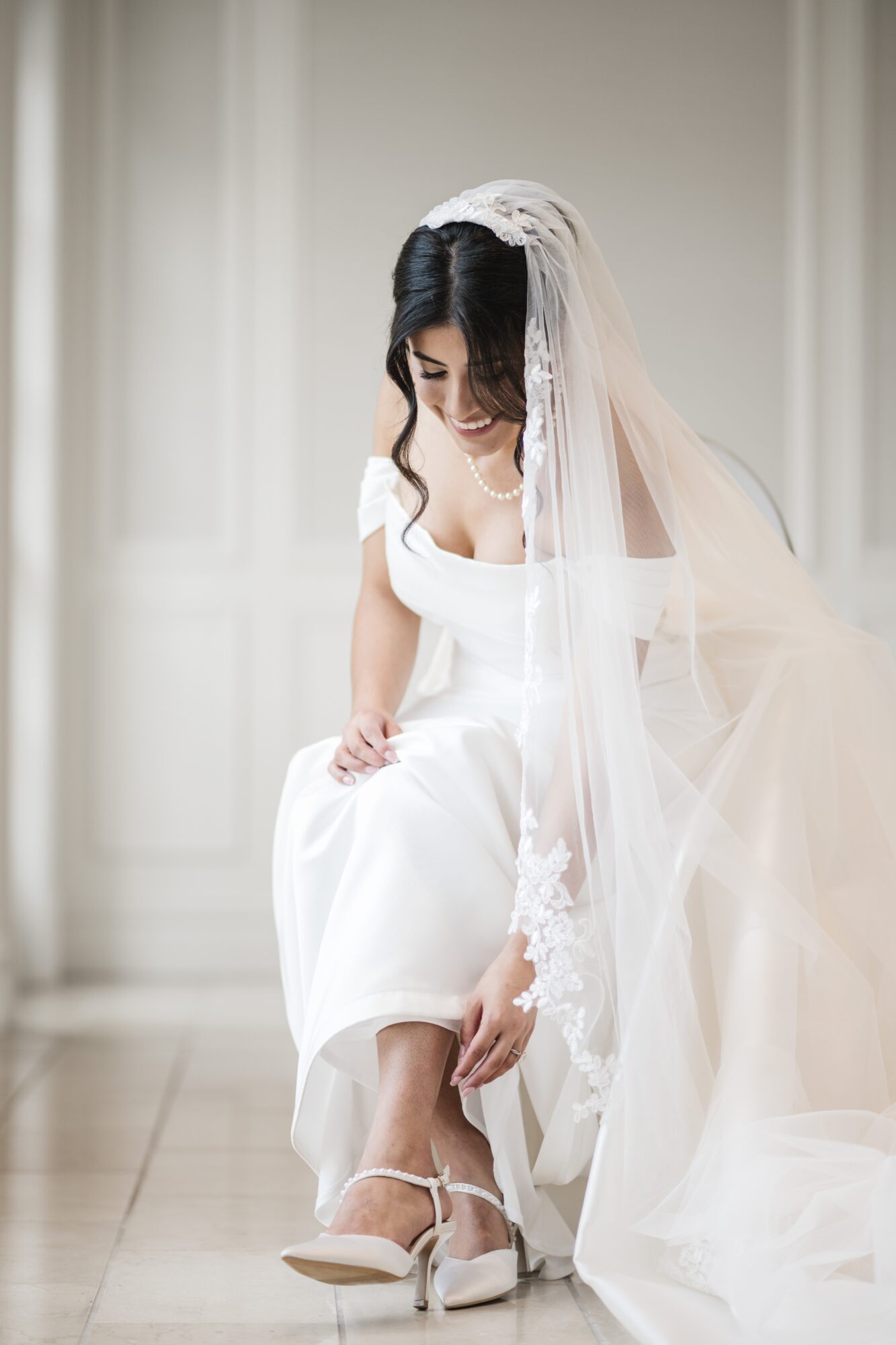
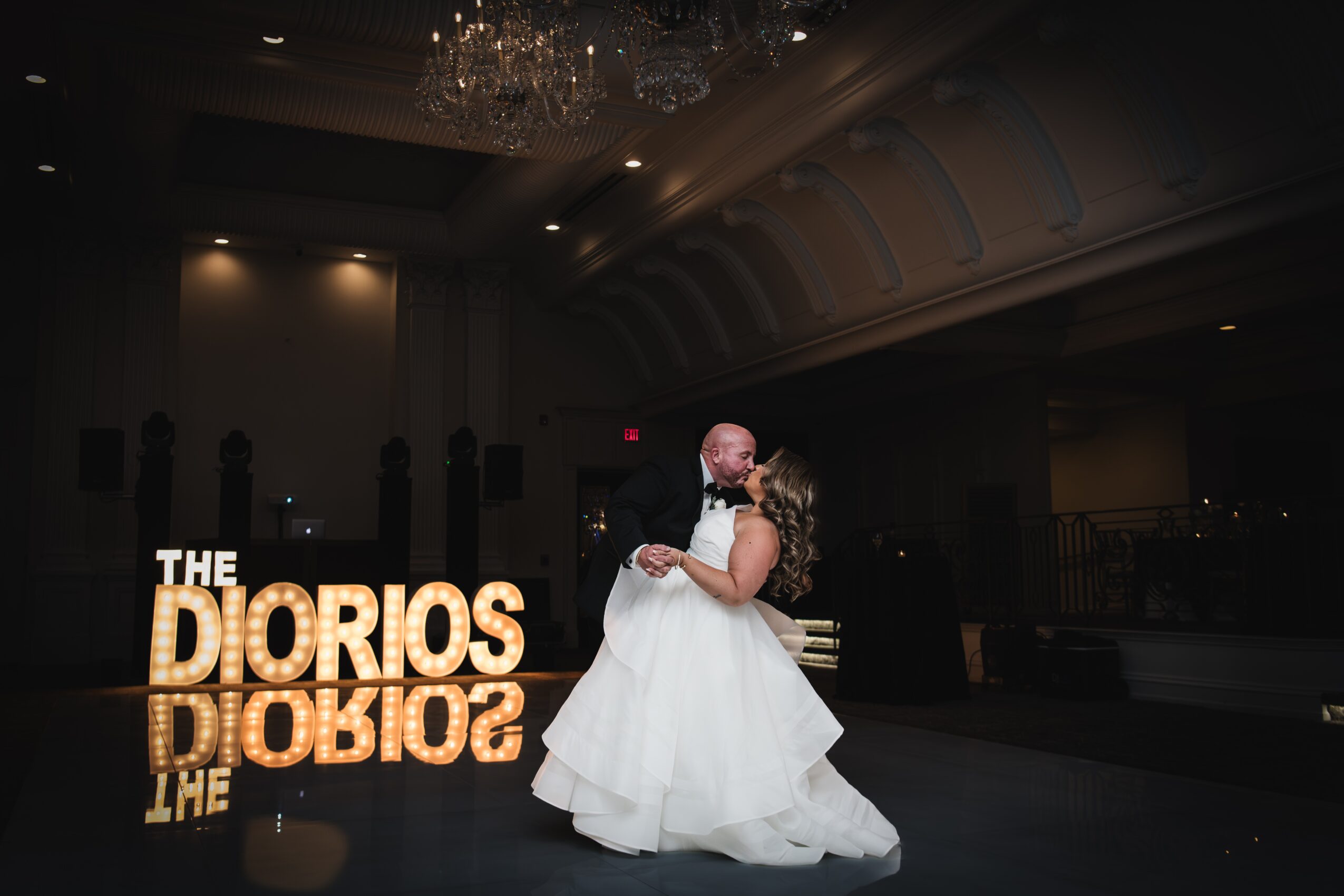
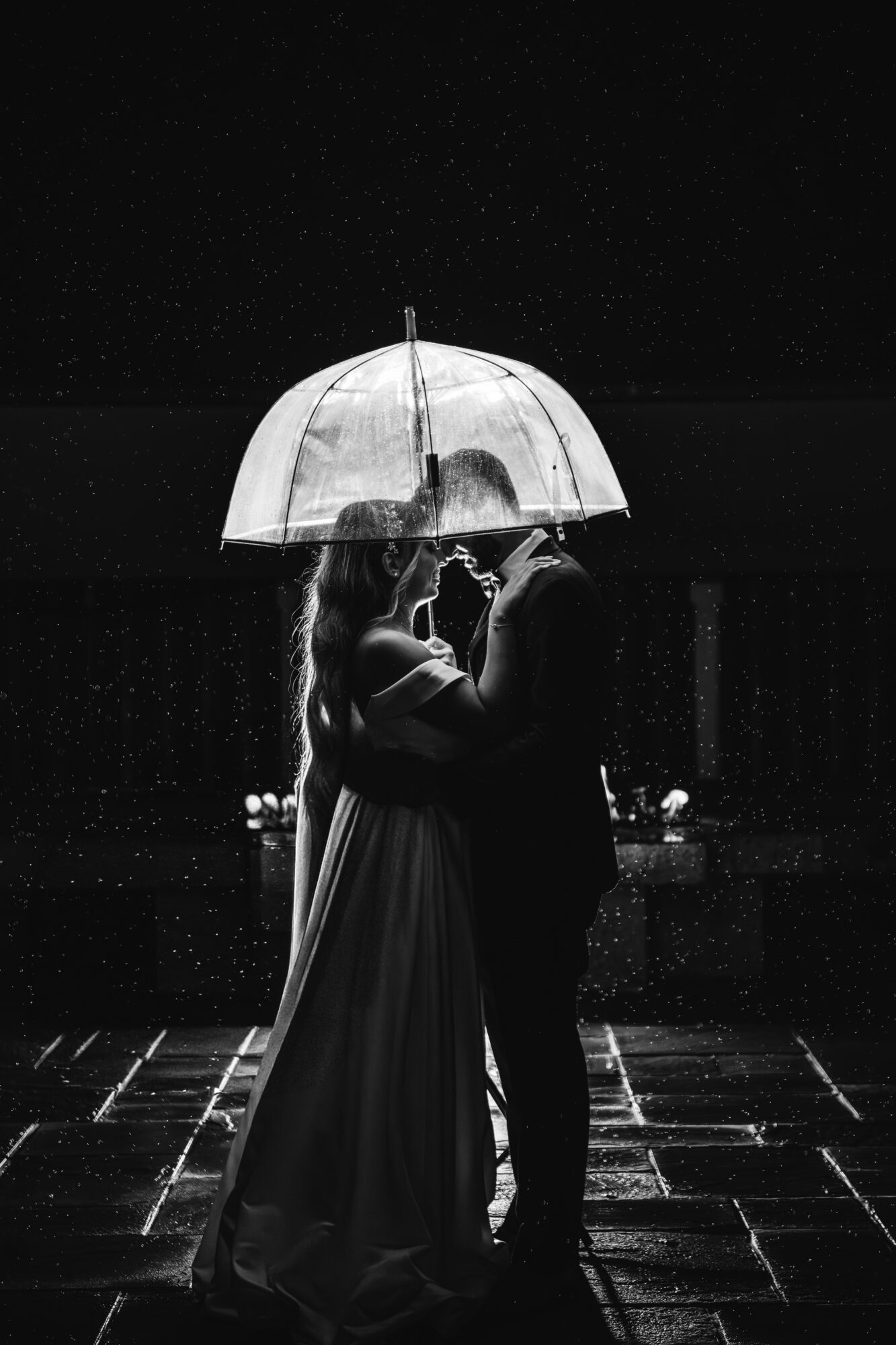
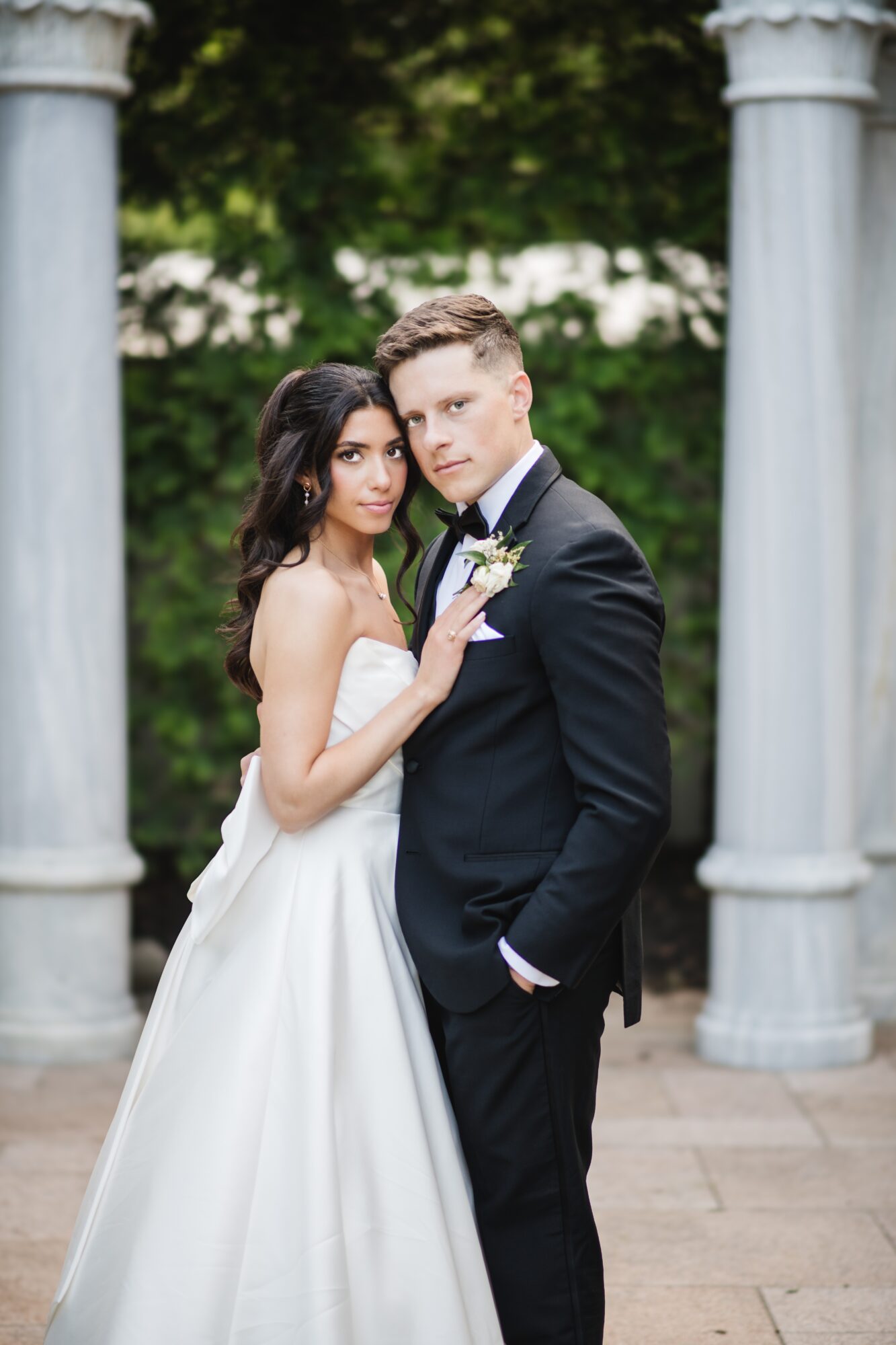
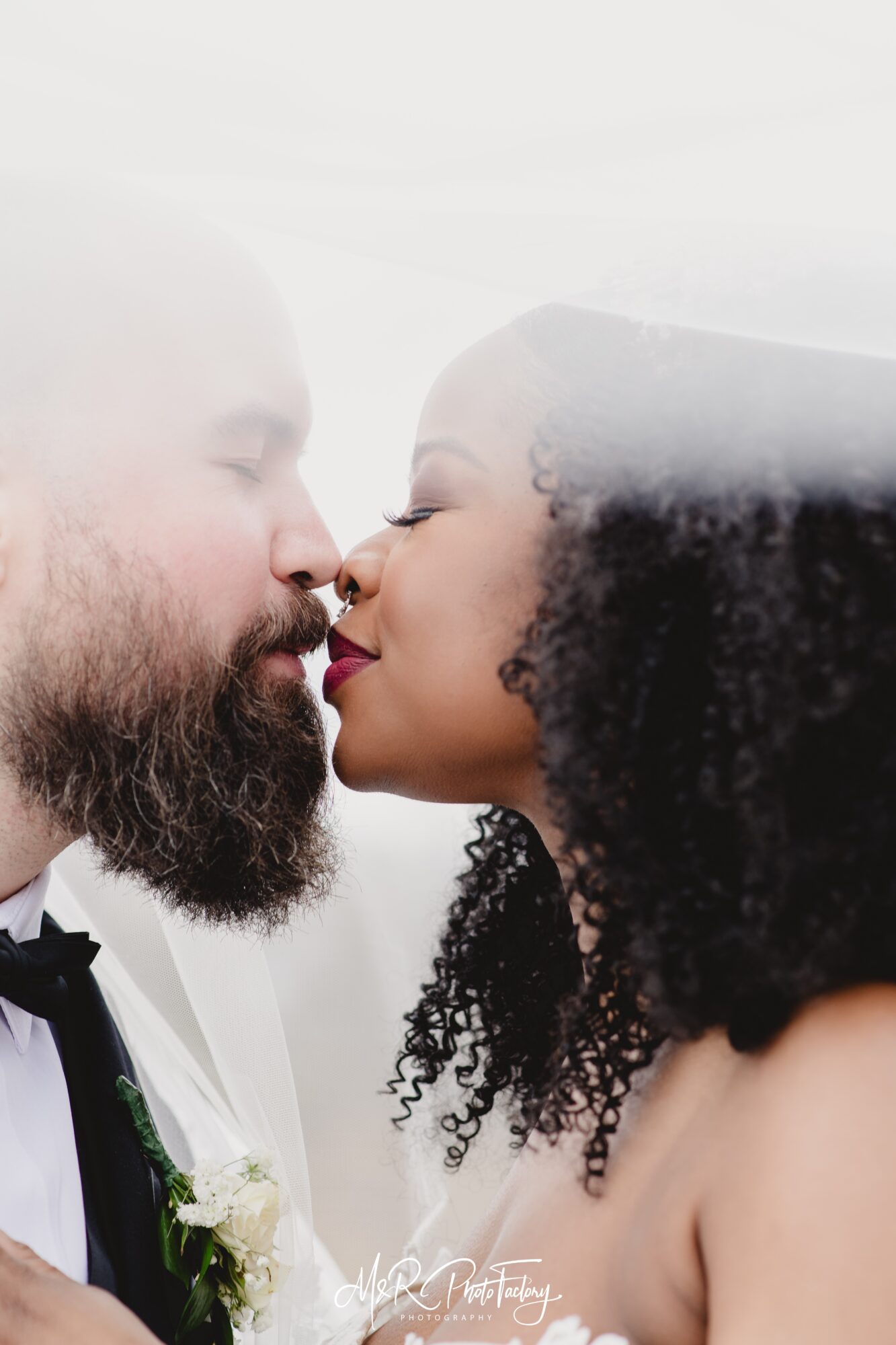
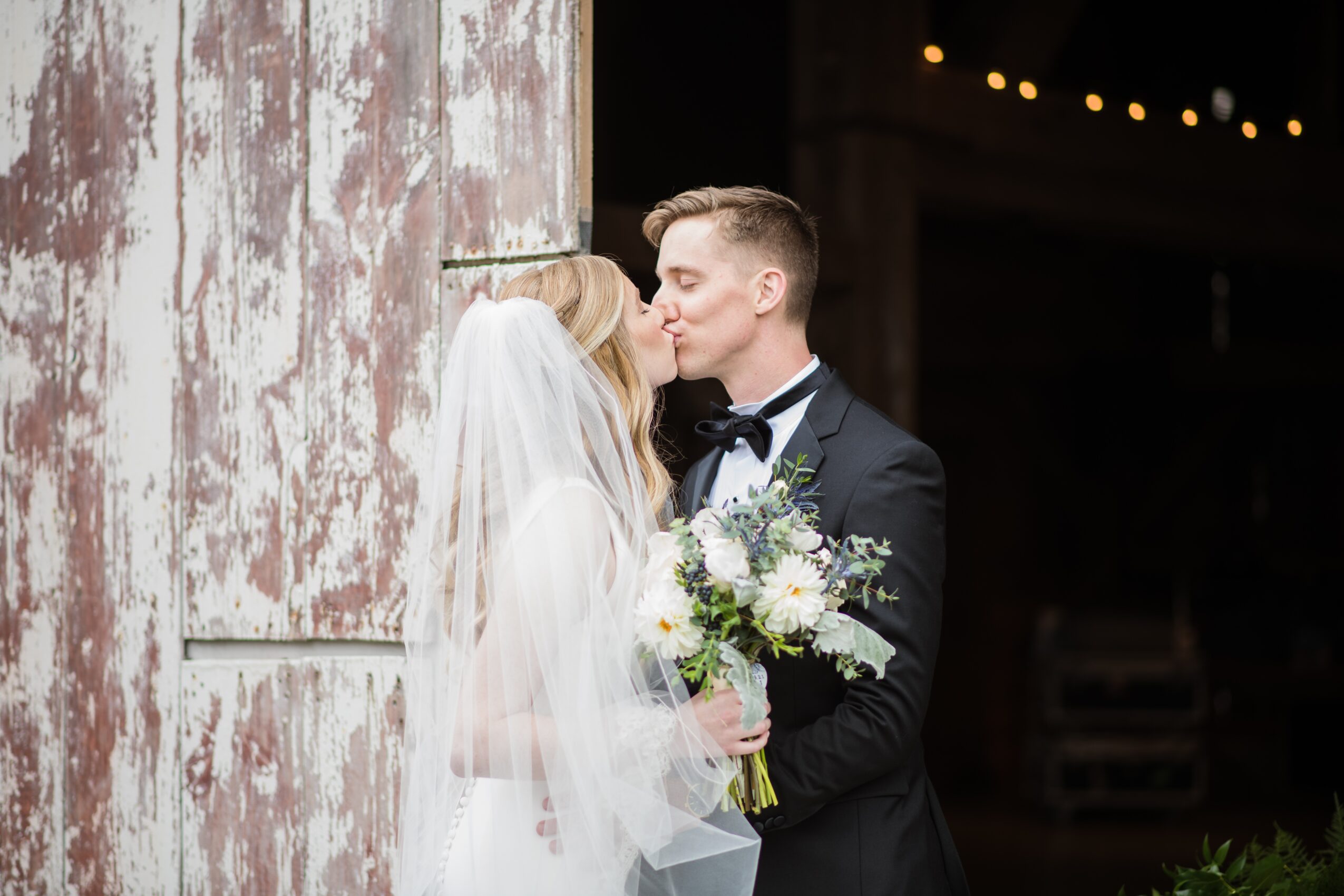
My focus is primarily weddings. I specialize in creating timeless wedding photography that feels natural and emotional, but still has that polished, editorial quality. I love the fast pace and unpredictability of wedding days. Every wedding is different, and a big part of my job is being able to anticipate what’s coming, work efficiently, handle pressure, and still create beautiful images without making the couple feel like they’re constantly posing for a camera.
Maria has really built her own specialty within the business with our newborn and “first years” studio. She focuses on newborns, babies, first birthdays, and those early milestones. That side of the business is much more studio-focused and intentional. She has created an environment where families can come in and have those very special moments documented in a beautiful, timeless way.
So while we’re under the same M&R Photo Factory brand, we each have our own area of expertise. I’m really proud of that because we’ve been able to build two specialties that are very different, but ultimately connected by the same philosophy: we’re documenting some of the most important moments in people’s lives.
What we’re probably best known for is more than just the final photographs. It’s the experience we provide.
With weddings, couples are trusting us with a day they can never recreate. With newborns and young families, we’re documenting moments that change incredibly quickly. In both cases, there’s a tremendous amount of trust involved.
I think what sets us apart is the combination of experience, consistency, and the ability to make people feel comfortable. We don’t want our clients to feel like they’re just another booking on the calendar. We want them to feel like they’re in good hands.
I’m also really proud of how much we’ve grown without losing that personal connection. We’ve been able to build a successful wedding photography business while Maria has developed the newborn and first-years studio into its own specialty.
And ultimately, that’s what I’m most proud of: we’re not just photographing one type of milestone. We’re able to be part of a family’s story at completely different stages—from engagement and wedding day, to pregnancy, newborns, first birthdays, and beyond.
For me, that’s the most rewarding part. We’re not just creating photographs; we’re creating a visual history for families that they can look back on for generations.
Networking and finding a mentor can have such a positive impact on one’s life and career. Any advice?
I think finding the right mentor is incredibly important, but I also think you have to be careful about what you’re calling a mentorship.
My biggest piece of advice would be: find someone who genuinely wants to build you, not someone who just wants to use you.
There’s a big difference between being a second photographer or an assistant and actually being mentored. Second shooting can absolutely be valuable—you can learn how a wedding day flows, how an experienced photographer handles pressure, lighting, timelines, and difficult situations. But if you’re spending every wedding carrying bags, setting up equipment, and doing whatever you’re told without actually learning the business or the craft, that’s not really mentorship. (PPA)
A real mentor should be willing to share knowledge. They should challenge you, look at your work, explain why they’re making certain decisions, and ideally talk to you about the business side too—pricing, marketing, client relationships, contracts, and how they actually built their career.
And I think you have to look at what that person’s goals are. If your goal is to eventually build your own photography business, find someone who is comfortable with that. You don’t necessarily want someone who’s only interested in having another person shoot their weddings for them.
For networking, I think relationships are much more important than simply collecting contacts. Go to industry events, workshops, local photographer groups, and actually get to know people. Don’t approach every photographer thinking, “What can this person do for me?” Approach them thinking, “What can I learn from this person, and what can I bring to the relationship?” That tends to create much more genuine connections. (ASMP)
And honestly, I’d also say don’t be afraid to reach out directly to someone whose work you admire. You’d be surprised how many people are willing to have a conversation if you’re respectful and specific about what you’re trying to learn.
The biggest thing is just to be intentional. Don’t look for someone who simply gives you opportunities to work. Look for someone who gives you opportunities to grow.
And eventually, when you’re in a position to do it, become that person for someone else. I think that’s one of the best ways to give back to the industry.
Contact Info:
- Website: https://Www.mrphotofactory.com
- Instagram: https://www.instagram.com/mrphotofactory?igsi=YXI3cmNxenRkOHQ0&utm_source=qr