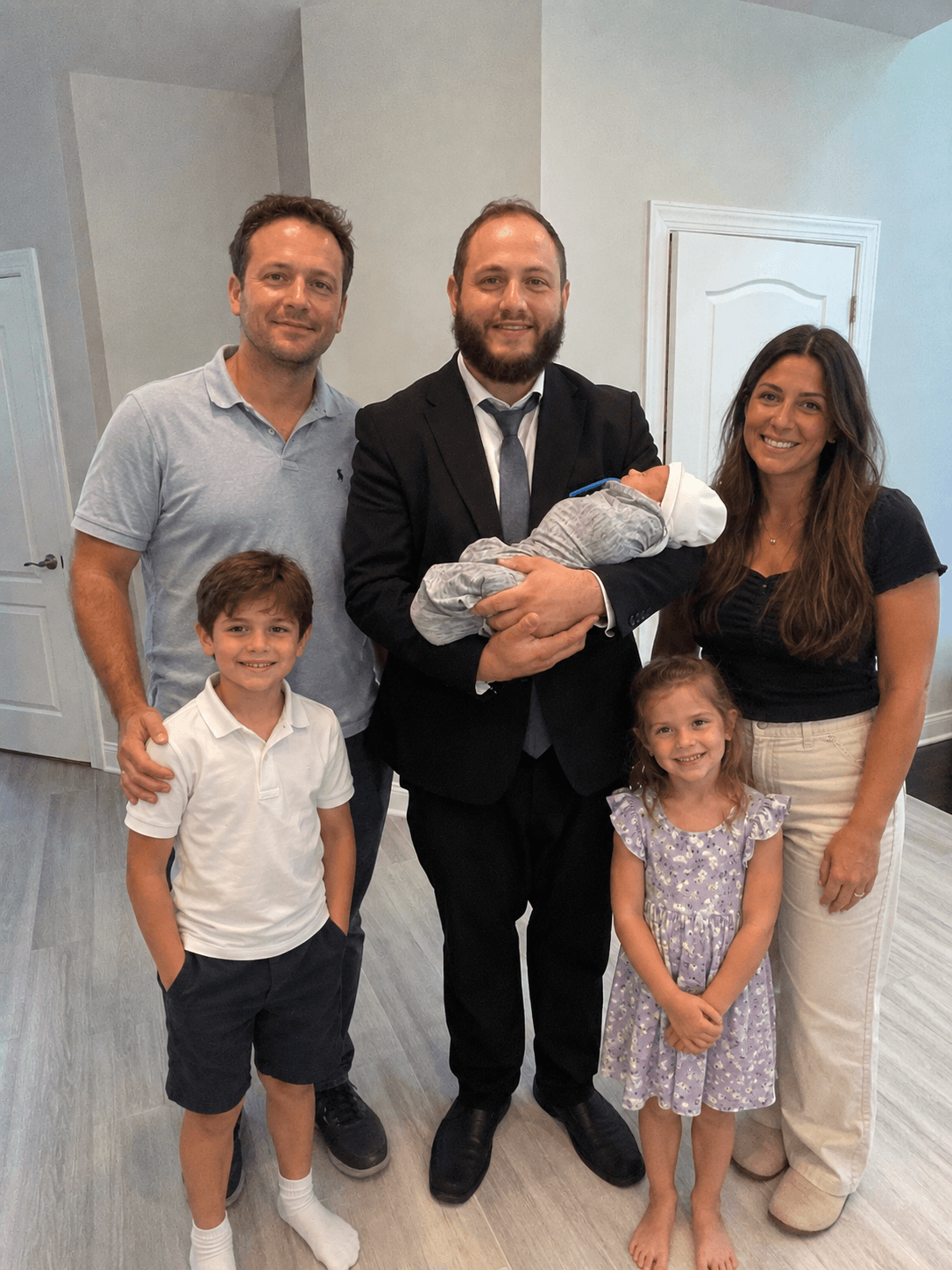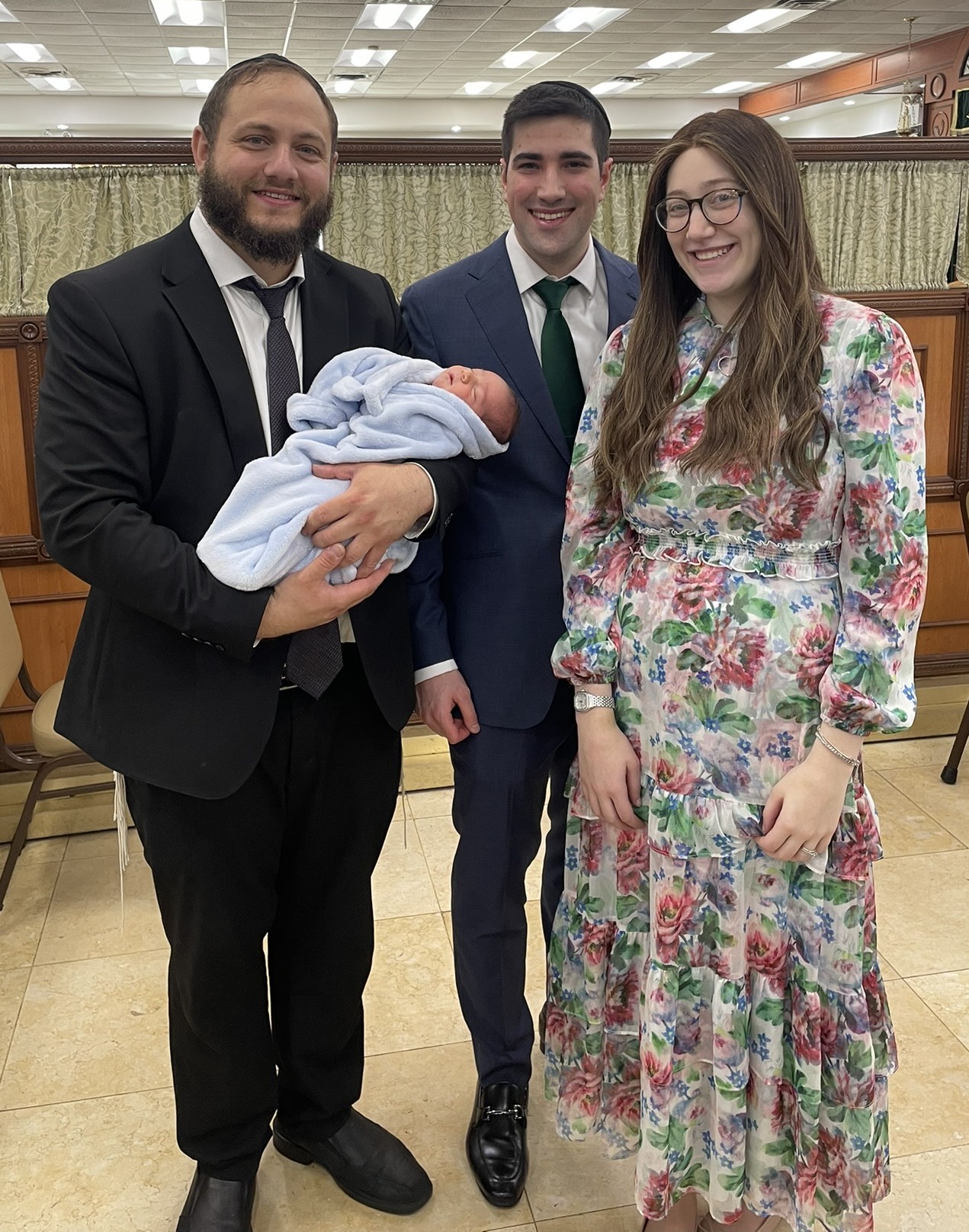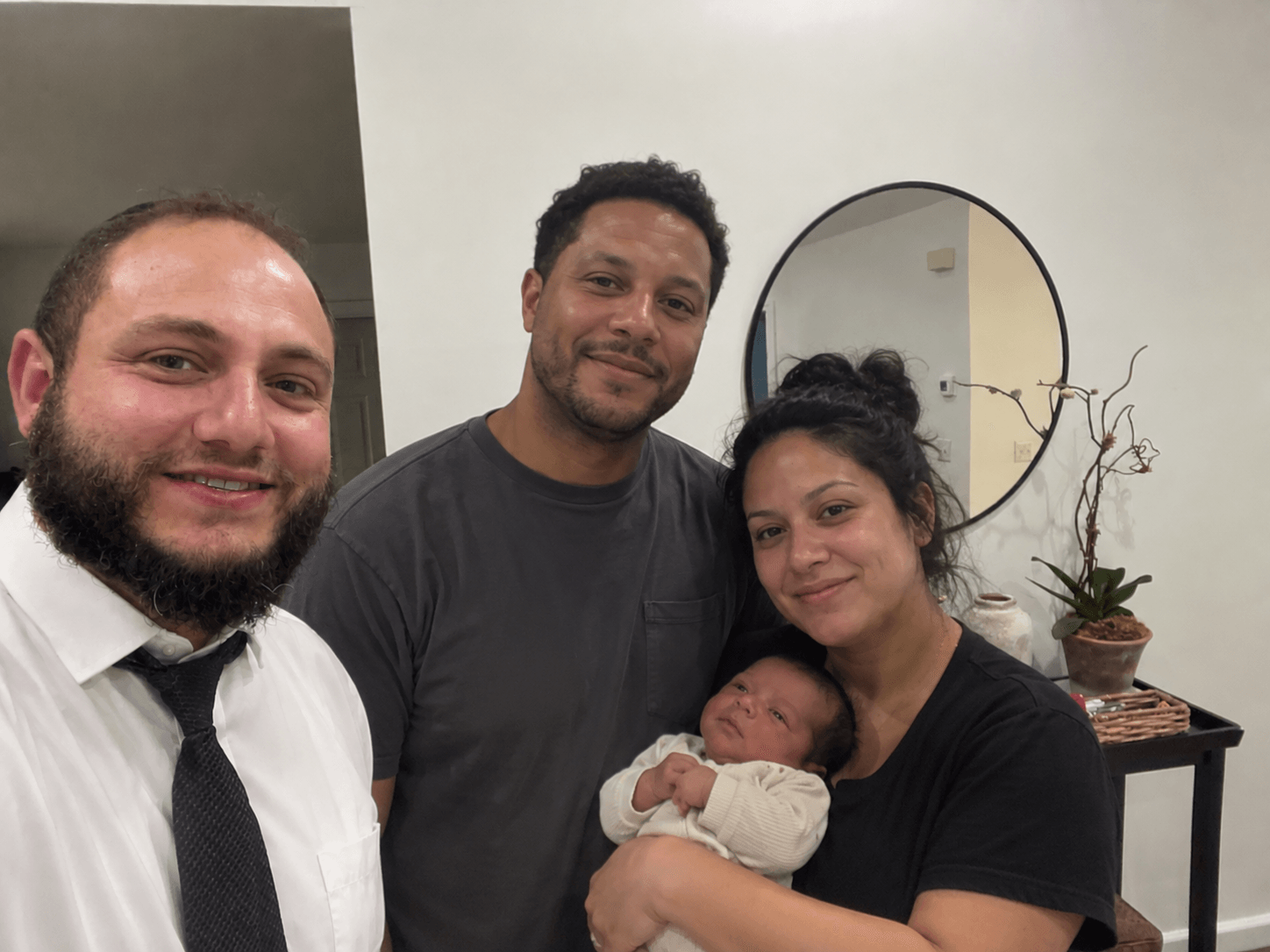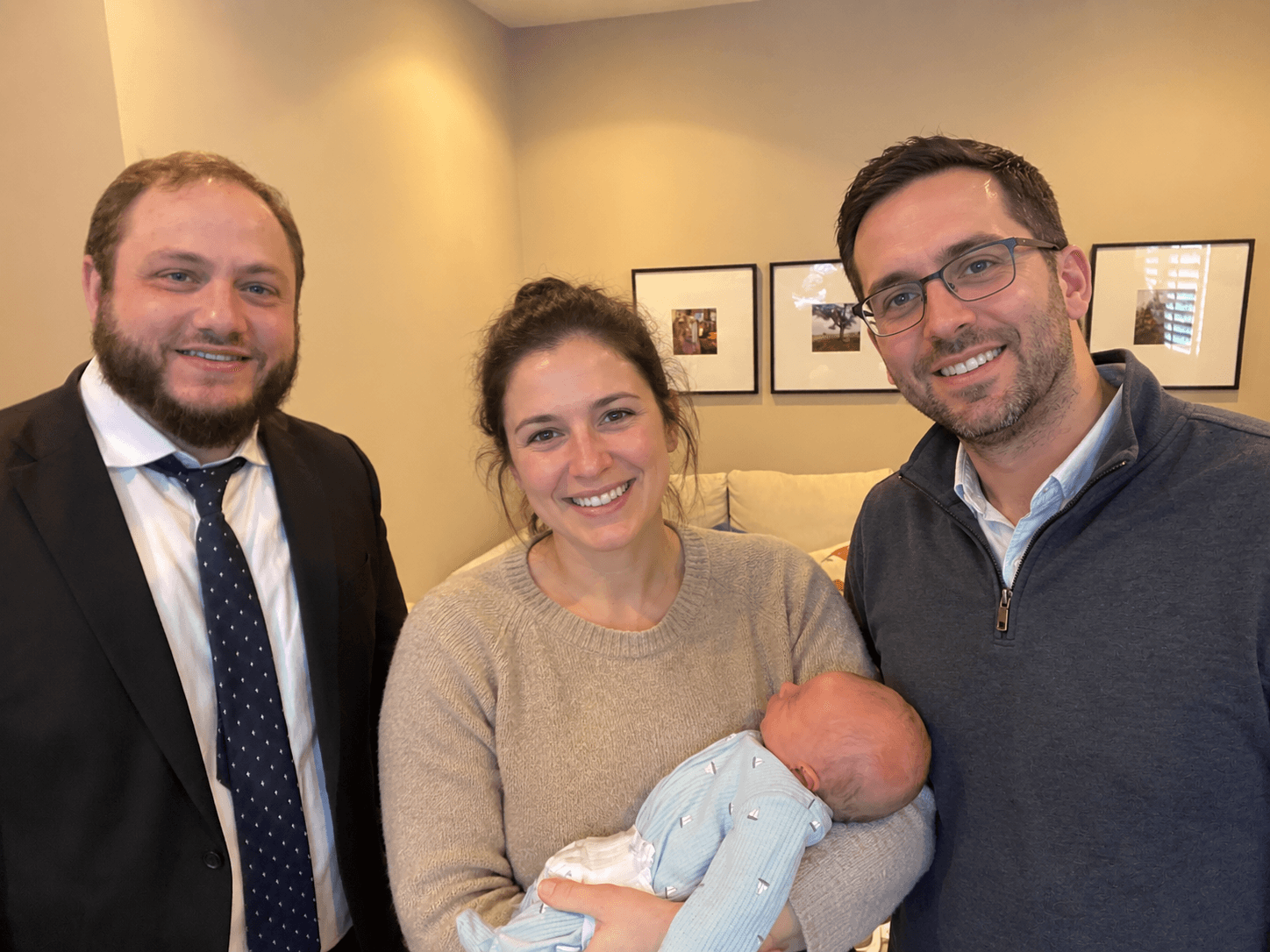





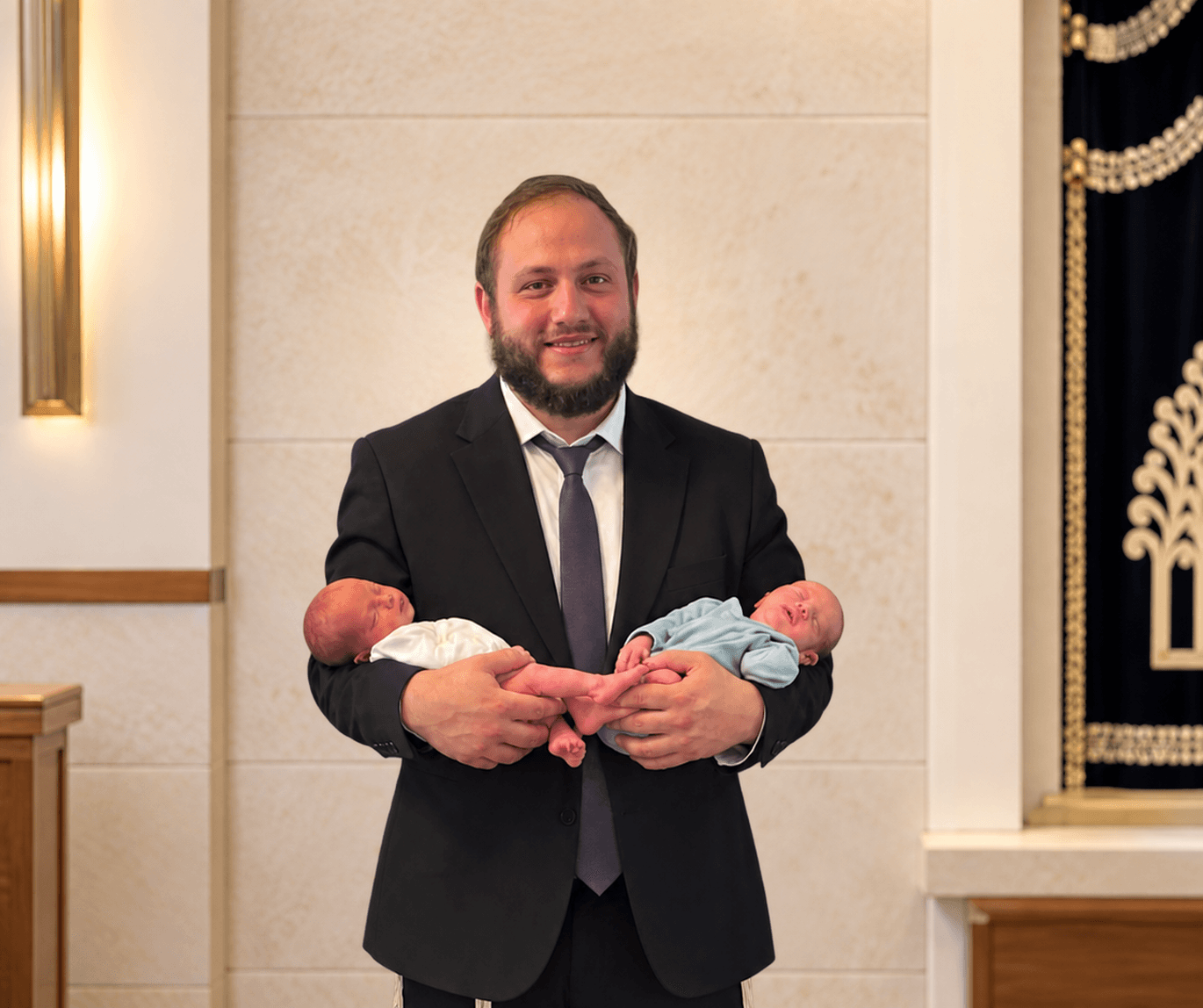
Today we’d like to introduce you to Rabbi Shlomo Golish, C.M..
Hi Rabbi Shlomo, we’d love for you to start by introducing yourself.
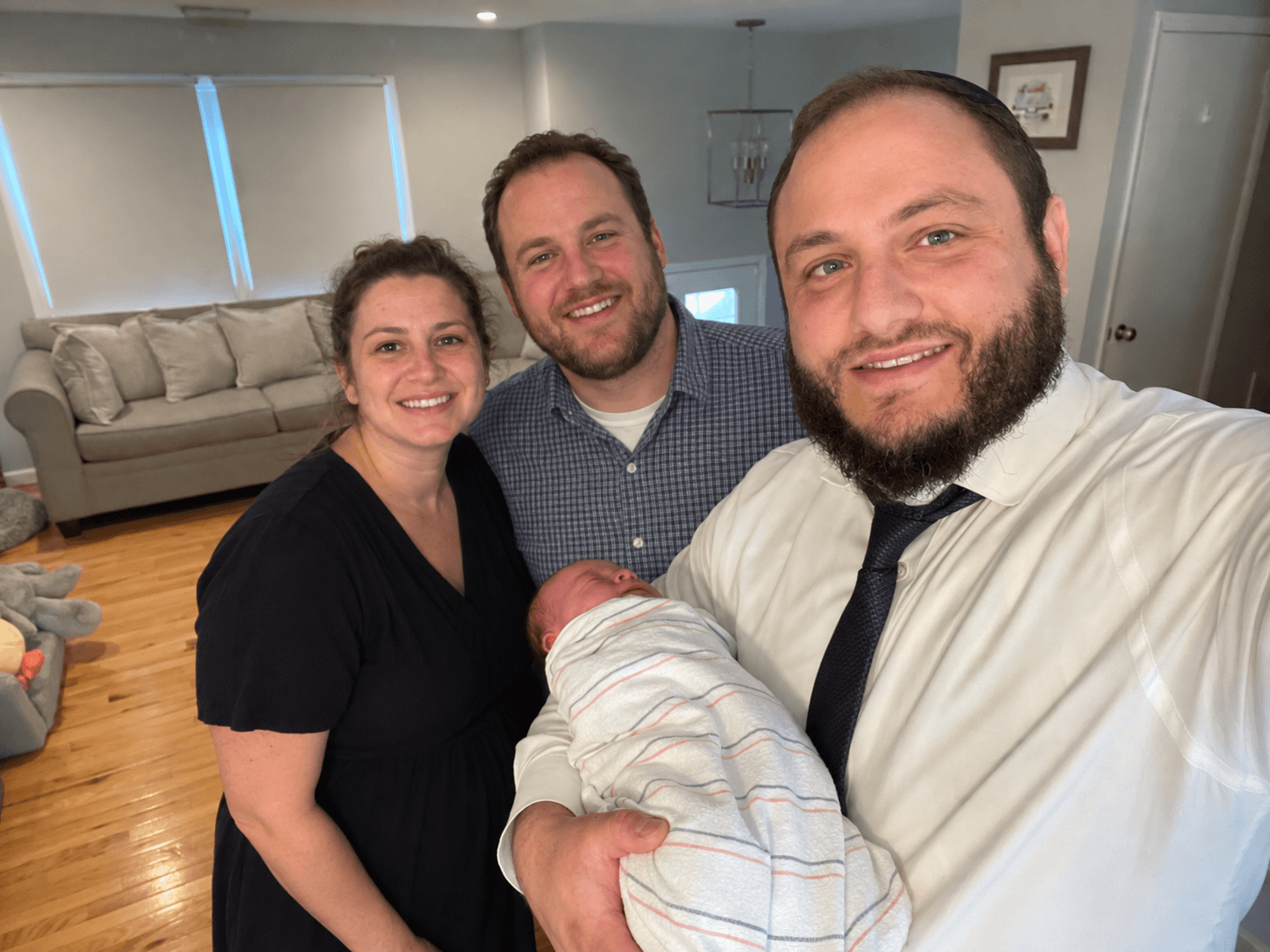
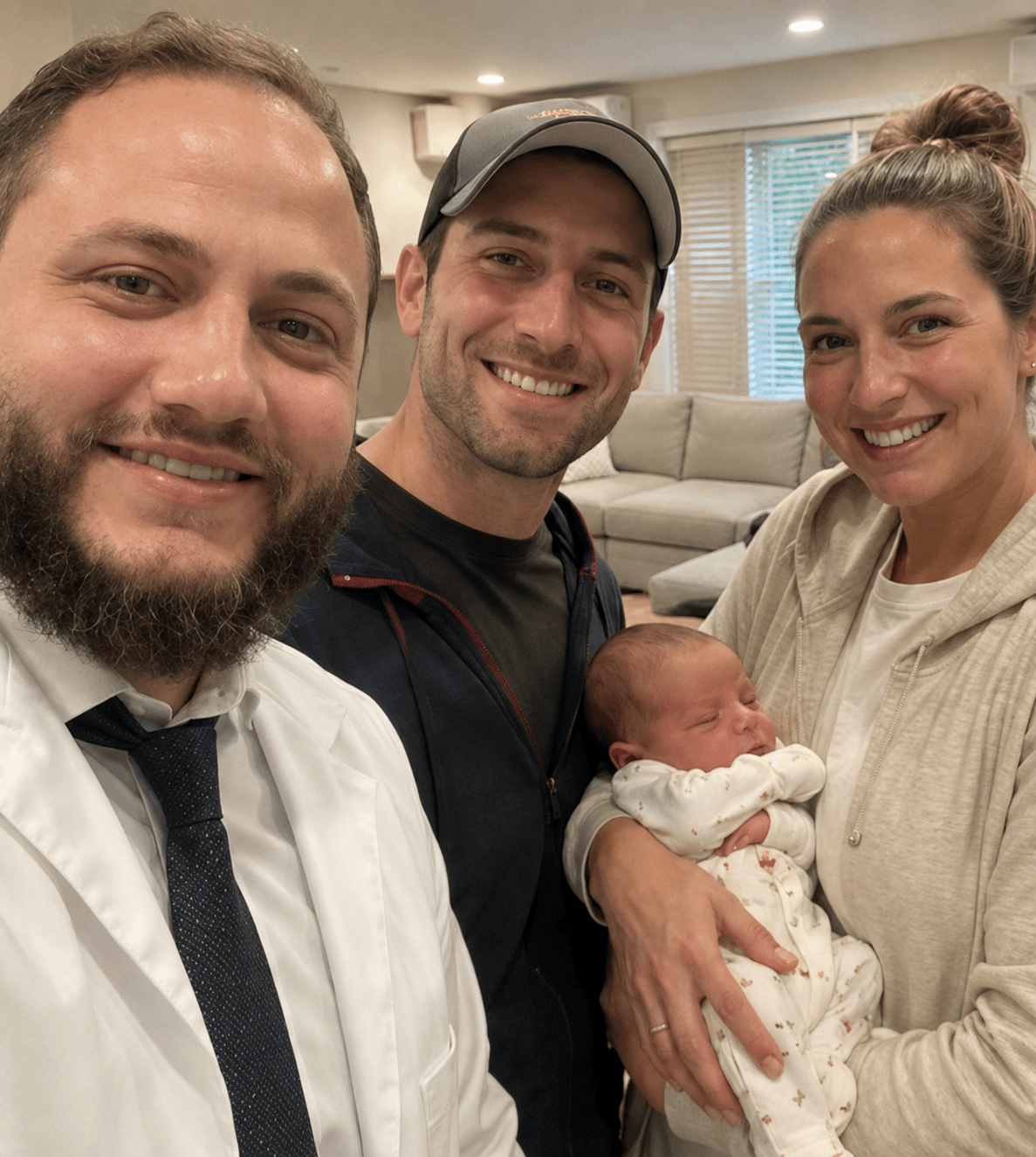
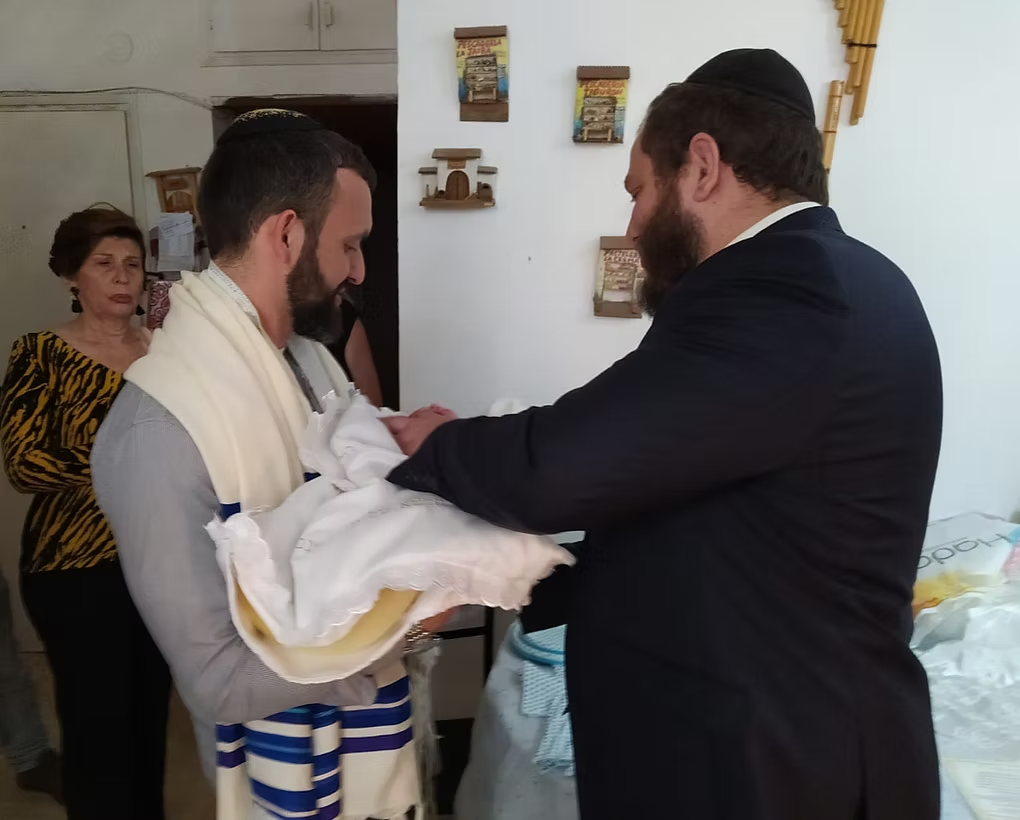
My journey into this work began nearly two decades ago, when I traveled to London to train at the London School of Circumcision. I was training to become a mohel—a specialized practitioner trained specifically in circumcision. The role has its roots in Jewish tradition, where a mohel performs the circumcision as part of the ceremony known as a bris, a tradition that has been passed down for thousands of years.
After London, I continued my training in Israel. I wanted much more hands-on experience before practicing independently, so I spent several years apprenticing and receiving specialized training there. Eventually, I began practicing on my own and spent many years working with families throughout Israel.
I think what drew me to the work, and ultimately made me want to make a career out of it, was that I discovered it brought together two very different things that I enjoyed. I was drawn to the precision of the procedure itself. It is detailed work, and I found that the technical and surgical aspect was something I enjoyed and was good at. At the same time, I really enjoyed the human side of it. You’re working with parents at a very significant moment in their lives, often when they have a lot of questions or anxiety, and you’re being trusted with their newborn baby. I found that I enjoyed both sides of that responsibility.
During my years in Israel, I had the opportunity to work with an incredibly diverse range of families, each coming to me with their own background, circumstances and expectations. That taught me fairly early that there isn’t one type of family or one way to approach every situation. Part of doing this work well is being able to understand the people in front of you and meet them where they are.
Eventually, my family and I moved from Israel to the United States and settled in New Jersey. Professionally, that meant beginning a new chapter. I had spent years developing a clientele and reputation in Israel, and most of those families were still there. I was fortunate to have some former clients who had also moved to the United States, along with connections and referrals that came from relationships I had built over the years, but much of my practice here had to be built again.
Over time, it grew largely through referrals and word of mouth. Today, I work with families throughout New Jersey and regularly travel into New York and Pennsylvania, as well as occasionally to Connecticut and Delaware. I perform bris ceremonies or circumcisions in people’s homes, synagogues, halls and other settings.
It’s interesting to look back because when I first traveled to London, I couldn’t have known exactly where that decision would lead. Nearly two decades later, what began as learning a very specialized skill has become a major part of my life and has given me the opportunity to meet and work with families I otherwise never would have encountered. The technical side of the work is still something I enjoy tremendously, but the relationships and the trust that families place in me have become just as important.
Can you talk to us a bit about the challenges and lessons you’ve learned along the way. Looking back would you say it’s been easy or smooth in retrospect?
It definitely hasn’t always been a smooth road. One of the first challenges was actually getting properly trained. Becoming a mohel isn’t like entering a profession where there are schools everywhere and you simply enroll in a program. The opportunities for serious training are relatively limited. I had to travel to London for my initial training, and even that involved applying, waiting and being accepted into the program.
Afterward, I wanted much more hands-on experience before practicing independently, which led me to Israel for several years of specialized training and apprenticeship. Finding someone with the experience who was willing to invest the time in training me was an opportunity I was very fortunate to have. It also meant being willing to spend years learning rather than simply completing a course and deciding I was ready.
Then there is the challenge of establishing yourself. This is a profession built heavily on trust and reputation. Parents are handing you their newborn baby, so understandably, they want someone who comes highly recommended. But when you’re starting out, you don’t yet have years of families recommending you to other families. Building that trust and getting your name out there takes time.
Years later, after I had built an established practice in Israel, moving to the United States meant facing that challenge all over again. I left behind a client base that had taken years to build. I wasn’t starting completely from scratch—I had former clients who had moved here and connections and referrals that came from relationships I had developed over the years—but most of the families I had served were still in Israel. I had to establish my name and reputation in a new place.
There are also challenges that come with the work itself, no matter how long you’ve been doing it. Every baby is different, and occasionally something unexpected presents itself. I remember arriving for one bris and discovering that the baby had significant hypospadias, an anatomical condition that had not previously been identified. It was a condition I had dealt with before, but it’s something you would much rather know about ahead of time so you can assess the situation, consult with the appropriate professionals when necessary and have a plan in place.
In this case, I was discovering it in real time. I wanted another professional opinion before deciding how to proceed, so I called a physician I knew. Somewhat remarkably, he answered immediately even though he happened to be away on vacation. I was able to show him what I was seeing and discuss the situation with him right then, and he gave me the additional guidance and confirmation I needed.
Moments like that have taught me that experience doesn’t mean you’ll never encounter a challenge. In some ways, experience teaches you to recognize when something isn’t routine and not to treat it as though it is. Technical skill is obviously essential, but so are judgment, preparation and knowing when to bring another professional into the conversation.
Thanks – so what else should our readers know about your work and what you’re currently focused on?
The simplest answer is that I perform bris ceremonies or circumcisions, but the actual work involves much more than the procedure itself. A large part of what I do happens before I ever arrive at a family’s home or event.
Often my first conversation with parents is before their baby is even born. Other times, the baby has just arrived and suddenly they have a lot to arrange in a very short period of time. Parents may have questions about the procedure, pain management, healing, what they need to prepare or, when relevant, how the bris ceremony works. Sometimes they aren’t even sure what questions they should be asking. A big part of my job is taking something that may feel unfamiliar or overwhelming and making it clear.
I regularly perform bris ceremonies or circumcisions in people’s homes, as well as in synagogues, halls and other settings. I travel throughout New Jersey and regularly into New York and Pennsylvania, and at times to Connecticut and Delaware. That has brought me into contact with an incredible variety of families. I try not to assume that every family wants the same experience. Some want a large traditional ceremony surrounded by family and friends; others want something very small and private. Some parents want to stand right next to me and their baby during the procedure, while others would rather not watch at all. I try to meet each family where they are.
One thing I’ve become particularly focused on over the years is the experience of the baby and the parents during the procedure. Pain is understandably one of the biggest concerns parents have. I use several methods of pain management, including sugar water and topical anesthetic, and the procedure itself is very quick. Just as importantly, I try to keep parents informed rather than leaving them frightened about what is happening.
I remember one mother who was visibly terrified. She couldn’t bring herself to watch and had clearly been carrying a tremendous amount of anxiety about what her baby was about to experience. Then, almost before she knew it, the procedure was finished and her baby had settled down. She started crying and smiling at the same time. You could see this avalanche of emotion and relief come over her as she realized that the experience she had been dreading was so much quicker and calmer than she had imagined.
I’ve seen versions of that moment many times over the years, and each time it means a lot to me. Obviously, performing the procedure properly is the first responsibility. But I also want parents to come away feeling that their baby was cared for and that something they may have been very anxious about was handled calmly and professionally.
My involvement doesn’t necessarily end when I leave, either. I make myself available to parents throughout the healing process. New parents can understandably become concerned by something simply because they’ve never seen it before. They may notice a tiny spot of blood on a diaper, wonder whether something looks right or send me a picture with a question. I would much rather have a parent contact me than sit at home worrying. Sometimes all they need is reassurance; other times they may need guidance about what to do next.
There’s also a lot of the job that nobody sees: sterilizing instruments, keeping supplies stocked, preparing for each procedure, traveling, answering questions, reviewing individual circumstances, consulting with other professionals when necessary and following up afterward. The actual procedure may be very quick, but doing this work properly involves much more than those few moments.
When I’m asked what I’m most proud of, though, I don’t think first about the number of procedures I’ve performed. What means the most to me is the trust families place in me and the fact that I’m invited into moments that sometimes become part of their family history.
One experience in particular has stayed with me. After a bris ceremony, I was caring for the baby while the baby’s father was nearby talking with his own father. There was nothing particularly dramatic about the conversation. They were simply together, talking and enjoying the moment surrounding the arrival of a new generation into their family.
The next time I spoke with the baby’s father, he told me that his father had passed away. The conversation I had witnessed at the bris turned out to be the last conversation the two of them ever had.
I’ve thought about that many times because it captures something about this work that’s difficult to put into words. You enter people’s lives for a relatively short period of time, but sometimes you’re present for moments that take on a significance nobody could have anticipated at the time.
I see that in other ways as well. For Jewish families, the bris ceremony is traditionally when a baby boy receives his Jewish name. Often that name is given in memory of a beloved parent, grandparent or other relative who has passed away. Families may speak about that person and what they meant to them. Those can be incredibly emotional moments, and being trusted to be part of them is something I don’t take lightly.
If there is something that sets my approach apart, I think it’s that I genuinely value both sides of the work. I’m very focused on the technical precision of the procedure and doing the best possible job for the baby, but I don’t see the family surrounding that baby as incidental. The parents’ questions, their anxiety, the experience that day and knowing that they have someone available afterward all matter to me as well. To me, doing this well means taking responsibility for the entire experience, not simply the procedure itself.
Risk taking is a topic that people have widely differing views on – we’d love to hear your thoughts.
I don’t think of myself as someone who takes risks simply for the sake of taking them. In fact, in the work I do, I’m generally pretty cautious. But I do think there are points in life when you have to be willing to take a calculated risk if you want to move forward.
Moving from Israel to the United States was certainly one of those points for me. By then, I had spent many years building a clientele and reputation in Israel. When I moved, I left most of that client base behind and, in many ways, had to establish myself all over again. I wasn’t starting entirely from scratch. Some former clients had moved to the United States, and I had connections and referrals that grew out of relationships I had built over the years. But the large majority of the families I had served were still in Israel, so moving meant walking away from something established and rebuilding here.
There was another significant risk as my practice in the United States began to grow. For most mohels, performing bris ceremonies or circumcisions is a relatively small, part-time practice. They may perform them occasionally while maintaining an entirely separate full-time career, taking on the ones that work with their schedule. That model works well for many people.
But I began to see the possibility of building something different—a practice where I would be doing this regularly and serving families across a much wider area. The problem is that you can’t really build that kind of practice while only being available when it’s convenient. Babies don’t arrive according to your work schedule. Families may need me in the morning, afternoon or late in the day, sometimes a couple of hours from home. If you’re only accepting the cases that happen to fit around a full-time job, there’s a limit to how much the practice can grow.
Eventually, I reached a crossroads. I could keep this as a smaller part-time practice, accept the cases that worked around another career and have the security of a conventional full-time job. Or I could make myself broadly available, give the practice the opportunity to grow and take the chance that there would ultimately be enough work to justify that decision.
There’s an uncomfortable point in that transition where you’re busy enough that the practice starts interfering with your ability to maintain another full-time career, but that doesn’t necessarily mean you’re already busy enough to know that the practice itself can become your primary career. At some point, you have to decide which direction you’re going to go.
I chose to make the practice a priority and see how far I could take it. There was no guarantee that it would work, but I knew that if I only gave it the time that was left over from another career, I would probably never find out what it could become.
Thankfully, it has grown tremendously. Today I’m regularly traveling throughout New Jersey and into New York and Pennsylvania, and sometimes farther, serving families in all kinds of different circumstances.
I think those experiences have shaped the way I look at risk. I don’t believe in being reckless. I believe in understanding what you’re risking, preparing as well as you can and then recognizing that sometimes there comes a point when you have to commit. You can’t always keep one foot safely on each side and still find out how far something can go.
Contact Info:
- Website: https://www.rabbimohel.com/
- Other: https://www.familycircumcision.com/