




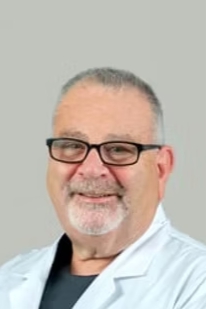
Today we’d like to introduce you to William Krasner.
Alright, so thank you so much for sharing your story and insight with our readers. To kick things off, can you tell us a bit about how you got started?
My healthcare career began as a **volunteer EMT**. From there, I became a **Registered Respiratory Therapist, Registered Nurse, and paramedic**, eventually becoming a **Family Nurse Practitioner**. My career has included extensive experience in EMS, critical care, and primary care. Along the way, I also **earned my JD and MBA, became a licensed attorney, and obtained my MSN as a Family Nurse Practitioner**.
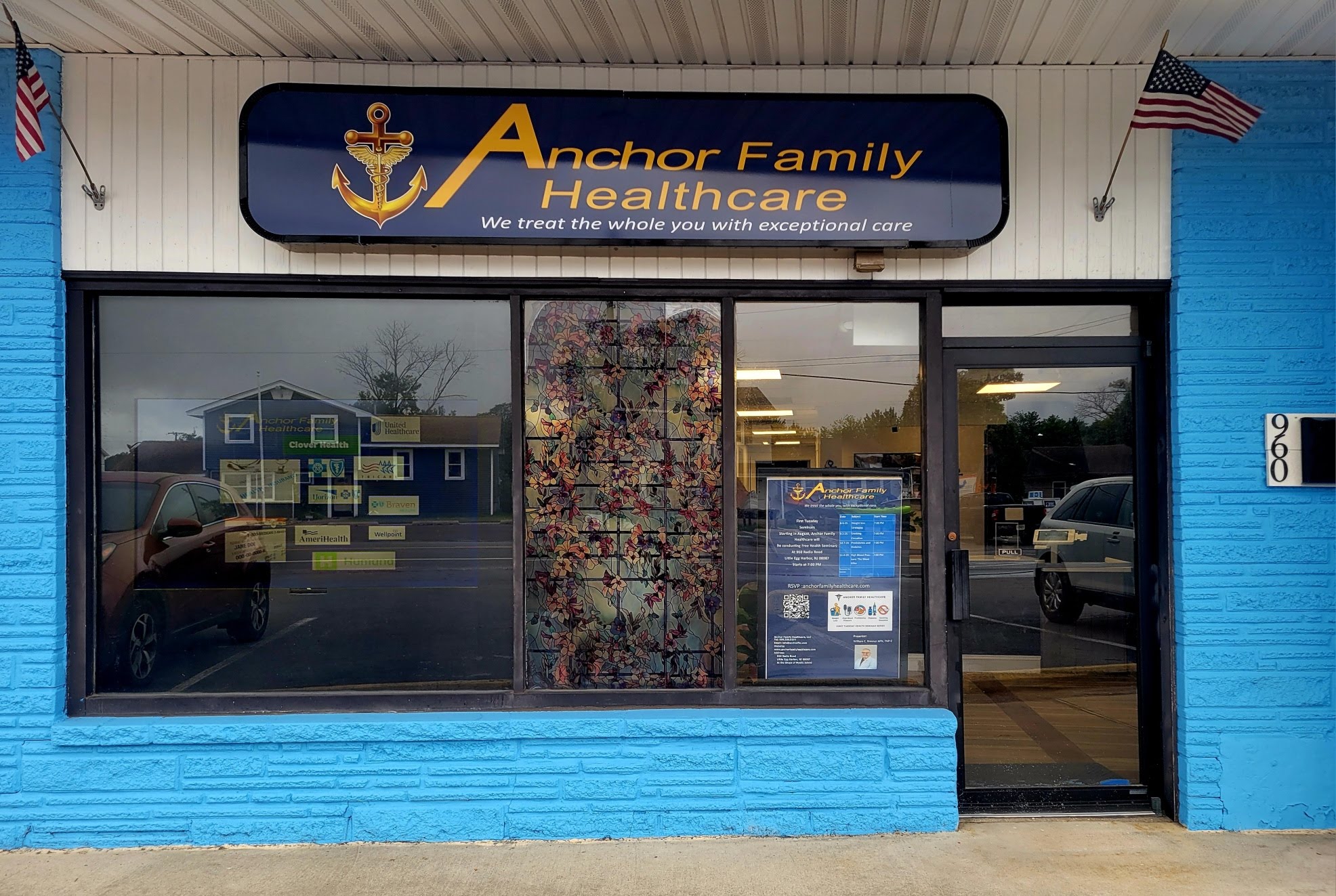
I opened **Anchor Family Healthcare** because I saw a growing gap in access to primary care in our community. Patients were waiting far too long to establish with a provider or obtain an appointment. I wanted to build a practice where patients could receive timely, personalized care and where the provider had enough time to actually listen, understand the patient, and manage their health comprehensively.
My background in EMS also led my business partner and me to develop **Anchor Mobile Health**, an ambulance and medical transportation company focused on providing dependable transportation and high-quality clinical care.
Today, my business partner and I own **three healthcare companies**: Anchor Family Healthcare, Anchor Mobile Health, and a **Health Services Management Group** that supports independent Nurse Practitioners as well as EMS and medical transportation organizations. Our goal is to provide the operational, clinical, regulatory, and business infrastructure that allows independent healthcare organizations to succeed.
There has been a consistent theme throughout my career—from volunteer EMT to clinician, attorney, and healthcare entrepreneur. **I tend to look for gaps in the healthcare system, particularly those affecting access to care, and then ask: how can we build something that solves that problem?** That philosophy connects everything we’re doing today.
We all face challenges, but looking back would you describe it as a relatively smooth road?
It definitely has not been a smooth road, but I think some of the challenges have made the journey more meaningful.
When we opened Anchor Family Healthcare, we were truly starting from scratch. One of our first major hurdles was obtaining a **zoning variance**, which delayed our opening by about six months. Once we got through that, there were the challenges of building a new practice—everything from insurance credentialing and payer contracts to developing the clinical and administrative infrastructure necessary to actually take care of patients.
Another significant challenge was the regulatory environment for Nurse Practitioners in New Jersey. When I started the practice, NPs were required to maintain a collaborative relationship with a physician, even after thousands of hours of experience. I became very involved in **advocating for legislation to change that requirement and supporting the effort to give experienced Nurse Practitioners greater practice autonomy**.
That effort ultimately paid off. With the new law signed on April 2, the landscape changed for experienced NPs like me who have accumulated more than 5,000 hours of collaborative practice. That was particularly meaningful to me because I had **fought hard and advocated for that change**, and now I’m able to see the impact of that work firsthand.
There have certainly been obstacles, but I’ve always approached them the same way I’ve approached my career: **if there’s a barrier that doesn’t make sense, you figure out how to get through it—and sometimes you work to change the barrier itself.**
Thanks – so what else should our readers know about your work and what you’re currently focused on?
What probably sets me apart professionally is the breadth of experience I’ve accumulated across healthcare, law, and business. I started as a **volunteer EMT** and went on to become a **Registered Respiratory Therapist, Registered Nurse, paramedic, and ultimately a Family Nurse Practitioner**. I also earned my **JD and MBA** and became a licensed attorney. That combination has given me the opportunity to see healthcare from many different perspectives—from the back of an ambulance and the bedside to the exam room, the boardroom, and the regulatory side of healthcare.
Today, my business partner and I own three healthcare companies: **Anchor Family Healthcare**, our primary care practice; **Anchor Mobile Health**, our ambulance and medical transportation company; and a **Health Services Management Group** that supports independent Nurse Practitioners and EMS and medical transportation organizations.
At Anchor Family Healthcare, I specialize in adult primary care, with a strong emphasis on prevention, chronic disease management, and giving patients the time and access that can be difficult to find in today’s healthcare system.
What I’m most proud of, however, is not a particular degree or title. It’s that we’ve been able to take decades of experience and use it to **build organizations that solve real problems**. Whether that’s helping someone find a primary care provider, getting a medically complex patient safely transported, or helping an independent Nurse Practitioner or EMS organization build a sustainable practice, that’s what motivates me.
I’ve also been very involved in advocating for Nurse Practitioners and reducing unnecessary barriers to independent practice in New Jersey. Seeing the law change to provide greater autonomy for experienced NPs with more than 5,000 hours of collaborative practice was particularly meaningful to me because it was an issue I had fought hard for.
If there is one thing I’m known for, I hope it’s this: **when I see a problem in healthcare, I don’t spend a lot of time explaining why it can’t be fixed. I start looking for a way to fix it.**
Is there anything else you’d like to share with our readers?
One example of how I approach problems is my experience with electronic medical records. After years of working with commercial EMR systems, I became increasingly frustrated with technology that often seems designed around billing, documentation requirements, and administrative workflows rather than around the provider and the patient.
Instead of continuing to complain about those limitations, I decided to **build my own EMR**. I’m developing a system around the way an independent primary care practice actually operates, with an emphasis on efficient clinical workflows, interoperability, automation, and the thoughtful use of artificial intelligence to reduce administrative burden.
I’m not trying to replace the judgment of the provider with technology. My goal is exactly the opposite: **use technology to handle more of the repetitive work so the provider can spend more time practicing medicine and taking care of the patient.**
It’s a significant undertaking, but it reflects the way I’ve approached much of my career: when I encounter a system that isn’t working as well as it should, my first question is usually, **“Can we build something better?”**
Contact Info:
- Website: https://www.anchorfamilyhealthcare.com
- Facebook: https://www.facebook.com/search/top?q=anchor%20family%20healthcare&__stsd__=eyJwcmltYXJ5Ijp7InR5cGUiOiJUWVBFQUhFQURfUEVPUExFX0VOVElUSUVTIn19