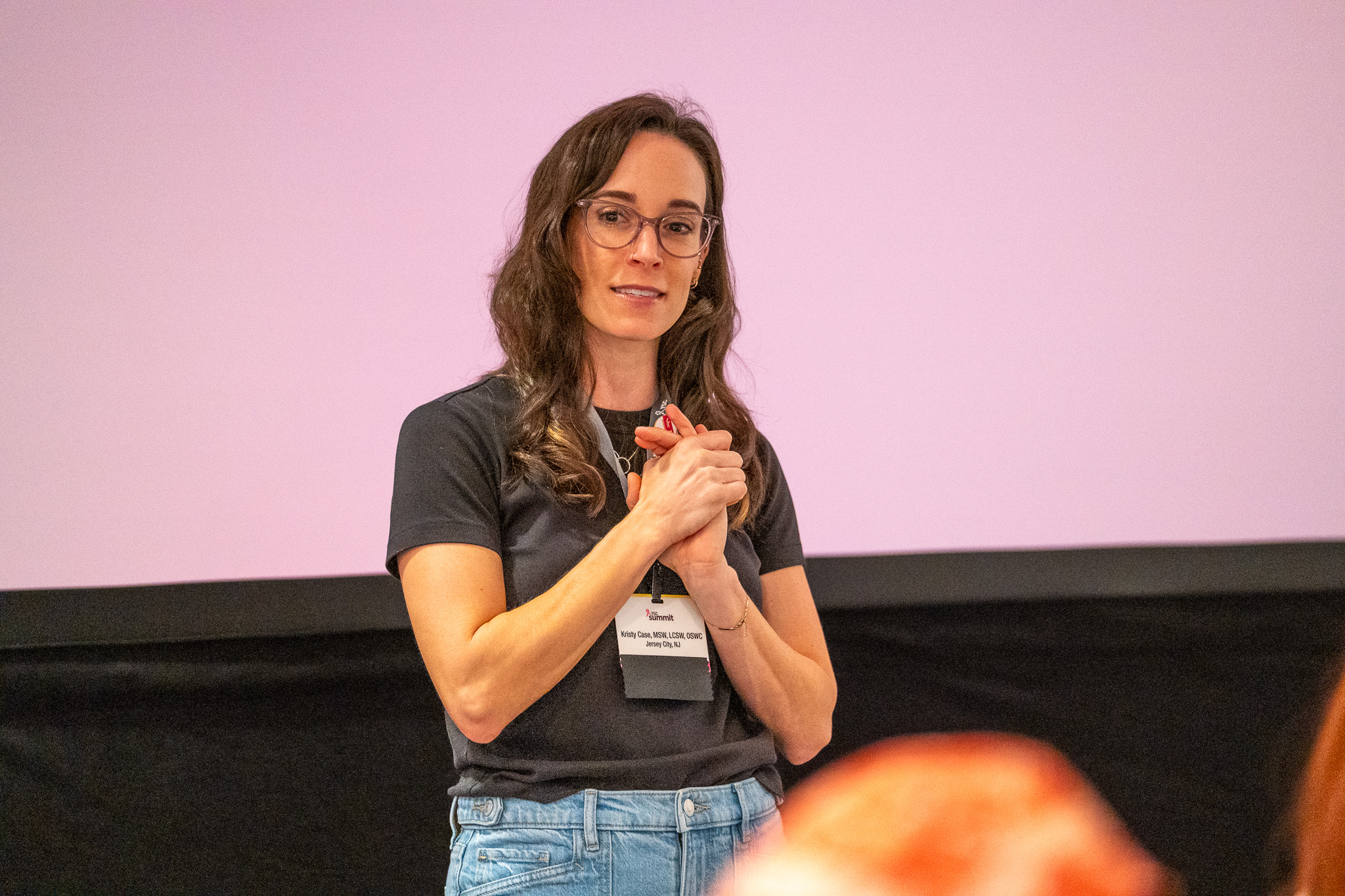





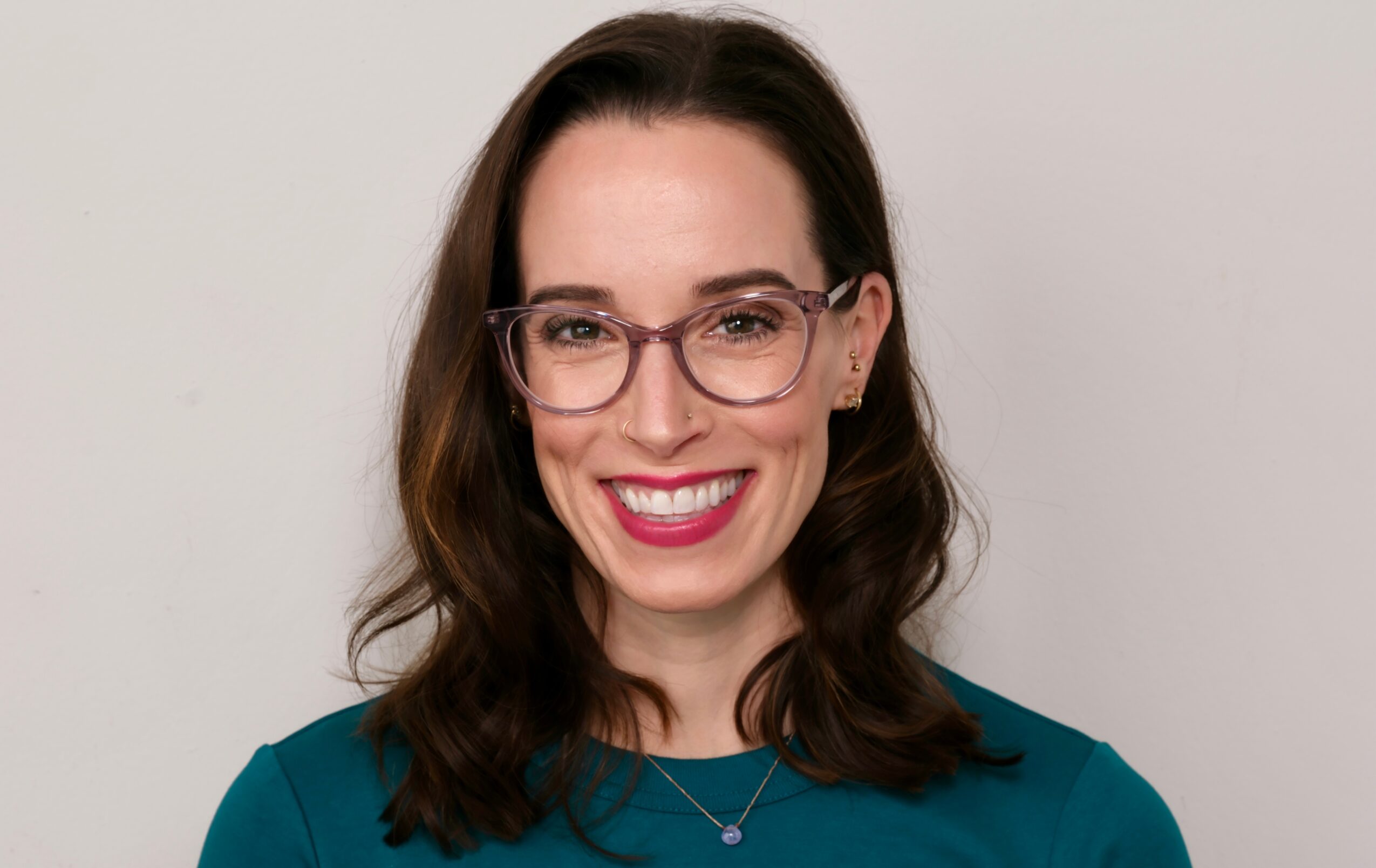
Today we’d like to introduce you to Kristy Case.
Hi Kristy, can you start by introducing yourself? We’d love to learn more about how you got to where you are today?
My story really began with an extraordinary mentor, a published author, professor, and leader in oncology social work. Early in my career, she saw potential in me before I fully recognized it in myself, giving me the confidence to trust that my skills could make a meaningful and wide-reaching impact.
Fast forward several years: I was working in what I thought was my dream role, but burnout from long commutes and office politics pushed me to reevaluate what I needed for a balanced and fulfilling career…so, I pivoted. I took a leap of faith and re-opened my private therapy practice. Unbeknownst to me, COVID-19 would arrive just a few months later. While it was a really tough time to launch a small business, the world suddenly awoke to the vital importance of mental health. The demand for support surged, and my practice took off.
As my work grew, I wanted to elevate my impact beyond 1-on-1 therapy sessions and serve the broader community. I began partnering with major cancer organizations to facilitate support groups, trained as an End-of-Life Doula and Reiki practitioner, became a clinical supervisor, and started leading university workshops to train fellow mental health professionals.
Today, I’ve expanded into corporate wellness and staff training which is driven by one of my core beliefs that every workplace needs the tools to support its people, prevent burnout, and foster genuine well-being. Millions of people spend so much time, resource and energy in their workplaces, I want them to feel satisfied and valued there.
I’m sure it wasn’t obstacle-free, but would you say the journey has been fairly smooth so far?
Launching a small business just a few months before a global pandemic hit started out on quite a bumpy road, everything was completely unprecedented. In those early days, the uncertainty was overwhelming, and I truly had no idea if my practice would survive. What I never could have anticipated was how the pandemic would finally give mental healthcare the voice and priority it deserved or how that cultural shift would transform my practice into a thriving business.
Beyond the pandemic, like any small business owner, I’ve had to navigate the natural ebbs and flows of entrepreneurship, though in a specialized practice like mine, those ebbs and flows carry deep human weight. Because I specialize in oncology, new cancer diagnoses are happening every day. Individuals and families are constantly being thrust into crisis, needing immediate, compassionate support to navigate the immense emotional toll of a life-changing illness.
Balancing that constant need for specialized care with the financial realities of running an independent practice isn’t always easy. I’m mindful of the economic climate, and I aim to keep my practice accessible and ready to support people when they need it most.
Great, so let’s talk business. Can you tell our readers more about what you do and what you think sets you apart from others?
I own an integrative psychotherapy and wellness practice based in Morristown, New Jersey, offering in-person sessions locally and virtual therapy across New Jersey, New York, and Connecticut. With nearly 20 years of experience as a licensed clinical social worker and certified oncology social worker, I support adults navigating cancer diagnoses, medical trauma, grief, and major life transitions.
Healing isn’t one-size-fits-all, especially when facing severe illness or loss. What sets my work apart is the seamless bridge between specialized clinical oncology expertise and intuitive, mind-body healing. I blend traditional evidence-based therapies with body-based modalities, including somatic nervous system regulation, Meaning-Centered Psychotherapy, Internal Family Systems (IFS), Reiki, and End-of-Life Doula services. By addressing both the emotional and physiological impacts of stress and illness, I help clients process medical trauma, restore balance, and regain agency.
I am most proud of the multi-dimensional growth of my business. Rather than staying inside the traditional therapy box, I’ve intentionally broadened my services so that healing and support are accessible on multiple fronts. Today, my work spans direct clinical care, somatic mind-body practices, higher-education training for clinicians, and workplace wellness programs. I am deeply grateful for the opportunities I’ve had to be a guest on podcasts, contribute to publications, and create online content, not just to share my work, but to elevate the critical role of oncology social workers and bring vital conversations about grief, medical trauma, and end-of-life care into the mainstream. Watching my business grow to uplift individuals, empower fellow professionals, and transform organizational cultures is deeply fulfilling
I want readers to know that you deserve specialized, whole-person care when life gets heavy. Many individuals are surprised to learn that specialized oncology therapy exists to help them process medical trauma, uncertainty, and physical stress. And in our deeply death-phobic society, end-of-life care is often swept under the rug, when in reality, approaching loss and mortality with grace, intention, and support is profoundly transformative.
Where do you see things going in the next 5-10 years?
My hope over the next 5 to 10 years is that our society continues to recognize that mental health care extends far beyond traditional “talk therapy.” The artificial divide between clinical psychotherapy and body-based practices is dissolving as people realize the physical toll that trauma, grief, and burnout take on the body. You cannot simply talk your way out of nervous system overload, and healing can incorporate integrative, body-informed care.
Simultaneously, as cancer treatments advance and individuals live longer with serious or chronic diagnoses, the medical system is realizing that specialized oncology social workers and medical trauma therapists are essential to care. Over the coming decade, I hope having specialized mental health support integrated alongside medical treatment becomes a standard, expected component of comprehensive healthcare and not just an added benefit for some.
Culturally, we are slowly beginning to dismantle our death-phobic mindset. I foresee a growing movement toward open conversations around mortality, conscious end-of-life planning, doula support, and deep grief work, allowing individuals and families to approach life’s final transitions with dignity, intention, and peace.
Contact Info:
- Website: https://kristycase.com/
- Instagram: https://www.instagram.com/thecancertherapist
- LinkedIn: https://www.linkedin.com/in/kristycaselcsw