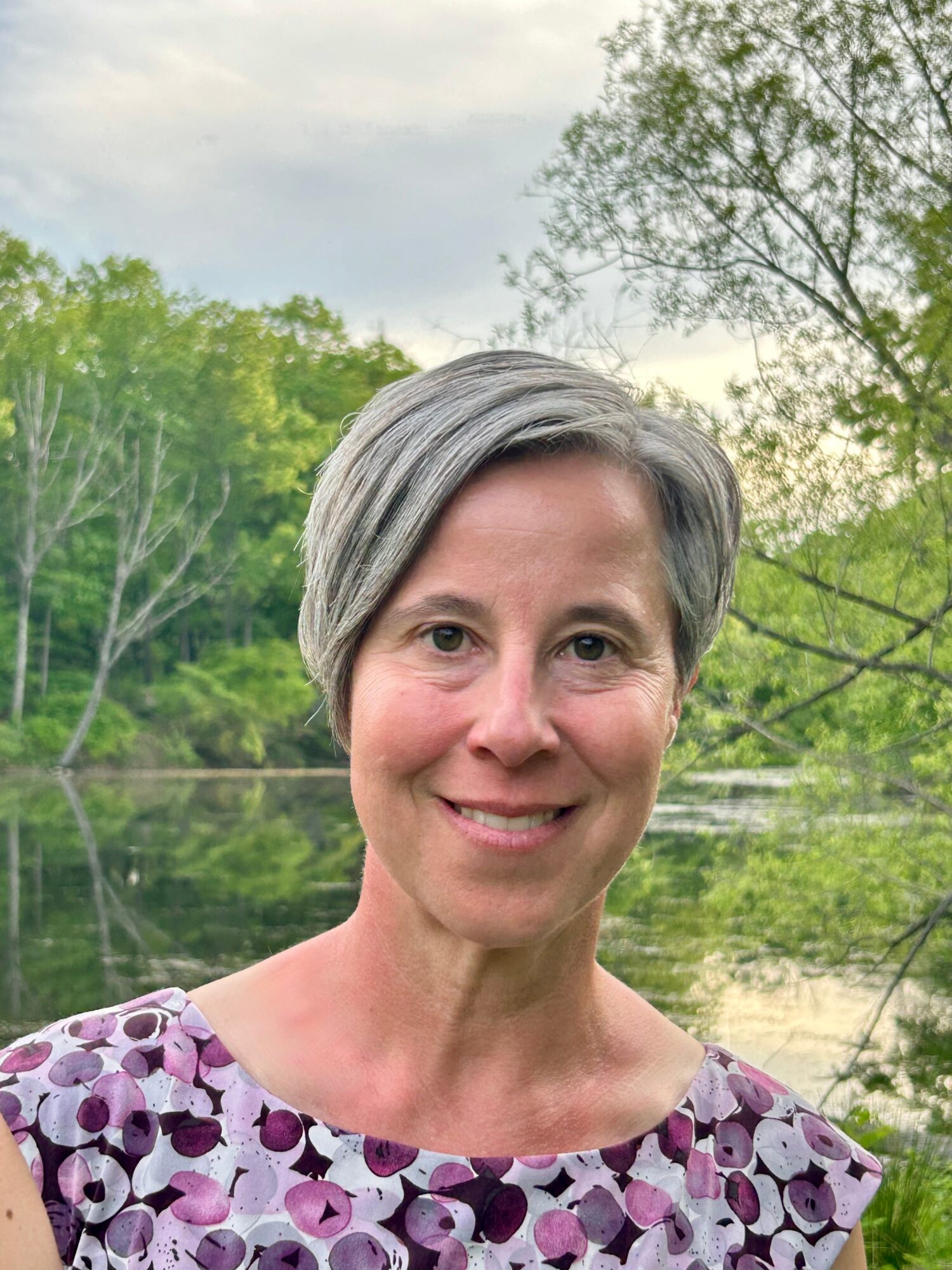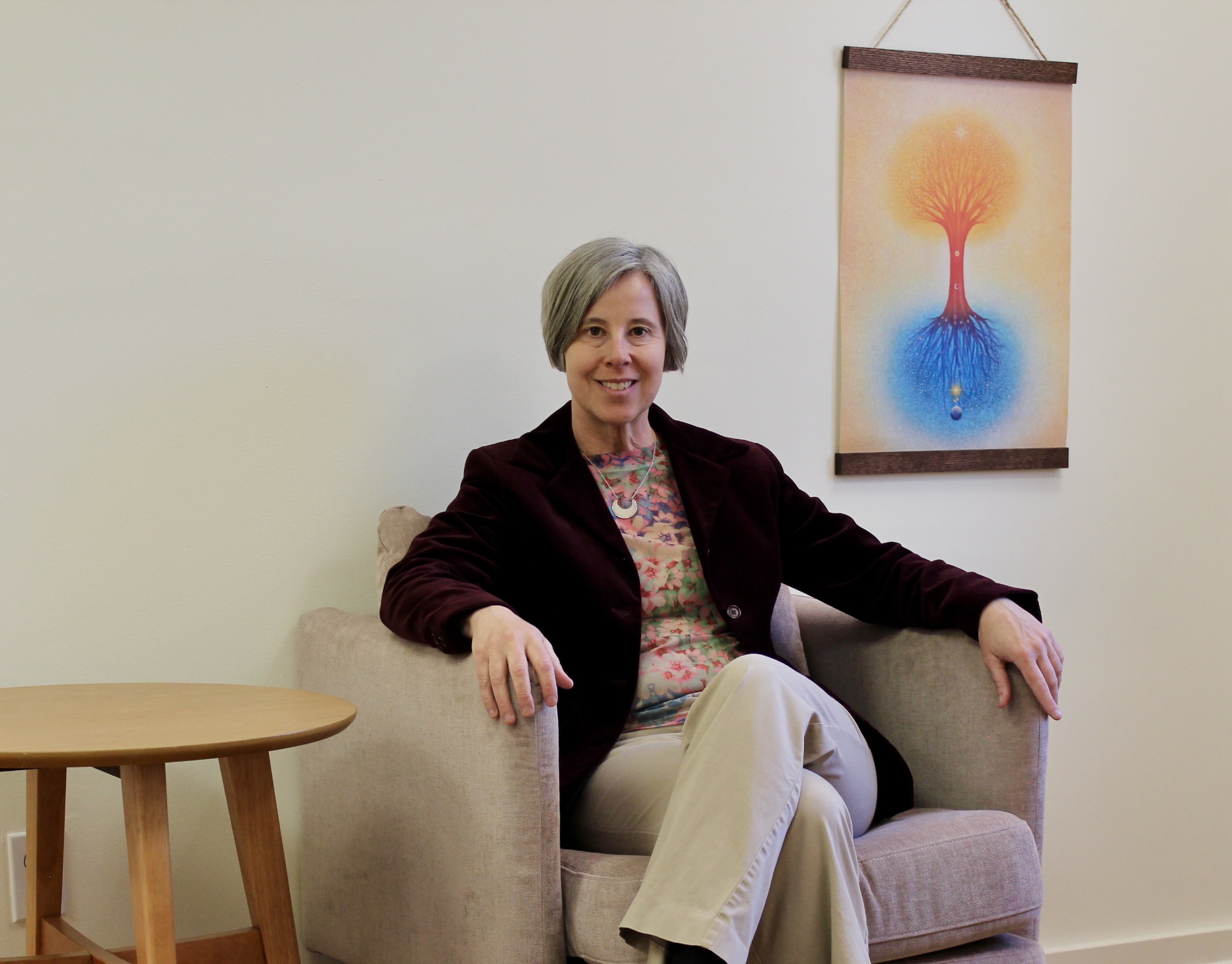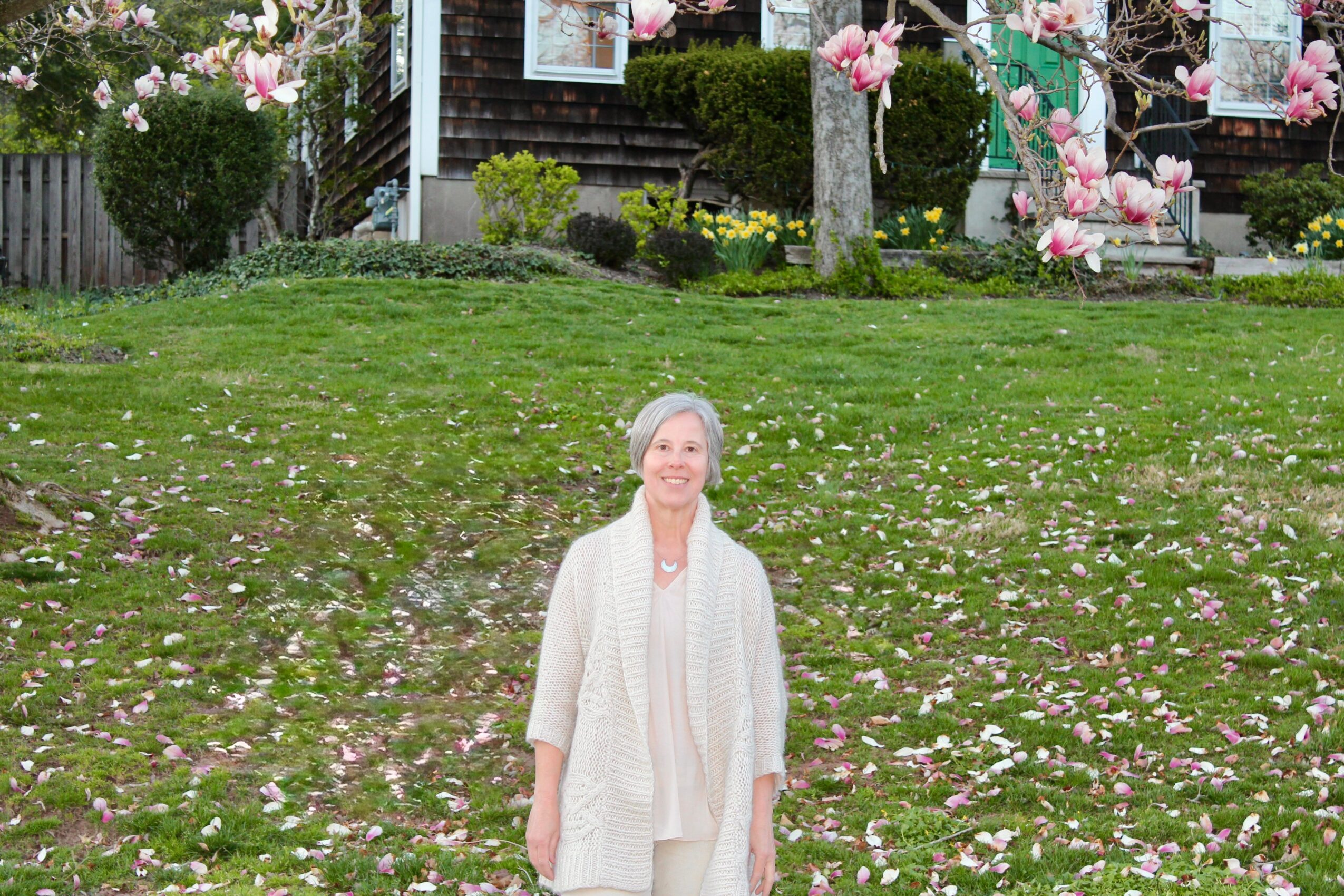





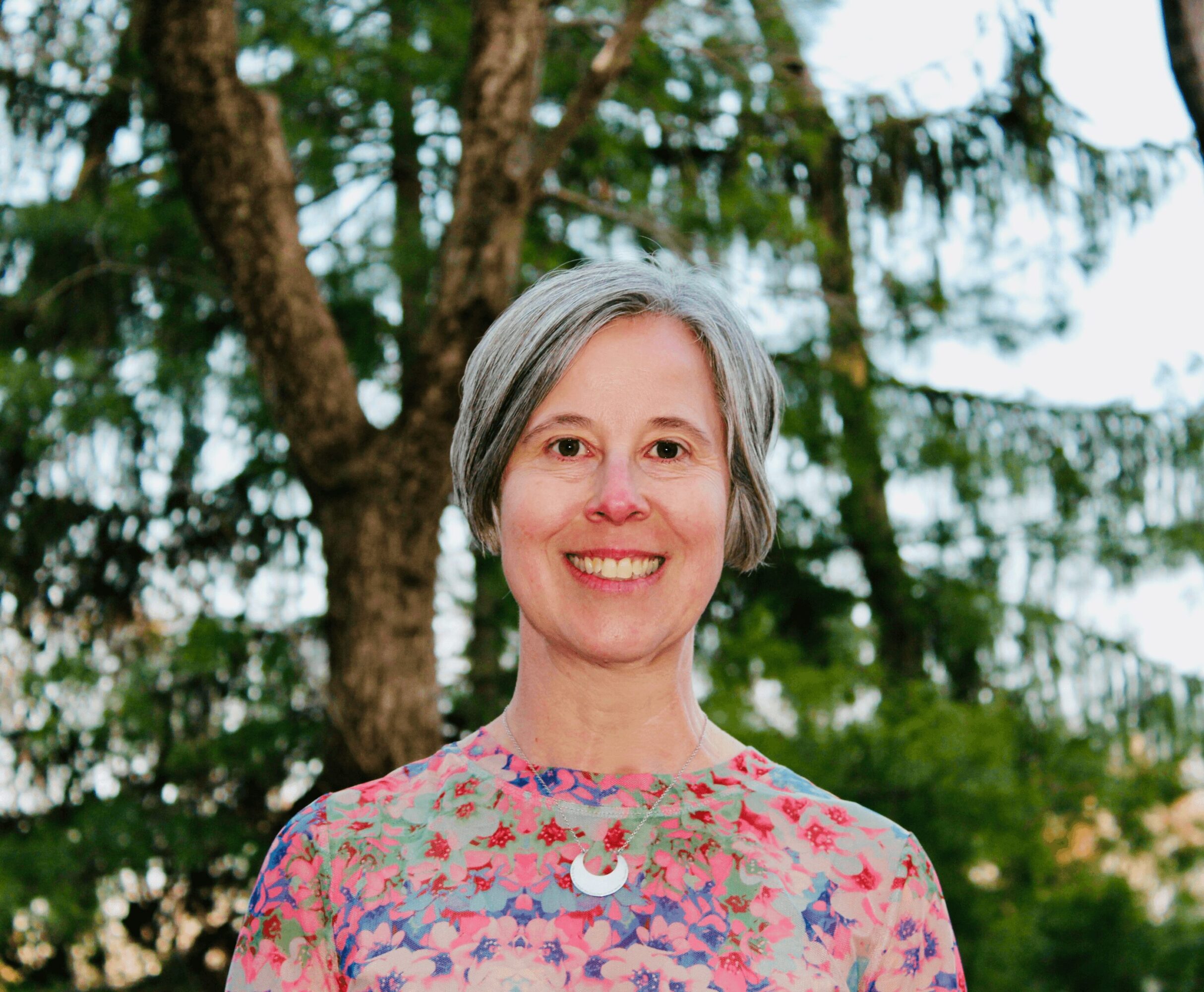
Today we’d like to introduce you to Desirée Reitknecht.
Hi Desirée, so excited to have you on the platform. So before we get into questions about your work-life, maybe you can bring our readers up to speed on your story and how you got to where you are today?
I trained to become a somatic psychotherapist on the West Coast back in 1998. I attended California Institute of Integral Studies in San Francisco, which has one of the few body-oriented psychotherapy programs in the nation. I had the opportunity to study with early pioneers in the field of somatic therapy at a time when the integral role of the body in the healing process was still considered to be the fridges. All of this has changed because modern neuroscience has confirmed the methods that somatic practitioners have been using effectively for decades, and we now better understand why they work.
For the first ten years after I graduated from CIIS and became a licensed marriage and family therapist, I worked at the County of Marin Behavioral Health Department in the San Francisco Bay Area. I was mentored by an interdisciplinary team of skilled mental health clinicians who showed me how to work compassionately with severe mental illnesses such as major mood disorders and psychosis. To positively impact the system of care, I advocated for improving public mental health services. I served in leadership roles on the Wellness and Recovery Task Force and the Cultural Competency Committee, focused on establishing mandates to improve mental health care standards in Marin County. Over time, I expanded my professional experience into roles working at Community-Based Organizations. I supervised psychotherapy interns at the Center for Somatic Psychotherapy and mentored social work interns from UC Berkeley School of Social Work. After leaving the Bay Area in 2013, I relocated to Princeton and opened a private psychotherapy practice where I work now.
Would you say it’s been a smooth road, and if not what are some of the biggest challenges you’ve faced along the way?
Building up and maintaining a thriving private practice has presented several challenges. The process of examining my own expectations about what success means to me has been one challenge. Serving in a healing profession where the work is performed in a private setting, there are few opportunities for external accolades. It has been important for me to establish personal milestones and find meaning in my work that can generate self-satisfaction. For me, running my own business has inherent benefits, such as the freedom to create my own schedule, the opportunity to align my vocational path with my own values, and most importantly, the chance to foster a positive impact on the people whose lives I touch. Other challenges I have faced relate to maintaining the sole responsibility of generating a livable income while planning for future retirement. These realities place a lot of pressure on me to be successful in what I do. Another aspect of being a psychotherapist that requires care and attention is finding ways to work through my own personal challenges to restore my energy and be fully present for my clients. I am raising three vibrant, spirited, and luminous children who transform me each day. I rely on my family and close friends to help me to engage with the complexities of life. I rely on meditation, contemplative embodiment practices, and immersion in natural settings to dynamically maintain my equilibrium and cultivate the quality of presence that is necessary to facilitate therapeutic healing.
Thanks for sharing that. So, maybe next you can tell us a bit more about your business?
Currently, I own and operate a somatic psychotherapy practice on Nassau Street in downtown Princeton, New Jersey. In addition, I offer telehealth psychotherapy services and clinical supervision in California. I specialize in treating anxiety, depression, grief and loss, relationship issues, and overcoming trauma. I support my clients with effective communication in relationships, increasing their capacity for love and connection, identifying and regulating emotions, creative problem-solving, and enhancing executive functioning skills. What makes my psychotherapy practice unique is the somatic approach I use, which focuses on guiding my clients to map the inner and outer dimensions of experience to create a cartography of their life. I guide them through experiential exercises to help them access and track their sensations, feelings, emotions, breath, and movement impulses, which is also referred to as interoceptive awareness. Interoceptive awareness, considered by many to be our 8th sense, involves the ability to sense, perceive, and interpret these bodily signals. A major aspect of sensing embodied knowledge involves attuning to interoceptive awareness so that a person can orient to how they are related to others and the natural world.
The psychotherapy services I provide help individuals break free from habitual patterns of insecurity, fear, and physical/emotional pain that may shape their lives. For transformation to occur, the nervous system needs to learn new patterns of connection, trust, and safety so that the person can experience these changes in their relationships. The therapeutic process can lead to greater emotional resilience, healthier relationships, and a deeper sense of self-worth. My professional vision is to help people establish a sense of meaningful connectedness as a step towards healing the collective. Most recently, I returned to my alma mater, California Institute of Integral Studies, to pursue my Ph.D. I completed the coursework phase in the Transformative Studies Department. Next, I will be designing and conducting a research project on how humans sense ecological interconnectedness through bodily interoceptive awareness. My research seeks strategies for humans to restore our intrinsic capacity to connect with ourselves through embodied awareness as a means to inform ethical relationality and displace human exceptionalism.
So maybe we end on discussing what matters most to you and why?
I have come to embrace the term embodiment enthusiast to describe my passion for somatic psychotherapy. Conscious embodiment is about fostering our innate capacity to translate and register the reciprocal impact we have on one another and all the living beings we share the earth with. Being a somatic therapist is about sensing embodied connection, and it begins with the attuned relationship we cultivate inside ourselves. I often remind my clients that the most intimate relationship that we experience in our lives is the one we create with ourselves. Learning how to sense shifts in feelings and emotions is vital to deeply interacting with life experience. I think it is important to counteract the notion that feelings and emotions should be pleasant or that there’s something wrong. I want my psychotherapy work to help my clients learn how to reset after experiencing emotional discomfort. Experiencing connection through vast moments of awe and registering expansive states of joy can be restorative. What matters most to me is doing what I can to help people learn how to heal and reinhabit their bodies to restore the capacity to connect deeply with one another and the natural world we live within.
Contact Info:
- Website: www.desireereitknecht.com
- Linkedin: www.linkedin.com/in/desiree-reitknecht